How Weight Plates Are Made: A Guide for B2B Buyers
Strategic Procurement: Evaluating Weight Plate Quality and Selection Criteria
Weight plates are precision-engineered load-bearing components used in strength training to provide incremental resistance. For B2B buyers, selecting the right manufacturing standard is essential, as the quality of these components directly dictates the longevity of the gym equipment and the safety of the end-user environment.
Understanding how weight plates are made is not merely a technical exercise; it is a fundamental component of risk mitigation. In the realm of industrial iron plate production, slight deviations in material density or casting precision can lead to uneven wear or structural failure. For distributors and facility owners, investing in high-spec manufacturing ensures manufacturing consistency across every shipment, preventing the logistical headaches of mismatched weights or defective batches.
Ultimately, procurement decisions should be driven by the total cost of ownership (TCO) rather than the lowest initial unit price. Superior durability reduces replacement frequency and maintenance overhead, ensuring that your inventory remains a high-performing asset rather than a recurring liability in the gym equipment supply chain.
To maximize your return on investment, move beyond superficial inspections and focus on the technical benchmarks that define high-tier production. A robust weight plate manufacturing process must be backed by rigorous quality control (QC) benchmarks that address both structural integrity and dimensional accuracy.
Technical Specifications for High-Volume Sourcing
When vetting factory capabilities, request documentation regarding material purity. High-grade iron or steel with consistent density prevents internal air pockets, which are common in low-quality casting. Furthermore, demand clarity on tolerance levels; professional-grade plates should maintain tight tolerances (typically within ±1% to ±2% of the target weight) to ensure uniformity across a full set.
A reliable supplier will also implement strict inspection protocols at multiple stages—from raw material testing to final coating thickness verification. By ensuring your partner utilizes standardized testing for center-hole diameter and surface flatness, you minimize the risk of compatibility issues with barbell sleeves, ultimately protecting your reputation and reducing the frequency of costly returns.
Selecting the appropriate manufacturing method requires a nuanced understanding of your target end-user. A procurement strategy that ignores the distinction between casting and molding can lead to significant discrepancies in both product lifespan and client satisfaction. To assist in your decision-making, we have categorized the two primary production standards used in global fitness distribution.
Production Method vs. Business Application
| Production Method | Primary Characteristics | Lifespan & Durability | Target Market Segment |
|---|---|---|---|
| Cast Iron | High density, rigid structure, cost-effective | Excellent; resistant to heavy impact | Budget retail, home gyms, traditional strength clubs |
| Rubber Bumper | Shock absorption, high elasticity, precision molding | High; protects flooring and equipment | High-end CrossFit, Olympic lifting, commercial facilities |
When calculating your ROI, consider the operational context. While cast iron offers a lower entry price and higher cost-efficiency for volume orders, bumper plates provide superior long-term value for high-traffic commercial environments by reducing secondary costs related to floor damage and barbell wear. Aligning your sourcing with these specific technical profiles ensures your inventory meets the functional demands of your client base.
From Raw Material to Casting: The Industrial Iron Plate Production Lifecycle
The long-term viability of a commercial fitness facility depends heavily on the structural integrity of its foundational equipment. Before the shaping or coating stages begin, the weight plate manufacturing process is dictated by the quality of the initial melt. For professional distributors and gym owners, understanding this stage is critical because the durability of the finished product is determined long before it reaches the assembly line.
High-quality production typically begins with a rigorous selection of raw materials, primarily choosing between cast iron and specialized steel alloys. The iron purity within the melt is a decisive factor; impurities or inconsistent chemical compositions can lead to microscopic fractures or uneven density over time. When sourcing at scale, procurement professionals should prioritize suppliers that maintain strict control over structural density. High-density casting ensures that the plates can withstand the repetitive impact and heavy loading typical of high-traffic commercial environments without cracking or losing dimensional accuracy. Selecting materials that meet commercial grade standards at this foundational stage minimizes future replacement costs and ensures a lower total cost of ownership for your clients.
Once the raw materials are refined, the transition to industrial iron plate production relies heavily on the precision of the casting process. This is where the physical geometry of the plate is established, and it is the stage most susceptible to manufacturing defects if not strictly managed. A high-tier factory will utilize advanced sand casting or permanent mold techniques, where mold precision is the primary safeguard against dimensional inaccuracy. If the mold is not perfectly calibrated, the resulting plates may exhibit slight variations in thickness or diameter, which can cause issues with barbell balance and loading consistency in professional settings.
A critical technical requirement during this phase is thermal stability. The molten iron must be poured and cooled under strictly controlled environmental conditions to prevent the formation of air bubbles or internal voids. These microscopic pockets of air can create weak points, significantly compromising the structural integrity of the plate under heavy impact. For B2B buyers, verifying a supplier's quality control protocols regarding cooling rates and temperature management is essential. Ensuring that the casting process eliminates density fluctuations will prevent premature cracking, ensuring your inventory remains a reliable, long-lasting asset for any commercial gym or distribution network.
When evaluating how weight plates are made, procurement officers must distinguish between the two primary casting methods used in global manufacturing. The choice between sand casting and precision casting often dictates the balance between your initial procurement budget and the long-term replacement cycle of the equipment. While both methods are standard in the industry, they serve different tiers of the fitness market and offer varying levels of structural reliability.
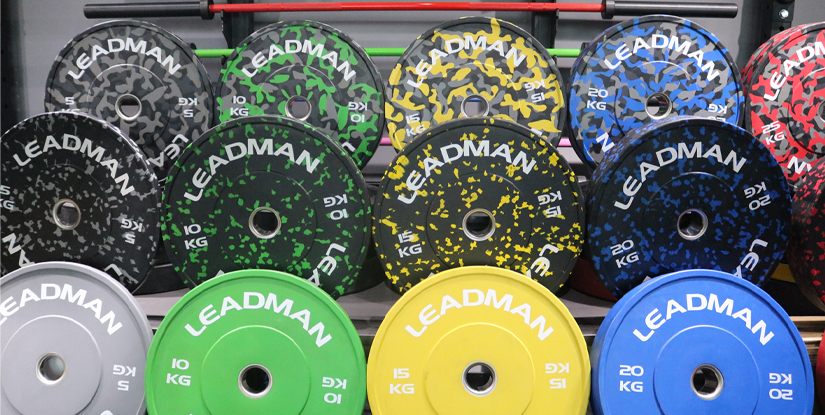
The following comparison outlines the technical and economic differences to help you determine which method aligns with your facility's operational demands and your clients' expectations.
| Comparison of Casting Methods | Sand Casting | Precision Casting |
|---|---|---|
| Cost Efficiency | Higher (Lower initial tooling costs) | Lower (Higher investment in molds) |
| Durability | Standard (Good for general use) | Superior (Higher structural density) |
| Surface Smoothness | Textured/Grainy finish | Smooth/Refined finish |
| Best Use Case | Budget-conscious gyms & home studios | High-traffic commercial & professional facilities |
For distributors managing high-volume orders, selecting the right method is a strategic decision. While sand casting offers a more competitive entry price point, precision casting is often the preferred choice for premium gym equipment supply chains where equipment longevity and aesthetic consistency are non-negotiable requirements for high-end clients.
Precision Engineering: Molding and Machining for Dimensional Accuracy
Once the raw iron or rubber is cast, the weight plate manufacturing process shifts from bulk shaping to high-precision refinement. For commercial distributors and gym equipment suppliers, the difference between a budget product and a professional-grade standard lies in the transition from molding and machining. While casting provides the base form, it often leaves surface irregularities and inconsistent edges that can compromise the user experience.
To mitigate these issues, high-end industrial iron plate production relies on secondary CNC machining to refine the plate's profile and center hole. This stage is critical for achieving strict tolerance levels; without precise machining, plates may exhibit slight variances in thickness or diameter. For a facility manager or bulk buyer, this precision ensures that plates stack smoothly and fit perfectly onto standard barbells without wobbling. Ensuring consistent dimensional accuracy across an entire shipment is vital for maintaining a professional aesthetic and long-term functional reliability in high-traffic commercial environments.
Beyond basic dimensions, the technical rigor applied during the machining stage directly dictates the long-term maintenance requirements and the overall Total Cost of Ownership (TCO) for a facility. A significant oversight in the production chain is neglecting the concentricity of the center hole. If the hole is not perfectly centered through the thickness of the plate, it creates an unbalanced load that causes uneven wear on barbell sleeves and complicates the loading process for end-users.
Furthermore, the quality of surface smoothness is a primary indicator of manufacturing capability. High-precision machining removes casting burrs and creates a uniform surface that prevents friction-induced damage to premium barbell coatings. For wholesale buyers, sourcing plates with superior finish and structural balance is a strategic decision; it reduces the frequency of equipment replacement and minimizes mechanical fatigue. Investing in products where quality control extends to these microscopic tolerances ensures that the equipment remains a durable asset rather than a recurring maintenance liability.
When evaluating a supplier's technical capability, buyers must distinguish between standard casting and high-precision machining. The following comparison provides a framework for assessing how different manufacturing standards impact your procurement decisions, specifically regarding long-term operational costs and equipment longevity.
| Technical Specification | Cast Iron Standards (Standard Grade) | Machined Steel Standards (Premium Grade) |
|---|---|---|
| Tolerance | Moderate (±2% to 3% variance) | Strict (±0.5% to 1% variance) |
| Surface Finish | Textured or granular; may require manual deburring | Smooth, uniform, and precision-ground |
| Center Hole Precision | Variable concentricity; potential for barbell friction | High concentricity; optimized for smooth loading |
| Maintenance Profile | Higher; prone to rust and edge chipping if not coated | Low; engineered for durability and high-frequency use |
| Primary Application | Budget-conscious gyms or home-use retail | High-traffic commercial facilities and CrossFit boxes |
For distributors managing large-scale inventory, selecting the appropriate manufacturing standard is a balance of initial MOQ costs versus the Total Cost of Ownership (TCO). While cast iron offers a lower entry price point, machined steel provides the dimensional consistency required to prevent premature wear on expensive barbell sleeves and reduce long-term maintenance cycles.
Surface Treatments and Protective Coatings for Long-Term Asset Protection
In industrial iron plate production, the structural integrity of the metal is only half the battle. For facility operators, the true value of an investment is dictated by how well the equipment withstands environmental exposure and heavy usage. Without a high-quality finish, raw iron is highly susceptible to oxidation, which leads to unsightly rust and structural degradation. For high-traffic facilities, this isn't just an aesthetic issue; it is a direct hit to the Total Cost of Ownership (TCO). If a distributor or gym owner overlooks the coating specifications during the sourcing phase, they often face premature replacement costs and increased maintenance cycles.
When evaluating supplier capabilities, it is essential to understand the distinction between different finishing methods. The choice between powder coating and liquid paint significantly impacts the long-term durability of the product in diverse climates.
| Finishing Method | Durability Profile | Resistance to Wear | Best Use Case |
|---|---|---|---|
| Powder Coating | High (Resilient layer) | Excellent impact resistance | Commercial gyms & high-traffic zones |
| Liquid Paint | Moderate (Standard coating) | Prone to chipping/scratching | Residential or low-intensity use |
| E-Coating | Very High (Uniform coverage) | Superior corrosion protection | Outdoor or high-humidity environments |
Strategic procurement requires looking beyond the initial unit price to ensure the chosen surface treatment provides sufficient oxidation prevention for the intended lifespan of the facility assets.
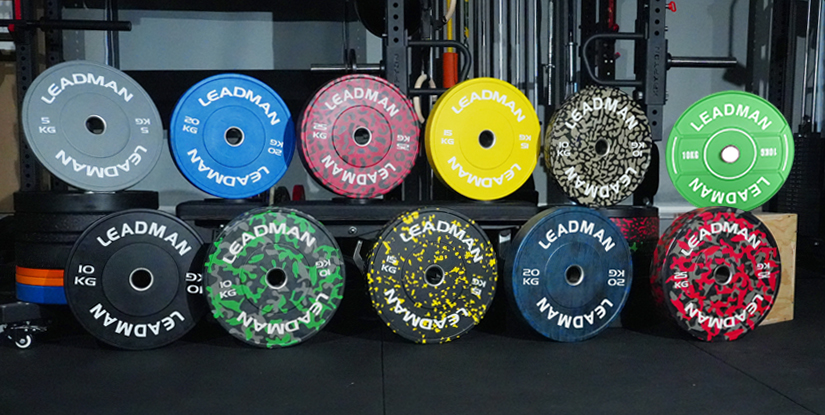
Beyond standard metal finishes, advanced coatings such as electroplating and polyurethane (PU) coating offer specialized protection for specific market segments. While powder coating remains a staple for general commercial durability, procurement professionals must differentiate between these premium options to align with their client's specific environmental demands and aesthetic standards.
For instance, electroplating provides a highly uniform layer that significantly enhances rust resistance, making it a preferred choice for high-end equipment. Conversely, polyurethane coatings are often utilized when the goal is to provide a soft-touch or color-rich finish that can withstand the friction of constant plate transitions without chipping easily.
| Coating Type | Durability | Best Use Case | Maintenance Level |
|---|---|---|---|
| Powder Coating | High | Standard Commercial Gyms | Low |
| Electroplating | Very High | High-Humidity/Outdoor Settings | Minimal |
| Polyurethane (PU) | Moderate to High | Premium Boutique/Functional Fitness | Moderate |
Understanding these technical variations allows a distributor to better advise end-users on the longevity of their inventory. Selecting a coating that matches the facility's ambient humidity and usage frequency is a critical step in minimizing long-term maintenance liabilities and ensuring product reliability.
Understanding how weight plates are made is incomplete without examining the rigorous quality control protocols applied during the coating stage. For a B2B buyer, a factory’s ability to maintain strict oversight during this phase is the difference between a reliable shipment and a batch of defective inventory. High-quality manufacturers do not rely on visual estimation alone; they utilize standardized testing to verify that the protective layer is functionally sound.
During a factory inspection or a pre-shipment audit, procurement professionals should verify that the following QC checkpoints are integrated into the production line:
- Adhesion testing: This ensures the coating is chemically or mechanically bonded to the iron substrate, preventing premature peeling under heavy use.
- Thickness uniformity: Consistent micron levels across the entire surface prevent "thin spots" that become vulnerable to rust.
- Visual inspection for imperfections: A meticulous check for bubbles, pitting, or uneven textures that could compromise the aesthetic or structural integrity.
- Batch consistency: Ensuring that color shades and texture profiles remain identical across large-scale orders to maintain a professional look for the client's facility.
By prioritizing suppliers that document these specific metrics, distributors can mitigate the risk of receiving substandard goods and ensure their inventory meets the durability standards expected in the North American commercial market.
Quality Control Protocols in the Gym Equipment Supply Chain
For distributors and gym owners, the true cost of a procurement decision is rarely found in the initial invoice, but rather in the long-term maintenance and replacement cycles. A failure to implement rigorous oversight during the weight plate manufacturing process can lead to significant operational headaches, ranging from uneven barbell loading to premature surface degradation. When sourcing at scale, understanding the technical benchmarks of industrial iron plate production is essential for mitigating these risks.
Reliable suppliers must demonstrate strict adherence to tolerances across several critical dimensions. High-quality production requires precise dimensional accuracy to ensure plates fit seamlessly on standard barbells without wobbling. Furthermore, a strict weight tolerance protocol is non-negotiable; even minor deviations can compromise the balance of a lift and lead to high return rates. Beyond the core, the structural integrity of the plate must be verified to withstand high-impact drops, while surface coating consistency ensures that the protective layer remains intact under heavy use, preventing rust and reducing the need for frequent facility upkeep.
To optimize the Total Cost of Ownership (TCO) and minimize long-term maintenance overhead, procurement professionals should utilize a standardized inspection framework during factory audits or pre-shipment inspections. Relying on visual checks alone is insufficient; a data-driven approach ensures that the batch meets the rigorous standards required for high-traffic commercial environments.
The following checklist provides the technical benchmarks typically expected when evaluating high-grade weight plates. Use these parameters to verify that your supplier’s quality control protocols align with global commercial standards.
| Inspection Metric | Standard Benchmark / Tolerance | Procurement Significance |
|---|---|---|
| Weight Deviation | ±1% to ±2% of nominal weight | Ensures barbell balance and prevents user injury |
| Center Hole Concentricity | Minimal eccentricity (tight fit) | Prevents barbell wobble and uneven wear on sleeves |
| Coating Thickness | Consistent micron level (μm) | Protects against oxidation and surface chipping |
| Rust Resistance | Salt spray test compliance | Extends product lifespan in humid gym environments |
| Batch Uniformity | Identical dimensions across units | Ensures seamless stacking and aesthetic consistency |
By implementing these specific verification steps, buyers can transition from reactive troubleshooting to proactive asset management, ensuring that every shipment reinforces the durability of their fitness facility.
Beyond the technical specifications, the strategic value of a rigorous inspection framework lies in its ability to stabilize the gym equipment supply chain against unpredictable variables. A lack of oversight often manifests as poor batch consistency, where uneven plate thickness or varying surface textures lead to mismatched sets that disrupt training flow and aesthetic standards. For large-scale distributors, this inconsistency is not merely a cosmetic issue but a direct threat to procurement reliability.
Furthermore, robust quality control directly influences shipping durability. Plates that undergo standardized stress testing are better equipped to handle the rigors of international transit and heavy-duty stacking without structural deformation. This resilience effectively extends the maintenance window for facility managers, as high-grade coatings and reinforced edges provide superior long-term wear resistance against high-impact usage. By prioritizing suppliers who treat quality control as a logistics safeguard, B2B buyers can significantly reduce the frequency of replacements and ensure a lower total cost of ownership over the product lifecycle.
Logistics Optimization: Managing Bulk Shipments and Inventory Volume
For distributors and gym equipment wholesalers, the complexity of the industrial iron plate production cycle does not end at the factory gate. Because iron is a high-density material, the primary challenge shifts from manufacturing precision to spatial efficiency. Unlike lightweight accessories, weight plates present a high weight-to-volume ratio, meaning your shipping costs are driven as much by the physical footprint of the product as they are by the actual tonnage. Failure to account for this during the procurement phase can lead to inflated landed costs and inefficient warehouse utilization.
Optimizing shipping container optimization requires a deep understanding of how different plate designs impact volume density. For example, standard cast iron plates may stack differently than thin-profile bumper plates, affecting how many units fit within a standard 20ft or 40ft container. Professional buyers must evaluate the stacking geometry to ensure they are not paying to ship "empty air."
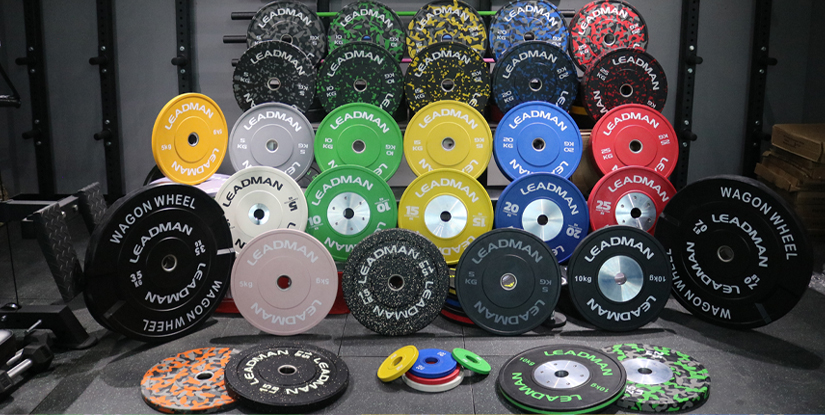
| Plate Type | Volume Density | Storage Profile | Procurement Priority |
|---|---|---|---|
| Standard Cast Iron | High | Uniform/Stackable | Cost-per-kg optimization |
| Bumper Plates (Rubber) | Medium | Bulkier Footprint | Protection & Surface Area |
| Precision Calibrated | High | Compact/Dense | Strict dimensional tolerances |
When negotiating with suppliers, always request specific packing dimensions and palletization layouts. Understanding how your order occupies container space is essential for maintaining healthy margins in the competitive North American fitness market.
To prevent logistical bottlenecks, buyers should utilize a more granular comparison of how material composition dictates physical dimensions. While cast iron is often more compact, the outer diameter and thickness of rubberized bumper plates can significantly alter your container load factor. The following table provides a practical framework for calculating your warehouse footprint and shipping requirements during the planning phase.
| Plate Type | Typical Volume Footprint | Stackability Factor | Best Shipping Method |
|---|---|---|---|
| Cast Iron (Standard) | Low/Compact | High (Stable stacking) | Standard Palletization |
| Bumper Plates (Rubber) | Medium/High | Moderate (Compression risk) | Reinforced Crating |
| Competition Calibrated | Very Low/Dense | High (Precision edges) | Customized Pallet Layout |
Strategic Tip: When sourcing high-volume orders, request the exact "outer diameter vs. thickness" ratio for each SKU. This data allows your logistics team to calculate the precise number of units per pallet, ensuring you maximize the weight capacity of your shipping containers without exceeding dimensional limits.
Effective inventory management requires a proactive approach to the gym equipment supply chain, particularly because raw material fluctuations can impact production speed. Relying on a "just-in-time" model for heavy iron goods is often risky due to the inherent volatility in metal pricing and global shipping lanes. To maintain a consistent stock level, procurement specialists must integrate lead time management into their annual forecasting. This means accounting for not only the time required for the physical manufacturing of the plates but also the buffer needed for ocean freight and customs clearance.
When evaluating MOQ considerations, the goal should be to find the equilibrium between cost savings and your actual warehouse footprint. While a bulk procurement strategy can significantly lower the per-unit landed cost through economies of scale, it also demands a high degree of spatial discipline. Over-ordering dense iron products without sufficient racking or floor-load capacity can lead to secondary costs in warehouse management and potential safety hazards. We recommend coordinating closely with your factory partner to synchronize production cycles with your storage availability, ensuring that large-scale shipments arrive exactly when your inventory thresholds are met.
Sourcing Intelligence: Navigating OEM/ODM and MOQ Requirements
When scaling your inventory, the decision between OEM and ODM models significantly dictates your total landed cost and product differentiation. An OEM (Original Equipment Manufacturer) approach typically involves utilizing a factory's existing, proven molds and standard material specifications. This is often the most cost-effective route for distributors looking to maintain high volume and low unit prices, as the complexity of how weight plates are made is already standardized within the manufacturer's production line.
Conversely, an ODM (Original Design Manufacturer) model offers greater control over branding and specialized features, such as custom logo integration or unique dimensional tolerances. However, this level of customization introduces variables that impact your bottom line. Advanced material selection—such as transitioning from standard cast iron to high-grade urethane coatings—and bespoke mold designs increase both the initial tooling investment and the production lead times. While ODM allows for a unique market position, buyers must account for higher Minimum Order Quantities (MOQs) to offset the specialized setup costs required for non-standard manufacturing runs.
Understanding the relationship between order volume and unit pricing is essential for effective inventory management. In industrial iron plate production, the cost-per-unit trend is heavily influenced by the scale of the manufacturing run. Most suppliers utilize tiered MOQ structures to balance production efficiency with client needs. Small-batch orders often carry a premium because they do not fully leverage the economies of scale inherent in large-scale casting and automated coating processes.
Optimizing Logistics and Total Cost of Ownership
For professional distributors, the true cost of a shipment extends beyond the factory gate. Strategic procurement requires looking at shipping container optimization as a primary lever for reducing landed costs. Because weight plates are high-density, high-weight items, the volume-to-weight ratio is a critical constraint. Buyers should coordinate with manufacturers to ensure that container loads are maximized without exceeding maritime weight limits, as under-utilized space represents wasted capital.
Furthermore, managing the balance between stock availability and warehouse overhead is a key component of a healthy gym equipment supply chain. While high-volume orders reduce the individual unit price, they also increase your capital tied up in inventory and potential storage costs. A sophisticated procurement strategy involves aligning your order cycles with production lead times to ensure a steady flow of stock that supports market demand without overextending your liquid assets.
To assist in your procurement modeling, we have outlined the fundamental differences between standardized procurement and bespoke manufacturing. This comparison highlights how the complexity of the manufacturing process directly correlates to your budget, speed of delivery, and volume requirements.
| Production Model | Cost Impact | Lead Time | Minimum Order (MOQ) | Ideal Use Case |
|---|---|---|---|---|
| Standard Mass Production | Low; optimized for economies of scale | Short; relies on existing stock/molds | Moderate to High | General retail replenishment and high-volume gym fit-outs |
| Customized OEM/ODM | High; includes tooling and setup fees | Extended; includes design and mold validation | High; required to offset custom setup | Brand differentiation and specialized commercial series |
When evaluating these options, remember that standardized production offers the lowest risk regarding quality consistency, as the molds are already verified. However, if your goal is to establish a proprietary product line with unique aesthetics or specific weight tolerances, the customized route is necessary despite the higher initial investment. Successful buyers typically blend these two strategies: utilizing standard stock for rapid replenishment while planning long-term custom runs for seasonal or flagship product launches.