review barbell plates | Evaluating Barbell Plate Quality
Operational Demands and Facility Deployment Scenarios
When planning a high-traffic fitness layout, procurement professionals must look beyond individual unit costs to consider how physical dimensions impact long-term facility throughput. A thorough review barbell plates specifications reveals that the diameter and thickness of your inventory directly dictate the operational flow of your training environment. Buyers must evaluate three critical checkpoints: the risk of obstructed movement paths, the precision of equipment specifications against existing racks, and the logistical footprint of storage solutions. Failing to account for these variables often leads to inefficient high-density training zones where equipment density compromises athlete safety and movement freedom.
Standardizing your inventory according to commercial weight plate standards is essential for maximizing floor space optimization. In many boutique strength studios or large-scale commercial gyms, the spatial footprint of a barbell setup extends beyond the rack itself. If the plate diameter or thickness is inconsistent, it can create unpredictable protrusions that disrupt the natural movement corridors of the facility. For distributors and gym owners, selecting plates with optimized dimensions ensures that heavy-duty lifting stations remain compact and professional, allowing for more efficient use of square footage in premium real estate environments.
To assist in your decision-making process, we have categorized common facility deployment scenarios based on the relationship between plate thickness and storage density. Choosing between high-density iron or high-durability bumper plates is not merely a matter of preference, but a strategic decision regarding your facility's long-term spatial efficiency and barbell plate durability.
| Facility Type | Recommended Plate Type | Thickness Profile | Storage Density & Footprint |
|---|---|---|---|
| High-Traffic Strength Gym | Standard Bumper Plates | Thicker (High Volume) | Requires dedicated vertical/horizontal plate trees; higher spatial footprint. |
| Boutique/Compact Studio | Precision Iron/Steel | Slim/Thin Profile | Maximizes bar sleeve capacity; ideal for limited rack space. |
| CrossFit/Performance Center | Competition Bumper | Uniform/Thick | Prioritizes impact absorption; requires robust, high-capacity storage solutions. |
When sourcing via wholesale channels, procurement managers should verify if the manufacturer offers consistent thickness tolerances. In high-density training zones, the thickness of the plate determines how many kilograms can be loaded onto a single barbell. While thinner iron plates allow for more weight on the bar, they offer less impact protection. Conversely, while bumper plates are essential for dynamic lifting, their increased thickness requires more substantial storage infrastructure to maintain an organized, professional floor plan.
Beyond physical dimensions, a professional gym equipment procurement guide must address the impact of weight plate selection on long-term operational workflows. Efficient loading and unloading efficiency is a cornerstone of high-performance facility management; if plates are cumbersome or inconsistently sized, the time required for transitions between sets increases, effectively lowering your facility throughput. This latency is particularly detrimental during peak hours when equipment availability determines member satisfaction and turnover rates.
Furthermore, the choice of material and thickness dictates your long-term maintenance windows and the overall equipment lifecycle. High-durability bumper plates, while requiring more storage volume, reduce the frequency of rack and flooring repairs due to superior shock absorption. In contrast, thinner, high-density steel plates may optimize space, but they necessitate a more rigorous inspection schedule to prevent wear on barbell sleeves. For distributors and facility owners, balancing these logistical requirements against the intended intensity of use is vital to ensuring that the total cost of ownership remains predictable over several years of heavy commercial use.
Technical Specifications and Commercial Weight Plate Standards
In high-traffic strength facilities, the discrepancy between theoretical weight and actual mass can lead to significant operational friction. When sourcing for large-scale distribution or gym franchises, relying on generic descriptions is a risk; instead, procurement professionals must demand adherence to strict commercial weight plate standards. Without these benchmarks, a shipment may arrive with inconsistent mass distribution, which compromises the balance of the barbell and increases the physical strain on the athlete.
True barbell plate durability is not merely about the ability to withstand impact, but about maintaining structural integrity over thousands of loading cycles. This requires precision manufacturing processes that minimize weight deviation across an entire production batch. For distributors and facility owners, even a slight variance in plate thickness or density can lead to uneven wear patterns or calibration issues. Prioritizing suppliers who implement rigorous quality control ensures that your inventory remains consistent, protecting your long-term ROI and reducing the frequency of replacement cycles.
To make an informed decision during the sourcing process, it is essential to understand how different materials respond to mechanical stress and weight variance. The following comparison highlights the technical differences between common materials to assist in your procurement planning.
| Material Type | Typical Tolerance Range | Primary Use Case | Durability Profile |
|---|---|---|---|
| Rubber Bumper Plates | ±1% to ±3% | Olympic lifting and high-impact training | High impact resistance; designed for repeated drops |
| Cast Iron Plates | ±2% to ±5% | Standard bodybuilding and strength training | High structural rigidity; susceptible to chipping if dropped |
| Steel/Iron Calibrated | <±0.1% to ±0.5% | Competitive powerlifting and precision training | Extreme precision; intended for controlled loading |
When reviewing the specifications from your factory or distributor, always confirm the tolerance threshold for your specific order. While bumper plates offer superior longevity in high-impact environments, cast iron remains a cost-effective solution for traditional strength zones where impact is minimized. Selecting the appropriate material based on these technical benchmarks prevents premature equipment degradation and ensures consistent performance across your facility.
Beyond the weight tolerance, a critical factor in any gym equipment procurement guide is the relationship between manufacturing quality and the total cost of ownership. For commercial operators, the cheapest initial unit price often masks hidden expenses related to maintenance and premature replacement. High-frequency usage in a commercial setting subjects equipment to constant mechanical stress, friction, and environmental exposure. If a supplier neglects the details of coating integrity, the resulting oxidation or surface peeling can degrade the aesthetic of a premium facility and eventually compromise the structural stability of the plate itself.
A robust manufacturing process ensures that the protective layer—whether it is high-density urethane or specialized powder coating—is chemically bonded to the core. This prevents the edges from fraying or the center from cracking under heavy loading. When evaluating a potential vendor, consider that a higher-quality finish is a direct investment in your ROI. By choosing plates designed for heavy-duty cycles, you reduce the labor costs associated with frequent cleaning and the capital expenditure required for mid-cycle replacements, ensuring your facility remains operational and professional for years to come.
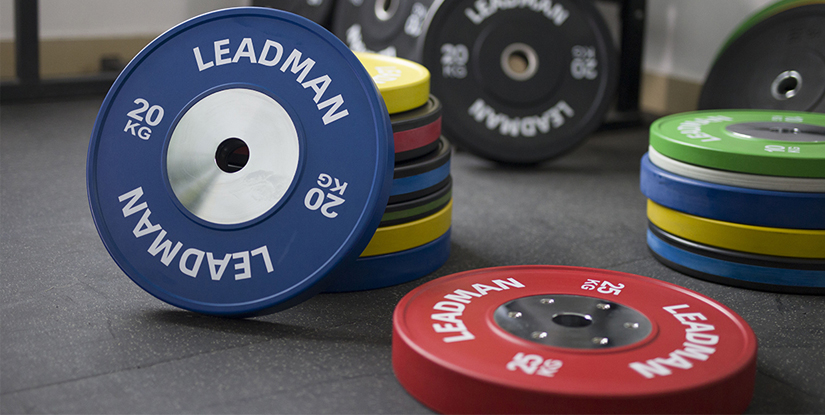
Material Composition and Surface Integrity for High-Traffic Zones
When conducting a professional review barbell plates for large-scale facility deployments, the focus must shift from mere weight accuracy to long-term structural resilience. In high-traffic zones, equipment undergoes constant mechanical stress, making material integrity a primary driver of Total Cost of Ownership (TCO). Substandard manufacturing often results in premature failure through chipping, oxidation, or coating degradation, which directly increases replacement frequency and labor costs.
A critical aspect of a review barbell plates involves assessing how they withstand structural fatigue over thousands of loading cycles. Premium commercial weight plate standards require high-density materials—such as high-grade cast iron or vulcanized rubber—that maintain surface integrity even under heavy impact. For B2B buyers and distributors, overlooking these physical vulnerabilities represents a significant B2B procurement risk, as low-quality finishes can lead to rust or uneven weight distribution, ultimately compromising both the aesthetic and functional lifespan of the gym floor.
Selecting the correct material profile is essential for managing long-term maintenance requirements and facility aesthetics. Depending on whether your deployment is a high-intensity CrossFit box or a premium wellness club, the durability of the surface coating will dictate your replacement cycles. While cast iron offers a baseline for heavy lifting, modern commercial environments often demand the enhanced impact resistance provided by advanced polymers.
The following comparison outlines how different material compositions perform under the rigorous demands of professional training environments:
| Material Type | Primary Benefit | Durability Profile | Maintenance Profile |
|---|---|---|---|
| Cast Iron | Cost-efficiency | High structural density; prone to oxidation if coating fails. | Low; requires occasional rust prevention. |
| Rubber-Coated | Impact absorption | High rubber density; protects flooring from heavy drops. | Moderate; monitor for chipping or scent issues. |
| Urethane Coating | Maximum longevity | Superior resistance to abrasion and chemical degradation. | Minimal; remains aesthetically intact under heavy use. |
For distributors sourcing high-end inventory, prioritizing a high-grade urethane coating is often the safest bet for reducing long-term service calls. While the initial unit cost may be higher, the resistance to tearing and the ability to withstand extreme mechanical stress ensure a much higher barbell plate durability rating in high-volume commercial settings.
Rigorous Quality Control: Surface Finish and Edge Integrity
A sophisticated gym equipment procurement guide must emphasize that weight accuracy is secondary to physical resilience during the inspection phase. Even if a plate meets weight specifications, poor manufacturing can lead to rapid depreciation. When auditing a shipment, procurement officers should focus on two critical failure points: coating adhesion and edge chipping. Inadequate bonding between the core material and the outer layer often results in unsightly peeling or structural degradation after only a few months of heavy use, which undermines the premium feel of a commercial facility.
To ensure a high long-term ROI, your inspection checklist should include a hands-on assessment of the edges. High-quality plates must exhibit smooth, consistent manufacturing tolerances without jagged or uneven perimeters. Sharp or brittle edges are a red flag, as they indicate a high risk of edge chipping during high-impact drops, which can eventually damage your barbell sleeves or flooring. By prioritizing strict quality control regarding surface finish and edge uniformity, distributors can avoid the costly cycle of premature replacements and maintain a professional-grade aesthetic for their end-users.
Optimizing Storage Density and Floor Layout Efficiency
When conducting a professional review barbell plates specifications, many procurement managers focus solely on weight accuracy, often overlooking the logistical footprint. In high-traffic commercial facilities, the thickness-to-diameter ratio is a critical variable that dictates how much functional space remains available for movement. Thinner, high-density plates allow for more weight on a single barbell sleeve, which is essential for heavy lifting stations, but they also impact how your storage solutions are organized.
Selecting the wrong profile can lead to inefficient floor layout efficiency, where bulky, low-density plates consume excessive rack space or obstruct traffic flow. To maintain high commercial weight plate standards, buyers must balance barbell plate durability with the physical dimensions of their storage footprint. A strategic decision at the sourcing stage ensures that your facility remains organized and scalable.
| Plate Profile Type | Space Efficiency | Best Use Case | Procurement Priority |
|---|---|---|---|
| Ultra-Slim Competition | Maximum | High-end strength platforms | Sleeve capacity optimization |
| Standard Bumper | Moderate | General fitness/CrossFit | Versatility and durability |
| Cast Iron/Old School | Low | Vintage-style training gyms | Compact weight-to-size ratio |
The following comparison highlights the technical trade-offs between different profiles. When drafting a gym equipment procurement guide for your facility, consider that the thickness of the plate directly influences both the barbell's center of gravity and your vertical storage density. While slim-profile plates offer superior capacity for heavy barbell sleeves, standard bumper plates often provide a more robust surface area for high-impact durability in general training environments.
| Profile Specification | Thickness Variation | Storage Density Impact | Primary Advantage |
|---|---|---|---|
| Competition (Slim) | Minimal / Ultra-Thin | High: More plates per rack/sleeve | Maximizes barbell weight capacity |
| Standard Bumper | Moderate / Medium | Balanced: Standard footprint | Optimal for multi-use durability |
| Traditional Cast | High / Thick | Low: Requires more storage volume | Cost-effective for basic loading |
For distributors and facility owners, optimizing for space is not just about the footprint of the rack, but the long-term scalability of the inventory. Choosing a consistent profile across your order helps streamline shipping volumes and ensures that your storage solutions remain compatible with your existing facility layout.
Beyond the physical footprint, the long-term financial implications of plate selection extend into your operational overhead. A comprehensive gym equipment procurement guide must account for the total cost of ownership (TCO), which includes both the initial purchase price and the eventual maintenance requirements. Low-quality coatings or inconsistent manufacturing tolerances often lead to premature wear, causing plates to stick in racks or degrade under heavy usage. This degradation necessitates more frequent replacements and can disrupt the organized flow of a professional training floor.
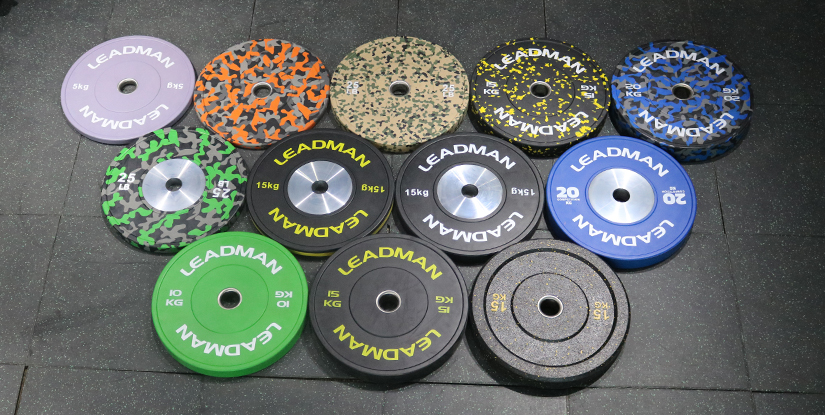
When evaluating barbell plate durability, procurement officers should look beyond the unit cost to assess how the material handles environmental stress and high-frequency loading. High-density, precision-engineered plates may carry a higher upfront premium, but they frequently offer a superior long-term ROI by reducing the need for unscheduled inventory replenishment and minimizing facility downtime. For large-scale distributors and gym owners, investing in standardized, high-tolerance specifications ensures that the equipment remains a reliable asset rather than a recurring maintenance liability.
Long-term Maintenance and Replacement Cycles
When calculating the true cost of your inventory, the initial purchase price is only one variable. For high-traffic fitness facilities, the real metric is the Total Cost of Ownership (TCO). A lower upfront cost often masks a rapid decline in barbell plate durability, leading to premature replacement cycles that disrupt your facility's budget and aesthetic consistency.
Rigorous adherence to commercial weight plate standards ensures that equipment can withstand the mechanical stress of constant loading and dropping. During regular inspections, procurement managers should look closely at wear patterns around the center hub and the integrity of the outer edges. A critical failure point in lower-quality batches is the degradation of surface coating integrity; once the protective layer chips or peels, the base material becomes susceptible to oxidation and structural weakening. By prioritizing high-grade finishes and robust construction during the sourcing stage, distributors can significantly extend the maintenance window and optimize long-term ROI.
To maintain safety and operational efficiency, facility managers must implement a standardized inspection checklist. Rather than waiting for visible failure, proactive monitoring of dimensional accuracy and physical degradation can prevent liability issues. We recommend a quarterly audit to identify subtle changes in equipment performance that signal a need for inventory updates.
The Essential Inspection Checklist
When conducting a review barbell plates quality assessment, focus on these three critical indicators of wear:
- Structural Integrity: Inspect for hairline cracks around the center sleeve or significant warping of the plate shape, which can indicate metal fatigue or poor casting quality.
- Oxidation and Surface Corrosion: Check for signs of rust or bubbling beneath the coating. Advanced oxidation often suggests a failure in the factory-applied protective layer, which can compromise the plate's weight consistency.
- Dimensional Deviations: Verify that the inner diameter remains uniform. If the plate no longer fits snugly or wobbles excessively on the barbell, the central hole may have expanded due to material wear.
Replacement Triggers: Immediate replacement is mandatory if you observe deep pitting, significant weight imbalances between matched pairs, or any structural cracking. Replacing these items before they reach a state of total failure protects your facility's reputation and ensures long-term safety compliance.
To streamline your procurement planning and long-term budgeting, it is essential to understand how material selection directly dictates your operational overhead. Different plate compositions offer varying levels of resistance to environmental factors and physical impact, which fundamentally alters the replacement frequency required for a commercial setting.
The following comparison provides a high-level overview of how material profiles influence maintenance requirements and the projected lifespan of your inventory. Use this data to align your initial capital expenditure with your facility's long-term operational capacity.
| Material Type | Maintenance Profile | Expected Lifespan |
|---|---|---|
| Bumper Plates (Urethane) | Minimal; requires occasional wiping of surface debris. High resistance to chemical cleaners. | High (8–10+ years in high-use environments) |
| Bumper Plates (Rubber) | Moderate; monitor for surface cracking or "blooming" due to UV or temperature shifts. | Medium to High (5–8 years) |
| Cast Iron | Moderate; requires periodic inspection for oxidation and rust prevention on exposed metal. | High (Dependent on coating integrity) |
| Steel / Vinyl Coated | Low to Moderate; check for vinyl punctures or peeling that expose the inner steel to moisture. | Medium (3–6 years depending on usage intensity) |
When reviewing barbell plates for a large-scale facility rollout, consider that the most durable materials—such as high-grade urethane—often command a higher initial MOQ and unit price but drastically reduce the frequency of reinvestment. For distributors and gym owners, selecting the appropriate material profile is a strategic decision between low upfront costs and long-term operational stability.
Wholesale Sourcing and Quality Control Protocols
When scaling a fitness facility or managing a distributor network, the focus must shift from the unit price of a single set to the total cost of ownership (TCO). A low-cost entry point often masks hidden expenses, such as premature replacement cycles or high maintenance overhead. To protect your margins, a comprehensive review barbell plates involves looking beyond the surface aesthetics to evaluate the underlying structural integrity and manufacturing precision.
Reliable procurement requires a deep understanding of commercial weight plate standards to ensure consistency across high-volume orders. Relying on substandard factory output introduces significant procurement risks, including dimensional inaccuracies that affect barbell balance and compromised barbell plate durability under heavy impact. By prioritizing rigorous quality control and vetting factory capabilities, buyers can secure a long-term ROI that stabilizes operational budgets and minimizes the frequency of unscheduled equipment turnover.
To mitigate these risks, professional buyers should implement a structured vetting process during the initial sourcing phase. Rather than accepting generic assurances, demand transparency regarding specific QC protocols and manufacturing tolerances. A high-caliber facility should be able to provide documented evidence of material consistency, ensuring that the density and metallurgical properties of the weight plates remain uniform across every batch produced.
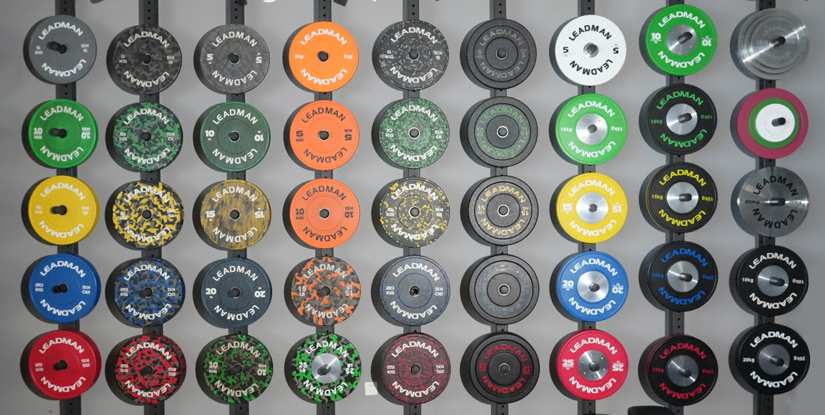
When conducting a factory audit, prioritize the following evaluation points to verify technical competency:
- Dimensional Precision: Verify if the manufacturer maintains strict tolerances for plate thickness and center-hole diameter to prevent barbell slippage.
- Material Testing: Confirm the presence of standardized testing for coating adhesion and impact resistance.
- Inspection Checklists: Request a sample of their internal quality documentation to ensure every shipment undergoes rigorous weight and balance verification.
- MOQ and Scalability: Clarify MOQ discussions early to understand how bulk production affects lead times and quality oversight.
Establishing these benchmarks during the audit phase ensures that your inventory meets the high-intensity demands of commercial environments, effectively safeguarding your capital investment.
Selecting the right procurement model is a strategic decision that balances cost-efficiency against logistical control. Depending on your order volume and technical expertise, you may choose between direct factory engagement or utilizing a regional distributor. Each path offers distinct advantages regarding shipping complexity and quality oversight.
The following comparison illustrates how different sourcing structures impact your operational workflow and risk profile:
| Sourcing Factor | Direct Factory Procurement | Regional Distributor Model |
|---|---|---|
| Primary Benefit | Maximum margin optimization | Reduced logistical friction |
| Minimum Order (MOQ) | Typically high; requires volume | Lower; allows for smaller batches |
| Lead Time | Longer (production + ocean freight) | Shorter (local stock availability) |
| Quality Oversight | Requires independent 3rd-party audits | Managed by distributor's vetting |
| Shipping Complexity | High; buyer manages customs/freight | Low; standardized domestic delivery |
For large-scale gym expansions where barbell plate durability and cost-per-unit are the primary drivers, direct factory sourcing offers the best long-term ROI. However, for mid-sized facilities or rapid replacements, the regional distributor model provides a more agile way to manage inventory without the burden of complex international logistics.
Strategic Procurement for Gym Equipment Expansion
When scaling a fitness facility or managing a large-scale gym expansion, the temptation to prioritize the lowest unit price is a common pitfall. However, experienced facility managers know that a comprehensive review barbell plates must look beyond the initial invoice. To truly optimize your budget, you must calculate the Total Cost of Ownership (TCO), which accounts for the entire lifecycle of the equipment from delivery to eventual decommissioning.
In high-traffic usage scenarios—such as commercial strength zones or high-intensity interval training studios—the physical toll on your inventory is significant. Relying on substandard manufacturing leads to accelerated replacement cycles, forcing you to reorder frequently and disrupt your operations. When evaluating potential suppliers, it is essential to verify that their production meets strict commercial weight plate standards. High-quality barbell plate durability is not just about preventing cracks; it is about maintaining weight accuracy and structural integrity under constant impact. By investing in premium specifications now, you reduce long-term maintenance overhead and ensure your capital expenditure serves the facility for years rather than months.
Selecting the appropriate material profile is a critical decision in the long-term ROI equation. While cast iron plates offer a lower entry cost, they are often more susceptible to chipping and surface degradation in high-impact environments. Conversely, rubber-coated or bumper plates provide superior impact resistance, protecting both the flooring and the equipment itself, which significantly extends the operational lifespan of your strength training zones. This distinction is vital when calculating the frequency of replacement and the eventual cost of facility upkeep.
Evaluating Material Performance and Maintenance
To ensure your procurement process remains data-driven, we recommend establishing specific quality control (QC) checkpoints during the inspection phase. For instance, when sourcing rubber-coated options, verify the bonding strength of the outer layer to prevent delamination—a common failure point in lower-tier manufacturing. A robust gym equipment procurement guide should also include a checklist for weight tolerance consistency and the resilience of the center hub under heavy loading. By prioritizing high-spec materials that withstand rigorous daily use, distributors and facility owners can avoid the hidden costs of frequent reordering and premature equipment turnover.
The following comparison matrix is designed to help procurement officers and distributors align their inventory selection with the specific operational demands of their target clients. Selecting the wrong material profile for a specific facility type can lead to excessive maintenance costs or premature replacement cycles, undermining the overall ROI of the project.
Plate Selection vs. Facility Lifecycle
| Material Type | Expected Lifespan | Maintenance Level | Best Use Case |
|---|---|---|---|
| Cast Iron | High (Long-term) | Low (Rust prevention) | Traditional Commercial Gyms |
| Rubber-Coated | Moderate | Medium (Surface cleaning) | Multi-functional Fitness Centers |
| Bumper Plates (Urethane/Rubber) | High (Impact resistant) | Medium (Debris removal) | Boutique Studios & CrossFit Boxes |
When conducting a formal review barbell plates for a large-scale order, consider how the facility's primary training modality affects the wear rate. For example, a boutique studio focused on heavy Olympic lifting requires the impact absorption of high-grade bumper plates to protect the subfloor, whereas a standard weightlifting zone may achieve better cost-efficiency with high-density cast iron. Aligning your sourcing strategy with these specific facility lifecycles ensures that your initial capital outlay remains a sustainable long-term asset.