what are weight plates made of | Understanding Weight Plate
Strategic Procurement: Evaluating Material Composition for Facility Longevity
Many facility managers fall into the trap of prioritizing low upfront unit costs, only to face escalating replacement cycles and high long-term maintenance costs. This reactive procurement model often ignores the true cost of ownership. Instead, professional distributors and gym owners should adopt a strategic approach that evaluates commercial gym equipment materials based on their lifecycle value rather than just the initial invoice price.
When deciding between cast iron vs urethane plates, the decision dictates your facility's operational overhead for years. While cast iron offers a lower entry price, it is more susceptible to chipping and surface oxidation under heavy use. In contrast, high-grade urethane provides superior impact resistance and protects your flooring, making it a more robust investment for high-traffic commercial environments. By selecting materials that meet strict weight plate durability standards, you optimize your facility longevity and ensure that your capital expenditure serves the business for the long haul, rather than becoming a recurring expense.
To make an informed procurement decision, you must align the material properties with your specific facility environment. A boutique studio with controlled usage requires a different profile than a heavy-duty strength training center or a high-volume commercial gym. The following comparison serves as a decision-making tool to evaluate performance metrics against your operational needs.
| Material Property | Cast Iron (Standard) | Urethane (Premium) |
|---|---|---|
| Impact Resistance | Moderate; prone to chipping | High; excellent shock absorption |
| Floor Protection | Low; requires thick mats | High; reduces structural vibration |
| Surface Durability | Susceptible to oxidation/rust | Highly resistant to wear/tears |
| Ideal Environment | Boutique/Low-traffic studios | High-traffic/Professional gyms |
For distributors and large-scale buyers, the choice between these materials is a trade-off between initial shipping weight/cost and long-term durability. While cast iron is cost-effective for smaller volume orders, urethane is the industry standard for facilities where equipment downtime and floor maintenance must be minimized. Always verify that your supplier's manufacturing processes align with global durability expectations to protect your ROI.
Beyond material selection, high-volume buyers must account for the complexities of bulk procurement, where material density directly influences shipping logistics and landed costs. Because different core compositions—such as solid iron versus rubber-encased urethane—result in varying volumetric weights, failing to synchronize these specifications with your freight strategy can lead to significant budget overruns during transit.
Optimizing Logistics Through Strict Quality Control
To safeguard your investment, a rigorous quality control (QC) protocol is non-negotiable. When sourcing at scale, the primary risk is material consistency; a batch of plates that deviates from the promised density can lead to uneven loading and equipment imbalance. We recommend that distributors demand a strict weight tolerance specification (typically within +/- 1% to 2%) from the manufacturer to ensure every unit in a multi-ton shipment meets professional standards.
A reliable partner should demonstrate high factory capability, providing detailed technical data sheets and batch-testing reports before the shipment leaves the dock. By prioritizing suppliers who implement standardized inspection protocols for both dimensional accuracy and material density, you mitigate the risk of receiving substandard goods that fail to meet the operational requirements of your end-users. This level of scrutiny ensures that your large-scale inventory remains a dependable asset rather than a logistical liability.
Comparing Cast Iron and Urethane Plates for High-Traffic Environments
In high-traffic commercial settings, the distinction between cast iron vs urethane plates goes far beyond surface aesthetics. For facility owners and distributors, the decision rests on the long-term impact of wear and tear on the gym floor and the equipment itself. While cast iron remains a staple due to its cost-effective profile, it lacks the specialized resilience required for heavy-duty, high-frequency usage seen in professional training centers.
When sourcing commercial gym equipment materials, procurement professionals must look past the initial unit price and evaluate the Total Cost of Ownership (TCO). Urethane-encased plates, though requiring a higher upfront investment, significantly reduce replacement cycles and floor maintenance costs. In environments where plates are dropped frequently, the superior durability of urethane provides a more stable long-term investment compared to the chipping or oxidation risks often associated with standard iron options.
| Procurement Factor | Cast Iron Plates | Urethane-Encased Plates |
|---|---|---|
| Initial Capital Outlay | Lower (Budget-friendly) | Higher (Premium) |
| Impact Resistance | Moderate (Prone to chipping) | High (Superior shock absorption) |
| Surface Longevity | Subject to rust/oxidation | High resistance to abrasion |
| Long-term TCO | Higher due to replacement needs | Lower due to extended lifespan |
To assist in your selection process, we have categorized the technical properties of these materials across key operational metrics. Choosing the right material depends heavily on your specific facility layout and the intensity of the training regimens your clients perform. For instance, a high-performance strength facility prioritizing heavy drops will require different weight plate durability standards than a boutique studio focused on aesthetics and low-impact movement.
| Technical Specification | Cast Iron (Powder Coated) | Urethane Encased |
|---|---|---|
| Material Properties | Solid metal; high density | Polyurethane shell over core |
| Impact Resistance | Brittle; prone to cracks | Excellent; shock absorbing |
| Surface Coating | Paint or powder coating | Integrated, non-abrasive skin |
| Maintenance Frequency | Periodic rust prevention | Minimal; wipe-down only |
| Floor Protection | Requires thick matting | Moderate to high protection |
When evaluating commercial gym equipment materials for bulk orders, consider that urethane often yields a lower long-term maintenance window, whereas cast iron offers a faster way to scale inventory within strict budget constraints.
Beyond the physical composition of the plates, procurement specialists must address the logistical complexities inherent in large-scale facility upgrades. When deciding what are weight plates made of, the choice of material directly dictates your shipping weight considerations and overall freight budget. Cast iron, being a dense and heavy material, requires rigorous calculations for container loading to avoid unexpected surcharges or logistical bottlenecks during bulk procurement. While urethane plates may have a slightly different volumetric profile, their weight-to-durability ratio is a critical factor in calculating the total landed cost for international shipments.
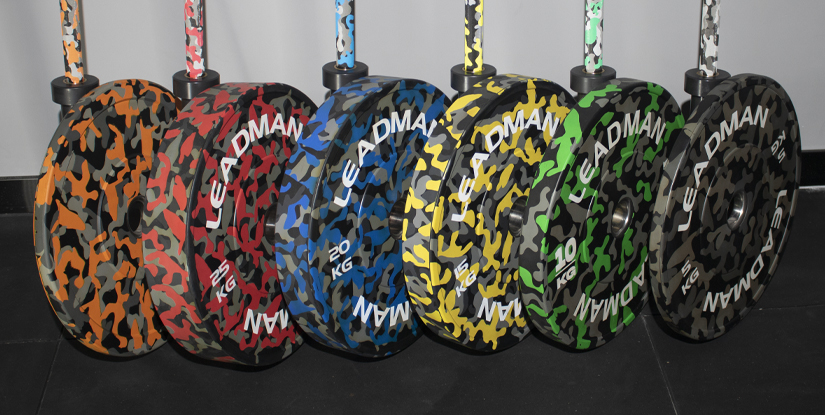
Effective warehouse storage planning is equally vital. A facility upgrade involving several tons of iron or urethane requires a strategic approach to inventory management. We advise buyers to consider the facility lifespan when allocating floor space; heavier, more durable materials often require reinforced shelving or specialized racking systems to handle the constant loading and unloading cycles. For distributors and large-scale gym operators, balancing the high density of metal with the logistical footprint of premium encased plates ensures that your supply chain remains as resilient as the equipment you are installing.
The Impact of Core Material Density on Equipment Footprint
When designing the layout of a high-traffic strength zone, floor space is often the most expensive commodity. One of the most overlooked variables in space optimization is the physical profile of the weight plates being loaded onto a barbell. The choice between cast iron vs urethane plates significantly dictates the effective barbell sleeve capacity and the total volume of equipment required for storage.
Generally, cast iron is more compact due to its high density, allowing for more weight to be stacked on a single barbell without hitting the end collars prematurely. In contrast, many urethane-coated options or high-volume bumper plates have a larger thickness-to-weight ratio. While these materials offer superior durability and floor protection, they can occupy more linear space on the sleeve. For facility managers and distributors, understanding these thickness variations is critical when calculating the total footprint of a weightlifting station. Choosing the right commercial gym equipment materials ensures that your clients can achieve heavy loading targets without sacrificing the streamlined aesthetic or the functional mobility of the training floor.
To assist in your procurement modeling, we have synthesized the relationship between material density and spatial efficiency. This comparison helps distributors and gym owners determine whether to prioritize high-density loads for powerlifting zones or high-durability coatings for multi-purpose functional areas.
| Material Type | Typical Thickness Profile | Loading Efficiency | Best Use Case | Footprint Impact |
|---|---|---|---|---|
| Cast Iron | Thin / Compact | High | Heavy strength training & powerlifting | Minimal; maximizes sleeve capacity |
| Urethane-Coated | Moderate / Standard | Medium | Commercial strength & high-traffic gyms | Moderate; balanced durability and volume |
| Rubber Bumper | Thick / Wide | Lower | CrossFit & Olympic weightlifting | High; requires more linear storage space |
Strategic Sourcing Note: When negotiating bulk orders, consider that thinner profiles (like cast iron) allow for more weight per barbell, which is ideal for strength-focused facilities. However, if your target market prioritizes floor protection and noise reduction, the larger footprint of bumper or urethane-coated plates is a necessary trade-off for long-term durability standards.
Effective floor space management requires more than just calculating square footage; it demands a deep understanding of how equipment volume affects facility flow. In high-performance training environments, the thickness of the plates directly influences how much room is left for athlete movement and accessory equipment. A facility over-reliant on thick bumper plates may experience restricted movement in crowded zones, whereas a facility utilizing high-density iron can maintain a more agile, open-concept layout.
From a procurement decision-making standpoint, buyers must balance the immediate desire for space-saving density against long-term operational costs. While compact iron plates maximize high-density loading on barbell sleeves, they often lack the impact absorption required for high-intensity functional training. Conversely, thicker, more resilient materials may increase the physical footprint of a lifting station but significantly reduce the frequency of floor maintenance and equipment replacement. When sourcing for large-scale distributors or multi-zone commercial gyms, aligning your inventory with specific weight plate durability standards ensures that the chosen material profile supports both the spatial constraints of the facility and the rigorous demands of the end-user.
Surface Coatings and Protective Layers in Commercial Gym Equipment Materials
When evaluating the long-term Total Cost of Ownership (TCO) for a fitness facility, the focus must extend beyond the raw weight to the integrity of the surface. High-quality commercial gym equipment materials rely heavily on specialized coatings to mitigate the environmental wear and tear inherent in high-traffic strength zones. Whether dealing with cast iron or steel-core plates, the primary objective of a secondary layer is oxidation prevention. Without a robust protective barrier, even premium metal cores are susceptible to rust and structural degradation caused by humidity and perspiration.
Advanced surface protection—such as high-grade polyurethane or specialized powder coating—does more than just aesthetics; it dictates the maintenance cycles of your inventory. For distributors and facility managers, choosing plates with superior coating density means fewer replacement costs and a longer functional lifespan. Adhering to strict durability standards during the manufacturing process ensures that the coating remains intact during heavy drops and rigorous use, effectively shielding the core material from the corrosive elements of a commercial environment.
Selecting the appropriate coating requires a strategic comparison of cast iron vs urethane plates, as the choice directly impacts both your upfront procurement budget and long-term cleaning protocols. In high-intensity training environments, the resistance of the surface to chemical exposure and mechanical abrasion is non-negotiable.
Urethane coatings offer the highest level of wear resistance and chemical resistance, making them the gold standard for premium commercial clubs where heavy cleaning agents and high-impact use are common. While the initial unit cost is higher, the durability of the protective layer reduces the frequency of replacement. Conversely, standard rubber coatings and powder-coated steel provide a cost-effective solution for budget-conscious facilities or secondary training zones. However, these materials may require more frequent inspection for surface degradation. When sourcing, we recommend verifying the coating's adhesion strength and thickness to ensure your inventory can withstand the rigors of heavy-duty commercial usage without premature peeling or oxidation.
Quality Control and Inspection Protocols for Bulk Shipments
For procurement officers and distributors, understanding what are weight plates made of is only the first step; the second is verifying that the manufacturing quality translates to the container. During factory inspections or pre-shipment audits, a rigorous inspection criteria checklist is essential to prevent the arrival of defective stock. One of the most critical, yet often overlooked, tests is adhesion testing. A high-quality coating must be chemically bonded to the substrate; if the polyurethane or rubber layer lacks proper adhesion, it will peel or delaminate under the stress of temperature fluctuations or heavy impact.
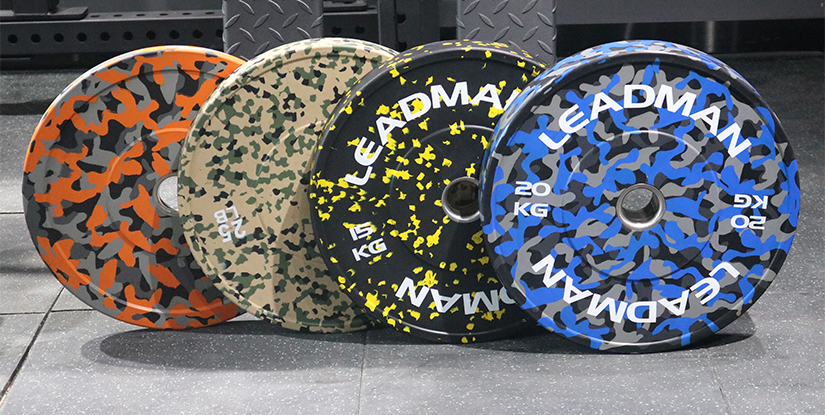
Beyond the material bond, bulk procurement quality is also threatened by logistics-related damage. Even if a factory produces flawless plates, improper palletization or insufficient protective buffering during sea freight can lead to edge chipping or surface scuffing. We advise buyers to request high-resolution video documentation of the loading process and to verify that the packaging density is sufficient to withstand ocean transit. By prioritizing these technical checkpoints, you ensure that your facility receives equipment that meets professional standards without the hidden costs of premature surface failure.
Quality Control Benchmarks and Weight Plate Durability Standards
In a high-traffic commercial gym, the durability of your inventory is directly tied to your long-term investment value. When sourcing at scale, procurement specialists must look beyond the initial unit price and evaluate the Total Cost of Ownership (TCO). In environments with constant heavy usage, the choice of commercial gym equipment materials dictates how frequently your facility will face maintenance cycles or premature replacement costs.
Selecting the wrong material can lead to surface degradation, oxidation, or structural fatigue under heavy use. For distributors and facility owners, understanding how different manufacturing standards affect the lifespan of the product is essential. A higher-quality build reduces the frequency of equipment turnover, ensuring that your capital expenditure serves the facility for years rather than just a single seasonal cycle.
The decision between cast iron vs urethane plates often hinges on the specific impact resistance and surface wear requirements of your facility. While cast iron is a reliable industry standard, its longevity is heavily dependent on coating integrity to prevent oxidation and chipping during high-volume sessions. In contrast, urethane-encapsulated plates are engineered for extreme durability, offering superior resistance to cracks and environmental degradation, making them ideal for high-impact zones.
To assist in your procurement planning, the following comparison outlines the functional trade-offs between these two common material profiles:
| Feature | Cast Iron (Painted/Powder Coated) | Urethane Encapsulated |
|---|---|---|
| Impact Resistance | Moderate; susceptible to chipping | High; engineered for heavy drops |
| Surface Wear | Coating may degrade over time | Highly resistant to scuffs/abrasion |
| Maintenance Needs | Requires periodic rust inspection | Minimal; virtually maintenance-free |
| Best Use Case | Standard strength & functional areas | High-intensity/Olympic lifting zones |
For distributors managing large-scale orders, selecting the appropriate material based on these durability standards ensures that your clients receive equipment that matches their facility's operational intensity and budget constraints.
Beyond material selection, professional buyers must implement rigorous inspection protocols to verify manufacturer reliability. A high-quality supplier should provide transparent documentation regarding their manufacturing QC processes to ensure that every shipment meets the required specifications. Relying solely on visual inspections is insufficient for large-scale procurement; instead, focus on technical benchmarks that define long-term reliability.
First, demand strict tolerance testing data. For commercial use, weight deviations must be minimal to ensure balanced loading on barbells. Even slight variances in thickness or diameter can compromise user safety and equipment longevity. Second, verify coating adhesion standards. Whether dealing with powder coating on iron or the molding of urethane, the finish must withstand high-impact drops without peeling or cracking, as coating failure often leads to rapid oxidation and structural degradation.
Finally, ensure the manufacturer maintains high batch consistency. When ordering multiple shipments over several months, the weight and dimensional profiles must remain uniform across all production runs. This level of control prevents the logistical headaches of mismatched equipment and ensures that your facility maintains a consistent professional standard for its members.
Evaluating Procurement Budgets and Total Cost of Ownership
When sourcing weight plates in bulk, the discrepancy between initial investment and long-term value is often where procurement budgets are won or lost. While a lower unit price might look attractive on a single proforma invoice, the total cost of ownership (TCO) must account for the wear and tear inherent in high-traffic commercial environments. Choosing between different commercial gym equipment materials requires a strategic balance between immediate capital expenditure and future replacement cycles.
The debate of cast iron vs urethane plates typically centers on the trade-off between upfront savings and durability. Cast iron offers a high level of cost-efficiency for budget-conscious startups or secondary training zones, but it lacks the impact resistance of premium materials. Conversely, urethane-coated options demand a higher initial investment but significantly reduce the frequency of replacement due to their superior resistance to cracking and oxidation.
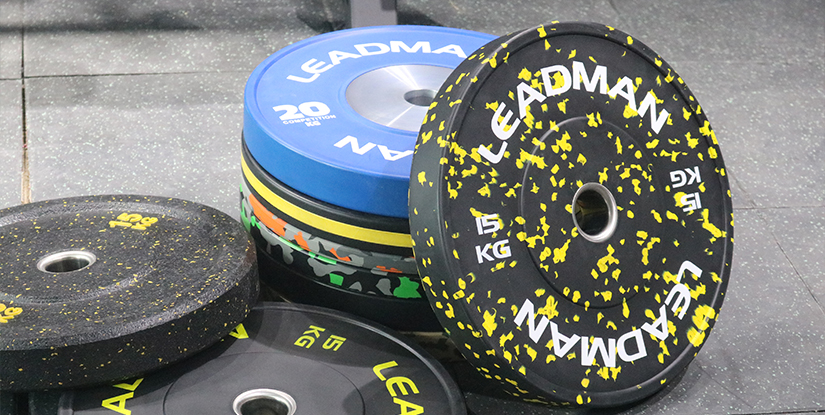
| Material Profile | Initial Capital Outlay | Maintenance Profile | Best Use Case |
|---|---|---|---|
| Cast Iron | Low | Moderate (Rust/Chipping) | Budget Gyms / Home Studios |
| Rubber Coated | Medium | Low (Standard Wear) | General Commercial Facilities |
| Urethane | High | Minimal (High Durability) | Premium Tier / High-Volume Gyms |
For distributors and facility managers, understanding these weight plate durability standards is essential for accurate forecasting. Investing in high-grade urethane may increase your first-year procurement costs, but the extended lifespan often results in a lower cost-per-year, preventing the logistical headaches of frequent reordering and shipping costs associated with premature equipment failure.
For a more granular view of how material selection influences your bottom line, the following comparison helps align your facility type with realistic financial expectations. When evaluating what are weight plates made of, consider that the "cheapest" option often carries hidden logistical costs in the form of increased replacement frequency and higher maintenance labor.
| Material Type | Typical Use Case | Price Point | Durability Rating | Maintenance Requirement |
|---|---|---|---|---|
| Cast Iron | Budget/Startup Gyms | Low | Moderate | Regular Inspection (Rust) |
| Rubber Coated | Standard Commercial | Mid | High | Minimal (Surface Cleaning) |
| Urethane | High-Volume/Premium | High | Extreme | Very Low |
Strategic Sourcing Tip: If your business model relies on high turnover or high-density training environments, the higher upfront cost of urethane is often offset by the reduction in long-term replacement orders and shipping overhead.
Logistics and Sourcing Complexities for Bulk Procurement
Beyond the material science, professional buyers must navigate the practicalities of bulk order logistics. When deciding what are weight plates made of, the physical properties of the chosen material directly dictate your shipping volume and freight expenses. For instance, while cast iron is highly dense, the volumetric footprint of rubber-coated or urethane plates is significantly larger due to the outer casing. This increased shipping volume can drastically alter your container load optimization and landed cost per unit.
A critical aspect of high-volume sourcing is verifying factory capability regarding precision and consistency. A reliable manufacturer should demonstrate rigorous quality control (QC) standards to ensure weight density remains uniform across an entire shipment. Discrepancies in plate weight can lead to uneven barbell loading, a common issue in substandard production batches. When negotiating with suppliers, always clarify the Minimum Order Quantity (MOQ) and request detailed specifications regarding tolerance levels. A robust factory capability ensures that whether you are ordering 500kg or 50 tons, the structural integrity and dimensional accuracy remain consistent, protecting your facility from the costs of non-compliant inventory.
Selecting the Right Material Profile for Your Specific Facility Type
When sourcing weight plates in bulk, procurement professionals often face a tension between initial unit cost and long-term operational expenses. Understanding the Total Cost of Ownership (TCO) is critical for maintaining a healthy bottom line. A low-cost entry point may seem attractive for budget-conscious startups, but it often leads to higher replacement frequencies and increased labor costs for maintenance.
The debate of cast iron vs urethane plates typically centers on the distinction between high-volume, high-turnover environments and premium, long-term installations. For example, standard cast iron is a cost-effective solution for garage gyms or high-intensity functional training zones where ruggedness is prioritized over aesthetics. However, for premium commercial fitness centers or high-end boutique studios, investing in high-grade urethane is a strategic move toward facility longevity. While the upfront investment per kilogram is higher, the superior impact resistance and reduced wear on flooring significantly lower the long-term overhead. Choosing the correct commercial gym equipment materials ensures that your capital expenditure aligns with your facility's expected lifecycle and usage intensity.
To streamline your procurement process, we have categorized the most common material profiles based on their operational utility. Use this framework to align your inventory with your business model, ensuring that your choice meets industry-standard weight plate durability standards while optimizing your capital allocation.
| Material Profile | Ideal Facility Type | Maintenance Level | Lifespan & ROI Profile |
|---|---|---|---|
| Cast Iron | Budget Gyms, Garage Gyms, CrossFit Boxes | Moderate (Rust Prevention) | High initial ROI; lower replacement frequency in low-moisture areas. |
| Rubber-Coated Iron | Standard Commercial Clubs, Multi-purpose Gyms | Low (Impact Dampening) | Balanced ROI; excellent for general durability and noise reduction. |
| Urethane | Premium Fitness Clubs, High-End Boutique Studios | Minimal (High Durability) | Long-term ROI; highest durability against cracking and chemical wear. |
From a logistics and sourcing perspective, selecting a uniform material profile across your facility can simplify your shipping and storage requirements. When managing large-scale distributions, we recommend evaluating whether your facility requires the rugged simplicity of iron or the high-performance longevity of urethane to prevent premature equipment turnover.
Optimizing Logistics and Inventory Efficiency
Beyond material selection, professional buyers must consider the logistical implications of density and volume. When determining what are weight plates made of, the physical dimensions and weight-to-volume ratio directly impact your wholesale procurement strategy. For instance, while urethane plates often feature a more streamlined, compact profile, the sheer mass of high-density iron can lead to higher freight costs due to weight-based shipping tiers.
Efficient wholesale procurement requires a deep understanding of how these materials influence your shipping volume and storage footprint. High-density iron plates allow for more mass in a smaller cubic space, which is advantageous for facilities with limited warehouse capacity. However, if you are managing a global distribution or a large-scale facility rollout, you must factor in how material thickness affects the number of units that fit within a standard shipping container. We advise clients to evaluate MOQ considerations not just through unit counts, but through total weight capacity to avoid unexpected surcharges. Balancing these logistical variables ensures that your choice of material serves both your training floor and your supply chain efficiency.