Managing Inventory with Barbell Plates in Stock Guide
Strategic Procurement: Establishing Your Barbell Plate Selection Criteria
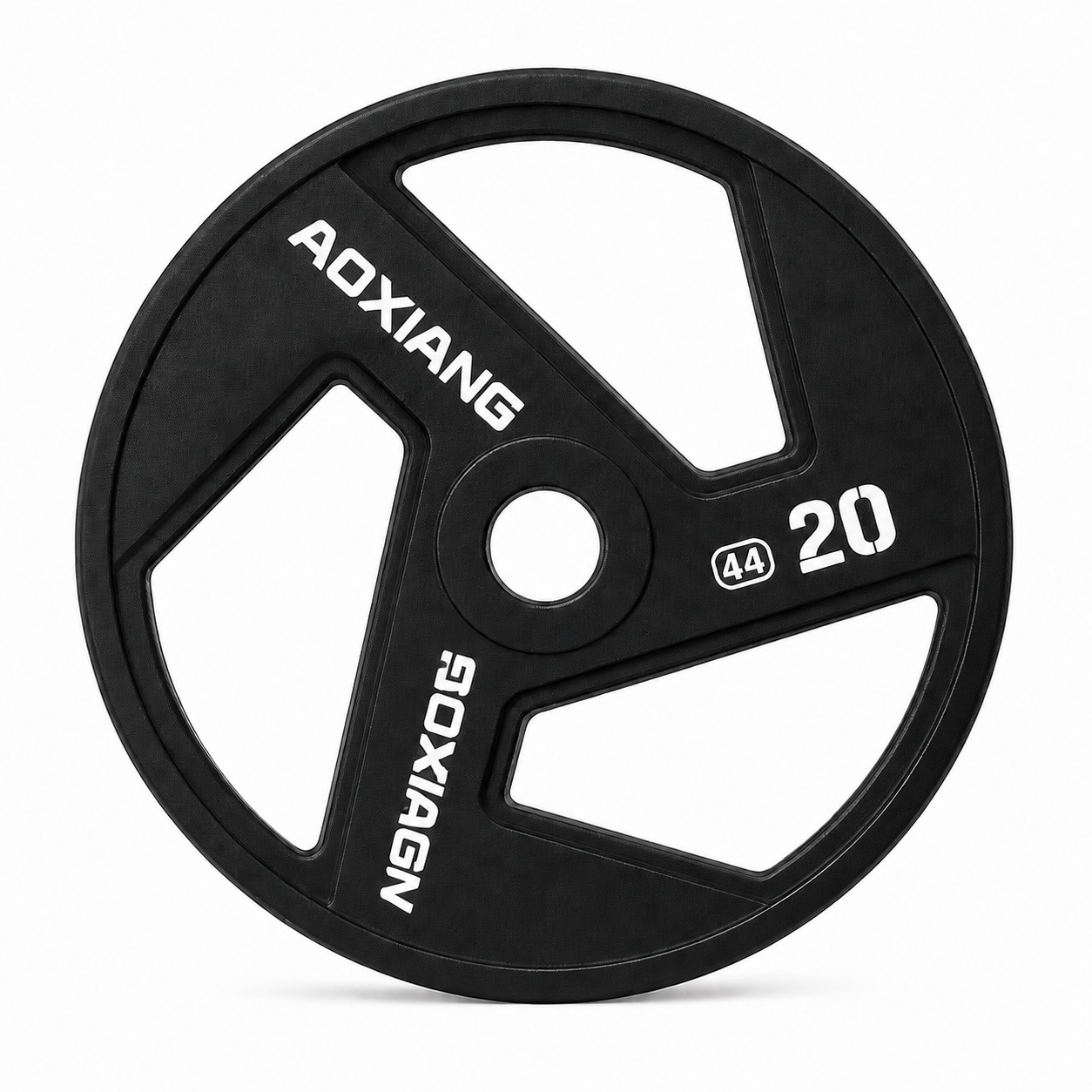
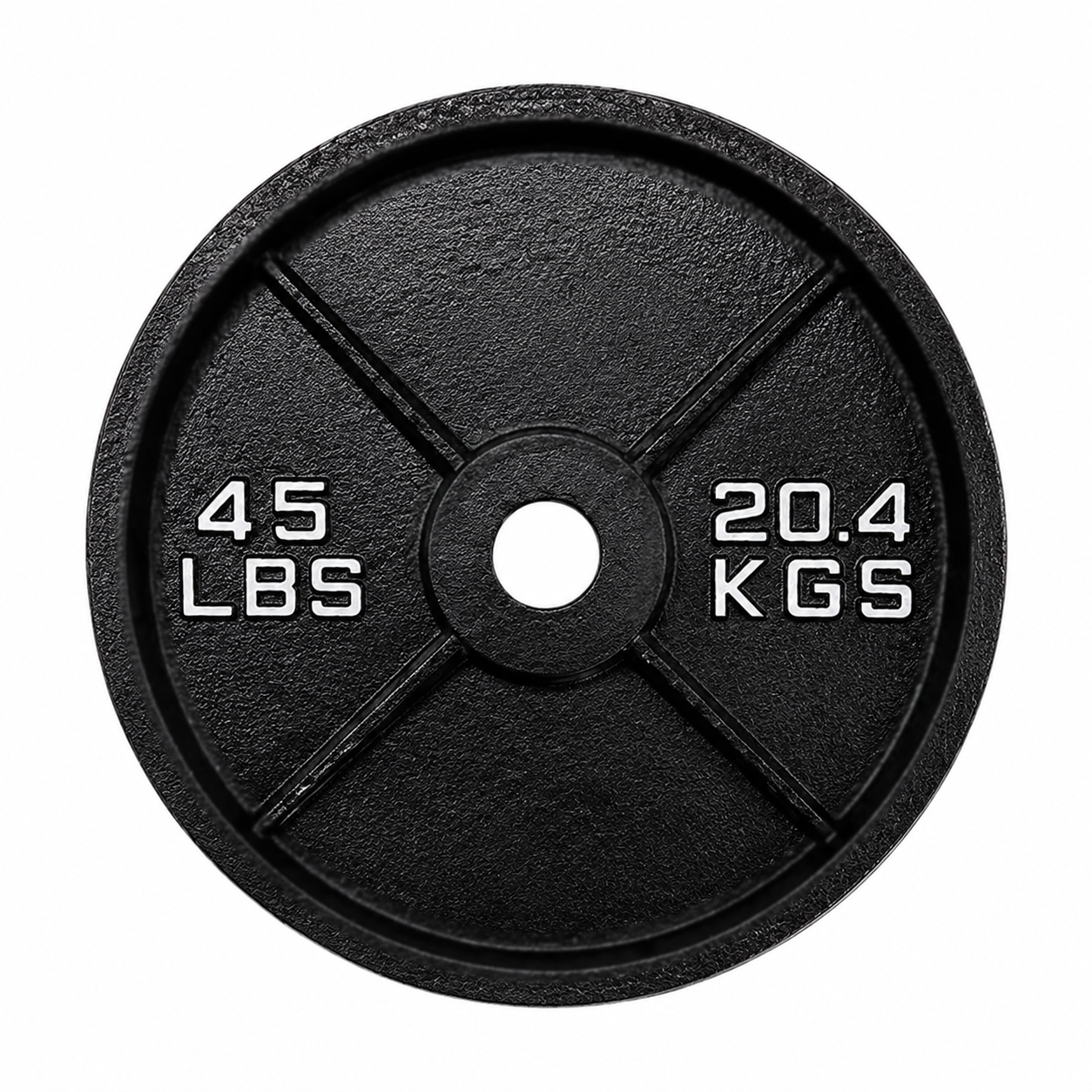
Barbell plates are essential weight increments used across strength training disciplines, ranging from standard iron to high-performance urethane. B2B buyers prioritize these components based on durability, precision, and standardized sizing to ensure long-term utility and seamless integration with existing barbell systems in high-traffic commercial environments.
The Financial Impact of Procurement Timing
In the commercial fitness industry, the difference between planned replenishment and reactive purchasing often dictates your bottom line. Relying on sudden demand without monitoring commercial weight plate availability can lead to fragmented orders that erode your margins. When a facility faces a sudden shortage or an unexpected expansion, the inability to secure barbell plates in stock frequently forces buyers into high-cost, small-batch emergency orders. These expedited shipments carry heavy freight premiums and lack the economies of scale found in standard bulk barbell plate supply agreements.
Optimizing your procurement cycles is not merely an operational task; it is a strategy for long-term cost-efficiency. By aligning your inventory replenishment with factory production lead times rather than reacting to stockouts, you mitigate the risks of inflated shipping costs and premium surcharges. Establishing a predictable rhythm for sourcing ensures that your facility maintains a consistent standard of equipment without the financial volatility associated with urgent, last-minute procurement.
To make an informed decision, buyers must weigh the immediate utility of ready-to-ship inventory against the cost-savings of custom production. While sourcing barbell plates in stock offers unparalleled speed, large-scale facility expansions often benefit from the specialized specifications and lower unit costs associated with direct manufacturing. Understanding this trade-off is vital for maintaining a healthy cash flow and predictable equipment lifecycle.
The following framework compares the two primary procurement paths to help you evaluate the Total Cost of Ownership (TCO) relative to your facility's specific timeline and volume requirements.
| Procurement Variable | Immediate In-Stock Sourcing | Custom Manufacturing Orders |
|---|---|---|
| Shipping Speed | Rapid; ready for immediate dispatch | Extended; subject to production cycles |
| Unit Price | Standard market wholesale rates | Lowered via economies of scale |
| Minimum Order (MOQ) | Flexible; suitable for small batches | Higher; requires volume commitment |
| Logistics Costs | Lower per-shipment frequency | Optimized for high-volume freight |
| Customization | Limited to existing SKU inventory | High; tailored coatings and branding |
For gym equipment procurement professionals, the choice depends on whether the priority is operational continuity or long-term margin optimization. Small-scale replenishment is best handled through existing stock, whereas large-scale facility build-outs should leverage factory-direct manufacturing to maximize the value of every dollar spent.
To mitigate the risks of market fluctuations, professional buyers should move beyond reactive ordering and implement a strategic buffer. Relying solely on real-time demand makes a facility vulnerable to sudden price spikes and logistics bottlenecks. Instead, integrating a set amount of barbell plates in stock into your annual budget forecasting allows for much smoother financial management. By treating inventory as a controlled variable rather than an unpredictable expense, you can maintain supply chain stability even when global shipping or raw material costs fluctuate.
A successful procurement strategy focuses on optimizing inventory turnover without compromising on readiness. Rather than holding excessive, stagnant stock that ties up capital, aim to establish a "safety stock" level based on your historical consumption rates. This approach ensures that your facility can handle sudden growth or equipment replacement needs without the panic of emergency sourcing. Ultimately, a proactive stance on stock management protects your margins and ensures that your equipment lifecycle remains both predictable and cost-effective.
Optimizing Facility Footprint Through Intelligent Weight Plate Stocking
Effective gym layout design relies heavily on the seamless integration of strength equipment and movement zones. When procurement cycles fail to account for real-time replenishment, facilities often face the dilemma of "dead space"—areas where equipment is missing, or conversely, where disorganized overflow disrupts the flow of the floor. Maintaining a consistent supply of barbell plates in stock ensures that your facility layout remains functional and professional, rather than looking fragmented during peak hours or expansion phases.
Strategic commercial weight plate availability allows facility managers to execute precise floor space optimization. Instead of over-ordering a single type of plate and creating cluttered, unmanageable storage areas, a balanced inventory approach supports a lean facility footprint. By sourcing through reliable channels that offer diverse denominations, you can ensure that every square foot of your training area is utilized for active training rather than serving as a temporary staging ground for disorganized weight sets.
| Storage Configuration | Footprint Impact | Procurement Logic |
|---|---|---|
| Vertical Plate Trees | Minimal; high density | Best for high-traffic zones to save floor space. |
| Wall-Mounted Racks | Zero floor footprint | Ideal for boutique studios with limited square footage. |
| Bulk Floor Pallets | Large/High impact | Used during initial setup or major inventory shifts. |
Beyond rack configurations, the material composition of your inventory directly dictates your storage density. When planning a bulk barbell plate supply, procurement officers must weigh the physical dimensions of bumper plates against traditional iron plates. Bumper plates, while essential for high-impact zones, typically feature a thicker profile to accommodate rubberized edges, which can reduce the total number of plates a single vertical tree can hold. Conversely, iron plates offer a slimmer profile, allowing for more denominations within a smaller horizontal or vertical footprint.
To maximize efficiency, we recommend a hybrid approach to your gym equipment procurement. Utilize high-density iron plates for your base weight increments to save space, while maintaining a strategic reserve of bumper plates for functional training areas. This distinction is critical during procurement cycles; by understanding the volumetric differences between these two types, you can better predict how much actual floor area your incoming shipments will occupy, ensuring your facility remains organized and navigable even during large-scale inventory restocks.
Operational continuity depends heavily on supply chain reliability and the ability to scale without logistical friction. For large-scale distributors and facility operators, the primary risk is not just the cost of goods, but the time lost during transition periods. Relying on suppliers who maintain high levels of barbell plates in stock minimizes the danger of extended lead times that can stall facility expansions or delay the replacement of worn-out equipment.
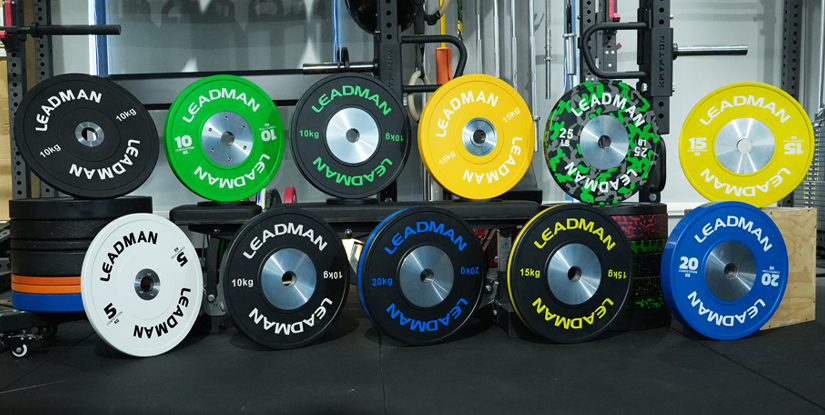
A robust gym equipment procurement strategy must prioritize rapid replenishment capabilities to maintain high inventory turnover. When a facility experiences unexpected surges in demand or rapid growth, the ability to trigger small-to-medium restocks without waiting months for factory production cycles is a competitive advantage. By partnering with suppliers who offer ready-to-ship solutions, procurement managers can shift from a reactive "crisis management" mode to a proactive, lean-inventory model. This ensures that your facility expansion remains on schedule and that your training zones are never under-equipped due to avoidable shipping delays.
Material Durability and Long-Term Lifecycle Expectations
In high-traffic gym environments, the frequency of reordering is dictated less by consumer trends and more by the physical degradation of your inventory. For procurement managers, understanding the distinction between material compositions is vital for calculating the Total Cost of Ownership (TCO). While cast iron plates offer a compact footprint and traditional feel, they are susceptible to chipping or oxidation if the protective coating fails under heavy use.
Conversely, high-density rubber bumper plates are engineered for maximum impact absorption, making them the standard for functional training zones. The wear resistance of the polymer coating determines how long the plates remain aesthetically and structurally sound. When evaluating commercial weight plate availability, buyers should prioritize suppliers who provide consistent material density and high-grade finishes. Selecting premium builds reduces the necessity for frequent replacement cycles, ensuring that your search for barbell plates in stock remains a strategic expansion rather than a reactive response to equipment failure.
Choosing between different plate types requires a technical assessment of how each material reacts to repeated high-velocity impacts. A mismatch between the training style and the plate material can lead to premature degradation, forcing unexpected procurement cycles. For instance, using standard steel plates in a high-drop Olympic lifting zone will likely lead to surface deformation or coating failure much sooner than anticipated.
The following comparison outlines the typical performance profiles of common materials found in commercial inventory to assist in your long-term sourcing strategy:
| Plate Type | Impact Resistance | Coating Durability | Typical Replacement Interval |
|---|---|---|---|
| Rubberized Bumper Plates | Very High (Shock Absorbing) | High (Resilient to abrasions) | 5+ Years (High-use zones) |
| Cast Iron Plates | Moderate (Brittle under high drop) | Moderate (Prone to chipping) | 3–5 Years (Standard lifting) |
| Steel Plates | Low (Rigid/High vibration) | Variable (Often powder-coated) | 2–4 Years (Precision/Light use) |
When securing bulk barbell plate supply, consider that the initial unit cost is often outweighed by the durability of the finish. High-grade rubberized coatings and reinforced steel cores are essential for facilities aiming to minimize maintenance downtime and optimize the lifespan of their weight room assets.
Beyond material composition, the structural integrity of your inventory is often decided during the manufacturing and logistics phases. A common pitfall in large-scale procurement is overlooking the factory-level inspection protocols required to ensure uniformity across thousands of units. Without rigorous QC standards, a shipment may arrive with inconsistent weight tolerances or uneven surface finishes, which compromises the professional look and feel of a commercial facility.
Furthermore, the risk of shipment damage prevention cannot be overstated when managing high-volume orders. The transit of heavy, dense objects requires specialized packaging and palletization strategies to avoid edge deformation or coating abrasions. A reliable bulk barbell plate supply partner must demonstrate a commitment to procurement reliability by implementing strict quality control at every stage—from the casting process to the final loading of the container. Ensuring that your equipment arrives in pristine condition prevents the logistical headache of processing returns and helps maintain a seamless turnover of your facility's inventory.
Managing Bulk Orders and Global Supply Chain Lead Times
For commercial gym operators, the financial risk of procurement extends far beyond the initial invoice. Fluctuations in global logistics and manufacturing delays can transform a routine upgrade into a significant disruption. When a facility faces a shortage of essential weight sets, the cost of downtime—measured in member dissatisfaction and lost revenue—often outweighs the savings gained from deferred purchasing. Relying on unpredictable commercial weight plate availability can lead to a reactive procurement model that stresses both your budget and your floor operations.
Strategic buyers must weigh the complexities of capital expenditure (CapEx) vs. operational expenditure (OpEx) when planning their inventory. While holding large volumes of stock on-site may increase immediate CapEx, it mitigates the volatility of future procurement cycles. Securing barbell plates in stock through reliable wholesale channels ensures that your facility remains fully operational even during global supply chain shifts. By prioritizing suppliers with proven factory capability and ready-to-ship inventory, you transition from crisis management to predictable, long-term facility scaling.
Choosing between direct factory sourcing and local distributors requires a granular analysis of your total landed cost. Direct sourcing typically offers the most competitive unit pricing, making it the preferred route for large-scale facility expansions or multi-location rollouts. However, this model often necessitates a higher MOQ (Minimum Order Quantity) and requires the buyer to absorb more complex logistics costs. While the per-unit savings are substantial, the extended shipping lead times and the necessity of managing international freight can introduce variables that impact your project timeline.
In contrast, sourcing through a local distributor provides a faster response time and reduced logistical overhead, which is vital for immediate equipment replacements. While the unit cost may be higher due to the distributor's markup, the reduced risk of transit delays often justifies the premium for smaller, time-sensitive orders. To optimize your procurement, we recommend a hybrid approach: utilize bulk barbell plate supply directly from the factory for your foundational inventory, while maintaining a secondary relationship with a local provider for rapid-response needs when barbell plates in stock are required urgently.
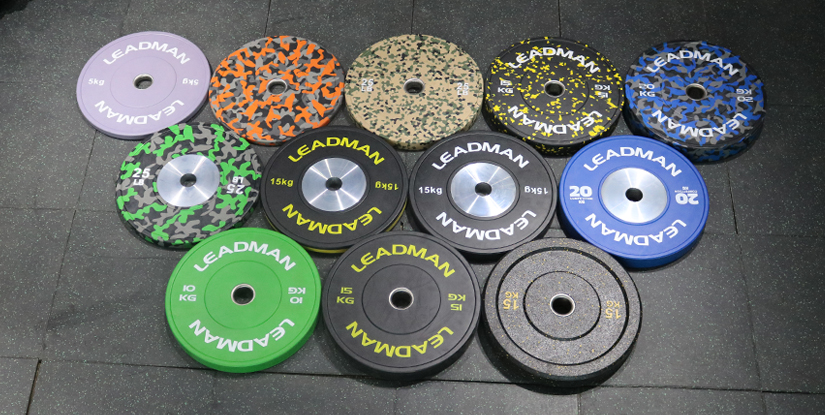
Mitigating risk during seasonal demand spikes or rapid facility expansions requires a proactive approach to gym equipment procurement. Relying on "just-in-time" delivery models for heavy iron or rubber-coated plates often fails when global logistics face sudden bottlenecks. To avoid the high costs of incomplete equipment setups, professional buyers should establish an inventory buffer. This surplus acts as a strategic hedge against manufacturing delays, ensuring that your facility can scale orders without waiting months for production cycles to clear.
Building long-term supply chain reliability involves more than just finding the lowest price; it requires selecting partners who understand the nuances of scaling orders for multi-unit rollouts. When expanding a franchise or upgrading a high-traffic strength zone, the ability to secure consistent volumes is paramount. By integrating a buffer into your annual procurement plan, you protect your capital from the volatility of shipping rates and production shortages, ensuring that your expansion remains on schedule and within budget.
Quality Control Protocols for High-Volume B2B Shipments
Securing a reliable supply of barbell plates in stock is only the first step in a successful procurement cycle. For commercial gym operators and distributors, the true challenge lies in the post-arrival inspection. When receiving high-volume shipments, even minor manufacturing deviations can lead to significant facility downtime or increased maintenance costs. A single batch with inconsistent specifications can disrupt training sessions and damage your brand's reputation for quality.
Rigorous quality control must focus on three critical pillars: structural integrity, surface coating consistency, and strict adherence to weight tolerance standards. High-traffic environments demand equipment that withstands constant impact; therefore, verifying the uniformity of the urethane or rubber coating is essential to prevent premature peeling or cracking. Furthermore, ensuring that every unit meets precise weight tolerances prevents imbalances during heavy lifting. By implementing these inspection protocols, buyers can mitigate the risks associated with commercial weight plate availability fluctuations and ensure that their gym equipment procurement efforts result in long-term, durable assets rather than immediate liabilities.
To streamline the receiving process, procurement managers should utilize a standardized inspection checklist. This prevents the logistical headache of returning defective units and ensures that the bulk barbell plate supply meets the specific requirements of your facility. Instead of manual guesswork, use a calibrated scale and precision calipers to verify that each shipment aligns with your technical specifications.
The following table outlines the critical metrics for a professional-grade inspection upon arrival:
| Inspection Metric | Standard Requirement | Acceptable Deviation |
|---|---|---|
| Dimensional Accuracy | Uniform diameter across the batch | ± 2mm |
| Center Hole Diameter | Standard 50mm (Olympic) fit | ± 0.5mm |
| Coating Thickness | Consistent rubber/urethane coverage | No visible peeling/voids |
| Weight Tolerance | Precision weight matching | ± 1% to 2% (Class dependent) |
Note for buyers: Always sample at least 5-10% of a large shipment to check for variations in density or coating adhesion. Identifying these discrepancies at the loading dock rather than on the gym floor protects your long-term TCO and ensures equipment longevity.
Beyond the physical inspection of the units themselves, successful gym equipment procurement requires a deep dive into the logistics of the shipping process. Even if the manufacturing specs are perfect, the journey from the factory to your warehouse introduces significant variables. A lack of attention to packaging durability can lead to costly transit damage, such as dented edges on cast iron plates or compromised urethane surfaces caused by excessive friction during ocean freight. When managing a bulk barbell plate supply, the weight and density of the cargo demand specialized crating solutions to ensure structural stability throughout the voyage.
To minimize the risk of receiving damaged goods, it is essential to vet your supplier reliability based on their logistical expertise rather than just their production capacity. High-tier manufacturers do not just ship products; they provide a comprehensive shipping protocol that includes reinforced pallets, edge protectors, and moisture-resistant wrapping. This level of preparation is a critical component of transit damage prevention. By prioritizing suppliers who demonstrate a sophisticated understanding of heavy-duty export packaging, procurement managers can ensure that their inventory arrives in showroom condition, ready for immediate deployment without the need for costly returns or replacements.
Total Cost of Ownership: Beyond the Initial Unit Price
In high-volume fitness environments, procurement professionals often make the mistake of focusing solely on the per-unit cost during the initial RFQ process. However, the true impact on your bottom line is determined by the durability vs. initial cost ratio. When sourcing barbell plates in stock, the goal is not just to find the lowest price, but to secure equipment that can withstand the relentless high-traffic gym wear and tear characteristic of commercial strength zones.
Low-quality plates often suffer from premature coating degradation, structural cracking, or uneven weight distribution, which accelerates replacement cycles and increases long-term labor costs. By prioritizing commercial weight plate availability from suppliers who specialize in high-grade urethane or heavy-duty rubber, you mitigate the risk of frequent turnover and unexpected reordering expenses. A slightly higher upfront investment in premium materials typically results in a significantly lower total cost of ownership over a five-year operational window.
| Procurement Factor | Economy-Grade Sourcing | Commercial-Grade Sourcing |
|---|---|---|
| Initial Unit Price | Lower | Moderate to High |
| Expected Lifespan | Short (High turnover) | Long (Extended cycles) |
| Maintenance Needs | Frequent inspection | Minimal |
| Long-term TCO | Higher due to replacement | Lower due to durability |
When evaluating your gym equipment procurement strategy, consider the cost of downtime and the logistical burden of frequent restocking. Reliable bulk barbell plate supply ensures that your facility maintains a consistent standard of quality without the constant need to troubleshoot aging, damaged inventory.
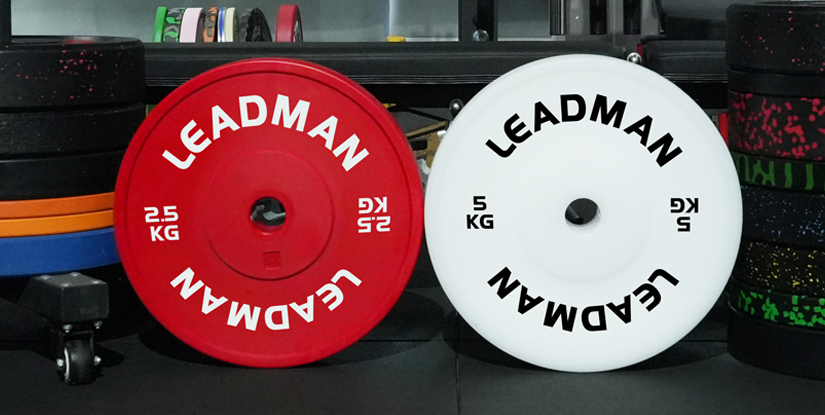
To make an informed decision, buyers must look beyond the price tag and scrutinize the technical specifications that dictate long-term utility. A critical differentiator in high-end procurement is the level of dimensional precision and coating integrity. Inconsistent tolerances in diameter or thickness can lead to uneven barbell loading, which not only affects user experience but also places undue stress on your strength equipment. Furthermore, the quality of the protective layer—whether it is high-density rubber or specialized urethane—determines how well the product resists oxidation, chipping, and environmental degradation over time.
Technical Quality Indicators vs. Lifecycle Value
The following comparison highlights how technical variables directly influence your long-term procurement decision-making. While budget-friendly options may offer immediate savings, they often fail to meet the rigorous standards required for heavy-duty commercial use.
| Technical Specification | Low-Cost/Low-Quality Outcome | High-Value/Commercial-Grade Outcome |
|---|---|---|
| Coating Durability | Frequent chipping and surface oxidation | Resilient, impact-resistant finish |
| Dimensional Precision | Variable weight/size tolerances | Strict, consistent diameter accuracy |
| Maintenance Frequency | High (cleaning and replacement) | Low (standard upkeep) |
| Operational Impact | Frequent reordering and downtime | Stable, long-term inventory stability |
Ultimately, securing barbell plates in stock from a manufacturer with strict quality control protocols ensures that your facility avoids the hidden costs of subpar manufacturing. Investing in precision-engineered equipment reduces the frequency of replacement orders and protects your facility's reputation for quality.
Mitigating Logistics Risks and Stockout Costs
A sophisticated gym equipment procurement strategy must account for more than just unit durability; it must address the volatility of the global supply chain. Relying on fragmented or unreliable sourcing models often leads to significant stockout costs, where the absence of specific weight increments forces facility managers into reactive, high-cost purchasing. These scenarios frequently result in emergency shipping premiums and expedited air freight charges to fill immediate gaps in a training floor's inventory.
To maintain operational continuity, procurement professionals should prioritize partners who offer a consistent bulk barbell plate supply. Establishing a relationship with a supplier that maintains ready-to-ship inventory allows for better logistics efficiency and more predictable budget forecasting. Instead of managing constant, small-scale emergency orders, a streamlined bulk procurement approach reduces administrative overhead and ensures that your facility can scale its strength zones without the friction of unexpected equipment shortages.
Sourcing FAQ: Navigating Commercial Weight Plate Availability
For high-traffic strength facilities, the most significant logistical bottleneck is often the gap between equipment wear and replacement speed. Relying on reactive purchasing—ordering only when a plate is cracked or lost—creates unpredictable gaps in training availability. To maintain high facility turnover and consistent user experience, procurement managers must transition from emergency ordering to a structured, proactive model.
The primary challenge lies in managing supply chain lead times, which can fluctuate based on raw material costs and international shipping schedules. Relying on localized, small-batch orders often results in inconsistent weight tolerances and mismatched finishes. Instead, professional buyers focus on establishing inventory buffer strategies that account for seasonal demand spikes. By securing barbell plates in stock through reliable wholesale partners, facilities can mitigate the risks of sudden stockouts. Understanding commercial weight plate availability at the factory or distributor level allows you to synchronize your procurement cycles with actual equipment depreciation, ensuring that your facility remains fully operational without the stress of unexpected shortages.
When evaluating a partner for bulk barbell plate supply, the decision-making process must extend beyond the initial quote. A reliable vendor is defined by their ability to balance production capacity with rigorous quality assurance. During peak procurement seasons, many buyers face the risk of diluted QC (Quality Control) standards as factories rush to meet high demand. To avoid receiving substandard or off-spec equipment, it is essential to vet the manufacturer’s internal testing protocols for density, diameter precision, and coating durability.
A sophisticated procurement framework should also account for production timelines and shipping logistics. When negotiating, clarify the MOQ (Minimum Order Quantity) and how it impacts the lead time for customized finishes or specific weight increments. A transparent vendor will provide a clear roadmap from the moment the order is placed to the final departure from the port. Effective vendor vetting involves more than just checking price; it requires verifying factory capability to scale production without compromising the structural integrity of the plates. By prioritizing suppliers who maintain high-volume barbell plates in stock and offer predictable shipping schedules, you ensure your facility’s inventory remains stable and your capital is deployed efficiently.
Deciding between local procurement and direct factory orders requires a strategic assessment of your current inventory status. If your facility is facing an immediate shortage due to equipment damage, speed is the priority. However, for large-scale facility expansions or standardized equipment refreshes, the cost-efficiency of direct sourcing becomes the dominant factor. To assist in your decision-making, we have outlined the typical trade-offs between these two primary sourcing models.
| Sourcing Model | Lead Time | Unit Cost | MOQ Requirements | Best Use Case |
|---|---|---|---|---|
| Local Distributor | Short (Days to Weeks) | Higher (Markup included) | Low to Moderate | Emergency replacements or minor inventory gaps |
| Direct Factory Sourcing | Long (Weeks to Months) | Lower (Wholesale pricing) | High (Volume-driven) | New facility build-outs or annual stock replenishment |
When your project timeline allows, direct factory sourcing offers the most significant advantages regarding bulk barbell plate supply and customization. While the initial lead time is longer, the ability to control quality control protocols and achieve a lower total cost of ownership (TCO) makes it the standard for professional gym developers. Conversely, local distributors serve as an essential safety net for maintaining commercial weight plate availability when immediate, small-batch replenishment is required to prevent operational downtime.