Managing Inventory with Weight Plates in Stock Now
The Economic Impact of SKU Availability on Distributor Margins
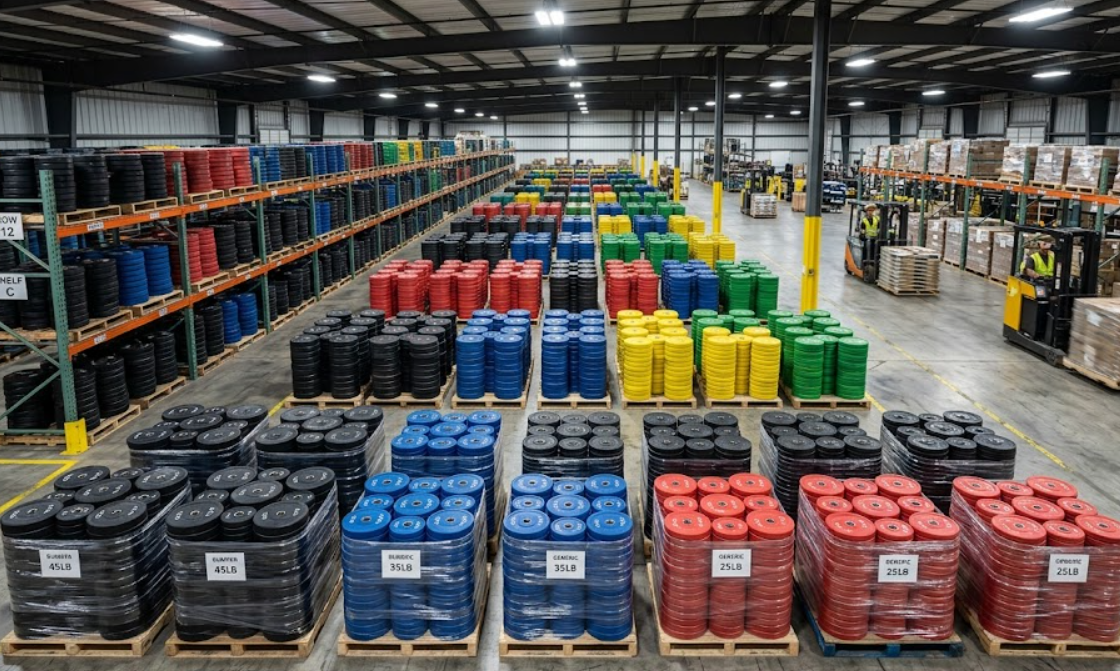
When managing a large-scale fitness facility or a distribution network, procurement professionals must evaluate three critical checkpoints: the risk of stockouts, the precision of technical specifications, and the reliability of shipping timelines. Relying on erratic supply chains often leads to a scenario where a single missing weight increment halts a full workout circuit. For many facility managers, the inability to source weight plates in stock now does not just mean a minor inconvenience; it translates directly into operational downtime that degrades the user experience and diminishes brand trust.
In the high-stakes environment of commercial gym equipment supply, the cost of being unprepared extends far beyond the initial purchase price. When high-demand denominations are unavailable, the resulting revenue leakage manifests through canceled memberships, reduced foot traffic, and the inability to expand training zones as planned. By prioritizing rapid replenishment through established wholesale channels, distributors can mitigate these losses, ensuring that equipment gaps do not become permanent obstacles to profitability.
The decision between long-lead-time manufacturing and rapid fitness inventory replenishment often hinges on the hidden variables of the balance sheet. While traditional bulk weight plate procurement may offer lower unit prices through economies of scale, it frequently overlooks the substantial opportunity cost of delayed deployment. For a distributor, a three-month wait for a new shipment of bumper plates can mean missing a seasonal expansion window or failing to fulfill a high-value contract, effectively stalling capital turnover.
Furthermore, the logistics overhead associated with managing unpredictable, fragmented orders can erode the thin margins typical of wholesale distribution. Relying on sporadic, small-batch shipments to fill gaps often results in higher per-unit freight costs and increased administrative labor. Conversely, securing weight plates in stock now allows for more strategic, consolidated shipping schedules. This approach stabilizes the supply chain, reduces the volatility of landed costs, and ensures that capital is not tied up in long-term transit, but rather remains fluid for immediate market demand.
To visualize these financial implications, consider the divergence in total cost of ownership between reactive procurement and proactive inventory management. A stockout event is rarely just a delay; it is a compounding expense that affects both direct revenue and indirect operational efficiency. When a facility lacks essential denominations, the cost of the "missing" item is not just the retail value of the plate, but the lost potential of the entire training area.
The following comparison illustrates how lead-time volatility affects the bottom line for commercial operators and distributors alike.
| Cost Factor | Stockout Scenario (Delayed Procurement) | Immediate Availability (In-Stock Sourcing) |
|---|---|---|
| Deployment Speed | Extended; often 8–12 weeks of downtime | Rapid; immediate facility deployment |
| Shipping Logistics | High; frequent, small, expensive air/express shipments | Optimized; consolidated sea or freight shipments |
| Revenue Impact | High risk of membership churn and lost sales | Stable; consistent facility utility and growth |
| Administrative Overhead | High; constant tracking of backorders and delays | Low; streamlined, predictable replenishment |
| Capital Turnover | Slow; capital tied up in transit and pending orders | Fast; quick rotation from purchase to revenue |
For professional buyers, the goal is to minimize the gap between demand and deployment. By securing weight plates in stock now, procurement officers transition from a defensive, reactive stance to a strategic, growth-oriented model that protects profit margins against the unpredictable nature of global shipping delays.
Mitigating Facility Downtime Through Rapid Fitness Inventory Replenishment
In high-traffic strength training environments, equipment shortages are more than a minor inconvenience; they represent a direct threat to operational continuity. When a specific weight increment becomes unavailable due to broken plates or unmanaged turnover, it creates bottlenecks in training cycles and diminishes the member experience. For facility managers and distributors, these gaps often signal a failure in the procurement pipeline, leading to preventable facility downtime that can drive client attrition.
Maintaining a robust commercial gym equipment supply chain requires a proactive approach to stock management rather than reactive ordering. Relying on long-lead manufacturing cycles during peak demand periods is a high-risk strategy. To safeguard against these disruptions, savvy procurement officers prioritize sourcing weight plates in stock now. By securing immediate availability, businesses can bridge the gap between sudden demand spikes and standard replenishment cycles, ensuring that weight stations remain fully functional and high-performing at all times.
To effectively mitigate these risks, procurement professionals must implement a structured framework for evaluating supplier readiness. When planning for rapid fitness inventory replenishment, the focus should shift from mere unit price to the total reliability of the fulfillment cycle. A high-quality supplier does not just offer products; they offer a predictable logistical buffer that protects your facility from unexpected stockouts.
Evaluating Supplier Readiness and Logistics Speed
When navigating bulk weight plate procurement, the most critical metrics are the transparency of the lead time and the flexibility of the MOQ (Minimum Order Quantity). A reliable partner should provide real-time data on current inventory levels to prevent decision-making based on outdated availability. Beyond simple stock counts, evaluate the supplier’s shipping reliability by assessing their ability to handle high-volume, heavy-weight shipments without compromising transit timelines.
A robust procurement strategy involves balancing immediate needs with long-term scaling. Rather than waiting for a complete depletion of stock, establish a tiered ordering system. By securing weight plates in stock now through a vetted distributor, you can maintain a constant rotation of equipment, ensuring that your facility stays ahead of wear-and-tear and sudden surges in member volume.
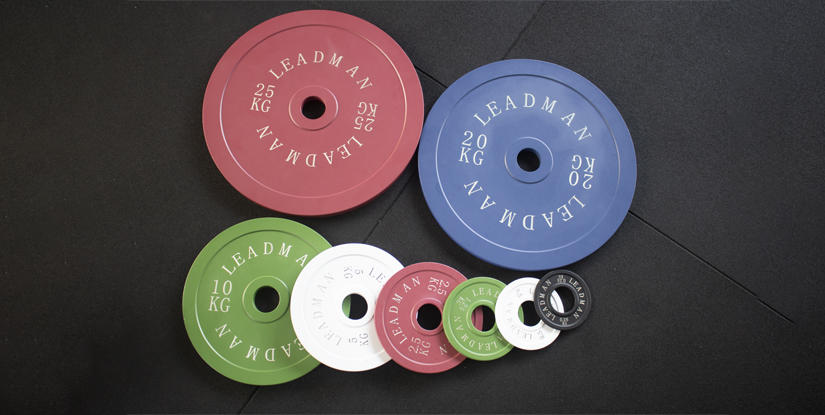
To optimize your long-term inventory planning, it is essential to distinguish between two primary procurement methodologies. While reactive sourcing may seem cost-effective in the short term, it often introduces hidden operational expenses that outweigh the initial savings. A comparative analysis of these models helps procurement officers determine which approach best aligns with their facility's scale and member density.
Comparison of Replenishment Models
| Metric | Reactive Sourcing (On-Demand) | Proactive Procurement (Stock-Based) |
|---|---|---|
| Cost of Downtime | High; frequent gaps in equipment availability during lead times. | Minimal; continuous availability of essential increments. |
| Inventory Buffer | Low; relies on immediate production cycles. | High; maintains a safety stock of ready-to-ship units. |
| Logistics Speed | Slow; subject to manufacturing and shipping delays. | Rapid; optimized for immediate commercial deployment. |
As illustrated, the proactive model focuses on minimizing the impact of unforeseen demand. For distributors managing large-scale commercial gym equipment supply, securing weight plates in stock now is a strategic move to ensure that logistical bottlenecks do not translate into lost revenue or diminished service quality. By prioritizing suppliers with established warehouse capabilities, you secure a more stable and predictable operational environment.
Optimizing Floor Space with High-Density Weight Plate Storage Solutions
In high-traffic commercial gym layouts, the strategic placement of free weights often dictates the efficiency of the entire facility. When inventory levels drop due to delayed shipments, the resulting gaps in equipment racks do more than just look unprofessional; they disrupt the natural movement of members and create dead zones in the training area. Maintaining a seamless commercial gym equipment supply chain is essential to prevent facility downtime caused by incomplete stations or disorganized weight trees.
Effective floor space optimization requires more than just buying more racks; it requires a procurement strategy focused on high-density storage and immediate availability. Relying on long lead times for specialized orders can leave your facility with unevenly loaded racks, forcing members to wander across the floor to find specific increments. By sourcing weight plates in stock now, procurement managers can ensure that weight trees and storage pegs remain consistently filled, preserving the professional flow of the gym floor.
| Storage Configuration | Space Efficiency | Deployment Speed | Best Use Case |
|---|---|---|---|
| Vertical Weight Trees | Moderate | Fast | Small boutique studios |
| Wall-Mounted Racks | High | Moderate | Limited floor area gyms |
| Integrated Rack Storage | Maximum | Slow (Installation required) | Full-scale strength facilities |
When evaluating the footprint reduction potential of your inventory, the distinction between vertical and horizontal storage becomes a critical factor in long-term facility planning. For distributors and gym owners, the choice of storage architecture often dictates how much usable square footage is actually available for training versus equipment management. A common mistake in bulk weight plate procurement is overlooking the physical dimensions of the storage units themselves, which can lead to unexpected congestion in high-traffic zones.
Vertical storage configurations, such as heavy-duty weight trees, offer the most versatile high-density storage solutions for rapid deployment. Because these units utilize vertical height rather than floor area, they are ideal for rapid fitness inventory replenishment in facilities where floor space is at a premium. Conversely, horizontal storage—while often more stable for extremely heavy bumper plate sets—requires a significantly larger footprint. For procurement professionals looking to maximize throughput without expanding the physical facility, prioritizing vertical-ready inventory ensures that your weight plates in stock now can be integrated into existing rack systems immediately, without the need for extensive structural reconfiguration or floor plan redesigns.
Beyond the physical footprint, successful inventory integration relies heavily on synchronized logistics coordination. A common bottleneck in facility expansion is the arrival of heavy iron or bumper plates at a site that lacks the immediate warehouse capacity to receive them. If your delivery window does not align with the arrival of your storage racks or the completion of your flooring installation, you risk creating a temporary logistical nightmare that blocks entryways and obstructs member movement.
To avoid these disruptions, procurement planning must account for the total weight and volume of the shipment relative to your receiving dock's capabilities. When sourcing weight plates in stock now, buyers should treat the arrival of the plates and the arrival of the storage hardware as a single, unified deployment event. By coordinating the shipping schedules of both the weight sets and the specialized storage units, you ensure a rapid fitness inventory replenishment that moves straight from the delivery truck to its permanent, organized position on the gym floor, rather than sitting in a disorganized pile in a staging area.
Standardizing Specifications for Bulk Weight Plate Procurement
When facilities face sudden demand spikes, the rush to secure weight plates in stock now often leads to overlooked technical discrepancies. Rapid replenishment is not merely about speed; it is about maintaining the structural integrity of your existing equipment. In a high-traffic commercial gym equipment supply chain, even slight deviations in manufacturing consistency can lead to uneven loading or premature wear on barbell sleeves.
To avoid these long-term durability issues, procurement specialists must prioritize strict tolerance standards during the vetting process. High-quality production requires rigorous control over material density to ensure that plates from different production runs remain uniform in weight and balance. Without verified specifications, a facility risks receiving a mixed inventory where slight dimensional variances disrupt the seamless movement of heavy lifting. For distributors and large-scale operators, ensuring that every batch meets precise engineering benchmarks is the only way to guarantee that rapid inventory replenishment does not compromise the facility's professional standards or long-term total cost of ownership.
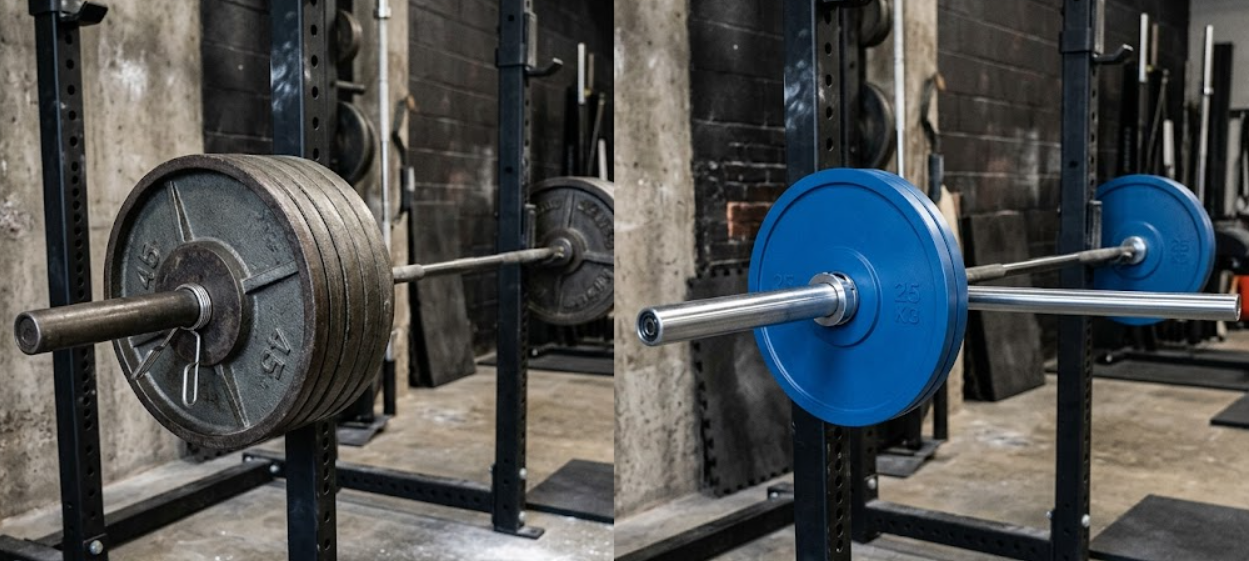
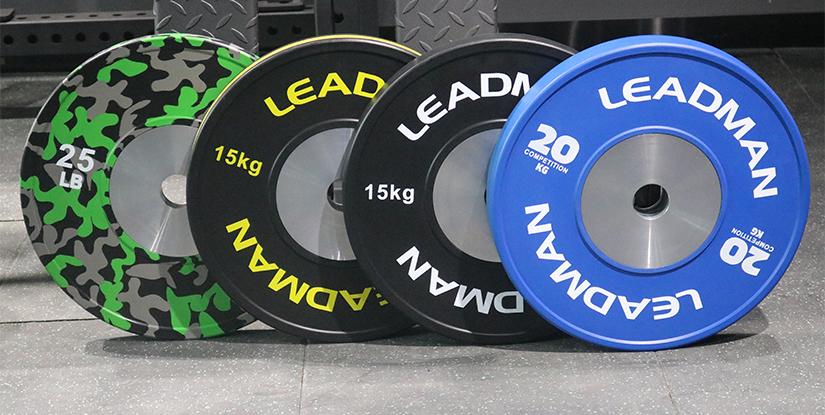
Evaluating the long-term value of your inventory requires a technical understanding of how different materials respond to high-impact environments. While rapid procurement addresses immediate shortages, the choice between bumper and cast iron plates dictates your future maintenance cycles and the overall durability of your lifting zones. A failure to account for impact resistance and coating durability during the sourcing phase can lead to unexpected replacement costs and diminished facility aesthetics.
The following comparison serves as a technical baseline for procurement officers to assess the total cost of ownership (TCO) across different operational settings. By analyzing these variables, buyers can make informed decisions during bulk weight plate procurement to ensure the selected inventory aligns with both current demand and long-term durability requirements.
| Technical Metric | Rubber Bumper Plates | Cast Iron Plates |
|---|---|---|
| Impact Resistance | High; designed for heavy drops and high-volume dynamic lifting. | Moderate; prone to chipping or cracking under extreme impact. |
| Coating Durability | High; resilient rubber skins protect against oxidation and surface wear. | Variable; requires high-grade powder coating to prevent rust. |
| Maintenance Frequency | Low; primarily requires periodic surface cleaning. | Moderate; may require inspection for rust or coating degradation. |
| Long-term TCO | Optimized for high-intensity/functional training environments. | Optimized for traditional strength training and space-saving storage. |
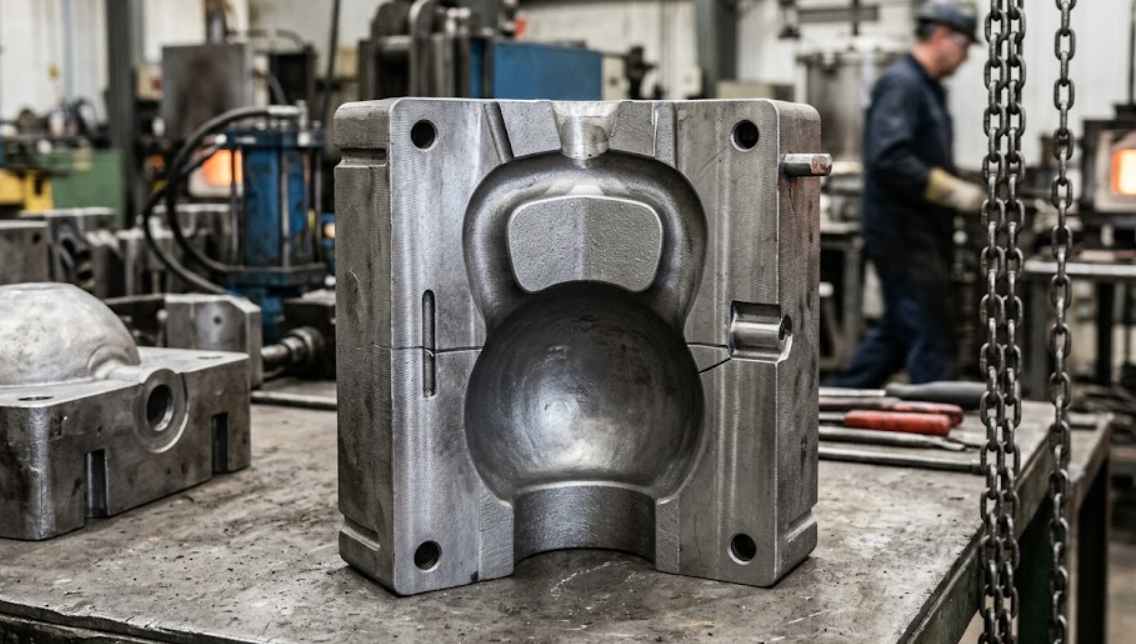
Beyond material selection, the logistics of rapid fitness inventory replenishment demand a focus on factory-level execution. A common pitfall in high-speed sourcing is the sacrifice of precision for the sake of lead times. To mitigate this, procurement teams must verify that the supplier’s manufacturing capacity includes robust quality control (QC) protocols that specifically target batch uniformity. In a commercial setting, even a minor discrepancy in plate diameter or center-hole alignment can cause uneven weight distribution, potentially damaging expensive barbell sleeves and increasing the risk of equipment failure.
Furthermore, sourcing weight plates in stock now requires a rigorous assessment of shipping stability and packaging standards. Large-scale orders are susceptible to transit damage if the factory lacks specialized crating for heavy-duty steel or rubber components. Reliable distributors should also clarify MOQ requirements and volume-based shipping protocols early in the negotiation. By ensuring that the supplier maintains high-capacity production lines with standardized testing, buyers can secure immediate inventory that meets the rigorous durability expectations of professional strength training facilities without compromising on technical precision.
Quality Control Benchmarks for Immediate Commercial Deployment
Rapid replenishment is only effective if the incoming inventory meets strict operational standards. When sourcing weight plates in stock now to fill a sudden gap in your facility, the temptation to bypass rigorous inspection for the sake of speed can lead to long-term maintenance liabilities. A failure in quality control at the point of procurement often manifests later as uneven wear or premature replacement cycles.
For high-traffic commercial gym equipment supply, procurement specialists must prioritize three critical technical benchmarks. First, verify structural integrity to ensure the plates can withstand high-impact use without cracking or deformation. Second, inspect coating uniformity; inconsistent rubber or urethane application leads to uneven weight distribution and surface degradation. Finally, ensure all units strictly adhere to established tolerance standards regarding diameter and thickness. Neglecting these specifications during the initial sourcing phase may result in increased labor costs and diminished equipment lifespan, ultimately driving up the total cost of ownership.
To ensure seamless integration during rapid fitness inventory replenishment, implement a standardized inspection protocol upon arrival. When managing bulk weight plate procurement, relying on visual estimation is insufficient; technical verification is mandatory to prevent operational imbalances. Use the following technical checklist to validate your shipment against industry-standard commercial expectations.
Dimensional Accuracy and Tolerance
Measure the inner diameter of the central bore to ensure compatibility with standard Olympic bars. Even slight deviations can cause bar wobble or uneven load distribution. Additionally, verify the plate thickness to confirm uniformity across the entire batch, preventing issues with rack spacing and storage density.
Weight Deviation Limits
A critical step in high-volume intake is verifying that the actual mass aligns with the labeled weight. In professional settings, weight deviation should ideally remain within a +/- 1% to 2% margin. Significant variances across a single shipment can disrupt training precision and lead to client dissatisfaction.
Surface Finish and Edge Quality
Inspect the surface finish for any bubbling, peeling, or uneven coating. High-quality commercial plates must feature smooth, seamless edges to prevent damage to flooring and barbell knurling. A consistent, durable exterior is essential for minimizing long-term maintenance and ensuring the longevity of your facility's assets.
Beyond initial inspection, the long-term economic impact of your procurement decision is defined by how these assets handle high-frequency usage. In a commercial environment, the durability of your inventory directly correlates with your facility's operational overhead. Selecting high-grade materials during the sourcing phase is a strategic move to lower the Total Cost of Ownership (TCO) over several years.
Low-quality plates often suffer from rapid material fatigue, leading to cracked edges or degraded coatings under heavy use. This degradation necessitates frequent maintenance interventions or, more costly, complete replacement cycles. By prioritizing high-spec materials when securing weight plates in stock now, you ensure long-term reliability. High-density urethane or premium rubber coatings protect the internal weight core from environmental degradation and physical impact, maintaining structural integrity even during intense training sessions. Ultimately, investing in superior manufacturing standards during bulk weight plate procurement reduces the frequency of downtime and prevents the recurring expense of replacing substandard equipment.
Logistics Strategies for Sourcing Weight Plates in Stock Now
In the high-stakes environment of commercial gym equipment supply, the true cost of procurement extends far beyond the initial invoice. For facility managers and distributors, the most significant financial drain often stems from unforeseen gaps in inventory. When a high-demand weight set is unavailable, the resulting downtime costs can manifest as lost membership renewals, diminished member satisfaction, and deferred revenue. Relying on long-lead manufacturing cycles creates a vulnerability that can destabilize a facility's operational budget.
By prioritizing weight plates in stock now, procurement professionals can implement a more agile rapid fitness inventory replenishment strategy. Opting for ready-to-ship inventory allows for immediate deployment, ensuring that training areas remain fully functional without the volatility of international shipping delays or production bottlenecks. This approach shifts the focus from reactive crisis management to proactive asset optimization, effectively minimizing the fiscal impact of equipment shortages through streamlined, reliable sourcing.
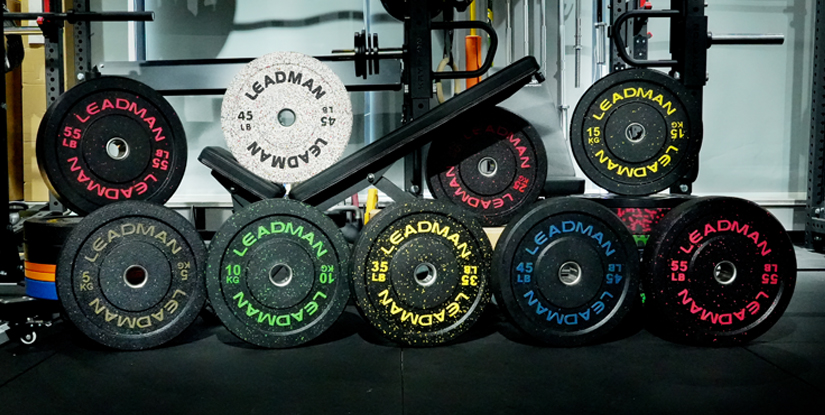
Understanding the financial trade-offs between custom manufacturing and ready-to-ship inventory is essential for accurate budget forecasting. While custom orders often promise a lower unit price through economies of scale, they frequently carry hidden costs that impact the total cost of ownership (TCO). These include extended capital tie-ups, increased logistics overhead due to specialized handling, and the high risk of production delays that disrupt facility timelines.
In contrast, bulk weight plate procurement from existing stock offers a more predictable financial model. Although the initial unit price may be slightly higher than a large-scale custom run, the reduced lead time significantly lowers the cost of lost opportunity. Furthermore, sourcing existing inventory eliminates the complexities of managing high Minimum Order Quantity (MOQ) requirements for niche specifications. By selecting weight plates in stock now, buyers can optimize cash flow, reduce the need for long-term storage, and ensure a rapid return on investment through immediate equipment deployment.
Beyond the immediate unit cost, the strategic advantage of rapid replenishment lies in its ability to support scaling gym capacity without the friction of long-term capital immobilization. For expanding franchises or multi-site operators, the ability to expand floor space quickly is a competitive necessity. Relying on manufacturing-to-order cycles can stall expansion plans for months, whereas leveraging ready-to-ship inventory facilitates seamless growth and maintains operational continuity during critical scaling phases.
Furthermore, an efficient inventory replenishment cycle directly impacts the long-term maintenance and replacement budget. When a facility can source high-quality replacements immediately, they avoid the "patchwork" approach—where aging, mismatched equipment is left in rotation due to supply gaps. This maintains professional facility standards and prevents the degradation of the member experience. Ultimately, high procurement efficiency through existing stock ensures that capital is deployed toward revenue-generating expansion rather than being trapped in a cycle of waiting for delayed shipments and managing the fallout of equipment shortages.
Evaluating Long-Term TCO in Commercial Gym Equipment Supply
When calculating the true cost of a fitness facility, many procurement managers fall into the trap of focusing solely on the initial invoice price. However, a sophisticated understanding of Total Cost of Ownership (TCO) reveals that the most expensive equipment is often the one that isn't available when needed. Consider a high-traffic commercial gym facing a sudden surge in membership or a localized equipment failure. If a facility manager cannot secure replacement sets due to extended lead times, the resulting operational downtime translates directly into lost revenue and member dissatisfaction.
Relying on a fragmented commercial gym equipment supply chain creates a hidden liability. When a gym requires immediate deployment to replace worn or broken units, waiting months for a factory shipment can stall growth. By prioritizing weight plates in stock now, distributors and facility owners mitigate the risk of service gaps. Investing in readily available inventory ensures that your facility remains fully functional, protecting your long-term ROI by preventing the high costs associated with unoptimized floor space and diminished member retention.
To visualize the impact on your bottom line, we must distinguish between superficial savings and structural value. A low-cost strategy may appear attractive during the initial budget approval, but it often fails to account for the volatility of global shipping and the degradation of lower-grade materials. In contrast, securing weight plates in stock now through a professional wholesale channel ensures that your procurement cycle is predictable and your asset lifecycle is maximized.
The following comparison highlights how different sourcing methods influence your long-term operational stability and total expenditure.
| Metric | Low-Cost / Slow-Lead-Time Sourcing | Ready-to-Ship Commercial Supply |
|---|---|---|
| Durability & Build | Often utilizes lower-grade coatings; higher wear rates. | High-grade urethane or precision cast iron; built for heavy use. |
| Replacement Cycles | Frequent due to material fatigue or dimensional inconsistency. | Extended; optimized for high-frequency commercial environments. |
| Logistics Stability | Highly volatile; subject to long factory-to-port delays. | High; rapid fitness inventory replenishment is possible. |
| Long-Term ROI | Diminished by frequent downtime and re-ordering costs. | Optimized through bulk weight plate procurement and reliability. |
Choosing the latter is not merely a logistical preference; it is a strategic decision to protect your facility's uptime. While the unit price may differ, the reduction in replacement frequency and the elimination of shipping-related bottlenecks provide a significantly more stable return on investment for large-scale operators.
Beyond logistics, the technical specifications of your order dictate the frequency of your maintenance windows. For instance, the distinction between standard rubber and high-density urethane is not just aesthetic; it is a matter of coating integrity and long-term durability. While basic rubberized plates may offer a lower entry price, they are often prone to chipping, odor, and surface degradation under heavy commercial use. Conversely, premium urethane coatings provide superior resistance to impact and environmental wear, ensuring the plates maintain their structural and visual quality over years of high-intensity training.
Furthermore, manufacturing precision plays a critical role in preventing secondary costs. Inconsistent weight tolerances or poorly calibrated center holes can lead to uneven loading on barbell sleeves, causing premature wear on your most expensive strength equipment. By sourcing through a reliable commercial gym equipment supply that prioritizes strict material specifications, you minimize the risk of dimensional inconsistencies. This precision reduces the need for frequent equipment recalibration and prevents the "hidden" costs of repairing damaged bars and racks, ultimately securing a much higher return on your initial capital expenditure.