how do weight plates stay on a barbell | Understanding
Vetting Manufacturers for Precision Loading Components
Many distributors mistakenly prioritize low unit costs or aesthetic finishes, only to face high return rates due to inconsistent fitment. A more sophisticated sourcing strategy focuses on the technical intersection of precision machining and long-term durability. When your clients demand smooth transitions during heavy lifts, the difference between a high-performing facility and a maintenance headache lies in the microscopic tolerances of the loading components.
Reliable barbell stability mechanisms are not accidental; they are the direct result of strict manufacturing tolerances during the production of the barbell sleeves. For example, a standard weight plate sleeve diameter must be perfectly calibrated to ensure that plates sit flush without wobbling or binding. If the sleeve diameter deviates even slightly from the industry standard, it creates friction that can damage high-end bumper plates or lead to unstable loading. For B2B buyers, verifying that a factory utilizes CNC precision machining rather than rudimentary casting is a critical step in ensuring the longevity of the entire strength equipment ecosystem.
Beyond the sleeve itself, the selection of barbell collar types dictates the frequency of replacement orders and client satisfaction. When evaluating wholesale options, buyers must distinguish between the mechanical reliability of metal vs polymer construction. High-grade steel collars offer superior security for heavy compound movements, but they require precise spring tension and high-quality threading to prevent loosening under vibration. Conversely, polymer collars are often favored for high-volume commercial gyms due to their ease of use and lower weight, though they may lack the long-term structural integrity required for professional strength sports.
To ensure maximum compatibility across your inventory, always request technical specifications regarding sleeve diameter consistency. A high-quality manufacturer will provide documented tolerance ranges to prove that their sleeves and collars will function seamlessly with a variety of plate brands. For distributors, prioritizing suppliers that offer standardized, precision-engineered locking systems reduces the risk of compatibility disputes and ensures a higher standard of safety and performance for the end-user.
For facility operators managing high-traffic environments, the focus must shift from initial procurement costs to the long-term TCO (Total Cost of Ownership). In a commercial setting, the constant friction of loading and unloading plates puts immense stress on both the barbell sleeves and the locking mechanisms. Sourcing components with low wear resistance leads to premature sleeve deformation and collar failure, forcing frequent replacements that disrupt gym operations and damage your reputation for quality.
To mitigate these risks, implement a rigorous QC inspection protocol during the sourcing phase. Rather than relying on superficial visual checks, demand data regarding the hardness of the steel used in the sleeve construction and the fatigue resistance of the collar springs. A robust manufacturer should be able to provide testing results that demonstrate how their products handle high-frequency use over extended lifecycles. By prioritizing durability and precision over the lowest possible MOQ, professional buyers secure a more stable supply chain and ensure that the fundamental mechanics of how weight plates stay on a barbell remain reliable under the most demanding professional conditions.
Standardizing Sleeve Diameters and Plate Compatibility
For facility managers and distributors, the most common procurement error involves overlooking the precision of the weight plate sleeve diameter. While barbell stability mechanisms like collars are essential for safety, they are entirely dependent on the compatibility between the barbell sleeve and the plate's center hole. A mismatch here does more than cause noise; it creates uneven load distribution that can lead to premature barbell deformation or even catastrophic equipment failure.
In the commercial sector, adhering to global standards is non-negotiable to ensure long-term equipment compatibility. Most professional strength training environments utilize the 50mm standard for Olympic barbells to accommodate heavy-duty plates. However, some specialized or older training setups may still rely on 25mm or 1-inch specifications. Mixing these without strict quality control during sourcing leads to significant compatibility risks, often resulting in costly returns or unusable inventory.
| Standard Specification | Primary Use Case | Procurement Focus | TCO Impact |
|---|---|---|---|
| 50mm (Olympic) | Commercial Gyms / CrossFit | High-volume, high-durability | Lower (Standardized parts) |
| 25mm / 1-inch | Home Gyms / Specialized Training | Niche/Lightweight inventory | Higher (Harder to source parts) |
When managing large-scale orders, procurement precision must extend to the tolerances of the sleeve. We recommend verifying the inner diameter of both the barbell and the weight plates during factory inspections to prevent shipping discrepancies that compromise the integrity of your entire strength training zone.
To prevent inventory mismatch and ensure seamless equipment integration, distributors must differentiate between the two primary standards used in the global market. Selecting the wrong specification during a bulk order can result in a complete lack of compatibility between your barbells and your plate stock, leading to significant logistical overhead and client dissatisfaction.
| Diameter Type | Common Use Case | Typical Plate Compatibility | Buyer Note |
|---|---|---|---|
| 50mm (Olympic) | Commercial Strength Facilities | Standard Olympic Bumper/Iron Plates | Industry standard for high-volume durability |
| 25mm / 1-inch (Standard) | Home Gyms & Light Training | Standard 1-inch Center Hole Plates | Limited growth potential for heavy lifting |
When calculating total landed costs, remember that Olympic-standard equipment typically offers better long-term value due to the vast availability of compatible accessories. For distributors, verifying these exact measurements during the quality control phase is essential to ensure that the barbell sleeves and weight plates function as a single, stable unit under heavy loads.
Beyond initial diameter compatibility, the long-term Total Cost of Ownership (TCO) is heavily dictated by how well a facility manages sleeve wear. In high-traffic commercial environments, the constant friction between the weight plates and the barbell sleeves can degrade the metal surface over time. If the diameter tolerance is too loose, the resulting vibration and micro-movements accelerate this wear, eventually compromising the barbell's structural integrity and the effectiveness of various barbell collar types.
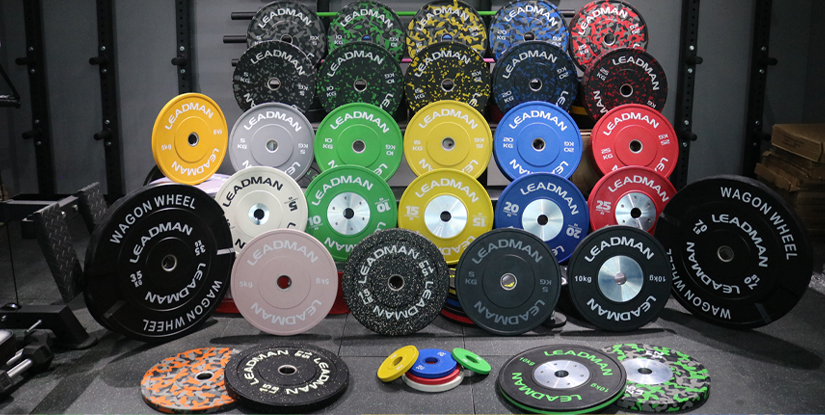
To mitigate these costs, we advise gym operators to implement a structured maintenance frequency schedule. This includes inspecting the sleeve surfaces for scoring and ensuring that locking mechanisms—whether spring collars or professional-grade screw collars—are applying even pressure. For distributors managing large-scale deployments, we suggest prioritizing bulk ordering advice that emphasizes high-grade coatings or hardened steel sleeves. Investing in higher-quality manufacturing during the initial procurement phase significantly reduces the frequency of replacement cycles, providing a much more favorable return on investment compared to sourcing lower-tolerance, budget-grade alternatives.
Evaluating Barbell Collar Types for High-Volume Gyms
For facility managers and distributors, the question of how do weight plates stay on a barbell shifts from a simple mechanics query to a critical assessment of long-term operational durability. In high-traffic commercial environments, the constant loading and unloading of plates place immense stress on the connection points. If the barbell stability mechanisms are substandard, the resulting micro-vibrations and shifting weights can accelerate high-volume gym wear and tear, leading to premature sleeve deformation or even barbell failure.
Reliability in a commercial setting depends heavily on the mechanical reliability of the locking system. Whether you are sourcing spring collars for lighter accessory work or heavy-duty competition collars for strength zones, the mechanism must withstand thousands of cycles without losing tension or structural integrity. When selecting inventory for large-scale distribution, understanding these stability factors is essential to reducing maintenance overhead and ensuring the safety of the end-user during heavy lifts.
Selecting the appropriate hardware requires a technical understanding of how different barbell collar types perform under varying stress loads. For instance, most standard barbell sleeves follow a universal weight plate sleeve diameter of 50mm, but the locking mechanism determines the long-term durability of the kit. Spring collars are often sufficient for lighter training or accessory movements, yet they lack the clamping force required for high-intensity strength training. In contrast, lock collars—specifically those utilizing screw-down or lever-action mechanisms—provide superior stability for heavy barbell movements.
From a procurement standpoint, the choice between metal vs. plastic construction is a primary driver of Total Cost of Ownership (TCO). While plastic or nylon collars are cost-effective for budget-friendly boutique studios, metal collars offer the structural rigidity necessary for commercial strength zones. Metal collars resist the deformation that can occur during rapid loading, ensuring a consistent fit on the sleeve over time. When evaluating bulk orders, procurement officers should prioritize high-grade steel or heavy-duty alloy components to minimize replacement frequency and ensure the hardware can withstand the rigorous demands of a professional weight room.
Beyond mechanical type, technical precision in manufacturing is what separates high-tier commercial inventory from budget alternatives. A primary concern during bulk procurement is the consistency of the weight plate sleeve diameter across entire shipments. Even a fraction of a millimeter in deviation can lead to compatibility issues, causing collars to either slip during heavy lifts or become impossible to remove. For distributors, ensuring that all hardware maintains a strict 50mm compatibility standard is a non-negotiable aspect of quality control.
When managing large-scale logistics, buyers must also account for the complex relationship between shipping weight considerations and product density. High-quality metal collars and heavy-duty barbell sleeves add significant mass to freight calculations. We recommend that procurement officers request detailed technical specification sheets and tolerance reports from factories before finalizing high-volume orders. Verifying that the manufacturer maintains rigorous QC standards for sleeve dimensions and collar tension ensures that your shipment arrives as a cohesive, reliable system rather than a collection of mismatched components.
Mechanical Stability and Load Retention Mechanisms
For distributors and gym operators, procurement errors often stem from a fundamental misunderstanding of weight plate sleeve diameter. Ensuring compatibility between your barbell inventory and plate stock is critical to long-term equipment utility. While standard barbells typically utilize a 1-inch sleeve, the vast majority of commercial strength facilities require Olympic-standard 2-inch sleeves to support heavy loading and high-impact use.
Maintaining stability relies on precision tolerances during the manufacturing process. If the sleeve diameter and the plate's center hole do not align within strict specifications, the barbell stability mechanisms—such as collars or clips—cannot function effectively. Selecting equipment with consistent, high-quality machining ensures that weight plates stay secure, preventing dangerous oscillations during high-volume training sessions.
The long-term durability of your strength training inventory depends heavily on the selection of barbell collar types. In a commercial environment, the distinction between friction-based and mechanical locking systems is not merely a matter of preference, but a decision involving total cost of ownership (TCO) and safety compliance. While lower-cost spring collars are ubiquitous in residential settings, they often lack the clamping force required for high-intensity barbell movements in professional facilities.
When sourcing for large-scale gym builds or distribution, we recommend evaluating the specific mechanical engagement of each collar. Competition collars, for instance, utilize a high-torque screw mechanism to provide maximum stability, whereas lock-jaw collars offer a faster, tool-free application ideal for high-traffic commercial gyms. Understanding these nuances helps prevent premature wear on the barbell sleeves and ensures a safer experience for your end-users.
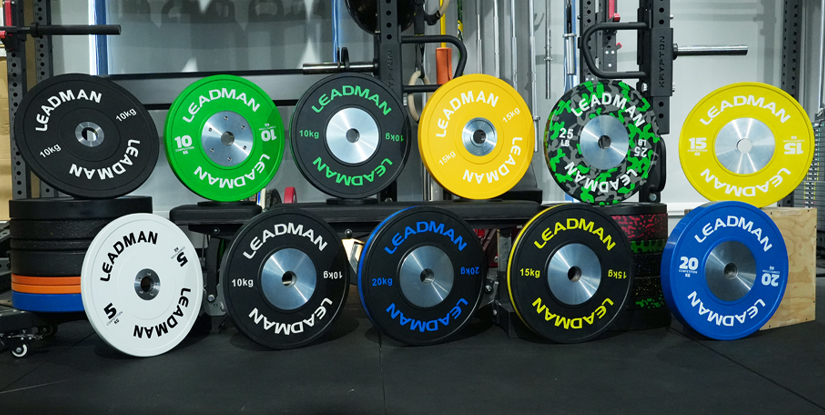
| Collar Type | Mechanism | Primary Use Case | Durability Rating |
|---|---|---|---|
| Spring Collars | Friction/Tension | Home Gyms / Light Training | Moderate |
| Lock-Jaw Collars | Quick-Release Lever | Commercial Fitness Centers | High |
| Competition Collars | Threaded/Screw-Down | Weightlifting / Strength Competitions | Maximum |
Optimizing Maintenance and Long-Term TCO
For facility managers, the true cost of equipment is rarely the initial purchase price, but rather the cumulative expense of maintenance and premature replacement. In high-frequency gym environments, the interface between the barbell sleeve and the collar is a high-wear zone. Constant loading and unloading can lead to sleeve wear, where micro-abrasions or slight deformations compromise the diameter precision. This degradation directly impacts how weight plates stay on a barbell, potentially causing instability if the sleeve surface becomes inconsistent.
To protect your investment, implement a structured replacement cycle for collars and a routine inspection of sleeve integrity. We advise sourcing equipment that allows for easy lubrication of mechanical locking components to prevent seizing. High-quality manufacturing with controlled tolerances significantly extends the service life of your barbell inventory. By prioritizing rigorous quality control during the procurement phase, distributors can reduce long-term operational overhead and ensure that mechanical stability remains constant throughout the equipment's lifecycle.
Optimizing Bulk Orders for Global Logistics and Landed Costs
For distributors and gym operators, the true cost of an order extends far beyond the unit price. A critical, often overlooked variable in calculating total landed costs is the relationship between barbell specifications and shipping volume. When sourcing heavy equipment, the physical dimensions of the product dictate how efficiently you can utilize container space, directly impacting your freight-per-unit ratio.
One key technical detail to audit during the procurement phase is the weight plate sleeve diameter. While standard 50mm sleeves are the industry norm for Olympic bars, certain specialized or oversized sleeves can alter the stacking density of your shipment. If your inventory mix includes non-standard diameters, it can disrupt the precision of container optimization, leading to "dead space" within a 40ft HQ container.
Efficiently balancing barbell stability mechanisms—such as the thickness of the collars and the sleeve protrusion—against the total volume of the shipment is essential. By standardizing your orders around consistent sleeve dimensions, you minimize the risk of volumetric weight surcharges and ensure that your bulk shipments maximize every cubic meter of available cargo space.
Beyond freight efficiency, professional buyers must account for the long-term total cost of ownership (TCO). This involves more than just the initial purchase of plates and collars; it requires evaluating the durability of different barbell collar types against the wear and tear of a high-traffic commercial environment. For instance, while spring collars offer lower upfront costs, heavy-duty screw-lock or competition-grade collars often provide superior weight plate stability and longevity, reducing the frequency of replacement cycles and secondary shipping costs for maintenance parts.
To mitigate financial risk during large-scale procurement, we recommend a rigorous bulk order QC framework. Rather than relying on generic inspections, verify the compatibility between your collar locking mechanisms and the specific sleeve tolerances of your barbell inventory. A mismatch here can lead to premature wear on the barbell sleeves, increasing long-term maintenance expenses. When negotiating with manufacturers, request technical specification sheets that detail the spring tension and material thickness of the collars to ensure they meet the rigorous standards required for professional-grade weight stability.
To assist in your technical evaluation, the following table outlines how different sleeve configurations and locking mechanisms impact both shipping density and long-term operational reliability. Selecting the correct specification is a trade-off between standardized global compatibility and specialized performance.
| Sleeve/Collar Configuration | Standard 50mm Olympic | Specialized/Training Diameters |
|---|---|---|
| Typical Use Case | Commercial Gyms & Competitions | Home Gyms or Specialized Training |
| Collar Locking Mechanisms | Competition (Screw-lock), Magnetic, or High-Tension Spring | Standard Spring Collars |
| Logistics/Pallet Density | High (Optimized for 40ft HQ Containers) | Variable (Often leads to inefficient volume utilization) |
| Procurement Recommendation | Standardize for maximum SKU compatibility | Limit for specialized iche inventory builds |
When auditing a supplier's capability, ensure that their production of barbell collar types aligns with your specific stability requirements. A high-quality manufacturer should provide clear tolerances for the sleeve-to-collar interface to prevent premature wear and ensure seamless integration during high-volume rollouts.
Implementation checklist for buyers
For facility owners and distributors, understanding how do weight plates stay on a barbell is not merely a mechanical question; it is a Total Cost of Ownership (TCO) calculation. A mismatch between weight plate sleeve diameter and collar compatibility can lead to more than just minor inconvenience—it can result in equipment downtime and increased liability. When sourcing high-volume orders, procurement specialists must prioritize the precision of the barbell sleeve manufacturing process.
High-quality production ensures that the sleeve diameter remains consistent and true to standard specifications. If the manufacturing tolerances are loose, even high-end barbell collars may fail to grip effectively, leading to plate rattling or, worse, uneven weight distribution during heavy lifts. For commercial gym operators, this instability translates to higher maintenance costs and premature wear on both the barbell and the plates. By selecting suppliers that emphasize standardized dimensions and strict quality control, buyers can ensure seamless compatibility across different barbell brands and collar types. Investing in precision-engineered stability mechanisms today reduces the long-term necessity for replacement parts and minimizes the operational risks associated with substandard hardware.
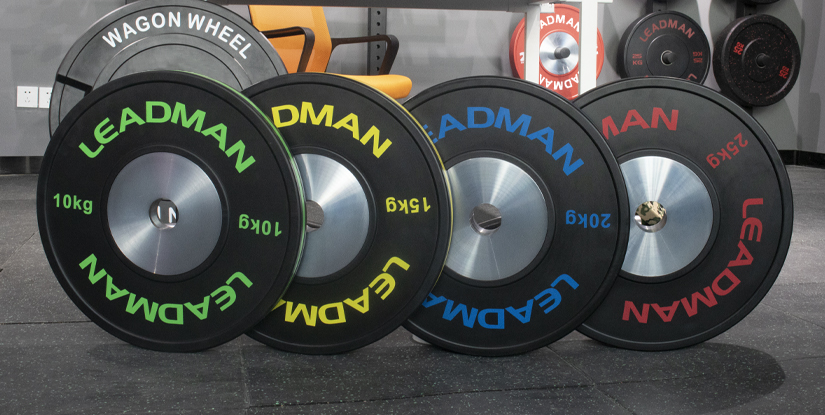
Selecting the appropriate hardware depends heavily on your facility's specific training environment. A mismatch between the intended intensity of use and the chosen securing mechanism can lead to frequent replacement cycles and diminished user satisfaction. To optimize your procurement strategy, evaluate the following standard industry configurations based on your operational needs.
| Collar Type | Primary Use Case | Key Procurement Metric |
|---|---|---|
| Spring Collars | Standard Commercial Gyms | Ease of Use & Low Cost |
| Lock-Jaw / Competition | CrossFit & High-Impact Training | Maximum Stability & Speed |
| Olympic (Threaded) | Strength & Powerlifting Centers | Extreme Durability & Load Security |
Critical Requirement: Before finalizing large-scale orders or international shipments, always verify the weight plate sleeve diameter compatibility. Ensuring that your chosen barbell sleeves align perfectly with your specific collar types prevents the common issue of insufficient grip, which is a frequent cause of equipment rejection in professional settings. For distributors, confirming these technical specifications with the factory during the prototyping stage is essential to avoid costly returns and logistical errors.
To mitigate the risk of substandard shipments, procurement managers should implement a rigorous final inspection protocol. This goes beyond basic aesthetic checks; it requires a technical verification of the mechanical interface between the barbell and its securing components. A failure to validate these specifications during the factory audit or pre-shipment inspection (PSI) phase often leads to high return rates and diminished brand reputation for distributors.
Essential Quality Control Checklist
When reviewing factory specifications or conducting on-site inspections, ensure your QC team prioritizes these three technical pillars:
- Sleeve Diameter Tolerance: Use precision calipers to verify that the barbell sleeve diameter adheres to strict tolerance levels. Discrepancies here are the primary reason why barbell collar types fail to seat correctly, regardless of their design.
- Tension and Spring Integrity: For spring-loaded models, test the tension strength repeatedly. The mechanism must provide consistent resistance and return to its original position without losing elasticity, ensuring long-term reliability in high-traffic environments.
- Coating Protection: Verify that the locking mechanism—especially high-pressure competition collars—does not scratch or compromise the barbell’s specialized coating (such as Cerakote or chrome). A design that damages the bar during use increases long-term maintenance costs and reduces the equipment's lifespan.
- Universal Stability Testing: Test the fit with both standard Olympic plates and fractional plates. A truly high-quality system must maintain stability across different plate thicknesses to ensure the barbell stability mechanisms function effectively under varying load configurations.
Lifecycle maintenance planning for busy facilities
For high-traffic commercial gyms and strength conditioning centers, the stability of loading components is a direct driver of long-term operational costs. When weight plate sleeve diameter specifications do not align perfectly with the barbell, or when substandard collar types are utilized, the resulting micro-vibrations and uneven weight distribution can lead to premature fatigue. This lack of precision often results in accelerated wear on the barbell sleeves and internal bearings, forcing a higher maintenance frequency than originally projected.
From a procurement and facility management perspective, neglecting these barbell stability mechanisms can lead to significant operational downtime. If the fitment is loose, the constant shifting of plates creates impact stress that degrades the equipment's structural integrity over time. Selecting high-quality, standardized components is not just about immediate performance; it is a strategic decision to extend equipment longevity and reduce the total cost of ownership by minimizing the need for frequent part replacements or complete barbell overhauls.
Selecting the appropriate hardware requires a technical understanding of various barbell collar types and their specific use cases. For example, spring collars are cost-effective for light training, but in high-volume gym settings, they often fail to provide the consistent tension required for heavy compound lifts. Conversely, competition-grade or lockjaw collars offer superior grip and security, making them a more reliable choice for performance-driven facilities. While the initial unit cost may be higher, the durability of professional-grade locking mechanisms significantly lowers the long-term TCO by reducing the frequency of replacement cycles.
When managing large-scale procurement, it is essential to verify the compatibility between the collar design and the barbell sleeve diameter. Discrepancies in these specifications can cause uneven pressure distribution, leading to sleeve deformation. We recommend that distributors and facility managers prioritize standardized, high-tolerance hardware that can withstand the rigorous demands of daily commercial use. Investing in premium, precision-engineered stability components ensures that your equipment remains a reliable asset rather than a recurring maintenance liability.
To mitigate the risk of mismatched orders or incompatible inventory, facility managers should implement a routine audit of their current barbell and plate stock. Discrepancies between the weight plate sleeve diameter and the barbell sleeve can lead to unsafe loading or excessive wear. Use the following reference to verify your current inventory against global industry standards.
Standard Sleeve vs. Collar Compatibility
| Barbell Type / Standard | Sleeve Diameter (Typical) | Recommended Collar Type |
|---|---|---|
| Olympic Standard (Commercial) | 50mm | Lockjaw, Competition, or Heavy-Duty Spring |
| Standard/Training (Non-Olympic) | 1 inch or 2 inches | Threaded Collars or Standard Spring Collars |
Inspection Checklist for Procurement Officers:
- Verify if the barbell sleeve and plate hole diameters match (e.g., 50mm vs 50mm).
- Check for sleeve deformation or "flaring" caused by loose-fitting collars.
- Test the tension and spring integrity of all spring-loaded collars.
- Inspect threading on standard barbells for stripping or cross-threading issues.