barbell weight plates shapes to choose | Selecting Barbell
Analyzing Long-Term Value Through Plate Geometry and Material Composition
When procurement managers for large-scale fitness franchises evaluate inventory, they often face a dilemma between immediate budget constraints and long-term operational stability. A boutique strength studio might prioritize a low-cost entry point, but a high-traffic commercial gym requires a much more sophisticated calculation of Total Cost of Ownership (TCO). While the initial investment for iron plates is typically lower, the long-term value must be weighed against the inevitable wear and tear inherent in heavy-duty environments.
The debate of bumper plate vs iron plate often centers on more than just surface texture; it is a question of durability and maintenance. Iron plates, while cost-effective for static lifting, can suffer from chipping or oxidation under rigorous use, potentially increasing replacement frequency. In contrast, high-quality rubberized bumper plates are engineered to absorb impact, protecting both the equipment and the facility's flooring. For distributors and gym owners, choosing the right geometry is not just about the weight—it is about minimizing the lifecycle costs and ensuring the equipment survives the high-intensity demands of a professional training floor.
Selecting the right barbell weight plates shapes to choose involves a strategic calculation of how material composition affects your long-term overhead. For example, standard cast iron plates offer a compact profile, which is beneficial for commercial gym space optimization in weightlifting-specific zones where floor area is at a premium. However, the rigid nature of iron can lead to faster degradation of both the plate edges and the surrounding floor surfaces if impact management is not strictly enforced.
Conversely, high-density urethane or rubberized bumpers provide a different advantage in inventory management and facility upkeep. While these plates often have a larger diameter, their ability to withstand high-velocity drops significantly extends the replacement cycles compared to thinner, brittle alternatives. From a procurement standpoint, investing in more resilient materials may require a higher upfront MOQ or unit cost, but it effectively reduces the frequency of restocking and the logistical headaches of frequent equipment turnover. For high-traffic facilities, the goal is to balance the density of the material with the physical footprint to ensure a durable, low-maintenance ecosystem.
To assist in your procurement decision-making, we have synthesized the primary variables—thickness, durability, and impact management—into a comparative framework. This table helps distributors and facility owners evaluate the trade-offs between immediate capital expenditure and long-term replacement cycles.
| Material Type | Lifecycle Value | Floor Impact | Thickness/Width Profile | Primary Use Case |
|---|---|---|---|---|
| Cast Iron | Moderate (High turnover) | High (Rigid) | Slim/Compact | Strength/Bodybuilding |
| Standard Bumper | High (Durable) | Low (Absorbent) | Medium/Wide | CrossFit/Olympic Lifting |
| Urethane Bumper | Premium (Maximum longevity) | Minimal (Low bounce) | Wide/Dense | High-Traffic Commercial |
When sourcing, consider that while iron plates offer the most efficient use of rack space, they lack the shock-absorption required for high-volume drop sets. Urethane-coated options represent the highest initial investment but offer the most stable return through reduced maintenance and longer replacement intervals. Choosing the correct barbell weight plates shapes to choose depends entirely on whether your facility prioritizes compact storage or long-term impact resilience.
Comparing Bumper Plate vs Iron Plate for High-Traffic Commercial Environments
In high-traffic commercial environments, the choice between different plate materials directly dictates your long-term replacement cycles and maintenance overhead. While iron plates offer a traditional feel and high density, they lack the specialized impact absorption required for heavy lifting disciplines. In contrast, high-quality rubberized bumper plates are engineered to withstand the kinetic energy of dropped weights, protecting both the equipment and your facility'1s flooring.
When evaluating the bumper plate vs iron plate trade-off, procurement specialists must look beyond the initial unit cost. The true cost of ownership involves monitoring rubber coating integrity over time. Cheaply manufactured bumper plates often suffer from premature cracking or peeling under heavy use, whereas premium versions maintain structural stability. For facilities focusing on Olympic lifting or CrossFit-style training, the durability of the outer shell is a critical factor in avoiding frequent SKU replenishment.
| Material Type | Impact Resistance | Primary Durability Concern | Ideal Use Case |
|---|---|---|---|
| Cast Iron | Low (Brittle) | Surface chipping and rust | Bodybuilding & Strength Training |
| Standard Bumper | High | Rubber coating peeling | General Commercial Gyms |
| Premium Bumper | Maximum | Minimal (High UV/Temp resistance) | High-Volume CrossFit & Weightlifting |
For distributors and gym owners, selecting the right material profile ensures durability in rigorous settings. Investing in high-grade rubberized options can reduce the frequency of equipment turnover, even if the initial freight and unit price are slightly higher than traditional iron alternatives.
To effectively calculate the Total Cost of Ownership (TCO), procurement officers should analyze how different barbell weight plates shapes to choose will impact long-term facility maintenance. While iron plates are cost-effective for static strength training, they require more frequent floor inspections and potential surface treatments. High-density bumper plates, conversely, offer superior floor protection and lower long-term maintenance frequency in high-impact zones.
| Technical Specification | Cast Iron Plates | High-Density Bumper Plates |
|---|---|---|
| Material Composition | Cast Iron with Powder Coating | Virgin Rubber or High-Grade Butyl |
| Wear Resistance | Moderate (Prone to chipping) | High (Impact-resistant) |
| Maintenance Frequency | Occasional (Rust/Paint touch-ups) | Low (Periodic surface cleaning) |
| Floor Protection Level | Low (Requires thick mats) | High (Self-damping properties) |
When managing gym equipment inventory management, the choice between these profiles affects your shipping volume and storage density. Bumper plates generally offer a more consistent diameter, which is essential for standardizing barbell loading across different weight increments, whereas iron plates may show more variance in thickness and surface texture.
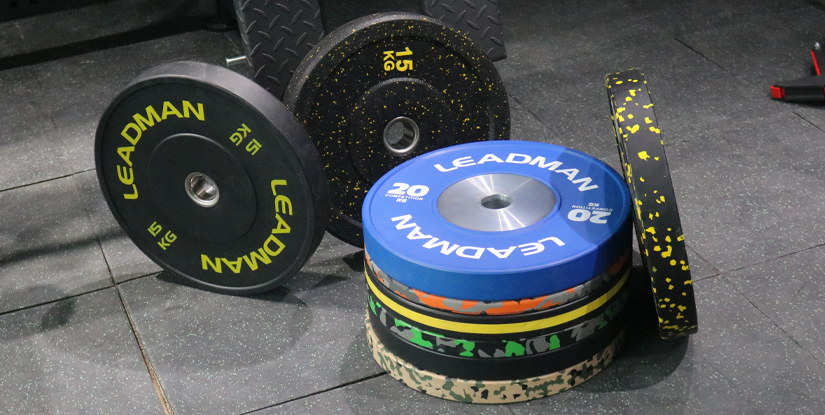
Effective commercial gym space optimization requires a strategic approach to how weight is staged and stored. From a procurement standpoint, the physical dimensions of your chosen plates dictate your storage footprint and the complexity of your SKU management. While thin iron plates allow for more weight on a single barbell, they often require specialized, heavy-duty racks that can consume significant floor area.
Conversely, high-quality bumper plates, despite their larger outer diameters, offer a predictable profile that simplifies gym equipment inventory management. When sourcing for large-scale facilities, consider that the weight density and thickness of the plates will influence your shipping costs and vertical storage capacity. A standardized set of high-density bumper plates allows for more efficient nesting in weight trees, reducing the visual clutter in high-traffic zones. For distributors, optimizing the ratio of plate thicknesses can streamline logistics and ensure that clients can maximize their barbell capacity without increasing the physical footprint of the training station.
Optimizing Vertical and Horizontal Footprints with Diverse Plate Profiles
When designing a high-traffic strength training zone, the physical dimensions of your weight inventory directly dictate the efficiency of your floor layout. Selecting the correct barbell weight plates shapes to choose is not merely a matter of aesthetic preference, but a strategic decision in commercial gym space optimization. The profile of a plate determines how much horizontal room a single barbell station occupies and, more importantly, how much storage volume is required in your back-of-house areas.
Standard round profiles are the industry baseline, offering a predictable floor footprint that fits seamlessly into traditional rack configurations. However, procurement managers must weigh the benefits of traditional round plates against specialized non-round or slim-profile options. While standard round plates provide a universal fit, specialized thinner profiles allow for more weight density on a single barbell sleeve. This distinction is critical for maintaining smooth movement flow within crowded facilities; high-density loading prevents bulky barbell setups from encroaching on adjacent training lanes, ensuring that your facility remains functional even during peak operating hours.
To assist in your procurement planning, the following comparison highlights the fundamental differences in spatial requirements between the two most common profiles. When evaluating bumper plate vs iron plate specifications, the primary decision driver is often the trade-off between impact durability and storage density.
| Feature/Metric | Standard Bumper Plates | Cast Iron/Steel Plates |
|---|---|---|
| Vertical Footprint | Thicker profile; requires more vertical clearance on racks. | Slim profile; allows for higher weight density per sleeve. |
| Horizontal Clearance | Larger diameter (usually 450mm) requires wider training lanes. | Variable diameters; often more compact for specific weight increments. |
| Storage Density | Lower; occupies more volume in vertical plate trees. | High; ideal for maximizing limited warehouse or gym floor space. |
| Weight Distribution | Optimized for high-impact, floor-to-ceiling stability. | Optimized for precision and compact barbell loading. |
From a gym equipment inventory management perspective, sourcing a mix of both profiles can be a strategic way to manage SKU management complexity. We recommend utilizing high-density iron plates for standard strength stations to save space, while reserving bumper plates for high-impact zones where vertical and horizontal movement is more aggressive. This dual-sourcing approach ensures your facility maximizes both functional capacity and storage efficiency.
Beyond the immediate floor layout, the geometric consistency of your order impacts long-term logistical costs. When undertaking bulk procurement, the dimensional precision of each unit is vital for storage rack compatibility. Inconsistent plate diameters or thickness variances can lead to uneven loading on vertical trees and specialized racks, potentially causing structural instability or uneven wear on your storage hardware. For distributors and large-scale facility managers, ensuring standardized dimensions across all weight increments is a prerequisite for predictable gym equipment inventory management.
Logistics planners must also account for shipping volume and container utilization. While round bumper plates are the standard for durability, their larger volumetric footprint can increase the total cubic meters required for sea freight. If your procurement strategy prioritizes maximizing container density to reduce landed costs, integrating slimmer iron-core or specialized high-density profiles can significantly optimize your shipping volume. By aligning your plate shape selection with your specific storage infrastructure and international freight requirements, you can achieve a more streamlined, cost-effective supply chain for your commercial fitness inventory.
Strategic Sourcing: Evaluating Thickness and Diameter Consistency in Bulk Orders
In high-traffic commercial facilities, the long-term operational cost is often dictated by the precision of the initial procurement. When sourcing various barbell weight plates shapes to choose, many distributors overlook the subtle but critical implications of manufacturing tolerances. Inconsistent diameter consistency across a single shipment can lead to uneven weight distribution on the barbell, creating dangerous imbalances during heavy lifts. For facility owners, this is not just a safety concern but a direct threat to the structural integrity of the barbell sleeves themselves.
Furthermore, significant variations in thickness tolerances can disrupt commercial gym space optimization. If plates from different production batches do not stack with uniform density, it complicates rack organization and inventory management. From a procurement standpoint, prioritizing suppliers with rigorous quality control protocols ensures that your inventory remains predictable. Relying on low-cost manufacturers who lack strict dimensional standards often results in premature equipment wear and increased maintenance cycles, ultimately driving up the total cost of ownership.
To assist in your technical evaluation, the following comparison highlights the fundamental differences in manufacturing precision and long-term upkeep between the two primary plate categories. When conducting a bumper plate vs iron plate assessment, procurement officers should focus on how dimensional stability impacts both safety and labor costs.
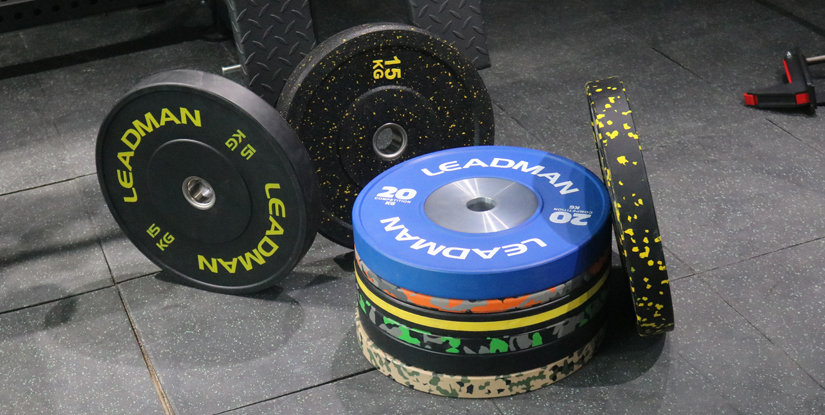
| Technical Metric | Bumper Plates (High-Density Rubber) | Iron/Steel Plates (Cast/Stamped) |
|---|---|---|
| Dimensional Tolerance | Higher tolerance; slight variations in diameter are common due to rubber compression. | Very low tolerance; high precision in diameter and thickness for strict stacking. |
| Weight Distribution | Designed for impact; center of gravity is optimized for kinetic energy absorption. | Optimized for static stability; highly consistent weight across the plate surface. |
| Maintenance Frequency | Moderate; requires periodic cleaning of rubber residue and checking for surface cracks. | Low; requires minimal upkeep beyond surface rust prevention and basic cleaning. |
| Manufacturing Precision | Focuses on density and shock absorption properties. | Focuses on extreme dimensional accuracy and metallurgical strength. |
Understanding these nuances is essential for gym equipment inventory management. While iron plates offer superior precision for strength-focused environments, bumper plates provide the necessary durability for high-impact functional training. Selecting the correct profile based on these technical specifications will mitigate the risk of uneven wear and reduce long-term replacement frequency.
To mitigate these risks, professional buyers must implement a rigorous QC inspection workflow before authorizing final shipments. Relying solely on a manufacturer’s certificate of analysis is often insufficient for large-scale deployments. Instead, we recommend a multi-point bulk order verification process that focuses on physical metrology. This includes using digital calipers to verify thickness uniformity across a randomized sample of the shipment. If the variance exceeds the specified tolerance—even by a few millimeters—it can lead to stacking instabilities and uneven loading on barbell sleeves.
A robust inspection protocol should also include weight-per-unit testing to ensure that dimensional precision translates to actual weight accuracy. Neglecting these granular details during the sourcing stage leads to much higher long-term maintenance costs, as uneven plates accelerate the degradation of both the plates and the barbell hardware. By treating dimensional consistency as a non-negotiable KPI rather than a minor variable, procurement officers can ensure their facility maintains high standards of safety and operational efficiency over many years of heavy use.
Inventory Management Strategies for Specialized Weight Plate SKUs
When scaling a facility, procurement professionals must balance initial capital expenditure against long-term operational efficiency. A common dilemma in gym equipment inventory management is deciding whether to prioritize high-volume iron plates or high-durability rubberized options. While the bumper plate vs iron plate debate often centers on training styles, the true distinction for a distributor or gym owner lies in the total cost of ownership (TCO).
Iron plates typically offer a lower entry price, making them attractive for budget-conscious strength zones or weightlifting areas where floor protection is already managed. However, rubber bumper plates, despite a higher initial investment, often yield better returns in high-traffic functional training zones. Beyond the purchase price, bumpers reduce long-term maintenance costs and equipment wear. Furthermore, selecting standardized diameters facilitates better commercial gym space optimization, allowing for more streamlined storage solutions and predictable SKU depth. For large-scale distributors, weighing durability vs initial investment is critical to ensuring that the hardware remains a reliable asset rather than a recurring replacement expense.
To assist in your procurement modeling, the following comparison outlines how different plate profiles impact your bottom line. While iron provides a low-cost entry point, the long-term value of bumper plates often manifests through reduced facility damage and extended replacement cycles.
| Metric | Standard/Iron Plates | Round/Bumper Plates |
|---|---|---|
| Initial Unit Cost | Lower (Budget-friendly) | Higher (Premium investment) |
| Expected Lifespan | High (Subject to rust/chipping) | Very High (Impact resistant) |
| Storage Footprint | Compact (Varying diameters) | Uniform (Standardized 450mm) |
| Maintenance Frequency | Moderate (Requires coating checks) | Low (Minimal upkeep) |
When calculating your bulk order requirements, consider that the uniform diameter of bumper plates simplifies commercial gym space optimization. For high-density storage, the predictable dimensions of rubberized plates often lead to more efficient vertical and horizontal racking configurations compared to the irregular profiles found in mixed-diameter iron sets.
Beyond the physical footprint, professional buyers must account for the logistical complexities inherent in sourcing diverse weight plate profiles. When evaluating barbell weight plates shapes to choose, the decision should be driven by both shipping volume efficiency and the logistical overhead of your warehouse. While standard 450mm bumper plates offer uniformity, specialized or non-standard diameters—often found in vintage-style iron plates or specialized training equipment—can disrupt your standardized palletizing protocols.
From a procurement standpoint, managing a wide variety of shapes can lead to increased SKU fragmentation. To maintain lean gym equipment inventory management, we recommend negotiating clear MOQ considerations for specialized diameters. Sourcing non-standard or niche-shaped plates often carries a higher minimum order quantity to offset the manufacturer's setup costs. For distributors, consolidating orders into standardized, high-volume shapes is generally the most effective way to maximize shipping volume efficiency and reduce the per-unit landed cost. By prioritizing a streamlined selection of shapes, you can reduce the complexity of your supply chain while ensuring predictable storage density in both transit and your facility.
Logistics and Quality Control Standards for International Weight Plate Shipments
When evaluating the various barbell weight plates shapes to choose, procurement officers must look beyond the gym floor and consider the global supply chain. The geometry of a plate directly dictates your landed cost through its impact on shipping volume and container utilization. Standardized round plates are the industry benchmark for a reason: their uniform diameter allows for high palletization density and predictable stacking patterns during long-haul transit.
In contrast, specialty or non-standard shapes often introduce "dead air" into a shipping container, significantly increasing the volumetric weight ratio. For distributors managing large-scale commercial gym space optimization, this inefficiency extends to the warehouse. While round bumper plates are designed for high stacking efficiency to save vertical space, irregular shapes can complicate automated storage and retrieval systems. When sourcing internationally, we recommend prioritizing standardized circular profiles to ensure maximum shipping volume efficiency. This strategic decision minimizes the risk of damaged edges during transit and optimizes your inventory footprint from the moment the container arrives at your facility.
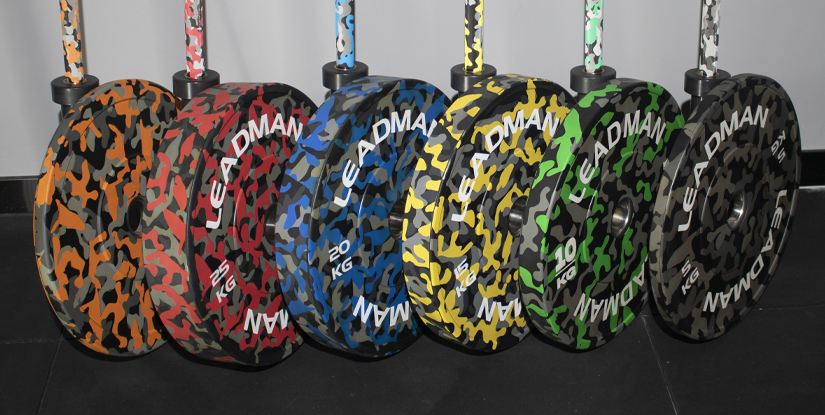
Beyond logistics efficiency, rigorous quality control (QC) protocols are essential to prevent costly returns and ensure long-term durability. Whether you are weighing the bumper plate vs iron plate debate, the technical inspection requirements differ significantly. For rubberized bumper plates, the focus must be on coating integrity and the adhesion of the outer layer to the core. Any delamination or uneven thickness can lead to uneven weight distribution or premature wear under heavy use. For iron plates, the primary concern shifts to surface treatment and moisture resistance to prevent oxidation during ocean transit and storage in humid environments.
A professional procurement checklist should always demand verification of dimensional tolerance and weight accuracy. High-quality manufacturers should provide certificates showing that each plate falls within a strict +/- 1% to 2% weight deviation threshold. Furthermore, inspectors should check the center hole diameter consistency to ensure seamless loading onto Olympic bars. Implementing these strict inspection standards during the factory stage is the most effective way to manage long-term maintenance costs and ensure that your gym equipment inventory remains a reliable asset rather than a liability.
To streamline your procurement workflow, we have developed a decision-making framework. This comparison helps you balance the immediate needs of SKU management with the long-term logistical realities of international freight. When planning your next order, consider how the specific geometry of your selected plates will influence your total landed cost and warehouse footprint.
| Factor | Standard Round Bumper Plates | Specialty/Non-Standard Shapes |
|---|---|---|
| Shipping Weight vs Volume | High density; optimized for container stuffing. | Lower density; higher volumetric weight ratio. |
| Stacking Efficiency | Excellent; ideal for vertical storage. | Limited; requires more complex racking. |
| MOQ & Sourcing | Standardized; easier to meet lower MOQs. | Often requires higher MOQs for custom molds. |
| Inventory Management | Simple; easy to track and rotate. | Complex; requires specialized gym equipment inventory management. |
For high-volume distributors, the choice between these options is rarely about aesthetics alone. It is a calculation of bulk ordering considerations. While specialty shapes offer brand differentiation, the standardized round profile remains the most cost-effective solution for minimizing shipping overhead and maximizing your storage capacity during peak inventory cycles.
Lifecycle maintenance planning for busy facilities
When scaling a commercial fitness center, procurement professionals must look beyond the initial purchase price and focus on the Total Cost of Ownership (TCO). The specific barbell weight plates shapes to choose will directly dictate your long-term operational overhead. In high-traffic environments, the distinction between bumper plate vs iron plate becomes a critical factor in your annual maintenance budget and replacement frequency.
For weightlifting zones or CrossFit boxes where heavy drops are frequent, high-density rubberized bumper plates are essential. While the initial investment per unit may be higher, their ability to absorb impact preserves both the flooring and the barbell sleeves, significantly extending the lifecycle of your entire lifting station. Conversely, standard iron plates may suffice for fixed-resistance strength areas, but they lack the durability required for high-impact use. Choosing the wrong geometry for your specific training modality often leads to premature wear, increased replacement cycles, and unexpected downtime. For distributors and facility managers, selecting the right plate profile is not just a matter of aesthetics, but a strategic decision to minimize long-term maintenance costs and optimize equipment longevity.
Beyond impact absorption, procurement managers must evaluate how different plate geometries influence long-term maintenance requirements and facility upkeep. For instance, the surface wear patterns on cast iron plates often lead to chipped paint or oxidation if the coating integrity is compromised by humidity or heavy use. In contrast, high-quality urethane-coated bumper plates offer superior protection against environmental degradation, making them a more resilient choice for multi-use facilities.
Storage logistics also play a pivotal role in commercial gym space optimization. Round plates, while standard, require dedicated vertical or horizontal racks that occupy a fixed storage footprint. If your facility aims to maximize usable square footage, evaluating the stacking efficiency of different plate shapes is vital. While specialized square plates can sometimes offer better nesting properties, the primary goal for a distributor or gym owner should be selecting a profile that balances ease of handling with a compact footprint. Ultimately, a strategic selection ensures that your inventory remains organized and visually professional, reducing the labor hours spent on routine equipment inspections and reorganization.
Effective gym equipment inventory management requires a forward-thinking approach to logistics planning. When sourcing at scale, the physical dimensions and stacking stability of your chosen weight plates will dictate your warehouse or back-of-house efficiency. For distributors and large-scale facility operators, the ability to maximize storage density is often as important as the weight capacity itself. High-quality, uniform round plates with consistent thickness profiles allow for more predictable vertical stacking, which is essential when managing limited floor space or specialized storage racks.
When executing bulk procurement, we advise buyers to consider the long-term implications of shipping volume and palletization. Bumper plates, due to their often larger outer diameters, may require more sophisticated logistics planning to avoid excessive dimensional weight costs during international transit. A well-structured inventory strategy should account for how different plate profiles nest together or stack in transit. By prioritizing high-precision manufacturing and consistent geometric standards, procurement professionals can ensure that their shipments arrive with minimal deformation, maintaining high stacking stability and reducing the risk of damage during the unpacking process at the destination facility.