weight plates hole diameter | Standardizing Weight Plate
Optimizing SKU Breadth and Inventory Turnover for Distributors
Many distributors fail by treating all weight plates as a single category, leading to costly dead stock when 1-inch and 2-inch requirements clash. A sophisticated B2B procurement strategy avoids this by strictly separating inventory based on the intended end-user application. Relying on a "one-size-fits-all" approach often results in mismatched barbell sleeve compatibility, where standard plates cannot be used on Olympic bars, or high-end equipment remains underutilized due to lack of compatible loading options.
Effective inventory segmentation requires a clear distinction between the olympic vs standard weight plates markets. Olympic-spec equipment, featuring a 2-inch weight plates hole diameter, serves high-performance commercial gyms and strength facilities requiring heavy loading. Conversely, 1-inch plates target home fitness enthusiasts or boutique studios with lighter barbell setups. By categorizing stock through these specific diameter requirements, distributors can optimize turnover rates, ensure clients receive the correct fit for their hardware, and significantly reduce the overhead associated with shipping errors and returns.
To streamline your fulfillment process and minimize returns, utilize the following specification comparison. This reference ensures your procurement team can quickly verify orders against client hardware requirements, preventing the common error of shipping standard-diameter plates for Olympic-ready equipment.
| Specification Detail | Standard (1-inch) | Olympic (2-inch) |
|---|---|---|
| Typical Hole Diameter | ~1 inch (25.4 mm) | ~2 inches (50.8 mm) |
| Primary Use Case | Home gyms, light fitness, boutique studios | Commercial gyms, strength facilities, CrossFit |
| Barbell Compatibility | Standard weight bars | Olympic barbell sleeves |
| Inventory Risk | Incompatible with heavy-duty commercial bars | Too loose for standard 1-inch bars |
Warning: Always cross-reference the client's barbell sleeve diameter before finalizing bulk shipments. Mixing these two standards in a single shipment without explicit verification is a leading cause of high return rates in international trade.
Beyond simple categorization, professional warehouse management relies on rigorous weight plate manufacturing specifications to maintain high fulfillment standards. Relying on visual estimation during intake is a common pitfall; even a millimeter of deviation can cause a plate to sit loosely on a sleeve or, more critically, fail to fit entirely. To mitigate this, implement strict QC protocols that involve physical gauge testing for every batch. By verifying that the center hole diameter remains within the tolerance levels specified in your purchase order, you protect your reputation and reduce the logistical burden of processing returns due to diameter mismatch.
From a logistics standpoint, optimizing shipping volume optimization is equally vital. Since weight plates are high-density, low-volume goods, the way they are palletized and packed directly impacts your landed cost. Ensure your supplier provides standardized packaging that prevents dimensional drift. When your procurement team enforces standardized specifications, it becomes easier to automate stock counts and predict replenishment cycles, ensuring that your most profitable SKUs—typically the 2-inch Olympic variety—are never out of stock due to preventable manufacturing inconsistencies.
The Economic Impact of 1-Inch vs 2-Inch Diameter Discrepancies
For commercial gym operators and distributors, a seemingly minor oversight in weight plates hole diameter can escalate into a significant procurement risk. Miscalculating the requirements for olympic vs standard weight plates does more than just cause a temporary inconvenience; it creates a fundamental barbell sleeve compatibility failure that can paralyst a facility's training floor. When a shipment arrives with the incorrect specification, the resulting mismatching equipment often leads to immediate dead stock—inventory that is functionally useless for high-end barbell setups and cannot be easily liquidated or returned.
From a Total Cost of Ownership (TCO) perspective, the cost of error extends far beyond the initial invoice. It involves shipping delays, the high cost of replacement logistics, and the loss of credibility with end-users. To mitigate these financial leaks, buyers must align their sourcing orders strictly with the intended barbell standards of their target market.
| Procurement Factor | Standard (1-Inch) Focus | Olympic (2-Inch) Focus |
|---|---|---|
| Target Market | Home gyms & light commercial | Professional & high-performance |
| Inventory Risk | High obsolescence in premium clubs | Lower risk in modern facilities |
| Sourcing Complexity | Lower MOQ/entry barrier | Strict tolerance requirements |
| Asset Longevity | Limited for heavy barbell use | High durability/standardized |
Beyond initial procurement, the long-term TCO is heavily dictated by the weight plate manufacturing specifications and the resulting durability of the equipment. In high-traffic environments, the 2-inch Olympic standard typically offers superior commercial gym longevity. Because these plates are engineered for high-impact use and thicker barbell sleeves, they tend to withstand the rigors of heavy lifting cycles with less structural fatigue compared to 1-inch alternatives.
When evaluating the replacement cycles for a facility, buyers should consider that 1-inch plates are often relegated to lighter, more casual use cases. While the initial unit cost may be lower, the frequency of replacement in a professional setting can be higher due to the limitations of the smaller diameter under heavy loads. Conversely, investing in standardized 2-inch equipment often yields a better return on investment by reducing maintenance intervals and ensuring that the inventory remains compatible with the evolving professional barbell market. For distributors, prioritizing high-tolerance manufacturing ensures that the product remains a long-term asset rather than a recurring expense.
Evaluating the long-term financial commitment requires looking past the unit price to the broader lifecycle of the inventory. A strategic procurement plan must account for how the diameter choice influences replacement frequency and scaling potential within a specific facility type.
Economic Profile by Diameter
| Metric | Standard (1-Inch) Profile | Olympic (2-Inch) Profile |
|---|---|---|
| Target Market | Residential, Home Gyms, Boutique Studios | Commercial Gyms, CrossFit Boxes, Training Centers |
| Expected Longevity | Moderate (Optimized for lighter loads) | High (Engineered for heavy-duty cycles) |
| Replacement Frequency | Higher in high-traffic environments | Lower due to structural durability |
| Scalability | Limited to specialized niche setups | High (Universal standard for expansion) |
For wholesalers and large-scale distributors, the choice between these two specifications is a decision between volume-driven entry and long-term asset stability. While 1-inch plates may offer a lower entry barrier for smaller orders, the 2-inch Olympic standard remains the essential benchmark for professional-grade scalability. Ensuring your weight plate manufacturing specifications align with these economic realities will prevent the costly mistake of stocking inventory that cannot meet the rigorous demands of a growing commercial client base.
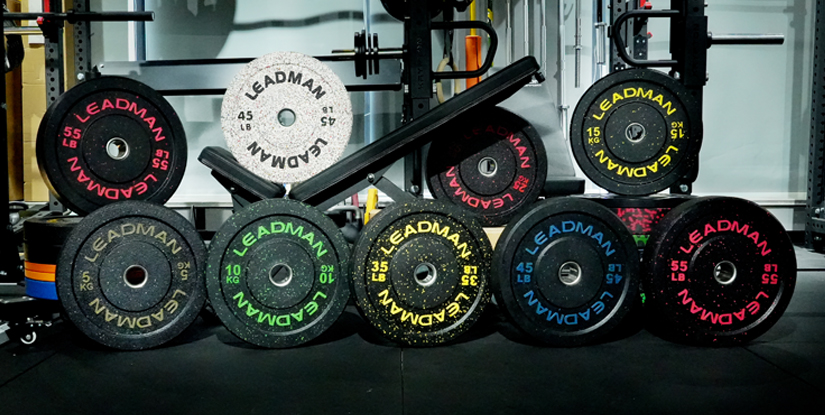
Ensuring Barbell Sleeve Compatibility in High-Volume Procurement
In high-traffic commercial environments, the cost of a single procurement oversight extends far beyond the initial invoice. A common operational failure occurs when distributors or gym owners fail to verify the weight plates hole diameter against their existing barbell inventory. This mismatch creates significant friction, leading to unusable equipment, delayed facility openings, and increased return rates for wholesalers.
The distinction between olympic vs standard weight plates is the most frequent point of failure in bulk sourcing. Most professional strength facilities rely on the 2-inch standard to accommodate heavy-duty barbell sleeves, whereas 1-inch plates are typically relegated to lighter, residential, or specialized training setups. Failing to confirm barbell sleeve compatibility during the RFQ stage can result in massive shipping errors and wasted logistics budgets. For procurement managers, ensuring a strict 2-inch vs 1-inch diameter verification process is not just about fitment—it is a critical step in maintaining equipment durability and preventing the premature wear of barbell sleeves caused by improper weight distribution.
To mitigate these risks, procurement officers must implement a rigorous verification process before finalizing bulk orders. Relying on visual estimations is insufficient; instead, rely on standardized technical documentation to ensure long-term durability and seamless integration with your current inventory.
The following comparison highlights the essential weight plate manufacturing specifications required for professional-grade equipment. Use this data to cross-reference with your barbell supplier's technical sheets to avoid compatibility-related downtime.
| Specification Metric | Olympic Standard (Commercial) | Standard/Fractional (Residential/Light) |
|---|---|---|
| Typical Hole Diameter | 2 inches (50.8 mm) | 1 inch (25.4 mm) |
| Primary Use Case | High-volume strength training/Powerlifting | Light resistance/Home fitness/Aerobics |
| Sleeve Diameter Compatibility | Heavy-duty 2-inch barbell sleeves | 1-inch precision or light-duty sleeves |
| Durability Profile | High; designed for heavy impact and friction | Moderate; optimized for lighter loads |
B2B Procurement Checklist for Sourcing Managers
Before issuing a Purchase Order, verify the following three points to ensure your shipment meets facility requirements:
- Verify Sleeve Dimensions: Confirm that your existing barbell sleeve diameter matches the incoming plate hole diameter exactly to prevent uneven load distribution.
- Confirm Tolerance Standards: Request the manufacturing tolerance (e.g., ±1mm) to ensure consistent fitment across large-scale shipments.
- Check Weight Distribution: Ensure the plate thickness and center-hole precision align with your facility's durability and maintenance standards.
The Impact of Precision on Long-Term TCO
For distributors and large-scale facility operators, the true cost of a shipment is measured by its Total Cost of Ownership (TCO) rather than just the unit price. When sourcing at scale, the precision of the weight plates hole diameter becomes a direct indicator of the product's durability. Deviations in the center-hole geometry can lead to uneven load distribution, causing unnecessary friction and accelerated wear on expensive barbell sleeves. This often results in higher maintenance windows and premature equipment replacement cycles.
To avoid these logistical headaches, high-volume procurement must be backed by strict quality control (QC) protocols. Relying on a supplier's verbal assurance is insufficient for professional-grade orders; instead, demand documented manufacturing tolerances. A high-quality manufacturer will provide technical specifications showing consistent diameter control across the entire production run. By prioritizing precision during the vetting stage, procurement managers can ensure that every shipment arrives ready for immediate, seamless integration into a high-performance commercial environment.
Mitigating Logistics Errors Through Standardized Manufacturing Specifications
For distributors and gym equipment wholesalers, the cost of a specification error extends far beyond a single returned unit. A single oversight regarding the weight plates hole diameter can compromise an entire container shipment, leading to significant procurement risk and logistical bottlenecks. When sourcing at scale, the distinction between olympic vs standard weight plates is not merely a technicality; it is a fundamental requirement for barbell sleeve compatibility.
If a shipment of 1-inch center-hole plates is dispatched to a facility equipped with 2-inch Olympic bars, the inventory becomes instantly unusable for high-performance training. Such shipping errors create a domino effect of operational downtime, increased return freight costs, and damaged client trust. To protect your margins, it is essential to mandate strict weight plate manufacturing specifications during the factory QC process. Ensuring that every batch aligns precisely with the intended barbell interface is the most effective way to mitigate the financial volatility associated with large-scale international procurement.
To streamline your quality control and prevent compatibility disputes, procurement officers should utilize a standardized verification framework. Relying on visual inspection alone is insufficient for high-volume orders; instead, utilize the following technical reference to audit your supplier's production capabilities against your specific inventory requirements.
Technical Specification Verification Table
The following table outlines the industry standards required for professional-grade equipment. Use these benchmarks during your pre-shipment inspections to ensure seamless integration with your existing barbell stock.
| Plate Type | Target Hole Diameter | Primary Application | Compatibility Focus |
|---|---|---|---|
| Olympic Weight Plates | 50.8 mm (2 inches) | Commercial Gyms / CrossFit | Olympic Barbell Sleeves |
| Standard Weight Plates | 25.4 mm (1 inch) | Home Gyms / Light Training | Standard Barbell Sleeves |
Pro tip for sourcing: Always request a tolerance specification from your manufacturer. A slight deviation in the 2-inch vs 1-inch diameter can lead to excessive "wobble" or an inability to load the bar, which directly impacts the long-term durability of both the plates and the barbell sleeves.
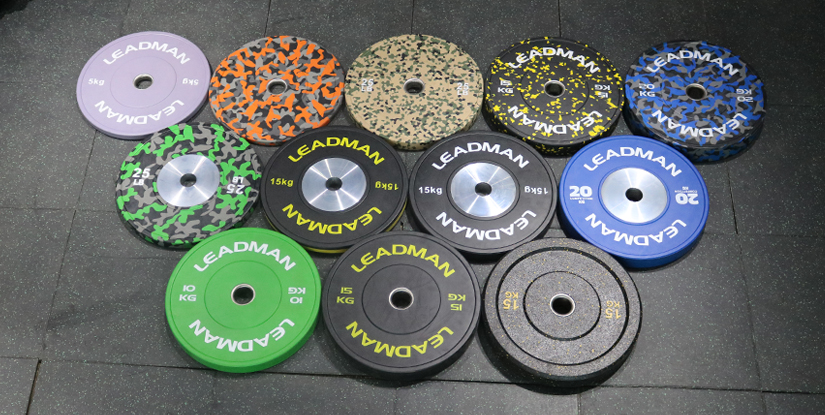
Optimizing TCO Through Rigorous Quality Control
In the commercial fitness sector, the Total Cost of Ownership (TCO) is heavily influenced by the frequency of replacement and the efficiency of long-term maintenance. When managing bulk ordering for large-scale distributors or gym chains, the goal is to achieve absolute consistency across every shipment. Discrepancies in the center-hole dimensions—even within a few millimeters—can lead to uneven weight distribution, causing premature wear on barbell sleeves and increasing the labor costs required for routine equipment upkeep.
To mitigate these risks, implement a multi-layered quality control protocol that extends beyond the factory floor. Effective logistics planning should include a mandatory pre-shipment verification of the weight plates hole diameter using calibrated calipers. By ensuring that every unit meets the exact tolerance levels specified in your purchase order, you reduce the likelihood of costly returns and technical non-compliance. For high-volume buyers, this proactive approach to maintenance and verification ensures that capital is invested in reliable, long-lasting inventory rather than in resolving avoidable shipping errors.
Facility Layout Constraints and Weight Plate Storage Efficiency
When designing a commercial gym or a high-traffic strength zone, procurement specialists must look beyond individual unit costs and consider the long-term impact on facility layout. The weight plates hole diameter dictates more than just barbell sleeve compatibility; it fundamentally shapes your storage footprint and hardware selection. Choosing between different standards affects whether your facility can utilize vertical weight trees, specialized racks, or floor-based storage solutions.
For instance, the distinction between olympic vs standard weight plates creates a significant divergence in spatial planning. Olympic-sized plates, with their larger 2-inch center holes, require robust, heavy-duty storage pegs designed to handle concentrated weight loads. Conversely, standard 1-inch plates are often relegated to lighter accessory areas or specialized compact setups. Miscalculating these requirements during the sourcing phase can lead to inefficient floor usage or the need for expensive, unplanned hardware upgrades as your inventory grows. Selecting the correct diameter ensures that your storage infrastructure aligns perfectly with your barbell inventory, optimizing both movement flow and equipment longevity.
To prevent procurement errors during the equipment rollout, it is essential to match your storage hardware with the specific weight plate manufacturing specifications of your order. A mismatch between the plate diameter and the rack peg can lead to uneven weight distribution, damaging both the barbell sleeves and the storage unit itself.
The following comparison helps distributors and facility managers determine the most efficient storage orientation based on the intended equipment type:
| Storage Metric | Olympic Standard (2-inch) | Standard/Small (1-inch) |
|---|---|---|
| Primary Use Case | High-performance strength zones | Light resistance/Accessory areas |
| Storage Compatibility | Heavy-duty vertical weight trees | Compact tiered racks or wall mounts |
| Preferred Orientation | Vertical (Weight Trees/A-Frames) | Horizontal (Wall-mounted/Tiered) |
| Footprint Impact | Requires larger floor clearance | Optimized for tight/small spaces |
Strategic Sourcing Tip: When ordering in bulk, verify that your storage rack compatibility aligns with your total plate volume. While vertical storage for 2-inch plates maximizes verticality in large gyms, horizontal 1-inch storage is often more space-efficient for boutique studios or specialized training zones where floor area is at a premium.
Beyond spatial footprints, long-term facility maintenance depends heavily on the consistency of the weight plates hole diameter across your entire inventory. In high-volume commercial environments, even minor deviations in manufacturing precision can lead to significant operational friction. If a batch of plates arrives with diameter tolerances that are slightly off-spec, they may sit loosely on storage pegs or, more critically, create uneven pressure points on barbell sleeves during use.
For distributors and procurement managers, this highlights the necessity of rigorous quality control during the sourcing stage. When managing bulk procurement, relying on a single supplier with proven weight plate manufacturing specifications reduces the risk of shipping errors where incompatible hardware arrives at your loading dock. Inconsistent plate thickness or diameter can cause weight trees to lean or become unstable over time, increasing the risk of equipment failure. To ensure maximum storage efficiency and protect your long-term capital investment, always mandate strict tolerance checks to ensure every plate fits seamlessly into your designated storage infrastructure.
Quality Control Protocols for Center Hole Precision and Tolerance
In high-traffic commercial environments, the margin for error in manufacturing is razor-thin. When sourcing at scale, procurement managers must look beyond surface aesthetics to the technical precision of the weight plates hole diameter. Even a sub-millimeter deviation from standard specifications can compromise barbell sleeve compatibility, leading to significant operational headaches for gym owners and distributors.
If the center hole is too tight, users struggle with loading; if it is too loose, the plate wobbles, creating uneven friction against the barbell sleeve. This lack of a flush fit does more than just disrupt the lifting experience—it accelerates mechanical wear on expensive barbell bearings and bushings. Over time, this constant vibration and improper weight distribution lead to premature sleeve damage and increased commercial gym maintenance costs. For professional distributors, ensuring strict adherence to tolerance standards is a non-negotiable requirement to guarantee long-term durability and protect the total cost of ownership for the end-user.
To mitigate these risks, professional procurement teams should demand rigorous weight plate manufacturing specifications during the factory audit phase. High-tier suppliers utilize precision casting or CNC-machined finishing to ensure that the center hole remains consistent across an entire production run. It is not enough to simply meet the nominal 2-inch or 1-inch requirement; the true indicator of a premium manufacturer is their ability to maintain tight tolerance levels. A deviation exceeding +/- 0.5mm can be the difference between a seamless load and a problematic fit that triggers client returns.
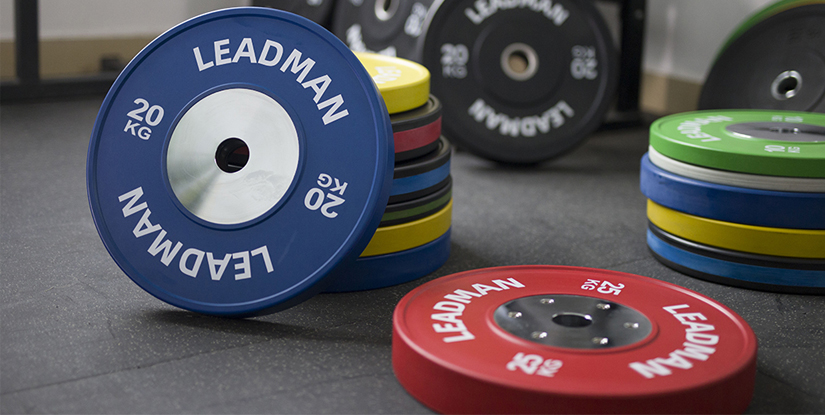
When conducting remote or on-site inspections, verify that the supplier implements standardized quality control protocols, such as Go/No-Go gauge testing for every batch. This systematic verification ensures that every unit shipped meets the strict B2B procurement standards required for commercial-grade strength equipment. By prioritizing manufacturers that treat center hole diameter as a critical engineering metric rather than a secondary detail, distributors can significantly reduce the likelihood of compatibility disputes and enhance their reputation for reliability in the North American market.
Before finalizing a bulk purchase order, it is essential to perform a final verification of the physical specifications. The distinction between olympic vs standard weight plates is not merely a matter of scale, but a fundamental requirement for equipment interoperability. A mismatch in diameter can render entire shipments unusable for the intended barbell setup, leading to costly logistical errors and restocking fees.
The following comparison serves as a rapid inspection checklist for procurement professionals to verify that the incoming stock aligns with the intended facility requirements:
| Specification Metric | Olympic Standard | Standard (Commercial/Home) |
|---|---|---|
| Center Hole Diameter | 2 inches (approx. 50.8 mm) | 1 inch (approx. 25.4 mm) |
| Primary Compatibility | Olympic Barbells & High-End Racks | Standard Barbells & Fixed Bars |
| Typical Use Case | Professional Gyms & Cross-Training | General Fitness & Home Studios |
| Procurement Focus | Precision fit for sleeve longevity | Cost-effective volume scaling |
During the procurement verification phase, we recommend requesting a sample or a high-resolution technical drawing that explicitly states the tolerance range for the center hole. For large-scale B2B orders, confirming these dimensions via a physical gauge test or a certified specification sheet will safeguard your inventory against compatibility disputes and ensure seamless integration with existing barbell assets.
Strategic Sourcing: Selecting the Right Diameter for Target Markets
From a procurement standpoint, the decision between olympic vs standard weight plates is not merely a technicality; it is a fundamental driver of long-term ROI. For high-end commercial gyms and strength conditioning facilities, the 2-inch diameter is the industry standard. This specification ensures barbell sleeve compatibility with heavy-duty Olympic bars, which are essential for high-impact training. While the initial unit cost may be higher, the durability and ability to accommodate progressive loading make them a superior investment for high-traffic environments.
Conversely, for the home studio or light commercial market, 1-inch diameter plates offer a lower entry barrier and reduced shipping costs due to their smaller footprint. However, distributors must weigh this against the limited scalability of the equipment. Sourcing 2-inch Olympic plates for professional-grade facilities minimizes the risk of frequent replacement cycles, effectively lowering the Total Cost of Ownership (TCO). By aligning your inventory with the specific demands of your target segment—prioritizing versatility for professional gyms and cost-efficiency for residential setups—you optimize both your procurement budget and client satisfaction.
To mitigate the risk of inventory mismatch and shipping errors, procurement officers should utilize standardized technical benchmarks. Miscalculating the weight plates hole diameter can lead to significant logistical setbacks, such as receiving shipments that are incompatible with your facility's existing barbell inventory.
The following comparison serves as a technical reference for verifying weight plate manufacturing specifications during the quality control phase of your sourcing process:
| Specification Feature | Olympic Standard (2-inch) | Standard/Commercial (1-inch) |
|---|---|---|
| Hole Diameter | 50mm (approx. 2 inches) | 25mm to 28mm (approx. 1 inch) |
| Primary Use Case | Professional gyms, CrossFit, heavy lifting | Home gyms, light commercial, boutique studios |
| Compatibility Risk | Incompatible with standard 1-inch bars | Incompatible with Olympic barbell sleeves |
| Procurement Focus | Durability, high-load capacity, longevity | Lower unit cost, shipping efficiency |
When negotiating MOQs or reviewing factory samples, always confirm whether the production run utilizes a strict 50mm center hole. Discrepancies in these dimensions can cause friction during facility assembly and negatively impact the professional standard of your equipment delivery.
Optimizing your procurement budget requires more than just selecting a product; it requires a rigorous approach to quality control tolerances and logistics. For distributors managing high-volume orders, even a millimeter of deviation in the center hole can lead to catastrophic results, such as plates that are too tight for the sleeve or too loose, causing uneven weight distribution. To protect your margins, ensure your manufacturing partner adheres to strict weight plate manufacturing specifications that allow for a functional clearance range. This precision is vital for minimizing return rates due to sizing mismatches, which are often the highest hidden cost in international B2B trade.
Furthermore, savvy buyers should evaluate shipping volume optimization during the RFQ stage. Because weight plates are dense, the ratio of weight to volume is critical. When negotiating MOQs, ask how the packaging configuration affects the volumetric weight and whether the palletization strategy accounts for the specific dimensions of the 2-inch or 1-inch plates. Efficient stacking not only reduces freight costs per unit but also minimizes the risk of structural damage during transit. By prioritizing technical precision and logistical efficiency, you secure a more reliable supply chain and a higher return on your initial investment.