do weight plates fit all bars | Compatibility Guide for
Procurement Checklist: Aligning Barbell and Plate Inventory
In high-volume fitness distribution, the difference between a profitable shipment and a logistical nightmare often comes down to a single measurement. A common procurement mistake is treating all barbell and plate orders as interchangeable, leading to mismatched sets that cannot be used together. Rather than viewing these as generic weight accessories, professional buyers must approach them as a unified system where Olympic vs standard barbell compatibility dictates the entire utility of the equipment. Failing to verify these specifications during the sourcing phase results in high return rates and damaged client trust.
The primary driver of procurement risk is the misunderstanding of barbell sleeve diameter specifications. Standard bars typically utilize 1-inch sleeves, whereas professional-grade Olympic bars require 2-inch sleeves. If your inventory contains a surplus of 2-inch Olympic plates but your current shipment consists of 1-inch standard bars, you face immediate dead stock prevention challenges. This mismatch renders your high-value plates unusable for those specific bars, effectively tying up capital in non-functional inventory. For distributors and gym owners, ensuring that your 1-inch vs 2-inch sleeves are perfectly aligned across all SKUs is essential for maintaining seamless operational flow and maximizing ROI.
To mitigate these risks, procurement officers should utilize a standardized technical reference when auditing supplier catalogs or reviewing factory-direct quotes. Miscalculating the weight plate sizing for gyms can lead to significant shipping weight discrepancies and logistical overhead if the wrong diameter is ordered for your intended barbell inventory. Use the following comparison to verify that your current procurement order aligns with your facility's intended use case.
| Specification Feature | Standard Barbell System | Olympic Barbell System |
|---|---|---|
| Sleeve Diameter | 1 inch (approx. 25.4 mm) | 2 inches (approx. 50.8 mm) |
| Typical Use Case | Home gyms, light commercial, or budget-focused studios | Professional strength training, CrossFit, and heavy lifting |
| Plate Compatibility | Standard 1-inch center holes only | Olympic 2-inch center holes |
| Procurement Focus | Cost-efficiency and basic functional utility | Durability, high weight capacity, and long-term scalability |
When negotiating MOQs or bulk shipments, always confirm the barbell sleeve diameter specifications with your manufacturer. For distributors scaling into the premium commercial market, prioritizing 2-inch Olympic equipment is generally the safer long-term investment, as it offers greater versatility and higher resale or reuse value in professional environments.
Beyond initial compatibility, professional buyers must calculate the total cost of ownership (TCO). While standard 1-inch diameter equipment may offer a lower entry price, the long-term maintenance and replacement cycles often result in higher operational costs. In high-traffic commercial environments, the structural integrity of the barbell sleeve and the precision of the plate center hole determine the lifespan of the entire training station. Investing in high-grade Olympic systems—even at a higher initial MOQ—tends to yield a superior return through long-term durability and reduced mechanical wear.
To protect your margins, integrate rigorous quality control (QC) protocols into your sourcing strategy. Do not rely solely on supplier certifications; request high-resolution technical drawings or physical samples to verify that the tolerances between the barbell sleeve and the weight plate are consistent. A minor deviation in diameter can cause plates to wobble or become stuck, leading to premature equipment degradation. Furthermore, optimize your logistics planning by synchronizing the arrival of bars and plates. Coordinating these shipments ensures that your facility or client receives a fully functional, integrated system, preventing the hidden costs of split shipments and mismatched inventory arrivals.
Technical Divergence: Olympic vs Standard Barbell Compatibility
For commercial facility managers and distributors, the distinction between equipment types is not merely a matter of preference, but a critical factor in long-term asset management. The primary technical hurdle lies in the barbell sleeve diameter specifications, which dictate the structural integrity of the entire lifting station. Standard barbells typically utilize a 1-inch sleeve, whereas the industry-standard Olympic barbell features a much larger 2-inch diameter.
Attempting to bridge this gap through improper weight plate sizing for gyms creates a dangerous structural mismatch. When a buyer attempts to use 1-inch plates on a 2-inch Olympic bar—or worse, attempts to force high-capacity loading onto substandard equipment—the resulting instability compromises the durability of the bearings and the bar itself. From a procurement standpoint, ignoring these physical incompatibilities leads to accelerated wear, frequent replacement cycles, and increased maintenance costs. Ensuring your inventory aligns perfectly with the intended barbell sleeve diameter is essential to preventing premature equipment failure and ensuring the safety of your end-users.
To mitigate the risk of incorrect inventory procurement, we have compiled a technical comparison below. This data serves as a verification baseline for your quality control and sourcing teams to ensure that the physical dimensions of the plates and bars are perfectly synchronized.
| Specification Metric | Standard Barbell System | Olympic Barbell System |
|---|---|---|
| Sleeve Diameter | 1 inch (approx. 25.4 mm) | 2 inches (approx. 50.8 mm) |
| Common Use Case | Home gyms, light commercial, and basic fitness studios | High-traffic commercial gyms, CrossFit boxes, and weightlifting facilities |
| Durability Profile | Moderate; optimized for lower weight capacities and lighter loading | High; engineered for heavy, high-frequency commercial use |
| Compatibility Note | Requires 1-inch diameter weight plates only | Requires 2-inch diameter weight plates only |
When negotiating MOQs or setting up new distribution lines, always verify these specifications with your factory contact. A mismatch in these fundamental dimensions is a common point of failure in international shipping and warehouse receiving, often leading to costly returns or unusable inventory.
Beyond the immediate physical fit, the long-term Total Cost of Ownership (TCO) is heavily influenced by how strictly you manage these specifications. A frequent procurement mistake among emerging distributors is failing to realize that do weight plates fit all bars is a question of both physical geometry and mechanical endurance. Mixing mismatched inventory—such as using low-grade plates on high-performance Olympic bars—can lead to uneven weight distribution and increased friction. This accelerates long-term wear on the barbell sleeves and internal bearings, effectively shortening the lifespan of your high-value assets.
Effective inventory management requires a strict separation of olympic vs standard barbell compatibility protocols within your warehouse and client delivery models. For high-traffic commercial facilities, the cost of frequent maintenance and equipment replacement far outweighs the initial savings of a mixed-spec shipment. To protect your margins and ensure facility longevity, we recommend establishing rigid SKU-level controls. This ensures that every shipment of weight plates is technically synchronized with the intended barbell system, preventing the structural degradation that arises from improper load-bearing configurations.
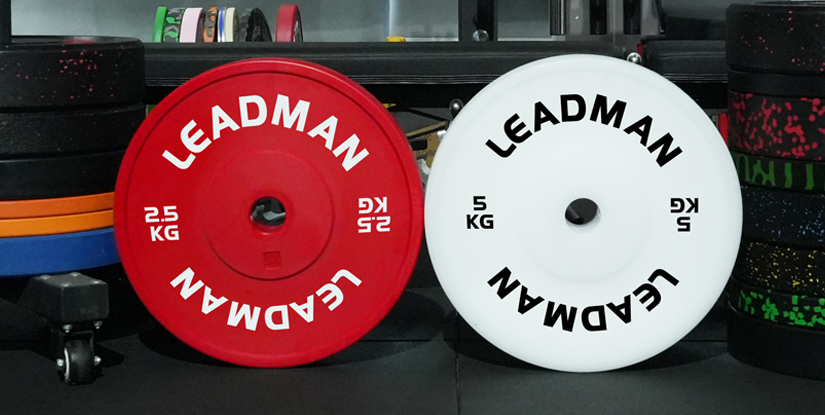
Precision Engineering: Understanding Barbell Sleeve Diameter Specifications
From a procurement standpoint, the most expensive mistake in gym fit-out is overlooking the fundamental physics of the barbell. When sourcing inventory, failing to verify barbell sleeve diameter specifications can lead to a complete mismatch of assets, rendering expensive weight plate shipments unusable. This is not merely a technicality; it is a significant procurement risk that can stall facility launches and inflate total cost of ownership through wasted shipping and return logistics.
The industry standard revolves around the critical distinction between the 2-inch vs 1-inch sleeve diameters. Olympic equipment utilizes the larger 2-inch (50mm) sleeve to support high-capacity loading, whereas standard or "home-grade" bars utilize the 1-inch (25mm) specification. Mixing these without strict inventory controls creates a compatibility crisis for both the distributor and the end-user.
| Specification Type | Sleeve Diameter | Primary Use Case | Procurement Profile |
|---|---|---|---|
| Olympic Standard | 2-inch (50mm) | Commercial Gyms / CrossFit | High durability; high volume |
| Standard / Economy | 1-inch (25mm) | Residential / Light Commercial | Lower cost; limited capacity |
To ensure seamless Olympic vs standard barbell compatibility, buyers must mandate strict SKU separation during the factory inspection phase. Relying on visual estimation is insufficient; official technical drawings must confirm that the weight plates ordered align precisely with the intended barbell sleeve dimensions to avoid costly inventory integration errors.
Beyond the basic diameter, sophisticated buyers should evaluate the precision tolerances of the sleeve-to-plate interface. In high-performance commercial environments, even a minor deviation in the inner diameter of a weight plate can result in excessive "play" or rattling, which accelerates wear on the barbell sleeves and bearings. When issuing an RFQ, we recommend specifying a tolerance range to ensure that the weight plate fits snugly without compromising the rotation of the barbell. This level of detail in your technical requirements helps mitigate long-term maintenance costs and ensures that your facility maintains a professional, high-tier standard of equipment functionality.
The long-term durability of a commercial facility relies heavily on the quality of the interface between the weight plate and the barbell sleeve. When a mismatch occurs—such as using plates with inconsistent inner diameters—the resulting friction or "play" creates significant mechanical stress. For high-traffic gyms, this lack of precision leads to accelerated wear on internal bearings or bushings, eventually compromising the barbell's smooth rotation. This mechanical degradation is a primary driver of increased maintenance frequency and premature equipment replacement.
To optimize the total cost of ownership, procurement managers should prioritize suppliers that emphasize precision engineering in their manufacturing processes. High-quality weight plates should maintain tight tolerances to ensure they sit securely on the sleeve without causing undue lateral impact. By enforcing strict quality control standards during the sourcing phase, distributors can protect the integrity of expensive barbell components. Investing in high-precision specifications is a strategic move to reduce long-term service intervals and ensure the longevity of your facility's heavy-duty assets.
Optimizing Gym Floor Layout with Weight Plate Sizing for Gyms
When designing a commercial facility, procurement professionals must look beyond simple equipment counts and consider the spatial footprint of active training zones. A common oversight in facility planning is failing to account for the physical dimensions of the barbell and its loaded plates. Understanding barbell sleeve diameter specifications is critical; for instance, an Olympic setup requires a significantly larger footprint than a standard setup due to the thicker sleeves and the wider profile of the plates themselves.
Failure to align Olympic vs standard barbell compatibility with your floor plan can lead to congested movement zones. High-performance training areas require a calculated movement radius that accounts for the maximum width of a loaded barbell—often exceeding 2.2 meters—plus a safety buffer for the lifter. By integrating precise weight plate sizing for gyms into your initial floor space requirements, you ensure that heavy lifting stations do not interfere with high-traffic walkways or adjacent equipment, ultimately protecting your long-term facility flow and safety standards.
To prevent costly inventory mismatches and ensure your facility layout remains functional, we have provided a technical comparison below. This data is intended to assist procurement officers in verifying that your weight plate orders align perfectly with your intended barbell inventory and available floor space.
| Specification Metric | Olympic Standard | Standard (1-inch) |
|---|---|---|
| Sleeve Diameter | 50mm (approx. 2 inches) | 25.4mm (1 inch) |
| Primary Use Case | Commercial gyms, CrossFit boxes, high-performance training | Home gyms, light commercial, basic strength training |
| Space Footprint Impact | High; requires wider movement buffers and heavy-duty flooring | Low to Moderate; better suited for compact or residential-style layouts |
| Plate Compatibility | Requires 50mm center hole plates | Requires 1-inch center hole plates |
From a sourcing perspective, mixing these two standards is a common cause of shipment rejection and logistical delays. When managing large-scale orders, always confirm the sleeve diameter with your manufacturer to ensure that the weight plate sizing for gyms matches your barbell specifications exactly. For commercial distributors, standardizing on the 50mm Olympic specification is generally recommended to maintain high resale value and equipment versatility.
Beyond immediate installation, procurement managers must weigh the implications of equipment density on long-term facility scalability. Choosing a mismatched diameter is not just a localized error; it is a significant procurement risk mitigation failure. If a facility is built around standard 1-inch diameter bars but later seeks to upgrade to high-performance Olympic training, the entire existing inventory of plates becomes obsolete, necessitating a complete replacement cycle rather than a simple expansion.
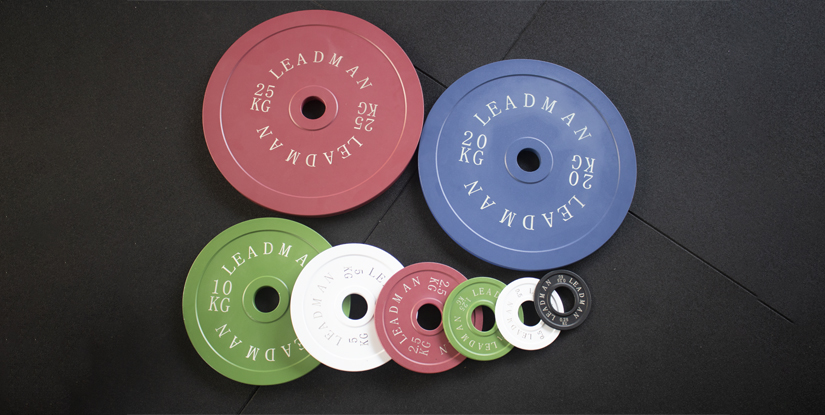
For distributors and facility owners, standardizing on a single diameter—typically the Olympic 50mm standard—simplifies inventory management and ensures that as your client base grows, your equipment can scale alongside them. When you ask, do weight plates fit all bars, the answer from a strategic standpoint should be a controlled "yes" within a single ecosystem. By maintaining strict compatibility across your entire product line, you optimize equipment density, reduce the need for redundant storage, and ensure that every square meter of your facility is utilized by versatile, high-value assets.
Bulk Sourcing Strategies for Mixed-Diameter Equipment Sets
For distributors and gym facility managers, the most significant logistical oversight often occurs at the intersection of hardware and weight. When procurement teams ask, do weight plates fit all bars, they are often overlooking the long-term implications of inventory fragmentation. Relying on a single supplier without strictly auditing barbell sleeve diameter specifications can lead to a mismatched inventory that renders high-value assets unusable.
The complexity of Olympic vs standard barbell compatibility goes beyond simple measurements; it dictates your entire replacement and expansion strategy. If a facility stocks a mix of 1-inch and 2-inch sleeves without a standardized procurement protocol, the result is a fragmented stockroom where plates cannot be shared across stations. This mismatch increases the total cost of ownership (TCO) and complicates warehouse management. To mitigate these risks, professional buyers must ensure that every shipment of weight plates aligns precisely with the sleeve dimensions of their existing barbell inventory.
To streamline the RFQ process and avoid costly shipping errors, we recommend using a technical specification checklist during the sourcing stage. Relying on visual estimation is insufficient; procurement teams should mandate precise diameter verification for all incoming shipments to ensure seamless integration with existing facility setups.
Technical Specification Comparison
The following table outlines the primary differences between the two most common industry standards. Use this data to verify compatibility before finalizing bulk orders or issuing purchase orders.
| Feature/Specification | Olympic Standard | Standard (Commercial/Home) |
|---|---|---|
| Sleeve Diameter | 50mm (approx. 2 inches) | 1 inch (approx. 25.4mm) |
| Primary Use Case | Commercial Gyms, CrossFit, Weightlifting | Home Gyms, Light Commercial, Older Facilities |
| Plate Compatibility | Requires 50mm inner diameter plates | Requires 1-inch inner diameter plates |
| Typical Loading Capacity | High (Designed for heavy bulk loads) | Low to Moderate |
When managing weight plate sizing for gyms, always confirm whether your current barbell stock utilizes the 50mm or 1-inch specification. A common mistake in high-volume procurement is ordering premium Olympic plates for a facility that still relies on standard diameter bars, leading to immediate inventory incompatibility and delayed facility openings.
Optimizing Procurement: MOQ, QC, and Logistics
Navigating the complexities of bulk orders requires a shift from simple purchasing to strategic supply chain management. When sourcing mixed-diameter equipment sets, the risk of receiving non-compliant stock increases with volume. To safeguard your investment, it is essential to establish rigorous QC (Quality Control) protocols that specifically target sleeve precision. Rather than relying on general manufacturing claims, demand certified tolerance reports for the inner diameter of both Olympic and standard weight plates. A deviation of even a few millimeters can result in plates that are either too loose, causing noise and instability, or too tight, preventing smooth loading during high-intensity training.
Furthermore, savvy distributors should evaluate MOQ (Minimum Order Quantity) through the lens of logistics optimization. While high MOQs may offer lower per-unit costs, they also increase the risk of carrying obsolete inventory if your facility transitions from standard to Olympic-only equipment. We suggest negotiating tiered pricing that allows for a diverse mix of diameters within a single shipment. This approach minimizes shipping overhead while ensuring your stockroom remains versatile. By prioritizing high-precision manufacturing and smart volume distribution, you effectively lower the long-term TCO (Total Cost of Ownership), reducing the need for emergency replacements and ensuring your equipment remains a cohesive, functional asset.
Quality Control Standards for Sleeve and Plate Interface Integrity
In high-traffic commercial environments, the margin for error regarding barbell sleeve diameter specifications is razor-thin. When procurement officers overlook the precision of the sleeve-to-plate interface, they inadvertently introduce risks to the long-term durability of their inventory. A mismatch in sizing—often seen in improper Olympic vs standard barbell compatibility—creates excessive mechanical friction. This friction is not merely a nuisance; it is a catalyst for structural degradation.
If the plate bore is too tight or the sleeve diameter is inconsistent, the resulting vibration and uneven load distribution can compromise the structural integrity of the barbell over time. For distributors and gym owners, this translates to premature wear on bushings and bearings, leading to increased maintenance costs and shortened equipment lifecycles. Ensuring a seamless fit is a fundamental technical requirement to prevent mechanical failure and protect the long-term ROI of your strength training assets.
To mitigate these risks, procurement teams must move beyond superficial inspections and implement a rigorous verification process. Relying on visual estimation is insufficient for commercial-grade inventory; instead, standardized technical benchmarks must be used to validate the compatibility between weight plate bores and barbell sleeves. A failure to adhere to these tolerances often results in uneven load bearing, which accelerates the degradation of both the barbell's internal bearings and the weight plates themselves.
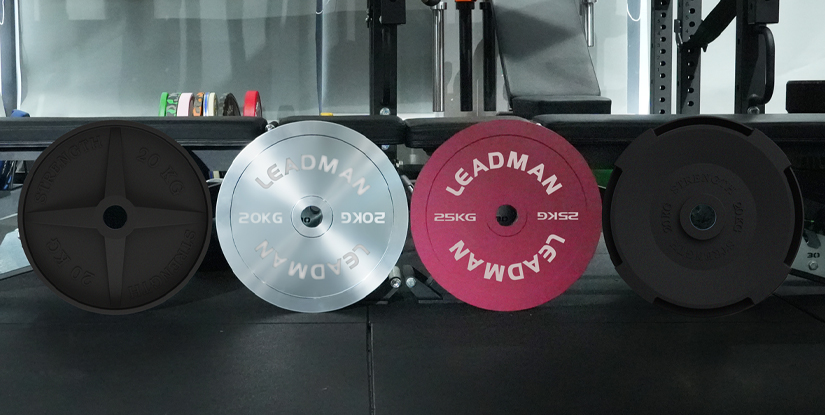
The following technical comparison serves as a benchmark for quality control during factory inspections or receiving dock audits. Use these specifications to verify that your shipment meets the necessary structural standards for high-frequency commercial use.
| Specification Metric | Olympic Standard (Professional) | Standard/Commercial (1-inch) |
|---|---|---|
| Sleeve Diameter | 50mm (approx. 2 inches) | 25.4mm (1 inch) |
| Acceptable Tolerance | ±0.5mm to ±1.0mm | ±0.2mm to ±0.5mm |
| Wear Resistance Focus | High-load bearing & bearing protection | Surface friction & sleeve coating |
| B2B Inspection Point | Check for smooth rotation under load | Ensure no plate wobbling or binding |
Procurment Tip: When sourcing high-volume orders, always request a tolerance report. For Olympic-style equipment, the precision of the 50mm sleeve is critical to ensure that the weight plate sizing for gyms remains consistent across different manufacturers, preventing the uneven wear that leads to costly replacement cycles.
Beyond basic dimensions, professional buyers must address the hidden complexities of manufacturing tolerances to ensure long-term operational stability. A common oversight in large-scale sourcing is the lack of batch consistency; even a slight deviation in the center hole diameter can lead to a significant mismatch when the plates are loaded onto the barbell. This is why high-level procurement risk mitigation requires more than just checking a single sample. It requires a standardized protocol for the inspection of center hole diameter across entire production runs.
When asking, do weight plates fit all bars, the answer often depends on the precision of the manufacturing process. If the center hole is too narrow, the plate will bind on the sleeve, causing friction that damages the barbell's bearings. Conversely, a hole that is too large creates instability and an uneven load distribution. To protect your facility's assets, mandate that your supplier provides technical verification that weight plate sizing for gyms adheres to strict tolerance ranges. This rigorous approach prevents the logistical headache of receiving non-compatible inventory and ensures your equipment maintains its professional standard throughout its lifecycle.
Logistics and Packaging Considerations for Heavy Metal Components
In large-scale procurement, a failure to align barbell sleeve diameter specifications with your weight plate inventory is more than a technical oversight; it is a significant financial liability. When distributors or gym operators mix Olympic vs standard barbell compatibility within a single shipment or facility, they inadvertently create a high risk of dead stock. If a container arrives filled with 50mm Olympic plates intended for 1-inch standard bars, that inventory becomes effectively unsellable or unusable for its intended setup, leading to immediate capital tie-ups.
From a total cost of ownership (TCO) perspective, the margin for error is slim. Relying on mismatched equipment complicates procurement scalability, as expanding a facility requires precise synchronization between bar diameters and plate sizing. To protect your margins, we advise rigorous verification of SKU dimensions during the sourcing phase. Ensuring that every component—from the barbell to the fractional plates—adheres to a unified standard prevents the logistical nightmare of shipping returns or managing incompatible inventory that fails to meet the operational requirements of your end-users.
To mitigate the risk of mismatched inventory and prevent costly shipping errors, procurement managers should utilize a standardized technical reference. The table below outlines the primary distinctions between the two most common industry standards. A single mistake in specifying the sleeve diameter can result in an entire shipment of weight plate sizing for gyms becoming obsolete upon arrival.
| Specification Detail | Standard (1-inch) Barbell | Olympic (2-inch) Barbell |
|---|---|---|
| Sleeve Diameter | ~25.4 mm (1 inch) | ~50 mm (2 inches) |
| Typical Use Case | Home gyms, light commercial, or budget-focused setups | Professional training centers, high-traffic commercial gyms |
| Plate Compatibility | Requires 1-inch inner diameter plates only | Requires 2-inch Olympic-style plates |
| Procurement Risk | High risk of low durability in heavy lifting environments | Standardized for high-volume, professional-grade scaling |
Critical Compatibility Warning: Never attempt to use Olympic-sized plates on a standard barbell, or vice versa. The weight distribution and center of gravity differ significantly between these two systems. For distributors managing multi-SKU orders, we strongly recommend verifying the barbell sleeve diameter specifications against your plate purchase orders to ensure seamless integration and avoid the logistical overhead of international returns.
Beyond the technical dimensions of whether do weight plates fit all bars, professional buyers must account for the heavy-duty logistics of moving dense metal assets across international borders. Shipping high-density iron or rubber-coated plates presents a unique challenge in freight cost optimization. Because these items possess a high mass-to-volume ratio, your primary expense is driven by weight rather than cubic volume. To maintain profitability, procurement strategies must focus on maximizing shipping density through optimized palletization standards that prevent excessive air gaps within a shipping container.
Effective bulk order handling requires more than just stacking; it demands specialized protective packaging for metal surfaces to prevent oxidation, scratches, or structural deformation during transit. We recommend specifying reinforced pallet wrapping and edge protectors to ensure that heavy plates do not shift and damage the finished coatings. By prioritizing rigid, standardized packing configurations, distributors can reduce the risk of transit-related damage claims and ensure that high-value commercial inventory arrives at the facility in pristine, ready-to-use condition.