guide to buying weight plates | How to Select Commercial
Vetting Manufacturers and Establishing Quality Control Protocols
For a large-scale commercial gym chain or a high-traffic strength facility, the procurement process extends far beyond selecting a single aesthetic. When you are scaling your inventory, a single batch of substandard equipment can compromise your entire operational standard. Relying on unverified suppliers often leads to significant durability risks, such as uneven weight distribution or premature coating degradation, which directly impact your facility's professional image and safety compliance.
To mitigate these issues, professional buyers must shift their focus from simple unit pricing to a rigorous evaluation of manufacturing capability. This involves moving beyond basic commercial weight plate specifications to conduct a thorough factory audit. Verifying a supplier's production consistency and quality control protocols ensures that every plate in a bulk shipment meets the same structural integrity. Ultimately, successful gym equipment procurement is about managing the long-term TCO (Total Cost of Ownership); investing in vetted, high-standard manufacturing today prevents the high costs of frequent replacements and logistical headaches tomorrow.
To ensure your inventory withstands the rigors of high-volume use, you must demand transparency regarding material testing and manufacturing tolerances. A reputable manufacturer should provide documented evidence of their internal quality control (QC) processes, specifically focusing on weight accuracy and structural resilience. For instance, high-tier suppliers utilize precision casting and CNC machining to maintain strict tolerance levels, ensuring that plates from different production batches remain compatible and balanced.
When evaluating potential partners, compare their technical standards against the following benchmarks. This framework helps distinguish between standard-grade production and the premium quality required for professional strength facilities.
| QC Checkpoint | Standard Commercial Grade | Premium Commercial Grade |
|---|---|---|
| Weight Tolerance | ± 2% to 3% variance | ± 0.5% to 1% precision |
| Material Testing | Basic density checks | Rigorous impact and stress testing |
| Coating Durability | Standard paint or thin rubber | High-grade polyurethane or thick vulcanized rubber |
| Dimensional Accuracy | Variable center hole diameters | Strictly standardized tolerances for seamless fit |
Adhering to these bulk weight plate quality standards during your sourcing phase protects your margins. By prioritizing suppliers who invest in advanced material testing and robust coating durability, you reduce the frequency of maintenance cycles and ensure a longer equipment lifespan for your clients.
Finalizing the Order: From Sample Approval to Shipment
Once technical specifications are aligned, the transition from selection to logistics requires strict oversight. Successful gym equipment procurement does not end at the purchase order; it concludes only when the physical goods arrive at your facility meeting every pre-set standard. A common pitfall for distributors is skipping the sample approval stage to save time, which often leads to discrepancies between the initial prototype and the mass-produced batch.
Before committing to a full production run, always request a physical sample that represents the final finish and weight tolerance. This step allows you to verify the texture, scent (especially for rubber-encased plates), and the precision of the center hole under real-world conditions. Furthermore, clarify the MOQ (Minimum Order Quantity) and its impact on production timelines to avoid unexpected delays in your facility launch or restocking cycles.
The final pillar of a professional sourcing strategy is logistics reliability. High-density weight plates are heavy, expensive to ship, and susceptible to damage if improperly palletized. Ensure your supplier utilizes reinforced packaging and provides clear documentation for shipment inspection upon arrival. Verifying the condition of the crates and the integrity of the weight accuracy at the point of delivery is essential to ensure that the bulk weight plate quality standards you negotiated are actually delivered to your warehouse floor.
Technical Specifications and Material Integrity Standards
In high-traffic commercial fitness environments, the cost of failure extends far beyond a single broken unit. For gym owners and distributors, the durability of weight plates is a direct driver of long-term Total Cost of Ownership (TCO). When equipment is subjected to high-volume usage scenarios—such as heavy drops in strength zones or constant friction during rapid plate changes—substandard manufacturing becomes a liability. A failure in material integrity doesn't just lead to replacement costs; it disrupts facility operations and compromises user safety.
To mitigate these risks, procurement professionals must look beyond basic aesthetics and focus on commercial weight plate specifications that prioritize structural stability. This includes verifying density consistency across a full production batch to ensure uniform weight distribution and preventing warping. True material durability is found in the precision of the casting or molding process, ensuring that the structural integrity of the plate can withstand the mechanical stress of heavy lifting without cracking or degrading over time.
Selecting the appropriate material involves balancing initial procurement costs against long-term maintenance cycles. For instance, while cast iron offers a classic aesthetic and high density, it lacks the shock absorption required for high-impact zones. Conversely, rubberized or bumper options provide superior protection for both the equipment and the facility flooring but require different quality control standards during inspection. Understanding these distinctions allows distributors to optimize their inventory for specific gym environments, whether they are catering to boutique studios or heavy-duty strength facilities.
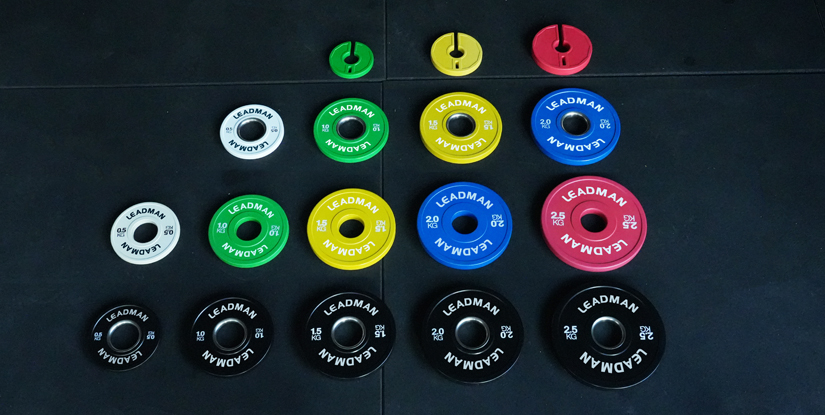
| Material Type | Impact Resistance | Wear Resistance | Surface Coating Quality | Maintenance Requirements |
|---|---|---|---|---|
| Cast Iron | Low (Brittle under heavy drops) | High (Excellent structural density) | Requires anti-rust coating | Periodic inspection for oxidation |
| Rubber Coated | Moderate (Reduces noise/vibration) | Moderate (Subject to edge chipping) | High-grade UV/abrasion resistant | Wipe down to prevent buildup |
| Bumper (Solid Rubber) | High (Designed for heavy drops) | High (Resilient under stress) | Uniform, integrated texture | Minimal; highly durable |
When evaluating bulk orders, always request specifications regarding the coating adhesion. A common failure point in lower-quality rubber-coated plates is the separation of the outer layer from the inner core due to temperature fluctuations or impact. Ensuring that your supplier adheres to strict bulk weight plate quality standards will prevent premature replacement cycles and protect your facility's bottom line.
Beyond material composition, the most critical aspect of a professional guide to buying weight plates involves the technical precision of the manufacturing output. For large-scale distributors and gym operators, even minor discrepancies in size or mass can lead to significant operational headaches, from uneven barbell loading to logistical mismatches during shipping. High-quality production must be validated through rigorous quality control (QC) standards that focus on two primary metrics: physical dimensions and mass accuracy.
Critical Inspection Points for Bulk Procurement
When managing high-volume orders, relying on visual inspection is insufficient. Professional gym equipment procurement requires a deep dive into the mathematical precision of the batch. You should demand transparency regarding dimensional tolerance—the allowable deviation in the plate's diameter and thickness. If the center hole diameter varies too widely, plates may not fit standard Olympic bars or may rattle excessively, causing premature wear on the barbell sleeves. Ideally, tolerances should be kept within a strict, predictable range to ensure seamless compatibility across your entire inventory.
Equally vital is the weight deviation limit. In a commercial setting, a barbell that is unbalanced due to inconsistent plate weights can pose a safety risk and degrade the user experience. During your factory inspection points, ensure the supplier utilizes calibrated electronic scales to verify that each plate falls within an acceptable percentage of its rated mass. For example, high-end commercial standards often require a deviation of less than 1% to 3% depending on the material type. Establishing these benchmarks early in the sourcing process prevents the arrival of non-compliant stock that could otherwise lead to costly returns and damaged supplier relationships.
Evaluating Tolerance and Precision in Commercial Weight Plate Specifications
In high-traffic strength facilities, the distinction between standard and premium equipment often comes down to invisible measurements. When sourcing at scale, procurement professionals must look beyond the stamped number on the plate to understand the actual weight tolerance. A lack of precision in manufacturing leads to significant discrepancies between individual plates in a single set. This imbalance does more than just frustrate athletes; it causes uneven wear on barbell sleeves and structural components of racks, ultimately driving up facility maintenance costs.
From a logistics and TCO perspective, investing in plates with tighter tolerances reduces the long-term risk of equipment failure. If a distributor provides low-quality batches with high variance, the resulting mechanical stress on your clients' strength stations can lead to premature replacement cycles. High-quality commercial weight plate specifications should prioritize consistency to protect the integrity of the entire gym ecosystem.
| Plate Material Type | Precision Level | Maintenance Impact | Durability Profile |
|---|---|---|---|
| Standard Cast Iron | Moderate | Requires periodic surface inspection | High structural integrity |
| High-Grade Bumper | High | Low; designed for impact | Excellent shock absorption |
| Precision Calibrated | Very High | Minimal; protects barbell sleeves | Optimized for long-term use |
When negotiating bulk procurement, it is essential to define the acceptable manufacturing tolerances for each product line. While standard cast iron plates often feature a wider variance due to the casting process, premium bumper plates require much stricter quality control (QC) benchmarks to ensure balanced movement during high-impact lifting. For distributors and large-scale gym operators, the difference between a ±2% and a ±0.5% tolerance level can dictate the lifespan of the entire strength training zone.
The following table outlines the typical precision standards expected during factory inspections for different weight plate categories. Understanding these benchmarks helps buyers verify if a manufacturer's output meets the rigorous demands of professional strength environments.
| Plate Category | Typical Weight Tolerance | Primary QC Benchmark | Procurement Use Case |
|---|---|---|---|
| Standard Cast Iron | ±3% to ±5% | Visual consistency & surface finish | Budget-friendly commercial gyms |
| Commercial Bumper | ±1% to ±2% | Diameter precision & density uniformity | CrossFit & high-impact training |
| Competition/Calibrated | <±0.5% | Strict mass-to-volume ratio | Professional strength & powerlifting |
Strict adherence to these specifications ensures that your inventory remains reliable over years of continuous use. When evaluating potential suppliers, always request documentation regarding their internal testing procedures to confirm that their mass-production output aligns with these industry-standard precision levels.
Standardizing Shipment Verification and Receiving Protocols
For large-scale distributors and facility managers, the final stage of gym equipment procurement occurs not at the factory, but during the receiving process. Relying solely on a manufacturer's word regarding factory capability is a common oversight that leads to costly discrepancies. To mitigate the risk of receiving faulty shipments, professional buyers must implement rigorous inspection protocols that go beyond a simple box count.
When managing high-volume orders, the most effective way to verify quality is through random sampling and statistical weight checks. Instead of weighing every single unit, select a representative percentage from various pallets to test for weight deviation. A systematic shipment verification process—using calibrated industrial scales to ensure the actual mass aligns with the declared specification—protects your bottom line and ensures that the inventory you sell or install meets professional standards. By establishing these benchmarks before the shipment arrives, you can hold suppliers accountable and ensure the precision of your entire strength training inventory.
Optimizing Inventory Management through Bulk Procurement
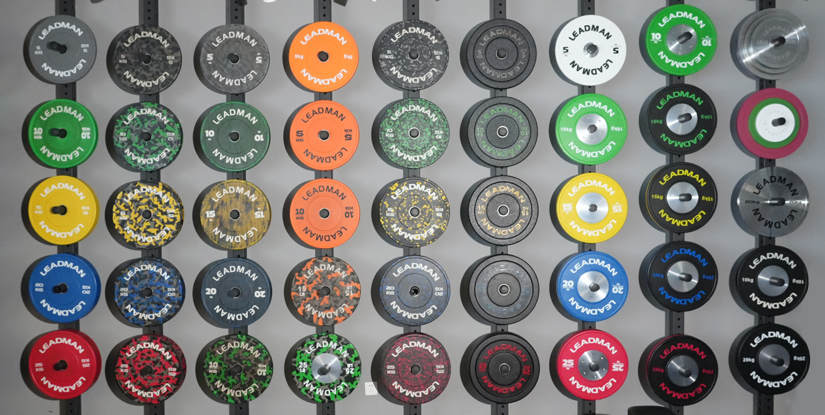
For gym owners and distributors, the decision to stock weight plates is not merely about filling floor space; it is a high-stakes exercise in capital management. A sophisticated procurement strategy must balance the immediate need for diverse weight increments against the long-term costs of storage and shipping. Relying on small, frequent orders often leads to fragmented shipments and increased per-unit logistics costs, which can erode profit margins over time.
To achieve maximum efficiency, buyers must focus on shipping volume optimization. This involves coordinating orders to ensure that container or pallet utilization is maximized, reducing the landed cost per kilogram. Furthermore, successful operators monitor inventory turnover to ensure that capital is not unnecessarily tied up in slow-moving SKUs. By understanding standard commercial weight plate specifications and aligning them with high-demand weight classes, procurement professionals can maintain a lean, high-performing inventory that meets facility demands without the burden of excessive overstock.
Transitioning from individual unit purchasing to large-scale procurement requires a shift in focus toward manufacturing reliability. When sourcing at scale, your primary concern should be the stability of the supply chain and the ability of the manufacturer to maintain high bulk weight plate quality standards across multiple production runs. A reliable partner must demonstrate a robust framework for managing large-scale orders without compromising the precision of the weight increments or the integrity of the finish.
Before finalizing any agreement, it is essential to vet the supplier's internal factory QC processes. A professional manufacturer should employ multi-stage inspections—ranging from raw material verification to final dimensional tolerance testing—to ensure material consistency. For distributors and large-scale facility developers, understanding the MOQ (Minimum Order Quantity) is equally critical; while higher volumes typically lower the unit cost, the true value lies in a supplier's ability to provide predictable lead times and consistent technical specifications. This level of scrutiny ensures that the stock you receive today will match the quality of the stock you order a year from now.
Choosing the right sourcing model is a pivotal decision that dictates your long-term operational agility. Depending on whether you are managing a boutique fitness studio or a large-scale distribution network, the choice between direct factory procurement and utilizing a local distributor involves trade-offs in both cost and speed. The following table outlines these critical differences to assist in your strategic planning.
| Procurement Model | Typical Lead Time | Shipping & Logistics | Unit Price Impact | Scalability Potential |
|---|---|---|---|---|
| Direct Factory Sourcing | Longer (Production + Sea Freight) | Lower per-unit cost via full container loads | Highest savings on high-volume orders | High; ideal for large-scale inventory builds |
| Local Distributor | Short (Immediate/Regional Freight) | Higher; includes markup and domestic logistics | Premium pricing for smaller quantities | Limited by distributor's local stock levels |
For distributors aiming for maximum market penetration, direct factory procurement offers the most competitive edge by minimizing the middleman markup. However, this requires a more sophisticated approach to logistics and a higher tolerance for longer lead times. Conversely, local distributors are excellent for rapid replenishment of high-demand weight classes, though they may not be the most cost-effective solution for long-term, massive inventory expansions.
Logistics Strategies and Landed Cost Calculations
When sourcing high-density iron or rubber-coated plates, focusing solely on the unit price is a common pitfall in gym equipment procurement. A low per-unit cost often masks the true expense of getting the heavy inventory to your warehouse or facility. To maintain healthy margins, distributors must shift their focus from the factory price to the total landed cost.
The complexity of shipping weight plates lies in the relationship between actual weight and volumetric weight. Because weight plates are extremely dense, the shipping density is typically high, but the way they are palletized significantly impacts your freight forwarding considerations. If your shipment is not optimized for space, you may end up paying for "dead air" within a container or truck. High-volume orders require a strategic approach to pallet configuration to ensure that the weight-to-volume ratio minimizes excess shipping fees. Always request detailed packing lists from your supplier to calculate how the total dimensional weight will influence your final freight quotes before finalizing the purchase.
Beyond the freight invoice, a professional procurement strategy must account for the variables that occur between the port and your facility. For many distributors, the most significant budget leaks stem from uncalculated customs duties and local handling fees. Depending on your region and the specific material composition of the plates—such as cast iron versus urethane—import tariffs can fluctuate significantly. Failing to verify the correct HTS codes during the sourcing stage can lead to unexpected tax liabilities that erode your profit margins.
Furthermore, you must factor in the final mile of the supply chain. Port-to-gym logistics often involve specialized equipment, such as liftgate trucks, to offload heavy pallets in locations without loading docks. To build a resilient budget, we recommend incorporating a breakage/loss buffer of approximately 2% to 3% to cover transit damage or minor weight discrepancies. Ultimately, calculating the total cost of ownership (TCO) means looking past the initial invoice to include these landing expenses, ensuring your long-term operational costs remain predictable and sustainable.
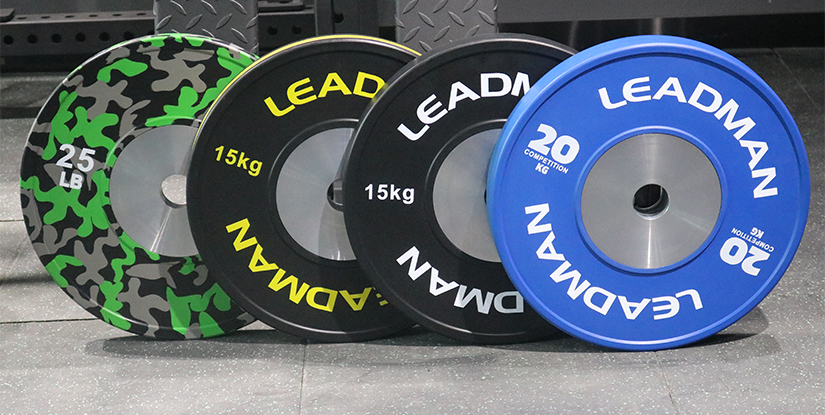
Selecting the right shipping method is a balancing act between your inventory turnover needs and your capital allocation. Because weight plates are high-density products, the logistics strategy often shifts from volume-based constraints to weight-based capacity management. Depending on whether you are replenishing a local boutique studio or stocking a massive distribution center, your choice of freight will dictate both your lead time and your final margin.
The following comparison outlines the standard logistics channels used in international procurement to help you align your shipping selection with your specific business requirements.
| Shipping Method | Typical Transit Time | Cost Impact | Best Suitability |
|---|---|---|---|
| Sea Freight (FCL) | 30–45+ Days | Lowest per unit | Large-scale distributors and bulk warehouse replenishment |
| Sea Freight (LCL) | 25–40 Days | Moderate | Mid-sized gym owners or specialized boutique orders |
| Air Freight | 5–10 Days | Highest | Urgent stock-outs or lightweight accessory components |
For most professional distributors, Full Container Load (FCL) remains the industry standard for weight plate procurement. While it requires a higher Minimum Order Quantity (MOQ) and longer lead times, the ability to maximize the weight-to-freight ratio provides the most predictable and cost-effective way to scale your inventory. Conversely, air freight is rarely recommended for heavy iron or bumper plates due to the extreme cost-per-kilogram, and should generally be reserved only for high-value, low-weight specialty items or emergency small-batch orders.
Managing Warranty Claims and Long-term Asset Lifecycle
For facility operators and distributors, the true cost of procurement is rarely defined by the initial invoice. Instead, profitability is dictated by the long-term asset lifecycle of your strength equipment. When sourcing weight plates in bulk, focusing solely on the lowest unit price often leads to a "buy cheap, buy twice" cycle that erodes your margins through frequent replacements and unexpected maintenance.
High-traffic commercial environments subject equipment to constant impact and environmental stress. This high-frequency usage impact can quickly degrade inferior coatings or structural integrity if the commercial weight plate specifications do not meet industrial standards. A plate that loses its dimensional accuracy or develops surface oxidation after only a few months of heavy use represents a failure in procurement strategy.
To maximize ROI, professional buyers must apply cost-per-use logic rather than simple acquisition cost analysis. By prioritizing material durability—such as high-density cast iron or reinforced urethane coatings—you extend the interval between replacement cycles. Investing in premium-grade components reduces the overhead associated with warranty claims and ensures your inventory remains a high-performing asset rather than a recurring liability.
Mitigating financial risk requires a rigorous evaluation of a supplier's factory capability and their internal QC protocols. Before finalizing a bulk order, demand transparency regarding their testing standards. A reputable manufacturer should provide documentation of their bulk weight plate quality standards, including weight tolerance checks and coating adhesion tests. Relying on a factory that maintains strict, repeatable manufacturing processes is the most effective way to prevent the arrival of defective batches that can stall your distribution or facility launch.
Understanding the distinction between manufacturing defects vs. wear and tear is critical when navigating warranty terms. A manufacturing defect—such as structural cracks, uneven weight distribution, or premature coating delamination—should be covered under a comprehensive commercial warranty. Conversely, surface scuffs or minor cosmetic changes resulting from standard heavy-duty usage are typically classified as expected wear and tear. A high-tier supplier will offer clear warranty claim scenarios, outlining exactly what constitutes a product failure. For distributors, securing a contract that explicitly addresses these distinctions ensures that your capital is protected against faulty inventory and systemic production errors.
To facilitate a data-driven procurement decision, we have categorized typical market offerings into two distinct tiers. This comparison helps buyers align their budget with the specific operational demands of their target facility or retail client.
Tiered Procurement Comparison: Standard vs. Premium
| Feature/Metric | Standard Commercial Tier | Premium Professional Tier |
|---|---|---|
| Primary Use Case | Mid-tier gyms, hotel fitness centers, or home studios. | High-traffic strength clubs, CrossFit boxes, and elite training facilities. |
| Material/Construction | Standard cast iron or basic rubberized coatings. | High-density urethane, precision-molded rubber, or reinforced steel. |
| Expected Lifespan | 2–4 years under moderate usage. | 5–8+ years under heavy/constant impact. |
| Maintenance Frequency | Moderate (regular cleaning and surface inspections). | Low (durable coatings resist most environmental wear). |
| ROI Potential | Lower upfront cost; higher replacement frequency. | Higher upfront investment; significantly lower Total Cost of Ownership (TCO). |
When evaluating these tiers, consider the total cost of ownership rather than the initial shipping or unit price. While the Premium Professional tier requires a larger initial capital outlay, the reduction in replacement cycles and the ability to maintain a consistent, high-end aesthetic often results in a much higher long-term ROI for large-scale distributors and gym owners.