Sourcing Barbell Weight Plates in India: A Buyer Guide
Vetting Indian Manufacturers and Quality Assurance Protocols
When sourcing barbell weight plates in India, procurement professionals must look beyond surface-level aesthetics like paint finish or logo embossing to avoid long-term liabilities. A successful audit requires balancing three critical checkpoints: assessing the manufacturer's ability to maintain strict iron weight plate specifications, verifying the stability of their regional supply chain, and ensuring that logistical handling does not compromise the product's physical state. Relying on visual inspection alone is a common pitfall that leads to unexpected increases in Total Cost of Ownership (TCO) through premature replacement cycles.
True durability in commercial settings is a function of structural integrity and precision engineering. Buyers should demand documentation regarding manufacturing tolerances, specifically focusing on the concentricity of the center hole and the uniformity of the plate thickness. If the casting process lacks consistency, even high-quality iron can suffer from micro-fractures or uneven weight distribution under heavy use. Establishing a rigorous quality control protocol that mandates testing for density uniformity and edge bevel precision is essential to ensuring your shipment meets the high-frequency demands of a professional fitness facility.
To mitigate risks during a commercial gym equipment import, buyers should implement a technical checklist that targets the fundamental physical properties of the iron. A high-quality manufacturer must demonstrate control over material density to prevent weight fluctuations between units, which can compromise the balance of a barbell. Furthermore, the coating thickness of the protective layer—whether powder coating or electroplating—must be sufficient to resist oxidation in varying humidity levels, a common concern within the fitness supply chain India serves.
We recommend requesting specific data on manufacturing consistency and the implementation of standardized QC protocols before finalizing any large-scale purchase order. A reliable factory should be able to provide evidence of batch-testing, ensuring that every plate meets the required tolerance levels for center-hole diameter and bevel smoothness. By verifying these technical benchmarks during the vetting stage, procurement managers can ensure that the finished goods can withstand the mechanical stresses of high-traffic commercial environments without premature degradation.
To simplify the vetting process, we have compiled a comparison of technical benchmarks. This table serves as a tool for procurement officers to differentiate between high-performance commercial-grade inventory and lower-tier options that may present long-term maintenance issues.
| Quality Verification Parameter | High-Grade Commercial Standard | Low-Tier/Generic Alternative |
|---|---|---|
| Weight Tolerance | Strict ±1% to 1.5% variance | Loose ±3% to 5% variance |
| Surface Finish | Uniform, non-porous coating/plating | Irregular texture or visible pitting |
| Center Hole Precision | Consistent concentricity for smooth loading | Eccentric or uneven diameters |
| Coating Durability | High-adhesion, oxidation-resistant | Prone to chipping and rust exposure |
When negotiating with suppliers, use these specific metrics to drive the conversation. A manufacturer capable of meeting the weight tolerance and center hole precision standards is far more likely to offer a stable product for high-volume commercial environments. Prioritizing these technical nuances during your initial RFQ process will ultimately protect your investment against the high replacement costs associated with substandard iron plates.
Technical Standards for High-Volume Iron Weight Plate Production
In high-traffic commercial fitness environments, the total cost of ownership (TCO) is dictated by how well a product survives the rigors of daily use. When sourcing barbell weight plates in India, procurement professionals must look beyond the initial unit price and scrutinize the metallurgical integrity of the product. Inferior casting processes often lead to internal air pockets or inconsistent density, resulting in premature cracking or uneven wear under heavy load. To ensure long-term durability, it is essential to demand strict iron weight plate specifications that prioritize material consistency and structural uniformity.
Beyond the raw material, precision in manufacturing determines the functional lifespan of the equipment. Tight tolerance levels in both diameter and thickness are non-negotiable; even slight deviations can lead to imbalanced loading or uneven friction on the barbell sleeve. For distributors and gym owners, verifying these technical benchmarks during the factory audit phase is the most effective way to mitigate the risk of frequent replacements and maintenance overhead.
| Material Type | Structural Integrity | Typical Use Case | Durability Profile |
|---|---|---|---|
| Standard Cast Iron | Moderate | Budget/Home Gyms | Prone to chipping under extreme impact |
| High-Density Cast Iron | High | Commercial Strength Hubs | Resistant to cracks; consistent weight distribution |
| Precision Machined Iron | Very High | Minimal tolerance deviation; optimized for longevity |
Surface protection is a critical variable in the commercial gym equipment import process, as the coating determines how the plates react to humidity and physical impact. A superior finish prevents oxidation and maintains a professional aesthetic, directly impacting the long-term maintenance frequency for facility managers. When evaluating suppliers, you must distinguish between basic aesthetics and functional protection.
The choice between powder coating vs liquid paint often defines the TCO. While liquid paint is cost-effective for low-volume orders, powder coating offers a much more robust barrier against moisture and mechanical abrasion. A thicker, more resilient coating reduces the need for periodic refinishing and protects the underlying iron from the corrosive effects of sweat and environmental humidity.
| Coating Method | Avg. Thickness (mm) | Rust Resistance | Maintenance Frequency | Best For |
|---|---|---|---|---|
| Standard Liquid Paint | < 0.1 mm | Low | High (Annual/Bi-annual) | Residential/Light Use |
| Electrostatic Powder Coating | 0.2 - 0.5 mm | Moderate to High | Low (Every 2-3 Years) | Standard Commercial Gyms |
| High-Grade Polyurethane/PU | 0.5 - 1.0 mm | Very High | Minimal (Long-term) | High-Traffic Training Hubs |
For high-volume distributors, opting for a thicker, high-grade coating may increase the initial freight weight slightly, but it significantly lowers the lifetime cost by preventing the unsightly oxidation and chipping common in lower-tier fitness supply chain India outputs.
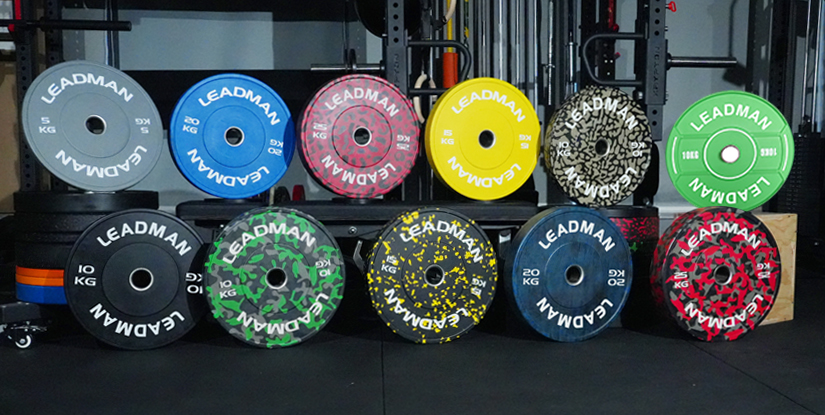
Reliability in large-scale procurement is not merely about the strength of a single unit, but the uniformity of an entire shipment. A common pitfall in the fitness supply chain India is the lack of rigorous quality control during high-volume production, which leads to significant discrepancies between batches. For a distributor or a large-scale facility manager, receiving a shipment where the weight distribution varies wildly is a logistical nightmare that compromises professional standards.
Mitigating Risk Through Batch Consistency and Inspection
To avoid the headaches of mismatched inventory, buyers must demand strict weight deviation limits. In a professional setting, the acceptable variance for iron plates should be minimal—typically within a strict percentage of the nominal weight. Without these parameters, high-volume production runs can result in "heavy" or "light" plates that disrupt the balance of a barbell, affecting the user experience and increasing liability.
Factory inspection protocols should be a non-negotiable part of your sourcing agreement. Rather than relying on post-production reports, ensure that your QC agent or third-party inspector verifies batch consistency at the casting and coating stages. This proactive approach ensures that the first plate in the container matches the last, protecting your reputation and ensuring that every unit meets the precise technical standards required for commercial-grade strength training.
Managing Warranty Claims and Defect Mitigation in Overseas Sourcing
The complexity of a commercial gym equipment import does not end once the container clears customs. For distributors dealing with high-volume barbell weight plates india, the real challenge lies in the long-term Total Cost of Ownership (TCO) and the management of latent defects. Unlike smaller fitness accessories, heavy iron plates are subject to strict tolerances regarding diameter precision and coating adhesion. If the iron weight plate specifications are not strictly adhered to during the casting process, you may encounter issues such as uneven weight distribution or premature oxidation.
To protect your margins, relying on factory-stated quality is insufficient. Implementing rigorous quality control (QC) protocols is essential to ensure that every batch meets your facility's durability standards. We strongly recommend a formal pre-shipment inspection conducted by a third party or a highly trained internal auditor. By verifying the structural integrity and finish of the plates before they leave the warehouse, you facilitate effective defect mitigation, reducing the high costs associated with international returns and replacement logistics.
Beyond physical inspection, a robust procurement strategy requires a deep dive into the manufacturer's structural support. When evaluating a potential partner within the fitness supply chain India, you must move past superficial guarantees and demand clarity on factory capability regarding long-term service. A reliable supplier should offer more than a standard one-year warranty; they should provide transparent warranty terms that specifically address common failure points such as center hole deformation or coating delamination under heavy usage.
Furthermore, professional buyers should negotiate clear replacement cycles for defective units. In a high-turnover commercial environment, waiting months for a single replacement plate is not a viable business model. Ask potential vendors how they handle batch-specific discrepancies—if a single shipment shows a deviation in weight or diameter, does the factory provide a systematic remedy? Understanding these contingency frameworks ensures that your inventory remains consistent and that your long-term capital expenditure is protected against manufacturing inconsistencies.
To streamline your inspection process, utilize the following technical checklist during your final quality audit. This table serves as a baseline for evaluating the structural integrity and long-term maintenance requirements of your shipment, ensuring that the barbell weight plates india you receive are fit for high-traffic commercial use.
| Inspection Parameter | Critical Requirement | Potential Maintenance-Related Defect |
|---|---|---|
| Weight Accuracy | Strict adherence to declared weight (typically ±1-2% tolerance) | Inconsistent loading/imbalance during heavy sets |
| Dimensional Tolerance | Consistent inner diameter and outer edge precision | Difficulty sliding onto bars; uneven plate stack |
| Coating Integrity | Uniform application with no bubbling or thinning | Premature oxidation or paint chipping under impact |
| Surface Finish | Smooth, non-abrasive texture with no sharp casting burrs | Surface degradation or damage to barbell sleeves |
A thorough audit of these specifications minimizes the risk of high replacement costs and ensures the long-term durability of your inventory. When sourcing at scale, these technical benchmarks are the most effective way to safeguard your investment against manufacturing inconsistencies.
Optimizing Packaging Configurations for Long-Distance Transit
When sourcing barbell weight plates in India for international export, the primary logistical risk is not just the cost of freight, but the physical integrity of the product upon arrival. Because iron is exceptionally dense and heavy, standard shipping methods often subject these units to high-impact vibrations and stacking pressures. Without rigorous standards, even high-quality iron weight plate specifications can be compromised by structural deformation or surface abrasions during sea transit.
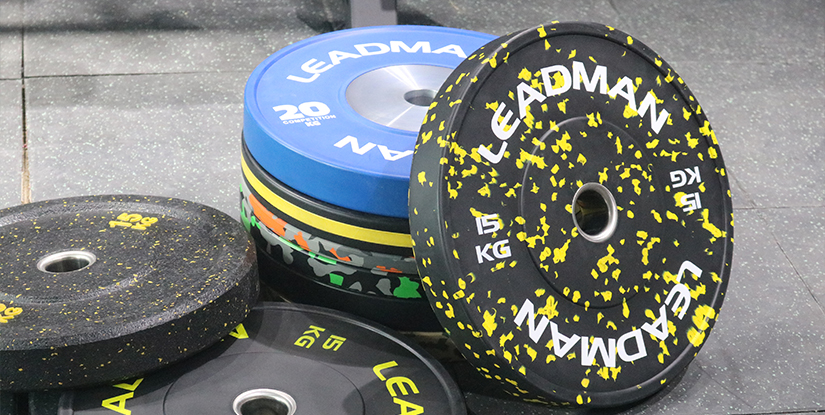
To mitigate transit damage, professional suppliers must implement heavy-duty packaging protocols that go beyond basic cardboard. We recommend prioritizing shipments that utilize reinforced wooden crates or heavy-duty pallets with edge protectors to prevent the weight from crushing the outer layers. Furthermore, because moisture exposure in maritime containers is a constant threat, ensuring a high-grade protective coating is non-negotiable. A reliable rust prevention strategy—such as high-quality powder coating or specialized anti-corrosion oil—is essential to ensure that your inventory arrives in showroom condition, protecting your long-term Total Cost of Ownership (TCO).
Evaluating a factory's capability requires looking beyond the product itself and examining their logistics engineering. A mismatch between the product weight and the packaging strength often leads to crushed corners or compromised surface finishes. To assist your procurement team in assessing vendor readiness, the following comparison highlights the difference between domestic-grade shipping and the rigorous standards required for commercial gym equipment import.
| Feature | Standard Domestic Packaging | Export-Grade Logistics (Recommended) |
|---|---|---|
| Pallet Type | Single-layer corrugated cardboard or light wood | Heat-treated (ISPM 15) reinforced wooden pallets |
| Moisture Control | Basic plastic wrap | VCI film and industrial-grade desiccant packs |
| Stacking Height | Limited to 2-3 tiers to avoid crushing | Optimized vertical stacking with structural edge protectors |
| Weight Distribution | Center-loaded, prone to shifting | Precision-balanced load distribution for stability |
For high-volume orders, shipping container optimization is critical for reducing landed costs. A professional supplier should be able to provide a detailed packing list that accounts for palletization efficiency, ensuring that the weight-to-volume ratio maximizes every cubic meter of the container while maintaining safe weight distribution for sea transit.
Beyond the physical packaging, the final layer of defense in the fitness supply chain India involves strict oversight during the loading phase. Even the most robust crates can suffer if the loading process is uncoordinated. We advise buyers to mandate loading supervision as a standard part of their procurement protocol. A qualified third-party inspector or a trusted factory representative should verify that the pallet stability remains intact as the container is filled, ensuring no shifting occurs during the transition from the warehouse floor to the vessel.
A critical checkpoint is the weight verification process. Discrepancies between the packing list and the actual container load can lead to significant customs delays or imbalances in the shipping vessel. Furthermore, once the cargo is positioned, the bulk shipment inspection must confirm that the moisture-proof desiccant packs are distributed effectively throughout the load to combat humidity spikes. Finally, ensure the container sealing is documented with high-security, tamper-evident seals. This final step guarantees that the integrity of your barbell weight plates is preserved from the moment they leave the factory floor until they reach your facility.
Calculating Landed Cost and Freight Logistics for Bulk Orders
Many procurement managers make the mistake of evaluating a quote based solely on the unit price per kilogram. However, when sourcing barbell weight plates in India, the sticker price at the factory is only a fraction of the true expenditure. To protect your margins, you must calculate the Total Landed Cost (TLC), which accounts for the complex logistical variables inherent in moving high-density iron goods across borders.
The weight of your shipment significantly dictates your shipping profile. Because iron plates are extremely dense, you will almost always deal with actual weight rather than volumetric weight, but the sheer mass drives up freight costs and port handling charges. Beyond the ocean freight, you must account for customs duties and local clearance fees that can fluctuate based on current trade regulations. Failure to factor in these "hidden" expenses often leads to budget overruns during the final stages of the supply chain.
| Cost Component | Impact on Budget | Procurement Note |
|---|---|---|
| Unit Price | Direct/Primary | Base factory cost per kg/unit. |
| Freight & Logistics | High/Variable | Driven by actual weight of iron plates. |
| Customs & Duties | Moderate/Fixed | Depends on specific HTS codes used. |
| Port & Handling | Low/Incremental | Includes unloading and local drayage. |
Pro tip: Always request an FOB (Free On Board) or CIF (Cost, Insurance, and Freight) quote to clearly delineate where the manufacturer's responsibility ends and your logistical costs begin.
To build a resilient budget for commercial gym equipment import, buyers must understand how Minimum Order Quantity (MOQ) affects shipping efficiency. When sourcing high-density items, the goal is to maximize the payload of a single container to dilute the fixed costs of ocean freight and documentation. A partial load often results in a disproportionately high freight-to-product ratio, whereas a full container load (FCL) optimizes the fitness supply chain India for both cost and stability.
For instance, shipping a single pallet of fractional plates may seem cost-effective on a unit basis, but the administrative fees and port handling charges per container often negate these savings. For large-scale facility builds, we recommend consolidating various iron weight plate specifications—such as mixing bumper plates with standard iron plates—into a single FCL shipment. This consolidation strategy ensures that you are paying for the maximum weight capacity of the vessel, rather than paying a premium for multiple smaller, less efficient shipments.
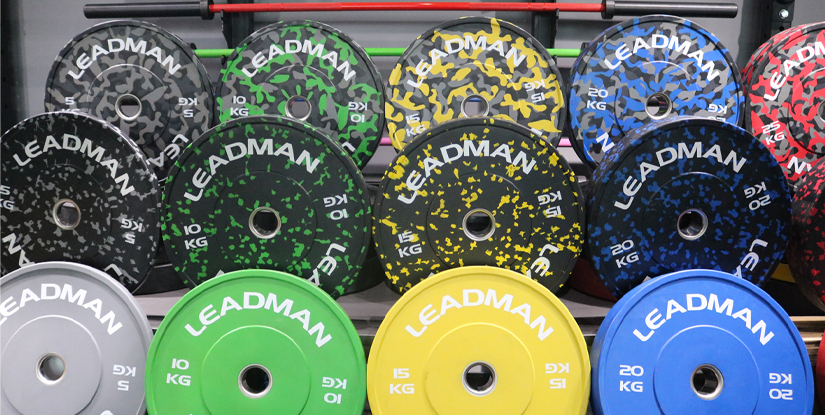
Mitigating Transit Risks and Quality Control
Logistical complexity extends beyond simple freight rates; it involves protecting the physical integrity of your cargo. High-density iron products are prone to surface oxidation and structural damage if improperly handled. When managing a commercial gym equipment import, you must mandate specific packaging durability standards. We recommend reinforced wooden crates or heavy-duty, moisture-resistant pallets for sea freight to prevent shifting and metal-on-metal friction during long transit periods. While air freight offers speed, the extreme weight-to-volume ratio of barbell weight plates in India makes it an impractical and cost-prohibitive option for bulk orders; sea freight remains the industry standard for maintaining a sustainable TCO.
To ensure that iron weight plate specifications are met upon arrival, do not rely on factory self-reporting alone. A rigorous inspection before dispatch is a non-negotiable step in the procurement process. Engaging a third-party inspector to verify weight tolerances, coating uniformity, and dimensional accuracy at the origin can prevent the nightmare of receiving non-compliant goods at your destination. Furthermore, for distributors managing large-scale facility rollouts, implementing local warehousing strategies can bridge the gap between long-lead ocean shipments and immediate site requirements. Maintaining a buffer of essential stock locally mitigates the risks of global supply chain volatility and ensures your facility stays operational during peak demand periods.
Strategic Inventory Planning for Fitness Supply Chains in India
Transitioning from a successful bulk order to a functional inventory system requires more than just clearing customs. For distributors managing barbell weight plates india, the logistical challenge shifts immediately from procurement to physical space management. Unlike lighter cardio accessories, weight plates present a unique density challenge that can quickly overwhelm standard warehouse layouts if not planned with precision.
Effective management within the fitness supply chain India necessitates a deep understanding of volumetric weight considerations. Because these products are high-density and low-volume, the primary constraint is rarely the cubic meterage, but rather the sheer weight per square meter. Buyers must conduct a thorough audit of their warehouse floor loading capacity before committing to large-scale shipments of iron or bumper plates. Without high-density storage solutions—such as heavy-duty reinforced steel racking or specialized plate trees—the structural integrity of your facility could be compromised. Planning your footprint based on the total weight of the incoming shipment, rather than just the number of pallets, is a critical step in avoiding costly onsite logistical bottlenecks.
Optimizing your facility's footprint requires a technical distinction between the storage requirements of iron and rubberized materials. While iron plates offer high density, their thin profile allows for compact stacking, whereas bumper plates require more substantial vertical clearance and specialized support to prevent deformation. When planning a commercial gym equipment import, the choice between vertical and horizontal configurations will dictate your long-term operational flow and spatial efficiency.
For high-traffic facilities, vertical storage on heavy-duty weight trees is often preferred to maximize floor space, but this requires careful assessment of weight tree capacity to ensure stability. Conversely, horizontal stacking may be more cost-effective for long-term warehouse storage during transit or inventory buildup. The following comparison outlines the typical storage footprint and structural requirements for both plate types to assist in your spatial planning.
| Feature | Iron Weight Plate Specifications | Bumper Plate Configurations |
|---|---|---|
| Primary Storage Mode | Vertical (Weight Trees/Racks) | Vertical or Horizontal (Floor/Shelving) |
| Footprint Density | High (Thin profile/Compact) | Moderate (Thicker/Bulky profile) |
| Structural Focus | Weight-bearing capacity per post | Surface protection & shelf clearance |
| Typical Use Case | Strength zones/Compact gyms | CrossFit/High-impact training areas |
Procurement Note: When sourcing through the fitness supply chain India, always verify the thickness tolerances of bumper plates. Inconsistent thickness can lead to uneven weight distribution on vertical racks, potentially causing tipping hazards in high-density commercial environments.
Beyond physical dimensions, the long-term Total Cost of Ownership (TCO) is heavily dictated by how effectively you manage environmental variables. For importers dealing with metal-based products, the primary threat to asset value is oxidation. In many parts of the Indian subcontinent, high ambient humidity levels and seasonal monsoon cycles can rapidly degrade unprotected iron surfaces, leading to rust and diminished resale or functional value.
Mitigating Oxidation and Environmental Degradation
To safeguard your investment, prioritize sourcing items with advanced protective coatings. High-quality iron weight plate specifications should include a robust powder coating or a specialized anti-corrosion finish. This layer acts as a critical barrier against moisture-induced oxidation. When establishing your warehouse protocols, strict humidity control is essential; even in non-climate-controlled facilities, ensuring adequate ventilation and avoiding direct floor contact can significantly extend the life of your stock.
Effective inventory turnover is another pillar of smart procurement. Rather than stockpiling static quantities, aim for a rhythmic replenishment cycle that prevents aged inventory from sitting in high-humidity environments for extended periods. By combining premium protective coatings with a disciplined rotation strategy, distributors can ensure long-term durability and minimize the maintenance costs typically associated with metal fitness equipment in tropical climates.