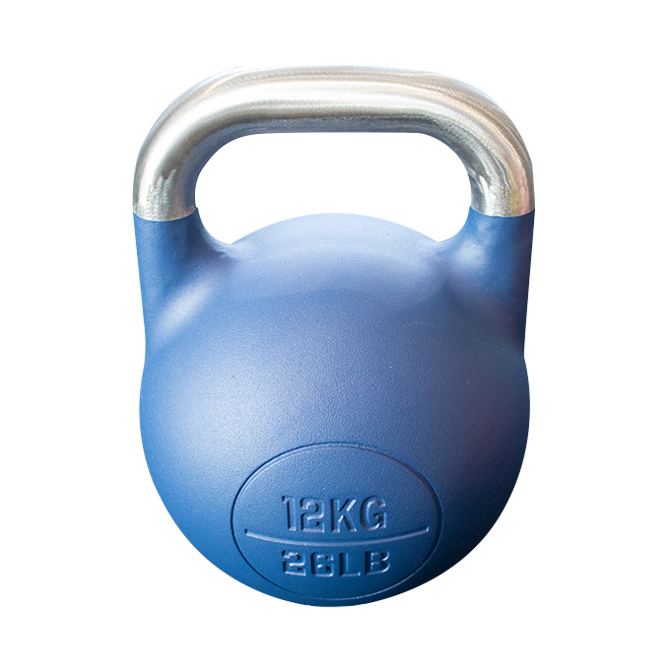
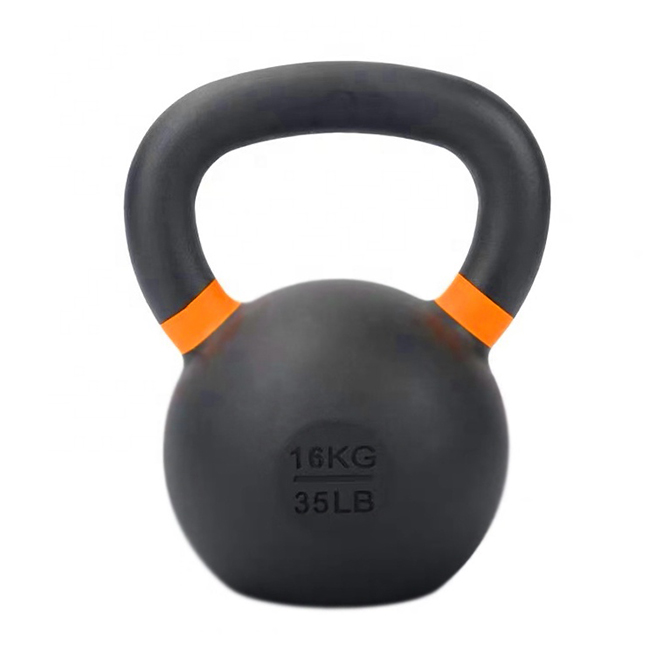
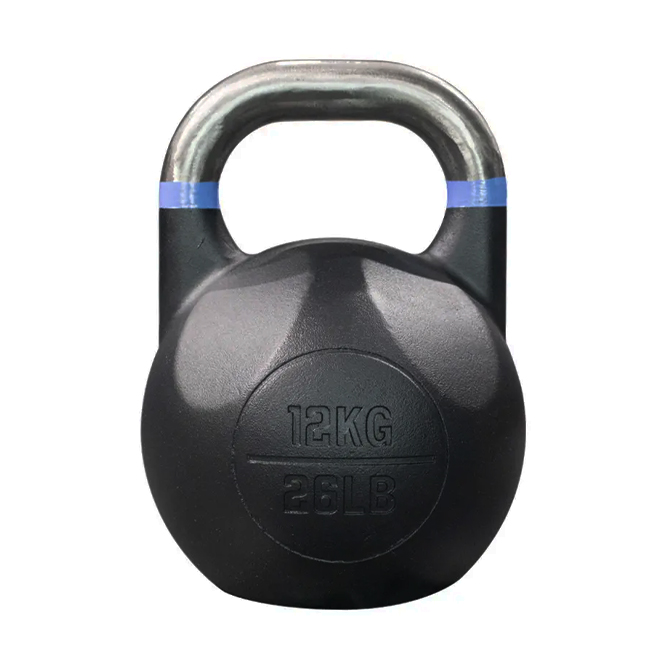
Optimizing Inventory with Cap Vinyl Coated Kettlebells
Balancing SKU Breadth and Margin in Small-Format Weight Distribution
Distributors and facility managers often face a difficult triad of constraints when sourcing a cap vinyl coated kettlebell: managing the risk of dead stock, ensuring precise weight specifications, and coordinating complex shipping logistics. While a diverse weight selection is attractive to end-users, an overly broad catalog can inadvertently trap liquid capital in slow-moving units. Successful procurement requires a disciplined approach to high-density SKU management, where the goal is to provide a comprehensive training spectrum without compromising the efficiency of your warehouse operations.
The tension lies in the delicate balance between market appeal and capital allocation. Relying heavily on vinyl coated kettlebell wholesale orders to fill every possible weight increment can lead to stagnant inventory turnover rates, especially if certain niche weights do not move as quickly as standard increments. For commercial-grade suppliers, the objective is to identify the "sweet spot" of high-demand weights that drive volume while maintaining a lean, profitable stock profile that responds quickly to facility replenishment needs.
To maximize profitability, procurement specialists should implement a weight increment optimization strategy that prioritizes high-velocity SKUs. Rather than attempting to stock every single kilogram or pound increment, focus your capital on the core ranges most frequently utilized in commercial settings. In many North American fitness facilities, the highest demand resides in the mid-range weights, where the cost-per-unit vs. variety ratio is most favorable. By concentrating your budget on these high-demand weight ranges, you can secure better volume-based pricing from your commercial grade kettlebell supplier while ensuring your most popular items never hit a stock-out state.
This strategic approach also enhances logistics efficiency. A streamlined selection of essential weights reduces the complexity of container loading and minimizes the risk of carrying obsolete inventory. Instead of spreading your budget thin across dozens of low-turnover SKUs, a data-driven selection allows for larger, more frequent orders of high-demand units. This method stabilizes your inventory turnover and ensures that your capital is constantly working to fulfill active market demand rather than sitting dormant in a warehouse.
To visualize how different procurement models impact your bottom line, consider the following comparison. The table below outlines the trade-offs between a broad, niche-heavy catalog and a streamlined, high-velocity selection of the cap vinyl coated kettlebell. Choosing the right model depends heavily on whether your goal is to serve specialized training centers or high-volume commercial gyms.
| Strategy Metric | Standard Increment Focus (High-Velocity) | Niche Weight Expansion (Broad SKU) |
|---|---|---|
| SKU Density | Low to Moderate (Core weight ranges) | High (Detailed weight increments) |
| Margin Impact | Optimized via bulk volume discounts | Lowered by slow-moving specialized units |
| Storage Footprint | Compact and efficient | Large; requires more warehouse space |
| Replenishment Frequency | Predictable and high-turnover | Irregular; driven by niche demand |
| Weight Distribution | Concentrated in mid-range/standard sets | Spread across specialized/extreme ends |
For most distributors, a high-velocity approach offers a superior return on investment. By focusing on the most common cap vinyl coated kettlebell weight distributions, you can leverage higher MOQs to negotiate better pricing from your factory. This minimizes the risk of capital being tied up in stagnant inventory while ensuring your warehouse remains agile enough to respond to rapid market shifts.
Managing Stock Turnover for High-Demand Vinyl-Coated Inventory
Distributors and facility managers often face a complex balancing act when managing a diverse range of strength training equipment. The primary challenge lies in the sheer variety of SKUs required to satisfy diverse clientele, from beginners to elite athletes. When sourcing a cap vinyl coated kettlebell, the procurement focus must shift from simple unit counts to strategic weight distribution. Overstocking niche weights can tie up capital, while understocking high-demand increments leads to lost sales and dissatisfied gym operators.
Efficient inventory turnover optimization requires a data-driven approach to understanding which weight increments move fastest in a commercial setting. Relying on vinyl coated kettlebell wholesale partners who understand these market cycles is essential for maintaining lean but effective stock levels. To assist in your procurement planning, the following table compares common stocking strategies based on facility type and turnover requirements.
| Facility Type | Primary Stock Focus | Turnover Velocity | Procurement Strategy |
|---|---|---|---|
| Commercial Gyms | Standard Increments (8kg–24kg) | High | Frequent, smaller restocks |
| Specialty CrossFit Boxes | Heavy/Niche Weights (28kg+) | Moderate | Bulk orders of high-demand SKUs |
| Boutique Studios | Light/Aesthetic Weights | Variable | Just-in-time replenishment |
Successful gym equipment inventory management hinges on identifying these high-demand weight increments early. By aligning your purchase orders with the specific turnover patterns of your target demographic, you can minimize dead stock and ensure your most popular sizes are always available for immediate sale or use.
To execute a high-performance weight distribution strategy, buyers must look beyond the total number of units and focus on the velocity of specific weight classes. For most distributors, the most significant capital is often tied up in the middle-tier weights, which typically see the highest stock turnover ratio in commercial environments. A common mistake is treating all weight increments with equal priority, leading to an unbalanced inventory that lacks the popular sizes clients actually request.
Partnering with a reliable commercial grade kettlebell supplier allows for more granular control over these procurement cycles. Instead of placing massive, infrequent orders for an entire set, successful distributors often utilize a tiered replenishment model. This involves maintaining a deep stock of high-velocity weights—such as the 12kg to 20kg range—while utilizing more agile ordering for specialized or heavier SKUs. This approach optimizes warehouse footprint and ensures that your capital remains liquid, rather than sitting in low-turnover, niche-weight inventory.
To refine your procurement logic, it is helpful to view your stock through the lens of user demographics. A single order of a cap vinyl coated kettlebell set may look complete on an invoice, but its actual utility depends on whether it aligns with the specific turnover speed of your client base. The following matrix serves as a decision-making tool to help you categorize your inventory needs by facility type and expected weight demand.
| Facility Type | Recommended Weight Range | Turnover Speed | Stocking Priority |
|---|---|---|---|
| Full-Service Commercial Gyms | 8kg – 24kg (Standard) | High | Maintain deep stock of core increments |
| CrossFit & Strength Boxes | 16kg – 32kg+ (Heavy) | Moderate | Bulk orders for high-demand heavy SKUs |
| Boutique Fitness Studios | 4kg – 16kg (Light/Mid) | Variable | Agile, small-batch replenishment |
| Hotel & Wellness Centers | 4kg – 12kg (Light) | Low to Moderate | Focus on aesthetic and durability |
By applying this categorization, distributors can better manage their vinyl coated kettlebell wholesale budgets. Rather than spreading capital thin across a wide spectrum of low-velocity weights, focus your primary investment on the high-turnover segments that drive consistent repeat orders from facility managers.
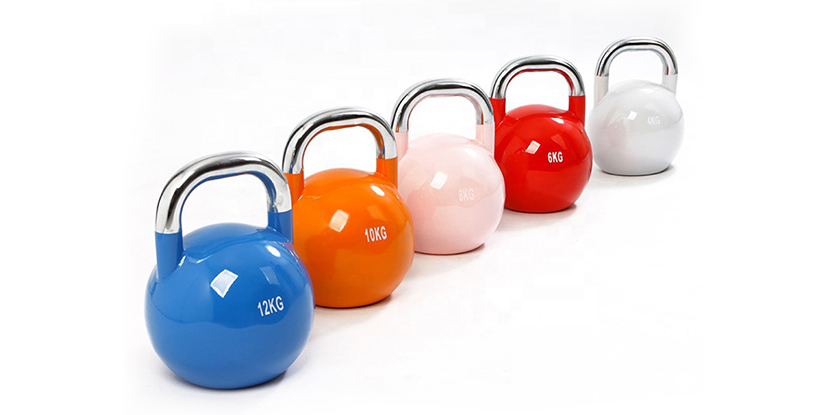
Durability Profiles: Assessing the Longevity of Protective Coatings
In high-traffic gym environments, equipment undergoes constant mechanical stress that standard cast iron cannot withstand alone. Frequent drops, friction against rubber flooring, and repetitive contact with weight racks often lead to chipping or oxidation in lower-tier products. For distributors and facility managers, these durability failures translate directly into increased replacement cycles and diminished client satisfaction.
This is where a high-quality cap vinyl coated kettlebell becomes a strategic asset for inventory longevity. The specialized coating acts as a robust defensive layer, significantly enhancing impact resistance during heavy usage. Beyond merely protecting the internal iron core from moisture and rust, the vinyl sheath maintains surface integrity even under rigorous use. When sourcing from a reputable commercial grade kettlebell supplier, procurement professionals can ensure that the protective layer is engineered to withstand the abrasive realities of a professional gym, reducing long-term maintenance costs and stabilizing stock turnover rates.
To accurately calculate the Total Cost of Ownership (TCO), procurement officers must look beyond the initial unit price and evaluate the expected maintenance cycles. A premium cap vinyl coated kettlebell offers superior abrasion resistance compared to standard paint or powder coatings, which are prone to cracking and peeling under high-intensity functional training protocols. By selecting a high-grade vinyl sheath, distributors can mitigate the risk of premature SKU replacement and ensure a more predictable replenishment schedule.
The following table provides a comparative overview of common coatings to assist in your sourcing decisions and inventory planning:
| Coating Type | Expected Lifespan | Best Use Case |
|---|---|---|
| Standard Powder Coat | Moderate (1–2 years) | Home gyms or low-traffic boutique studios |
| Vinyl Coated | High (3–5+ years) | Commercial fitness centers and high-volume distributors |
| Neoprene/Rubberized | Variable (Depends on friction) | Lightweight aerobic or specialized training environments |
When negotiating vinyl coated kettlebell wholesale orders, we recommend requesting technical specifications regarding the coating thickness and adhesion strength. This level of scrutiny ensures that your inventory remains a durable, long-term solution for end-users rather than a recurring expense.
Reliability in bulk procurement is not merely about the number of units delivered, but the consistency of the build quality across every single SKU. For professional buyers, effective gym equipment inventory management requires a proactive approach to quality control (QC) that moves beyond visual inspection. A single batch with substandard coating can lead to widespread returns and damage your reputation as a reliable distributor.
Critical Inspection Points for Bulk Sourcing
To ensure long-term inventory reliability, procurement teams should mandate specific procurement inspection points during the factory audit or pre-shipment phase. High-quality production relies on three technical pillars that differentiate premium stock from budget alternatives:
- Adhesion Testing: The interface between the iron core and the vinyl layer must be seamless. Rigorous adhesion testing ensures the coating will not delaminate or bubble when subjected to temperature fluctuations or high-impact contact.
- Thickness Consistency: Variations in the vinyl sheath can lead to unbalanced weight distribution. Ensuring uniform thickness across the entire surface is vital for maintaining the precision required in commercial settings.
- Batch Uniformity: When ordering vinyl coated kettlebell wholesale volumes, it is essential to verify that color shades and texture profiles remain consistent across different production runs to avoid mismatched sets in a single facility.
By integrating these technical requirements into your initial RFQ, you transition from simple purchasing to strategic sourcing, securing a product line that maintains its value throughout its entire lifecycle.
Optimizing Floor Space and Storage Density for Commercial Facilities
In high-density training environments, every square foot of usable area directly impacts the facility's revenue potential and client throughput. For distributors and gym owners, the challenge of floor space optimization often comes down to how effectively strength equipment can be transitioned from active use to organized storage. Unlike irregular or irregularly shaped cast iron alternatives, the cap vinyl coated kettlebell offers a distinct advantage in professional settings due to its predictable geometry.
The consistent, uniform dimensions of these units allow for much higher stacking efficiency within standard storage racks and specialized shelving. When a commercial gym layout is designed with high-traffic zones in mind, the ability to nest or align equipment neatly prevents clutter and maintains clear movement pathways. By sourcing a cap vinyl coated kettlebell with a standardized silhouette, procurement managers can ensure that weight stations remain compact and professional, reducing the footprint required for heavy strength training zones.
When evaluating a footprint comparison between different kettlebell styles, the distinction between cast iron and vinyl-coated models becomes clear through the lens of rack compatibility. Traditional cast iron bells often feature protruding handles or irregular casting bumps that can interfere with tight spacing. In contrast, the streamlined profile of a cap vinyl coated kettlebell is engineered for stability and order. This predictable shape allows for more seamless integration into multi-tier vertical racks, maximizing storage density in facilities where floor area is at a premium.
For those managing gym equipment inventory management, the ability to utilize vertical space effectively can significantly reduce the total square footage required for a weight zone. Choosing a vinyl coated kettlebell wholesale order with consistent diameter specifications ensures that your storage solutions—whether they are A-frame racks or tiered shelving—operate at peak capacity without the risk of uneven weight distribution or awkward gaps. This level of standardization is a critical procurement factor for distributors looking to provide high-efficiency solutions to professional training centers.
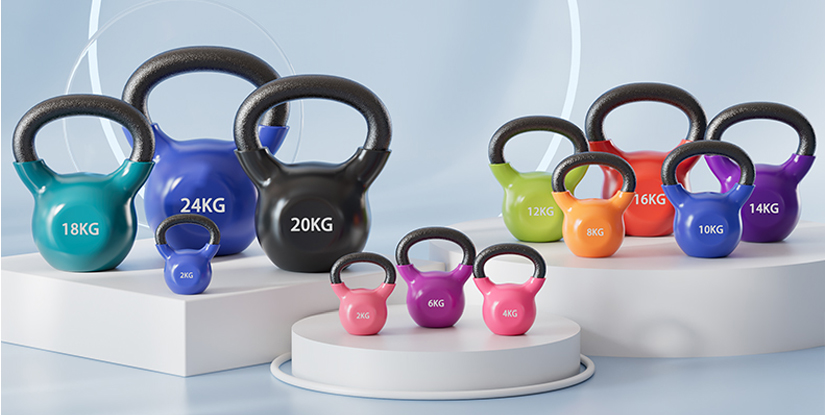
Beyond the immediate footprint within the training zone, logistics and warehouse optimization represent a significant hidden cost for large-scale distributors. Managing a diverse catalog requires a balance between offering a wide range of weights and maintaining efficient shipping volume. Because the cap vinyl coated kettlebell features a more uniform and rounded exterior, it allows for more consistent packing density within shipping containers and freight pallets compared to textured or irregularly cast iron models.
For a commercial grade kettlebell supplier, providing standardized dimensions is a key value proposition for B2B buyers. This uniformity simplifies SKU management, as it allows for predictable pallet heights and more stable loading patterns. When distributor demand spikes, the ability to optimize shipping volume through better nesting and stacking efficiency means lower freight costs per unit and reduced breakage risks during transit. By prioritizing these streamlined profiles, procurement professionals can streamline their entire supply chain, from the initial warehouse receipt to the final delivery at the client facility.
Sourcing Specifications: Ensuring Consistency in Weight and Texture
For distributors and facility managers, the primary risk in high-volume procurement is not just shipping delays, but the arrival of inconsistent SKUs. When managing a diverse inventory, a single batch of substandard equipment can compromise your reputation. A reliable commercial grade kettlebell supplier must prioritize rigorous quality control (QC) protocols to ensure that every unit meets exact specifications before leaving the factory.
Consistency issues often manifest in two critical areas: weight uniformity and surface integrity. If a 16kg cap vinyl coated kettlebell deviates significantly from its labeled weight, it creates compliance and trust issues for professional training environments. Furthermore, the manufacturing process must guarantee superior coating adhesion and texture consistency. Without high-grade vinyl application, the coating may peel or crack under heavy use, leading to premature replacement cycles and increased total cost of ownership. Ensuring these technical standards are met during the production phase prevents the logistical headache of handling defective returns and mismatched stock.
To mitigate long-term maintenance costs, buyers should evaluate the technical specifications of the coating rather than just the visual appearance. The thickness and texture of the vinyl layer directly influence how the equipment withstands friction and chemical exposure from cleaning agents. Choosing the wrong grade for a high-traffic facility can lead to premature degradation, forcing unnecessary restocking cycles.
Use the following comparison to determine which coating grade aligns with your specific inventory requirements and end-user environments:
| Coating Grade / Thickness | Texture Type | Durability Rating | Maintenance Requirement | Typical Use Case |
|---|---|---|---|---|
| Standard Thin-Film (Low Micron) | Smooth | Moderate | High (Frequent wipe-downs) | Home Gym / Boutique Studios |
| Premium Mid-Weight | Fine Grain | High | Moderate (Standard sanitation) | Commercial Fitness Centers |
| Heavy-Duty Industrial | Coarse / Textured | Maximum | Low (Resistant to abrasions) | High-Traffic Training Facilities |
Pro tip for procurement: When sourcing vinyl coated kettlebell wholesale orders, always request technical data sheets regarding the coating adhesion strength. A textured finish is often preferred for commercial settings as it provides better grip and masks minor surface scuffs, extending the aesthetic lifespan of the product.
Logistics and Inventory Longevity
Effective gym equipment inventory management extends beyond the initial purchase; it requires a strategic understanding of how product composition interacts with your storage environment. For distributors, the durability of the exterior finish is a critical factor in determining the shelf life of your stock. A high-quality cap vinyl coated kettlebell is engineered to resist temperature fluctuations and humidity, preventing the common issue of coating delamination or "bubbling" while sitting in a warehouse.
When managing a high SKU variety, logistics teams must account for the physical footprint and stacking stability of the units. Because vinyl-coated models often have slightly different outer dimensions than cast iron alternatives, bulk shipping stability can be affected if packaging is not optimized for the specific weight-to-volume ratio. To maintain a healthy turnover rate, ensure your storage facility remains climate-controlled. Extreme heat exposure during transit or long-term warehousing can soften certain lower-grade polymers, potentially compromising the product's structural integrity before it even reaches the end-user. Prioritizing premium coating standards during the sourcing phase minimizes the risk of "dead stock" caused by environmental degradation.
Logistics and Bulk Procurement Strategies for International Distributors
For distributors and large-scale facility operators, the true cost of a cap vinyl coated kettlebell is rarely determined by the unit price alone. Instead, the total landed cost is heavily influenced by how efficiently you manage the relationship between order volume and logistics density. When sourcing through vinyl coated kettlebell wholesale channels, procurement professionals must balance the benefits of economies of scale against the practicalities of warehouse space and shipping weight.
Optimizing your procurement strategy requires a dual focus on MOQ considerations and shipping volume optimization. While a higher Minimum Order Quantity (MOQ) typically lowers the per-unit manufacturing cost, the real advantage lies in maximizing the payload of each container. Because these items are high-density, high-weight products, even minor adjustments in packaging configuration can significantly reduce the shipping cost per kilogram. By aligning your replenishment cycles with high-density loading patterns, you can mitigate the impact of rising freight rates and ensure that your inventory remains both cost-effective and readily available for your local market demand.
Effective gym equipment inventory management requires a sophisticated understanding of the weight-to-volume ratio inherent in high-density iron products. When negotiating with a commercial grade kettlebell supplier, distributors should request detailed packing lists that specify both volumetric dimensions and actual weight per carton. A common pitfall is focusing solely on the unit cost while overlooking the volumetric inefficiencies that occur when mixing disparate weight increments in a single shipment. For instance, a shipment dominated by lighter, high-volume SKUs may hit the container's cubic capacity before reaching its weight limit, resulting in wasted shipping spend.

To achieve true shipping container optimization, we recommend a tiered procurement model. By grouping heavy-weight increments together and utilizing standardized pallet configurations, you can maximize the payload of each 20ft or 40ft container. Evaluating the landed cost through this lens—accounting for the interplay between weight, packaging dimensions, and freight density—allows distributors to build a more resilient and profitable inventory model that survives fluctuating international logistics costs.
Beyond freight density, the most significant financial risk in international procurement involves the cost of defective arrivals. A single shipment of substandard products can devastate your margins through high return rates and damaged brand reputation. To mitigate this, rigorous quality inspection protocols must be established long before the container leaves the factory floor. This is particularly critical for the cap vinyl coated kettlebell, where the primary value proposition is the durability of the outer layer.
A professional commercial grade kettlebell supplier should provide evidence of strict testing regarding coating integrity. Inspecting for air bubbles, peeling, or uneven thickness is essential, as compromised vinyl can lead to premature cracking under heavy use. Furthermore, procurement teams must verify shipping damage prevention measures, such as reinforced carton strength and pallet stability, to ensure the heavy cast iron cores do not puncture the protective coating during transit. By enforcing these standards, distributors can maintain high inventory turnover rates and ensure distributor reliability, preventing the logistical nightmare of processing costly returns for damaged or substandard goods.
Evaluating Total Cost of Ownership for High-Traffic Gym Environments
In high-volume commercial settings, the initial purchase price is often a deceptive metric. Procurement professionals frequently encounter the "cheap equipment trap," where low-cost iron or rubber-coated options fail prematurely under heavy use. When sourcing a cap vinyl coated kettlebell, the focus must shift from the unit price to the total cost of ownership (TCO). A premium coating is not merely an aesthetic choice; it is a functional safeguard designed to mitigate long-term operational expenses.
A high-quality cap vinyl coating provides essential floor protection by softening the impact of accidental drops, which reduces the frequency of facility repairs. Furthermore, the seamless integration of the coating protects the internal cast iron from oxidation and moisture, significantly extending the product's lifecycle. When partnering with a reliable commercial grade kettlebell supplier, you are investing in durability that minimizes replacement cycles and lowers long-term maintenance costs.
| Procurement Factor | Standard Cast Iron | Cap Vinyl Coated Option |
|---|---|---|
| Initial Unit Cost | Lower | Moderate |
| Floor Impact Damage | High Risk | Minimal Risk |
| Surface Oxidation | Frequent | Low/Prevented |
| Replacement Frequency | High (in high-traffic) | Low |
For distributors and facility managers, selecting the right SKU involves balancing upfront capital expenditure against the eventual cost of downtime and replacement. Investing in superior coating technology ensures that your inventory remains a durable asset rather than a recurring liability.
To effectively manage a gym equipment inventory management strategy, buyers must differentiate between basic finishes and high-performance coatings. The distinction lies in the structural bond between the iron core and the exterior layer. Inferior coatings often suffer from delamination or peeling when subjected to repetitive impact, which compromises the surface integrity and necessitates premature disposal. For those seeking vinyl coated kettlebell wholesale opportunities, prioritizing a seamless, thick-gauge application is critical for long-term profitability.
The following framework illustrates how coating quality directly influences the procurement lifecycle. By selecting a premium cap vinyl coated kettlebell, procurement officers can project a more stable replacement frequency, allowing for more accurate annual budgeting and reduced emergency restock orders.
| Coating Quality Level | Wear Resistance | Surface Integrity | Typical Replacement Cycle |
|---|---|---|---|
| Standard/Thin Film | Low (prone to chipping) | Poor (oxidation risk) | 12–18 Months |
| Premium Thick-Gauge Vinyl | High (impact resistant) | Excellent (moisture seal) | 36+ Months |
Ultimately, the goal is to maximize the utility of every SKU. A higher initial investment in a superior coating prevents the logistical headaches of frequent reordering and ensures that the equipment maintains a professional appearance throughout its operational life.
Beyond individual product longevity, standardized manufacturing plays a decisive role in gym equipment inventory management. For large-scale distributors and global procurement officers, the primary challenge is often not the product itself, but the volatility of SKU consistency across large shipments. When a batch of equipment arrives with inconsistent coating thickness or varying weight distributions, it triggers a cascade of logistical failures, including high return rates and diminished distributor demand.
Securing a reliable commercial grade kettlebell supplier means prioritizing quality control protocols that guarantee uniformity. A standardized cap vinyl coated kettlebell production process ensures that every unit in a 100-piece order matches the exact tactile feel and dimensions of the prototype. This level of logistics stability is essential for maintaining high turnover rates; it eliminates the need for manual inspection upon arrival and reduces the overhead costs associated with processing defective returns. By standardizing the coating application and weight tolerances, buyers can maintain a predictable stock profile, ensuring that what is advertised to the end-user is exactly what arrives at the facility.