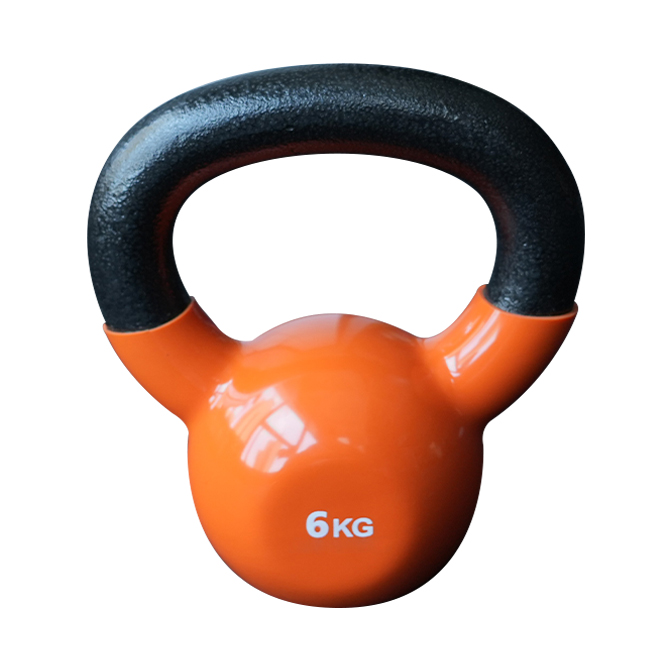
Sourcing Weider Vinyl Kettlebell Sets for Gym Retail
Optimizing SKU Margins with High-Turnover Weight Sets
For boutique fitness studios and high-traffic commercial gyms, the profitability of a weight set is not measured solely by the initial purchase price, but by its lifecycle performance. A distributor sourcing a weider vinyl kettlebell set must look beyond the surface aesthetics to evaluate how the product withstands heavy usage cycles. In environments where equipment is frequently dropped or moved, low-quality coatings often fail, leading to premature peeling or cracking that necessitates frequent replacement cycles.
Prioritizing durability in your procurement strategy directly impacts your long-term TCO (Total Cost of Ownership). While low-cost alternatives might offer a lower entry point, the vinyl coated kettlebell wholesale market favors products that maintain structural and aesthetic integrity over time. By investing in high-quality, impact-resistant vinyl, retailers can ensure these high-turnover items remain on the gym floor longer, reducing the frequency of restocking and maximizing the margin per SKU through extended service life.
Maximizing profitability requires a strategic balance between SKU density and inventory turnover. When managing gym equipment distribution, the goal is to avoid overstocking niche weights that occupy valuable warehouse space without moving, while ensuring you have the high-demand increments that drive consistent sales. A well-curated selection of bulk fitness weight sets allows you to capture the widest possible customer base—from beginners to advanced lifters—without bloating your logistics costs.
The following framework assists procurement officers in evaluating how different weight configurations impact logistics efficiency and capital allocation. By analyzing the relationship between weight increments and turnover velocity, distributors can optimize their order volumes to match market demand patterns.
| Weight Increment Type | Typical Turnover Rate | SKU Density Strategy | Logistics Efficiency |
|---|---|---|---|
| Standard (4kg – 16kg) | High | High (Core Inventory) | Optimal for high-volume shipping |
| Intermediate (20kg – 28kg) | Moderate | Medium (Expansion) | Standard palletization |
| Heavy (32kg+) | Low/Specialized | Low (Niche/Specialty) | Requires reinforced packaging |
Focusing on the high-turnover "Standard" range typically offers the best ROI for general gym retailers. These sets move quickly through the supply chain, ensuring that capital is not tied up in slow-moving, heavy-duty stock. When sourcing a weider vinyl kettlebell set, aim for a configuration that prioritizes these high-velocity increments to maintain a lean, profitable inventory profile.
Beyond inventory selection, true margin optimization is found in the logistics of the inbound supply chain. For distributors, the hidden costs of shipping can quickly erode the per-unit value if the weight-to-volume ratio is poorly managed. To mitigate these overheads, procurement teams must evaluate the relationship between export packaging specifications and shipping density.
Reducing Landed Costs Through Logistics Efficiency
Effective procurement requires a focus on volume optimization. Because kettlebells are high-density items, the way they are palletized determines the efficiency of your container utilization. When negotiating bulk fitness weight sets, request detailed packing lists that specify the exact dimensions of the master cartons. A high-quality supplier will offer nested or stackable configurations that maximize shipping density, ensuring you are not paying to ship excessive "dead air" within a sea container.
Furthermore, savvy buyers should leverage MOQ (Minimum Order Quantity) considerations to balance shipping costs against capital tie-up. While smaller, frequent orders may seem safer for cash flow, the increased frequency of ocean freight and customs clearance fees often negates the savings. Instead, aim for larger, consolidated shipments of high-velocity SKUs. To safeguard this larger investment, ensure your contract includes strict quality control standards regarding reinforced carton strength and moisture-proof liners. This prevents transit-related damage, ensuring that the product arriving at your warehouse is ready for immediate retail distribution without the need for costly returns or replacements.
Evaluating Vinyl Coating Integrity and Longevity
For commercial distributors and gym owners, the true cost of a product is rarely found in the initial invoice, but in the replacement cycle dictated by wear and tear. When sourcing a weider vinyl kettlebell set, the primary technical concern is the long-term adhesion quality of the outer layer. In high-traffic fitness environments, equipment undergoes constant friction and temperature fluctuations, which can compromise inferior coatings.
A substandard finish often leads to premature peeling, a common failure point that increases maintenance costs and diminishes the perceived value of the facility. To ensure high-frequency usage does not lead to rapid degradation, procurement specialists must prioritize durability standards regarding coating thickness and bond strength. A robust, uniform vinyl layer serves as a critical protective barrier, preventing the internal core from exposure and ensuring the equipment maintains its structural integrity over years of rigorous commercial use. Evaluating these specifications upfront is essential for optimizing the total cost of ownership (TCO) and minimizing future inventory turnover.
To mitigate the risk of high return rates or client complaints, distributors should implement a standardized inspection protocol during the receiving phase. Rather than relying solely on visual aesthetics, professional quality control (QC) requires specific technical benchmarks for the vinyl surface. A well-manufactured vinyl coated kettlebell wholesale order should demonstrate consistent material density and a uniform application of the protective layer across all weight increments.
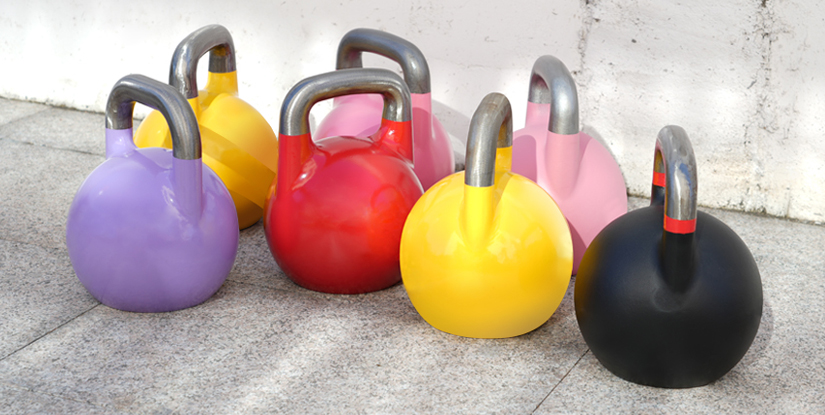
The following table provides a technical framework for evaluating the durability of these sets during your inspection process. Use these benchmarks to verify that the batch meets the rigorous demands of commercial gym equipment distribution.
| Inspection Metric | Standard Requirement | Typical Benchmark | Failure Indicator |
|---|---|---|---|
| Coating Thickness | Uniformity across surface | 1.5mm – 2.5mm | Thin spots or visible core exposure |
| Material Density | High-density polymer | Stable, non-porous | Bubbling, pitting, or air pockets |
| Adhesion Strength | Bonded to internal core | High resistance to peel | Separation at the handle junction |
| Surface Texture | Consistent friction level | Smooth but non-slip | Uneven thickness or "orange peel" effect |
Pro Tip for Buyers: When inspecting bulk fitness weight sets, perform a manual pressure test on the coating. A high-quality vinyl layer should feel resilient and snap back immediately without showing permanent indentations or signs of delamination under moderate pressure.
Beyond the physical build of the product, the logistics chain itself presents a hidden risk to the structural integrity of the coating. For those managing large-scale gym equipment distribution, the journey from the factory to the local warehouse is often the most volatile phase. The primary threat during this transit period is not just physical impact, but environmental exposure. If bulk fitness weight sets are stored in non-climate-controlled shipping containers or transit hubs, they may encounter extreme storage temperature fluctuations. Such thermal stress can cause the internal core and the vinyl layer to expand and contract at different rates, potentially leading to micro-cracks or delamination before the product even reaches the retail floor.
To prevent transit damage and ensure high levels of customer satisfaction, procurement teams must scrutinize the packaging integrity of their orders. Relying on standard cardboard boxes is often insufficient for heavy, high-density items. We recommend prioritizing shipments that utilize reinforced, moisture-resistant outer packaging and customized internal dividers. This specialized packing prevents the weight of the sets from crushing the bottom layers and shields the vinyl from abrasive contact during long-haul sea or land freight. By enforcing strict packaging standards at the factory level, distributors can significantly reduce the incidence of "dead on arrival" stock and lower the overhead associated with damaged goods claims.
Storage Density and Floor Space Management for Retailers
For retail managers and gym distributors, the physical footprint of inventory is a critical cost factor. When sourcing a weider vinyl kettlebell set, the goal is to maximize the number of SKUs available while minimizing the square footage they occupy on the sales floor or in the warehouse. Unlike traditional cast iron models that may require heavy-duty, wide-base racking, the streamlined profile of vinyl-coated weights allows for more efficient density management.
Optimizing vertical storage is essential for high-traffic retail environments where floor space is at a premium. Because these sets are designed with a smooth, consistent exterior, they are highly compatible with tiered shelving systems and specialized weight trees. This footprint optimization ensures that your vinyl coated kettlebell wholesale orders can be transitioned from shipping containers to retail displays with minimal disruption to customer flow.
| Storage Configuration | Space Efficiency | Best Use Case | Ease of Reorganization |
|---|---|---|---|
| Tiered Metal Racking | High | Retail Showrooms | Moderate |
| Vertical Weight Trees | Very High | Small Studio/Gyms | Fast |
| Standard Floor Pallets | Low | Bulk Warehouse Transit | Slow |
Distributors should prioritize configurations that allow for rapid restocking. The lightweight nature of the vinyl housing compared to raw iron makes these sets easier to maneuver during floor resets, reducing labor time and improving retail floor space utility during peak seasonal shifts.
Beyond sheer density, the method of storage directly impacts the longevity of the product's aesthetic appeal. A common oversight in gym equipment distribution is failing to account for how different stacking methods affect the integrity of the outer shell. While loose stacking is cost-effective for transit, it can lead to surface compression or friction-induced scuffs if not managed correctly.
When evaluating complementary accessories for your inventory, consider how the weight's configuration affects the protection of the vinyl coating. High-quality bulk fitness weight sets require specific handling to prevent the weight from becoming "stuck" or deformed under constant pressure. The following comparison helps determine whether your retail clients will benefit more from structured displays or high-volume bin storage.
| Storage Method | Space Efficiency | Accessibility | Coating Protection |
|---|---|---|---|
| Rack-Based (Tiered/Trees) | High | Excellent | Superior (No contact friction) |
| Loose/Bin Storage | Moderate | Low | Variable (Risk of scuffing) |
| Flat Pallet Stacking | Low | Difficult | Moderate (Requires padding) |
For long-term retail viability, we recommend emphasizing rack-based solutions. This approach not only preserves the premium look of the weider vinyl kettlebell set but also allows for much faster inventory turnover, as customers can easily select specific weights without disturbing the rest of the set.
A critical, yet often overlooked, component of the procurement process is the logistical math behind shipping density. For high-volume importers, the cost-per-unit is heavily influenced by the ratio of actual weight to volumetric weight. Because vinyl-coated products have a slightly larger outer diameter than uncoated iron, the shipping volume per unit may increase. To mitigate this, savvy buyers must demand high-standard export packaging that prioritates palletization efficiency without compromising the product's structural integrity.
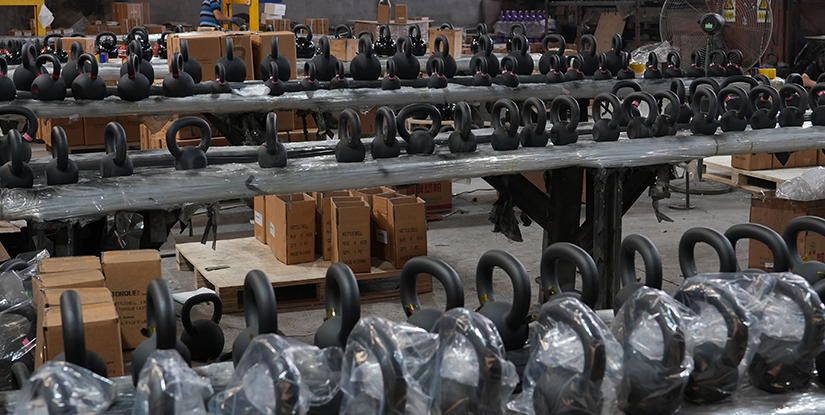
When sourcing bulk fitness weight sets, the goal is to achieve a high density of product per cubic meter. We recommend working with suppliers who utilize reinforced, custom-fit master cartons designed to minimize "dead air" within the shipping container. Efficient export packaging ensures that the weider vinyl kettlebell set arrives in a configuration that maximizes container loadability, effectively lowering your landed cost per unit. High-density stacking protocols and optimized pallet dimensions are essential to prevent the volumetric weight from driving up freight expenses unnecessarily during international transit.
Standardizing Quality Control for Bulk International Shipments
When managing large-scale orders of vinyl coated kettlebell wholesale stock, the primary concern for distributors shifts from unit price to long-term commercial durability. Unlike bare iron, the longevity of a weider vinyl kettlebell set depends heavily on the bond between the core and the outer layer. Even minor surface imperfections identified during the initial inspection can escalate into significant liabilities once the product enters a high-traffic gym environment.
Distributors must implement a rigorous inspection protocol that prioritizes coating integrity. During the pre-shipment phase, it is essential to verify that the vinyl layer is free from air bubbles, thinning, or uneven application. These defects often lead to premature cracking or peeling under heavy use. By enforcing strict quality control standards before the goods leave the factory, procurement professionals can mitigate the risk of transit-related damage and ensure that every set delivered meets the rigorous demands of professional fitness facilities.
To ensure seamless delivery, procurement teams should utilize a standardized inspection checklist focused on three critical pillars: weight consistency, structural integrity, and packaging durability. When receiving bulk fitness weight sets, do not rely solely on visual assessment; a random sampling of the shipment should undergo weight verification to ensure that the internal core mass aligns with the labeled specifications. Discrepancies in weight often indicate manufacturing inconsistencies that can undermine a distributor's reputation for quality.
Beyond the product itself, logistics safety depends on the stability of the secondary and tertiary packaging. Inspect the shipping cartons for any signs of crushing or moisture ingress, as these factors can compromise the integrity of the vinyl coating during long-haul transit. A robust inspection protocol must also check for visual defects such as seam separation or uneven handle textures. Verifying these inspection criteria at the point of arrival prevents the costly overhead of processing returns and ensures that your inventory is retail-ready for the North American market.
Optimizing Long-Term Value Through Surface Maintenance
For gym equipment distribution partners, the Total Cost of Ownership (TCO) is rarely determined by the initial purchase price, but rather by the lifecycle of the product in the field. A high-quality weider vinyl kettlebell set is designed to withstand heavy usage, yet its longevity is directly tied to the facility's daily maintenance protocols. In high-traffic commercial settings, the interaction between cleaning agents and the polymer surface is a critical variable that can either preserve or degrade the asset.
To maximize long-term value, facility managers should implement strict cleaning protocols that avoid harsh, solvent-based chemicals. Highly acidic or abrasive cleaners can compromise the molecular bond of the coating, eventually preventing coating peeling and surface degradation. We recommend using pH-neutral, non-abrasive solutions to maintain the tactile grip and aesthetic finish. By educating end-users and staff on proper surface maintenance, distributors can ensure that their clients' investments remain in retail-ready condition, reducing the frequency of replacement cycles and enhancing the reputation of the supplied equipment.
Logistics Planning for Multi-Weight Distribution Orders
When ordering a comprehensive weider vinyl kettlebell set, distributors often face unexpected overhead during the final freight calculation. The primary challenge lies in the discrepancy between actual weight and the space these sets occupy. Because vinyl-coated equipment is often packed in nested configurations to protect the outer shell, the shipping density can vary significantly between a set of 4kg bells and a heavy 24kg unit.
Failure to account for dimensional weight during the initial RFQ stage can lead to severe budget overruns. Most international carriers calculate costs based on whichever is greater: the actual mass or the volumetric weight derived from the carton dimensions. For high-volume gym equipment distribution, ignoring this distinction means your landed cost per unit will climb as the cargo volume increases. To achieve true freight optimization, procurement managers should demand precise volumetric data from the factory. This allows you to plan container stuffing strategies that prioritize high-density weight placement, ensuring that your bulk fitness weight sets arrive without eroding your profit margins through inefficient air-space utilization.
Optimizing the landed cost of your order requires a strategic choice between shipping modes and packaging configurations. For large-scale vinyl coated kettlebell wholesale procurement, the distinction between LCL (Less than Container Load) and FCL (Full Container Load) is the most significant variable in your logistics budget.
Sea freight remains the industry standard for bulk fitness weight sets due to its cost-efficiency for heavy, high-volume cargo. However, to prevent damage to the vinyl coating during transit, we recommend rigorous palletization. Standardizing your order onto heat-treated pallets not only secures the weight but also streamlines the unloading process at your warehouse. While air freight offers significantly faster lead times, the volumetric weight penalties on bulky kettlebell cartons often make it commercially unviable for standard restocking. For distributors, the most scalable model involves consolidating various weight increments into optimized sea containers, ensuring that the weight-to-volume ratio maximizes every cubic meter of shipping space.
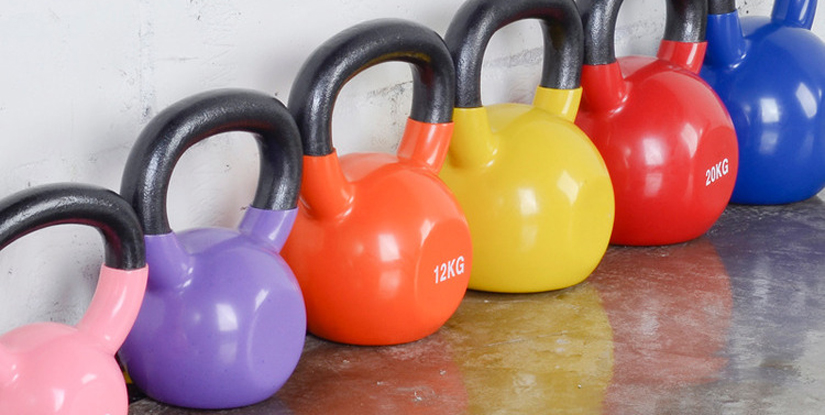
Beyond the mode of transport, the true variable in your total landed cost is the quality of the protective packaging. In the context of gym equipment distribution, a low-cost shipping solution that lacks robust structural integrity often results in much higher long-term expenses. When shipping a weider vinyl kettlebell set across ocean freight, the cargo is subject to constant vibration and shifting. If the internal dividers or outer cartons are insufficient, the resulting friction can compromise the protective coating integrity, leading to scuffs, tears, or even separation of the vinyl from the core.
From a procurement standpoint, prioritizing breakage prevention during the initial order phase is a direct investment in your bottom line. A single damaged unit in a bulk shipment can trigger expensive damage claims, return shipping fees, and disrupted retail timelines. We advise implementing a strict bulk order quality control protocol that specifically audits the carton strength and the thickness of the protective layers used for each weight increment. By ensuring the packaging can withstand the rigors of multi-modal transit, you minimize the risk of costly returns and protect your reputation as a reliable supplier to end-users.
Sourcing Specifications for Professional Gym Environments
In high-traffic commercial fitness centers, the durability of small equipment is often the first indicator of a facility's quality. For distributors, the primary concern isn't just the aesthetic appeal of a weider vinyl kettlebell set, but how the product performs under the relentless physical stress of daily commercial use. Low-quality alternatives often suffer from premature degradation, leading to increased replacement cycles and diminished client satisfaction.
To ensure a favorable long-term TCO (Total Cost of Ownership), procurement specialists must prioritize the structural integrity of the core material stability. A premium weider vinyl kettlebell set relies on a dense, consistent internal weight that maintains its shape without shifting. Furthermore, the outer layer must feature a high-grade, commercial-grade vinyl coating designed for high-impact resistance. This specialized coating acts as a protective barrier, providing essential wear-and-tear resistance against scuffs, sweat, and accidental drops. When evaluating bulk orders, verifying that the vinyl is bonded securely to the core is vital to prevent peeling or cracking, which are common failure points in sub-standard fitness weight sets.
Distributors and gym equipment procurement officers should evaluate technical specifications through a standardized lens to mitigate the risks of premature product failure. The following comparison outlines how different weight classes within a vinyl coated kettlebell wholesale catalog typically perform across various environments. This data helps in deciding whether a specific weight range is better suited for high-intensity commercial training or lighter-duty boutique settings.
When sourcing bulk fitness weight sets, pay close attention to the relationship between the weight mass and the coating thickness. Heavier weights often require a more robust application to prevent the vinyl from stretching or tearing under stress. A well-specified product ensures that the coating remains intact, protecting both the internal core and the gym flooring from impact damage.
| Weight Range (kg/lbs) | Typical Coating Thickness (mm) | Durability Rating | Typical Use Case | Maintenance Requirements |
|---|---|---|---|---|
| 4kg – 8kg (9 – 18lbs) | 1.5mm – 2.0mm | Moderate | Boutique / Pilates Studios | Minimal; wipe with damp cloth |
| 10kg – 16kg (22 – 35lbs) | 2.0mm – 2.5mm | High | Commercial Gyms / CrossFit | Standard; avoid harsh solvents |
| 20kg – 32kg (44 – 70lbs+) | 3.0mm+ | Professional Grade | Heavy-Duty Strength Training | Periodic inspection for core bonding |
Procurement Tip: For high-traffic distribution, always request a sample to verify that the vinyl adhesion meets your quality control standards. A consistent thickness across the entire weight range is a key indicator of factory precision and long-term reliability.
Logistics Integrity and Export-Grade Protection
Even the highest quality weider vinyl kettlebell set can suffer significant value loss if the logistics chain is poorly managed. For those involved in gym equipment distribution, the risk is not just broken cores, but surface abrasions and coating delamination caused by improper stacking or environmental exposure during sea freight. To protect your margins, you must ensure your supplier utilizes export-grade packaging designed specifically for high-density, heavy-duty items.
Standard cardboard boxes are rarely sufficient for bulk fitness weight sets traveling across oceans. Professional manufacturers should implement a multi-layered defense strategy: heavy-duty corrugated outer cartons, internal dividers to prevent weight-on-weight friction, and moisture-proof protection such as desiccants or poly-bagging to prevent the vinyl from becoming tacky or developing odors in humid shipping containers.
Beyond the packaging, shipping container optimization is a critical variable. Efficient palletization and load-securing protocols ensure that the weight distribution within the container remains stable, preventing shifting that could crush the bottom layers of the product. Before finalizing a contract, confirm that the factory follows strict inspection protocols—including random batch testing for coating adhesion and packaging crush-strength—to ensure your inventory arrives in retail-ready condition.