Sourcing Reliable China Vinyl Dipped Kettlebell Factories
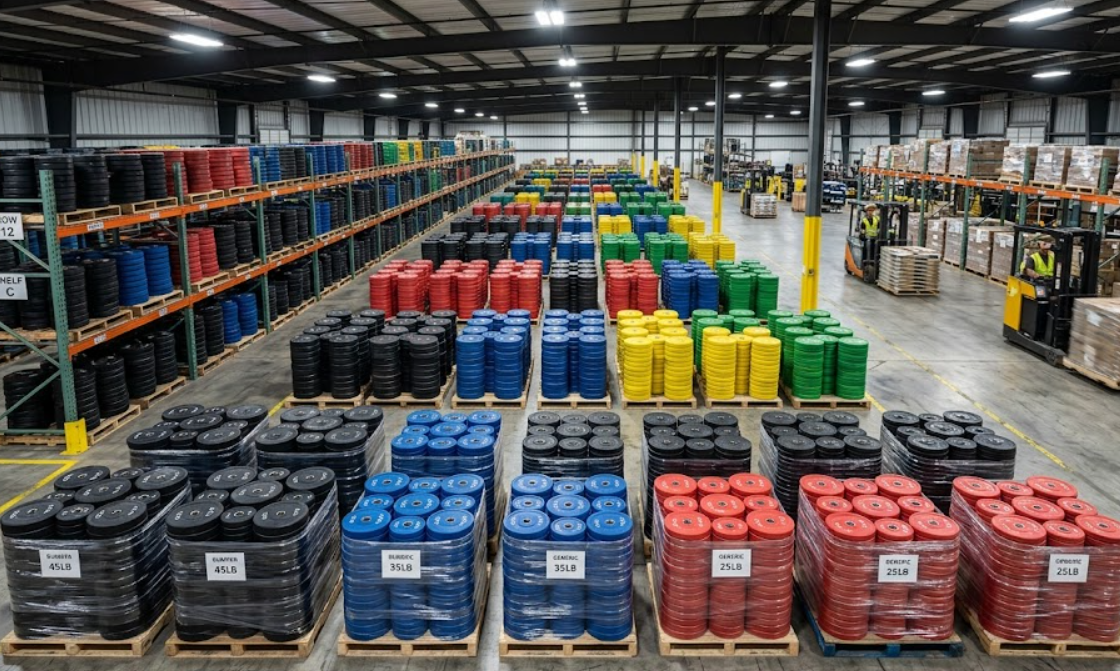
Optimizing SKU Breadth and Inventory Turnover for Specialty Strength Equipment
Many distributors fall into the trap of over-extending their catalog with excessive weight increments, only to face stagnant capital tied up in low-demand sizes. Conversely, a narrow selection can lead to missed revenue opportunities during peak seasonal shifts. The more effective approach is to view your china vinyl dipped kettlebell factory selection through the lens of supply chain agility rather than just unit cost. A high-performing inventory model balances a diverse SKU breadth with high inventory turnover, ensuring you can meet client needs without bloating your warehouse overhead.
Effective procurement requires a sophisticated grasp of demand forecasting. Instead of blindly ordering massive volumes of a single weight class, professional buyers leverage strategic partnerships to maintain a lean yet responsive stock. By sourcing high-quality wholesale vinyl coated kettlebells from a manufacturer capable of flexible production runs, you can adjust your inventory levels in real-time. This strategic balance allows you to react to market fluctuations and gym replenishment cycles without the risk of long-term deadstock.
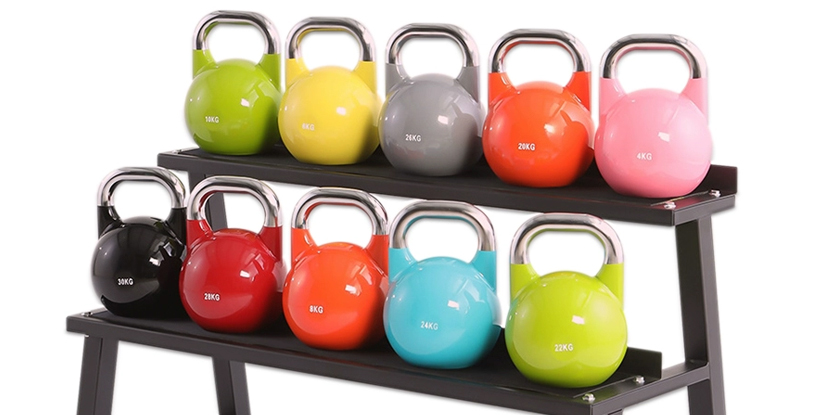
To execute this strategy, your bulk kettlebell supplier vetting process must prioritize a factory's ability to manage specialized production requests. A capable manufacturer should offer a clear distinction between standard weight increments—such as the common 2kg or 5lb jumps—and custom specialized ranges. When evaluating potential partners, confirm whether their color customization capabilities are limited to a fixed palette or if they can accommodate specific branding requirements for boutique studios. This flexibility is vital for staying aligned with current market trends where aesthetic cohesion is often as important as functional durability.
Furthermore, transparency regarding MOQ (Minimum Order Quantity) and production lead times is essential for maintaining a healthy cash flow. A factory that offers tiered MOQs allows you to test new weight classes or trending colors in smaller batches before committing to full-scale inventory. Always request a detailed production schedule during the inquiry phase; knowing exactly how long it takes to transition from a raw cast to a finished vinyl coating ensures you can fulfill large-scale gym contracts without the friction of unexpected stockouts or extended transit delays.
Deciding between a standardized catalog and a private-label program is a fundamental pivot point for distributors. A standard model offers speed and lower financial risk, whereas a custom model builds long-term brand equity at the cost of higher complexity. The following comparison outlines how these two approaches impact your operational workflow and the level of fitness equipment manufacturing QC required to ensure product consistency.
| Sourcing Model | SKU Complexity | Lead Time | MOQ Impact | Inventory Risk Level |
|---|---|---|---|---|
| Standard Catalog | Low (Pre-set weights/colors) | Short (Ready-to-ship) | Low (Small batches) | Low (High turnover) |
| Custom/Private Label | High (Bespoke branding/weights) | Long (Production + QC cycles) | High (Volume-dependent) | Moderate (Niche market focus) |
When opting for custom specifications, your bulk kettlebell supplier vetting must include a rigorous review of their dipping and curing processes. Custom colors or non-standard weight increments require stricter oversight to ensure the vinyl coating remains uniform and adheres to the cast iron core. While the standard model is ideal for rapid replenishment, the custom route allows you to differentiate your brand in a crowded commercial market, provided you can manage the extended lead times and higher minimums inherent in specialized production.
Evaluating Coating Integrity and Material Longevity
In high-traffic commercial gym environments, the visual appeal of equipment is secondary to its structural resilience. For distributors and facility managers, the primary risk when sourcing from a china vinyl dipped kettlebell factory is not just aesthetic flaws, but catastrophic adhesion failure. When a coating fails to bond correctly to the cast iron core, the resulting peeling creates a significant maintenance burden and diminishes the perceived value of the fitness center.
Low-quality dipping processes often result in thin, brittle layers that crack under thermal expansion or heavy impact. This lack of material longevity can lead to premature replacement cycles, driving up the total cost of ownership for your clients. To ensure commercial gym durability, procurement specialists must look beyond the surface and evaluate the technical application of the vinyl layer.
| Coating Specification | Adhesion Reliability | Maintenance Profile | Ideal Use Case |
|---|---|---|---|
| Standard Vinyl Dip | Moderate | Periodic inspection for chips | Home gym/Light commercial |
| High-Grade Industrial Vinyl | High | Minimal; resistant to impact | Full-scale commercial clubs |
| Premium Multi-Layer Coating | Maximum | Very low; high abrasion resistance | High-intensity interval training (HIIT) zones |
To mitigate the risk of substandard batches, professional buyers should implement a rigorous technical checklist during sample testing. A reliable china vinyl dipped kettlebell factory must demonstrate strict fitness equipment manufacturing QC protocols that extend beyond simple visual inspections. When evaluating wholesale vinyl coated kettlebells, focus on three critical technical dimensions: thickness consistency, chemical composition, and core-to-coating integration.
First, use a digital caliper to verify thickness consistency across different weight increments; uneven layers often indicate poor dipping control, which leads to localized cracking. Second, perform a scent test to detect high levels of volatile organic compounds (VOCs). A strong, chemical odor suggests poor UV resistance and low-grade polymers that may off-gas in enclosed training facilities. Finally, inspect the cast iron core for any surface oxidation or residue before the dipping process, as even minor impurities can compromise the bond and lead to premature peeling in professional settings.
Effective bulk kettlebell supplier vetting requires moving beyond surface-level aesthetics to assess long-term durability indicators. A single batch of substandard equipment can damage a distributor's reputation and drastically increase the Total Cost of Ownership (TCO) for end-users due to frequent replacement needs. To assist in your procurement audit, the following comparison highlights the distinction between common manufacturing defects and high-standard benchmarks.
| Defect Category | Common Low-Standard Defect | High-Standard Benchmark | Procurement Impact |
|---|---|---|---|
| Surface Texture | Uneven pooling or "orange peel" texture | Uniform, smooth, and consistent thickness | Improves grip and visual professionalism |
| Bonding Integrity | Bubbling or separation at the handle interface | Seamless integration with the iron core | Prevents peeling during high-impact use |
| Weight Tolerance | Significant variance between weight classes | Strict adherence to weight specifications | Ensures training consistency for athletes |
| Material Odor | Strong, pungent chemical/solvent scent | Neutral or minimal scent profile | Reduces VOC risks in enclosed facilities |
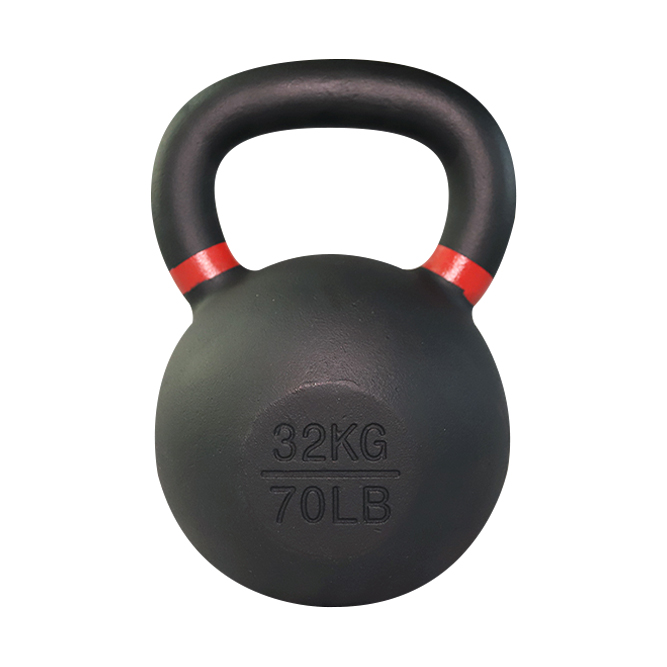
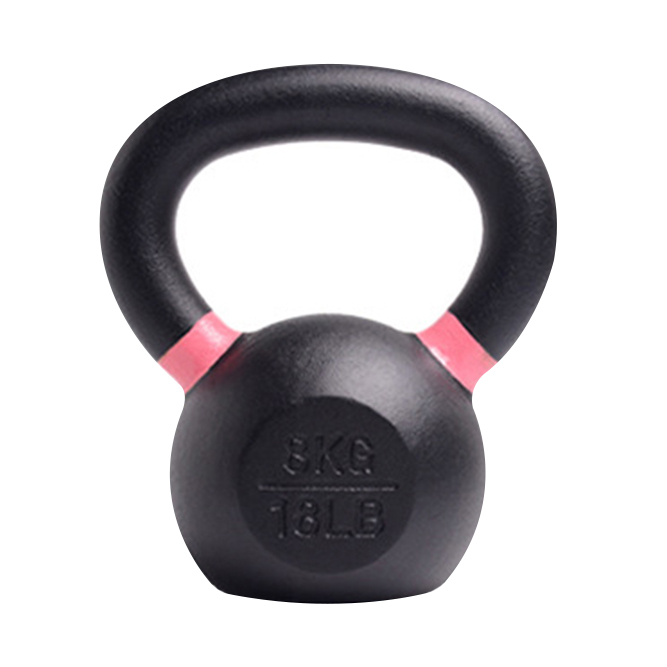
During your visual inspection points checklist, prioritize the transition zones where the handle meets the bell body. High-quality wholesale vinyl coated kettlebells should exhibit a continuous, unbroken coating even in these high-stress areas. If you observe micro-cracks or thinning at the curves, the manufacturer likely lacks the precision-controlled heating and dipping cycles required for commercial-grade certification.
Assessing Manufacturing Precision and Weight Consistency
For commercial distributors and gym operators, the long-term value of a product is dictated by its resistance to degradation. A common failure point in low-tier sourcing is the discrepancy between the nominal weight and the actual mass delivered to the client. When a china vinyl dipped kettlebell factory lacks rigorous control over the dipping process, the resulting weight tolerance issues can undermine the credibility of an entire fitness line.
The technical challenge lies in the relationship between the core weight and the coating thickness. If the vinyl application is uneven, the weight of the unit can fluctuate significantly beyond acceptable commercial standards. High-quality manufacturing precision ensures that the outer layer adds a predictable, consistent mass, preventing the "light" or "heavy" feel that occurs when batch consistency is ignored. For bulk buyers, verifying that a supplier maintains tight tolerances is essential to ensuring that every SKU in a set meets the exact specifications promised to the end-user.
To mitigate these risks, professional buyers should move beyond verbal assurances and demand specific technical documentation. Effective bulk kettlebell supplier vetting requires a deep dive into the factory's internal quality control protocols. Rather than accepting generic certificates, request detailed reports that demonstrate their capability to manage complex production variables.
A professional fitness equipment manufacturing QC framework must include a verified testing schedule. At a minimum, your procurement checklist should confirm the following standards:
- Weight Deviation Limits: Ensure the factory maintains a strict tolerance threshold (typically within ±2% to ±3% for commercial sets) to prevent uneven training loads.
- Coating Adhesion Tests: Verify that the supplier performs peel or impact tests to ensure the vinyl layer remains bonded to the cast iron core under temperature fluctuations.
- Material Uniformity: Confirm regular checks for vinyl thickness consistency to prevent premature cracking or peeling during high-frequency use.
Prioritize suppliers who provide batch-specific test results rather than general factory certifications, as this demonstrates a commitment to real-time production oversight.
To streamline your procurement process, we have compiled a comparison of typical industry benchmarks. Utilizing these metrics during your inspection phase helps establish clear expectations for wholesale vinyl coated kettlebells, ensuring your order aligns with professional gym requirements rather than retail-grade standards.
| Technical Metric | Acceptable Commercial Standard | Unacceptable/Low-Tier Result |
|---|---|---|
| Weight Consistency | ±2% to ±3% deviation from nominal mass | >±5% deviation (significant weight variance) |
| Coating Uniformity | Smooth, even layer across all surfaces | Pooling, thin spots, or visible core exposure |
| Surface Texture | Consistent tactile grip throughout | Rough patches or uneven "bubbling" |
| Handle Integrity | Uniform thickness for ergonomic grip | Thinning or uneven coating on handle arcs |
When reviewing these specifications with a china vinyl dipped kettlebell factory, remember that a tighter tolerance threshold often correlates with higher manufacturing maturity. If a supplier cannot provide specific data regarding their weight consistency protocols, it is a strong indicator of a lack of advanced production oversight.
Standardizing Quality Control Protocols for High-Volume Orders
In high-traffic commercial environments, the longevity of weight equipment is directly tied to the integrity of its exterior. When sourcing from a china vinyl dipped kettlebell factory, procurement officers must look beyond simple aesthetics to evaluate the technical rigor of the coating process. Substandard manufacturing often leads to premature degradation, where the vinyl layer begins to crack or detach under heavy use, increasing long-term maintenance costs and decreasing the total cost of ownership for gym operators.
To mitigate these risks, your vetting process should prioritize suppliers that implement strict fitness equipment manufacturing QC protocols specifically targeting peeling prevention. A reliable manufacturer will provide documentation or evidence of adhesion testing to ensure the vinyl bond remains secure against the cast iron core. Furthermore, verifying coating thickness uniformity is essential; inconsistent application can result in weak spots that fail under thermal expansion or mechanical impact, making it a critical benchmark for any high-volume wholesale order.
To streamline your bulk kettlebell supplier vetting, we recommend utilizing a standardized technical checklist during your remote audits or third-party inspections. Relying on verbal assurances is insufficient for large-scale distribution; instead, demand specific data points that confirm the durability of wholesale vinyl coated kettlebells before they reach your warehouse.
The following table outlines the essential inspection parameters and documentation requirements you should request to ensure your shipment meets North American commercial standards.
| Inspection Parameter | Technical Requirement | Required Documentation/Proof |
|---|---|---|
| Weight Tolerance | ±2% to ±3% deviation from nominal weight | Calibrated scale calibration certificates |
| Coating Adhesion | No peeling or bubbling under mechanical stress | Adhesion test reports (ASTM or equivalent) |
| Handle Grip Texture | Consistent tactile grain; no sharp edges | Visual inspection logs & mold consistency checks |
| Material Composition | Non-toxic, phthalate-free vinyl/PVC | Material Safety Data Sheets (MSDS/SDS) |
Pro tip for procurement managers: Always ask for a video demonstration of a "drop test" or "scratch test" performed on a sample from the actual production batch. This provides real-time verification of the coating's resilience and the factory's commitment to quality control.
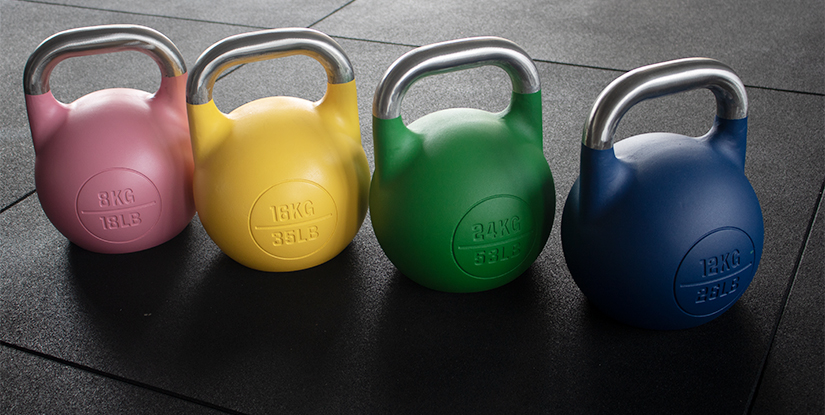
Protecting Margin Through Export-Grade Logistics
Even the highest quality production can be compromised if the transit phase is poorly managed. For distributors managing large-scale imports, the final stage of bulk order logistics is often where the highest risk of damage occurs. A professional china vinyl dipped kettlebell factory must demonstrate expertise in export packaging standards that go beyond standard retail boxing to withstand the rigors of international ocean freight and multiple handling points.
To ensure your inventory arrives in showroom condition, verify that the supplier utilizes shipping container optimization techniques that prioritize structural stability. This includes using heavy-duty, double-walled corrugated cartons and reinforced palletizing to facilitate dent prevention for the cast iron cores. Furthermore, because moisture accumulation in shipping containers can lead to oxidation or surface degradation, demand evidence of moisture protection—such as desiccants or specialized liners—within the packaging stack. Effective logistics management ensures that your high-volume shipments arrive without the weight of unexpected replacement costs or client returns.
Logistics Optimization and Export-Grade Packaging Requirements
When sourcing wholesale vinyl coated kettlebells, many procurement managers focus heavily on the unit price, often overlooking the hidden costs associated with transit. A low initial quote from a china vinyl dipped kettlebell factory can quickly become a liability if the supplier lacks a robust strategy for shipping damage prevention. During long-haul sea freight, heavy kettlebells are subject to significant kinetic energy and stacking pressure; without reinforced protection, even high-quality vinyl coatings can suffer from abrasions, tears, or structural deformation.
The relationship between packaging integrity and your total landed cost is direct. Inadequate protection leads to damaged goods upon arrival, resulting in expensive returns, replacement claims, and disrupted inventory cycles. To ensure true cost-efficiency, you must verify that your supplier utilizes export-grade packaging—such as heavy-duty corrugated cartons and customized internal dividers—designed to withstand the rigors of international logistics. Prioritizing these structural safeguards during the vetting process protects your margins and ensures your shipment arrives in retail-ready condition.
To mitigate these risks, professional bulk kettlebell supplier vetting must extend beyond the product itself to the technical specifications of the shipment. A reliable manufacturer should provide a detailed packaging protocol that outlines the strength of their corrugated box specifications and their internal bracing methods. For high-density shipments, ensure the factory adheres to strict palletization standards, utilizing corner protectors and heavy-duty shrink wrap to maintain structural integrity during multi-container transit.
During the fitness equipment manufacturing QC process, do not rely solely on verbal assurances. Request specific documentation regarding weight distribution within cartons to prevent crushing of lower tiers. A high-tier factory will provide comprehensive inspection reports that include photographic evidence of both the individual unit packaging and the final palletized configuration. By verifying these technical benchmarks before the container is sealed, distributors can significantly reduce the likelihood of transit-related losses and ensure a seamless arrival at the warehouse.
Selecting the appropriate packaging tier is a strategic decision that balances upfront procurement costs against the long-term risk of transit damage. For domestic distributors or those sourcing short-distance regional shipments, standard packaging may suffice. However, for large-scale importers managing trans-Pacific sea freight, upgrading to reinforced options is often the more economical choice when considering the total landed cost and the potential for replacement claims.
The following comparison outlines the technical differences between common packaging configurations to assist in your procurement planning:
| Packaging Tier | Protection Level | Material Thickness | Suitability for Long-Haul Sea Freight | Cost Impact |
|---|---|---|---|---|
| Standard | Basic (Single-wall) | Standard Corrugated | Low (Risk of crushing/moisture) | Minimal/Base Price |
| Export-Grade | High (Reinforced) | Double-wall/Heavy-duty | High (Optimal for containers) | Moderate Increase |
| Premium/Palletized | Maximum (Structural) | Reinforced with Dividers | Highest (Optimized for heavy loads) | Significant/Bulk-dependent |
When negotiating with a china vinyl dipped kettlebell factory, we recommend requesting a breakdown of these tiers during the RFQ stage. For bulk orders destined for North American ports, the Export-Grade option typically offers the best ROI by minimizing the risk of dented vinyl or crushed cartons during the multi-week transit period.
Vetting Supplier Capabilities for Custom OEM and ODM Requests
Distinguishing between a standard stock supplier and a true OEM/ODM specialist is critical for distributors aiming to build a proprietary brand. While many factories offer basic wholesale vinyl coated kettlebells, high-tier manufacturers provide deep customization that impacts both aesthetic consistency and long-term durability. When requesting custom specifications, you must verify if the factory can manage precise Pantone color matching to ensure your product line remains cohesive across different weight increments.
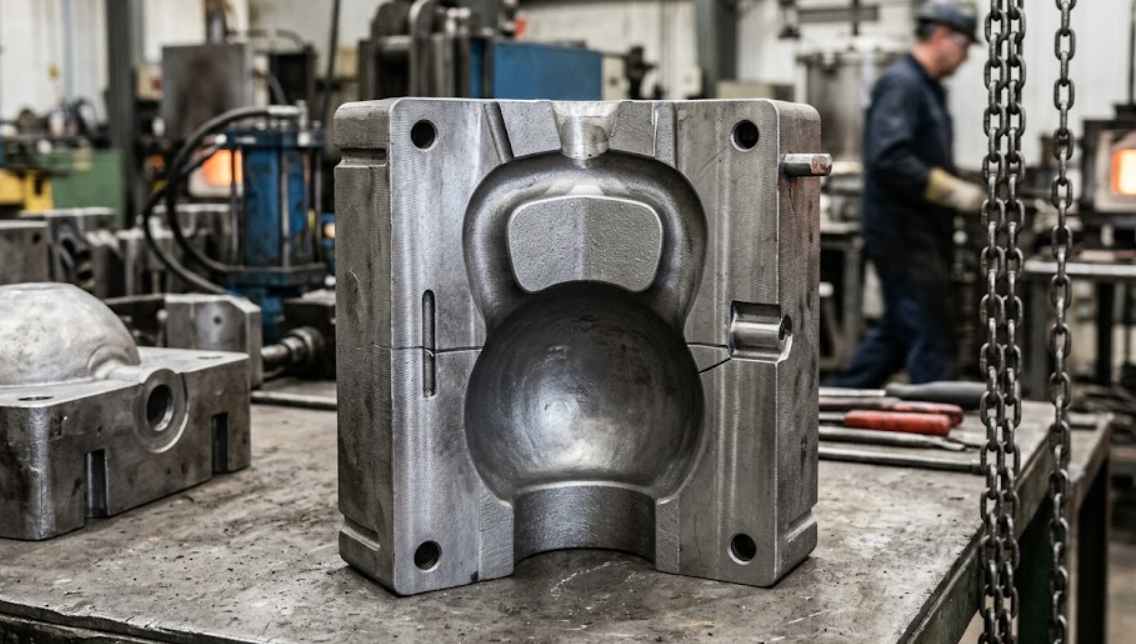
Cost-efficiency in custom production is often a balancing act between technical precision and volume. A sophisticated china vinyl dipped kettlebell factory will offer specialized custom branding via injection molding, allowing logos to be integrated directly into the handle or casing rather than just printed. However, buyers should be aware that highly specific requests—such as non-standard vinyl thickness consistency or unique colorways—will inherently drive up the Minimum Order Quantity (MOQ). Negotiating these terms requires understanding that higher MOQs typically lower the unit price by optimizing the production line for a single specification, reducing the overhead associated with frequent tooling changes.
Beyond aesthetic customization, the true cost of a low-quality supplier manifests in high return rates and shipping claims. To mitigate these risks, your procurement checklist must prioritize rigorous fitness equipment manufacturing QC. A reliable manufacturer does not merely claim quality; they provide verifiable data. You should demand to see batch testing protocols that specifically address the bond between the core and the coating. A common failure point in lower-tier production is delamination, where the vinyl separates from the cast iron due to improper thermal application.
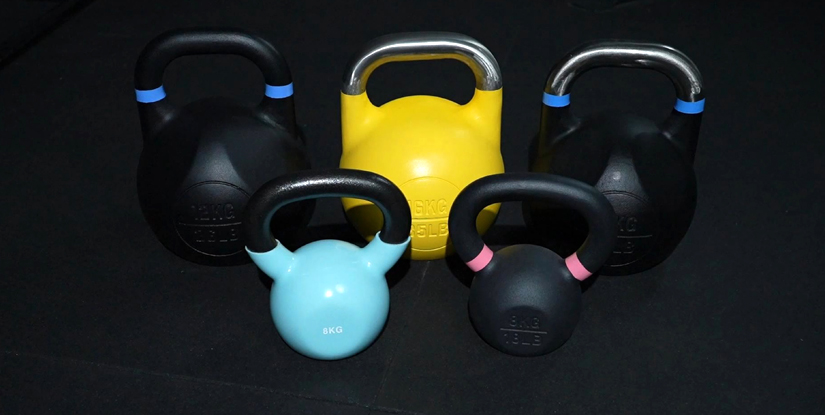
When vetting a potential partner, ask for documented adhesion strength testing results to ensure the vinyl-to-cast iron bond can withstand heavy impact and temperature fluctuations. Furthermore, ensure the factory adheres to strict weight tolerance standards. In the commercial sector, even a slight deviation in weight across a set can lead to customer dissatisfaction and compliance issues. Requesting standardized inspection reports for each production run—covering both dimensional accuracy and coating integrity—is the best way to prevent the hidden costs of defective inventory and delayed replenishment cycles.
Deciding between purchasing ready-to-ship inventory and initiating a custom production run is a fundamental procurement decision. Standard wholesale orders are ideal for rapid replenishment and testing market demand with minimal capital risk. Conversely, custom OEM requests allow distributors to establish brand identity through unique colorways and specialized branding, though they require a more significant upfront commitment in terms of both time and volume.
The following table outlines the typical trade-offs encountered when negotiating with a china vinyl dipped kettlebell factory. Use this comparison to align your procurement strategy with your current inventory goals and budget constraints.
| Feature/Requirement | Standard Wholesale | Custom OEM/ODM |
|---|---|---|
| Customization Level | Low (Pre-set colors/weights) | High (Branding, unique colors, textures) |
| Typical MOQ | Low to Moderate | High (To optimize tooling/production) |
| Lead Time | Short (Ready-to-ship/Existing stock) | Long (Includes tooling and setup) |
| Cost Impact | Low (Standardized unit pricing) | Medium to High (Based on complexity) |
For most distributors, the bulk kettlebell supplier vetting process should begin with a standard order to audit the factory's baseline quality. Once a reliable baseline is established, transitioning to custom OEM models can significantly increase your brand's perceived value in the premium commercial fitness market.
Maximizing ROI through Strategic Procurement
Transitioning from the initial selection phase to high-volume ordering requires a shift in perspective from product aesthetics to operational durability. For distributors and gym owners, the cost of a single faulty shipment far outweighs the savings gained from low-cost, unverified sources. To protect your margins, you must treat the transition to a china vinyl dipped kettlebell factory as a structured risk-mitigation process rather than a simple transaction.
A standardized procurement workflow ensures that every unit of your wholesale vinyl coated kettlebells order meets strict structural and coating specifications before leaving the port. By implementing a rigorous pre-shipment checklist, you minimize the likelihood of receiving goods with uneven dipping, peeling, or weight discrepancies, effectively securing your long-term return on investment.
To ensure your bulk orders align with commercial-grade expectations, you should implement a standardized inspection protocol during the sampling or factory audit phase. Relying on visual inspection alone is insufficient for high-volume procurement; you must verify the physical integrity of the coating and the precision of the internal cast. The following technical verification table serves as a benchmark for your quality control team when evaluating a potential supplier's output.
Technical Verification & Inspection Table
| Audit Metric | Standard Requirement | Critical Failure Point |
|---|---|---|
| Vinyl coating thickness | Uniform application across body and handle | Thinning at the base or uneven dipping |
| Weight consistency | Tolerance within ±2% to 3% of rated weight | Significant deviation between units |
| Handle ergonomics | Smooth transition; no sharp edges or bumps | Coating buildup interfering with grip |
| Adhesion Strength | Resistant to impact and temperature shifts | Peeling or cracking under pressure |
Utilizing this inspection table during your fitness equipment manufacturing QC process allows you to identify systemic production flaws before they scale into full-container issues. High-tier bulk kettlebell supplier vetting should always include a request for these specific tolerance data points to ensure your inventory remains durable under heavy commercial use.
Finalizing Logistics and Export Compliance
Once production meets your quality benchmarks, the focus must shift toward the final logistical safeguards. Even a perfectly manufactured product can become a liability if the transit phase is neglected. Effective bulk kettlebell supplier vetting must extend beyond the factory floor to include the supplier's capability in managing complex international shipments and high-volume logistics.
Before authorizing a release, confirm that the manufacturer adheres to strict export packaging standards. For vinyl-coated products, this includes ensuring that weight-bearing boxes are moisture-resistant and that individual units are secured to prevent friction-induced scuffing during ocean freight. Furthermore, always perform a final MOQ verification to ensure that the actual shipment volume matches your purchase order, preventing costly shortages or unbilled surpluses.
Lastly, demand a complete set of shipping documentation—including detailed packing lists, commercial invoices, and certificates of origin—to ensure seamless customs clearance. A reliable partner will provide transparent tracking and validated weight certificates, ensuring logistics reliability and preventing unexpected port delays that could disrupt your distribution timelines or inventory turnover.