Choosing the Best Type of Vinyl Kettlebell for Gyms
Vetting Manufacturers and Quality Control Standards
Commercial vinyl kettlebells are high-grade strength training tools featuring a cast iron core encased in a durable synthetic coating. B2B buyers prioritize this specific type because the vinyl layer protects flooring, reduces noise, and provides a premium aesthetic suitable for boutique studios and high-end fitness centers.
In high-traffic gym environments, the primary threat to your investment is not the weight itself, but the failure of the outer layer. When sourcing commercial vinyl kettlebells, procurement professionals must look beyond the initial unit price and evaluate the long-term Total Cost of Ownership (TCO). Substandard manufacturing often results in premature coating degradation, where the vinyl begins to peel or crack under repetitive impact or temperature fluctuations.
Rigorous quality control must verify two critical factors: coating durability and weight consistency. A reliable manufacturer ensures that the vinyl application is seamless and adheres tightly to the iron core, preventing moisture ingress that leads to internal oxidation. Furthermore, strict adherence to manufacturing standards is essential to ensure that each weight increment remains precise, preventing discrepancies that can compromise professional training standards and client trust.
To mitigate the risk of peeling or cracking, procurement officers should transition from general inquiries to specific technical audits. Identifying the best type kettlebell vinyl requires verifying that the manufacturer employs high-grade thermal bonding processes rather than simple dip-coating, which often fails under heavy use. A high-quality coating must maintain a consistent thickness across the entire surface to prevent uneven wear or grip issues.
Use the following procurement checklist to evaluate factory capability and ensure your shipment meets commercial-grade durability standards:
| Evaluation Metric | Standard Specification/Test | Procurement Objective |
|---|---|---|
| Vinyl Thickness | Minimum 1.5mm – 2.0mm | Ensure impact protection and floor safety. |
| Adhesion Strength | Thermal Bonding Test | Prevent peeling and moisture-induced oxidation. |
| Weight Tolerance | ±1% to ±3% per unit | Maintain professional training accuracy. |
| QC Process | Batch-level stress testing | Verify consistency across high-volume orders. |
When negotiating MOQs or discussing logistics, always request documentation regarding their factory QC processes. A supplier capable of providing detailed specifications for vinyl thickness (mm) and weight deviation is far more reliable than one offering generic product descriptions. This level of transparency protects your facility from the high costs of premature equipment replacement.
Beyond the physical build of the individual unit, the logistics of bulk procurement present a unique set of risks. For distributors and gym owners, the integrity of the product is often determined before it even reaches the facility. Inadequate packaging standards can lead to micro-fissures in the vinyl coating during long-haul transit, compromising the longevity of the equipment and increasing your gym equipment maintenance requirements upon arrival.
When managing large-scale orders, prioritize suppliers that demonstrate advanced shipping durability protocols. This includes the use of reinforced, heavy-duty corrugated cartons and internal dividers designed to prevent weight-on-weight friction. Without these safeguards, the edges of the kettlebells can rub against one another during ocean or ground freight, causing unsightly scuffs or structural compromises to the outer layer.
To ensure a seamless transition from factory to floor, we recommend a structured wholesale inspection process. Rather than relying solely on factory certifications, request high-resolution photos of the actual palletized loads and the specific internal packaging used for international transit. Verifying that the manufacturer utilizes standardized, stackable shipping configurations will help mitigate the risk of damaged goods, ensuring your inventory arrives in showroom condition and ready for immediate commercial use.
Evaluating Coating Integrity and Weight Consistency
For commercial gym operators, the true cost of a kettlebell is measured by its lifecycle, not just the initial purchase price. In high-traffic environments, the quality of the vinyl layer directly dictates your long-term maintenance costs. Low-grade commercial vinyl kettlebells often suffer from poor adhesion, where the coating begins peeling away from the cast iron core due to temperature fluctuations or repeated impact. This structural failure does more than just look unprofessional; it creates a hygiene risk and necessitates premature replacement, driving up your total cost of ownership.
When sourcing for large-scale facilities, procurement specialists must prioritize coating integrity to ensure the equipment can withstand rigorous daily use. A high-quality bond prevents the unsightly chipping common in budget-tier products, preserving the aesthetic and functional utility of the weight for years.
| Coating Type | Adhesion Strength | Durability Profile | Maintenance Requirement |
|---|---|---|---|
| Premium Seamless Vinyl | High | Best for high-impact zones | Minimal; wipe-down only |
| Standard Coated Vinyl | Moderate | Suitable for boutique studios | Occasional inspection for chips |
| Low-Grade Synthetic | Low | Prone to peeling/cracking | High; frequent replacement |
Ensuring consistent weight distribution through a uniform coating is equally vital. Inconsistent thickness can lead to weight deviations, which may cause issues during strict strength training sessions or professional certifications. Always verify that your supplier maintains strict quality control over the dipping or molding process to guarantee both weight accuracy and surface durability.
To mitigate the risk of receiving non-compliant shipments, procurement officers should implement a technical checklist during factory inspections or sample testing. Identifying the best type kettlebell vinyl requires looking beyond the surface aesthetics to the precision of the manufacturing standards. A reliable supplier should be able to provide documented data regarding their weight tolerance levels and coating application processes.
Technical Inspection Checklist for Procurement
When conducting a quality control (QC) audit, do not rely solely on visual inspection. Use the following criteria to evaluate the technical specifications of your bulk order:
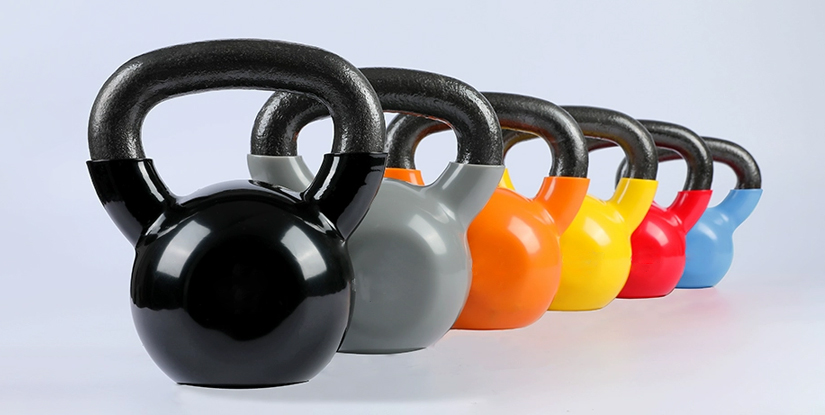
- Weight Consistency: Verify that the deviation between the stated weight and the actual weight falls within a strict tolerance level (typically ±1% to ±3% for commercial grades).
- Coating Thickness Uniformity: Ensure the vinyl layer is applied evenly across the cast iron core. Discrepancies in thickness often lead to uneven weight distribution and premature wear.
- Adhesion Test: During sample testing, perform a manual scratch or pressure test to ensure the coating does not flake or delaminate from the core.
- Surface Smoothness: Check for air bubbles or uneven textures that could indicate poor molding standards or inadequate drying times during production.
By enforcing these rigorous inspection criteria, distributors can ensure that every unit delivered to the facility meets the high standards required for professional strength and conditioning environments.
The decision to invest in high-tier commercial vinyl kettlebells rests on the ability to balance upfront procurement costs with long-term operational stability. For distributors and gym owners, a mismatch in coating grade can lead to significant logistical headaches, including high return rates and customer dissatisfaction due to premature wear. To assist in your sourcing decisions, the following comparison highlights the critical differences between various coating grades.
| Specification Metric | Standard Consumer Grade | Professional Commercial Grade |
|---|---|---|
| Adhesion Strength | Moderate; prone to peeling | High; seamless bond to core |
| Impact Resistance | Low; susceptible to cracking | High; designed for heavy use |
| Weight Deviation | Higher variance (±5%+) | Strict precision (±1-3%) |
| Expected Lifespan | Short-term/Home use | Long-term/High-traffic |
When evaluating the best type kettlebell vinyl for a commercial contract, the goal is to minimize the total cost of ownership. While standard coatings may offer a lower MOQ or initial price point, the lack of impact resistance often leads to frequent replacement cycles. Professional-grade options provide the reliability required for high-performance training environments, ensuring that your equipment remains a durable asset rather than a recurring expense.
Optimizing Inventory via Weight Gradation and MOQ
For facility managers and distributors, the decision to stock commercial vinyl kettlebells is rarely about a single SKU; it is a strategic exercise in balancing variety with capital efficiency. A common pitfall in procurement is over-investing in niche weight increments that remain stagnant on the floor, or conversely, failing to provide the progressive loading options necessary for high-traffic training environments. Effective inventory management requires a calculated approach to weight gradation, ensuring that your shipment maximizes utility across all user skill levels without bloating your initial outlay.
Beyond the initial purchase order, the best type kettlebell vinyl coating serves as a critical lever for controlling the Total Cost of Ownership (TCO). High-quality, consistent coating applications do more than just protect the internal cast iron; they ensure weight consistency remains uncompromised by material degradation or uneven wear. By prioritizing long-term durability during the sourcing stage, buyers can extend the replacement cycle of their equipment, effectively reducing the frequency of reordering and minimizing long-term operational overhead.
To optimize your procurement strategy, you must align your Minimum Order Quantity (MOQ) and weight distribution with the specific density of your facility. A boutique studio may prioritize high-demand, mid-range weights, whereas a large-scale commercial gym requires a comprehensive spectrum to accommodate diverse athlete profiles. Selecting the correct weight increments prevents "dead stock"—the scenario where specialized weights sit idle while popular sizes are perpetually out of stock.
The following framework illustrates how to scale your inventory density based on the intended commercial gym setup. Use this as a guide when negotiating volume discounts and determining your initial shipment volume.
| Facility Type | Primary Weight Focus | Recommended Weight Increments | Inventory Density Strategy |
|---|---|---|---|
| Boutique/Personal Training | Light to Moderate | 2kg – 4kg gaps | High volume in low-weight SKUs |
| Standard Commercial Gym | Full Spectrum | 4kg – 5kg gaps | Balanced distribution across all weights |
| Performance/Strength Center | Heavy/Progressive | 5kg+ gaps | High density in heavy-weight SKUs |
When negotiating with manufacturers, remember that a higher MOQ for a narrower range of popular weights often yields a better return on investment than a wide, shallow assortment of many different SKUs.
Logistics Precision and Coating Uniformity
A critical, often overlooked aspect of coated kettlebell procurement is how manufacturing tolerances impact your bottom line during transit. Inconsistent vinyl application does more than just create aesthetic flaws; it directly influences shipping weight and volumetric efficiency. If the coating thickness varies significantly between units, the resulting weight discrepancies can cause issues during quality control (QC) inspections and lead to unexpected surcharges or customs complications due to weight-to-volume mismatches.
For distributors managing high-volume shipments, logistics optimization depends on a manufacturer's ability to maintain strict uniformity. When the coating is applied with precision, the weight distribution remains stable across the entire set, allowing for tighter container loading patterns and more predictable freight costs. Prioritizing these technical specifications during the sourcing phase is essential for gym equipment maintenance, as a uniform layer prevents premature peeling and ensures that the product arriving at your facility matches the exact specifications listed on your commercial invoice.
Impact of Vinyl Thickness on Long-term Facility ROI
For commercial gym operators and distributors, the initial purchase price of equipment is rarely the most critical metric. Instead, the focus must shift toward the Total Cost of Ownership (TCO). When sourcing commercial vinyl kettlebells, the quality of the extrusion process directly dictates how often your facility will need to replace inventory. Low-grade coatings often suffer from poor adhesion, leading to premature peeling under the high-frequency use typical of commercial environments. Once the protective layer fails, the internal weight is exposed to moisture and oxidation, compromising both weight consistency and the structural integrity of the unit.
Investing in high-specification, thick-walled vinyl coating significantly reduces long-term maintenance costs. While premium options may require a higher upfront capital expenditure, the durability of a high-quality extrusion process ensures that the equipment remains floor-ready for years without unsightly wear or degradation. For large-scale distributors and facility managers, this reliability translates into a superior long-term ROI, minimizing the logistical headaches of frequent reordering and replacement cycles.
To make an informed procurement decision, buyers must evaluate the relationship between coating quality and the replacement cycle. A thinner, lower-grade coating may lower the initial unit cost, but it frequently results in higher long-term expenses due to rapid wear and tear. In high-traffic commercial settings, the thickness of the vinyl layer serves as a buffer against mechanical impact and environmental factors.
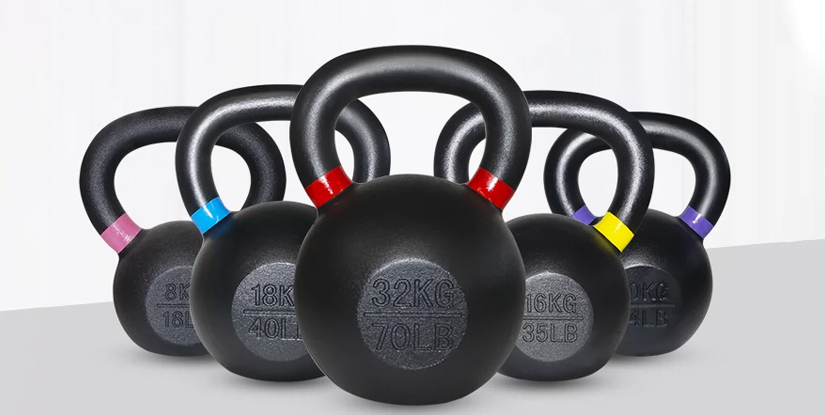
The following comparison helps procurement officers differentiate between standard and premium options when evaluating the best type kettlebell vinyl specifications for their inventory.
| Coating Type | Typical Thickness/Quality | Durability Profile | ROI Impact |
|---|---|---|---|
| Standard Commercial Grade | Thin/Lightweight extrusion | Prone to chipping and peeling under heavy use | Lower upfront cost; higher replacement frequency |
| Premium Heavy-Duty | Thick, uniform multi-layer | High resistance to impact and abrasion | Higher initial investment; significantly longer lifespan |
| Industrial/High-Traffic | Reinforced high-density polymer | Exceptional adhesion; survives extreme environments | Maximum longevity; lowest total cost of ownership |
When conducting coated kettlebell procurement, always request technical specifications regarding the extrusion method to ensure the coating is integrated rather than merely sprayed, as this prevents the delamination that often plagues budget-tier shipments.
To mitigate the risks associated with large-scale shipments, professional buyers must look beyond the product spec sheet and evaluate the factory capability of their supplier. A common pitfall in high-volume procurement is the lack of batch consistency, where the first shipment meets high standards, but subsequent orders exhibit thinner coatings or uneven weight distribution. This variance can damage a distributor's reputation and lead to costly returns.
Implementing a rigorous QC inspection protocol is essential when sourcing the best type kettlebell vinyl for your inventory. We recommend that procurement officers request samples from different production runs to verify that the extrusion thickness remains uniform across various weight increments. A reliable manufacturer should be able to provide documentation regarding their wholesale standards and internal testing for adhesion strength and material density.
Ultimately, successful sourcing depends on selecting a partner who prioritizes precision over speed. By verifying factory capability and ensuring that batch consistency is part of the standard QC inspection, you protect your margins and ensure that every unit delivered to your facility or client meets the exacting demands of high-traffic commercial environments.
Logistics Planning and Landed Cost Calculations
When sourcing high-volume orders, many procurement managers fall into the trap of focusing solely on the unit price per piece. However, for professional fitness facilities, the true metric of success is the Total Cost of Ownership (TCO). Selecting the best type kettlebell vinyl coating requires looking beyond the initial invoice to evaluate how coating durability impacts your bottom line over several years.
Low-grade vinyl applications often suffer from premature cracking or peeling under heavy use, which forces frequent replacement cycles. While a cheaper per-unit cost might look attractive during the initial bidding phase, the resulting maintenance costs and the need to reorder stock can quickly erode your margins. Investing in high-quality commercial vinyl kettlebells ensures that the protective layer remains intact despite high-frequency training and environmental exposure. By prioritizing superior material specifications, distributors and gym owners secure better long-term value, reducing the frequency of restocking and ensuring the equipment remains a durable asset rather than a recurring expense.
To streamline your procurement efficiency, it is essential to categorize your inventory based on both performance and budget. A common oversight in the sourcing process is failing to account for the variance in weight consistency and coating resilience, both of which directly influence long-term replacement frequency. High-density options generally offer a more predictable lifecycle, whereas standard coatings may be suitable for lower-traffic boutique studios where budget constraints are the primary driver.
The following comparison framework helps buyers weigh the initial investment against the long-term utility of different product tiers:
| Feature/Tier | Standard Vinyl Coating | Premium High-Density Vinyl |
|---|---|---|
| Primary Use Case | Home gyms or boutique studios | High-traffic commercial facilities |
| Weight Consistency | Moderate variance possible | Strict precision standards |
| Durability Profile | Prone to cracking over time | High impact and abrasion resistance |
| MOQ Considerations | Often lower for small batches | Optimized for bulk wholesale orders |
| Landed Cost Value | Low initial cost; higher TCO | Higher initial cost; lower TCO |
When negotiating with manufacturers, clarify whether the quoted price includes the high-density density specifications required for your facility. Understanding these nuances during the initial RFQ phase prevents unexpected costs related to gym equipment maintenance and premature stock depletion.
Beyond material quality, the structural dimensions of your order play a decisive role in the final landed cost. Effective logistics planning must account for the unique physical properties of vinyl-coated iron. Unlike bare metal, the added thickness of a high-quality vinyl layer increases the overall dimensions of each unit, which directly impacts the shipping volume per carton. When scaling up an order, a sophisticated bulk procurement strategy requires calculating the weight-to-volume ratio to avoid paying excessive volumetric weight charges during sea or air freight.
For distributors and large-scale gym operators, inventory management is not just about counting SKUs, but about optimizing warehouse footprint. Because vinyl kettlebells are bulky and non-stackable in certain configurations, failing to coordinate with your supplier regarding packaging density can lead to unexpected storage overheads. We recommend requesting detailed packing lists that specify both gross weight and volumetric dimensions (CBM) early in the negotiation. This transparency allows you to align your coated kettlebell procurement cycles with available warehouse space and freight capacity, ensuring that your stock arrives in a manner that is both cost-effective and ready for immediate deployment.
Strategic Procurement for High-Traffic Commercial Gyms
When scaling a fitness facility, the true cost of equipment is rarely found on the initial invoice. For procurement managers and distributors, evaluating the best type kettlebell vinyl coating requires looking beyond the unit price to the Total Cost of Ownership (TCO). In high-traffic gym scenarios—where equipment is frequently dropped, slid across flooring, or subjected to sweat and cleaning agents—the quality of the outer layer dictates your replacement cycle.
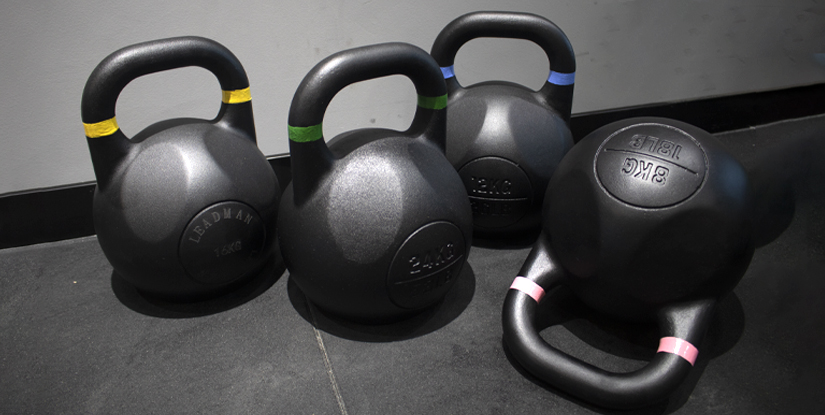
Low-grade commercial vinyl kettlebells often suffer from premature cracking or peeling, especially when the internal cast iron core expands and contracts with temperature shifts. This degradation forces frequent replacement and increases maintenance frequency, disrupting your inventory stability. From a professional sourcing perspective, a premium, high-density vinyl shell offers superior durability of coating, ensuring the weight remains consistent and the aesthetic remains professional over years of heavy use. Ultimately, prioritizing a high-quality coating shifts the focus from a low initial price to a much more favorable cost-per-use, protecting your long-term margins and reducing the logistical burden of constant reordering.
To streamline your procurement evaluation, we have categorized the most common coating specifications encountered in the wholesale market. This technical comparison helps distributors and facility owners determine which material profiles align with their specific environmental demands, such as indoor climate control or high-frequency sanitation protocols.
| Coating Type | UV Resistance | Chemical Resistance | Abrasion Resistance | Typical Commercial Lifespan |
|---|---|---|---|---|
| Standard PVC Vinyl | Moderate | Standard | Medium | 2–3 Years |
| High-Density Polyurethane (PU) | High | High | High | 4–6 Years |
| Premium Neoprene-Infused Vinyl | Low | Very High | Very High | 5+ Years |
When reviewing factory specifications, pay close attention to the chemical resistance regarding common gym disinfectants. A coating that reacts poorly to pH-balanced cleaners will degrade quickly, leading to a "sticky" texture or peeling. For premium fitness centers or outdoor-adjacent training zones, selecting a coating with higher abrasion resistance is a strategic move to reduce long-term replacement costs and maintain a high-end brand image.
Standardizing Quality and Logistics Management
Beyond material composition, successful bulk procurement hinges on rigorous quality control (QC) standards. One of the most frequent pain points for distributors is receiving a shipment where weight variances fall outside of acceptable tolerances. When sourcing the best type kettlebell vinyl, it is vital to verify that the manufacturer enforces strict weight consistency protocols. Even a slight deviation in the cast iron core can lead to significant batch uniformity issues, which can compromise a gym's professional standard and lead to client complaints regarding equipment accuracy.
Furthermore, procurement specialists must evaluate the adhesion testing protocols used during production. A high-quality vinyl shell should be chemically bonded to the core to prevent delamination under high-impact use. From a shipping and logistics standpoint, these heavy, coated items require specialized packaging to prevent friction-induced scuffing during transit. We recommend requesting sample batches to test for both weight precision and coating resilience. Ensuring these technical benchmarks are met before large-scale orders are placed will mitigate the risk of receiving defective inventory and streamline your long-term supply chain stability.
Optimizing Long-Term Value Through TCO
When sourcing for high-traffic usage scenarios, professional buyers often make the mistake of prioritizing the lowest unit price. However, in a commercial setting, the true cost of an asset is defined by its Total Cost of Ownership (TCO). A cheaper, low-grade coating may save capital during the initial procurement phase, but it quickly becomes a liability when the material begins to peel, crack, or discolor under heavy use.
High-quality commercial vinyl kettlebells are engineered to withstand the rigors of daily gym environments, reducing the frequency of replacement cycles. From a procurement standpoint, investing in superior coating durability is a strategic move to minimize gym equipment maintenance requirements and labor costs. By selecting products with high-grade vinyl skins, facility managers ensure that the equipment remains aesthetically professional and structurally sound, ultimately protecting the long-term ROI of the fitness facility.
To navigate the complexities of bulk procurement, we have developed a comparative framework. This tool helps you evaluate the best type kettlebell vinyl options by weighing technical specifications against your facility's operational budget and durability requirements.
| Specification Metric | Standard Grade (Budget-Focused) | Premium Commercial Grade (High-Traffic) |
|---|---|---|
| Coating Thickness | Thin, uniform layer; prone to punctures. | Multi-layer reinforced skin; impact resistant. |
| Surface Adhesion | Basic bonding; potential for peeling. | Advanced chemical bonding to core; high integrity. |
| Weight Consistency | Moderate variance across batches. | Strict manufacturing QC; minimal deviation. |
| Logistics Profile | Standard palletization; basic packaging. | Optimized for high-volume bulk procurement. |
When evaluating suppliers, do not merely request a quote; ask for specific data regarding weight consistency and the chemical composition of the vinyl. A supplier capable of providing detailed manufacturing QC reports during the shipping process is a much safer partner for large-scale distribution. Furthermore, consider logistics considerations such as volumetric weight and packaging durability to ensure your landed cost remains predictable during international transit.
Final Verification Checklist for Large-Scale Orders
Before finalizing a high-volume purchase, professional distributors must move beyond surface-level specifications to verify actual factory capability. A reliable partnership relies on more than just a competitive price; it requires a systematic approach to bulk order verification to mitigate the risks of damaged or inconsistent inventory upon arrival.
Use this checklist to audit your potential partners during the coated kettlebell procurement process:
- MOQ and Scalability: Does the supplier offer flexible MOQ tiers while maintaining consistent production timelines for larger replenishment orders?
- QC Protocol Transparency: Can the manufacturer provide documented quality control (QC) standards and batch-specific weight deviation reports?
- Shipping Durability: Does the packaging design account for shipping durability, ensuring the vinyl skin remains intact under heavy palletization and long-distance transit?
- Material Certification: Is the vinyl coating non-toxic and compliant with international commercial fitness safety standards?
Prioritizing these technical and logistical benchmarks ensures that your procurement strategy supports a stable, long-term supply chain rather than a single, high-risk transaction.