Vinyl Coated Kettlebell Review: Durability and Maintenance
Vetting Manufacturers Through Material Integrity and QC Standards
For a high-traffic boutique fitness studio or a multi-location gym franchise, the difference between a premium asset and a liability often lies in the microscopic details of production. While a vinyl coated kettlebell review might focus on grip or aesthetics, professional buyers must prioritize the structural bond between the cast iron core and the outer layer. In high-volume gym environments, the constant impact of repetitive training sessions places immense stress on the product, making manufacturing quality control a non-negotiable factor for long-term ROI.
The primary risk when sourcing lower-tier inventory is the failure of material integrity. Substandard coating thickness or poor adhesion techniques often lead to premature peeling or delamination, where the vinyl separates from the iron core. Such defects do more than just ruin the visual appeal; they create safety hazards and significantly shorten the commercial vinyl kettlebell lifespan. When evaluating potential suppliers, procurement specialists should demand transparency regarding their injection or dipping processes to ensure the coating remains intact under heavy use, effectively protecting your initial investment and reducing long-term replacement cycles.
When weighing the rubber vs vinyl kettlebell durability debate, the decision often hinges on how a manufacturer handles coating consistency. Unlike solid rubber, vinyl relies on a precise application process that requires strict adherence to technical benchmarks. To mitigate the risk of uneven weight distribution or surface cracking, your procurement checklist should prioritize suppliers that demonstrate rigorous quality control (QC) protocols during the manufacturing stage.
A reliable manufacturer should be able to provide data or documentation regarding adhesion testing and thickness consistency. High-quality production ensures the vinyl layer is uniform across the entire circumference of the bell, preventing "thin spots" that are prone to tearing. When vetting a factory, ask specifically about their thermal bonding processes and how they ensure the coating remains tightly fused to the cast iron core. A consistent coating thickness not only improves the ergonomic feel but also serves as a crucial defense against environmental wear, directly impacting your total gym equipment maintenance costs.
Beyond the technical specifications of the coating itself, sophisticated buyers must evaluate the supplier's broader factory capability and logistical preparedness. A common pitfall in wholesale procurement is overlooking the impact of the supply chain on product quality. Even a perfectly manufactured kettlebell can suffer from surface deformation or coating compromises if the shipping durability of the packaging is insufficient. When negotiating MOQ considerations, do not simply look for the lowest price point; instead, inquire about the supplier's standardized packaging protocols for ocean freight and long-distance transit to ensure the units arrive in retail-ready condition.
Furthermore, maintaining batch consistency is a hallmark of a high-tier manufacturer. For distributors managing large-scale facility rollouts, receiving a shipment where weights or coating textures vary between sets can lead to significant operational headaches and client dissatisfaction. Before finalizing a contract, ask your contact about their internal batch testing procedures and how they manage variance across large production runs. A supplier that can demonstrate a disciplined approach to production standards and logistics-related damage prevention is far more likely to provide a stable, long-term solution for your commercial inventory needs.
Assessing Coating Thickness and Adhesion for Long-Term Use
For facility managers and wholesale distributors, the true cost of a product is rarely found in the initial invoice, but in the replacement cycle. A critical factor in any vinyl coated kettlebell review is the technical relationship between the polymer layer and the cast iron core. High-quality manufacturing must ensure that the coating thickness is uniform across the entire surface to prevent premature peeling or cracking under high-frequency use.
The longevity of your inventory depends heavily on the adhesion strength between the vinyl and the substrate. If the bond is weak, even minor temperature fluctuations or impact can cause the coating to delaminate, significantly reducing the commercial vinyl kettlebell lifespan. When evaluating suppliers, procurement professionals should prioritize batches where the material integrity is verified through strict quality control, ensuring the coating remains an inseparable part of the weight rather than a superficial layer that degrades under heavy commercial use.
When conducting a comparative analysis of rubber vs vinyl kettlebell durability, the primary differentiator is how each material responds to mechanical stress. While rubber is often more resilient to heavy impact, vinyl offers superior hygiene and ease of cleaning, provided the application process is professional. To mitigate long-term gym equipment maintenance costs, buyers must move beyond visual aesthetics and implement a rigorous inspection framework during the receiving process.
During quality control inspections, look for these specific indicators of manufacturing quality:
- Surface Uniformity: Inspect for thin spots or "pinholes" where the cast iron might be visible; these are high-risk zones for cracking.
- Edge Integrity: Check the transition points between the handle and the bell body. Weak adhesion at these junctions often leads to peeling during repetitive swings.
- Tactile Consistency: A high-grade coating should feel seamless. Any texture irregularities often indicate uneven polymer distribution, which compromises the long-term structural reliability of the unit.
By prioritizing these physical metrics, distributors can ensure their stock meets the rigorous demands of high-traffic commercial environments.
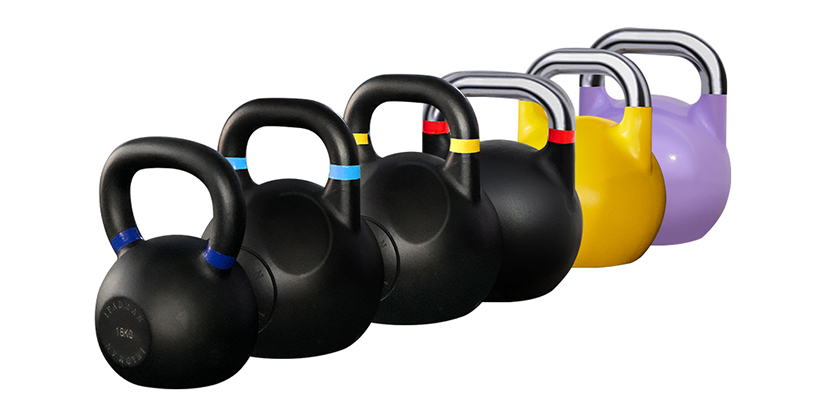
To effectively manage the Total Cost of Ownership (TCO), procurement teams must look beyond the initial unit price and evaluate the potential for operational downtime. Understanding how different failure modes impact your facility's workflow allows for more accurate budgeting and inventory forecasting. The following table provides a framework for assessing how coating degradation correlates with operational disruption.
Table: Coating Integrity vs. Operational Impact
| Failure Mode | Typical Use Environment | Maintenance Window | Replacement Cycle Impact |
|---|---|---|---|
| Minor Surface Scuffing | Low to Moderate Intensity | Routine cleaning/inspection | Minimal; standard lifecycle maintained |
| Localized Peeling | High-Frequency Training | Bi-annual assessment | Moderate; requires early replacement of specific SKUs |
| Full Delamination | Heavy Commercial/High Impact | Immediate/Urgent | High; significant impact on inventory turnover |
For distributors and large-scale gym operators, identifying these patterns during the sampling phase is essential. A reliable supplier will provide specifications that minimize these risks, ensuring that the transition from procurement to active floor use is seamless and cost-effective.
Comparing Material Longevity: Rubber vs Vinyl Performance
When sourcing for high-traffic facilities, the distinction between material types often dictates the long-term total cost of ownership. In a professional vinyl coated kettlebell review, one must look beyond aesthetics to the structural integrity of the outer layer. The primary concern for procurement managers is how the coating handles the kinetic energy of repetitive drops and heavy usage within commercial gym environments.
The fundamental difference lies in the relationship between coating thickness and impact resistance. While rubberized coatings are designed for high-impact absorption and heavy-duty durability, vinyl coatings offer a sleek, non-porous finish that excels in hygiene and grip consistency. Understanding the rubber vs vinyl kettlebell durability trade-off is essential for balancing initial procurement budgets against eventual replacement cycles.
| Feature Attribute | Vinyl Coated Option | Rubberized/Cast Iron Option |
|---|---|---|
| Surface Resilience | High resistance to moisture and sweat | High resistance to heavy impact/drops |
| Coating Integrity | Dependent on thickness to prevent peeling | Highly durable under extreme friction |
| Maintenance Profile | Easy to sanitize; low upkeep | May require more frequent cleaning |
| Best Use Case | Boutique studios and wellness centers | High-intensity functional training zones |
For distributors, selecting the right specification means evaluating whether the vinyl coated kettlebell's protective layer is sufficient to withstand the specific mechanical stresses of the client's facility layout.
When calculating the commercial vinyl kettlebell lifespan, procurement officers should prioritize the quality of the bonding process. A superior manufacturing standard ensures that the coating adheres tightly to the iron core, preventing the common issue of delamination or peeling during high-frequency use. This distinction is vital when assessing gym equipment maintenance costs, as poorly bonded coatings often lead to premature replacement cycles and increased labor for facility staff.
Beyond simple wear, the surface integrity of the material dictates how much time is spent on upkeep. While vinyl excels in moisture resistance—making it ideal for environments with high humidity or frequent sweat exposure—it requires a specific level of coating thickness to avoid visible wear patterns from metal-on-metal contact during heavy training. For large-scale distributors and facility owners, balancing these durability factors against the initial unit cost is the key to achieving a sustainable long-term ROI.
Ultimately, a smart procurement strategy hinges on matching the equipment specification to the specific operational rhythm of the facility. For boutique wellness studios, high-end yoga retreats, or boutique fitness franchises, the aesthetic appeal and ease of sanitization offered by vinyl often outweigh the ruggedness of traditional rubber. In these settings, the focus is on a premium user experience and low-effort hygiene maintenance.
Conversely, for large-scale commercial gyms or high-traffic functional training centers, the risk of mechanical damage from heavy drops is higher. In such environments, buyers should prioritize high-density casting and reinforced bonding to ensure maximum material longevity. We recommend that distributors and facility managers conduct a tiered inventory selection: utilize vinyl-coated options for specialized studio zones and premium training areas, while reserving heavy-duty rubberized or cast iron units for high-impact strength zones. This nuanced approach optimizes the total cost of ownership by deploying the most resilient materials exactly where the highest frequency of impact occurs.
Calculating Total Cost of Ownership and Maintenance Cycles
For facility managers and distributors, the procurement decision extends far beyond the initial purchase order. A comprehensive vinyl coated kettlebell review must account for the Total Cost of Ownership (TCO), which balances the upfront acquisition cost against the long-term operational expenses. While vinyl-coated options often present a lower entry price point compared to premium cast iron or heavy-duty rubber alternatives, the true value lies in the replacement cycle.
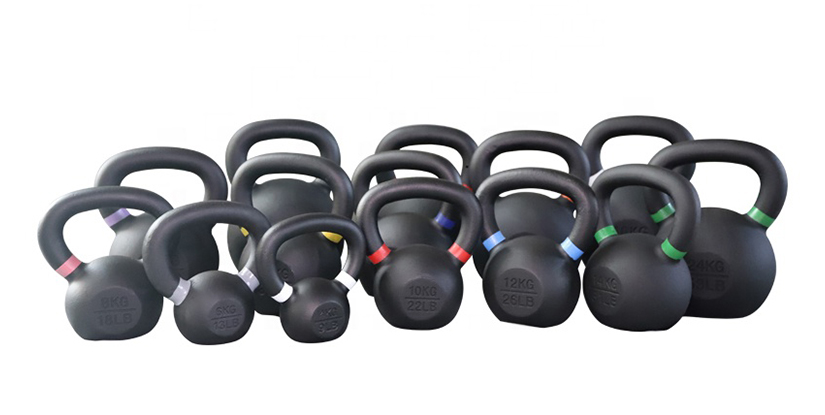
When evaluating rubber vs vinyl kettlebell durability, the primary concern is the integrity of the outer layer under high-frequency commercial use. A high-quality coating prevents oxidation and protects the internal core, but inferior manufacturing can lead to premature peeling or cracking. Understanding the commercial vinyl kettlebell lifespan is essential for accurate budgeting; an undervalued initial investment often results in higher initial investment vs replacement cycles costs when equipment must be phased out prematurely due to aesthetic or structural degradation. For large-scale distributors, selecting a manufacturer with strict quality control on coating thickness is the most effective way to mitigate these recurring replacement costs.
To optimize your procurement budget, it is necessary to differentiate between high-traffic strength zones and general functional training areas. The durability of the coating is directly proportional to the application thickness applied during the manufacturing process. A thicker, more uniform layer of vinyl provides a superior buffer against impact, significantly extending the interval between replacement orders.
The following table provides a comparative overview to assist in evaluating the long-term ROI based on typical commercial usage profiles:
| Material Type | Typical Lifespan (Commercial) | Maintenance Frequency | Estimated Replacement Interval |
|---|---|---|---|
| Standard Vinyl Coating | 2–3 Years | Moderate (Surface Cleaning) | Frequent (High-Impact Zones) |
| Premium Thick-Wall Vinyl | 4–6 Years | Low (Occasional Inspection) | Extended (General Training) |
| Heavy-Duty Rubber | 5–8+ Years | Low (Debris Removal) | Long-Term (High-Intensity/CrossFit) |
When sourcing in bulk, we recommend prioritizing suppliers who can provide specifications regarding coating thickness and density. This level of detail is critical for minimizing gym equipment maintenance costs and ensuring your inventory remains professional in appearance for as long as possible.
Mitigating Risk via Rigorous Quality Control
To safeguard your margins, procurement teams must move beyond visual inspections and implement specific QC protocols during the factory audit or pre-shipment stage. A common pitfall in large-scale orders is neglecting the adhesion strength of the vinyl to the iron core. We advise requesting samples or video documentation that specifically highlights peeling resistance and edge integrity. If the coating is prone to chipping at the handle junctions or the base, the product will fail under standard commercial friction, leading to rapid inventory turnover.
Beyond material integrity, logistics and storage considerations play a significant role in the final TCO. Unlike raw cast iron, vinyl-coated items are sensitive to extreme temperature fluctuations during maritime transit. Ensure your freight forwarder manages climate-controlled or well-ventilated shipping environments to prevent the "sweating" effect, which can compromise coating adhesion and lead to bubbling. By verifying thickness consistency and establishing strict inspection points for surface defects before the container is sealed, distributors can effectively minimize the hidden costs of returns and client dissatisfaction.
Optimizing Inventory and Bulk Shipping Logistics
For procurement managers and distributors, the true cost of a shipment extends far beyond the unit price. A critical factor often overlooked in a vinyl coated kettlebell review is how the physical dimensions of the product impact your landed cost. Unlike cast iron alternatives, the vinyl layer adds a specific thickness that alters the weight-to-size ratio of each piece. While this coating provides essential protection for gym flooring and equipment, it also increases the overall shipping volume per unit.
When planning large-scale orders, you must account for how this increased bulk affects container utilization. A higher volume-to-weight ratio means that your freight capacity may be reached by volume before the maximum weight limit of the container is hit. To achieve true freight optimization, we recommend working closely with your supplier to coordinate pallet configurations that minimize dead space. Efficiently managing these spatial requirements ensures that your bulk shipments remain cost-effective, preventing unexpected surcharges during international transit.
To assist in your procurement planning, the following comparison highlights how material choice impacts your logistical footprint. When evaluating rubber vs vinyl kettlebell durability, it is essential to look beyond surface resilience and consider the total cost of ownership, including storage and shipping efficiency.
| Metric | Vinyl Coated Kettlebells | Standard Rubber/Cast Iron |
|---|---|---|
| Shipping Density | Lower (increased volume per kg) | Higher (compact profile) |
| Storage Footprint | Larger (requires more rack/shelf space) | Compact (standardized dimensions) |
| Commercial Lifespan | High (if coating integrity is maintained) | Variable (subject to surface wear) |
| Maintenance Profile | Low (easy to sanitize/wipe down) | Moderate (can require specialized care) |
While the commercial vinyl kettlebell lifespan is often extended by its ease of cleaning, the increased diameter means you will likely face a higher storage footprint per set. For distributors, this means calculating your warehouse capacity based on volume rather than just weight. We suggest auditing your rack dimensions before finalizing large-scale MOQs to ensure your inventory management remains streamlined and cost-efficient.

The Impact of QC on Total Cost of Ownership
Beyond the initial logistics, the long-term profitability of your inventory depends heavily on the manufacturing standards of the coating process. In a professional setting, the material integrity of the vinyl layer is the primary determinant of how often a facility must cycle through new stock. If the bond between the inner core and the outer skin is inconsistent, even minor temperature fluctuations or heavy usage can lead to peeling or cracking.
For distributors and facility owners, these defects translate directly into increased gym equipment maintenance costs and higher replacement frequency. A low-quality batch might offer a lower upfront price, but the resulting downtime and the need for frequent re-ordering can erode your bulk procurement ROI. When sourcing, it is vital to verify that the manufacturer employs strict quality control protocols to ensure uniform coating thickness. Investing in high-specification products minimizes the risk of premature failure, ensuring that your capital is spent on durable assets rather than constant replacement cycles.
Final Inspection Protocols for High-Volume Wholesale Orders
For distributors and gym owners, the true cost of a product is rarely the initial invoice, but rather the replacement frequency. A common failure point in low-tier manufacturing is inconsistent coating application, which leads to premature peeling or cracking under high-frequency use. This lack of batch uniformity can turn a profitable inventory into a liability. When conducting a vinyl coated kettlebell review for your next shipment, you must look beyond the surface aesthetics and focus on the structural integrity of the outer layer.
To ensure a long commercial vinyl kettlebell lifespan, procurement professionals should demand strict adherence to specific quality control metrics. Reliable suppliers perform rigorous adhesion testing to ensure the vinyl bond remains intact against the cast iron core even under temperature fluctuations. Furthermore, verifying coating thickness consistency is non-negotiable; uneven layers create weak points that fail during heavy impact. By implementing these inspection protocols during the factory audit stage, buyers can mitigate the risks of high gym equipment maintenance costs and ensure their facility receives a durable, high-performance product.
Upon arrival at the warehouse or distribution center, the receiving team must move beyond simple piece counts to perform a systematic quality audit. While rubber vs vinyl kettlebell durability is often discussed in terms of impact resistance, the immediate concern during intake is the detection of manufacturing defects that could lead to mass returns. A standardized inspection framework ensures that every unit in a high-volume shipment meets the required commercial standards before they are integrated into your inventory or deployed to a client site.
Use the following checklist to evaluate the physical and visual integrity of your incoming stock:
| Inspection Metric | Critical Checkpoint | Defect Red Flag |
|---|---|---|
| Coating Integrity | Inspect for bubbles, uneven thickness, or thin patches. | Visible peeling or separation from the iron core. |
| Surface Smoothness | Run hands over the bell to detect grit or texture inconsistencies. | Rough edges or jagged points on the handle. |
| Weight Distribution | Verify weight accuracy against the marked specification. | Significant variance or "lopsided" feel during movement. |
| Structural Soundness | Check for dents, cracks, or deep gouges in the vinyl. | Any hairline fractures or impact-induced depressions. |
Rigorous adherence to this protocol protects your margins. Identifying a defective batch at the loading dock is significantly more cost-effective than managing widespread product failures once the equipment is already in active use within a commercial facility.
Effective procurement is defined by how well you manage the total cost of ownership (TCO). While the initial unit price is a primary driver, the long-term financial impact is dictated by how many replacement cycles occur over the equipment's life. To protect your margins, you must establish clear shipment acceptance protocols that go beyond basic quantity verification. High-volume buyers should never treat the delivery as a mere logistical hand-off; it is the final line of defense against high gym equipment maintenance costs caused by manufacturing inconsistencies.
When managing bulk order verification, it is essential to define and enforce defect rate thresholds within your purchase agreements. For instance, a shipment may be technically "complete" in terms of piece count, but if 5% of the vinyl coating shows signs of bubbling or poor adhesion, the entire batch may pose a reputational risk to your brand or facility. By setting a strict maximum allowable defect percentage—typically under 1% for premium commercial-grade goods—you ensure that the cost of returns and replacements does not erode your profitability. Proactive inspection at the point of intake transforms a reactive maintenance model into a predictable, high-standard procurement strategy.