Selecting Best Vinyl Kettlebell Options for Retail Inventory
Vetting Manufacturers for High-Grade Vinyl Coating Integrity
Many distributors fall into the trap of prioritizing low unit costs, only to face high return rates when the product fails in the field. A common mistake is overlooking the chemical bond between the core and the outer layer, leading to premature peeling. A more sophisticated sourcing approach involves auditing the manufacturer’s ability to maintain adhesion strength under thermal fluctuations, ensuring the product survives the rigors of high-traffic gym environments without cosmetic or structural degradation.
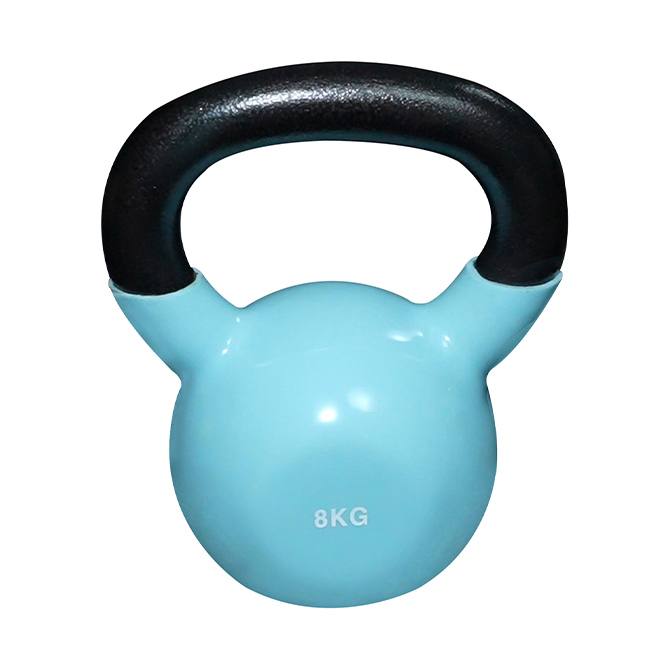
When sourcing vinyl coated kettlebell wholesale orders, procurement professionals must look beyond surface aesthetics. High-quality vinyl is characterized by superior crack resistance and the ability to withstand repetitive impact without losing its grip or texture. Instead of a generic search for the best vinyl kettlebell, technical buyers should demand specifications regarding the coating's elasticity and the precision of the casting process. This technical scrutiny ensures that your inventory remains a reliable asset for commercial clients rather than a recurring maintenance liability.
To mitigate the risk of defective shipments, procurement officers should implement a rigorous inspection protocol during the sample testing or factory audit phase. Relying on visual inspection alone is insufficient for assessing long-term durability. A professional buyer must verify how the coating responds to environmental stressors such as UV exposure and rapid temperature shifts, which can often lead to brittleness or delamination in inferior batches.
Use the following technical checklist to evaluate the structural integrity of the coating during your next quality control assessment:
| Test Metric | What to Look For | Red Flag |
|---|---|---|
| Thickness Uniformity | Consistent layer depth across the handle and bell body | Thinning near seams or uneven pooling in crevices |
| UV Resistance | No discoloration or surface chalking under light exposure | Yellowing or surface cracking when exposed to sunlight |
| Temperature Stability | Retention of elasticity in both cold and heated environments | Hardening/brittleness in cold or softening/stickiness in heat |
| Adhesion Strength | Seamless bond between the cast iron core and vinyl layer | Visible air bubbles or peeling at the edges of the handle |
By standardizing these metrics, fitness equipment distribution partners can ensure that their SKU selection meets the high-performance expectations of commercial gym owners, reducing the total cost of ownership and long-term replacement cycles.
The true cost of a product is rarely found in the initial invoice, but rather in the frequency of its replacement. In the context of gym supply procurement, choosing a low-grade coating to save on upfront margins often leads to a higher Total Cost of Ownership (TCO). When the vinyl layer fails due to poor adhesion or low-density polymers, the resulting replacement cycles become a logistical burden for both the distributor and the end-user. Frequent returns and replacement shipments not only erode profit margins but also damage the reputation of the supplier in the competitive North American market.
Beyond the product lifecycle, the quality of the coating directly influences shipping damage prevention. Inferior vinyl layers are often prone to "bruising" or permanent deformation during transit if they lack the necessary structural elasticity. A robust, high-density coating acts as a protective buffer, shielding the internal cast iron core from the mechanical stresses of long-distance container shipping. For distributors managing high-volume inventory, investing in a superior coating specification is a strategic move to minimize transit-related claims and ensure that the product arrives in showroom-ready condition, ultimately protecting the bottom line.
Standardizing Quality Control Audits for Batch Consistency
For distributors managing high-volume fitness retail, the most significant hidden cost is not the initial unit price, but the logistical burden of processing defective goods. When sourcing the best vinyl kettlebell options, the primary risk lies in fluctuations between production runs. A lack of strict batch consistency often leads to visible discrepancies in color hue, texture, or coating thickness, which can immediately damage a retailer's brand reputation.
Variations in coating durability are particularly problematic; a batch with substandard adhesion will suffer from premature peeling or cracking under standard commercial use. For procurement professionals, implementing rigorous quality control standards during the factory audit phase is essential to ensure every SKU meets the same specification. By prioritizing manufacturers who demonstrate stable material properties across multiple shipments, buyers can achieve significant return rate reduction. Ultimately, maintaining high manufacturing uniformity protects the long-term Total Cost of Ownership (TCO) and ensures that your inventory remains a reliable asset rather than a liability for customer service teams.
To mitigate these risks, procurement teams should implement a standardized inspection framework during the receiving or factory audit phase. Relying solely on visual inspection is insufficient for high-volume vinyl coated kettlebell wholesale orders, as internal structural flaws or microscopic coating gaps may not be immediately apparent. A robust procurement checklist must include specific physical testing protocols to validate the integrity of the product before it enters your distribution network.
First, prioritize adhesion testing to ensure the vinyl layer is chemically bonded to the cast iron core. A common method involves a localized scratch test or a specialized pull test to confirm the coating will not delaminate during high-impact movements. Second, evaluate thickness uniformity across the entire surface. Use digital calipers to measure the coating at multiple points—specifically around the handle and the base—to ensure there are no thin spots that could lead to premature wear. This level of scrutiny ensures that your fitness equipment distribution remains consistent, preventing the high cost of replacement and customer dissatisfaction caused by uneven or substandard manufacturing.
To streamline the inspection process, we recommend using a quantitative audit framework. Rather than relying on subjective assessments, procurement specialists should utilize the following metrics to differentiate between premium manufacturing and low-grade production. This ensures that your inventory meets the rigorous demands of commercial gym environments.
| Metric | Ideal Specification | Red Flag |
|---|---|---|
| Thickness Consistency | Uniform distribution across handle and body via caliper testing | Visible thinning or "pooling" of material at the base |
| Surface Smoothness | Consistent, non-tacky texture with zero particulate contamination | Pitted surfaces, air bubbles, or unexpected stickiness |
| Edge Seamlessness | Smooth transition between the handle and the core casting | Sharp ridges, exposed metal, or jagged coating edges |
Utilizing this technical benchmark allows a buyer to verify factory capability beyond basic visual checks. When evaluating gym supply procurement options, a manufacturer that provides consistent data across these three metrics demonstrates a much higher level of process control, significantly reducing the likelihood of defective shipments and subsequent credit claims.
Managing Warranty Claims and Material Defect Protocols
For distributors and gym supply procurement specialists, the true cost of an inventory item extends far beyond the initial landed price. When sourcing a vinyl coated kettlebell, the primary threat to your long-term ROI is not the unit cost, but the potential for high cost of returns driven by manufacturing inconsistencies. A single batch with poor coating adhesion can lead to widespread peeling or cracking under standard commercial use, quickly escalating from a minor nuisance to a significant logistical and financial burden.
A subtle material defect—such as air pockets trapped beneath the vinyl or an improper chemical bond between the cast iron core and the outer layer—often remains invisible during initial receiving. However, once these products enter a high-traffic retail or gym environment, the failure rate spikes. To protect your margins, it is essential to implement strict quality control (QC) protocols during the factory inspection phase. Relying on rigorous testing of coating elasticity and bond strength ensures that your inventory remains a reliable asset rather than a source of constant warranty claims.
Effective fitness equipment distribution requires a proactive approach to quality assurance. Rather than waiting for end-user complaints, distributors should utilize a structured inspection criteria framework during the pre-shipment stage. By identifying common defect types before the goods leave the factory, you can significantly reduce the frequency of costly warranty protocol executions and inventory write-offs.
The following table provides a practical benchmark for evaluating vinyl kettlebell wholesale orders during the final inspection phase:
| Inspection Focus | Critical Defect Type | Acceptance Standard |
|---|---|---|
| Coating Integrity | Peeling, Bubbling, or Cracking | No visible air pockets or separation under standard UV/temperature stress. |
| Core Stability | Weight Imbalance or Casting Voids | Uniform density; weight deviation must stay within ±2% of rated capacity. |
| Handle Ergonomics | Sharp Edges or Surface Irregularities | Smooth transition between handle and vinyl; no protruding metal edges. |
| Adhesion Strength | Delamination under pressure | Coating remains intact when subjected to moderate manual compression. |
Implementing these standards allows you to hold manufacturers accountable to a specific quality baseline, ensuring that your best vinyl kettlebell selections remain profitable throughout their entire lifecycle.
Beyond material integrity, a significant portion of inventory loss in gym supply procurement stems from preventable logistical failures. It is vital to distinguish between a manufacturing defect and shipping damage to maintain accurate accountability with your suppliers. While a structural flaw in the cast iron core is a factory-level failure, surface scuffs or dented packaging are often the result of inadequate protection during transit. To mitigate this, demand high-grade packaging durability standards from your wholesale partners, such as reinforced corrugated dividers and heavy-duty polybags that prevent weight-induced crushing during sea or air freight.
To safeguard your long-term inventory risk, establish a clear protocol for unboxing and initial inspection. If a shipment arrives with crushed boxes or compromised seals, the issue is likely a logistics failure; however, if the vinyl coating shows widespread bubbling or uneven weight distribution across a single SKU, you are facing a production-level issue. By standardizing these definitions, distributors can effectively manage claims, ensuring that your capital is protected against both subpar craftsmanship and mishandled freight.
Optimizing SKU Selection for Diverse Retail Demands
Successful inventory management requires more than just high volume; it demands a strategic understanding of where your products will ultimately land. The best vinyl kettlebell offerings are those that satisfy the divergent needs of two distinct market segments: the residential consumer and the professional fitness facility. While a home gym user prioritizes aesthetics, floor protection, and compact storage, a commercial studio requires high-frequency durability and standardized weight increments to support structured programming.
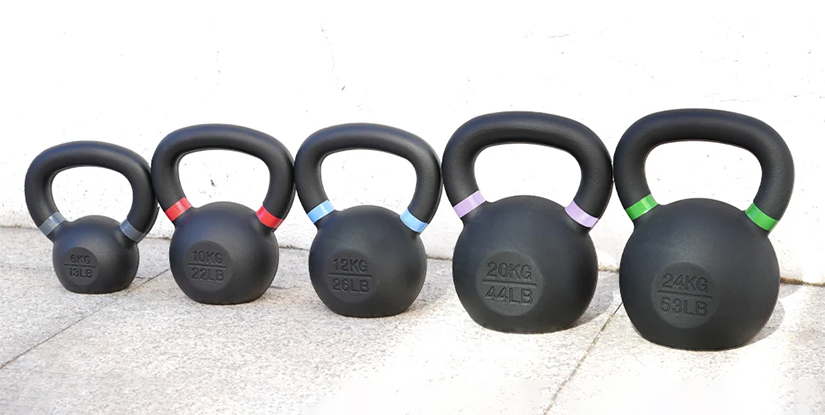
Distributors must balance the breadth of their catalog to ensure they are not overstocked on niche sizes while facing shortages in high-demand weight classes. For example, residential clients often gravitate toward lighter, color-coded sets, whereas commercial clients demand a seamless progression of heavy weights. To optimize your procurement strategy, consider the following distribution profiles:
| Target Segment | Primary Requirement | Ideal Weight Increments | Inventory Strategy |
|---|---|---|---|
| Home Fitness Retail | Aesthetics & Floor Safety | Small gaps (e.g., 2kg/4lb) | High variety of colors/light weights |
| Boutique Studios | Durability & Aesthetics | Standardized (e.g., 4kg/8kg/12kg) | Mid-range weight density |
| Commercial Gyms | High-Volume Throughput | Strict increments (e.g., 5kg/10kg) | Heavy-duty, high-weight SKUs |
By aligning your stock levels with these specific use cases, you mitigate the risk of dead stock and ensure your warehouse reflects the actual purchasing velocity of your target demographics.
Beyond weight distribution, professional fitness equipment distribution necessitates a rigorous evaluation of coating specifications. When sourcing vinyl coated kettlebell wholesale orders, the primary concern for high-traffic environments is the long-term integrity of the outer layer. In high-use settings, such as HIIT studios or commercial training centers, the vinyl must withstand constant friction, temperature fluctuations, and potential impact without peeling or cracking.
A common pitfall in procurement is overlooking the coating durability relative to the core weight. Heavier SKUs undergo significantly more mechanical stress during ground-to-overhead movements. If the bond between the cast iron core and the vinyl skin is insufficient, the coating may fail prematurely, leading to high return rates and diminished brand trust. We recommend auditing your suppliers specifically for their adhesion testing protocols. Ensuring that the vinyl thickness is consistent across all weight ranges helps prevent weight gaps in perceived quality, providing a uniform user experience from the lightest 4kg unit to the heaviest 32kg model. This attention to material specification is what separates standard retail stock from premium commercial-grade inventory.
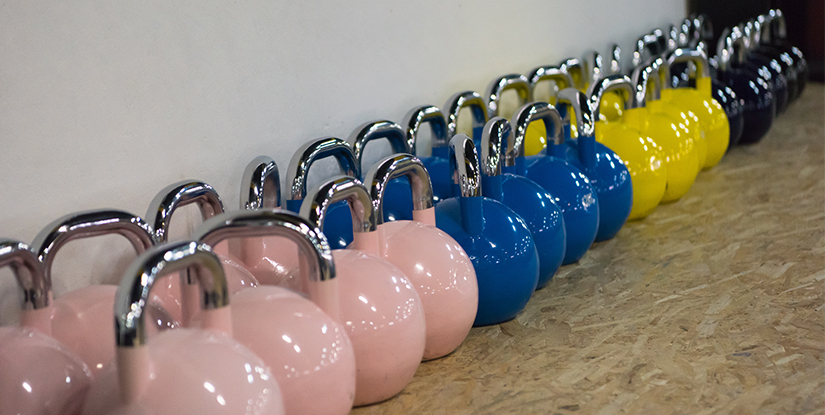
Effective gym supply procurement involves more than just selecting a single product line; it requires a nuanced approach to how different SKU profiles serve specific end-users. A one-size-fits-all inventory strategy often leads to capital being tied up in slow-moving weights that do not match the velocity of your primary sales channels. To maximize turnover and minimize dead stock, distributors should categorize their orders based on the expected environment of the end-user.
The following table outlines the recommended weight ranges and strategic focus for various market segments to assist in your next vinyl coated kettlebell wholesale order planning:
| SKU Profile | Target Market | Recommended Weight Range | Primary Benefit |
|---|---|---|---|
| Aesthetic/Lightweight | Residential & Home Gym | 2kg – 12kg (4lb – 26lb) | Floor protection & color variety |
| Standard/Versatile | Boutique Studios & PT | 8kg – 20kg (16lb – 44lb) | Balanced durability & ease of use |
| Heavy/High-Performance | Commercial Fitness Centers | 16kg – 32kg+ (35lb – 70lb+) | High-impact resistance & stability |
By tailoring your procurement to these profiles, you ensure that your inventory reflects the actual demand of your client base, whether they are small-scale retailers or large-scale facility operators.
Evaluating Weight Graduations and Core Stability
For distributors and gym supply procurement specialists, the long-term value of a product line is often dictated by how well it withstands rigorous, repetitive use. A common failure point in lower-tier inventory is the disconnect between internal weight distribution and external protection. When sourcing the best vinyl kettlebell, it is critical to look beyond the surface aesthetics and evaluate the relationship between manufacturing precision and structural longevity.
High-quality production requires a strict adherence to uniform density across all weight increments. If the internal core is off-center or inconsistent, the resulting weight shifts during movement can cause micro-fractures in the outer shell. This lack of balance often leads to compromised coating integrity, where the vinyl begins to peel or crack under high-impact or high-frequency use. For B2B buyers, ensuring that the factory maintains tight tolerances is essential to minimizing returns and maintaining a reputation for reliability in the fitness equipment distribution market.
To mitigate the risk of premature stock replacement, procurement teams should utilize a technical assessment framework when vetting manufacturers. A common issue in vinyl coated kettlebell wholesale orders is inconsistent shell thickness, which creates weak points during high-impact drops or heavy use. Relying on a standardized comparison helps identify whether a supplier can maintain internal core stability across a full range of SKUs without developing significant weight gaps or structural deformities.
The following table provides a technical benchmark for evaluating the durability of standard weight ranges against common structural vulnerabilities:
| Weight Range (kg) | Typical Core Material | Target Shell Thickness | Primary Durability Concern |
|---|---|---|---|
| 4kg – 8kg | Solid/High-Density Poly | 1.5mm – 2.5mm | Surface abrasion and coating peel |
| 10kg – 16kg | Cement/Sand Composite | 2.5mm – 4.0mm | Internal settling and weight gaps |
| 20kg – 32kg+ | Iron/Steel Core | 4.0mm+ | Stress fractures at handle junctions |
Distributors should prioritize suppliers who demonstrate high precision in core-to-shell adhesion. Ensuring that the internal weight remains centered prevents the uneven wear that often plagues budget-tier imports, ultimately protecting your bottom line through reduced warranty claims.
Beyond individual unit aesthetics, the true measure of quality in gym supply procurement is the precision of weight tolerance. In high-traffic commercial environments, even a slight deviation between the declared weight and the actual mass can indicate a lack of internal structural integrity. Inconsistent density within the core often leads to uneven stress distribution, which is a primary driver of shell cracking over extended operational cycles. When the internal load shifts or settles, the resulting pressure points can compromise the vinyl barrier, leading to unsightly leaks or total structural failure.
For those managing large-scale fitness equipment distribution, these technical discrepancies translate directly into a higher long-term TCO (Total Cost of Ownership). A product that appears cost-effective at the point of purchase but requires frequent replacement due to weight-induced shell degradation will inevitably erode profit margins and client trust. We recommend that buyers demand rigorous QC documentation regarding the weight accuracy and shell adhesion of each SKU to ensure the inventory can withstand the mechanical stresses of professional training environments.
Logistics Strategies for Maximizing Container Payload Efficiency
For distributors managing high-volume imports, the true cost of a product is rarely determined by the unit price alone. When sourcing vinyl coated kettlebell wholesale orders, the relationship between product dimensions and shipping density becomes a critical variable in your margin calculations. Unlike compact steel weights, the outer diameter of a vinyl-encased bell adds significant volume without adding proportional mass, creating a unique challenge for fitness equipment distribution.
A common pitfall in gym supply procurement is failing to account for the ratio of shipping volume vs. weight. Because vinyl kettlebells are relatively light compared to their physical footprint, containers often reach their volumetric capacity long before reaching their maximum weight limit. To achieve true landed cost optimization, procurement specialists must prioritize container utilization. This involves working closely with manufacturers to refine packaging configurations and nesting strategies, ensuring that every cubic meter of sea freight is effectively utilized to lower the per-unit freight burden.

Choosing the right packaging configuration is a strategic decision that balances upfront shipping costs against the risk of transit damage. When evaluating the best vinyl kettlebell options for your inventory, you must decide whether to prioritize high-density bulk loading or individual unit protection. While nesting products can significantly increase your container payload, it also increases the pressure exerted on the lower layers of the shipment.
Distributors should evaluate the following packaging models based on their specific supply chain requirements and the fragility of the vinyl coating during long-haul transit:
| Packaging Type | Volume Efficiency | Protection Level |
|---|---|---|
| Standard Individual Box | Low | High (Minimal breakage risk) |
| Nested/Bulk Packing | High (Maximum density) | Moderate (Higher pressure risk) |
Standard individual boxing is often the preferred choice for premium retail SKUs where maintaining a pristine aesthetic is paramount. While this method results in a higher cost-per-unit impact due to increased volumetric weight, it drastically reduces the breakage risk associated with vinyl tearing or surface scuffing. Conversely, nested bulk packing is an excellent tool for maximizing container payload for high-volume, budget-conscious gym supplies, provided the manufacturer uses reinforced outer cartons to prevent structural deformation of the bottom-tier units.
Beyond packaging, efficient gym supply procurement requires a strategic approach to SKU architecture. To maximize the value of every shipment, distributors should optimize their weight increments to ensure a balanced cargo profile. A common mistake is ordering a highly fragmented range of weights that results in excessive dead space within the container. Instead, focus on a streamlined selection of core weights that allows for more predictable load balancing.
When planning large-scale orders, consider the physical geometry of the product line. A cohesive set of weight increments—such as 2kg or 4kg jumps—allows for more consistent stacking patterns. This consistency is vital for shipping stability; when products are uniform in shape and volume, they nest more effectively, reducing the need for additional dunnage and preventing shifting during transit. By aligning your SKU selection with high-density loading patterns, you can increase the total unit count per container, effectively lowering your landed cost per piece and improving overall procurement margins.
Calculating Total Landed Cost for Bulk Imports
For distributors and fitness equipment wholesalers, the most common pitfall in procurement is focusing exclusively on the unit price. While a low per-unit cost might initially appear attractive on a quote, it often obscures the true cost of moving heavy, high-volume inventory across borders. To maintain healthy margins, procurement professionals must shift their focus from the factory price to the total landed cost.
When sourcing vinyl coated kettlebell wholesale orders, the weight-to-volume ratio is a critical variable. Because kettlebells are high-density products, shipping costs are driven by both actual weight and the volumetric footprint of the packaging. A supplier might offer a highly competitive price, but if their packaging configuration is inefficient, the resulting increase in shipping volume can quickly erode your profit margins. In the world of fitness equipment distribution, a "cheap" SKU can become an expensive liability if the logistical overhead exceeds the initial savings. Successful buyers evaluate the entire supply chain—from factory loading optimization to final port delivery—to ensure that the landed cost aligns with their retail pricing strategy.
Beyond the ocean freight, several logistical variables can disrupt your budget if they are not accounted for during the initial planning phase. A comprehensive procurement strategy requires a deep dive into the "hidden" expenses that occur once the shipment leaves the factory floor. For instance, import duties can vary significantly depending on the specific HS code classification used for vinyl-coated items, making it essential to verify these rates before finalizing a purchase order.
Once the shipment arrives at the destination, the cost chain continues with customs clearance fees and port handling charges. These are often overlooked but can add substantial overhead to a bulk order. Furthermore, the "last mile" of the journey—moving the heavy, palletized kettlebells from the port to your facility—requires careful budgeting for local drayage. If your distribution center is located far from the primary port of entry, these ground transportation costs can escalate quickly. Finally, do not forget to factor in warehousing costs; because kettlebells are high-density items, they require robust, organized storage solutions that impact your long-term inventory carrying costs. By accounting for these variables, you can build a more accurate model for your gym supply procurement and ensure predictable margins.
Choosing the right logistics model is a balancing act between speed, volume, and capital efficiency. For most distributors, the decision between LCL (Less than Container Load) and FCL (Full Container Load) dictates not just the immediate freight expense, but also the long-term stability of your inventory turnover. While LCL offers flexibility for smaller, more frequent restocks, FCL remains the gold standard for maximizing the margin on a best vinyl kettlebell order due to its lower per-unit shipping cost and reduced handling risks.
To assist in your procurement planning, we have outlined a comparison of the two most common shipping methods used in global fitness equipment distribution. This model helps you evaluate how freight expenditures and lead times impact your total landed cost and risk profile.
| Logistics Factor | LCL (Less than Container Load) | FCL (Full Container Load) |
|---|---|---|
| Freight Cost Efficiency | Higher per-unit cost; ideal for smaller, specialized SKUs. | Lower per-unit cost; maximizes economies of scale for bulk orders. |
| Lead Time Impact | Variable; subject to consolidation schedules at the port. | Predictable; direct transit from factory to destination port. |
| Risk Assessment | Higher risk of damage due to multiple handlings and shared space. | Minimal risk; the container remains sealed from origin to destination. |
| Best Use Case | Testing new weight increments or maintaining low stock levels. | Standardizing core inventory and maximizing gross margins. |
When calculating your final budget, remember that while FCL requires a higher upfront capital investment and higher Minimum Order Quantities (MOQ), it significantly reduces the likelihood of unexpected "hidden" fees associated with multiple cargo handlings. For high-density items like vinyl-coated weights, optimizing your container utilization is often the single most effective way to lower your total cost of goods sold (COGS).