Optimizing Inventory for Vinyl Coated Kettlebell Sales
Optimizing Floor Layout and High-Traffic Deployment
Many distributors make the mistake of treating kettlebell inventory as static weight, failing to account for the dynamic spatial footprint required in a functional training zone. A common procurement error is sourcing high-density weight without considering the impact on facility flow or the long-term maintenance of the flooring. Instead of viewing a kettlebell vinyl coated line as just another SKU, professional buyers should treat it as a strategic asset designed for high-traffic deployment, where the interaction between the product and the surface determines the facility's longevity.
When planning the layout for a commercial gym, the spatial footprint of a kettlebell station must account for both the physical diameter of the bell and the centrifugal force of the user's movement. Because these units are often used in high-intensity circuits, the durability of coating becomes a critical factor in floor protection. A high-quality vinyl finish does more than prevent rust; it acts as a buffer that minimizes surface abrasions and impact shock. For distributors, ensuring that the product line meets these structural standards is essential to reducing client complaints regarding floor scuffing or damaged sub-flooring in high-use areas.
Selecting the right coating type is a fundamental B2B procurement decision that directly impacts a client's facility management and long-term operational costs. While a rubber coated kettlebell wholesale order might offer rugged durability for heavy lifting zones, the vinyl option provides a distinct advantage in specialized environments where hygiene and spatial aesthetics are prioritized.
To assist in your inventory planning, the following comparison highlights how different coatings interact with floor space and usage intensity. This helps distributors advise clients on whether to invest in high-impact rubber or the more streamlined, easy-to-clean profile of vinyl.
| Feature | Vinyl Coated Kettlebell | Rubber Coated Kettlebell |
|---|---|---|
| Space Efficiency | High; smooth profile allows for tighter nesting and storage. | Moderate; thicker texture may require more clearance. |
| Floor Impact | Excellent for light-to-medium impact; prevents scuffs. | Superior for heavy impact; absorbs high shock loads. |
| Maintenance Frequency | Low; easy to wipe down in high-traffic circuit zones. | Moderate; texture can trap dust or sweat buildup. |
| Ideal Deployment | Boutique studios, HIIT zones, and home gym segments. | Heavy-duty strength training and CrossFit boxes. |
For distributors, balancing these variables ensures that the product line matches the specific architectural constraints and cleaning protocols of the end-user's facility.
Beyond the immediate deployment layout, effective fitness inventory management requires a sophisticated approach to warehouse and showroom organization. Unlike loose iron weights, a premium kettlebell vinyl coated line often benefits from specialized storage solutions that maximize cubic volume rather than just square footage. For high-volume gym equipment distribution, the goal is to minimize the physical footprint of the stock while maintaining rapid accessibility for fulfillment.
To optimize SKU turnover and reduce labor costs during picking and packing, distributors should prioritize products that support vertical storage configurations. Utilizing heavy-duty, tiered racking systems or custom-molded vertical stands allows you to stack weight increments without risking the cosmetic integrity of the vinyl coating. This verticality is essential when managing tight warehouse margins or creating high-end showroom displays. Furthermore, sourcing products with shelf-ready packaging or standardized dimensions simplifies the replenishment cycles, ensuring that as one weight class sells out, the replacement arrives in a format that fits perfectly back into the existing storage footprint. By aligning your procurement with these structural efficiencies, you reduce the time and space wasted on disorganized, low-density stock.
Durability Profiles of Vinyl vs. Traditional Coatings
When evaluating stock for high-traffic commercial facilities, distributors must distinguish between surface longevity and impact resistance. While rubber coated kettlebell wholesale options are standard for heavy lifting, the kettlebell vinyl coated segment serves a specific niche in boutique studios and functional training zones where aesthetics and hygiene are paramount. The primary concern for procurement officers is not just how the weight performs, but how the coating maintains its surface integrity under constant friction and environmental exposure.
In high-frequency use scenarios, the structural differences become evident. Rubber coatings are engineered for high-impact absorption, whereas vinyl provides a non-porous, sleek barrier that excels in color retention and moisture resistance. Choosing the wrong specification can lead to premature SKU turnover if the coating fails to meet the facility's specific wear patterns.
| Feature Factor | Vinyl Coated Profile | Rubber Coated Profile |
|---|---|---|
| Surface Integrity | High resistance to moisture and sweat | High resistance to heavy impact |
| Color Retention | Excellent; maintains vibrant hues | Moderate; prone to scuffing |
| Maintenance Needs | Low; easy to wipe and sanitize | Moderate; requires debris removal |
| Ideal Environment | Boutique studios & functional zones | Traditional weight rooms & CrossFit |
For distributors, understanding these durability profiles is essential for effective fitness inventory management. Matching the coating type to the end-user's environment ensures lower return rates and higher client satisfaction regarding product lifespan.
Beyond surface texture, the Total Cost of Ownership (TCO) is heavily influenced by the long-term wear patterns of the material. While rubber-based products are often the default for heavy-duty strength training, the kettlebell vinyl coated specification offers a different value proposition in terms of replacement cycles and upkeep. For a distributor, the decision to stock one over the other should be driven by the client's operational requirements rather than just unit cost.
The following comparison outlines the technical nuances that impact long-term procurement decisions. When managing gym equipment distribution, consider how coating thickness and abrasion resistance will affect the SKU's lifecycle in a commercial setting.
| Technical Metric | Vinyl Coated Specification | Rubber Coated Standard |
|---|---|---|
| Coating Thickness | Uniform, thin-film layer | Thicker, high-density layer |
| Abrasion Resistance | High against scuffs/sweat | High against heavy drops |
| Maintenance Cycle | Minimal; non-porous surface | Periodic; debris can embed |
| Commercial Lifespan | Long in controlled environments | High in high-impact zones |
From a procurement standpoint, stocking a diverse range of coatings allows you to cater to both the high-impact CrossFit facility and the high-end wellness studio. By aligning your inventory with these specific durability profiles, you reduce the risk of client dissatisfaction caused by premature coating degradation.

Reliability in a commercial supply chain depends on more than just the initial order specification; it rests on the rigorousness of the manufacturing QC process. For distributors, the greatest risk to long-term stock value is the peeling prevention failure, where the coating separates from the cast iron core due to poor adhesion or thermal instability. This is particularly critical when shipping to diverse climates, as varying levels of humidity can compromise lower-grade products.
To safeguard your inventory, procurement officers should demand strict quality control inspection points during the factory audit phase. A high-quality kettlebell vinyl coated line must demonstrate exceptional moisture resistance to prevent internal oxidation and external delamination. Effective fitness inventory management requires verifying that the coating process includes a specialized primer or heat-bonding stage, which ensures the vinyl remains a seamless, single-unit layer even under high-frequency handling. By prioritizing these technical standards, you protect the long-term reliability of your stock and minimize the overhead associated with defective returns.
Strategic SKU Selection for Diverse Client Demographics
Optimizing your procurement budget requires a nuanced understanding of how different end-users interact with equipment. For distributors, a one-size-fits-all approach to weight distribution can lead to capital being tied up in slow-moving inventory. The logic of cost-efficiency lies in tailoring your kettlebell vinyl coated offerings to the specific demands of your primary client segments.
Boutique fitness studios often prioritize aesthetics and high-frequency, lower-weight movements. For these clients, a deep stock of lighter increments—such as 4kg to 12kg—is essential to support group classes and functional training trends. Conversely, commercial gym requirements demand a heavy-duty focus. These facilities typically require a robust selection of higher-weight SKUs, often exceeding 24kg, to satisfy strength training athletes and high-traffic durability standards. By strategically balancing your weight range distribution between these two demographics, you minimize the risk of overstocking specialized sizes while ensuring you can meet the high-volume demands of both niche studios and large-scale fitness centers.
To maximize profitability, distributors must evaluate the trade-off between high-volume standard weights and specialized increments. While a broad range of sizes increases your service capability, it also complicates your inventory turnover and increases logistics overhead due to larger storage footprints and more complex shipping manifests. A comparative look at the cost implications of these two procurement strategies can clarify where to allocate your capital.
| Selection Strategy | Primary Focus | Unit Cost vs. Variety | Typical MOQ Impact |
|---|---|---|---|
| Standard Weight Sets | High-volume, common increments (e.g., 8kg, 16kg, 24kg) | Lower unit cost due to economies of scale | Lower MOQ requirements per SKU |
| Specialized/Niche Increments | Granular weight jumps for advanced training | Higher unit cost due to specialized production runs | Higher MOQ to maintain price competitiveness |
When sourcing rubber coated kettlebell wholesale orders, the most efficient model often involves a "Core and Satellite" approach. Maintain a heavy stock of standard weights to drive consistent volume, while treating specialized weight increments as premium add-ons. This minimizes the risk of dead stock while ensuring your gym equipment distribution network remains responsive to high-end training demands.
The Hidden Cost of Low-Grade Materials
Effective fitness inventory management extends beyond simple SKU counts; it requires a rigorous evaluation of the Total Cost of Ownership (TCO). For distributors, the initial savings gained from sourcing lower-tier products can be quickly erased by high replacement cycles and client dissatisfaction. A primary differentiator in the market is coating durability. A subpar vinyl application is prone to cracking, peeling, or bubbling under high-frequency use, which directly impacts the lifespan of the equipment.
When a client experiences premature wear, the cost is not merely the replacement of a single unit, but the potential loss of recurring orders and brand trust. This is why professional gym equipment distribution relies heavily on standardized quality inspection protocols. Verifying the thickness and adhesion strength of the coating during the manufacturing stage ensures that the product can withstand the rigors of commercial environments. Prioritizing high-quality manufacturing over the lowest possible unit price secures long-term profitability by reducing the frequency of warranty claims and ensuring your stock remains a reliable asset in your clients' facilities.
Managing Replenishment Cycles and Lead Times
Distributors often find that standard rubber coated kettlebell wholesale orders follow predictable, streamlined production paths. However, managing stock for a kettlebell vinyl coated product line requires a more nuanced approach to procurement scheduling. Unlike basic cast iron or rubber models, the specialized coating application process introduces additional technical layers to the manufacturing workflow.
The integration of high-grade vinyl requires precise temperature control and specific curing stages to ensure the coating adheres uniformly without bubbling or peeling. These specialized coating application steps, combined with rigorous quality control checks for surface consistency, mean that manufacturing lead times are generally longer than those for standard uncoated equipment. Relying on short-notice replenishment for these specific SKUs can be risky; without accounting for these extended production cycles, distributors may face stockouts during peak seasonal demand. To maintain supply chain predictability, professional buyers should build a larger buffer into their reorder points, acknowledging that the technical complexity of the finish necessitates a more proactive inventory strategy.
To prevent stockouts during seasonal demand spikes, distributors must move beyond reactive ordering and adopt a data-driven fitness inventory management framework. Effective gym equipment distribution relies on two critical metrics: the reorder point and safety stock levels. Rather than using a static number, your reorder point should be a dynamic calculation that accounts for both your current SKU turnover rate and the extended lead times associated with specialized production.
A reliable formula for calculating safety stock should incorporate the maximum expected lead time and the highest historical daily sales volume. For example, if shipping volatility increases due to global logistics shifts, your buffer must expand to cover both the production delay and the transit window. By establishing a reorder point that triggers a new shipment well before current stock hits zero, you insulate your business from the risks of sudden surges in demand or unexpected factory delays. This proactive approach ensures that your most popular weight increments remain available when the market demands them.
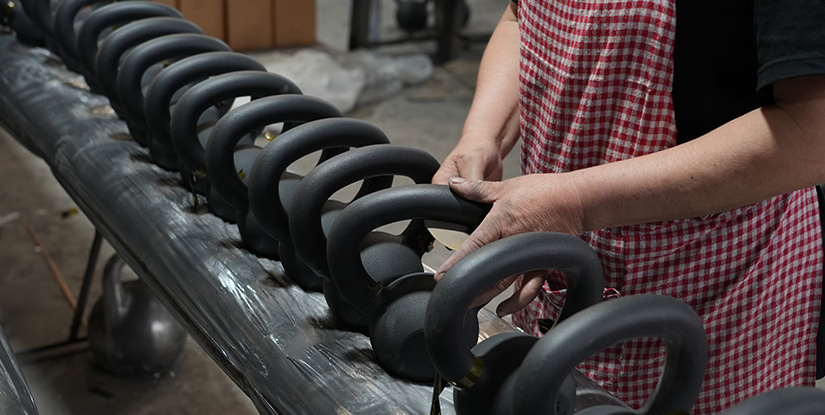
To optimize your logistics planning, it is helpful to visualize how different product finishes impact your procurement rhythm. While standard options move through the supply chain rapidly, the specialized manufacturing required for a premium kettlebell vinyl coated line demands a more calculated buffer. The following comparison illustrates the typical relationship between product complexity, manufacturing duration, and turnover expectations.
| Kettlebell Type | Production Complexity | Typical Lead Time Comparison | Expected Turnover Rate |
|---|---|---|---|
| Cast Iron (Uncoated) | Low | Standard/Fast | High/Consistent |
| Rubber Coated Kettlebell Wholesale | Moderate | Moderate | High/Variable |
| Vinyl Coated Specialty | High (Curing/Finishing) | Extended | Moderate/Premium Demand |
Strategic takeaway: When sourcing premium finishes, do not treat them as high-velocity commodity items. Because the specialized coating process adds technical layers to the production schedule, your reorder triggers must account for these longer windows to maintain a seamless distribution flow.
Quality Control Standards for Bulk Vinyl Implement Procurement
For distributors and gym equipment suppliers, the long-term value of a kettlebell vinyl coated line is determined by its durability under high-frequency use. Unlike standard cast iron, the vinyl layer serves both an aesthetic and protective function, but it is also the most common point of failure. If the manufacturing QC protocols are insufficient, bulk orders may arrive with micro-fissures or uneven surfaces that lead to rapid degradation in a commercial environment.
To mitigate the risk of high return rates and client dissatisfaction, procurement specialists must prioritize technical specifications regarding the bond between the core and the outer shell. A high-quality product must demonstrate exceptional adhesion strength to ensure the coating does not peel during heavy impact or temperature fluctuations. Furthermore, maintaining strict coating thickness consistency is vital; uneven layers often lead to localized weak points that compromise the structural integrity of the piece.
| Procurement Metric | Standard Vinyl Coating | Premium Commercial Grade |
|---|---|---|
| Adhesion Strength | Moderate; prone to peeling | High; integrated bond |
| Crack Resistance | Low in cold environments | High; temperature stable |
| Surface Uniformity | Variable thickness | Consistent precision |
| Long-term TCO | Higher due to replacement | Lower due to durability |
When vetting factory capabilities, we recommend requesting documentation or video evidence of stress testing. A reliable supplier should be able to demonstrate that their production process accounts for crack resistance and maintains a uniform finish across all weight increments in the SKU range.
Establishing a rigorous inspection protocol during the receiving phase is essential for maintaining high B2B procurement standards. When a shipment of rubber coated kettlebell wholesale orders arrives, the focus must shift from general aesthetics to technical precision. A superficial glance is insufficient; distributors should implement a targeted checklist to ensure the batch meets commercial expectations before it enters the inventory cycle.
Inspection criteria should prioritize three critical technical dimensions. First, evaluate the surface smoothness by checking for air bubbles, pitting, or uneven texture that could cause skin irritation or grip instability. Second, monitor scent/odor levels; a strong, acrid chemical smell often indicates low-grade PVC or substandard plasticizers, which may lead to compliance issues in indoor fitness facilities. Finally, verify weight distribution accuracy by sampling random units from different parts of the pallet. Even slight deviations in the center of gravity can compromise the user experience and lead to mass returns. Ensuring these metrics are met protects your reputation as a reliable gym equipment distribution partner.
Beyond the initial inspection, efficient fitness inventory management requires a clear understanding of how these products behave over a multi-year lifecycle. While vinyl-coated options offer superior floor protection and hygiene, their longevity is heavily influenced by environmental variables and routine care. Distributors should advise end-users on specific upkeep to ensure the product reaches its maximum projected lifespan.
The following comparison highlights the typical operational requirements and Total Cost of Ownership (TCO) considerations when managing different high-demand SKUs within a commercial inventory cycle.
| Maintenance Factor | Vinyl Coated Kettlebell | Standard Rubber Coated |
|---|---|---|
| Maintenance Frequency | Low; periodic surface wipe-down | Moderate; requires deep cleaning |
| Storage Environment | Climate-controlled preferred | Resilient to most indoor conditions |
| Cleaning Protocol | Mild soap and damp cloth only | Can handle heavier degreasers |
| Expected Lifespan | High (if kept away from UV/Heat) | Very High (highly impact resistant) |
For procurement specialists, selecting a premium vinyl-coated line reduces the frequency of replacement cycles, provided the storage environment remains stable. High heat or direct sunlight can compromise the polymer integrity, so we suggest emphasizing temperature-controlled storage for high-end boutique gym shipments to protect your long-term margins.
Logistics and Volume Optimization for International Shipments
For distributors managing high-density fitness inventory, the primary challenge in international procurement is balancing freight costs against product volume. Unlike lighter equipment, the kettlebell vinyl coated series presents a unique logistical profile: high mass coupled with relatively compact dimensions. Efficiently managing these shipments requires a deep understanding of how weight density affects your landed cost per unit.
To maximize profitability, procurement specialists must prioritize container optimization. Because these units are heavy but do not occupy significant cubic space, the limiting factor is often the maximum weight capacity of the container rather than the volumetric weight. A strategic approach involves calculating the optimal mix of weight increments to ensure you are not paying for "empty air" while simultaneously avoiding overweight penalties at port. By coordinating with manufacturers to refine packaging layouts, distributors can achieve significant cost per unit reduction, ensuring that every square meter of shipping space translates into maximum revenue-generating inventory.
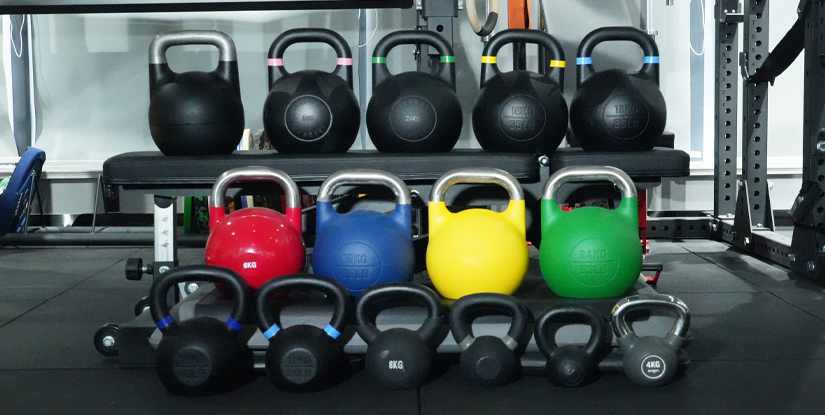
Selecting the appropriate shipping tier is a critical decision that directly impacts your SKU turnover and profit margins. While smaller orders may seem safer for cash flow, the logistical overhead of frequent, low-volume shipments can erode the competitive advantage of a premium product line. Distributors must evaluate whether the speed of a smaller shipment outweighs the economies of scale found in larger, consolidated loads.
Shipping Mode vs. Inventory Volume
The following comparison illustrates how different shipping configurations impact your total landed cost and lead time when sourcing high-density fitness equipment.
| Shipping Mode | Typical Inventory Volume | Lead Time Impact | Cost-Saving Potential |
|---|---|---|---|
| LCL (Less than Container Load) | Low to Moderate | Higher (Multiple handling points) | Lower (Higher per-unit freight cost) |
| FCL (Full Container Load) | High (Bulk replenishment) | Lower (Direct transit) | Maximum (Optimized weight-to-cost ratio) |
For long-term gym equipment distribution, transitioning from LCL to FCL as your volume grows is often the most effective way to stabilize your supply chain. While FCL requires higher upfront capital and larger warehouse capacity, the reduction in per-unit shipping expenses provides a much stronger buffer against market price fluctuations.
Managing Turnover and Replenishment Cycles
Effective fitness inventory management extends beyond the initial shipment; it requires a disciplined approach to monitoring the stock turnover ratio. For distributors specializing in high-density items like rubber coated kettlebell wholesale orders, stagnant stock is a silent profit killer. Because these products occupy significant weight capacity but minimal cubic volume, holding excessive quantities of slow-moving SKUs can lead to unnecessary warehousing overhead and tied-up capital.
To maintain a lean operation, procurement teams should establish data-driven replenishment cycles based on seasonal demand spikes and historical sales velocity. Instead of reactive ordering, professional gym equipment distribution relies on proactive replenishment that aligns with container availability and production lead times. By focusing on warehouse space optimization—ensuring that your most profitable weight increments are always in stock while minimizing the footprint of low-turnover sizes—you can reduce the total cost of ownership and maintain a highly responsive supply chain.
Evaluating Long-Term Value and Replacement Intervals
When calculating the total cost of ownership (TCO) for a commercial facility, the initial purchase price is often a deceptive metric. Distributors and gym owners must look beyond the unit cost to evaluate the long-term maintenance cycles and replacement intervals. In high-traffic environments, the durability vs. rubber coated kettlebell wholesale debate usually centers on how each material reacts to constant friction and environmental exposure.
While standard rubber options are common, a kettlebell vinyl coated model offers distinct advantages in terms of commercial gym longevity. The seamless, non-porous nature of high-grade vinyl prevents the structural degradation often seen when moisture or cleaning agents penetrate rubber surfaces. Furthermore, the superior surface protection provided by vinyl significantly reduces the risk of floor damage and equipment chipping. For distributors, prioritizing these premium finishes means fewer warranty claims and higher client satisfaction, as the product maintains its aesthetic and structural integrity through much more rigorous use cycles compared to budget alternatives.
To maintain a predictable SKU turnover, distributors must implement a data-driven approach to fitness inventory management. Rather than waiting for visible product failure, successful procurement teams utilize a framework based on usage intensity and wear patterns. In high-volume commercial settings, the primary indicator for replacement is the integrity of the outer layer. Once the vinyl begins to show signs of thinning or localized peeling—often due to high-impact drops or abrasive contact—the replacement frequency should be adjusted to prevent core exposure.
We recommend establishing strict quality control (QC) benchmarks during your routine facility audits. By monitoring the rate of surface degradation across specific weight classes, you can refine your procurement forecasting models. For instance, lighter kettlebells may experience higher turnover due to frequent handling, whereas heavier units might show more significant wear on the base. Integrating these variables into your replenishment cycles ensures you are never caught in a stockout situation while simultaneously optimizing capital allocation. This proactive stance transforms inventory from a reactive expense into a strategic, high-margin asset.
Understanding the delta between upfront costs and long-term replacement frequency is critical for optimizing gym equipment distribution margins. While lower-tier options may offer a lower entry price, the accelerated depreciation of the outer coating often results in higher total expenditure over a multi-year cycle. For distributors, the goal is to provide products that minimize the frequency of replacement orders, thereby building client trust and stabilizing long-term revenue streams.
Lifecycle Comparison of Kettlebell Coatings
The following table illustrates the typical performance gap between standard coatings and premium vinyl finishes in a high-traffic commercial environment. This comparison helps procurement officers visualize the long-term value proposition of high-spec inventory.
| Metric | Standard Rubber Coated | Premium Vinyl Coated |
|---|---|---|
| Initial Investment | Lower per-unit cost | Moderate to High per-unit cost |
| Surface Durability | Prone to chipping/cracking | Highly resistant to abrasion |
| Maintenance Requirements | Frequent cleaning/inspection | Low; easy-to-wipe surfaces |
| Typical Replacement Cycle | 18–30 months (high-traffic) | 36–60+ months (high-traffic) |
| Long-Term TCO | Higher due to frequent turnover | Lower due to extended lifespan |
Strategic Procurement Note: When sourcing for premium fitness centers or large-scale franchises, the kettlebell vinyl coated specification should be treated as a value-add. The ability to present a lower total cost of ownership, despite a higher initial invoice, is a powerful tool for securing long-term contracts and reducing the volatility of your replenishment cycles.