Managing Inventory for Body Solid Vinyl Dipped Kettlebells
Strategic Procurement Checklist for Vinyl-Coated Strength Equipment
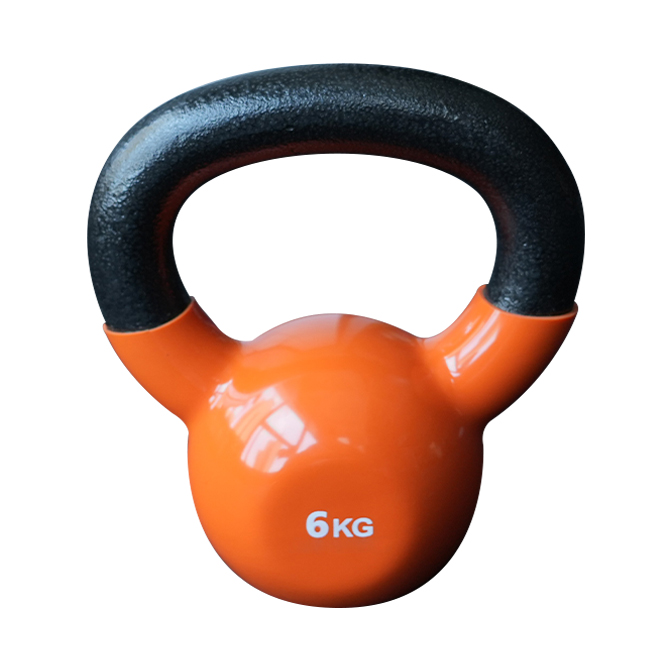
The body-solid vinyl dipped kettlebell is a premium strength training tool characterized by a high-density cast iron core encased in a protective vinyl layer. B2B buyers prioritize this model for commercial settings because the coating protects flooring, reduces noise, and provides a non-slip grip during high-traffic usage.
Evaluating Total Cost of Ownership (TCO)
When sourcing for large-scale fitness centers or retail distribution, focusing solely on the unit price is a common procurement oversight. A low-cost alternative may seem attractive initially, but the true expense lies in the long-term replacement cycles driven by coating degradation. High-quality vinyl coating integrity is the primary differentiator in determining the lifecycle of the equipment.
A body-solid vinyl dipped kettlebell is engineered to withstand the mechanical stress of heavy use without peeling or cracking. For distributors, selecting products with superior adhesion and thickness is a strategic move to reduce warranty claims and customer churn. If the coating fails prematurely, the resulting oxidation of the inner core necessitates frequent inventory replenishment. Therefore, prioritizing durability vs. cost ensures that your initial investment yields a lower TCO, as high-grade vinyl maintains its structural and aesthetic properties through years of rigorous commercial application.
Choosing between high-volume wholesale and smaller, more frequent batches requires a nuanced understanding of how shipping overhead and MOQ (Minimum Order Quantity) impact your bottom line. For many distributors, the goal is to achieve unit cost optimization without overextending warehouse space or tying up capital in slow-moving SKUs.
Sourcing Model Comparison for Procurement Officers
The following table outlines the typical trade-offs encountered when managing commercial gym equipment inventory. Depending on your current market demand and storage capacity, one model may offer a better strategic advantage than the other.
| Sourcing Model | Typical Volume/MOQ | Cost Efficiency | Logistics & Overhead |
|---|---|---|---|
| Vinyl Coated Kettlebell Wholesale | High (Bulk Pallet/Container) | Highest; significant reduction in per-unit cost | Higher shipping overhead; requires optimized warehouse space |
| Direct/Small Batch Sourcing | Low (Small Case/Individual Units) | Lower; higher per-unit cost due to fragmented orders | Lower storage pressure; more frequent, smaller shipments |
For long-term stability, most successful fitness distributor sourcing strategies involve a hybrid approach: securing high-demand weight increments through large-scale wholesale to maximize margins, while using smaller batches to test new product variations or manage seasonal fluctuations in demand.
Optimizing Logistics and Warehousing Costs
Managing the logistics of a body-solid vinyl dipped kettlebell line requires more than just tracking unit counts; it requires a deep understanding of weight-to-volume ratios. Because these items are high-density, the primary driver of your landed cost is often shipping weight optimization rather than sheer cubic volume. For procurement officers, failing to account for the heavy nature of cast-iron cores can lead to unexpected surcharges during international freight or domestic last-mile delivery.
Effective fitness distributor sourcing must also address the physical footprint of the product within your facility. High-density storage is essential to maintain healthy inventory turnover without overextending your footprint. When planning your warehouse layout, consider the vertical stacking capabilities of the vinyl casing; a robust coating allows for safer palletization, which improves storage density. By balancing high-volume wholesale orders with strategic shipping schedules, you can minimize the capital tied up in stagnant stock while ensuring that heavy, high-demand SKUs remain readily available for your commercial clients.
Assessing Coating Integrity and Long-term Durability Standards
In high-traffic commercial gym environments, the structural integrity of weight equipment is often secondary to the surface finish. For distributors managing a commercial gym equipment inventory, the primary point of failure is rarely the cast iron core, but rather the interface between the weight and the user. A body-solid vinyl dipped kettlebell is engineered to provide a seamless, ergonomic grip, yet the long-term viability of this product depends entirely on the quality of the coating adhesion.
When sourcing at scale, procurement specialists must account for the mechanical stresses of high-use environments. Poor quality control during the dipping process often leads to premature peeling or cracking, especially when equipment is subjected to temperature fluctuations or heavy impact. This degradation not only diminishes the aesthetic value of the set but also increases the total cost of ownership due to frequent replacement cycles. To mitigate these risks, it is essential to evaluate the coating standards during the initial inspection phase.
| Coating Type | Adhesion Strength | Impact Resistance | Maintenance Profile |
|---|---|---|---|
| Standard Vinyl Dip | Moderate | Good | Requires regular wipe-downs |
| Premium Reinforced Vinyl | High | Excellent | Resistant to minor abrasions |
| Neoprene/Rubber Blend | Variable | High | Higher susceptibility to tearing |
Durability in professional settings is a direct reflection of the manufacturing precision. Ensuring that the vinyl layer is uniform and lacks air pockets is a critical step in verifying that your stock can withstand the rigors of a commercial facility without losing its functional edge.
To ensure your shipment meets the rigorous demands of the North American market, a systematic inspection of the body-solid vinyl dipped kettlebell units is required before they leave the factory or arrive at your warehouse. Relying on visual inspection alone is insufficient for high-volume vinyl coated kettlebell wholesale orders; you must implement a technical checklist focused on structural consistency and material resilience.
A reliable quality control (QC) protocol should prioritize three specific metrics: thickness consistency, impact resistance, and adhesion stability. Variations in the dip depth can lead to uneven weight distribution or vulnerable "thin spots" that crack under stress. When vetting a supplier, demand documentation or sample testing that verifies the coating's ability to remain intact during high-velocity contact with flooring or other equipment.
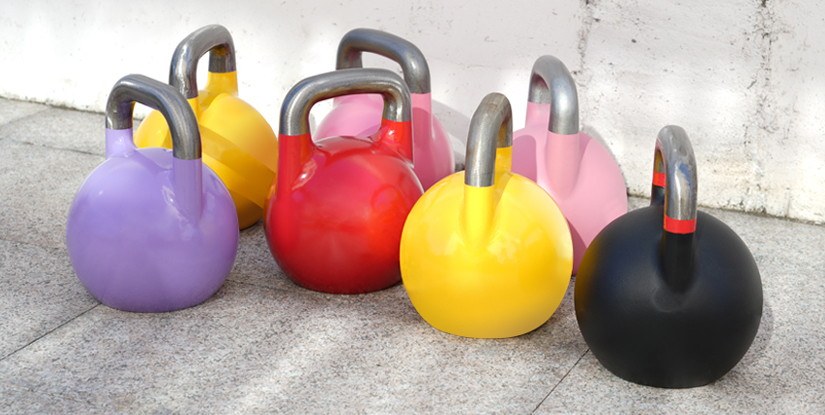
Technical Inspection Checklist for Distributors
- Thickness Uniformity: Verify that the vinyl layer maintains a consistent gauge across the handle and the bell body to prevent ergonomic failure.
- Surface Adhesion: Perform a manual pressure test to ensure there are no air pockets or delamination between the cast core and the outer layer.
- Impact Resilience: Evaluate the material's recovery ability after minor drops to ensure the coating does not chip or peel.
- Seam Integrity: Inspect the transition zones where the handle meets the bell for any signs of uneven coating or structural weakness.
By integrating these inspection criteria into your fitness distributor sourcing workflows, you reduce the likelihood of costly returns and protect your reputation for supplying durable, professional-grade equipment.
Beyond the immediate physical inspection, the longevity of your stock is heavily influenced by the environment in which it is held. For professionals engaged in fitness distributor sourcing, the logistical management of the product from the factory floor to the end-user is a critical variable in preserving the shelf life of the vinyl layer. Even high-grade coatings can suffer from structural degradation if the storage conditions are not strictly regulated.
Optimizing Logistics and Storage Environments
The primary threat to the integrity of a body-solid vinyl dipped kettlebell during transit and warehousing is environmental volatility. Excessive temperature fluctuations can cause the internal cast iron core and the external vinyl layer to expand and contract at different rates. This thermal stress is a leading cause of micro-cracking and eventual delamination, particularly when shipments are held in non-climate-controlled shipping containers or outdoor loading docks.
To maintain high standards of packaging integrity, distributors should implement the following logistical protocols:
- Moisture Control: Ensure that storage areas are kept in low-humidity environments. Prolonged exposure to dampness can compromise the bond between the coating and the core, leading to potential bubbling or surface degradation.
- Stacking Limitations: Avoid excessive vertical pressure during warehousing. Over-stacking can cause the weight of upper units to compress the vinyl of the bottom units, creating permanent deformities in the bell's shape.
- Climate-Stable Transit: When possible, prioritize shipping routes and methods that minimize extreme heat exposure to prevent the vinyl from becoming overly soft or tacky during long-haul sea freight.
By prioritizing these environmental controls, you ensure that the vinyl coated kettlebell wholesale units arrive at the commercial facility in the same pristine condition they left the manufacturing plant, thereby protecting your margins and reducing the frequency of replacement-related claims.
Optimizing Warehouse Footprint for Diverse Weight Increments
Distributors often encounter a logistical bottleneck when managing a high SKU count of weight variations. Unlike standard iron kettlebells, the body-solid vinyl dipped kettlebell features a slightly larger outer diameter due to the protective coating. This increased volume means that even a small increase in weight increment density can rapidly consume available shelf space if not planned strategically.
When calculating your commercial gym equipment inventory requirements, relying solely on the weight of the iron core is a common oversight. The vinyl exterior requires specific clearance to prevent compression or scuffing during handling. To maximize your facility's throughput, we recommend prioritizing vertical storage solutions, such as heavy-duty tiered racking systems, rather than horizontal floor stacking. Vertical integration not only optimizes the warehouse footprint but also ensures that different weight classes remain easily accessible for rapid fulfillment and quality inspections during the outbound process.
Deciding between vertical and horizontal storage depends heavily on your specific turnover rate and the volume of your vinyl coated kettlebell wholesale orders. While floor stacking may seem more cost-effective for short-term storage, it often leads to uneven pressure on the lower units, potentially compromising the integrity of the vinyl coating over time. A structured approach allows for better visibility during stock counts and faster picking during high-demand periods.
The following comparison highlights the operational trade-offs between the two most common methods used in professional distribution centers:
| Storage Method | Storage Footprint | Best For: Turnover Rate | Primary Procurement Benefit |
|---|---|---|---|
| Rack-Based Systems | Low (Vertical focus) | High (Fast-moving SKUs) | Protects coating integrity and simplifies SKU identification. |
| Floor-Based Stacking | High (Horizontal spread) | Low (Bulk/Long-term) | Maximizes density for heavy, low-frequency shipments. |
For fitness distributor sourcing specialists, we suggest a hybrid model: utilize heavy-duty tiered racks for your most popular weight increments to ensure rapid fulfillment, while reserving floor-based zones for bulk, low-turnover shipments where space efficiency outweighs immediate accessibility.
Beyond simple footprint calculations, professional SKU management must account for the physical properties of the product's exterior. A critical factor in long-term inventory health is understanding how coating durability interacts with mechanical pressure. While the vinyl layer provides a premium feel and protects the internal iron core, it is not designed to withstand the constant, heavy compression found in high-density, uncontrolled stacking environments.
When planning your logistics, strictly observe stacking height limits to prevent the deformation of the lower units. Excessive vertical pressure in a non-racked environment can cause the vinyl to thin or even tear at the seams, which directly impacts your return rates and customer satisfaction. For high-volume fitness distributor sourcing, we advise implementing a strict "stacking protocol" within your warehouse. This ensures that whether you are receiving a large shipment or preparing a boutique order, the structural integrity of the body-solid vinyl dipped kettlebell remains intact from the factory floor to the end-user's facility.
Managing Stock Rotation and Seasonal Demand Fluctuations
For distributors and fitness equipment suppliers, navigating the volatility of the fitness market requires more than just high demand forecasting; it requires precise inventory management. The market often experiences predictable seasonal demand fluctuations, with spikes typically occurring during new year resolutions and spring fitness trends. However, managing a body-solid vinyl dipped kettlebell inventory presents a unique logistical challenge compared to raw iron weights.
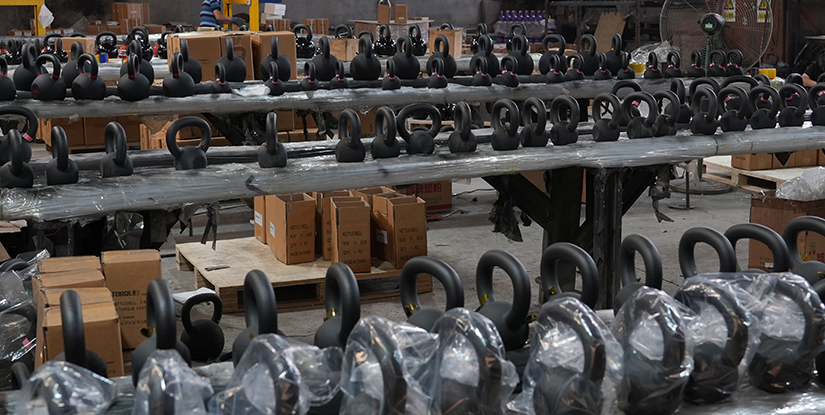
Because these products feature a specialized outer layer, long-term stagnant storage can become a liability. Maintaining strict stock rotation protocols is essential to ensure that the oldest units move first. If a single batch remains in a non-optimized storage environment for too long, the vinyl coating durability may be compromised by temperature shifts or humidity. For procurement professionals, this means that sourcing decisions must account for both the volume of the order and the capacity of your climate-controlled warehousing to prevent coating degradation before the product even reaches the end-user.
To optimize your commercial gym equipment inventory, distributors should implement a rigorous FIFO (First-In, First-Out) methodology. Unlike standard cast iron, the specialized coating on a body-solid vinyl dipped kettlebell is sensitive to prolonged environmental exposure. By prioritizing the movement of older stock, you mitigate the risk of surface aging or material fatigue during transit. This approach ensures that every unit shipped maintains the premium aesthetic and structural integrity expected by high-end fitness facilities.
Effective procurement cycles must also align with the broader movement of the vinyl coated kettlebell wholesale market. Rather than reactive ordering, successful buyers track inventory turnover rates against seasonal peaks to avoid stockouts during high-traffic quarters. We recommend establishing a baseline safety stock level that accounts for both lead times and potential shipping delays. By balancing bulk sourcing with a disciplined rotation strategy, you can maintain a high-quality inventory that meets the rigorous standards of the North American commercial market while minimizing capital tied up in stagnant, aging assets.
To streamline your procurement workflow, we have developed a decision-making framework. This model assists in determining when to trigger new orders and how to manage environmental variables to protect your investment. Successful fitness distributor sourcing relies on moving from reactive purchasing to a proactive, data-driven model that accounts for both market velocity and physical product sensitivity.
| Market Scenario | Reorder Triggers | Storage & Environmental Protocol |
|---|---|---|
| High-Growth / Peak Season | Trigger when safety stock hits 25% of monthly turnover. | Strict humidity control; avoid direct sunlight to prevent coating softening. |
| Standard Commercial Distribution | Trigger when stock reaches 40% of projected quarterly demand. | Maintain stable storage temperature to ensure vinyl elasticity. |
| Niche / Low-Volume Specialty | Trigger based on specific MOQ thresholds and lead-time buffers. | Utilize palletized stacking to ensure airflow around the body-solid vinyl dipped kettlebell units. |
Implementing these demand forecasting protocols allows you to maintain a lean yet reliable inventory. By monitoring these specific variables, you reduce the total cost of ownership (TCO) and ensure that your vinyl coated kettlebell wholesale stock arrives at client facilities in pristine, showroom-ready condition.
Logistics and Packaging Requirements for International Distribution
Managing a high-density commercial gym equipment inventory requires more than just floor space; it demands a strategic approach to environmental control. Unlike bare iron alternatives, the body-solid vinyl dipped kettlebell features a specialized outer layer that is sensitive to the logistics chain. For distributors, the primary concern is maintaining the integrity of this coating during long-term warehousing and transit.
The physical footprint of these units is often larger than traditional cast iron due to the added thickness of the vinyl. Consequently, stacking protocols must be strictly enforced to prevent the weight of upper tiers from compressing or deforming the lower units. Furthermore, the storage environment must be climate-controlled to mitigate the risks of temperature fluctuations. Extreme heat during sea freight or in non-ventilated warehouses can soften the vinyl, while rapid thermal shifts may lead to micro-cracking or adhesion failure. Ensuring stable ambient conditions is vital to protecting the long-term value of your stock.
When sourcing vinyl coated kettlebell wholesale orders, procurement professionals must evaluate the relationship between shipping volume and structural protection. Because the vinyl layer adds both girth and a degree of surface sensitivity, standard bulk shipping methods may not suffice for long-haul international transit. A failure to account for weight distribution during container loading can result in crushed packaging or compromised coating integrity upon arrival.
The following table provides a technical framework for assessing packaging configurations. Use these metrics to audit supplier capability and ensure that the packaging durability meets the requirements for high-density sea freight.
| Configuration Type | Weight Distribution Logic | Protective Layering Standard | Shipping Volume Impact |
|---|---|---|---|
| Individual Unit Boxing | Center-aligned weight to prevent box bulging | Corrugated cardboard with internal dividers | Higher volume per unit; best for retail-ready stock |
| Bulk Master Carton | Tiered layering to manage vertical pressure | Double-walled corrugated walls + moisture barrier | Optimized for palletized commercial distribution |
| Export Palletized Load | Heavy units on base tier; lighter on top | Poly-wrap and corner protectors for stability | Maximum density; reduces per-unit shipping cost |
Distributors should prioritize suppliers that utilize reinforced corner protection and moisture-resistant liners. This ensures that the body-solid vinyl dipped kettlebell arrives with a flawless finish, minimizing the risk of returns due to transit-related cosmetic damage.
Beyond the physical packaging, professional fitness distributor sourcing requires a rigorous approach to bulk receiving protocols. Once a shipment arrives at your facility, the quality control process must shift from visual inspection to technical verification. A standard oversight in many warehouses is failing to perform a detailed coating inspection upon unboxing. It is essential to check for any signs of "bubbling," peeling, or discoloration, which may indicate that the vinyl has been compromised by high-humidity environments during transit.
Effective shelf-life management for these products is heavily dependent on moisture control. While the vinyl provides a durable barrier, prolonged exposure to stagnant, humid air within a shipping container or a non-ventilated warehouse can affect the material's elasticity. We recommend implementing a first-in, first-out (FIFO) inventory system to ensure that stock does not sit in sub-optimal conditions for extended periods. By integrating these strict maintenance and inspection steps into your standard operating procedures, you protect your margins and ensure the premium finish expected of high-end commercial strength equipment.
Evaluating Total Cost of Ownership in Commercial Settings
When sourcing for high-traffic fitness facilities, procurement specialists often fall into the trap of prioritizing the initial unit price. However, a low-cost kettlebell that suffers from rapid coating degradation can quickly become a liability. For distributors and facility managers, the true value of a body-solid vinyl dipped kettlebell lies in its ability to withstand rigorous daily use without requiring frequent replacement or intensive upkeep.
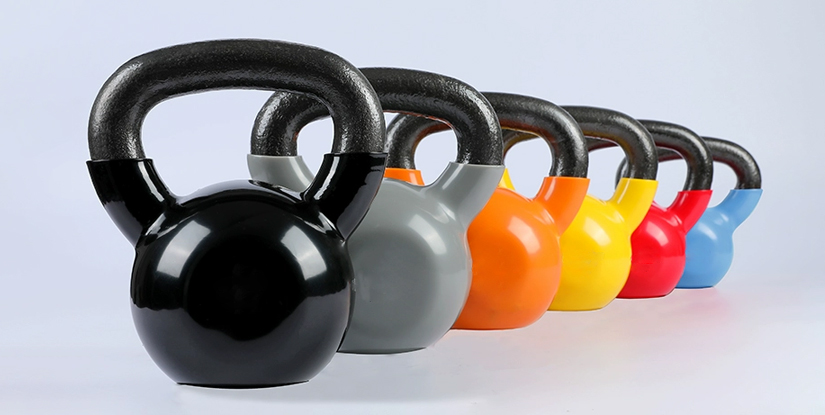
The durability of vinyl coating is a critical variable in calculating long-term profitability. In many commercial gym environments, cheaper alternatives often experience peeling or cracking under heavy friction, leading to increased maintenance costs and diminished aesthetic standards. By focusing on the quality of the dip, buyers can optimize their commercial gym equipment inventory to ensure a lower replacement frequency and higher end-user satisfaction.
| Procurement Factor | Standard Vinyl Dipped | Premium Commercial Grade |
|---|---|---|
| Initial Unit Cost | Lower | Moderate |
| Coating Resilience | Standard usage | High-frequency impact |
| Maintenance Window | More frequent inspections | Extended service life |
| Long-term ROI | Short-term savings | Optimized TCO |
To better understand the economic impact of your selection, it is helpful to compare the vinyl-coated model against traditional cast iron. While cast iron offers a lower entry price, it often necessitates higher secondary costs for facility upkeep. For instance, the lack of a protective layer on bare iron increases the risk of surface oxidation and potential damage to specialized flooring. In contrast, sourcing vinyl coated kettlebell wholesale units provides a built-in layer of protection that preserves both the equipment and the gym floor.
The following framework assists fitness distributor sourcing teams in weighing the immediate capital expenditure against the long-term operational savings. A higher-quality dip significantly reduces the replacement frequency, ensuring that the initial investment yields a superior long-term ROI through reduced labor and hardware turnover.
| Comparison Metric | Cast Iron (Uncoated) | Body Solid Vinyl Dipped |
|---|---|---|
| Floor Protection | Requires heavy rubber matting | Integrated impact absorption |
| Oxidation Risk | High (Rust prone) | Low (Moisture resistant) |
| Grip & Comfort | Metallic/Cold texture | Non-slip/Ergonomic finish |
| Lifecycle Value | Low (High maintenance) | High (Low maintenance) |
Beyond the material specifications, the true impact on your bottom line is often determined by the efficiency of your supply chain and the reliability of your vendor. For many, the hidden costs of procurement arise not from the product itself, but from logistics-related failures and inconsistent quality control. When managing a large-scale order, a single shipment with compromised packaging can lead to widespread coating abrasions, resulting in high return rates and damaged client trust.
Mitigating Risk in Bulk Procurement
To protect your margins, it is essential to prioritize shipment integrity and rigorous quality control (QC) during the sourcing process. A robust procurement strategy involves more than just selecting a manufacturer; it requires verifying that the factory possesses the capability to maintain consistent thickness in the vinyl layer across all SKUs. High-quality fitness distributor sourcing should focus on partners who implement strict inspection protocols to prevent defective units from entering the distribution stream.
Optimizing stock turnover depends heavily on minimizing the friction caused by defective returns or shipping damage. By investing in higher-grade packaging and ensuring strict adherence to loading standards, distributors can achieve significant buyer risk mitigation. Ultimately, a seamless transition from the factory floor to the gym floor—free from the delays of replacements and the overhead of faulty inventory—is what separates profitable distributors from those struggling with high operational churn.
Sourcing Best Practices for Fitness Equipment Distributors
When evaluating the procurement of a body-solid vinyl dipped kettlebell, many distributors fall into the trap of focusing solely on the initial unit price. While low-cost options may appear attractive on a quarterly balance sheet, they often lead to higher long-term expenses due to frequent replacement cycles. For professional buyers, the real metric for success is the Total Cost of Ownership (TCO).
Prioritizing Durability Over Initial Investment
In high-traffic commercial gym equipment inventory, the durability vs. initial investment debate is central to profitability. A premium vinyl coating is not just an aesthetic choice; it is a protective layer designed to prevent oxidation and impact damage. High-quality vinyl coating longevity ensures that the product remains in service for years without peeling or cracking under heavy use. By selecting a product that maintains its structural integrity, distributors can reduce warranty claims and build trust with facility owners. Investing in a superior finish may require a slightly higher upfront capital outlay, but it effectively lowers the frequency of restocking and mitig0ates the logistical costs associated with constant replacement cycles.
Optimizing margins requires a strategic approach to weight class distribution and unit valuation. Instead of treating all SKUs as equal, distributors should implement a procurement optimization framework that distinguishes between high-turnover lighter weights and specialized heavy weights. This ensures that capital is not unnecessarily tied up in slow-moving, high-cost inventory.
Evaluating Cost-per-Unit vs. Value-per-Year
A common oversight in vinyl coated kettlebell wholesale procurement is failing to calculate the long-term utility of each weight class. For instance, lighter weights often see higher frequency of use and potential surface abrasion, whereas heavier units face greater structural stress. A sophisticated cost-per-unit vs. value-per-year analysis allows buyers to determine if a more expensive, high-grade coating is justified for specific weight ranges. By diversifying the weight class distribution within your stock, you can balance the high-volume sales of lighter units with the high-margin stability of heavier, premium-coated options. This methodical approach ensures that your commercial gym equipment inventory remains both cost-effective for the end-user and highly profitable for your distribution network.
Navigating Logistics and MOQ Strategies
For professionals engaged in fitness distributor sourcing, the primary challenge with the body-solid vinyl dipped kettlebell line is managing the relationship between high shipping density and unit weight. Because kettlebells are inherently heavy, freight costs can rapidly erode margins if bulk procurement is not executed with precision. To maintain a healthy bottom line, buyers must look beyond the per-unit price and account for the volumetric and actual weight ratios during international transit.
Effective logistics optimization requires a calculated approach to Minimum Order Quantity (MOQ). Rather than placing frequent, small-batch orders that incur high per-unit shipping premiums, distributors should aim for consolidated shipments that maximize container utilization. By aligning your inventory turnover targets with larger, strategic restocks, you can mitigate the impact of rising freight rates. A successful procurement strategy balances the need for fresh stock with the cost-efficiency of high-volume shipping, ensuring that your capital remains fluid while minimizing the overhead associated with transporting high-density fitness iron.