china vinyl kettlebell | Sourcing China Vinyl Coated
Evaluating Long-Term Value: Vinyl vs. Cast Iron and Rubber
A vinyl coated kettlebell is a premium fitness implement featuring a high-density core encased in a protective synthetic layer. B2B buyers prioritize this option for commercial environments where floor protection, equipment aesthetics, and minimizing surface abrasion are critical for maintaining a high-end facility standard.
When sourcing a china vinyl kettlebell, procurement professionals must look beyond the initial unit price to understand the Total Cost of Ownership (TCO). While the upfront cost of vinyl-coated models may be higher than basic cast iron, the long-term value is realized through reduced replacement cycles. The specialized coating serves a dual purpose: it acts as a buffer for the internal weight distribution and protects the structural core from oxidation and impact damage. For distributors and gym owners, selecting high-quality coating specifications directly influences long-term maintenance budgets by extending the functional lifespan of the inventory.
| Procurement Factor | Cast Iron (Standard) | Vinyl Coated (Premium) |
|---|---|---|
| Initial Unit Cost | Lower | Moderate to High |
| Surface Protection | Minimal (Risk of floor scuffs) | High (Protects flooring/weights) |
| Maintenance Cycle | Frequent (Rust prevention needed) | Infrequent (Coating shields core) |
| Long-Term TCO | Higher due to replacement/damage | Lower due to durability/longevity |
To refine your selection process, it is essential to conduct a side-by-side comparison of how different coatings behave under heavy commercial usage. The debate regarding rubber vs vinyl kettlebell durability often centers on the trade-off between impact resistance and surface hygiene. While rubber is highly resilient to heavy drops, vinyl offers a non-porous, easy-to-sanitize surface that is ideal for boutique studios and high-traffic functional training zones.
The following comparison provides a technical breakdown to assist in your commercial gym equipment sourcing decisions, specifically focusing on the long-term physical integrity of the implements and their impact on facility upkeep.
| Material Type | Durability Profile | Floor Protection | Maintenance Needs |
|---|---|---|---|
| Cast Iron | High impact resistance; prone to rust | Low (requires mats) | High (regular oiling/cleaning) |
| Rubber Coated | Excellent impact absorption | High | Moderate (dust/grip buildup) |
| Vinyl Coated | High abrasion resistance; smooth finish | Excellent (soft contact) | Low (wipe-down compatible) |
When evaluating a china vinyl kettlebell for wholesale distribution, ensure your factory partners provide specifications on the thickness and bonding strength of the coating. A high-quality bond prevents the "peeling" effect often seen in lower-tier manufacturing, ensuring your inventory remains a reliable asset for the end-user.
To maximize your return on investment, procurement strategies must shift from focusing on the lowest landing cost to prioritizing coating integrity and thickness. In high-traffic commercial settings, the primary failure point for vinyl-coated implements is not the internal weight, but the separation of the outer layer from the core. When sourcing vinyl coated kettlebell wholesale options, a thinner or poorly bonded coating will inevitably crack or peel under repeated impact, forcing distributors into frequent, costly replacement cycles.
Strategic procurement advice: We recommend implementing a rigorous quality control (QC) protocol that specifically tests the elasticity and adhesion of the vinyl layer. A robust, uniform coating thickness acts as a structural insurance policy; it prevents the internal metal from oxidizing and maintains the aesthetic premium of the equipment for years. For distributors, investing in higher-spec manufacturing during the initial sourcing phase is the most effective way to minimize long-term replacement frequency and build a reputation for reliability in the commercial gym equipment market.
Assessing Coating Integrity and Weight Consistency Standards
For distributors and gym owners, the true cost of a china vinyl kettlebell is rarely found in the initial purchase price, but rather in the replacement frequency. In high-traffic commercial environments, the primary failure point is often the interface between the cast iron core and the outer layer. Poor coating adhesion leads to unsightly bubbling and eventual peeling, which not only degrades the aesthetic of a premium facility but also creates a safety hazard for end-users.
When sourcing vinyl coated kettlebell wholesale orders, procurement professionals must prioritize manufacturers that utilize high-grade thermoplastic elastomers or advanced UV-stabilized vinyl. Robust peeling prevention is a hallmark of commercial gym durability; a high-quality coating should remain seamlessly bonded to the core even under repetitive impact and temperature fluctuations. Evaluating the thickness and elasticity of the coating during the sampling phase is essential to ensure the product meets the rigorous demands of professional strength training environments, ultimately protecting your long-term margins.
To mitigate the risk of high return rates and client dissatisfaction, buyers should implement standardized quality control (QC) benchmarks during the pre-shipment inspection phase. A common point of contention in commercial gym equipment sourcing is the discrepancy between labeled weight and actual mass. A reliable manufacturer should maintain a tight weight tolerance to ensure professional-grade consistency across a full set.
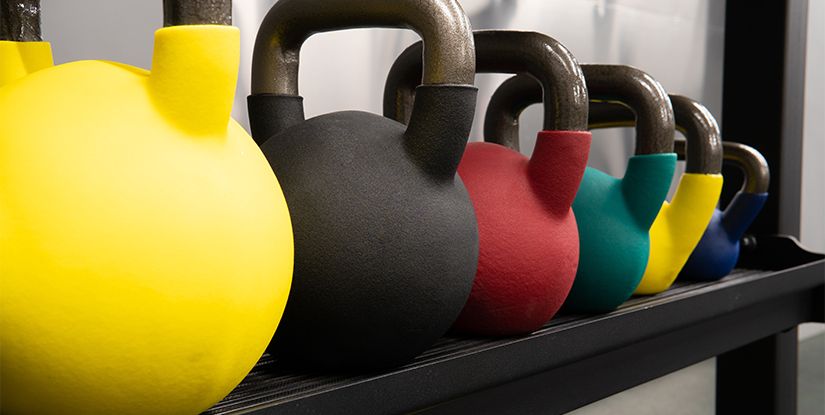
The following table provides a technical comparison to help you establish acceptable quality thresholds when evaluating a china vinyl kettlebell shipment against traditional rubber options.
| Technical Metric | Premium Vinyl Standard | Standard Rubber Comparison | Procurement QC Benchmark |
|---|---|---|---|
| Weight Tolerance | ±1% to 3% | ±3% to 5% | Verify via calibrated scale samples |
| Coating Thickness | 0.5mm – 1.5mm (Uniform) | Variable (Density dependent) | Inspect for air bubbles/thin spots |
| Durability Profile | High impact resistance | High abrasion resistance | Test for peel/adhesion strength |
| Surface Finish | Non-slip, smooth texture | Textured/Matte | Ensure no chemical odor/residue |
Understanding the nuance of rubber vs vinyl kettlebell durability allows you to communicate precise requirements to your factory contact. While rubber excels in heavy-duty ruggedness, a high-quality vinyl coating offers superior floor protection and ease of cleaning, provided the adhesion standards meet the thresholds listed above.
To avoid the common pitfalls of bulk order discrepancies, procurement teams should implement specific factory inspection tips focused on mass precision. A frequent issue in high-volume production is weight deviation, where individual units within a single shipment fail to match the labeled specification. This lack of batch consistency can undermine a distributor's reputation, especially when supplying high-end fitness studios that demand precision for strength training protocols.
During the pre-shipment stage, we recommend requesting a random sample test from the actual production line rather than relying solely on pre-production prototypes. A professional commercial gym equipment sourcing strategy involves selecting a subset of units—ideally 5% of the total order—and weighing them on a calibrated digital scale. If the deviation exceeds the ±3% threshold, it indicates a lack of control in the casting or coating process. By enforcing these rigorous standards before the containers are sealed, you ensure that every unit delivered to your client provides the consistent performance expected of premium gymware.
Strategic Sourcing: Navigating OEM and Custom Color Requirements
For distributors managing high-end boutique fitness brands or large-scale commercial gym setups, aesthetic uniformity is as critical as weight precision. When sourcing a china vinyl kettlebell to match a specific brand identity, the challenge often lies in the technicality of color replication. Unlike standard black rubber, vinyl coatings allow for vibrant, custom color requirements that define a facility's look, but they also introduce higher complexity during the manufacturing process.
Reliable OEM manufacturing capabilities must extend beyond simple shape molding to include rigorous color consistency protocols. A common pitfall in high-volume orders is batch variation, where different production runs yield slightly different hues. To mitigate this risk, professional procurement teams should insist on Pantone matching standards. Ensuring that your manufacturer utilizes precise color indexing prevents the frustration of receiving a shipment where the "ocean blue" of one batch does not align with the previous order, preserving the visual integrity of your commercial gym equipment inventory.
Beyond aesthetics, the longevity of your inventory depends on the mechanical integrity of the coating. When evaluating vinyl coated kettlebell wholesale options, the distinction between a superficial layer and a high-grade protective shell is vital. While the rubber vs vinyl kettlebell durability debate often centers on impact resistance, the true test for vinyl is its ability to withstand friction and temperature fluctuations without peeling or cracking.
During the sampling stage, procurement specialists should implement a technical checklist to verify factory quality control (QC) standards. We recommend requesting data or physical samples to verify three specific technical attributes:
- Adhesion Testing: Confirm the coating is chemically bonded to the core to prevent delamination during high-intensity use.
- Thickness Uniformity: Ensure the coating maintains a consistent gauge across the entire surface, particularly around the handle, to prevent "thin spots" that lead to premature wear.
- Surface Texture: A high-quality vinyl finish should offer a non-slip grip that remains consistent, avoiding a surface that becomes overly tacky or excessively slick under perspiration.
Verifying these technical benchmarks ensures that your shipment meets the rigorous demands of commercial environments, reducing long-term replacement costs and client complaints.
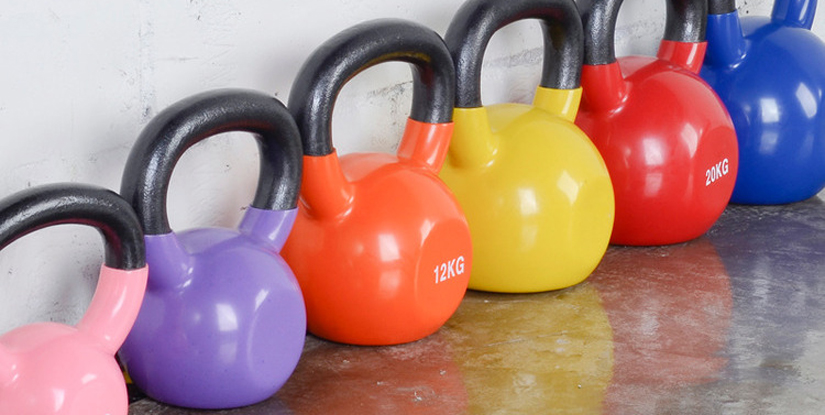
Deciding between standard stock and bespoke production is a pivotal moment in the procurement cycle. For many distributors, the choice is a trade-off between immediate availability and brand differentiation. While standard colors offer the fastest route to replenishment, custom OEM requests allow you to build a unique product identity that sets your gym or retail brand apart from competitors.
To assist in your inventory planning, we have outlined the typical operational differences between these two sourcing models. This comparison should serve as a baseline for your discussions with manufacturing partners regarding lead times and budget allocations.
| Criteria | Standard Color (Stock) | Custom OEM (Bespoke) |
|---|---|---|
| Minimum Order Quantity (MOQ) | Low to Moderate | High (Usually per color/weight) |
| Lead Time | Short (Ready-to-ship) | Extended (Production + QC cycles) |
| Cost Impact | Optimized / Lower | Higher (Setup & tool fees) |
| Color Precision | Fixed (Factory standard) | High (Pantone-specific matching) |
When prioritizing commercial gym equipment sourcing efficiency, we suggest utilizing standard colors for high-turnover weight classes to maintain lean inventory. Reserve custom OEM requests for flagship product lines or specialized boutique collections where the visual branding justifies the higher investment and longer lead times.
Optimizing Inventory Management for High-Turnover Gym Retailers
For distributors and fitness retailers, managing a china vinyl kettlebell inventory requires a delicate balance between availability and capital efficiency. Unlike heavy-duty cast iron or specialized competition models, vinyl-coated options often function as high-turnover gym equipment, frequently sold in sets for boutique studios, home gym bundles, and functional training zones. While the demand is consistent, the logistical lead times associated with overseas sourcing can create significant stock-out risks if demand forecasting is neglected.
A common pitfall for buyers is failing to account for the volumetric weight and shipping density of these units. Because vinyl kettlebells are often preferred for their aesthetic appeal and floor protection, retailers must decide whether to hold deep stock of popular mid-range weights or maintain a leaner, more agile replenishment cycle. Effective stock rotation is essential to ensure that even the most frequently moving SKUs remain available without over-extending warehouse footprints.
| Sourcing Strategy | Inventory Focus | Primary Benefit | Risk Factor |
|---|---|---|---|
| Bulk Stocking | High-demand weight ranges (e.g., 8kg–16kg) | Lower per-unit landed cost | Increased warehousing overhead |
| Just-in-Time (JIT) | Complete weight spectrum | Minimal capital tie-up | Potential stock-outs during transit |
| Hybrid Model | Core SKUs in-house; niche weights on order | Optimized cash flow and availability | Complex demand forecasting |
To maximize profitability when pursuing vinyl coated kettlebell wholesale opportunities, distributors should implement a structured approach to weight increments and order volumes. Relying on a generic weight spectrum often leads to inefficient capital use; instead, analyze your local market to identify the "sweet spot" of demand. In many commercial settings, the mid-range increments—typically 4kg to 12kg—exhibit a significantly higher inventory turnover ratio than the heavier, more specialized weights. By prioritizing these high-velocity SKUs, you can maintain a robust presence in the market without bloating your storage costs.
Strategic MOQ optimization is the next critical step in maintaining supply chain reliability. Rather than placing numerous small, fragmented orders that incur high per-unit shipping costs, consider negotiating tiered MOQs with your Chinese manufacturer. A smart procurement strategy involves grouping high-demand weight increments into single, large-scale shipments to reduce landed costs, while keeping niche, low-volume weights on a more agile, on-demand replenishment cycle. This hybrid approach ensures your warehouse remains lean while protecting your ability to fulfill large-scale studio or boutique gym contracts without delay.
When determining your procurement depth, the decision often hinges on whether your end-users prioritize aesthetic longevity or extreme impact resistance. Understanding the rubber vs vinyl kettlebell durability trade-off is vital for setting your stock levels. While rubber is the standard for high-impact, heavy-duty lifting, vinyl-coated models are the preferred choice for boutique studios and home fitness retail due to their easy-to-clean surfaces and color variety. However, because the coating can be susceptible to punctures if mishandled in high-intensity environments, your stocking depth should reflect the specific durability expectations of your client base.
Stocking Strategy by Target Segment
To optimize your capital allocation, evaluate your target market to determine if you should prioritize volume or variety. A mismatch here can lead to unnecessary capital tie-up in slow-moving SKUs or lost sales due to empty shelves during peak seasons.
| Target Segment | Inventory Depth Strategy | Replenishment Cycle | Primary Procurement Goal |
|---|---|---|---|
| Commercial Gyms & Studios | Deep stock of mid-range weights (8kg–16kg) | Predictable, seasonal bulk orders | High availability for rapid replacement |
| Home Fitness Retailers | Wide weight spectrum with low individual SKU depth | Agile, frequent small-batch replenishment | Maximum variety to satisfy consumer trends |
| Boutique/Specialty Studios | Niche weight sets and high-aesthetic colorways | On-demand or pre-order models | Brand differentiation and visual appeal |
For distributors, the goal is to minimize the replenishment cycle lag while managing the shipping density of your china vinyl kettlebell orders. If you are servicing high-traffic commercial facilities, prioritize a "buffer stock" of high-velocity weights to mitigate transit delays. Conversely, if your business model leans toward the retail consumer market, a leaner, more diversified inventory allows you to pivot quickly to new colors or weight increments without the risk of heavy capital being locked in obsolete stock.
Logistics and Quality Control Protocols for Bulk Imports
For distributors and gym owners, the true cost of a product is measured by its lifecycle, not just the initial invoice. When sourcing a china vinyl kettlebell in large volumes, the most significant long-term liabilities stem from substandard manufacturing processes that compromise the product's physical integrity. Neglecting rigorous quality control (QC) protocols during the production phase often leads to high replacement rates and client dissatisfaction.
A critical focus area must be coating adhesion. If the vinyl layer is not properly bonded to the internal cast iron core, it will inevitably crack or peel under standard commercial use, exposing the metal to oxidation. Furthermore, professional commercial gym equipment sourcing requires strict oversight of weight tolerance. Inconsistent weight distribution across a single batch can undermine the credibility of a fitness facility's equipment set. To mitigate these risks, buyers should demand verification of standardized testing for both coating durability and weight precision before final shipment approval.
To streamline your third-party audit or factory inspection, we recommend implementing a structured checklist. When evaluating vinyl coated kettlebell wholesale orders, focus on the physical properties that dictate long-term durability. While the debate regarding rubber vs vinyl kettlebell durability often centers on impact resistance, the primary concern for vinyl-coated models is the integrity of the outer shell and the precision of the internal mass.
Use the following parameters to guide your quality assurance team during the pre-shipment inspection phase:

| Inspection Criteria | Target Specification/Standard | Buyer Action |
|---|---|---|
| Coating Thickness | Uniform layer; no visible air bubbles or thin spots | Conduct a "squeeze test" to check for adhesion stability. |
| Weight Accuracy | Within ±1% to ±3% of declared weight | Verify a random sample of 5–10 units using a calibrated scale. |
| Surface Finish | Smooth texture; no sharp edges or seam protrusions | Tactile inspection of handle and base transition zones. |
| Core Integrity | No internal rattling or shifting of the cast iron | Shake test to ensure the weight is centered and stable. |
By establishing these benchmarks, you ensure that your china vinyl kettlebell inventory meets the high-frequency usage standards required by North American commercial facilities, reducing the frequency of costly returns and warranty claims.
Beyond factory-level precision, the final stage of the procurement process involves the complexities of international transit. For high-volume bulk imports, the primary risk shifts from manufacturing defects to transit-induced damage. Because vinyl coatings are susceptible to abrasions and compression marks, standard shipping methods are often insufficient for long-haul sea freight.
Optimizing Packaging for Global Transit
Effective shipping damage prevention requires more than just a sturdy box; it demands a multi-layered approach to protective packaging. When ordering vinyl coated kettlebell wholesale quantities, ensure your supplier utilizes heavy-duty corrugated cartons and internal dividers. Without individual compartment separation or sufficient cushioning, the weight of the bells can cause friction against one another, leading to scuffs or even punctures in the vinyl layer during ocean transit.
To achieve maximum logistics optimization, we recommend requesting a detailed packing specification sheet prior to shipment. A reliable manufacturer should utilize reinforced master cartons and palletization protocols that prevent shifting. For distributors, verifying that the china vinyl kettlebell units are packed in a way that distributes weight evenly across the pallet will significantly reduce the likelihood of receiving damaged inventory at your warehouse, ultimately protecting your bottom line and delivery timelines.
Selecting the Right Supplier for Specialized Commercial Orders
When evaluating a china vinyl kettlebell for high-traffic facilities, procurement professionals must look beyond the initial unit price and focus on the Total Cost of Ownership (TCO). In commercial gym equipment sourcing, a lower upfront cost often masks long-term liabilities. Low-grade coatings frequently suffer from poor coating adhesion, leading to peeling or bubbling when exposed to sweat and frequent handling. This degradation forces shorter replacement cycles, ultimately increasing the frequency of reordering and disrupting inventory management.
The debate regarding rubber vs vinyl kettlebell durability often hinges on how the material reacts to environmental stress. While rubber is highly resilient, a high-quality vinyl coating provides a specific aesthetic and tactile advantage that, if executed poorly, becomes a liability. A premium supplier ensures high crack resistance, preventing the internal cast iron from being exposed through the coating during heavy use. For distributors and gym owners, prioritizing a manufacturer that maintains strict quality control over the vinyl application process is the most effective way to safeguard long-term ROI and minimize maintenance-related overhead.
To protect your margins, your evaluation must move from product aesthetics to manufacturing capability. When negotiating vinyl coated kettlebell wholesale contracts, the ability of a factory to manage batch uniformity is a primary indicator of professional grade. A supplier that lacks rigorous QC inspection protocols will inevitably deliver inconsistent products, where weight variations or coating thicknesses fluctuate between shipments.
During your factory audit or initial sample vetting, specifically demand clarity on manufacturing tolerances. A reliable manufacturer should provide documented data on weight consistency, ensuring that a 16kg unit remains within a strict, acceptable deviation range across the entire production run. Furthermore, clarify the MOQ (Minimum Order Quantity) in relation to custom color requirements or specialized branding. High-tier suppliers can maintain high standards even at lower volumes, but you must confirm that their quality control processes remain uncompromised as order sizes scale. Investing time in verifying these technical thresholds prevents the costly logistical headaches of receiving non-compliant inventory at your warehouse.
To streamline your procurement decision, it is essential to distinguish between volume-driven wholesalers and technical manufacturers. The following comparison outlines how different supplier tiers impact your operational workflow, lead times, and the long-term reliability of your inventory.
| Feature/Metric | Standard Wholesale Supplier | Specialized Commercial Manufacturer |
|---|---|---|
| Primary Focus | High-volume, off-the-shelf stock | Technical specifications & customization |
| Lead Times | Short; optimized for rapid shipping | Moderate; dependent on production cycles |
| Customization Depth | Limited to standard colors/sizes | High (custom branding, unique coatings) |
| Quality Assurance | Basic batch-level inspections | Rigorous, unit-specific QC protocols |
| Best Suited For | Retailers and small gym owners | Distributors and large-scale facility projects |
Choosing a standard wholesaler may offer immediate cost advantages for small-scale replenishment. However, for distributors managing large-scale commercial gym equipment sourcing, the specialized manufacturer provides the technical stability required for high-traffic environments. While the lead times may be longer, the ability to control weight consistency and coating durability significantly reduces the risk of product returns and brand erosion.