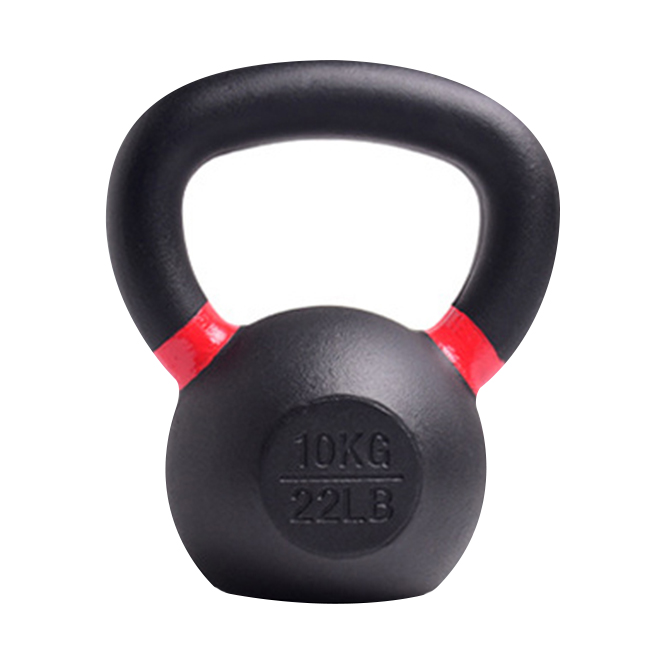
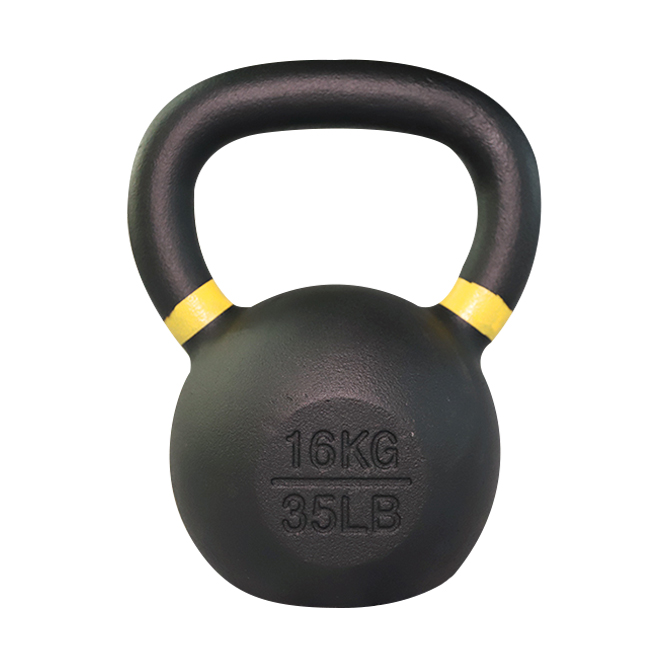
champion vinyl coated kettlebell | Why Vinyl Coated
Standardizing Supplier Audits and Quality Control for Coated Iron
For facility managers overseeing high-traffic boutique studios or multi-location commercial gyms, the visual degradation of equipment is a silent profit killer. When a champion vinyl coated kettlebell begins to show signs of wear, it is rarely a surface-level issue; it is a failure of structural integration. In demanding commercial gym usage, the constant friction and temperature fluctuations can cause inferior coatings to fail, leading to unsightly cracks or even complete delamination. For procurement professionals, this translates directly to increased replacement cycles and diminished client satisfaction.
To mitigate these risks, rigorous quality control protocols must be a non-negotiable part of your sourcing checklist. True durability is determined by the strength of the coating adhesion between the cast iron core and the vinyl layer. High-tier manufacturers implement strict thermal testing and vacuum-sealing processes during production to ensure peeling prevention. When auditing potential suppliers, prioritize those who can demonstrate standardized testing for bond integrity, ensuring that every unit can withstand the rigorous physical demands of a professional fitness environment without compromising its aesthetic or functional lifespan.
A successful durable coated kettlebell procurement strategy requires moving beyond simple visual inspections. During a factory visit or a third-party audit, your team must verify that the protective layer is not merely a thin aesthetic shell, but a robust barrier integrated with the iron core. Relying solely on a supplier's word is insufficient; you must request specific data regarding material consistency and application methods to ensure the product meets commercial-grade standards.
Use the following supplier audit checklist to evaluate the technical integrity of the coating during your next sourcing cycle. This table provides the essential inspection criteria necessary to verify both coating thickness and overall structural reliability.
| Inspection Dimension | Critical Verification Metric | Procurement Red Flag |
|---|---|---|
| Coating Uniformity | Consistent thickness across handle and bell body | Thinning or "bald" spots on high-friction edges |
| Adhesion Strength | Resistance to peeling under manual pressure/flex | Visible air bubbles or separation from iron core |
| Material Density | Homogeneous texture without structural voids | Soft or overly porous surface layers |
| Impact Resilience | Maintains integrity after standard drop tests | Cracking or chipping upon contact with floor |
By implementing these standardized benchmarks, procurement managers can ensure that their inventory provides long-term value and maintains the professional appearance required for premium commercial fitness facilities.
Beyond the physical integrity of the unit, professional buyers must evaluate the broader impact of equipment on facility infrastructure. One of the most significant commercial vinyl kettlebell benefits is its role as a functional piece of gym floor protection equipment. In high-intensity training environments, the weight of a kettlebell creates significant kinetic energy upon impact. While raw cast iron can cause permanent indentations or structural damage to high-end rubber flooring, a high-quality vinyl layer acts as a shock-absorbing buffer. This protective characteristic is essential for preserving the integrity of your subflooring and specialized mats, effectively extending the life of your entire facility footprint.
When calculating the long-term value of a procurement order, the focus must shift from initial unit cost to the total cost of ownership (TCO). A premium champion vinyl coated kettlebell reduces the frequency of both equipment and flooring replacement. By selecting products that offer superior impact dispersion and minimal maintenance requirements, distributors and gym owners can realize a significant maintenance reduction over a multi-year lifecycle. Investing in high-spec coated iron is not just a purchase of weight; it is a strategic decision to bolster facility longevity and minimize the hidden costs of structural wear and tear.
Evaluating Coating Integrity and Material Consistency
In high-traffic commercial environments, the primary failure point for weightlifting equipment is rarely the core weight itself, but rather the interface between the metal and the outer layer. For distributors and gym owners, the long-term cost of ownership depends heavily on how a champion vinyl coated kettlebell performs under constant friction and temperature fluctuations. Low-quality batches often suffer from poor adhesion, leading to unsightly chipping or even full delamination after only a few months of rigorous use.
To ensure true commercial gym durability, procurement specialists must prioritize material consistency during the factory inspection phase. A premium coating should be applied through a controlled process that guarantees a uniform thickness across the entire surface, preventing air pockets or thin spots. This level of precision is essential for peeling prevention; without a high-grade bond between the cast iron core and the vinyl shell, the equipment becomes a liability. When sourcing at scale, verifying these manufacturing standards is the most effective way to mitigate the risk of premature replacement cycles and maintain a professional facility appearance.
Beyond visual inspections, effective quality control requires a hands-on approach to verify the physical properties of the coating. We recommend implementing a standardized inspection checklist during your initial sample review or pre-shipment inspections to ensure the product meets professional standards. A high-quality champion vinyl coated kettlebell should offer consistent tactile feedback; the surface must feel smooth and non-slip without being overly tacky or excessively thin in high-wear areas.
One critical metric is checking for thickness uniformity. Use a caliper or a detailed visual scan to ensure the vinyl layer is consistent around the handle and the bell's circumference. Irregularities here often indicate poor factory molding, which can lead to uneven weight distribution. Furthermore, since these units often serve as essential gym floor protection equipment, the density of the coating must be sufficient to absorb impact without cracking. By verifying these technical specifications upfront, procurement managers can ensure their inventory provides the long-term commercial vinyl kettlebell benefits—such as reduced floor damage and extended equipment life—that high-end fitness facilities demand.
Understanding the distinction between premium and budget manufacturing is essential for calculating the true long-term TCO. While lower-priced options may offer immediate savings on initial purchase orders, the lack of standardized coating adhesion often leads to frequent replacement cycles and increased labor costs. For large-scale distributors, the goal is to minimize the frequency of equipment turnover through superior material selection.
The following comparison outlines the typical performance gaps encountered when sourcing different grades of equipment for professional use:
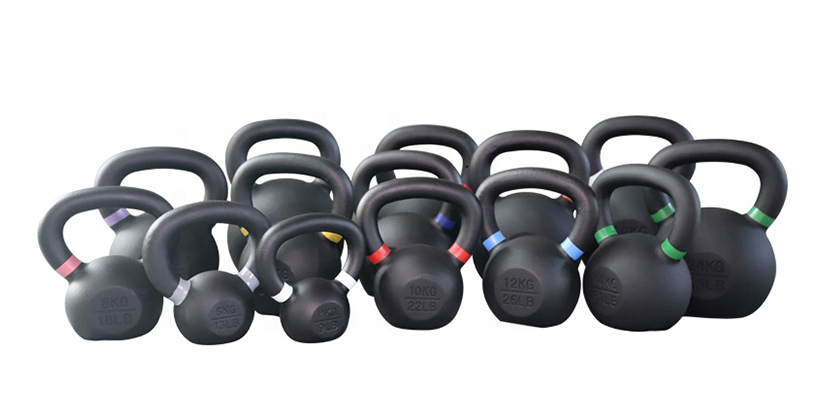
| Evaluation Metric | Premium Commercial Grade | Standard/Budget Grade |
|---|---|---|
| Maintenance Frequency | Minimal; standard wipe-down | High; requires frequent inspection for chips |
| Coating Integrity | High adhesion; resists delamination | Prone to peeling and surface cracking |
| Durability Standards | High impact resistance; UV stable | Variable thickness; sensitive to temperature |
| Long-term TCO | Optimized; extended equipment lifespan | High; frequent replacement and labor costs |
When evaluating a supplier's factory capability, always request data regarding their coating thickness and adhesion testing protocols. Investing in a higher-grade champion vinyl coated kettlebell ensures that your facility or client's gym remains functional and aesthetically professional without the constant overhead of equipment replacement.
Mitigating Liability Through Advanced Floor Protection Equipment
For commercial gym operators and distributors, the hidden cost of heavy iron isn't just the initial purchase price—it is the inevitable degradation of the facility's foundation. Standard cast iron implements often lead to micro-cracks in rubber flooring or structural damage to subfloors when dropped or set down heavily. This physical wear translates directly into increased facility maintenance costs and potential liability issues. Investing in a champion vinyl coated kettlebell serves as a strategic preventative measure rather than just an equipment upgrade.
The premium polymer layer provides a crucial layer of impact absorption that raw metal lacks. By mitigating the force of kinetic energy during high-intensity training, these implements act as a form of integrated floor protection equipment. This reduces the frequency of floor resurfacing and protects the long-term integrity of the training environment. When evaluating wholesale orders, procurement professionals should consider the total cost of ownership (TCO) rather than just the unit price.
| Procurement Metric | Standard Cast Iron | Champion Vinyl Coated Kettlebell |
|---|---|---|
| Surface Impact | High (Hard Surface) | Reduced (Polymer Buffer) |
| Floor Wear Rate | Accelerated | Minimal |
| Maintenance Window | Frequent Inspection | Extended Intervals |
| Long-term TCO | Higher (Due to Floor Repair) | Lower (Asset Preservation) |
Understanding these commercial vinyl kettlebell benefits allows buyers to justify a higher upfront investment by demonstrating significant savings in facility upkeep and equipment longevity.
When calculating the long-term financial impact, professional buyers must look beyond the initial invoice. A low-cost procurement strategy centered solely on unit price often overlooks the escalating costs of secondary repairs. For instance, the replacement frequency of high-impact flooring in high-traffic zones is significantly higher when using unprotected iron. Frequent floor resurfacing costs can quickly exceed the original savings gained from cheaper equipment, effectively erasing any initial budget advantages.
By prioritizing durable coated kettlebell procurement, distributors and facility managers stabilize their operational expenditures. The vinyl layer acts as a buffer that preserves both the implement and the surface beneath it. This shift from reactive maintenance to proactive asset preservation is a hallmark of sophisticated gym floor protection equipment strategies. Ultimately, a higher initial investment in quality coated options yields a much more favorable TCO by reducing the frequency of both equipment and facility-wide repairs.
Beyond the immediate savings on floor maintenance, the true value of a high-tier procurement strategy lies in logistics reliability and supply chain stability. Sourcing a champion vinyl coated kettlebell from manufacturers with rigorous quality control protocols ensures that every unit meets strict dimensional and coating thickness standards. For a large-scale commercial fitness facility, receiving a shipment of inconsistent, poorly bonded equipment is more than a nuisance; it is a disruption that can lead to unexpected downtime and delayed equipment rollouts.
Reliable procurement standards mitigate the risk of "hidden" secondary costs, such as the labor required to replace defective or peeling units mid-season. When a manufacturer demonstrates high-level factory capability and consistent output, the buyer gains long-term value through predictable asset lifecycles. For distributors and global buyers, choosing a partner that prioritizes precision over the lowest possible bid is a calculated move to protect profit margins and maintain a reputation for quality in a competitive market.
Optimizing Inventory Management for High-Turnover Weight Sets
For facility managers and distributors, the logistical footprint of strength equipment is a critical factor in operational efficiency. Unlike cast iron alternatives, a champion vinyl coated kettlebell offers distinct advantages in high-density environments where space optimization is a priority. The smooth, uniform exterior of the vinyl coating facilitates easier handling and more predictable stacking patterns, allowing for cleaner organization on weight trees or specialized racking systems.
Beyond simple organization, the choice of coating directly impacts the longevity of your facility's secondary assets. In high-traffic commercial gyms, the constant movement and repositioning of heavy weights can lead to significant wear on flooring. Utilizing a non-abrasive surface ensures that your inventory acts as a layer of gym floor protection equipment, reducing the friction and impact damage typically caused by raw metal or textured cast iron. By selecting high-quality coated options, procurement professionals can mitigate the long-term costs associated with floor resurfacing and equipment maintenance, ensuring a more durable and streamlined setup for high-turnover training zones.
To assist in your procurement decision-making, we have outlined a comparison of how different kettlebell finishes impact your operational overhead. When evaluating the total cost of ownership (TCO), it is essential to look beyond the initial unit price and consider the long-term maintenance and facility protection requirements.
| Evaluation Metric | Cast Iron / Uncoated | Champion Vinyl Coated |
|---|---|---|
| Floor Impact | High (Abrasive/Scuffing) | Low (Protective Layer) |
| Storage Footprint | Irregular (Texture-dependent) | Streamlined (Smooth Stacking) |
| Maintenance Frequency | High (Rust/Oxidation Control) | Low (Wipe-down Only) |
| Durability Profile | High (Impact Resistant) | High (Impact + Surface Shield) |
| Long-term TCO | Variable (Floor/Surface Costs) | Optimized (Asset Longevity) |
For high-volume distributors, the commercial vinyl kettlebell benefits extend to reduced replacement cycles. Because the coating acts as a buffer, the equipment is less susceptible to surface degradation from moisture and sweat, which is a common pain point in commercial settings. Choosing a high-quality coated model ensures that your inventory remains in premium condition, even under rigorous daily usage patterns.
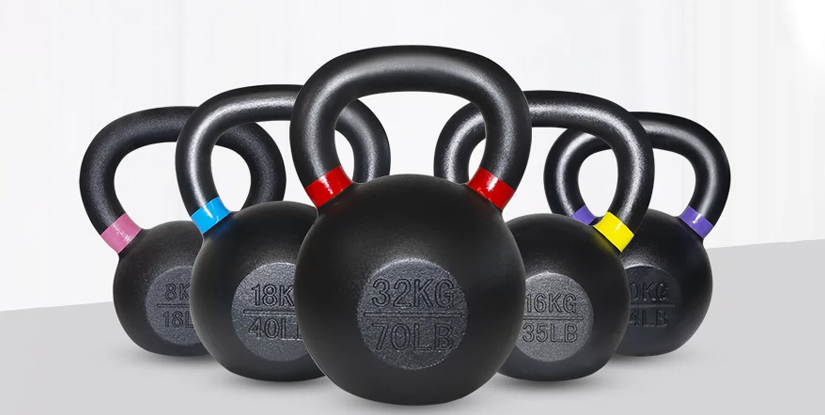
When planning for large-scale facility expansions or seasonal restocks, the complexity of bulk ordering requires a focus on supply chain reliability. A successful durable coated kettlebell procurement strategy must account for more than just unit counts; it requires a deep understanding of how product consistency affects inventory turnover. Unlike uncoated iron, which can exhibit slight variations in casting and texture, premium vinyl-coated models offer a standardized profile that simplifies inventory tracking and SKU management for distributors.
To maintain a competitive edge, procurement officers should prioritize manufacturers with rigorous quality control protocols. In high-traffic gym environments, even minor deviations in coating thickness or handle ergonomics can lead to increased returns or client dissatisfaction. By sourcing from partners who specialize in high-volume production, buyers can ensure that every shipment meets strict uniformity standards. This level of precision not only protects your brand reputation but also streamlines the logistics of restocking, ensuring that your warehouse and retail-ready stock remain consistent and high-performing throughout the fiscal year.
Navigating Bulk Procurement and Custom OEM Specifications
Scaling a commercial fitness facility requires a strategic shift in mindset from individual unit selection to complex procurement scale management. For distributors and facility planners, the transition from purchasing single pieces to high-volume orders involves more than just increasing quantities; it requires a deep understanding of how equipment specifications impact long-term spatial utility. When managing large-scale inventory, the decision to source a champion vinyl coated kettlebell becomes a matter of optimizing both footprint and durability.
At this level, the focus moves toward OEM customization and strict quality control to ensure brand consistency across a global rollout. Effective facility planning must account for how different weight increments and coating thicknesses affect storage density and floor layout. By leveraging specialized manufacturing capabilities, buyers can secure customized solutions that align with specific branding or ergonomic requirements, ensuring that the investment serves the facility's operational flow for years to come.
To assist in your decision-making process, we have outlined the primary differences between sourcing standard inventory and engaging in a full OEM production cycle. While standard wholesale models are ideal for rapid replenishment and immediate stock availability, custom OEM pathways allow for a more integrated approach to brand identity and specific facility requirements.
| Procurement Model | Customization Depth | Typical MOQ | Lead Time Considerations |
|---|---|---|---|
| Standard Wholesale | Pre-set colors and standard weight increments | Low to Moderate (per SKU) | Rapid; ready for immediate shipping/dispatch |
| Custom OEM | Bespoke branding, specialized colors, and custom weight ranges | High (Volume-dependent) | Extended; accounts for tooling and specialized coating application |
When evaluating these models, consider that the champion vinyl coated kettlebell serves different roles depending on your sourcing strategy. Standard stock is often the most efficient route for distributors needing to maintain a consistent inventory of high-turnover items. Conversely, if your goal is to differentiate a premium boutique studio through unique aesthetic specifications, the OEM route provides the necessary control over the final product's visual and tactile profile.
Beyond product aesthetics, professional buyers must prioritize the logistical integrity of heavy equipment shipments. High-volume orders of dense steel products present unique challenges in weight distribution and transit stability. A rigorous approach to durable coated kettlebell procurement must include a verification of the manufacturer’s quality control (QC) protocols. This ensures that every unit maintains strict weight consistency, preventing discrepancies that could compromise professional training standards or facility compliance.
Reliable shipping logistics are just as critical as the manufacturing process itself. When importing large batches, the packaging must be engineered to prevent coating abrasions and structural shifts during long-haul transit. Furthermore, procurement specialists should evaluate how the equipment interacts with various surfaces. High-quality floor protection equipment reliability is often a byproduct of a well-engineered vinyl layer that absorbs impact and prevents surface scarring. By vetting suppliers who implement multi-stage inspection cycles—from raw cast iron to final coating thickness—distributors can mitigate the risks of receiving damaged or inconsistent stock, ensuring a seamless integration into any high-traffic commercial environment.
Optimizing Total Cost of Ownership via Asset Longevity
When sourcing high-volume strength equipment, procurement professionals often focus heavily on the initial unit price and shipping freight. However, a sophisticated buyer evaluates the Total Cost of Ownership (TCO) by looking at the lifecycle of the asset. Choosing a champion vinyl coated kettlebell is often a strategic decision to mitigate hidden operational expenses that arise after the initial installation.
One of the most significant indirect costs in commercial fitness facilities is the repair of subflooring and specialized rubber matting. Standard cast iron implements can cause micro-fractures or deep indentations over time. By integrating high-quality gym floor protection equipment—specifically the shock-absorbing layer provided by a premium vinyl coating—facilities can significantly extend the life of their flooring. This floor damage prevention reduces the frequency of costly resurfacing projects.
Furthermore, the commercial vinyl kettlebell benefits extend to reduced maintenance cycles. The protective layer shields the inner core from oxidation and moisture, ensuring long-term durability even in high-traffic or humid environments. For distributors and gym owners, this means fewer replacement orders and a more stable inventory turnover, ultimately lowering the long-term cost per use compared to cheaper, unprotected alternatives.
Beyond durability, professional buyers must master the complexities of freight optimization to protect their margins. Successful durable coated kettlebell procurement requires a shift in focus from simple unit costs to a comprehensive landed cost calculation. Because vinyl-coated implements possess a slightly larger outer diameter than bare iron, the weight-to-volume ratio becomes a critical variable in your shipping strategy.
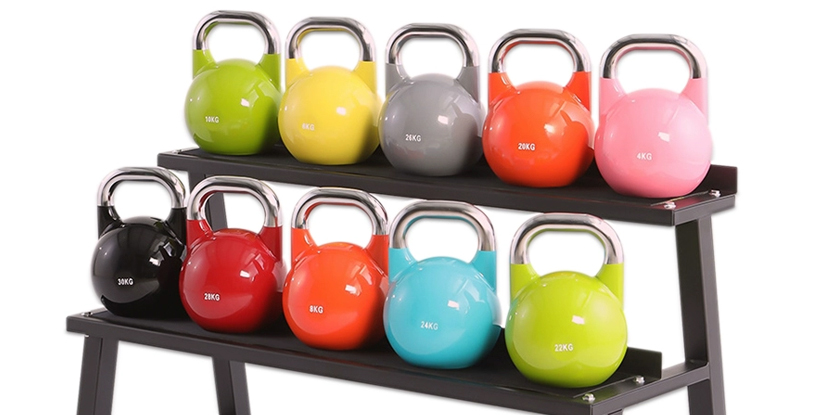
To maximize efficiency, procurement teams should analyze shipping density during the quoting stage. High-density loading—arranging weights to minimize empty space within sea containers—can drastically reduce the per-unit freight burden. When negotiating with manufacturers, always request data on carton dimensions and pallet configurations. Understanding how these dimensions interact with standard container volumes allows you to optimize your MOQ considerations; sometimes, increasing an order slightly to fill a container's volumetric capacity results in a lower cost per unit than a smaller, less efficient shipment.
By prioritizing these logistical metrics, distributors can ensure that the premium quality of the product is matched by a highly efficient supply chain, preventing unexpected surcharges from eroding the value of the initial investment.
Mitigating risk during the transit of heavy-duty strength equipment requires more than just efficient container loading; it demands rigorous oversight of the entire shipment lifecycle. A high-quality champion vinyl coated kettlebell is only as valuable as its condition upon arrival. Therefore, a professional procurement strategy must prioritize supply chain reliability and strict quality control protocols to prevent damage during long-haul maritime transit.
Reliable manufacturers implement a multi-stage QC inspection process that goes beyond simple weight verification. This includes checking for coating consistency to ensure there are no thin spots or bubbling that could lead to premature peeling. Furthermore, packaging integrity is a non-negotiable factor. Each unit should be secured in a way that prevents friction-induced abrasions during transit. We recommend verifying that the supplier utilizes reinforced cartons and robust bulk shipment stability measures, such as standardized palletizing and shrink-wrapping, to safeguard against the shifting and impact common in ocean freight.
By demanding these specific standards during the sourcing phase, distributors can avoid the logistical nightmare of receiving damaged goods, ensuring that the landed cost remains predictable and the equipment is ready for immediate deployment in a commercial setting.
Lifecycle maintenance planning for busy facilities
For facility managers and high-volume distributors, the true cost of equipment is rarely found in the initial purchase order. Instead, the real expense lies in the Total Cost of Ownership (TCO), driven by replacement frequency and facility upkeep. When sourcing for high-traffic zones, the choice between raw cast iron and a champion vinyl coated kettlebell becomes a strategic decision regarding long-term maintenance cycles.
Standard iron weights often lead to unexpected overhead through surface oxidation or direct impact damage to high-end flooring. By integrating high-quality commercial vinyl kettlebell benefits into your procurement strategy, you effectively mitigate these risks. The resilient outer layer acts as essential gym floor protection equipment, absorbing minor impacts and preventing the metal-on-surface abrasion that compromises floor integrity over time. Investing in these coated options reduces the frequency of floor resurfacing and equipment turnover, ensuring that your facility maintains a premium aesthetic with minimal operational intervention.
To protect your capital investment, procurement officers should implement a structured maintenance protocol that goes beyond basic surface cleaning. A proactive approach ensures that your durable coated kettlebell inventory remains a high-performing asset rather than a liability. We recommend a quarterly inspection checklist to identify early signs of wear that could compromise user safety or facility aesthetics.
Operational Inspection and Cleaning Protocols
Effective management starts with monitoring coating integrity. During routine walkthroughs, staff should check for punctures, peeling, or thinning of the vinyl layer, particularly around the handles and base. While the coating is designed for high-impact environments, deep cracks or exposed metal are immediate indicators that the unit has reached its end-of-life. To maintain hygiene without damaging the material, use only non-abrasive, pH-neutral cleaners. Avoid harsh industrial solvents that can degrade the polymer structure over time.
Establishing clear replacement triggers is essential for maintaining safety compliance. We suggest replacing any unit where the internal cast iron is visible or where the coating has lost its grip profile. By adhering to these strict maintenance standards, distributors and gym owners can extend the functional lifespan of their stock, optimizing the long-term value of their initial procurement spend.
Maintenance and Durability Comparison
When evaluating procurement options, comparing the long-term operational impact of different materials is vital for accurate budgeting. The following table highlights how the choice of coating affects various maintenance metrics and facility longevity.
| Evaluation Metric | Raw Cast Iron | Champion Vinyl Coated Kettlebell |
|---|---|---|
| Floor Impact | High risk of surface denting/abrasion | Buffered impact; superior floor protection |
| Surface Durability | Prone to rust and oxidation | Resilient, moisture-resistant polymer |
| Cleaning Ease | Requires rust prevention treatments | Simple wipe-down with pH-neutral cleaner |
| Maintenance Frequency | High (due to oxidation/rust management) | Low (periodic surface inspections only) |
| Typical Replacement Interval | Variable (dependent on humidity/storage) | Extended (stable in high-traffic zones) |
For distributors and facility owners, the decision to source vinyl-coated options is often a move to lower the replacement interval. While raw iron may offer a lower initial unit price, the hidden costs of floor repairs and rust remediation often outweigh the upfront savings. A high-quality coating ensures that your inventory remains a durable, low-maintenance asset for years.