kettlebell set vinyl | Optimizing Inventory with Vinyl
Balancing SKU Breadth and Margin in Strength Training Distributions
For distributors navigating the complexities of commercial gym equipment sourcing, the tension between offering a comprehensive product range and maintaining healthy margins is constant. Buyers must weigh the risk of overstocking heavy iron, the technical specifications of coating durability, and the logistical overhead of shipping bulky, low-margin items. A common pitfall is expanding the SKU count too aggressively with niche products that tie up capital without providing high turnover. Instead, smart procurement focuses on versatile assets that satisfy multiple client needs simultaneously.
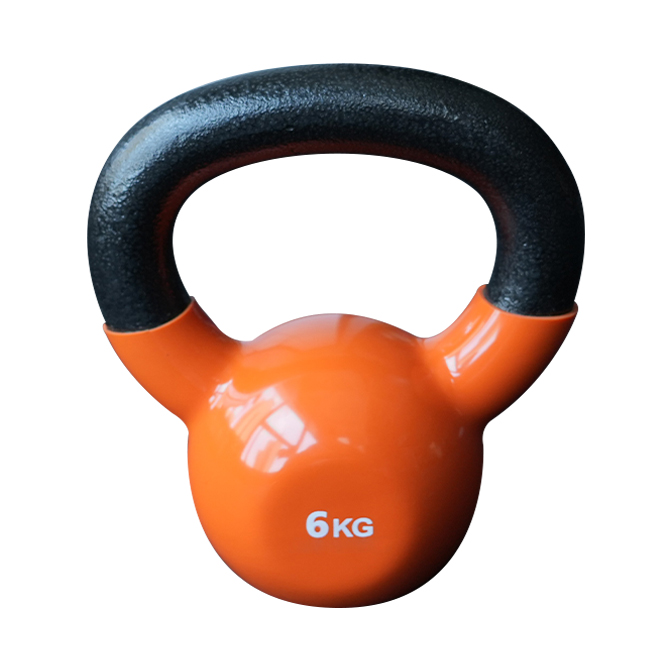
A kettlebell set vinyl serves as a strategic middle ground in this balancing act. While traditional cast iron is cost-effective, it often lacks the premium feel required for boutique studios or high-end wellness centers. Conversely, full rubberized options can drive up shipping costs and unit prices. By opting for vinyl-coated sets, distributors can capture the market segment that demands high-turnover inventory with superior aesthetic appeal without the prohibitive cost of specialized rubber casting. This allows for a more streamlined inventory profile that balances visual shelf appeal with efficient storage and rapid stock rotation.
Evaluating the long-term profitability of a product line requires looking beyond the initial purchase price to the Total Cost of Ownership (TCO). When distributors compare vinyl coated kettlebells wholesale against traditional cast iron or heavy rubber-encased alternatives, the financial logic shifts from unit cost to lifecycle value. While cast iron has a lower upfront cost, it is highly susceptible to oxidation and surface rust, leading to increased maintenance costs and shorter replacement cycles in humid or high-traffic environments.
In contrast, the protective layer of a premium vinyl coating acts as a barrier against moisture and impact, significantly enhancing the product's durability. For a fitness distributor, this translates to fewer returns and higher client satisfaction. The aesthetic advantage also cannot be overlooked; the high-end finish of a kettlebell set vinyl provides a level of shelf appeal that justifies a premium price point in boutique settings. By investing in high-quality coatings, procurement officers reduce the frequency of inventory replacement, ultimately protecting margins through sustained product longevity and reduced service overhead.
Effective fitness distributor inventory management requires a calculated approach to the weight-to-value ratio. Unlike oversized, low-density equipment that consumes excessive warehouse volume without high retail margins, a kettlebell set vinyl offers a compact footprint with high perceived value. This density allows distributors to maximize their cubic footage, ensuring that every pallet of imported goods contributes meaningfully to the bottom line. However, the primary challenge lies in navigating MOQ considerations against the realities of international freight.
To optimize capital, procurement specialists should focus on tiered ordering strategies. Rather than stocking an excessive variety of individual weights, sourcing high-demand ranges in bulk helps mitigate the impact of shipping volume costs. Because vinyl-coated products are often more space-efficient and durable than unpainted iron, they reduce the risk of "dead stock" caused by surface degradation during long-term storage. By selecting high-quality, standardized sets, buyers can maintain a leaner, more responsive inventory that turns over quickly, ensuring capital is not trapped in slow-moving, high-maintenance SKUs.
Optimizing Floor Space with High-Density Vinyl Coated Sets
In high-traffic commercial fitness environments, the ability to transition between training modalities without obstructing movement is a critical metric for facility management. When conducting commercial gym equipment sourcing, many procurement officers overlook how the physical dimensions and surface finish of weight implements affect the long-term layout of a functional training zone. A high-quality kettlebell set vinyl selection offers more than just aesthetic appeal; it provides a strategic advantage in floor space optimization.
The smooth surface texture of vinyl-coated units allows for more seamless stacking and tighter grouping within specialized racks. Unlike cast iron or rugged rubber-coated alternatives that may have irregular edges or high-friction surfaces that "grip" one another, the uniform finish of vinyl ensures that equipment can be retrieved and returned with minimal resistance. This characteristic facilitates organized storage solutions, reducing the time spent on transitions and maintaining a clear, safe flow for members during peak hours.
| Storage Factor | Vinyl Coated Sets | Traditional Cast Iron |
|---|---|---|
| Surface Friction | Low (Easy to slide/stack) | High (Can snag on racks) |
| Spatial Footprint | Compact & Uniform | Irregular/Bulky |
| Floor Maintenance | Protective (Smooth contact) | Risk of surface scuffing |
| Organization Speed | High (Quick retrieval) | Moderate (Manual adjustment) |
For distributors managing large-scale inventory, the standardization of these sets ensures that weight increments remain predictable in both size and volume. This consistency is essential when designing custom storage configurations or selecting tiered racking systems that must accommodate various weight classes without sacrificing usable square footage.
When evaluating the long-term logistics of a facility, the storage footprint of your equipment becomes as significant as the weights themselves. For distributors and gym owners, the ability to maximize vertical and horizontal density directly impacts the ROI of every square foot. Choosing vinyl coated kettlebells wholesale options allows for a more streamlined approach to equipment management, as the uniform shape and smooth finish facilitate better nesting capability and stackability compared to raw metal alternatives.
The following comparison highlights why the physical geometry of a kettlebell set vinyl is a superior choice for modern, multi-functional layouts. While cast iron is durable, its irregular edges often lead to inefficient space usage and higher friction during retrieval. In contrast, the precision of a vinyl-coated surface ensures that items can be nested or placed in high-density racks without the risk of snagging or uneven stacking, making it a preferred specification for high-end commercial gym layouts.
Logistics and Retail Impact: Beyond the Gym Floor
The advantages of a premium kettlebell set vinyl extend far beyond the end-user experience, directly influencing the operational efficiency of the supply chain. For professionals engaged in fitness distributor inventory management, the physical characteristics of the product dictate both shipping economics and retail presentation. Because vinyl-coated units maintain a more uniform and predictable outer diameter, they allow for higher SKU density within standardized shipping containers and transport crates.
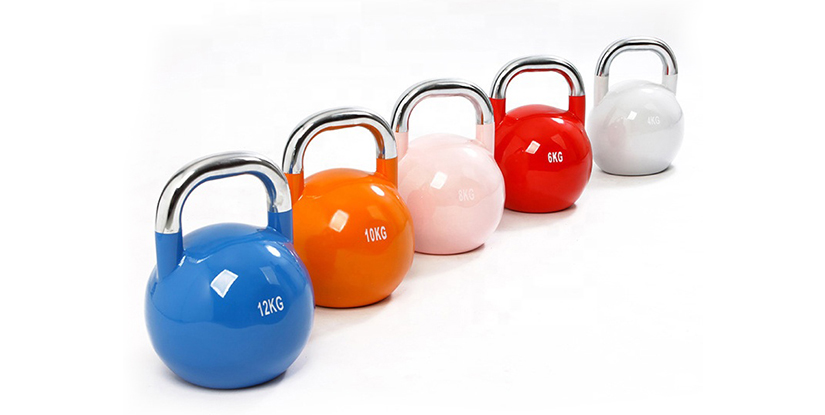
From a procurement standpoint, optimizing shipping volume is a constant challenge. The streamlined geometry of high-quality vinyl sets minimizes "dead space" in pallet configurations compared to the irregular silhouettes of raw iron. This increased volumetric efficiency can lower landed costs per unit during large-scale imports. Furthermore, for distributors with showroom or retail components, the sleek, color-coordinated finish of these sets significantly enhances retail shelf appeal. A visually cohesive, brightly colored set provides a high-end aesthetic that attracts premium buyers, turning a standard piece of equipment into a centerpiece of a professional product display.
Evaluating Coating Integrity for Long-Term Commercial Durability
In the landscape of commercial gym equipment sourcing, the true cost of a product is rarely defined by the initial invoice. For distributors and facility managers, the primary risk lies in the premature degradation of assets. When procuring a kettlebell set vinyl, the technical specification of the outer layer becomes a critical determinant of the Total Cost of Ownership (TCO). Low-grade coatings often fail under the rigors of high-traffic environments, leading to unsightly peeling or surface compromise that diminishes the perceived value of the gym floor.
The durability of these units depends heavily on coating adhesion and crack resistance. In high-intensity settings, constant impact and temperature fluctuations can cause inferior polymers to separate from the cast iron core. For professional buyers, verifying the quality of the bonding process is essential to avoid frequent replacement cycles. Selecting a premium kettlebell set vinyl ensures that the equipment maintains its structural and aesthetic integrity, effectively mitigating the long-term financial risks associated with rapid inventory turnover and equipment failure.
To mitigate the risk of substandard shipments, procurement professionals should implement a rigorous inspection protocol during the factory sampling phase. When evaluating vinyl coated kettlebells wholesale, do not rely on visual inspections alone; instead, utilize a technical checklist to verify the structural stability of the polymer shell.
Technical Inspection Checklist for Coating Reliability
A high-quality manufacturing process must demonstrate specific quality control (QC) benchmarks regarding the interface between the metal core and the vinyl layer. During your inspection, prioritize the following three dimensions:
- Thickness Uniformity: Use digital calipers to measure the coating at multiple points—specifically the handle and the widest part of the bell. Significant deviations in thickness often indicate poor injection molding, which leads to uneven weight distribution.
- Impact Resistance: Perform a controlled drop test from a standardized height. The coating must absorb the kinetic energy without cracking or splintering at the impact site.
- Peeling Prevention: Conduct a manual "pinch test" on the handle edges. A high-grade bond should resist delamination even under significant pressure, ensuring the vinyl remains fused to the cast iron core during heavy use.
By enforcing these standards, distributors can ensure that their kettlebell set vinyl inventory remains a durable, high-margin asset rather than a recurring maintenance liability.
Tiered Selection: Standard vs. High-Density Specifications
Not all procurement scenarios require the same level of material density. A distributor must align the specific coating grade with the end-user's environment to optimize both margin and client satisfaction. While standard options serve general fitness needs, high-density variants are engineered for high-impact commercial zones where equipment turnover is accelerated by heavy usage cycles.
The following comparison provides a technical framework to assist in your decision-making process when evaluating vinyl coated kettlebells wholesale options for different client profiles:
| Attribute | Standard Vinyl Coating | Premium High-Density Vinyl |
|---|---|---|
| Impact Durability | Moderate; suitable for light-to-medium use. | High; engineered for heavy commercial impact. |
| Surface Texture | Smooth; may become slippery with moisture. | Textured/Non-slip; optimized for grip stability. |
| Maintenance Frequency | Higher; prone to surface scuffs and peeling. | Lower; resistant to abrasions and chemical cleaners. |
| Ideal Use Case | Home gyms and boutique studios. | High-traffic commercial gyms and CrossFit boxes. |
Choosing the appropriate specification is a balance of fitness distributor inventory management and client expectations. Opting for high-density-grade products for commercial-scale orders reduces the likelihood of warranty claims and strengthens your reputation as a reliable commercial gym equipment sourcing partner.
Mitigating Floor Damage and Maintenance Cycles in High-Traffic Zones
In high-traffic zones of a commercial facility, the physical interaction between equipment and the ground dictates long-term facility maintenance costs. Standard cast iron implements often present a high risk of chipping or scratching high-end rubber flooring when dropped or moved. This is where a premium kettlebell set vinyl becomes a strategic asset for facility managers and distributors. The specialized coating acts as a sacrificial layer that enhances impact absorption, significantly reducing the kinetic energy transferred directly to the subfloor.
When conducting commercial gym equipment sourcing, procurement professionals must look beyond the unit price to the Total Cost of Ownership (TCO). A vinyl-coated surface provides a buffer that minimizes floor damage, extending the replacement cycle of expensive turf or rubber flooring. For distributors, offering these specialized SKUs means providing a solution that protects the client's infrastructure, making your inventory a value-add for premium fitness centers that prioritize floor longevity and aesthetic upkeep.
A critical component of the cost-benefit analysis involves evaluating the long-term maintenance cycles of the equipment itself. While bare cast iron is durable, it is susceptible to oxidation and surface rust if the environment is not strictly climate-controlled. In contrast, high-quality vinyl coated kettlebells wholesale options offer superior surface protection against moisture and perspiration. This protective barrier prevents the degradation of the internal metal core, maintaining a consistent weight and professional appearance over time without the need for frequent repainting or rust remediation.
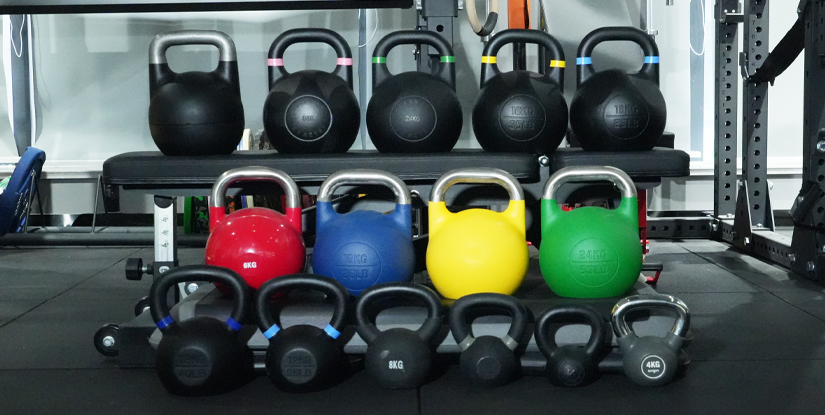
For distributors managing diverse product lines, the choice between raw iron and vinyl-coated sets often comes down to the target end-user's operational environment. In high-use boutique studios or wellness centers where cleanliness and visual appeal are paramount, the low-maintenance nature of vinyl becomes a decisive selling point. By prioritizing products that require minimal upkeep and offer high durability, you reduce the frequency of replacement requests and enhance your reputation as a reliable supplier of long-lasting commercial-grade solutions.
Beyond the end-user experience, the integrity of your shipment depends heavily on the quality of the manufacturing process. Effective fitness distributor inventory management requires a deep understanding of how products behave during transit. A common failure point in bulk procurement is poor coating adhesion, where the vinyl layer peels or cracks due to temperature fluctuations or improper application techniques during production. This can lead to significant returns and damaged brand reputation if the sets arrive with surface defects.
To mitigate these risks, rigorous QC protocols must be a non-negotiable part of your sourcing checklist. Ensure your manufacturer conducts stress tests specifically for the bond between the metal core and the outer layer. Furthermore, professional logistics planning—including standardized palletizing and moisture-resistant packaging—is essential to prevent the friction-induced chipping that often occurs during long-haul ocean freight. By auditing these technical specifications during the initial bulk procurement phase, you protect your margins and ensure that every kettlebell set vinyl reaches the client in showroom-ready condition.
Sourcing Specifications: From Core Weight to Outer Shell Uniformity
For distributors managing high-volume orders, the true value of a kettlebell set vinyl lies in the precision of its manufacturing process. When sourcing vinyl coated kettlebells wholesale, the primary concern is often the variance between weight increments. High-quality production ensures strict uniformity in shell thickness, which is critical for maintaining accurate weight calibration across an entire set. If the coating thickness fluctuates, the weight deviation can quickly exceed acceptable commercial tolerances, leading to client dissatisfaction and potential returns.
From a procurement standpoint, investing in factory-grade manufacturing consistency directly optimizes the cost-to-durability ratio. A uniform vinyl layer does more than provide a premium grip; it acts as a protective barrier that prevents the internal cast iron from oxidizing or chipping under heavy use. By prioritizing suppliers who maintain rigorous quality control over their coating application, fitness distributors can reduce long-term maintenance liabilities and ensure that their inventory remains retail-ready for much longer cycles.
To mitigate the risks of weight deviation and unexpected replacement costs, professional buyers should evaluate the relationship between structural integrity and manufacturing tolerances. A standardized shell thickness is not merely an aesthetic choice; it is a technical requirement to ensure that the internal cast iron core remains consistent across all weight increments within a set. When conducting commercial gym equipment sourcing, understanding these variables allows for a more predictable Total Cost of Ownership (TCO).
Specification vs. Economic Impact
| Specification Metric | Technical Standard | Economic & Operational Impact |
|---|---|---|
| Core Weight Stability | Low variance in cast iron density | Reduces SKU discrepancies and client disputes over weight accuracy. |
| Vinyl Coating Thickness | Uniform application (mm) | Prevents premature peeling; extends the lifespan of the product in high-traffic areas. |
| Weight Tolerance | Strict ±% adherence | Ensures set integrity, critical for professional training and certification standards. |
| Surface Uniformity | Consistent texture/grip | Minimizes long-term maintenance and replacement frequency for the distributor. |
For those managing fitness distributor inventory management, selecting a manufacturer that prioritizes these technical benchmarks reduces the likelihood of receiving non-compliant batches. High-quality control over the shell-to-core ratio ensures that your shipment arrives with the precision required for premium commercial environments.
Beyond technical precision, the economic efficiency of a procurement cycle is heavily dictated by the manufacturer's ability to manage production scale without sacrificing quality. For large-scale orders, the hidden costs of a low-quality kettlebell set vinyl often emerge during the logistics and post-delivery phases rather than at the point of purchase. One of the most critical technical checkpoints is the quality control (QC) for shell adhesion. If the bond between the cast iron core and the vinyl exterior is inconsistent, the risk of peeling or bubbling increases significantly during transit or under varying temperature conditions in shipping containers.
Effective fitness distributor inventory management requires a proactive approach to mitigating these structural vulnerabilities. Weak adhesion doesn't just damage the product; it leads to a cascade of expenses, including minimizing returns due to defects and the administrative overhead of processing faulty shipments. Furthermore, buyers must consider how bulk shipping volume affects the physical integrity of the coating. A supplier capable of optimizing packaging density while maintaining high-strength protective layers helps stabilize the total landed cost. By ensuring that the manufacturer maintains rigorous standards for both material bonding and containerization, distributors can protect their margins and avoid the logistical headaches of high-return rate SKUs.
Logistics and Bulk Procurement Strategies for Fitness Distributors
When evaluating the financial impact of a kettlebell set vinyl, procurement professionals must look beyond the initial unit price to the Total Cost of Ownership (TCO). While cast iron or rubber-coated options may offer lower upfront costs, the specialized protective layer of a vinyl coating significantly alters the long-term replacement cycle. For distributors, sourcing vinyl coated kettlebells wholesale provides a strategic advantage in minimizing maintenance-related returns and frequent stock replenishment.
The durability of the vinyl skin serves as a buffer against oxidation and surface wear, which is critical for high-traffic commercial environments. By investing in higher-quality coatings during the initial bulk order, buyers can extend the product lifecycle and reduce the frequency of replacement cycles. This longevity directly improves inventory turnover, as distributors spend less time managing defective or worn-out stock and more time moving fresh, high-margin inventory. Ultimately, a focus on coating integrity ensures that your capital is tied up in durable assets rather than recurring replacement shipments.
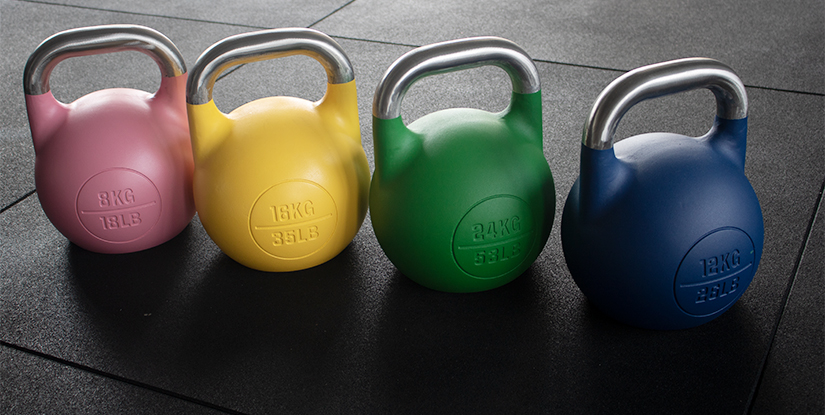
Effective commercial gym equipment sourcing requires a nuanced understanding of how physical dimensions influence landed costs. Unlike bare cast iron, a kettlebell set vinyl carries a slightly different weight-to-size ratio due to the added thickness of the protective coating. While this may seem negligible at a unit level, the cumulative effect on shipping volume optimization is significant when managing large-scale freight. Distributors must calculate container utilization carefully, as the increased outer diameter of vinyl-coated sets can impact how many units fit within standard pallet configurations.
To maintain healthy margins, procurement teams should negotiate MOQ (Minimum Order Quantity) levels that balance inventory depth with shipping efficiency. High-volume orders often allow for better freight consolidation, but only if the factory’s packaging design accounts for the extra volume of the vinyl shell. Furthermore, rigorous quality control (QC) standards must be enforced during the production phase to ensure coating uniformity. Inconsistent thickness can lead to uneven weight distribution or premature peeling, both of which increase the risk of costly returns and disrupt your logistical predictability.
Navigating the complexities of fitness distributor inventory management requires a proactive approach to seasonal demand cycles. In the North American market, spikes in gym equipment procurement often align with New Year fitness resolutions and mid-year facility upgrades. To avoid the pitfalls of stockouts or excessive air freight costs, distributors must synchronize their procurement schedules with long-term lead times. Relying on reactive ordering during peak seasons frequently leads to missed opportunities and inflated shipping expenses.
Strategic stockpiling of a kettlebell set vinyl allows buyers to leverage bulk shipping advantages, such as full container load (FCL) optimization, which significantly lowers the landed cost per unit. By building inventory during off-peak windows, you can ensure warehousing efficiency and maintain a consistent supply for your retail or commercial clients. A disciplined procurement strategy—one that accounts for manufacturing buffers and transit volatility—transforms logistics from a reactive necessity into a competitive advantage for your distribution network.
Quality Control Benchmarks for International Wholesale Orders
In high-traffic commercial gym equipment sourcing, the primary failure point is rarely the internal weight, but rather the exterior integrity. For distributors, a kettlebell set vinyl coating that fails prematurely translates directly into high return rates and damaged brand reputation. When equipment is subjected to high-frequency usage scenarios—such as rapid transitions between floor exercises and heavy swings—the coating must withstand constant friction and impact without chipping.
The true metric of value lies in coating adhesion and crack resistance. Low-quality manufacturing often results in superficial layers that peel away under temperature fluctuations or mechanical stress, exposing the cast iron beneath. For professional buyers, verifying the bond between the vinyl shell and the core is essential to ensure long-term durability. A robust kettlebell set vinyl construction prevents the unsightly cracking that often plagues budget-tier imports, ensuring the product maintains its aesthetic and functional standards throughout its lifecycle in a commercial setting. Prioritizing these technical specifications during the procurement phase minimizes the total cost of ownership and reduces the need for frequent inventory replacement.
To mitigate the risks associated with high-volume imports, procurement teams should implement a rigorous pre-shipment audit. When sourcing vinyl coated kettlebells wholesale, relying on visual inspection alone is insufficient. A technical evaluation must focus on the structural uniformity of the coating and the precision of the cast. Discrepancies in thickness or uneven weight distribution can lead to ergonomic imbalances, which are unacceptable in professional strength training environments.
Distributors should utilize the following inspection framework to evaluate factory capability and ensure that every unit meets commercial-grade standards. This checklist focuses on the physical properties that most frequently impact long-term retail viability and end-user satisfaction.
| Inspection Metric | Critical Failure Point | B2B Impact |
|---|---|---|
| Thickness Uniformity | Thinning at the handle or base edges | Accelerated wear and potential exposure of iron core |
| Seamless Casting | Visible seams or air bubbles in the vinyl | Structural weak points and aesthetic degradation |
| Weight Distribution | Off-center center of gravity | Increased liability and customer dissatisfaction |
| Adhesion Strength | Peeling or bubbling under pressure | High return rates and diminished brand trust |
By enforcing these quality control benchmarks, distributors can protect their margins and ensure that the inventory arriving at their warehouse is ready for the most demanding commercial environments.
Beyond the immediate physical inspection, professional fitness distributor inventory management requires a focus on the logistical durability of the product. A significant portion of the Total Cost of Ownership (TCO) is often hidden in the transit and storage phases. If the protective layer lacks sufficient moisture resistance, even minor humidity fluctuations during maritime shipping can compromise the integrity of the bond between the core and the coating, leading to oxidation or structural swelling.
Furthermore, procurement specialists must account for the environmental stability of the stock. High-quality vinyl formulations must exhibit strong UV stability to prevent discoloration or brittleness if the units are displayed in bright retail environments or high-temperature gym settings. From a logistics standpoint, the shipping durability of the packaging is just as critical as the product itself. Ensuring that the kettlebell set vinyl units are packed to withstand heavy stacking and vibration prevents micro-fractures during long-haul transit. Prioritizing bulk storage stability through high-grade materials ensures that your inventory remains in "shelf-ready" condition from the moment it leaves the factory until it reaches the end-user, protecting your capital investment against environmental degradation.