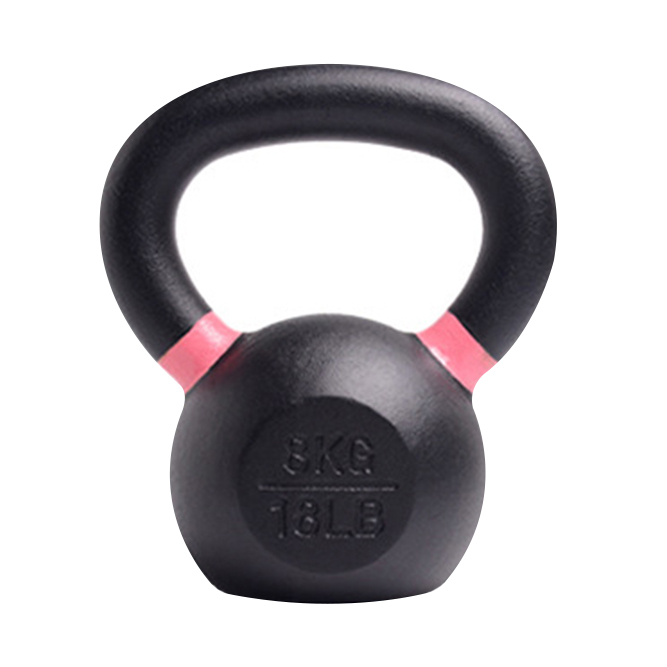
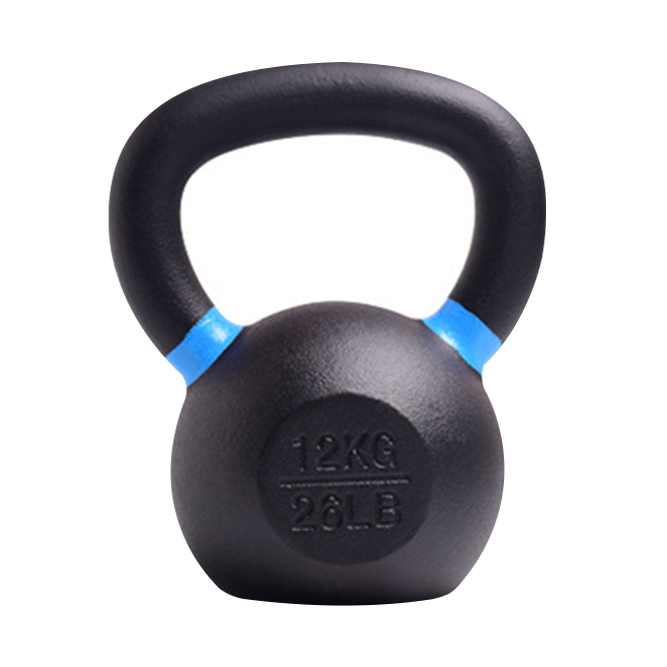
Sourcing China Vinyl Coated Kettlebells for Gyms Guide
Optimizing SKU Breadth and Margin Potential for Fitness Distributors
Many distributors fall into the trap of splitting orders across multiple small-scale vendors to save on individual unit costs, only to find themselves buried in fragmented shipping fees and inconsistent quality. A more sophisticated approach involves leveraging a single, high-capacity manufacturer to consolidate your entire product line. By sourcing a comprehensive range of china vinyl coated kettlebell options from one reliable partner, you reduce procurement complexity and streamline your supply chain logistics.
The relationship between SKU breadth and your long-term margin potential is direct. A manufacturer with robust manufacturing capability can provide a seamless spectrum of weight increments—from light, high-repetition weights to heavy, professional-grade loads—under a unified coating standard. This consistency ensures that your wholesale vinyl kettlebells meet the expectations of diverse client needs, whether for boutique studios or commercial gyms. When one supplier manages the full weight spectrum, you benefit from optimized container loading and reduced administrative overhead, allowing you to maintain competitive pricing while protecting your bottom line.
When evaluating long-term profitability, procurement professionals must look beyond the initial purchase price and consider the Total Cost of Ownership (TCO). A low-cost, low-quality option may appear attractive on a single invoice, but poor coating durability or inconsistent weight increments can lead to costly returns, client dissatisfaction, and damaged brand reputation. High-end rubberized kettlebell suppliers often provide a higher upfront cost, yet they frequently offer better value through extended product lifespans and reduced replacement cycles.
To assist in your decision-making process, the following table compares the economic impact of standard vs. premium-grade options during your gym equipment sourcing journey. This comparison highlights how initial savings can be offset by long-term maintenance and logistics factors.
| Evaluation Metric | Standard Grade (Budget-Focused) | Premium Vinyl Coated (High-End) |
|---|---|---|
| Initial Unit Cost | Lower; ideal for high-volume, low-margin projects. | Moderate to High; targets premium commercial clients. |
| Coating Durability | Prone to cracking or peeling under heavy use. | High resistance to impact and abrasion. |
| Weight Consistency | Variable; higher risk of tolerance discrepancies. | Strict adherence to weight standards for precision. |
| Long-term TCO | Higher due to frequent replacement needs. | Lower due to extended product lifecycle. |
| Logistics Cost | Standard shipping; often fragmented by vendor. | Optimized through consolidated bulk shipments. |
Strategic Recommendation: For distributors serving high-traffic commercial facilities, investing in premium coating specifications is generally more cost-effective. While the initial outlay is higher, the reduction in replacement frequency and the ability to command a higher retail margin justify the premium tier.
Balancing MOQ and Landed Cost Efficiency
Understanding the mechanics of the landed cost is critical for distributors aiming to scale. While a lower unit price from a factory direct source is enticing, the true cost is heavily influenced by the MOQ (Minimum Order Quantity) and the resulting shipping volume. Small, frequent orders may seem to help with inventory management, but they often lead to disproportionately high freight expenses and administrative friction.
To maximize profitability, procurement specialists should aim for order volumes that optimize container utilization. Sourcing a diverse range of weights in a single shipment allows you to fill a 20ft or 40ft container more effectively, reducing the per-unit cost of bulk logistics. By negotiating higher MOQs for your most popular weight increments, you can leverage economies of scale to drive down the base price. A well-planned procurement cycle that balances stock availability with optimized shipping volume ensures that your capital is not tied up in excessive warehouse overhead, while still maintaining the agility needed to meet sudden market demands.
Assessing Coating Integrity and Surface Durability Standards
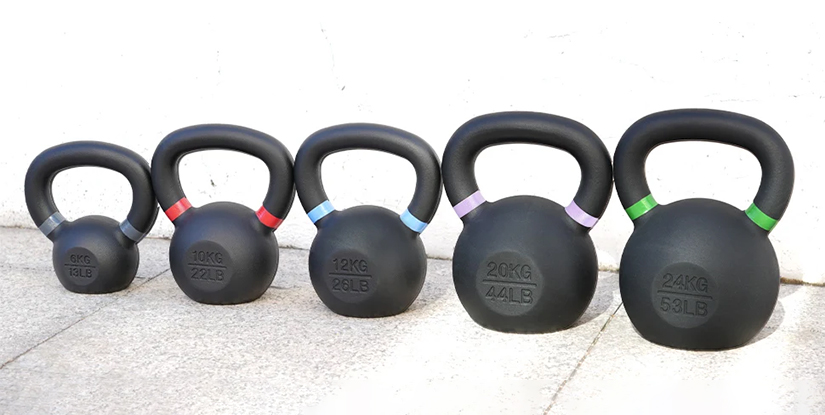
For distributors and gym operators, the longevity of a product is often determined by the quality of its outer layer. When sourcing a china vinyl coated kettlebell, the primary concern is not just the weight accuracy, but the long-term bond between the cast iron core and the exterior sleeve. In high-traffic commercial gym environments, equipment undergoes constant friction, temperature shifts, and impact. If the coating adhesion is substandard, the result is often premature peeling risks that compromise both the aesthetic and the safety of the unit.
Low-quality manufacturing often results in thin or brittle layers that crack under high-frequency usage. For a B2B buyer, this translates to increased replacement costs and negative feedback from end-users. Ensuring commercial gym durability requires verifying that the vinyl application process is engineered to withstand heavy handling without delamination. When evaluating suppliers, prioritize those who can demonstrate consistent coating thickness and a robust bonding process to mitigate the risk of surface failure in professional settings.
To mitigate the risk of delamination, procurement professionals must look beyond surface aesthetics and focus on the technical execution of the thermal bonding process. A high-quality china vinyl coated kettlebell relies on a precise heat-application method that fuses the polymer layer directly to the cast iron core. Without this high-grade adhesion, the coating is prone to splitting at the handle or base under heavy impact. When vetting rubberized kettlebell suppliers, request technical documentation regarding their production standards for thickness consistency. A uniform layer prevents weak points where cracks typically originate during temperature fluctuations.
A critical component of your quality control (QC) inspection protocol should include physical stress tests to verify crack resistance. For those purchasing wholesale vinyl kettlebells in bulk, a standardized inspection often involves checking for air bubbles or uneven edges that signal poor thermal application. Reliable manufacturers will provide detailed specifications showing a controlled tolerance range, ensuring that every unit in the shipment meets the same structural integrity standards required for rigorous commercial use.
During the sampling or factory audit phase, visual inspections are rarely sufficient to determine long-term reliability. A batch of CVK might look flawless in a studio setting, but surface failure often emerges only after months of high-intensity training or exposure to varying environmental conditions. To avoid the logistical headache of processing returns for damaged goods, procurement teams should utilize a standardized assessment framework.
Use the following table to differentiate between premium-grade production and budget-tier manufacturing during your vendor evaluation. This checklist is designed to help you identify potential failure points before committing to large-scale orders.
| Coating Integrity Assessment Criteria | High-Quality Standard | Low-Quality Red Flag |
|---|---|---|
| UV Resistance | Maintains color stability and flexibility under sunlight exposure. | Visible fading, brittleness, or surface cracking in bright light. |
| Impact Durability | Resilient recovery; no peeling or splitting after standard drop tests. | Delamination at the handle or base upon impact. |
| Scent/Odor Levels | Low-odor, medical-grade or food-grade compliant polymers. | Strong, pungent chemical or "burnt rubber" smell. |
| Surface Uniformity | Smooth, consistent thickness across the entire bell geometry. | Visible air bubbles, pitting, or uneven thickness. |
Pro Tip for Buyers: When testing for scent, do not just smell the sample in an open room. Place the kettlebell in a sealed container for 24 hours, then open it to check for concentrated VOC (Volatile Organic Compound) emissions. This is a reliable indicator of the chemical purity used in the coating process.
Weight Consistency and Precision in Mass Production
For distributors and gym owners, the longevity of a product is often determined by what is hidden beneath the surface. A high-quality china vinyl coated kettlebell relies on a sophisticated synergy between the internal weight core and the outer layer. If the internal core stability is compromised by poor casting or inconsistent density, even the most premium coating will eventually fail. In high-traffic commercial environments, uneven weight distribution can lead to structural shifts that stress the exterior shell.
The primary technical concern during procurement is coating adhesion. A superior manufacturer ensures that the vinyl layer is chemically or thermally bonded to the core to prevent peeling or cracking during heavy use. When the core and the coating expand or contract at different rates due to temperature fluctuations, low-grade products often exhibit unsightly separation. Ensuring weight consistency across an entire shipment requires a production process that prioritizes a stable, uniform core before the final encapsulation process begins.
| Structural Component | Standard Commercial Grade | Premium Wholesale Grade |
|---|---|---|
| Core Material | Cast Iron/Cement Mix | Solid Cast Iron |
| Adhesion Quality | Mechanical Grip | Thermal/Chemical Bond |
| Durability Risk | Surface Cracking | Minimal Wear |
| Weight Precision | +/- 5% Variance | +/- 2% Variance |
To mitigate the risk of returns and client dissatisfaction, professional buyers must move beyond aesthetic inspections and implement rigorous technical benchmarks. When sourcing wholesale vinyl kettlebells, the most critical variables are the precision of the weight and the integrity of the protective shell. A slight deviation in mass might seem negligible in a single unit, but across a full commercial set, it can compromise the training experience and professional reputation of a facility.
Reliable rubberized kettlebell suppliers typically provide detailed specifications regarding thickness and tolerance. We recommend that procurement managers demand a strict Quality Control (QC) checklist that includes both physical dimensions and mass verification. Using a standardized inspection framework ensures that your inventory meets the high expectations of North American commercial fitness centers.
Technical Inspection Checklist for B2B Procurement
| Inspection Parameter | Target Specification | Standard QC Action |
|---|---|---|
| Weight Tolerance | +/- 2% to 3% | Random sample weighing per batch |
| Coating Thickness | 0.5mm – 1.5mm | Caliper measurement on surface |
| Handle Smoothness | No sharp edges | Tactile manual inspection |
| Shell Adhesion | Zero separation | Stress test/Pressure application |
By establishing these metrics before finalizing a purchase order, you safeguard your margins against the hidden costs of low-quality gym equipment sourcing. Verifying these technical thresholds ensures that the product remains a durable asset rather than a recurring maintenance liability.
Prioritizing Long-Term TCO and Impact Resistance
When evaluating the total cost of ownership (TCO), the initial price per unit is often a deceptive metric. In a commercial setting, the true cost is dictated by how frequently a product requires replacement due to mechanical failure. For high-volume distributors, the goal of gym equipment sourcing is to secure inventory that survives the rigors of high-frequency use without constant oversight.
A significant risk in mass-produced fitness gear is insufficient impact resistance. Low-tier manufacturers may use thin, brittle coatings that shatter or chip when dropped or even during standard heavy swings. This leads to high long-term maintenance costs and potential safety hazards for end-users. A premium china vinyl coated kettlebell must feature a resilient, high-elasticity outer layer capable of absorbing kinetic energy without compromising the structural integrity of the internal core.
To ensure bulk procurement reliability, buyers should look for suppliers who demonstrate mastery over the vulcanization or extrusion processes. A durable coating does more than protect the floor; it prevents the gradual degradation of the product's silhouette. By investing in higher-spec manufacturing, you reduce the frequency of client complaints and the logistical burden of processing warranty claims, ultimately protecting your profit margins over the long term.
Managing Floor Space and Facility Workflow Constraints
In high-density commercial environments, such as boutique strength studios or urban functional training zones, every square meter of floor space is a premium asset. For distributors and facility managers, the physical footprint of equipment dictates more than just aesthetics; it directly influences the movement efficiency of the end-user. When sourcing a china vinyl coated kettlebell, procurement professionals must look beyond the weight increments and consider the volumetric profile of the bell.
A poorly optimized selection can lead to cluttered high-traffic zones, where bulky equipment disrupts the natural flow of movement and creates safety bottlenecks. Unlike cast iron alternatives, the vinyl coating adds a specific diameter to the bell, which can impact how tightly units can be nested in storage solutions or stacked in specialized racks. Selecting a consistent, streamlined profile ensures that your inventory supports a fluid gym layout, maximizing usable area while maintaining professional standards for spatial organization.
To assist in facility layout optimization, we have provided a comparative overview below. This data helps procurement teams understand how varying weight ranges affect the physical diameter and, consequently, the storage density within a designated training zone. When ordering wholesale vinyl kettlebells, remember that the thickness of the coating can slightly increase the footprint compared to bare metal, requiring more generous spacing in specialized racks.
| Weight Range (Typical) | Approx. Diameter (cm) | Storage Footprint Impact | Best Use Case |
|---|---|---|---|
| 4kg – 8kg | Small/Compact | Low (High Density) | Boutique studios & HIIT zones |
| 12kg – 16kg | Medium | Moderate | General functional training |
| 20kg – 32kg+ | Large/Bulky | High (Requires wide racks) | Strength & heavy conditioning |
Strategic planning ensures that your gym equipment sourcing decisions do not result in unusable dead zones. By accounting for these volumetric differences during the ordering phase, you can better manage the ratio of equipment to floor area, ensuring a seamless transition between high-intensity movements and equipment retrieval.
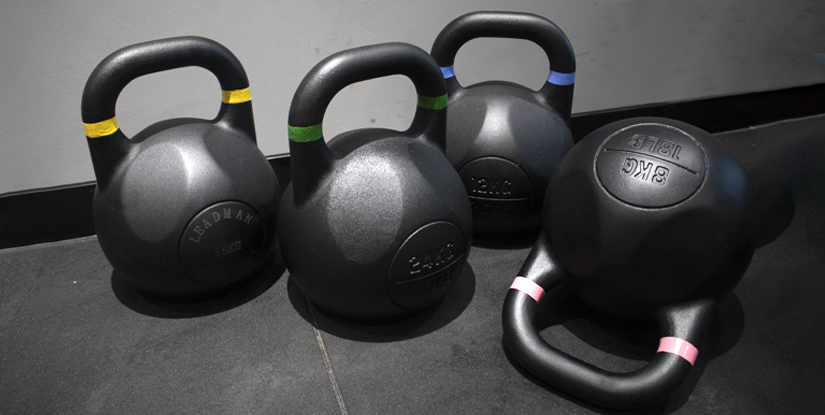
Beyond the immediate footprint, long-term inventory management requires a focus on verticality and organizational durability. Professional distributors often face the challenge of balancing high-volume orders with limited warehouse or showroom dimensions. When vetting rubberized kettlebell suppliers, it is essential to verify if the product geometry is optimized for vertical storage solutions. Unlike irregular-shaped implements, high-quality vinyl-coated models should feature a consistent, ergonomic handle-to-body ratio that allows for predictable stacking or placement in tiered shelving systems.
Effective gym equipment sourcing involves auditing rack compatibility before the shipment arrives. Because the vinyl layer increases the outer diameter, standard metal racks designed for cast iron may feel overly tight or cause surface abrasions if the fit is too snug. We recommend requesting technical specifications regarding the maximum outer diameter of the heaviest weight in your set. This ensures that your bulk logistics planning accounts for the actual volume of the shipment, preventing unexpected surcharges or the need for secondary storage containers upon arrival. By prioritizing products with standardized dimensions, you streamline the transition from the shipping container to the gym floor, optimizing both warehouse turnover and facility workflow.
Evaluating Long-term Maintenance and Total Cost of Ownership
When sourcing a china vinyl coated kettlebell, many procurement managers fall into the trap of focusing solely on the initial unit price. However, a low-cost acquisition can quickly become a liability when viewed through the lens of Total Cost of Ownership (TCO). In high-traffic gym environments, the durability of the outer layer is often more critical than the weight of the iron core itself.
The primary concern for distributors and facility owners is how the product handles daily wear and tear. Low-quality coatings tend to crack, peel, or chip under heavy use, leading to unsightly aesthetics and potential hygiene issues. If the coating fails prematurely, the resulting replacement cycles will significantly increase your long-term operational expenses. When evaluating suppliers, it is essential to prioritize coating durability to ensure the equipment remains functional and visually professional for years, rather than just a few months of intense training.
To mitigate these risks, professional buyers must distinguish between standard finishes and high-grade industrial coatings. The difference often lies in the chemical composition and the application process used by different rubberized kettlebell suppliers. A superior coating does more than just provide a grip; it acts as a protective barrier against environmental moisture and physical impact. When vetting wholesale vinyl kettlebells, we recommend a technical comparison of the physical properties that dictate long-term reliability.
The following framework helps procurement officers evaluate the quality tier of a potential shipment by focusing on structural integrity and surface longevity.
| Feature | Standard Grade Coating | Premium Grade Coating |
|---|---|---|
| Coating Thickness | Thin, inconsistent layer; prone to unevenness | Uniform, high-density layer for consistent feel |
| Adhesion Quality | High risk of peeling from the cast iron core | Strong chemical bond to prevent delamination |
| Crack Resistance | Prone to splitting under temperature shifts | High elasticity to withstand impact and UV exposure |
| Surface Texture | Smooth or rough; can become tacky over time | Consistent, non-slip matte finish for grip stability |
Pro Tip: During your sampling phase, request a cross-section sample or a high-resolution video of the edge where the vinyl meets the handle. This allows you to inspect the adhesion quality and ensure the coating is deeply integrated with the core, rather than just a superficial layer that will chip during heavy use.
Beyond product specifications, successful gym equipment sourcing requires a strict focus on the logistics of arrival and long-term storage. Even high-quality inventory can suffer irreversible damage if bulk logistics and warehouse management are neglected. For instance, extreme temperature fluctuations during ocean freight or prolonged exposure to high humidity in non-climate-controlled containers can compromise the elasticity of the vinyl, leading to premature cracking or a "tacky" surface texture before the product even reaches your facility.
Optimizing Storage and Incoming Inspection Protocols
To protect your investment, establish rigorous storage conditions within your distribution center. We recommend keeping shipments in a cool, dry environment away from direct sunlight and caustic cleaning agents, which can degrade the polymer structure. Upon arrival, your quality control (QC) workflow should include more than just a count of the units. Implement a formal inspection protocol that involves a tactile check of the coating uniformity and a visual scan for any signs of "blooming" or surface discoloration caused by container heat.
A professional quality control (QC) checkpoint should also verify weight consistency across a random sample of the shipment. Inconsistent density can indicate a low-quality core-to-coating ratio, which often leads to uneven wear. By integrating these strict handling and inspection standards into your procurement lifecycle, you ensure that the products you deliver to end-users maintain their premium appearance and structural integrity throughout their entire service life.
Navigating Bulk Logistics and Import Specifications from China
For distributors and gym equipment importers, the primary driver behind selecting a china vinyl coated kettlebell is often the significant reduction in unit price achieved through manufacturing scale. Unlike boutique fitness brands, large-scale Chinese factories utilize highly automated production lines that minimize manufacturing overhead per unit. This efficiency is most pronounced when moving from small sample orders to full container loads.
Understanding the relationship between unit price vs. volume is critical for optimizing your Total Cost of Ownership (TCO). While the cost per piece drops as your order size increases, savvy procurement professionals must balance these savings against shipping density and storage requirements. When sourcing wholesale vinyl kettlebells, the goal is to leverage economies of scale not just in the factory's production cost, but in the logistics chain. Maximizing the weight-to-volume ratio within a standard 20ft or 40ft container ensures that the freight cost per unit remains low, protecting your margins against fluctuating international shipping rates.
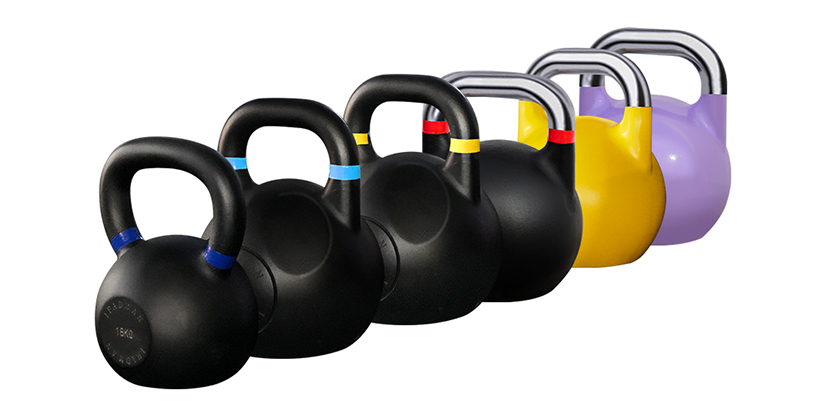
Optimizing your landed cost requires a strategic decision between speed and shipping density. Because kettlebells are high-density, heavy-weight items, the weight-to-volume ratio is exceptionally high, making them ideal candidates for sea freight. For most gym equipment sourcing operations, LCL (Less than Container Load) is a viable option for testing new weight increments or filling small inventory gaps. However, to truly maximize profitability, moving toward FCL (Full Container Load) is the standard for professional distributors. Shipping by air is generally impractical for this product category due to the prohibitive cost per kilogram, which can quickly erase any manufacturing savings.
When negotiating with suppliers, pay close attention to MOQ requirements. Many top-tier manufacturers offer tiered pricing based on volume; often, the most significant price breaks occur when an order reaches a full container threshold. Before finalizing your purchase order, request a detailed packing list that includes gross weight and volumetric dimensions. This data allows you to calculate the most efficient stowage plan, ensuring you are not paying for "shipping air" while maintaining a competitive landed cost for your local market.
To assist in your financial modeling, the following comparison outlines the typical logistical trade-offs encountered when importing heavy-duty fitness equipment. Most professional buyers prioritize sea freight to maintain a competitive edge in the wholesale market, but understanding the variables is essential for effective inventory management.
| Logistics Factor | Sea Freight (FCL/LCL) | Air Freight |
|---|---|---|
| Lead Time | Long-term (30–45+ days) | Short-term (5–10 days) |
| Cost Impact | Low (Optimal for high-density goods) | Extremely High (Weight-prohibitive) |
| Suitability | Standard for bulk distributor orders | Emergency restocks or small samples only |
| Volume Efficiency | High (Maximizes weight-to-volume ratio) | Low (Diminishing returns on heavy items) |
For distributors managing a china vinyl coated kettlebell inventory, we generally recommend planning procurement cycles around sea freight windows. Relying on air freight for heavy, rubberized equipment can drastically inflate your landed cost, often making the product uncompetitive in the North American B2B market. Always verify the gross weight per carton with your rubberized kettlebell suppliers to ensure your container utilization is optimized for sea transport.
Strategic Vendor Selection for High-Volume Orders
When scaling a fitness inventory, procurement professionals often fall into the trap of prioritizing the lowest unit price. However, for distributors and gym owners, the true value of a china vinyl coated kettlebell lies in its Total Cost of Ownership (TCO). A cheaper, low-grade coating might save capital during the initial purchase, but it often leads to rapid peeling, oxidation, or cracking under heavy commercial use. These failures necessitate frequent replacements and disrupt gym operations, effectively driving up the long-term cost-per-use.
Effective sourcing requires shifting the focus from immediate savings to durability vs. initial investment. High-quality wholesale vinyl kettlebells feature advanced bonding technologies that ensure the protective layer remains intact despite high-frequency impact. By investing in premium-grade coatings upfront, buyers secure significant long-term maintenance savings. This approach minimizes the need for restocking mid-season and protects your margins by reducing the frequency of defective returns and warranty claims, ensuring a more predictable and profitable supply chain.
Understanding the pricing architecture is essential for maintaining healthy margins. When evaluating different tiers of rubberized kettlebell suppliers, buyers must look beyond the surface-level quote to identify what drives the variance in cost. Typically, price fluctuations are driven by three primary factors: material grade, manufacturing precision, and order volume.
Material Grade and Weight Consistency
The distinction between PVC and TPE coatings significantly impacts both unit cost and product lifespan. While PVC is a common, cost-effective standard, TPE (Thermoplastic Elastomer) offers superior elasticity and a softer tactile feel, often commanding a premium. Furthermore, high-tier manufacturers invest more in precision casting to ensure strict weight consistency. For commercial distributors, a slight deviation in weight across a set can lead to client dissatisfaction and increased return rates. Choosing a factory-direct pricing model that emphasizes rigorous quality control over the absolute lowest price ensures that each piece in a shipment meets the exact specifications required for professional strength training environments.
The Impact of MOQ on Procurement Strategy
Volume remains the most significant lever in optimizing your landed cost. Higher Minimum Order Quantities (MOQ) typically allow for better economy of scale, as manufacturers can streamline production runs for specific coating types. When negotiating with suppliers, consider how increasing your order volume can offset the higher costs associated with premium material grades, effectively lowering the per-unit expenditure without compromising the structural integrity of the equipment.
Optimizing Landed Costs via Logistics Management
Beyond unit pricing, the most significant variable in your total procurement budget is the logistical overhead. For distributors managing large-scale gym equipment sourcing, the difference between a disorganized shipment and a strategically planned one can be thousands of dollars in lost margin. Because vinyl-coated items are heavy and non-compressible, shipping volume optimization becomes a critical metric for success.
To achieve maximum container loading efficiency, buyers should coordinate closely with their suppliers regarding packaging configurations. Instead of standard loose packing, request standardized master cartons that are designed to nest or stack more effectively within a 20ft or 40ft container. A high-performing manufacturer will provide a packing list that calculates the exact cubic volume per SKU, allowing you to fill the remaining "dead space" with smaller weight increments to ensure you are not paying for empty air.
Furthermore, professional bulk logistics planning must account for customs and duty considerations. Ensure your supplier provides accurate Harmonized System (HS) codes and detailed material declarations upfront. Clear documentation regarding the specific vinyl or TPE composition can prevent costly delays at the port of entry. By treating the shipping process as an integrated part of the procurement cycle rather than an afterthought, you can minimize unexpected surcharges and stabilize your landed cost per unit.