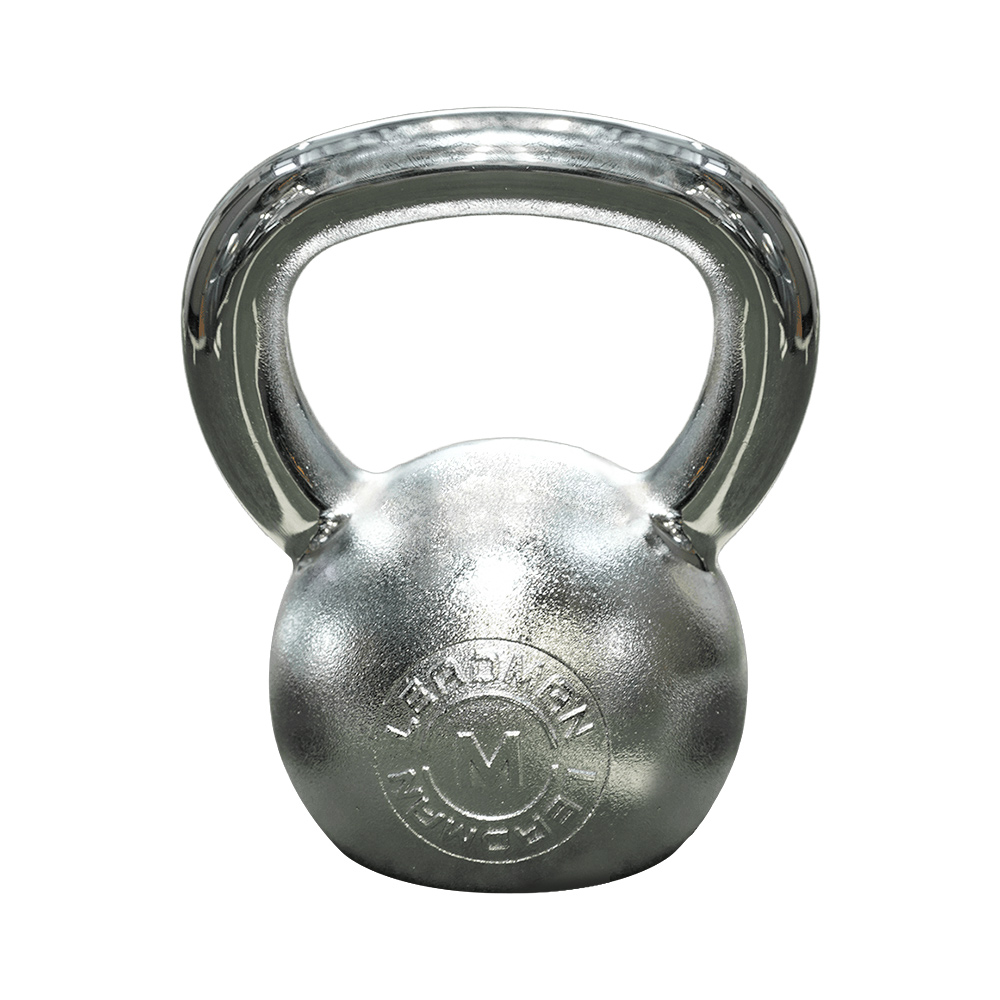
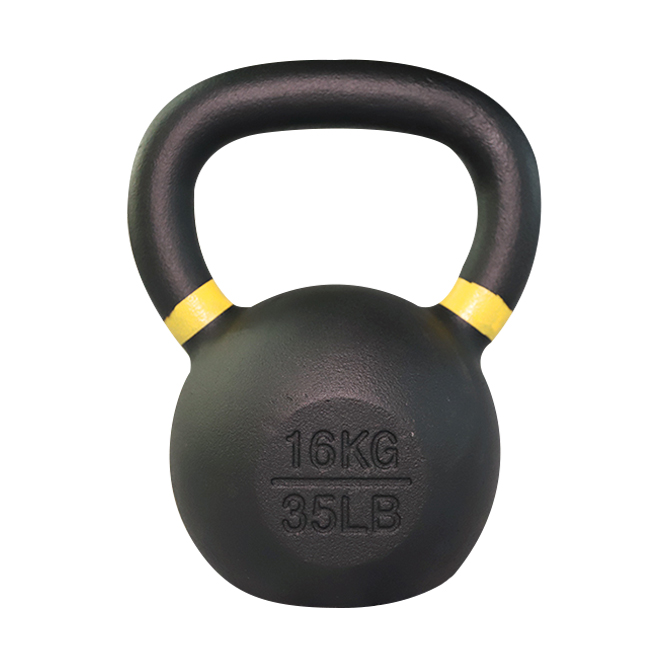
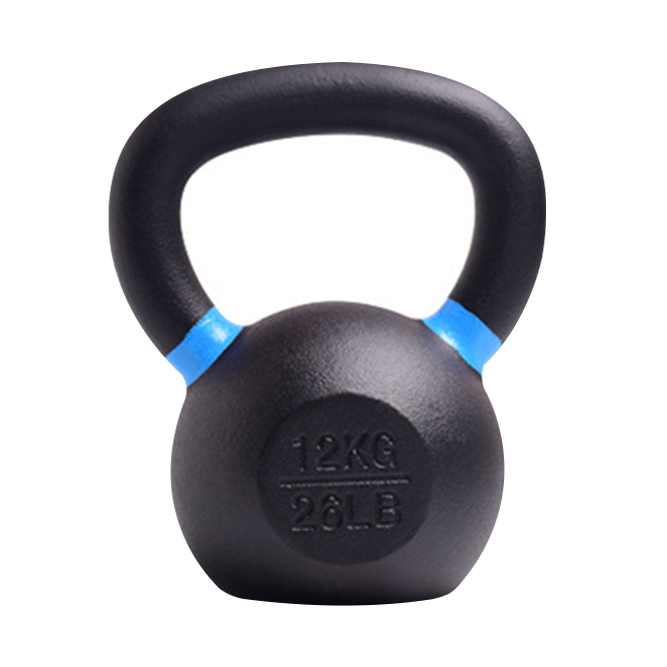
Managing Inventory for Body Solid Vinyl Kettlebell SKUs
Establishing Procurement Standards for Premium Vinyl-Coated Training Gear
For high-traffic boutique studios or hotel fitness centers, the procurement decision often hinges on more than just the initial purchase order. While a budget-focused buyer might prioritize the lowest unit price, professional distributors recognize that commercial gym inventory management requires a focus on the Total Cost of Ownership (TCO). Selecting a body solid vinyl kettlebell involves weighing the immediate investment against the long-term maintenance cycle of the equipment.
The primary advantage of this specific line lies in the protective coating benefits that safeguard the internal core. In high-use environments, standard iron or cast materials are prone to oxidation and surface degradation. The specialized vinyl coating acts as a resilient barrier, preventing rust and reducing the frequency of replacement. When evaluating durability vs. initial investment, the longevity provided by this exterior layer often justifies the premium, as it minimizes the need for frequent restocking and reduces the overhead associated with equipment turnover.
To effectively manage a diverse catalog, distributors must look beyond the sticker price and evaluate the long-term cost-per-use. A lower upfront cost for basic iron options can often lead to higher maintenance overhead through rust-related replacements and floor damage. By contrast, sourcing a high-quality vinyl coated kettlebell wholesale allows your clients to invest in equipment that maintains its aesthetic and structural integrity under rigorous commercial use.
The following comparison illustrates why the Body Solid line serves as a superior strategic asset for high-end fitness facilities compared to standard iron alternatives:
| Feature/Metric | Standard Cast Iron | Body Solid Vinyl Coated |
|---|---|---|
| Initial Unit Cost | Lower | Moderate Premium |
| Oxidation Resistance | Low (Prone to rust) | High (Protective barrier) |
| Maintenance Overhead | Frequent cleaning/repainting | Minimal/Low touch |
| Surface Protection | High impact/Floor wear | Softened impact/Floor safe |
| Long-term TCO | Higher due to turnover | Lower due to durability |
For distributors, prioritizing these premium SKUs means offering a product that satisfies the demand for both durability and facility aesthetics, ultimately reducing the frequency of replacement-driven reorders.
Optimizing Capital Efficiency through Bulk Procurement
Navigating the logistics of a bulk procurement strategy requires a delicate balance between minimizing freight expenses and maintaining healthy liquidity. For distributors managing a wide range of weights, the Minimum Order Quantity (MOQ) serves as a critical lever in determining the final landed cost. While smaller, frequent shipments might seem attractive for low-risk testing, they often lead to inefficient shipping volume optimization, as the high density and weight of kettlebells can result in disproportionately high freight-to-value ratios.
To maximize profitability in fitness equipment distribution, buyers should align their order cycles with the natural inventory turnover rates of their specific market segments. Rather than spreading orders across many small shipments, consolidating the Body Solid SKU range into larger, optimized sea freight containers can significantly lower the per-unit shipping cost. Efficiently managing these stock levels ensures that capital is not unnecessarily tied up in overstock, yet remains sufficient to meet sudden spikes in commercial demand without compromising service reliability.
Optimizing Weight Increments for High-Turnover Retail Displays
Distributors often face a difficult trade-off between SKU depth and inventory breadth. While offering a complete spectrum of weights may look impressive on a showroom floor, overstocking niche increments can tie up significant capital and warehouse space. For a body solid vinyl kettlebell line, the challenge lies in identifying the specific weight ranges that drive the highest velocity in commercial gym settings versus those that remain stagnant.
Effective commercial gym inventory management requires a data-driven approach to stock selection. Instead of a uniform distribution across all weights, procurement specialists should prioritize the high-turnover increments that serve the majority of functional training demographics. This strategic focus ensures that your retail display optimization efforts are backed by high-demand products that move quickly, rather than a cluttered selection of low-velocity SKUs.
| Stocking Strategy | Primary Focus | Inventory Risk | Best For |
|---|---|---|---|
| Core Weight Focus | High-demand middle ranges | Low (Fast turnover) | Standard commercial gyms |
| Full Spectrum Depth | All increments (Light to Heavy) | High (Capital tie-up) | Specialized strength facilities |
| Hybrid Selection | Core weights + select outliers | Moderate | Retail/Showroom displays |
To implement a precise weight distribution strategy, distributors must categorize SKUs based on typical user demand profiles. In most commercial environments, the turnover rate for mid-range weights is significantly higher than that of extreme outliers. Relying on a blanket order quantity across the entire product line often leads to inefficient stock density, where heavy, low-velocity units occupy valuable warehouse footprints without yielding proportional margins.
The following SKU optimization table provides a framework for balancing your vinyl coated kettlebell wholesale orders. By segmenting your procurement into high-velocity "Core" weights and specialized "Niche" weights, you can maintain a lean, high-performing inventory that responds to market demand without overextending your liquid capital.
| Weight Category | Typical KG/LB Range | Stock Density Priority | Procurement Logic |
|---|---|---|---|
| Light/Beginner | 4kg – 12kg | Medium | High volume, low margin per unit |
| Standard/Intermediate | 16kg – 24kg | High (Core SKU) | Highest velocity in commercial settings |
| Advanced/Heavy | 28kg – 40kg+ | Low (Lean) | Low turnover, high capital requirement |
Beyond weight increments, the physical properties of the product itself directly impact long-term retail viability. A major advantage of the body solid vinyl kettlebell design is the durability of the vinyl coating, which serves a dual purpose for the end-user and the distributor. For retail environments, this coating prevents the surface degradation and rust common in cast iron alternatives, ensuring that display models maintain a premium appearance over extended periods. This longevity reduces the frequency of replacement cycles and lowers the total cost of ownership for gym owners, making them easier to sell in high-traffic showrooms.
From a fitness equipment distribution standpoint, the protective nature of the vinyl layer also mitigates damage during transit and handling. This high level of surface integrity allows for more aggressive replenishment cycles without the constant risk of cosmetic defects that plague uncoated steel. For the buyer procurement focus, this translates to a more predictable supply chain; distributors can maintain consistent stock levels of mid-range weights with the confidence that the product arriving at the facility will meet strict quality control standards for both aesthetics and structural endurance.
Durability Assessment: Evaluating Vinyl Integrity and Core Stability
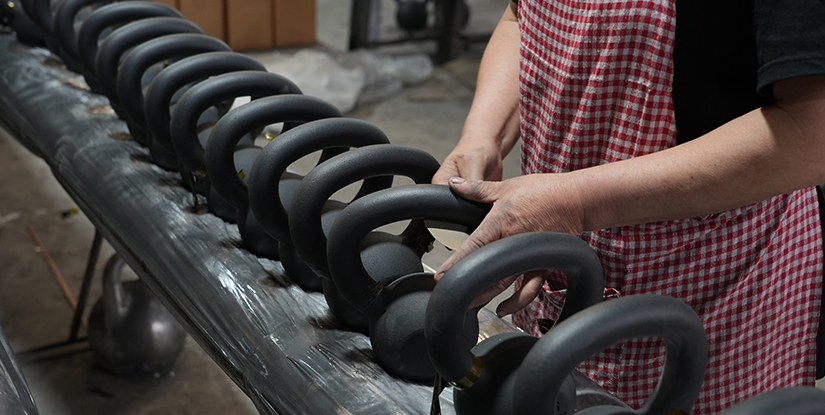
In high-traffic commercial gym usage, the primary failure point for weighted implements is rarely the core itself, but rather the interface between the weight and its protective layer. For distributors, sourcing a body solid vinyl kettlebell requires a strict focus on the chemical bond established during manufacturing. A subpar product often suffers from delamination, where the outer layer separates from the internal weight due to temperature fluctuations or physical stress.
When procuring vinyl coated kettlebell wholesale orders, the critical metric is coating adhesion. High-frequency impact—such as dropping or setting the weight down aggressively during a circuit—can cause brittle coatings to crack or peel if the bond is weak. This structural integrity is vital to prevent moisture from entering the core, which can lead to internal oxidation or weight shifts. For professional procurement, ensuring the vinyl remains a seamless, resilient skin is the best way to minimize replacement cycles and long-term maintenance costs for your clients.
To mitigate the risk of high return rates, distributors should implement a standardized inspection framework during the receiving process. This quality control protocol should move beyond visual aesthetics to evaluate the physical response of the product to stress. A reliable body solid vinyl kettlebell must demonstrate high surface durability and resistance to abrasions that occur during repetitive contact with gym flooring.
The following inspection criteria are essential for assessing the Total Cost of Ownership (TCO) and long-term reliability:
- Core Stability Test: Verify that the internal weight distribution is perfectly centered to prevent uneven wear or "wobble" during high-velocity movements.
- Surface Tensile Check: Inspect for micro-fissures or uneven thickness in the vinyl layer, which can indicate poor molding processes.
- Adhesion Stress Test: Check for any signs of air pockets or separation between the core and the coating, ensuring the skin can withstand thermal expansion.
By prioritizing these benchmarks, fitness equipment distribution partners can ensure that the inventory supplied to commercial facilities meets the rigorous demands of professional training environments, thereby protecting profit margins against premature warranty claims.
Beyond the physical build of the unit, professional fitness equipment distribution requires a nuanced understanding of how environmental variables impact your warehouse and transit logistics. While the vinyl layer provides excellent protection, it is not immune to the logistics of long-term storage. Distributors must account for seasonal fluctuations in ambient temperature, as extreme heat or cold during shipping and storage can affect the elasticity of the polymer coating.
Maintaining a controlled storage temperature is a critical component of effective warehouse management. If stock is held in unconditioned environments with high thermal volatility, the constant expansion and contraction of the internal core against the vinyl shell can lead to premature aging of the material. For buyers managing large-scale inventory turnover, this is a vital consideration to prevent "dead stock" that arrives at the client site with compromised surface integrity.
To optimize your supply chain, we recommend a strategic approach to inventory turnover that aligns with regional climate patterns. By rotating stock frequently and ensuring that shipments are not exposed to extreme thermal stress during transit, you can preserve the high-quality standards expected of the Body Solid line, ensuring that the product arrives in peak condition for the end-user.
Spatial Planning and Storage Density for Commercial Distribution
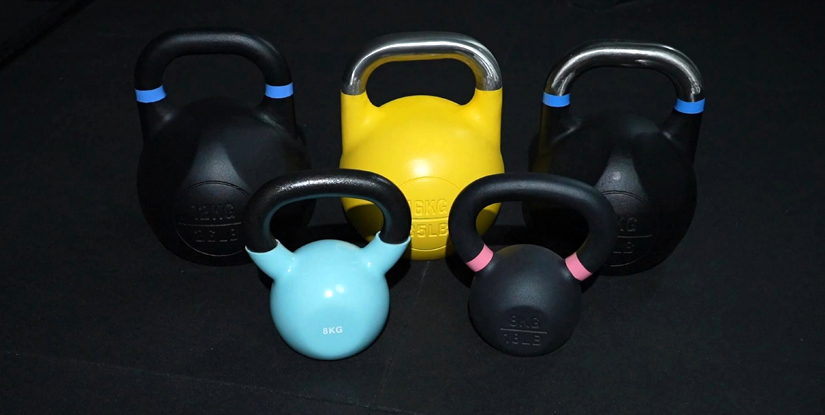
Distributors often underestimate the volumetric impact of specialized strength equipment when calculating warehouse overhead. Unlike standard iron kettlebells, the body solid vinyl kettlebell features a slightly larger diameter due to the protective polymer coating. This increased circumference means that standard nesting techniques used for cast iron may not apply, directly affecting your footprint optimization strategies.
Effective commercial gym inventory management requires a shift from horizontal floor spreading to disciplined vertical storage solutions. Because the vinyl coating provides a high level of durability and surface protection, these units can be safely stacked in specialized tiered racks, provided that weight distribution is strictly monitored to prevent deformation of the lower SKUs. For high-volume importers, failing to account for this additional dimensional volume can lead to unexpected shipping surcharges or inefficient use of retail floor space. We recommend planning for a 5-10% volumetric buffer to accommodate the unique silhouette of vinyl-coated strength products.
To optimize your warehouse layout, it is essential to categorize your stock by weight class and physical dimensions. High-density storage strategies differ significantly between lighter, high-turnover units and the heavier, high-capacity SKUs. When sourcing vinyl coated kettlebell wholesale orders, calculating the ratio of weight to volume ensures your shelving units are not only structurally sound but also maximize every cubic foot of available space.
The following table illustrates the general relationship between weight classes and the spatial requirements necessary for efficient fitness equipment distribution. Note that the volumetric efficiency of vinyl-coated models is slightly lower than bare iron due to the protective outer layer.
| Weight Class (lbs) | SKU Categorization | Typical Storage Density | Shelf Load Capacity Requirement |
|---|---|---|---|
| 4 – 15 lbs | Light/Beginner | High (Nesting-friendly) | Standard Retail Shelving |
| 20 – 45 lbs | Intermediate | Moderate (Tiered Racks) | Heavy-Duty Commercial Racks |
| 50+ lbs | Advanced/Heavy | Low (Floor or Reinforced) | Industrial Pallet/Reinforced Steel |
Strategic Procurement Note: When planning for large-scale shipments, always verify the maximum load capacity of your intended storage systems. Relying on standard retail shelving for heavier weight classes can lead to structural fatigue, potentially damaging the premium vinyl finish of your inventory.
Durability-Driven Logistics and Turnover Optimization
Beyond simple footprint calculations, successful fitness equipment distribution relies on understanding how material science influences your inventory turnover. The resilient nature of the Body Solid vinyl coating serves a dual purpose: it protects the internal weight core from environmental degradation and provides a buffer against surface abrasions during transit. However, this coating requires specific handling protocols to maintain its premium aesthetic and structural integrity throughout the supply chain.
When managing high-velocity SKUs, distributors should implement protective layering strategies during long-term storage to prevent friction-induced scuffing between stacked units. While the vinyl is exceptionally durable, improper stacking under heavy pressure in non-climate-controlled environments can lead to minor surface indentations. By integrating these handling protocols into your warehouse standard operating procedures, you can maintain higher turnover rates by ensuring that products arriving at the retail level remain in "out-of-the-box" pristine condition. This attention to detail minimizes returns and protects your long-term margins in the competitive commercial strength market.
Logistics and Bulk Sourcing: Managing Lead Times and MOQ
Optimizing the procurement of a body solid vinyl kettlebell requires a delicate balance between inventory availability and landed cost. For distributors, the primary financial challenge lies in the inverse relationship between order volume and per-unit expenditure. While smaller, frequent orders provide agility, they often fail to leverage the economies of scale necessary for high-margin vinyl coated kettlebell wholesale operations.
A significant factor in your total cost of ownership is shipping density. Because these products are high-density, heavy-weight items, the volumetric weight is low, but the actual weight significantly impacts freight costs. To achieve meaningful unit cost reduction, procurement officers must often navigate higher MOQ requirements to ensure containers are utilized efficiently. Sourcing without a strategic view of container load optimization can lead to "shipping air," where the cost of logistics erodes the savings gained from bulk manufacturing discounts. Effective fitness equipment distribution relies on calculating the sweet spot where increased stock levels do not outpace turnover rates or create excessive warehousing overhead.
To assist in your decision-making process, we have outlined how different procurement scales influence your bottom line. When managing commercial gym inventory management, the goal is to identify the threshold where shipping efficiency and unit discounts reach peak optimization without overextending your warehouse capacity.
| Order Volume | Typical MOQ Tier | Shipping Efficiency | Cost Benefit |
|---|---|---|---|
| Low (Sample/Trial) | < 50 units | Low (LCL/Parcel) | Minimal; high per-unit freight |
| Mid (Seasonal Restock) | 100 - 300 units | Moderate (LCL/Palletized) | Standard wholesale discounts |
| High (Annual Bulk) | 500+ units | High (FCL/Container) | Maximum economies of scale |
Freight optimization is non-negotiable for heavy-weight SKUs. For distributors, moving from LCL (Less than Container Load) to FCL (Full Container Load) is often the most effective way to lower the landed cost per unit. By aligning your body solid vinyl kettlebell procurement with container-ready quantities, you reduce the risk of paying disproportionately high freight costs relative to the actual weight of the goods.
Beyond freight optimization, successful fitness equipment distribution hinges on a proactive approach to lead time management. Relying on "just-in-time" replenishment for heavy-weight SKUs can be a high-risk strategy due to the inherent volatility in global shipping corridors and manufacturing cycles. A single disruption in the production of high-quality vinyl coatings or a delay in port operations can leave your distribution channels empty, causing missed sales opportunities during peak windows.
To maintain a competitive edge, distributors must establish a calculated buffer stock. This safety net is essential to mitigate the impact of seasonal demand spikes, such as the common uptick in gym equipment orders during New Year fitness resolutions or pre-summer training cycles. Rather than reacting to stockouts, professional buyers analyze historical inventory turnover rates to determine the optimal volume of safety stock required to bridge the gap between order placement and final delivery. By accounting for potential supply chain reliability issues, you ensure that your client base receives consistent fulfillment, regardless of external logistical pressures.
Maintenance Cycles and Long-Term Lifecycle Value
When sourcing vinyl coated kettlebell wholesale inventory, procurement specialists must look beyond the initial unit cost and evaluate the long-term durability of the protective layer. The durability of vinyl coating is a critical factor in determining the Total Cost of Ownership (TCO) for high-traffic facilities. Unlike cast iron alternatives, the vinyl skin on a body solid vinyl kettlebell serves as a vital buffer against oxidation and surface abrasions, but it remains susceptible to specific environmental stressors.
In many commercial settings, commercial gym wear and tear often manifests as micro-tears or peeling if the equipment is stored near abrasive surfaces or exposed to extreme temperature fluctuations. To protect your investment, distributors should advise clients on a consistent maintenance frequency. This includes routine visual inspections for punctures and ensuring the weights are stored in climate-controlled environments. Monitoring these subtle signs of degradation allows facility managers to replace units before structural integrity is compromised, ensuring a predictable replacement cycle rather than an emergency procurement expense.
To streamline fitness equipment distribution and inventory turnover, facility managers should implement a structured inspection protocol. Rather than waiting for visible failure, proactive assessment of the weight core stability and surface integrity ensures safety and maintains professional standards. Utilizing a systematic checklist allows for data-driven replenishment decisions rather than reactive purchasing.
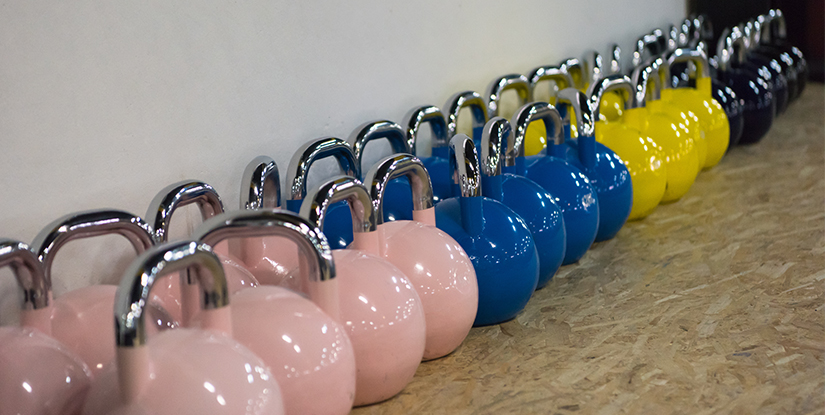
The following framework assists procurement teams in evaluating the physical health of their stock to determine if a SKU requires immediate replacement or can continue in rotation.
| Inspection Category | Critical Checkpoint | Replacement Trigger |
|---|---|---|
| Vinyl Coating Integrity | Surface tension and color uniformity | Cracking, peeling, or exposed core material |
| Weight Core Stability | Internal weight shifting or density changes | Audible rattling or noticeable imbalance during movement |
| Handle & Grip | Smoothness and grip texture | Sticky residue or significant coating thinning |
| Environmental Impact | Exposure to UV or extreme temperature swings | Brittleness or hardening of the vinyl shell |
By adhering to these maintenance standards, distributors can provide more accurate lifecycle projections to their clients, optimizing both safety compliance and long-term inventory turnover rates.
Effective commercial gym inventory management requires a shift from reactive purchasing to strategic procurement planning. For distributors managing the Body Solid line, the goal is to align stock turnover optimization with the natural replacement cycles of the equipment. Because vinyl-coated products possess a distinct lifecycle compared to raw iron, inventory levels should not be static; they must account for the gradual aging of the protective coating in high-use environments.
To maximize long-term lifecycle value, we recommend a staggered replenishment model. Instead of large, infrequent bulk orders that risk high obsolescence or storage degradation, distributors should utilize a rolling procurement strategy. By tracking the frequency of "replacement triggers" identified in the inspection table above, buyers can predict when a specific weight class—such as the mid-range 14kg to 24kg SKUs—will require a refresh. This data-driven approach ensures that facility turnover remains high and that the client's inventory always reflects a premium, well-maintained standard, preventing the brand erosion that occurs when aging or damaged equipment remains in rotation.
Quality Control Protocols for Large-Scale Fitness Equipment Distribution
In a high-traffic commercial gym environment, the longevity of free weights is directly tied to the integrity of their outer layer. For distributors, the primary concern is not just the weight accuracy, but the structural resilience of the coating under constant use. When sourcing vinyl coated kettlebell wholesale orders, the risk of premature peeling or cracking can lead to high return rates and diminished client trust.
The body solid vinyl kettlebell is engineered to withstand the rigors of heavy daily use, yet the true test lies in coating adhesion and impact resistance. High-quality vinyl must bond seamlessly to the internal core to prevent moisture ingress or delamination during heavy drops. For procurement managers, verifying these material standards is essential to ensure that the inventory maintains its aesthetic and functional durability over long lifecycles. Prioritizing products with superior bonding strength minimizes the total cost of ownership and protects your reputation as a reliable supplier of premium fitness gear.
To mitigate the risk of defective shipments, distributors should implement rigorous quality control protocols during the receiving process. A standardized inspection routine prevents substandard units from entering your active stock, ensuring that every SKU meets the high expectations of commercial facilities. Effective fitness equipment distribution relies on more than just logistics; it requires a technical verification of the physical product attributes.
Technical Inspection Checklist for Incoming Shipments
When conducting a batch audit, focus on these three critical dimensions to ensure long-term product viability:
- Weight Distribution Consistency: Verify that the internal core weight is uniform. An uneven center of gravity can lead to unpredictable movement during swings, posing a safety risk in professional settings.
- Surface Smoothness and Adhesion: Inspect the vinyl layer for any bubbles, uneven thickness, or "soft spots." The surface must be flawlessly smooth to prevent skin irritation and ensure there are no weak points where the coating might tear.
- Structural Integrity: Check the handle-to-core transition points. The bond between the handle and the main body must be seamless to prevent delamination under high-frequency impact.
By adhering to these inspection criteria, procurement professionals can confidently manage commercial gym inventory management, reducing the frequency of replacements and optimizing the turnover rate of your premium product lines.
Distinguishing between entry-level retail stock and professional-grade equipment is a critical skill for procurement specialists. While standard retail models may appear visually similar, the internal engineering and exterior finishes vary significantly. For a distributor, selecting a product with a superior build directly influences the product's lifecycle and your ability to fulfill long-term replacement orders.
Quality Benchmarks for Vinyl Kettlebell Inventory
The following comparison highlights the technical differentiators that define a high-performance body solid vinyl kettlebell versus lower-tier alternatives. Use these metrics to audit your upcoming shipments and ensure they meet the rigorous demands of commercial fitness centers.
| Feature/Benchmark | Standard Retail-Grade | Commercial-Grade (Pro) |
|---|---|---|
| Coating Thickness | Thin, inconsistent application | Uniform, high-density layer |
| Handle Ergonomics | Basic grip, potential friction points | Smooth, seamless handle transition |
| Weight Stability | Variable center of gravity | Precisely balanced internal core |
| Durability Rating | Low (prone to peeling/cracking) | High (impact and abrasion resistant) |
When evaluating vinyl coated kettlebell wholesale options, prioritizing these technical specifications will help you avoid the pitfalls of high-return SKUs. A robust coating thickness and a stable weight distribution are not just luxury features; they are essential components of reliable commercial gym inventory management.