kettlebell vinyl | Maintaining Vinyl Coated Kettlebells for
Vetting Manufacturers for High-Grade Vinyl Coating Standards
For distributors supplying high-traffic boutique studios or luxury hotel gyms, the visual integrity of equipment is a direct reflection of brand quality. A common procurement pitfall occurs when low-cost kettlebell vinyl options are sourced without verifying the thickness and elasticity of the outer layer. In many commercial settings, sub-standard coatings fail prematurely, leading to unsightly peeling or cracking that necessitates early replacement and disrupts the facility's aesthetic standards.
To protect your total cost of ownership, sourcing decisions must prioritize high-grade coating standards over the lowest initial unit price. Premium vinyl kettlebell durability is defined by the coating's ability to bond seamlessly with the cast iron core, ensuring it can withstand repetitive impact and temperature fluctuations without delaminating. When auditing potential suppliers, focus on their quality control processes regarding commercial gym equipment care; a manufacturer that can demonstrate consistent coating adhesion and thickness uniformity is a partner that helps you mitigate the long-term risks of equipment degradation.
Rather than relying solely on sample inspections, professional buyers should demand technical transparency during the procurement vetting process. A robust manufacturing framework must address several critical engineering benchmarks to ensure long-term reliability in diverse climates. When evaluating a factory's capability, use the following technical checklist to differentiate between high-volume commodity production and professional-grade manufacturing:
- Adhesion Strength: Confirm the manufacturer utilizes advanced bonding agents to prevent delamination between the cast iron core and the vinyl layer during high-impact use.
- Thickness Consistency: Verify that the production line maintains uniform coating depth across all weight increments to prevent uneven weight distribution or "thin spots" prone to tearing.
- Material Composition: Inquire about the chemical stability of the polymer to ensure the coating remains non-toxic and maintains its elasticity under varying facility temperatures.
- UV Resistance: For distributors supplying outdoor fitness parks or sun-lit studios, validate that the vinyl is formulated to resist discoloration and brittleness caused by ultraviolet exposure.
A sophisticated manufacturing QC protocol—one that includes batch testing for coating integrity—is the most reliable indicator of a supplier's ability to deliver equipment that meets the rigorous demands of the North American commercial market.
Understanding the technical distinctions between different tiers of production is essential for accurate inventory planning. When a procurement specialist evaluates a catalog, they must distinguish between a basic consumer-grade finish and a true commercial-grade polymer. The following comparison outlines how these variations impact the long-term utility and maintenance cycles of your inventory.
| Technical Metric | Standard Vinyl Coating | High-Grade Commercial Vinyl |
|---|---|---|
| Impact Resistance | Prone to cracking or chipping under heavy drops or high-frequency use. | Engineered to absorb shock and maintain structural integrity during impact. |
| Adhesion Quality | Risk of delamination or "peeling" from the cast iron core over time. | Superior bonding technology ensures a seamless, permanent-feeling layer. |
| Surface Durability | Susceptible to scratches and surface degradation from friction. | Highly resistant to abrasions, maintaining a smooth texture for extended use. |
| Longevity (TCO) | Higher replacement frequency; lower initial cost but higher long-term expense. | Optimized for high-traffic environments; maximizes total equipment lifespan. |
For distributors and gym owners, the choice between these two tiers is rarely about the immediate purchase price. Instead, it is a strategic decision regarding vinyl kettlebell durability and the frequency of replacement cycles. Selecting a high-grade option significantly reduces the logistical burden of managing damaged goods and ensures a more stable supply chain for your clients.
Quality Control Protocols for Surface Integrity and Adhesion
In high-traffic commercial fitness environments, the longevity of your inventory depends heavily on the bond between the cast iron core and the external layer. For distributors and gym operators, the primary concern regarding kettlebell vinyl is not just aesthetic wear, but the structural integrity of the coating under heavy use. If the bond fails, the resulting peeling can create safety hazards and increase replacement frequency, negatively impacting the total cost of ownership.
To mitigate these risks, rigorous inspection protocols must focus on adhesion testing and surface integrity. During the procurement and receiving stages, it is essential to verify that the manufacturing process maintains strict batch consistency. High-quality commercial gym equipment care begins with ensuring that the vinyl layer is seamlessly fused to the substrate. By implementing these peeling prevention checks during initial quality control, buyers can ensure that their stock remains durable and professional in appearance throughout its intended lifecycle.
To ensure long-term vinyl kettlebell durability, procurement managers should implement a standardized receiving inspection. Relying on visual checks alone is often insufficient; a systematic approach that combines visual and physical verification is necessary to identify potential manufacturing defects before they enter your facility or distribution network.
Use the following checklist to verify the quality of incoming shipments and ensure they meet professional standards for commercial use:
| Inspection Type | Focus Area | Technical Criteria & Red Flags |
|---|---|---|
| Visual Inspection | Surface Uniformity | Check for air bubbles, uneven thickness, or discoloration across the entire circumference. |
| Tactile Check | Edge Bonding | Run fingers along the seam where the handle meets the body to detect lifting or separation. |
| Structural Test | Core Adhesion | Perform a light squeeze test to ensure the coating remains firm and does not "give" or slide over the iron. |
| Weight Verification | Mass Consistency | Verify that the weight is uniform across the batch, as coating thickness can sometimes skew mass deviations. |
Identifying these discrepancies during the initial stage prevents the long-term operational headaches associated with premature equipment degradation.
Beyond the initial receiving stage, understanding the relationship between coating thickness and environmental factors is critical for long-term asset management. In many commercial settings, fluctuations in humidity and temperature can influence how the vinyl behaves over time. If the coating is too thin or poorly applied, it becomes susceptible to micro-cracking or localized peeling when exposed to high-intensity training environments or varying climate conditions.
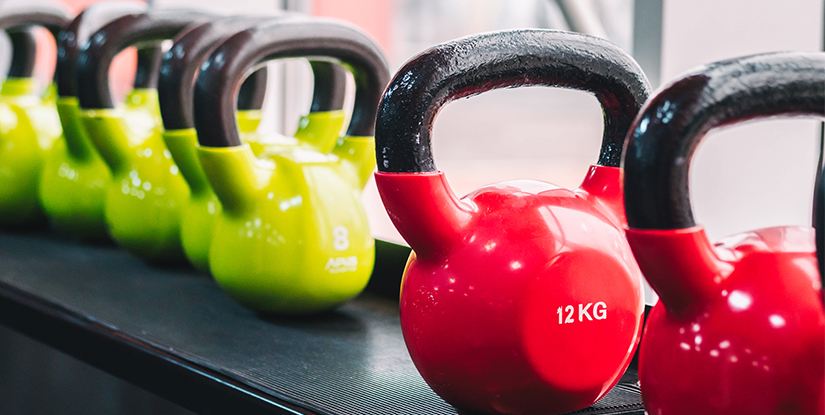
Effective vinyl coated kettlebell maintenance involves monitoring these subtle shifts to protect your investment. From a procurement decision-making perspective, the goal is to optimize the TCO (Total Cost of Ownership) by selecting products that maintain a consistent gauge and high elasticity. When a coating begins to show signs of thinning or discoloration, it is often an early indicator of material fatigue. By prioritizing high-spec manufacturing standards during the sourcing phase, distributors can significantly reduce the frequency of replacement cycles and maintain a premium aesthetic for their end-users.
Managing Warranty Claims and Material Defect Liability
For facility managers and distributors, the true cost of procurement extends far beyond the initial invoice. When managing a high-volume inventory, understanding the distinction between standard wear-and-tear and genuine manufacturing defects is critical to protecting your TCO (Total Cost of Ownership). A high-quality kettlebell vinyl coating should withstand high-frequency usage, but improper material application can lead to premature peeling or cracking that mimics heavy use.
Distinguishing between these two categories is essential for effective commercial gym equipment care and warranty negotiations. Typical usage wear—such as minor scuffs from floor contact—is an expected part of the equipment lifecycle. However, systemic issues like bubbling, uneven thickness, or delamination shortly after deployment often point to substandard factory adhesion processes. By implementing rigorous inspection protocols during unboxing, buyers can identify these flaws early, ensuring that vinyl coated kettlebell maintenance remains a routine task rather than a constant cycle of costly replacements and warranty disputes.
To safeguard your investment, procurement teams must move beyond basic visual checks and implement a formal QC (Quality Control) inspection framework during the receiving stage. When a shipment arrives, the primary objective is to verify batch consistency across the entire order. Discrepancies in texture, weight distribution, or color saturation between different production runs can indicate a lapse in manufacturing standards that may lead to long-term durability issues.
Pay close attention to signs of adhesion failure, which is the most common point of contention in wholesale disputes. If you observe material peeling or small bubbles near the handle junctions or base edges, these are often structural defects rather than surface wear. To ensure successful documentation for claims, document these specific flaws with high-resolution photography and batch numbers immediately upon unboxing. Following established wholesale procurement standards—such as documenting the specific SKU and the exact percentage of affected units—provides the necessary leverage to hold manufacturers accountable and ensures your facility receives the quality promised in the initial contract.
To streamline the inspection process for your logistics team or warehouse staff, we have synthesized common observations into a decision-making framework. This categorization helps differentiate between expected lifecycle degradation and actionable manufacturing flaws that warrant a formal claim.
| Issue Type | Likely Cause (Manufacturing vs. Usage) | Warranty Status | Recommended Action |
|---|---|---|---|
| Surface Bubbling | Manufacturing (Poor adhesion/air entrapment) | Covered | Document batch number and file claim immediately. |
| Edge Delamination | Manufacturing (Incomplete coating coverage) | Covered | Request replacement for affected SKU units. |
| Surface Scuffs | Usage (Impact with floors or other weights) | Not Covered | Standardize facility floor protection protocols. |
| Color Fading | Usage (Prolonged UV or chemical exposure) | Not Covered | Review cleaning agent compatibility with vinyl. |
| Weight Imbalance | Manufacturing (Inconsistent internal casting) | Covered | Perform weight verification and report discrepancy. |
Using this table as a reference during your initial quality control phase allows your procurement team to act decisively. By identifying these patterns early, you can optimize vinyl kettlebell durability across your entire inventory and avoid the logistical headaches of late-stage returns.
Optimizing Inventory Lifecycles Through Proper Storage
For distributors and facility managers, the preservation of kettlebell vinyl integrity begins long before the equipment reaches the gym floor. While the coating is designed for high-frequency use, the long-term durability of your inventory is heavily dictated by the environmental conditions of your warehouse or storage facility. Uncontrolled variables can lead to premature degradation, affecting the total cost of ownership for your end clients.
The primary threats to vinyl-coated equipment involve temperature fluctuations and lack of humidity control. Extreme heat can soften the polymer layer, making it prone to tearing or sticking, while excessive moisture may compromise the bond between the cast iron core and the outer shell. Furthermore, prolonged UV exposure in unshaded loading docks or outdoor staging areas can lead to discoloration and brittleness. Implementing rigorous commercial gym equipment care protocols during the warehousing stage is essential to maintaining high quality standards and minimizing replacement claims.
| Storage Environment | Risk Level | Impact on Vinyl Coating | Procurement Recommendation |
|---|---|---|---|
| Climate-Controlled Warehouse | Low | Minimal degradation; preserves elasticity | Preferred for long-term inventory holding |
| Standard Industrial Garage | Moderate | Potential for surface stickiness due to heat | Suitable for short-term transit or rapid turnover |
| Outdoor/Unshaded Staging | High | UV-induced cracking and color fading | Avoid for extended periods to prevent loss |
Beyond environmental control, the physical configuration of your storage area directly impacts vinyl kettlebell durability. Improper stacking can lead to localized pressure points that deform the outer layer or cause the cast iron core to shift, potentially compromising the structural integrity of the coating. To prevent these issues, we recommend strict stacking protocols: avoid heavy vertical loading and ensure that weights are not piled haphazardly in deep bins.
When selecting hardware for your facility, prioritize moisture-resistant shelving or heavy-duty industrial racks that allow for adequate airflow around each unit. This prevents the buildup of stagnant, humid air between pieces of equipment, which is a common cause of surface degradation in high-traffic commercial environments. For high-volume distributors, investing in organized, tiered racking systems not only protects the product but also optimizes floor space and speeds up inventory audits.

Effective bulk storage optimization is a critical factor in managing the inventory lifecycle of premium fitness goods. For large-scale wholesalers, the goal is to maintain a high turnover rate without sacrificing the aesthetic or structural quality of the product. A haphazard warehouse layout often leads to inefficient picking processes and increased handling risks, which can inadvertently damage the kettlebell vinyl coating through friction or impact.
To ensure maximum readiness for resale, logistics managers should prioritize weight distribution within racking systems. Rather than stacking heavy units in high-density piles that create crushing pressure, utilize tiered industrial shelving to allow for better warehouse ventilation. Proper airflow prevents heat pockets from forming, ensuring that the polymer remains stable and ready for immediate deployment. By treating storage as a proactive stage of quality control, distributors can minimize the risk of unsellable stock and maintain a more predictable, cost-effective supply chain.
Routine Care Strategies to Maximize Equipment Longevity
In high-traffic commercial fitness environments, the durability of your inventory directly dictates your long-term bottom line. While kettlebell vinyl coatings are favored for their ergonomic grip and floor protection, neglecting basic upkeep can lead to premature degradation. For distributors and facility managers, understanding vinyl coated kettlebell maintenance is not just about cleanliness; it is a strategic move to protect the total cost of ownership (TCO) and ensure equipment remains an asset rather than a replacement liability.
Effective commercial gym equipment care begins with monitoring surface integrity. Small oversights in environmental control can lead to significant issues, such as oxidation underneath the coating or material fatigue. To prevent peeling and ensure the bond between the cast iron core and the outer layer remains intact, strict moisture control is essential. By implementing a standardized inspection and cleaning protocol, procurement professionals can extend the functional lifespan of their stock, reducing the frequency of reordering and maintaining a premium aesthetic for their clients.
To streamline your facility's quality control, we recommend a structured approach to monitoring your inventory. Rather than waiting for visible damage, implementing a proactive inspection schedule allows you to address minor issues before they necessitate full replacement. This systematic oversight ensures that the vinyl kettlebell durability remains high, even in demanding strength training zones.
| Inspection Metric | Frequency | Standard for Quality Control | Recommended Action |
|---|---|---|---|
| Visual Inspection | Monthly | Uniform color and intact surface texture | Identify chips or peeling edges |
| Coating Integrity | Quarterly | No bubbling or separation from cast iron | Check for oxidation or moisture ingress |
| Surface Cleanliness | Weekly | Free of sweat buildup or grit | Wipe with mild, non-abrasive cleaning agents |
| Storage Environment | Continuous | Climate-controlled; low humidity | Avoid direct sunlight or damp corners |
When cleaning, avoid harsh chemical solvents or high-pressure washers, as these can compromise the polymer bond. Maintaining a stable storage environment is equally critical; extreme temperature fluctuations can cause the metal core to expand and contract at a different rate than the vinyl, potentially leading to cracks. For wholesalers and large-scale gym operators, adhering to these standards minimizes long-term maintenance costs and preserves the premium look of the equipment.
A critical factor in preserving long-term asset value is the management of chemical exposure. In many commercial settings, the use of heavy-duty disinfectants or industrial-grade floor cleaners can inadvertently damage the polymer layer. We advise procurement teams to mandate the use of non-abrasive cleaning protocols, utilizing only mild soap solutions and soft cloths. Harsh chemical solvents can erode the chemical resistance of the coating, leading to surface tackiness or thinning of the protective layer over time.
From a bulk procurement quality control perspective, it is vital to verify that the vinyl thickness and bonding strength meet international standards before large-scale deployment. High-quality manufacturing ensures that the coating can withstand standard facility sanitation without compromising the structural bond. By prioritizing these subtle technical specifications during the sourcing phase, distributors can mitigate the risks of premature wear, ensuring that the equipment remains a high-performing, aesthetically pleasing part of the facility's inventory for years to come.
Logistics and Packaging Optimization for Bulk Shipments
For distributors and gym operators, the total cost of ownership is often determined long before the equipment reaches the gym floor. When sourcing high-density kettlebell vinyl products in large volumes, the primary logistical risk involves the structural integrity of the coating during long-haul transit. Because these items are exceptionally heavy and non-compressible, improper handling can lead to significant transit damage, such as coating tears or surface abrasions that compromise the professional aesthetic of the gear.
To mitigate these risks, professional-grade protective packaging is non-negotiable. High-quality manufacturers utilize reinforced corrugated dividers and specialized corner guards to ensure dent prevention and prevent the cast iron cores from shifting. Maintaining bulk shipment stability through customized palletization and shrink-wrapping is essential for preventing friction-induced wear. For procurement managers, verifying these packaging standards during the pre-shipment inspection phase is a critical step in avoiding costly returns and ensuring that the kettlebell vinyl arrives in pristine, retail-ready condition.
Selecting the appropriate shipping configuration is a strategic decision that balances immediate freight expenses against long-term product reliability. For large-scale distributors, the choice between standard and reinforced options can significantly impact the landing cost and the condition of the inventory upon arrival. Below is a comparison to assist in your procurement planning based on volume and destination risk.
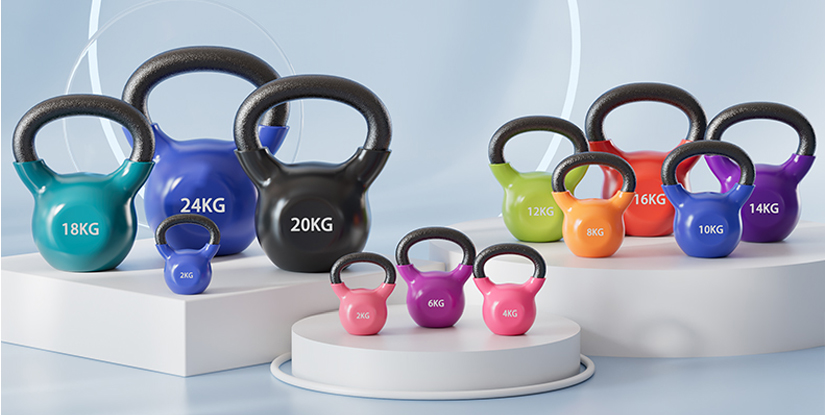
| Packaging Type | Weight Capacity | Protection Level | Cost Efficiency | Bulk Shipping Suitability |
|---|---|---|---|---|
| Standard Export Box | Up to 50kg per unit | Moderate (Standard transit) | High (Lower freight cost) | Small retail orders/LCL |
| Reinforced Industrial Crate | 100kg+ (Multi-unit sets) | High (Heavy-duty/Long-haul) | Moderate (Higher initial cost) | Large wholesale/FCL shipments |
When managing high-volume orders, we generally recommend the reinforced industrial crate for international ocean freight. While the initial packaging cost is higher, the reduction in damaged goods and the ability to stack heavy loads safely provides a much better total cost of ownership for commercial distributors. Investing in superior protection at the factory level prevents the superficial coating defects that often occur during multi-modal transport.
Beyond physical protection, optimizing the total cost of ownership requires a sophisticated approach to inventory turnover and procurement timing. For large-scale distributors and equipment suppliers, the goal is to balance vinyl kettlebell durability with lean warehouse management. Relying on frequent, small-scale replenishment often leads to inflated shipping costs per unit and increased administrative overhead, which can erode profit margins over time.
A more efficient strategy involves leveraging economies of scale through strategic MOQ (Minimum Order Quantity) management. By coordinating orders to meet higher volume thresholds, procurement officers can often secure better factory-direct pricing and more favorable freight terms. However, this must be balanced against inventory turnover rates to avoid excessive capital tie-up in warehouse space. Effective commercial gym equipment care begins at the procurement stage; by ordering standardized weight increments in larger batches, you simplify your supply chain and reduce the logistical complexity of managing diverse SKUs. Ultimately, a data-driven approach to bulk sourcing ensures that your inventory remains fresh, high-quality, and cost-effective for your end-users.
Calculating Total Cost of Ownership in Commercial Settings
When sourcing equipment for high-traffic facilities, procurement professionals often fall into the trap of prioritizing low initial CAPEX. While a lower unit price might look attractive on a single purchase order, the true cost of kettlebell vinyl assets is realized through their operational lifespan. In a commercial environment, the goal is to minimize OPEX by selecting products that withstand rigorous use without frequent replacement cycles.
The durability of coating serves as a primary differentiator in long-term value. A high-quality vinyl layer protects the internal cast iron from oxidation and impact damage, which is essential for commercial gym equipment care protocols. If the coating fails prematurely due to poor manufacturing standards, the resulting replacement costs and labor for inventory management will quickly outweigh any initial savings.
| Procurement Factor | Standard Cast Iron | Premium Vinyl Coated |
|---|---|---|
| Initial CAPEX | Lower | Moderate |
| Surface Protection | Minimal (Rust Risk) | High (Impact Resistant) |
| Maintenance Frequency | High | Low |
| Long-term TCO | Higher due to turnover | Optimized for longevity |
For distributors and gym owners, investing in premium kettlebell vinyl specifications ensures that the equipment remains a functional asset rather than a recurring expense. Evaluating the quality of the bonding process during the sourcing stage is the most effective way to protect your margins and ensure long-term ROI.
Beyond the initial purchase price, savvy buyers must account for the hidden variables of vinyl coated kettlebell maintenance. In high-volume training centers, the primary driver of TCO is not just the product itself, but the replacement frequency triggered by coating degradation. Substandard batches often suffer from poor adhesion, leading to peeling or cracking under heavy use. This creates a cascading financial burden: not only must you source new inventory, but you also incur significant labor costs related to unboxing, inspecting, and reintegrating new weight sets into your facility.
To mitigate these risks, rigorous quality control (QC) during the manufacturing stage is non-negotiable. When evaluating wholesale partners, confirm that their dipping and curing processes are standardized to prevent uneven thickness. A consistent, high-grade coating reduces the need for specialized cleaning agents and minimizes the manual labor required for routine upkeep. By prioritizing a high-quality bond at the factory level, distributors can stabilize their long-term operational budgets and avoid the volatility of frequent equipment turnover.
To maximize your long-term ROI, move beyond simple unit-price comparisons and adopt a sophisticated wholesale procurement strategy. The most effective way to protect your margins is to prioritize sourcing high-spec coatings that offer superior adhesion and thickness consistency. A premium specification ensures that the vinyl kettlebell durability meets the demands of high-intensity commercial training, preventing the premature peeling or cracking that often plagues budget-tier imports.
For distributors and large-scale gym operators, the goal is to reduce the logistical friction of constant re-ordering. By vetting manufacturers for their ability to provide high-spec, standardized finishes, you effectively mitigate the hidden costs of frequent shipping, customs clearance, and inventory turnover. Investing in high-quality kettlebell vinyl at the onset is not just an equipment choice; it is a strategic decision to stabilize your supply chain and ensure your facility's assets remain functional for years to come.