Quality Control Standards for Adjustable Kettlebell Imports
Establishing Procurement Benchmarks for Variable-Weight Systems
Distributors and facility managers must evaluate three critical checkpoints before finalizing an order: technical risk mitigation, specification accuracy, and logistics resilience. Neglecting these factors often leads to a high total cost of ownership (TCO) due to unexpected mechanical failures or shipping damages. When sourcing a kettlebell adjustable system, the economic success of the investment depends on whether the manufacturer prioritizes manufacturing precision over low initial unit costs.
A rigorous commercial fitness equipment inspection protocol ensures that every moving part maintains structural integrity throughout its lifecycle. By enforcing strict benchmarks during the factory audit stage, buyers minimize the need for costly replacements and secondary shipping fees. Investing in high-grade components and verified assembly processes protects your long-term margins by reducing the frequency of warranty claims and maintenance downtime in high-traffic commercial environments.
The primary differentiator between high-yield commercial inventory and low-margin consumer-grade stock lies in the tolerance levels of the internal mechanism. While consumer models may suffice for home use, commercial-grade adjustable kettlebell manufacturing requires strict adherence to precision engineering to prevent weight shifts during high-velocity movements. A failure in weight plate stability testing can result in uneven distribution, which increases the risk of mechanical jamming or catastrophic component failure under heavy load.
Technical Benchmark Comparison
| Feature | Commercial Grade (High ROI) | Consumer Grade (Low Margin) |
|---|---|---|
| Mechanism | Precision-engineered locking pins | Basic spring or friction locks |
| Material | High-density steel/reinforced polymers | Standard cast iron or lightweight plastics |
| Tolerance | Strict +/- 1% weight variance | Variable/Loose weight distribution |
| Durability | Tested for 10,000+ cycles | Limited cycle lifespan |
For distributors, selecting a supplier that implements these rigorous standards is a strategic move to protect brand reputation. High-tolerance equipment reduces the frequency of returns and ensures the product remains a reliable asset in professional strength and conditioning facilities.
Optimizing Logistics and Packaging for Bulk Procurement
Protecting the shipment integrity of heavy, mechanical equipment is as vital as the manufacturing process itself. For large-scale distributors, the cost of a single damaged unit can quickly erode the margins gained through bulk procurement. High-quality export packaging standards must include reinforced corrugated outer cartons, moisture-resistant liners, and custom-fit internal bracing to prevent the internal weight mechanisms from shifting during ocean or air transit.
When negotiating MOQ considerations, ensure your contract explicitly defines the palletization requirements. A standard requirement for commercial shipments involves heavy-duty, heat-treated pallets and edge protectors to prevent crushing under stacked weight. By mandating these specific packaging protocols, buyers ensure that their adjustable inventory arrives in a state ready for immediate commercial deployment, avoiding the logistical bottlenecks of onsite inspections and damaged-goods claims.
Precision Engineering in Adjustable Kettlebell Manufacturing
High-volume fitness facilities demand equipment that survives rigorous, repetitive use without mechanical degradation. In the context of an adjustable kettlebell, durability is not merely about the strength of the outer shell, but the precision of the internal components that allow for rapid weight transitions.
Reliable adjustable kettlebell manufacturing requires strict adherence to mechanical tolerances to ensure that moving parts—such as selector pins or sliding plates—do not seize or loosen over time. For distributors and gym owners, a failure in these tolerances can lead to catastrophic structural failure during high-intensity swings. Consequently, a rigorous commercial fitness equipment inspection must verify that every weight increment maintains its structural integrity under dynamic load. Without this level of engineering precision, the risk of component fatigue increases, leading to higher replacement costs and diminished ROI for the end user.
Mechanical Mechanism Comparison for Long-Term Durability
Selecting the right adjustment interface is a critical B2B procurement decision that directly impacts the total cost of ownership. The mechanism dictates both the wear resistance of the unit and the frequency of required facility maintenance. Buyers must distinguish between systems designed for high-traffic commercial environments and those intended for lighter, residential-grade use.
| Mechanism Type | Durability Profile | Maintenance Frequency | Ideal Use Case |
|---|---|---|---|
| Selector Pin System | High; robust against heavy impacts | Low; periodic lubrication required | High-traffic commercial gyms |
| Dial-Based System | Moderate; precision-dependent | Medium; sensitive to debris | Boutique studios or home gyms |
When evaluating factory capability, request documentation regarding weight plate stability testing. A high-quality adjustable kettlebell must demonstrate that internal plates remain seated and balanced during rapid directional changes. While a selector pin system offers superior structural resilience for heavy lifting, a dial system may provide smoother transitions but requires a cleaner environment to prevent mechanical jamming. For distributors focusing on long-term reliability, prioritizing mechanisms with high wear resistance ensures fewer warranty claims and higher client satisfaction.
Surface Resilience and Transit Protection
Beyond mechanical movement, the exterior finish must withstand both high-impact training and the rigors of international logistics. A common point of dispute in B2B shipments is surface degradation, where coatings peel or chip before the product even reaches the gym floor. To mitigate this, ensure your manufacturing partner performs rigorous coating adhesion tests, such as the cross-cut test, to confirm the finish can handle friction and temperature shifts without flaking.
Furthermore, impact resistance testing is vital for the outer casing. In a commercial setting, kettlebells are frequently dropped; if the shell or the weight-plate housing is too brittle, it can crack, compromising the shipment integrity and leading to expensive returns. From a procurement standpoint, verify that the factory utilizes reinforced packaging and high-density foam inserts. This ensures that the quality control standards extend through the entire supply chain, guaranteeing that your bulk orders arrive in a pristine, retail-ready state without structural or cosmetic defects.
Critical Load Stability and Component Integrity Testing
For distributors and facility managers, the primary risk with an adjustable kettlebell is mechanical failure during high-velocity movements. Ensuring the structural integrity of the internal locking mechanisms is non-negotiable for commercial-grade equipment. High-intensity training puts immense centrifugal force on the weight plates, meaning any deviation in mechanical tolerances can lead to catastrophic component displacement.
A rigorous commercial fitness equipment inspection must prioritize weight plate stability testing. This process verifies that the internal selector pins and weight stacks remain seated under vibration and impact. Without precise manufacturing, the center of gravity can shift, compromising user safety and increasing long-term maintenance costs for the gym owner.
| Mechanism Type | Durability Profile | Maintenance Requirement | Best Use Case |
|---|---|---|---|
| Selector Pin System | High Impact Resistance | Low (Periodic Lubrication) | High-Volume Commercial Gyms |
| Dial-Based Adjustment | Moderate Precision | Medium (Check for Wear) | Boutique Studios/Personal Training |
| Slide-and-Lock Plate | High Stability | Low (Visual Inspection) | Strength & Conditioning Facilities |
When evaluating the long-term total cost of ownership (TCO), procurement specialists must look beyond the initial unit price to the mechanical architecture of the kettlebell adjustable system. The method used to secure weight plates directly dictates the frequency of replacement parts and the eventual reliability of the product in high-traffic environments.
The following comparison highlights how different locking configurations affect operational overhead. For instance, while magnetic or dial-based systems may offer rapid weight transitions, they often introduce more points of failure compared to heavy-duty mechanical pins. Selecting the right mechanism is a strategic decision based on whether your client base prioritizes speed of adjustment or absolute structural rigidity.
| Mechanism Type | Durability Profile | Maintenance Frequency | Component Wear Risk | Procurement Decision Factor |
|---|---|---|---|---|
| Pin-Lock System | Exceptional | Low (Annual) | Minimal (Solid Steel) | High-volume commercial use |
| Screw-On/Dial | Moderate | Medium (Quarterly) | Thread Stripping | Boutique/Personal Training |
| Magnetic/Quick-Release | Low to Moderate | High (Monthly) | Magnet/Seal Degradation | Lightweight/Home-office focus |
For wholesale buyers, prioritizing adjustable kettlebell manufacturing processes that utilize steel-on-steel contact points will significantly reduce warranty claims. High-quality weight plate stability testing ensures that even under heavy centrifugal load, the chosen mechanism remains seated, protecting the distributor from liability and the end-user from mechanical displacement.
Logistics and Export Packaging Standards
Beyond mechanical precision, the integrity of a shipment depends heavily on the rigor of export packaging standards. For bulk orders, the risk of damage during transoceanic transit is high, specifically regarding the internal components of an adjustable kettlebell. High-frequency shipping vibration can loosen delicate adjustment dials or cause micro-fractures in plastic housings if the unit is not properly stabilized within the carton.
To mitigate these risks, professional distributor quality control protocols should mandate a multi-layered protection strategy. This includes custom-molded internal supports to prevent weight plate movement and reinforced corrugated outer boxes to withstand stacking pressure in shipping containers. A comprehensive bulk shipment inspection should verify that each unit is secured against lateral shifts, ensuring that the product arrives with total component integrity and is ready for immediate retail or facility deployment.
Evaluating Material Coatings and Surface Resilience
The longevity of a kettlebell adjustable unit in a high-traffic facility depends heavily on the integrity of its exterior finish. For distributors, selecting the right coating is a decision between initial procurement costs and long-term maintenance cycles, as surface degradation directly impacts the product's resale value and professional appearance.
Material Composition and Impact Resistance
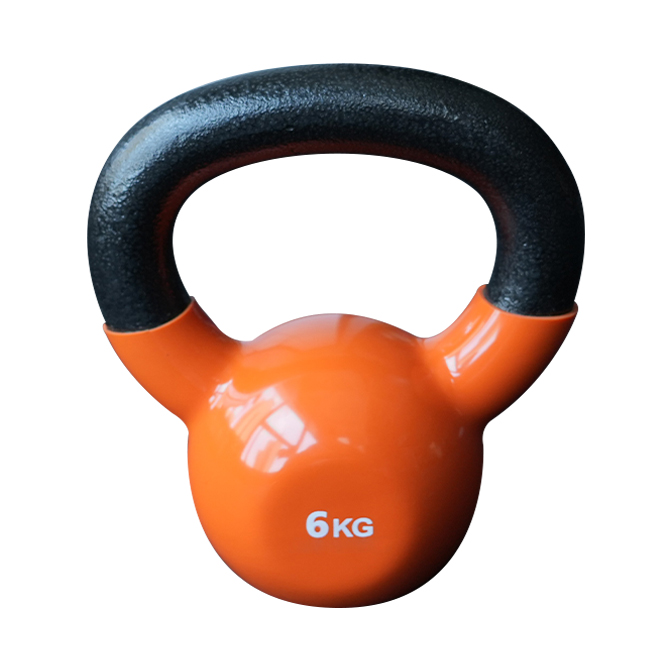
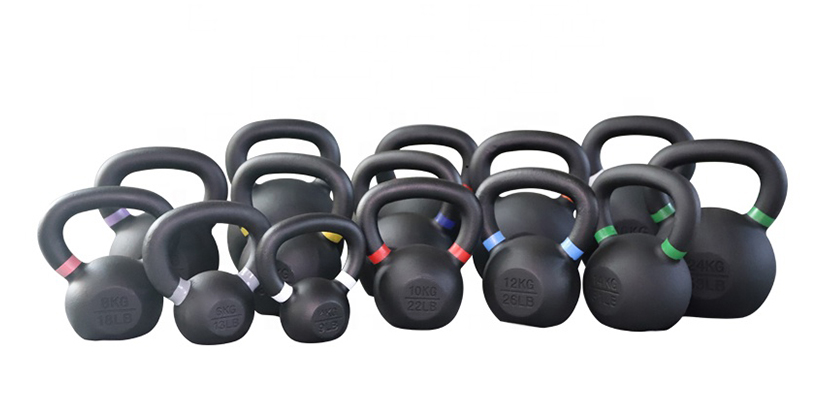
Commercial-grade equipment must withstand frequent drops and friction. During a commercial fitness equipment inspection, buyers should verify the thickness and adhesion of the protective layer. Most premium options utilize powder coating for a durable, textured grip that resists chipping, or high-density urethane for superior impact resistance and floor protection. While powder coating offers a cost-effective solution for boutique studios, urethane-encapsulated models are often preferred for heavy-duty strength centers due to their ability to absorb shock without cracking.
Surface resilience is a critical metric for assessing total cost of ownership. A failure in the coating leads to rapid oxidation and unsightly wear, which can compromise the structural integrity of the internal weight mechanisms. When evaluating factory samples, look for high-quality finishes that offer consistent scratch resistance and long-term oxidation prevention.
Coating Specification Comparison
| Material Finish | Durability | Pros | Cons |
|---|---|---|---|
| Powder Coating | High | Excellent scratch resistance; textured grip | Susceptible to chipping under heavy impact |
| Urethane Encapsulation | Superior | Maximum impact absorption; floor protection | Higher unit cost; increased shipping weight |
| Neoprene/Rubberized | Moderate | Soft touch; low noise during use | Potential for tearing; harder to sanitize |
Beyond surface aesthetics, rigorous weight plate stability testing ensures that the internal components remain secure under stress. A high-quality adjustable kettlebell manufacturing process must ensure that the coating does not interfere with the precision of the weight selection mechanism. For large-scale distributors, prioritizing finishes that prevent rust and maintain a smooth mechanical movement is essential for minimizing warranty claims and ensuring equipment reliability.
Verifying Coating Adhesion and Environmental Resilience
For procurement managers managing high-volume orders, visual inspection is insufficient to guarantee long-term durability. You must request specific technical validation regarding how the exterior layer interacts with the base metal. A common failure point in lower-tier manufacturing is the premature peeling of finishes, which can lead to corrosion and mechanical jams in the weight-adjustment tracks.
To ensure your shipment meets strict distributor quality standards, verify that the manufacturer performs a standardized adhesion test. This process confirms the coating remains bonded even under mechanical stress. Furthermore, for facilities in humid or coastal environments, a salt spray test is a non-negotiable requirement. This test simulates harsh environmental exposure to ensure the finish resists oxidation and prevents unsightly chipping over years of heavy use. When negotiating your MOQ, insist on these technical benchmarks to mitigate the risk of receiving units with compromised surface integrity.
Export-Grade Packaging and Long-Haul Logistics Security
Optimizing the total landed cost of a shipment requires looking beyond the initial factory quote to the expenses incurred by transit damage. For high-precision equipment like the kettlebell adjustable, inadequate protection during long-haul logistics can lead to expensive replacement cycles and diminished profit margins for distributors.
The Hidden Costs of Packaging Failure
When importing adjustable fitness hardware, the structural integrity of the internal mechanism is highly sensitive to vibration and impact. If a manufacturer lacks rigorous weight plate stability testing protocols, the shifting mass within the unit can cause internal mechanical failure or cosmetic damage during sea freight. Rely-on-standard cardboard solutions often fail under the pressure of container stacking, leading to crushed components that necessitate full-unit returns. To mitigate these risks, ensure your supplier utilizes reinforced corrugated outer cartons and customized internal bracing to maintain the exact positioning of every moving part throughout the transit cycle.
Evaluating Packaging Tiers for Sea Freight
Distributors must balance the upfront cost of protection against the potential for high-value claims. Choosing the wrong tier for an adjustable kettlebell shipment can result in mechanical misalignment or surface degradation upon arrival. Use the following comparison to align your packaging requirements with your specific shipping volume and risk tolerance.
| Packaging Tier | Protection Level | Cost Impact | Best Use Case |
|---|---|---|---|
| Standard Retail | Basic (Single-wall carton) | Low | Small LCL shipments or domestic air freight |
| Reinforced Export | Medium (Double-wall + Foam inserts) | Moderate | Standard sea freight for high-volume distributors |
| Heavy-Duty Industrial | Maximum (Palletized + Shrink-wrapped) | High | Long-haul maritime transit and large-scale facility orders |
For large-scale procurement, we recommend the Heavy-Duty Industrial tier. This ensures that adjustable kettlebell manufacturing precision is preserved by preventing any shifting of the internal weight mechanism, effectively reducing the likelihood of transit-related defects during ocean transit.
Verifying Factory Loading and Container Integrity
A robust commercial fitness equipment inspection must extend beyond the product itself to the actual loading process. Procurement managers should demand photographic evidence of container loading and palletization protocols before the vessel departs. Verifying that the factory understands how to secure heavy, dense loads is critical; an improperly balanced container can lead to structural shifts during sea freight, potentially damaging the entire shipment.
When negotiating your MOQ, clarify whether the price includes palletized shipping or loose carton loading. While loose cartons might lower the initial unit cost, palletized shipments offer superior protection against mechanical misalignment. A professional supplier will demonstrate a standardized approach to volume optimization, ensuring that your kettlebell adjustable units are braced against lateral movement, thereby protecting your inventory value and reducing the overhead of damaged goods claims.
Optimizing Inventory Management for Global Distributors
Maintaining a high-quality inventory of kettlebell adjustable units requires more than just shelf space; it demands strict adherence to environmental standards. For distributors, improper storage can lead to premature degradation of moving parts and aesthetic flaws, directly impacting long-term product reliability and customer satisfaction.
Environmental Control and Oxidation Prevention
The primary challenge in storing high-end adjustable hardware is managing humidity levels. Metal components and internal adjustment mechanisms are highly susceptible to moisture-induced issues. Without rigorous moisture control, even high-grade coatings can fail, leading to surface oxidation or seized weight increments. A controlled warehouse environment is essential to ensure that every kettlebell adjustable unit remains in showroom condition throughout its lifecycle.
A professional commercial fitness equipment inspection should include a review of your supplier's packaging and your own facility's climate stability. Relying on basic warehouse conditions without specialized protection can lead to significant inventory write-offs due to rust or mechanical stiffness.
| Storage Method | Humidity Control | Risk Level | Best For |
|---|---|---|---|
| Standard Dry Warehouse | Low/Variable | Moderate | Short-term transit storage |
| Climate-Controlled Facility | High/Stable | Low | Long-term distributor inventory |
| Sealed Industrial Crating | Very High | Minimal | High-value bulk shipments |
Spatial Configuration and Palletization Strategy
Distributors must decide between vertical and horizontal storage configurations based on their specific warehouse footprint and the mechanical sensitivity of the units. While horizontal stacking may seem space-efficient, it can place undue pressure on the internal adjustment tracks. Proper palletization is vital to prevent structural deformation during long-term holding.
A critical component of quality control involves weight plate stability testing to ensure that internal components do not shift or rattle under vibration. When planning shipments, ensure that the kettlebell adjustable units are secured in a way that prevents lateral movement within the master carton. Effective shipping damage prevention relies on a combination of reinforced corrugated boxes and high-density foam inserts to mitigate the impact of transit shocks.
| Configuration Type | Orientation | Footprint Efficiency | Structural Integrity Risk |
|---|---|---|---|
| Vertical Stacking | Upright/Side-load | High | Low (Best for internal mechanisms) |
| Horizontal Stacking | Flat/Layered | Very High | Moderate (Risk of weight plate compression) |
| Reinforced Palletizing | Mixed/Secured | Moderate | Minimal (Optimized for export) |
Selecting the correct configuration depends on your MOQ and the duration of the transit route. For overseas shipments, we recommend a reinforced palletization method that prioritizes the protection of the adjustment rails over pure volume density.
Inventory Turnover and Inspection Protocols
Efficiently managing stock levels requires a balance between high-volume procurement and rigorous oversight. When negotiating with an adjustable kettlebell manufacturing partner, always align your MOQ with your local market demand to avoid overstocking depreciating assets. High turnover rates are essential for maintaining fresh inventory that has not been subjected to prolonged warehouse environmental stress.
To maintain high standards, implement a structured inspection checklist upon every shipment arrival. This protocol should move beyond external box integrity to include functional verification of the weight adjustment mechanism. A professional distributor procurement workflow must include a random sampling of units to confirm that the internal weight increments remain smooth and that no mechanical friction has developed during transit. Regularized stock rotation—moving older units first—further mitigates the risk of mechanical stiffness or coating degradation, ensuring your clients receive equipment that performs exactly as specified.