Selecting Adjustable Kettlebell Weights for Multi Site Gyms
Vetting Manufacturers for High-Volume Adjustable Kettlebell Orders
When executing a multi-site rollout, procurement managers must balance initial capital expenditure against the long-term mechanical reliability of the equipment. Successful high-volume procurement requires verifying three critical checkpoints: the manufacturer's ability to maintain strict tolerances across large batches, the structural integrity of the internal weight-locking mechanisms, and the logistical capacity to ensure consistent shipping timelines for all locations.
Prioritizing Mechanical Consistency and Durability Standards
For commercial adjustable kettlebell systems, the primary risk involves mechanical fatigue caused by repetitive weight adjustments. In high-traffic gym environments, even minor deviations in the internal locking components can lead to catastrophic failure or uneven weight distribution. To mitigate this, buyers should demand rigorous documentation regarding durability standards and material grades. Relying on factory-direct testing protocols ensures that every unit meets the same mechanical consistency, preventing the liability of a single faulty piece compromising an entire facility's safety record.
Evaluating Technical Specifications: Commercial vs. Consumer Grade
Distinguishing between high-end commercial adjustable kettlebell systems and consumer-grade models requires looking beyond aesthetics. In a multi-site rollout, the Total Cost of Ownership (TCO) is heavily dictated by weight increment precision and the durability of the adjustment interface. Consumer models often utilize plastic components or lightweight alloys that degrade under constant friction, whereas professional-grade systems utilize reinforced steel and precision-machined locking pins to ensure stability during high-intensity movements.
The following comparison outlines the critical technical thresholds procurement teams should use to evaluate potential supplier factory capabilities and manufacturing QC protocols.
| Technical Feature | Consumer-Grade Standard | Commercial-Grade Standard |
|---|---|---|
| Weight Increment Precision | ± 5% variance common | High-tolerance calibration (strictly controlled) |
| Primary Materials | ABS Plastic / Light Alloy | Cast Iron / Reinforced Steel / High-Density Rubber |
| Adjustment Mechanism | Manual friction-based | Mechanical locking/Selectorized systems |
| Batch Consistency | Variable across production runs | Strict QC/ISO-compliant manufacturing protocols |
When negotiating MOQs or bulk distributor pricing, always request verification of the manufacturer's internal testing methods for weight distribution stability. A reliable supplier will provide data on how their modular kettlebell weight sets withstand repetitive impact and rapid adjustment cycles in high-volume environments.
Supply Chain Reliability and Scaling Logistics
Effective multi-site fitness equipment procurement extends beyond product quality into the realm of logistical predictability. When sourcing modular kettlebell weight sets for dozens of locations, the primary bottleneck is rarely the product itself, but rather the supplier's ability to manage scaling orders without compromising batch consistency. Discrepancies in weight calibration or finish quality between the first shipment and the final phase of a rollout can create operational friction and inconsistent user experiences across your network.
To safeguard your rollout schedule, vet suppliers on their capacity for handling high Minimum Order Quantities (MOQ) and their transparency regarding lead times. A robust manufacturer should offer a predictable production roadmap that accounts for potential delays in raw material sourcing or specialized component fabrication. When planning a phased deployment, ensure your distributor or factory partner can guarantee that subsequent batches of kettlebell weights adjustable for commercial use will match the exact specifications and tolerances of the initial installation. This level of supply chain discipline is essential for maintaining brand standards across diverse geographic regions.
Standardizing Quality Control Protocols for Multi-Site Rollouts
When managing multi-site fitness equipment procurement, the primary challenge is ensuring that every facility receives a uniform user experience. For high-traffic environments, relying on non-standardized kettlebell weights adjustable systems can lead to significant operational headaches and increased replacement costs across your network.
The Risk of Mechanical Inconsistency
Inconsistent manufacturing standards often result in varying mechanical consistency between units, even within the same production batch. If the internal locking mechanisms or weight increments deviate between locations, facility managers face difficulties in standardized training and equipment maintenance. Without strict oversight, the structural integrity of modular components can fail under heavy use, leading to premature wear and tear on the adjustment pins and housing.
Impact of Low-Quality Modular Systems
Low-tier kettlebell weights adjustable sets often suffer from uneven weight distribution or loose tolerances in the adjustment dial. For large-scale rollouts, these small defects compound into large-scale liabilities. A lack of rigorous factory-level quality control means that certain sites may experience component fatigue much sooner than others, complicating your long-term maintenance schedules and decreasing the overall ROI of your equipment investment.
Technical Benchmarks for Durability and Component Integrity
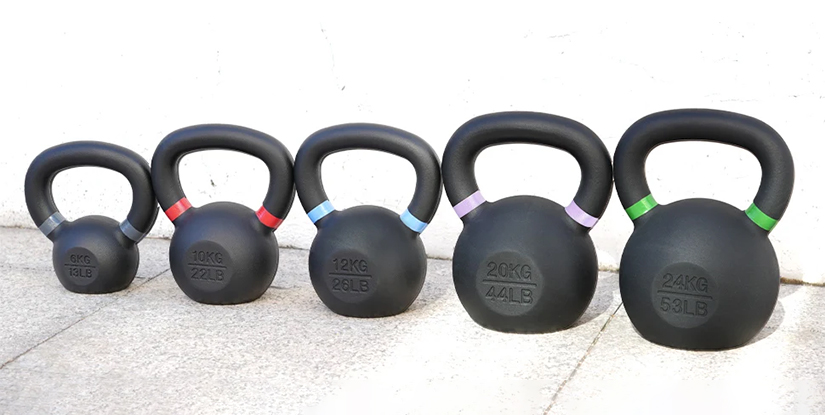
Procurement specialists must move beyond aesthetic inspections and focus on the technical specifications that govern long-term reliability. For commercial adjustable kettlebell systems, durability is defined by how well the mechanism maintains precision under repetitive mechanical stress and varying environmental conditions. High-quality manufacturing should demonstrate high tolerance levels in both the outer shell coating and the internal adjustment architecture.
| Durability Metric | Standard Commercial Grade | High-Performance/Premium Grade |
|---|---|---|
| Coating Durability | Standard Powder Coat (Impact Resistant) | Multi-layer Polyurethane or High-Grade Silicone |
| Locking Mechanism | Manual Pin or Dial-Lock | Automated Precision Gear/Cam-Lock Systems |
| Weight Increment Stability | ± 3-5% Deviation Tolerance | ± 1-2% Precision Calibration |
| Material Standard | Standard Cast Iron/Steel | Reinforced High-Density Polymers or Alloy Steel |
When reviewing factory capability, ask for specific testing protocols regarding the cycle life of the adjustment mechanism. A robust system should withstand thousands of weight change cycles without losing tension or structural alignment. Relying on these benchmarks ensures that your multi-site rollout remains consistent, minimizing the need for site-specific replacements or emergency maintenance calls.
Logistics and Factory-Level Inspection Protocols
To maintain uniformity across disparate geographic locations, procurement strategies must prioritize strict batch consistency. Relying on basic shipping standards is insufficient for high-end modular kettlebell weight sets; instead, implement a multi-stage verification process. This begins with a formal factory inspection that validates not just the weight precision, but the mechanical tolerance of every adjustment component before they leave the assembly line.
For large-scale distributors, managing MOQ considerations effectively requires a balance between volume and quality control. Requesting a pre-shipment inspection (PSI) ensures that the specific production run intended for your network meets the exact metallurgical and coating standards established in your initial sample. Furthermore, verify shipping durability protocols to ensure that the specialized packaging can withstand the rigors of international transit without compromising the calibration of the internal weight plates or the integrity of the adjustment mechanisms.
Prioritizing Mechanical Consistency for Long-Term Reliability
In large-scale fitness rollouts, the durability of commercial adjustable kettlebell systems depends on the precision of their internal locking mechanisms. High-frequency use in commercial settings subjects these units to constant weight transitions and physical impact, making mechanical consistency a non-negotiable requirement for procurement managers.
When sourcing kettlebell weights adjustable for multi-site distribution, failing to account for the precision of the adjustment interface can lead to premature wear and tear. A lack of uniformity in the weight-selection mechanism often results in operational downtime, as uneven friction or loose tolerances cause components to fail under heavy use.
| Mechanism Type | Durability Profile | Maintenance Requirement | Best Use Case |
|---|---|---|---|
| Selector Pin System | High resistance to impact | Low; occasional cleaning | High-traffic commercial gyms |
| Dial-Based Adjustment | Moderate; sensitive to grit | Medium; requires lubrication | Boutique studios/Personal training |
| Plate-Loading Modular | Extremely high durability | Minimal; standard inspection | Strength-focused training facilities |
For distributors and facility owners, selecting a system with high-grade tolerance standards ensures that the kettlebell weights adjustable feature remains smooth and reliable across hundreds of cycles. Prioritize manufacturers that demonstrate strict quality control over the moving parts to mitigate the risk of mechanical fatigue during peak hours.
Technical Trade-Offs in Adjustment Mechanisms
Understanding the distinction between selector pin, dial, and sliding weight systems is critical for calculating the Total Cost of Ownership (TCO). While a dial-based mechanism may offer more granular increments, it often requires more frequent lubrication and is more susceptible to damage from dust or sweat accumulation in high-volume environments.
In contrast, sliding weight systems or heavy-duty selector pins are engineered for the rigors of commercial use. These designs generally offer superior mechanical longevity because they rely on robust, macro-adjustments that can withstand the physical shock of heavy swings and ballistic movements. When evaluating modular kettlebell weight sets for large-scale procurement, prioritize systems where the adjustment interface is shielded from environmental debris to minimize long-term maintenance frequency.
Standardizing Logistics and Quality Control for Multi-Site Rollouts
Scaling a fitness program across various geographic locations requires more than just selecting a durable product; it demands rigorous oversight of the supply chain. For successful multi-site fitness equipment procurement, the challenge lies in ensuring that every shipment arrives with identical specifications and functional performance.
Discrepancies in batch consistency can create significant operational headaches for regional managers. If one facility receives modular kettlebell weight sets with slightly different locking tolerances or handle textures than another, it undermines the brand's standard of excellence and complicates staff training. To prevent this, procurement professionals should demand strict quality control documentation from the factory, including batch-specific testing results for mechanical tolerances and weight accuracy.
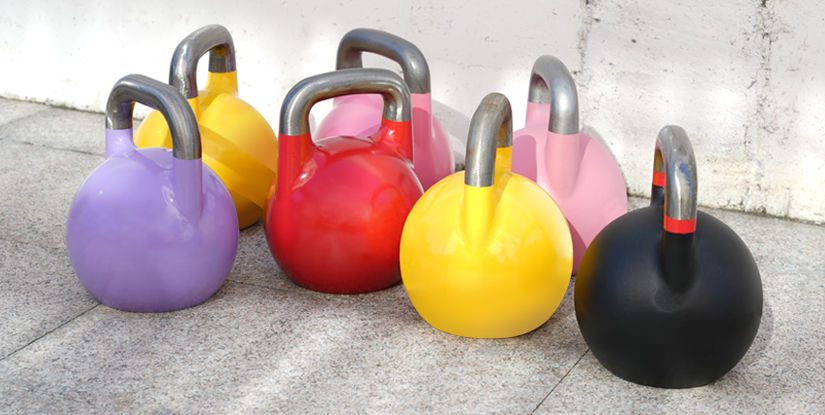
When coordinating large-scale logistics, verify that the manufacturer can guarantee uniformity across different production runs. For distributors managing high-volume orders, establishing a protocol for pre-shipment inspections is vital. This ensures that every unit within the modular kettlebell weight sets adheres to the same technical blueprint, reducing the likelihood of localized equipment failures and ensuring a seamless, standardized user experience across your entire facility network.
Optimizing Floor Space with Modular Kettlebell Weight Sets
In high-traffic commercial environments, floor real estate is often the most expensive asset. Traditional fixed kettlebell collections require extensive rack systems and expansive footprint areas to accommodate a full weight range. Conversely, utilizing kettlebell weights adjustable through modular systems allows operators to consolidate multiple weight increments into a single, compact station.
For multi-site fitness equipment procurement, the decision between fixed sets and commercial adjustable kettlebell systems hinges on the balance between density and throughput. While fixed sets offer immediate accessibility, modularity drives footprint reduction and facility layout optimization, making it a superior choice for boutique studios or satellite gym locations where square footage is at a premium.
| Configuration Type | Spatial Requirement | Operational Impact | Best Use Case |
|---|---|---|---|
| Fixed Kettlebell Sets | High (requires full rack per weight) | Fast transitions; high density | Large-scale strength floors |
| Modular Adjustable Systems | Low (consolidated footprint) | Slightly slower transitions | Boutique studios & small footprints |
When calculating total floor area for multi-site rollouts, procurement managers must account for the "buffer zone" required around equipment. Fixed kettlebell racks necessitate a linear or tiered footprint that expands as the weight range grows. In contrast, modular kettlebell weight sets centralize the weight range, significantly reducing the total square footage required for a complete strength station. This density advantage is critical when scaling equipment across multiple locations with varying architectural constraints.
From a logistics and sourcing perspective, selecting systems with a smaller footprint also simplifies shipping volumes and warehouse storage requirements for distributors. While fixed sets are easier to inventory by SKU, modular systems offer a higher utility-to-volume ratio, allowing for more efficient use of limited facility space without sacrificing the variety of resistance levels offered to the end-user.
Logistics and Scalability for Global Rollouts
When executing large-scale deployments, the physical dimensions of the product impact more than just the gym floor; they dictate the entire supply chain efficiency. Choosing modular kettlebell weight sets can drastically reduce the total shipping volume compared to shipping dozens of individual, fixed-weight bells. For distributors and procurement specialists, this means optimized container loading and lower freight costs per unit of resistance provided.
However, the trade-off for high-density shipping is often increased assembly complexity. Procurement teams must evaluate whether the onsite labor required for assembly outweighs the logistics savings. High-quality commercial adjustable kettlebell systems should feature intuitive, tool-free mechanisms to ensure that facility managers can deploy equipment across multiple sites without specialized technicians. Efficient inventory management becomes much simpler when a single modular SKU can fulfill the weight requirements of several different strength profiles, providing superior scalability for rapidly growing fitness brands.
Managing Warranty Claims and Replacement Logistics for Distributed Inventory
Managing kettlebell weights adjustable across a distributed network of fitness centers requires more than just a robust initial purchase; it demands a sophisticated logistical framework for long-term upkeep. For procurement managers overseeing multi-site fitness equipment procurement, the primary risk involves the fragmentation of spare parts and the breakdown of mechanical consistency across different geographic zones.
The Necessity of Standardized Components
When scaling commercial adjustable kettlebell systems, the ability to perform onsite repairs without waiting for full unit replacements is critical for minimizing downtime. High-quality manufacturers prioritize standardized components—such as uniform selector pins, weight plates, and locking mechanisms—to ensure that a single SKU can be serviced using a universal parts kit. Without this standardization, facility managers face the nightmare of managing hundreds of unique part numbers, which complicates inventory audits and increases the Total Cost of Ownership (TCO). For large-scale rollouts, sourcing from a factory capable of providing modular, interchangeable parts ensures that mechanical failures in one location do not disrupt the operational standards of the entire brand.
Comparing Replacement and Maintenance Strategies
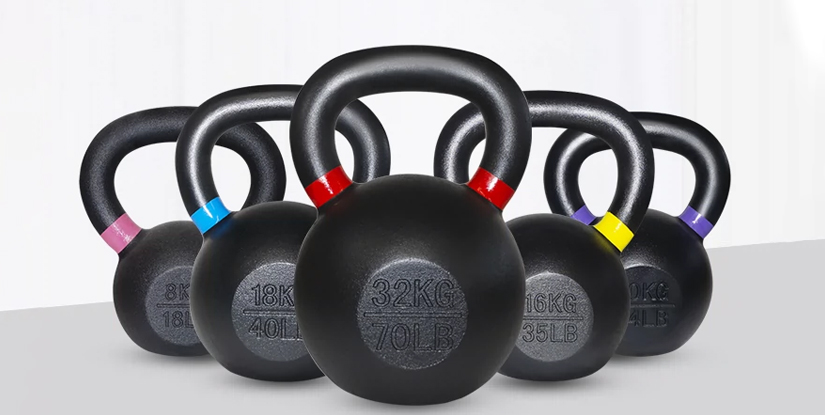
Choosing the right service model for your modular kettlebell weight sets depends on your balance between immediate operational uptime and long-term logistics overhead. Large-scale distributors and multi-site operators must weigh the cost of holding local inventory against the speed of field-level repairs.
| Strategy | Downtime Impact | Logistics Cost | Ideal For |
|---|---|---|---|
| Component-Level Replacement | Low (Rapid localized fix) | Moderate (Shipping small parts) | High-traffic commercial gyms |
| Full Unit Exchange | High (Unit out of service) | High (Shipping heavy units) | Boutique studios or low-volume sites |
| On-Site Maintenance | Minimal (Preventative) | Low (Scheduled intervals) | Managed wellness facilities |
A component-based approach is often the most efficient for high-density fitness rollouts. By ensuring your supplier maintains a steady MOQ for replacement pins and plates, you can mitigate the high shipping costs associated with returning complete, heavy units. For global distributors, prioritizing a modular system that supports quick, non-technical part swaps is a strategic move to protect your brand's operational reliability.
Auditing and Compliance Frameworks
To maintain operational integrity, procurement teams should implement a structured inventory auditing schedule. Relying on manual counts is insufficient for high-value adjustable assets; instead, establish a protocol centered on serial number tracking. Each unit in your commercial adjustable kettlebell systems should be logged in a centralized database to monitor wear patterns and lifecycle stages across all locations.
Effective oversight also requires rigorous quality control (QC) documentation from the factory level. Ensure your supplier provides detailed batch testing reports that verify mechanical tolerances before shipping. Once the equipment is deployed, establish regular maintenance cycles—typically quarterly—to inspect locking mechanisms and weight plate stability. To streamline troubleshooting, lean on distributor-led support; a capable distributor will not only provide technical guidance but also maintain a buffer of critical parts to resolve claims without the logistical burden of full-unit returns.
Navigating the Financial Complexity of Large-Scale Rollouts
When scaling fitness facilities, the procurement complexity of kettlebell weights adjustable for multiple sites extends far beyond the initial invoice. Buyers often face a steep learning curve when distinguishing between the sticker price and the actual landed cost, which includes international freight, customs duties, and local delivery logistics.
Evaluating commercial adjustable kettlebell systems requires a shift from unit-based thinking to a Total Cost of Ownership (TCO) model. A lower unit price may seem attractive during the initial bidding phase, but if the mechanical components lack durability or require frequent replacement parts, the long-term operational expenses will quickly erode any upfront savings.
| Cost Factor | Low-Cost Modular Sets | Premium Commercial Systems |
|---|---|---|
| Initial Unit Price | Lower/Budget-friendly | Higher Investment |
| Landed Cost Impact | High volume/Low weight density | Optimized shipping configurations |
| Maintenance Frequency | Moderate to High | Minimal/Long-term stability |
| Long-term TCO | Higher due to replacement cycles | Lower via extended product lifespan |
Sourcing Models: Direct Factory vs. Local Wholesale
Selecting a procurement pathway for modular kettlebell weight sets depends heavily on your order volume and logistical capacity. For single-site boutique studios, local distributors offer speed, but for multi-site expansions, direct factory sourcing often provides the scale necessary to maintain budget consistency across diverse locations.
A primary consideration is the impact of Minimum Order Quantities (MOQ) on your capital allocation. While direct sourcing lowers the per-unit cost, it necessitates higher upfront inventory investment and a more sophisticated understanding of international freight. Conversely, local wholesale models reduce immediate risk but often include a markup that reflects the distributor's domestic storage and fulfillment services.
| Procurement Metric | Direct Factory Sourcing | Local Wholesale/Distributor |
|---|---|---|
| Unit Price Efficiency | Maximum (Bulk scale) | Moderate (Includes markup) |
| Shipping Volume Control | High (Container optimization) | Low (Smaller LTL shipments) |
| Customs & Duties | Buyer manages import compliance | Included in domestic pricing |
| Lead Times | Longer (Production + Sea freight) | Short (Domestic stock availability) |
| MOQ Requirements | Strict (Container-load focus) | Flexible (Small batch orders) |
When managing multi-site fitness equipment procurement, we recommend a hybrid approach. Utilize direct factory channels for your primary, high-volume core inventory to maximize margins, while leveraging local distributors for rapid-response replenishment to cover site-specific shortages or immediate expansion needs.
Optimizing Logistics via Packaging Density and Modularity
To protect margins during large-scale rollouts, procurement managers must scrutinize the physical footprint of their orders. Optimizing shipping efficiency is not merely about the weight of the iron, but how effectively the modular kettlebell weight sets are nested within their shipping containers. High volumetric weight—where bulky, loosely packed boxes occupy excessive space without adding significant mass—can lead to inflated freight bills that negate the benefits of bulk purchasing.
A sophisticated multi-site fitness equipment procurement strategy prioritizes suppliers who offer high-density packaging solutions. This involves ensuring that kettlebell weights adjustable systems are designed for maximum modularity, allowing components to be stacked or nested tightly. Furthermore, robust packaging durability is a non-negotiable requirement; even the most optimized package is a liability if the exterior fails during sea freight or multi-stage handling, leading to damaged precision mechanisms and costly returns.