Adjustable Kettlebell Bells of Steel | Sourcing Steel
Optimizing High-Traffic Floor Layouts with Versatile Steel Weight Systems
When planning a facility layout, procurement managers must balance inventory variety against the physical constraints of the gym floor. Efficiently managing the commercial gym footprint requires a strategic approach to equipment density, ensuring that high-traffic zones remain unobstructed while maintaining a diverse selection of weights. Selecting high-quality adjustable kettlebell bells of steel allows distributors to offer a wide range of resistance levels without the spatial overhead of traditional, single-weight kettlebell racks.
Floor space optimization is a critical metric for boutique studios and high-end fitness centers where square footage dictates revenue potential. By implementing adjustable systems, operators can consolidate multiple weight increments into a single, compact station. This transition from static sets to versatile steel systems reduces the necessity for expansive storage footprints and prevents congestion in movement-heavy areas, ultimately maximizing the utility of the available training area.
A primary concern for distributors and facility designers is the trade-off between weight diversity and storage density. While fixed kettlebell sets offer durability, they demand significant linear floor space for racks. In contrast, high-quality adjustable systems provide a much higher weight-to-footprint ratio, allowing a single station to serve multiple training intensities without expanding the physical inventory footprint.
Technical Comparison: Fixed vs. Adjustable Steel Systems
The following table outlines the typical spatial and logistical differences encountered when choosing between traditional sets and modern adjustable configurations for commercial environments.
| Metric | Fixed Steel Kettlebells | Adjustable Kettlebell Systems |
|---|---|---|
| Footprint Efficiency | Low (Requires extensive rack space) | High (Single station for multiple weights) |
| Storage Density | Low (Volume increases per SKU) | Very High (Consolidated weight range) |
| Steel Weight Selection | Static (One weight per unit) | Dynamic (Multiple increments per unit) |
| Logistics/Shipping | Bulkier (High volume/low density) | Streamlined (Higher value/lower volume) |
For wholesalers, moving toward adjustable configurations can optimize shipping containers and warehouse utilization. By focusing on high-density steel weight selection, buyers can offer more comprehensive resistance options while reducing the total number of individual SKUs and storage racks required on-site.
Logistics and Inventory Strategy for B2B Sourcing
Successful fitness equipment wholesale sourcing requires a deep understanding of the volume-to-weight ratio to protect profit margins. Because adjustable units often feature nested or modular components, they typically offer a more efficient shipping volume per unit of resistance compared to traditional cast iron. This density advantage allows distributors to maximize container utilization, reducing the landed cost per kilogram.
When managing MOQ considerations, buyers should evaluate how part modularity affects inventory turnover. Stocking a diverse range of components rather than dozens of static SKUs facilitates leaner warehouse optimization. By focusing on high-value, space-efficient adjustable systems, distributors can maintain a broader resistance spectrum while reducing the physical footprint and logistical complexity of their distribution centers.
Evaluating Material Integrity and Structural Durability for Commercial Use
For distributors and facility managers, the longevity of adjustable kettlebell bells of steel depends on more than just the raw material; it requires a rigorous assessment of mechanical tolerances. High-traffic environments demand equipment that survives repetitive weight transitions without compromising structural integrity or user safety.
Mechanical Wear Resistance and Plate Specifications
When sourcing commercial grade adjustable kettlebells, the primary failure points are often the adjustment tracks and the thickness of the load-bearing components. High-quality adjustable kettlebell bells of steel must feature a standardized weight plate thickness that prevents bending under maximum load. Furthermore, the internal adjustment mechanism requires high mechanical wear resistance to endure thousands of cycles of weight selection without loosening or jamming. If the steel gauge is too thin, the kinetic energy from heavy swings can cause micro-fractures in the adjustment housing, leading to catastrophic failure in a commercial setting.
| Feature Requirement | Standard Specification | Commercial Impact |
|---|---|---|
| Steel Grade | High-Carbon or Reinforced Alloy | Prevents deformation during high-impact use |
| Plate Thickness | Consistent Gauge per Increment | Ensures balanced weight distribution |
| Adjustment Mechanism | Hardened Steel Locking Pins | Reduces maintenance frequency and downtime |
Surface treatment is a critical variable in the total cost of ownership (TCO). For distributors, selecting the right coating ensures that the steel weight selection remains aesthetically professional and functional over years of intensive use. A subpar coating can lead to oxidation or chipping, which complicates facility maintenance and devalues the inventory.
Configuration Comparison for High-Traffic Environments
The following comparison outlines how different steel surface treatments affect long-term durability and the labor required for upkeep in a commercial gym setting.
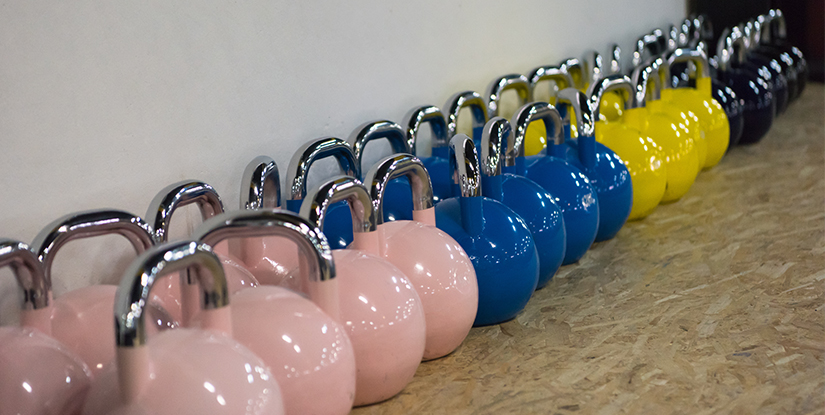
| Configuration Type | Typical Steel Coating | Coating Durability | Maintenance Frequency |
|---|---|---|---|
| Powder Coated Steel | Electrostatic Polymer | High (Resistant to scratches) | Low (Occasional wipe-down) |
| Chrome Plated | Metallic Chromium Layer | Very High (Corrosion resistant) | Very Low (Minimal upkeep) |
| Raw/Industrial Steel | Natural Finish | Moderate (Susceptible to rust) | High (Requires regular oiling) |
| Cerakote/Specialty | Advanced Ceramic Coating | Extreme (Impact resistant) | Negligible (Long-term stability) |
When calculating fitness equipment wholesale sourcing margins, prioritize powder-coated or plated options. While the initial unit cost may be higher, the reduced maintenance frequency and extended product lifespan provide a superior ROI for end-users and reduce return rates for distributors.
Effective fitness equipment wholesale sourcing requires a shift in focus from initial purchase price to the long-term total cost of ownership (TCO). For distributors, a low-cost steel option that necessitates frequent maintenance cycles or premature replacement will inevitably erode profit margins through high return rates and client dissatisfaction.
A strategic steel weight selection should prioritize components that withstand both oxidative stress and mechanical friction. By investing in higher-grade alloys and superior surface treatments, procurement managers can minimize the labor costs associated with facility upkeep and ensure the equipment remains a reliable asset rather than a recurring liability.
Strategic Steel Weight Selection for Diverse Training Demands
Optimizing your inventory requires a balance between equipment density and user versatility. For distributors, stocking adjustable kettlebell bells of steel allows a single SKU to serve multiple client needs, from high-intensity interval training to heavy strength sessions. Selecting the right weight increments is critical to ensuring your commercial grade adjustable kettlebells remain relevant across diverse facility layouts.
| Stocking Configuration | Primary Target Market | Inventory Versatility | Margin Potential |
|---|---|---|---|
| Standard Increments | Boutique Studios | High (Broad appeal) | Moderate |
| Heavy-Load Sets | Strength & Conditioning | Specialized | Premium |
| Compact Modular Units | Hotel/Residential Gyms | Maximum (Space-saving) | High |
When planning your initial order, evaluate the technical trade-offs between weight range and footprint efficiency. A wider weight spectrum increases utility but may demand more complex mechanical components. For large-scale distributors, understanding how these configurations impact shipping volume and storage density is vital for maintaining high turnover rates.
Technical Configuration Comparison
| Configuration Type | Weight Range | Increment Precision | Footprint Efficiency | Steel Durability | Target Facility Type |
|---|---|---|---|---|---|
| Modular Precision | 8kg – 32kg | High (1kg/2kg) | Maximum | High (Standard) | Boutique/Hotel Gyms |
| Heavy Duty Pro | 12kg – 48kg+ | Moderate (2kg+) | Moderate | Extreme (Reinforced) | Performance Centers |
| Versatile Hybrid | 16kg – 40kg | Balanced | High | High (Standard) | Commercial Studios |
Selecting a steel weight selection strategy depends heavily on your end-user's floor space. While precision increments appeal to specialized training environments, heavy-load configurations often provide better long-term ROI for strength-focused facilities due to the reduced frequency of equipment replacement. Ensure your fitness equipment wholesale sourcing protocols prioritize steel gauge thickness to mitigate wear during rapid weight transitions.
Logistics and MOQ Management for Distributors
Efficient fitness equipment wholesale sourcing requires looking beyond the unit price to the total landed cost. When negotiating MOQ thresholds, consider that steel-based components carry significant weight-to-volume ratios. High-density shipments of adjustable kettlebell bells of steel can rapidly inflate shipping volume costs if packaging is not optimized for pallet density.
To protect your margins, establish strict quality control (QC) for steel finish protocols before the first container leaves the factory. Verify that powder coating or plating is uniform to prevent oxidation in humid gym environments. A robust procurement strategy should include a pre-shipment inspection to ensure that the steel components meet the specified gauge and that the mechanical adjustment mechanisms remain smooth under heavy load, reducing the risk of costly returns and inventory turnover delays.
Managing MOQ and Unit Cost Efficiency in Global Sourcing
Optimizing your procurement margins requires a deep understanding of how steel weight selection influences production economies of scale. For distributors, the relationship between configuration complexity and the minimum order quantity (MOQ) is the primary driver of the final unit cost.
When sourcing adjustable kettlebell bells of steel, a high degree of configuration complexity—such as custom weight increments or specialized handle diameters—often necessitates a higher MOQ to offset specialized tooling costs. While commercial grade adjustable kettlebells with standardized weight increments allow for lower entry thresholds, highly customized steel builds may drive up the initial investment. To protect your margins, evaluate whether your market requires niche weight increments or if a standardized, high-volume inventory approach offers a more predictable return on investment.
The following comparison illustrates the trade-offs between standardized mass-market models and highly customized steel configurations. Selecting the right sourcing model depends on whether your goal is rapid inventory turnover or providing a specialized product for premium training environments.
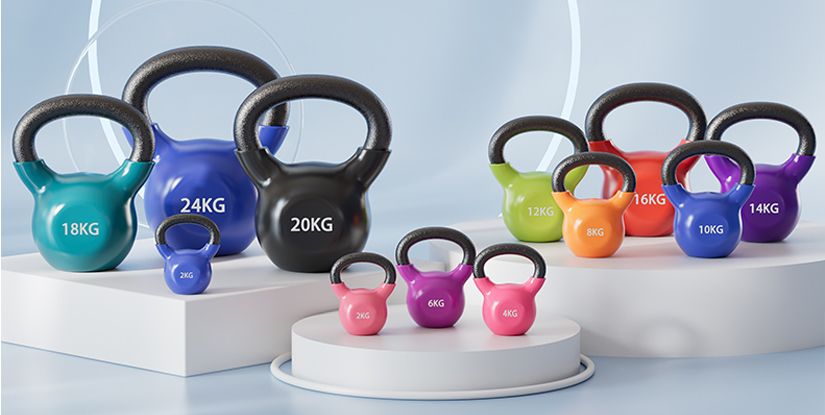
| Sourcing Model | Customization Level | Typical MOQ Impact | Unit Cost Efficiency | Logistics Complexity |
|---|---|---|---|---|
| Standardized Stock | Low (Standard Increments) | Low / Flexible | High (Volume Discounts) | Low (Predictable Shipping) |
| Semi-Custom | Medium (Color/Handle) | Moderate | Medium | Moderate |
| Full Custom Build | High (Bespoke Steel Specs) | High (Large Batches) | Low (Specialized Tooling) | High (Detailed QC Needs) |
For most fitness equipment wholesale sourcing strategies, the standardized model offers the most reliable path to maintaining healthy distributor margins. While custom builds can differentiate a brand, they introduce significant variables in both production lead times and shipping logistics, which can tighten your capital turnover rates.
To maintain competitive pricing, distributors must align shipping logistics with volume-based shipping strategies. Since steel products are dense and heavy, the ratio of weight to volume is critical; shipping air is an invisible cost that erodes your bottom line. Prioritize consolidated sea freight over LCL (Less than Container Load) whenever possible to lower the landed cost per unit.
Furthermore, efficient inventory turnover is the cornerstone of margin optimization. Rather than overstocking slow-moving, highly specialized steel configurations, focus on high-demand weight ranges that move through your warehouse rapidly. By balancing high-volume replenishment with optimized container loading, you ensure that capital remains fluid rather than tied up in stagnant warehouse stock, ultimately protecting your net profit during fitness equipment wholesale sourcing cycles.
Logistics and Container Optimization for Heavy Metal Shipments
Managing the procurement of adjustable kettlebell bells of steel requires a deep understanding of how weight density affects your bottom line. Unlike lighter fitness accessories, these high-density items present unique challenges in international freight and container utilization.
The primary driver of your landed cost is the weight-to-volume ratio. Because commercial grade adjustable kettlebells are exceptionally heavy relative to their physical footprint, shipping containers often hit their maximum weight capacity long before the volume is fully utilized. This low shipping density means you are paying for the weight of the steel rather than the space within the container. To protect distributor margins, procurement teams must optimize pallet configurations and stacking protocols to ensure that every cubic meter contributes effectively to the total shipment weight without exceeding maritime safety limits.
When planning your inventory replenishment, selecting the right shipping configuration is a critical lever for controlling total landed costs. Depending on your current stock levels and warehouse capacity, you must decide between the flexibility of LCL and the cost-efficiency of FCL.
| Shipping Method | Typical Order Volume | Freight Cost Efficiency | MOQ Considerations |
|---|---|---|---|
| LCL (Less than Container Load) | Small batches or specialized steel weight selection | Higher per-unit cost due to shared space | Lower; ideal for testing new market demand |
| FCL (Full Container Load) | Large-scale distributor restocks | Maximum efficiency; lower cost per kg of steel | Higher; requires significant warehouse footprint |
For high-density products like these, FCL is generally the preferred route for seasoned distributors. Because the weight of the steel reaches the container's limit quickly, maximizing the payload through FCL reduces the "dead space" cost often associated with LCL shipments. If you are navigating tight budget constraints or testing a new product line, LCL offers a lower entry point, but FCL remains the gold standard for optimizing long-term procurement margins.
Maximizing Payload Efficiency and Product Integrity
Effective fitness equipment wholesale sourcing extends beyond the initial purchase price to include the rigor of palletization and protective packaging. To maintain high inventory turnover, distributors must ensure that heavy steel components arrive without surface abrasions or structural deformities. We recommend utilizing reinforced, heavy-duty corrugated dividers and edge protectors to prevent crushing during transit.
To achieve true container optimization, coordinate closely with your factory regarding steel weight selection and box dimensions. Standardizing carton sizes allows for more predictable stacking patterns, which minimizes shifting during maritime transport. By prioritizing high-density packing configurations that respect both weight limits and volumetric capacity, you can effectively lower the landed cost per unit and protect your long-term profit margins.
Long-Term TCO and Maintenance Cycles for Steel Adjustable Components
Selecting high-quality adjustable kettlebell bells of steel is a strategic decision centered on minimizing the Total Cost of Ownership (TCO). In high-traffic gym environments, the mechanical components and surface finishes undergo constant stress, making the distinction between consumer-grade and professional-grade materials a critical factor for distributor margins.
Durability vs. Replacement Frequency
Distributors must prioritize commercial grade adjustable kettlebells that offer superior wear resistance to prevent frequent SKU turnover. Steel construction provides the structural integrity required to withstand repetitive impacts and heavy usage without the degradation seen in cheaper polymer-based alternatives. By investing in high-grade steel, facility owners reduce the long-term costs associated with equipment failure and frequent restocking.
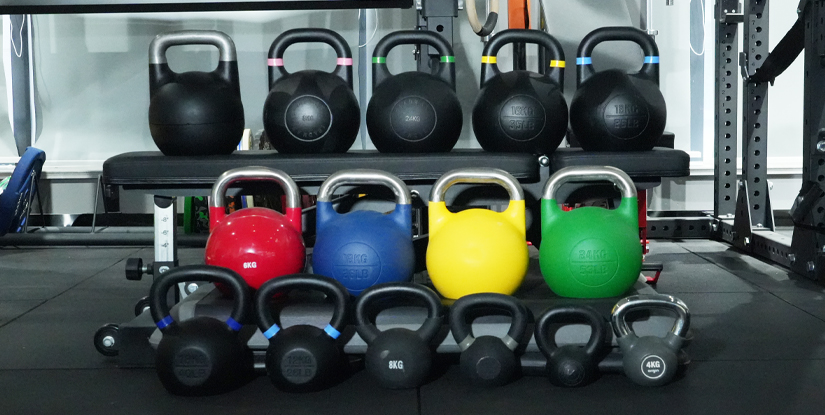
| Material Type | Wear Resistance | Maintenance Needs | Long-Term ROI |
|---|---|---|---|
| Standard Steel | Moderate | Periodic Rust Check | Stable |
| Coated Steel | High | Low (Surface Wipe) | High |
| Polymer/Plastic | Low | High (Crack Risk) | Variable |
When evaluating steel weight selection for large-scale contracts, focus on the thickness of the coating and the precision of the internal locking mechanisms. Robust construction ensures these units remain functional assets rather than liabilities in demanding commercial settings.
Surface Finishes and Mechanical Integrity
The choice between powder coating and raw steel significantly impacts the maintenance cycles of your inventory. While raw steel offers a classic aesthetic, it requires more frequent inspections for oxidation, especially in humid climates or high-intensity training centers. Powder coating provides a protective barrier that reduces the labor burden on facility staff, though distributors should ensure the coating thickness is sufficient to prevent chipping during heavy use.
Furthermore, the mechanical wear on internal adjustment components determines the functional lifespan of the unit. Precision-engineered steel plates and robust locking pins are essential to prevent the loosening of weights during high-velocity movements. When optimizing your fitness equipment wholesale sourcing, prioritize suppliers who utilize high-tolerance manufacturing to minimize mechanical failure and ensure long-term reliability for end-users.
Operational Quality Control and Moving Parts
Reliability hinges on the precision of internal mechanisms. During QC inspection, distributors should verify mechanical tolerances of the adjustment pins and locking collars to ensure smooth, consistent transitions. Inspecting for slight deviations can prevent future jamming or rattling. Additionally, specifying high-grade lubrication for moving steel components during the assembly phase can significantly extend the service life of the hardware. Rigorous oversight of these moving parts during fitness equipment wholesale sourcing ensures that your inventory maintains a high standard of long-term reliability for commercial clients.
Material Integrity and Structural Stability
For distributors, the longevity of inventory depends on the fundamental metallurgy of the product. High-quality adjustable kettlebell bells of steel must withstand repetitive impact and constant weight transitions without compromising structural integrity. In high-traffic commercial environments, the choice between materials dictates both the replacement cycle and the long-term reputation of your brand.
When sourcing commercial grade adjustable kettlebells, the distinction between high-carbon steel and traditional cast iron is critical for wear resistance and durability. While cast iron is cost-effective, high-carbon steel offers superior toughness and resistance to cracking under heavy mechanical stress. A robust steel construction ensures the adjustment mechanisms remain precise and functional even after years of rigorous use in professional strength facilities.
Steel Grade and Coating Specifications
Selecting the appropriate finish is a strategic decision for distributors balancing upfront procurement costs against long-term maintenance cycles. Different coatings affect how the equipment reacts to humidity, sweat, and mechanical friction in varied facility environments.
| Steel Type / Coating | Durability Level | Maintenance Requirements | Ideal Use Case |
|---|---|---|---|
| High-Carbon Steel (Raw) | High | Moderate (Requires oiling) | Heavy-duty commercial gyms |
| Powder-Coated Steel | Medium-High | Low (Periodic cleaning) | Boutique studios & CrossFit boxes |
| Chrome-Plated Steel | Medium | Very Low | Premium wellness & hotel gyms |
| Electrostatic Painted Steel | Medium | Low | General fitness retail/Distribution |
When evaluating steel weight selection options, prioritize powder-coated finishes for high-volume commercial settings. This coating provides a reliable barrier against oxidation and surface abrasion, significantly reducing the total cost of ownership by extending the interval between replacement cycles for your clients.
Precision Tolerances and Shipping Logistics
Reliability in B2B procurement extends beyond material strength to the mathematical accuracy of the equipment. For distributors, ensuring strict precision tolerances is vital; even minor deviations in weight can lead to client disputes and damaged brand trust. When negotiating steel weight selection, verify that the factory provides documented weight consistency reports to ensure every increment meets international standards.
Logistical stability is equally crucial for protecting distributor inventory margins. Heavy steel components require specialized shipping protection, such as reinforced export cartons and palletized bracing, to prevent impact damage during transit. Furthermore, clarify MOQ considerations regarding customized packaging or mixed-SKU shipments. Optimizing these variables ensures that high-density steel shipments arrive intact, minimizing the overhead costs associated with returns or damaged-on-arrival claims.