Sourcing Bells of Steel Adjustable Kettlebell Inventory
Optimizing SKU Breadth and Margin Potential in Strength Training Inventories
Many distributors fall into the trap of over-expanding their inventory by sourcing dozens of fixed-weight kettlebell variations, only to face stagnating inventory turnover and high storage overhead. This approach ties up significant working capital in slow-moving SKUs that occupy massive amounts of warehouse footprint. A more sophisticated procurement strategy involves prioritizing high-utility, versatile units like the bells of steel adjustable kettlebell. By shifting the focus from sheer volume of individual weights to high-quality adjustable models, buyers can achieve much higher capital efficiency and a more streamlined supply chain.
From a macro-economic perspective, the adjustable kettlebell wholesale market offers a superior value proposition for commercial fitness suppliers. While a single fixed-weight unit may have a lower initial unit cost, the cost-per-use for the end-user and the long-term value for the gym owner are significantly higher with adjustable systems. For the distributor, this means managing fewer, more high-value SKUs that cater to a wider range of training progressions. This reduction in SKU complexity minimizes the risk of dead stock and optimizes the balance between breadth of offering and net profit margins.
To facilitate a data-driven decision for your next procurement cycle, we have outlined the primary fiscal differences between these two inventory models. When evaluating the bells of steel adjustable kettlebell against traditional sets, the decision hinges on whether your business model prioritizes low-cost bulk volume or high-value versatility.
The following comparison highlights how shifting toward adjustable technology impacts your operational expenditures and long-term profitability:
| Metric | Fixed-Weight Inventory Model | Adjustable Kettlebell Model |
|---|---|---|
| Initial Investment | Low per unit; high total for full sets | Higher per unit; lower total for complete range |
| Storage Footprint | Large; requires extensive racking/floor space | Minimal; high density of weight per square foot |
| Replacement Frequency | High; constant restocking of popular weights | Low; single SKU covers multiple weight tiers |
| Long-term Margin Potential | Lower; highly competitive/commodity pricing | Higher; premium positioning and specialized value |
For distributors focused on commercial gym inventory management, the adjustable model offers a significant advantage in reducing logistics complexity. Instead of managing the shipping and breakage risks associated with dozens of individual iron castings, you consolidate your capital into a single, high-performance product line that satisfies diverse client needs with a single SKU.
Balancing MOQ and Landed Cost Efficiency
When scaling your orders for the bells of steel adjustable kettlebell, the relationship between Minimum Order Quantities (MOQ) and shipping density becomes a critical lever for profitability. Unlike traditional cast iron weights, which are often bulky and low-density, adjustable units require a precise balance of structural integrity and compact packaging. For a sophisticated fitness equipment supply chain, the goal is to maximize the weight-to-volume ratio within every shipping container to drive down the landed cost per unit.
High-volume bulk procurement strategies often yield better freight economies, but they must be tempered by a realistic assessment of quality control (QC) overhead. Because adjustable mechanisms involve moving parts and precision-engineered components, increasing order size without a robust inspection protocol can lead to higher return rates. To maintain lean commercial gym inventory management, distributors should negotiate MOQs that satisfy factory production cycles while ensuring that the shipping density does not compromise the safety of the mechanical adjustment systems during transit. A well-executed procurement plan accounts for these nuances, ensuring that the savings gained from volume are not eroded by logistics-related damage or excessive inspection costs.
Managing Volumetric Efficiency for Adjustable Kettlebell Shipments
For distributors, the primary logistical hurdle when sourcing a bells of steel adjustable kettlebell is the discrepancy between actual weight and dimensional volume. Unlike traditional cast iron kettlebells, adjustable models often feature complex mechanical housings or specialized storage cases that increase the footprint relative to the density of the metal. This high volumetric weight ratio can significantly inflate freight costs if the shipping density is not carefully calculated during the procurement phase.
Optimizing your fitness equipment supply chain requires a shift from focusing solely on unit price to evaluating volumetric efficiency. If the packaging is too bulky, you are essentially paying to ship air, which erodes your margins on adjustable kettlebell wholesale orders. To mitigate this, we recommend working with suppliers who prioritize freight optimization through stackable packaging designs and nested shipping configurations.
| Storage Configuration | Space Utilization | Logistical Impact | Best Use Case |
|---|---|---|---|
| Individual Retail Box | Low | High volumetric weight per unit | Direct-to-consumer/Boutique retail |
| Bulk Protective Crates | Medium | Improved stackability | Standard gym replenishment |
| Nested Modular Systems | High | Optimized shipping density | Large-scale commercial distribution |
When refining your commercial gym inventory management protocols, the choice between individual carton shipping and full-palletized transport can dictate your long-term warehousing overhead. While individual cartons offer flexibility for small-scale boutique deliveries, they often lead to irregular stacking profiles and higher labor costs during unboxing. In contrast, bulk palletization maximizes vertical space within a warehouse, though it requires more significant upfront floor area.
To assist in your capacity planning, consider the typical packaging dimensions and density variations below. These figures represent standard industry benchmarks for high-end adjustable units to help you estimate your required shelf or floor footprint.
| Packaging Type | Typical Dimensions (cm) | Pallet Density (Units/Pallet) | Warehouse Footprint Priority |
|---|---|---|---|
| Single Unit Carton | 35 x 35 x 30 | N/A (Loose) | High (High turnover/Low volume) |
| Standard 4-Unit Case | 75 x 40 x 40 | ~24 Units | Medium (Standard replenishment) |
| Industrial Palletized | 120 x 100 x 140 | ~48-60 Units | Low (Long-term bulk storage) |
Pro tip for buyers: Always request a detailed packing list from your supplier that includes the gross weight and volumetric weight for each SKU. This ensures your freight forwarder can provide an accurate quote and prevents unexpected surcharges upon arrival at your distribution center.
Effective warehouse space optimization goes beyond mere shelf capacity; it requires a proactive approach to inventory turnover cycles. Because adjustable units occupy a larger storage footprint than fixed-weight alternatives, distributors must synchronize their reorder points with realistic lead times to avoid the "dead stock" trap. A common mistake in commercial gym inventory management is failing to account for the time required to clear bulky incoming shipments before the next cycle arrives.
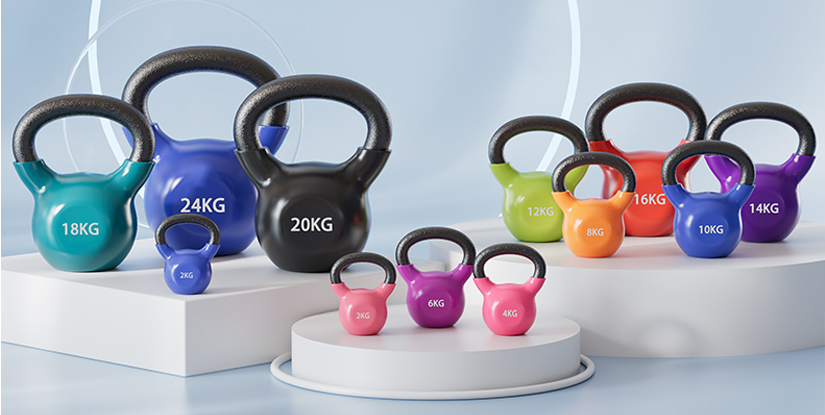
To maintain a lean operation, we suggest implementing a tiered replenishment strategy. Instead of massive, infrequent bulk orders that overwhelm your floor space, consider staggered shipments that align with your regional sales velocity. By balancing the high unit value of the bells of steel adjustable kettlebell with a controlled, high-frequency delivery schedule, you can minimize the risk of stockouts while keeping your fitness equipment supply chain agile and responsive to market demand.
Mechanical Integrity and Long-Term Durability of Weight-Adjustment Systems
In a high-traffic commercial environment, the most common point of failure for adjustable equipment is not the casting itself, but the internal adjustment mechanism. For distributors, sourcing a bells of steel adjustable kettlebell requires a deep dive into the mechanical integrity of the locking systems. Unlike fixed kettlebells, these units undergo constant kinetic stress and frequent weight transitions, making them susceptible to mechanical fatigue if the tolerances are too loose.
High-frequency usage in a functional training zone accelerates standard wear and tear on sliding plates and selector pins. If the adjustment components are not engineered for heavy-duty cycles, the resulting mechanical drift can lead to safety hazards and premature replacement requests. Effective commercial gym inventory management must account for this; a single batch of substandard adjustment hardware can spike your replacement costs and damage your reputation with gym operators. Prioritize suppliers that demonstrate rigorous testing of the weight-selection components to ensure long-term operational stability.
To mitigate these risks during the procurement phase, we recommend implementing a technical inspection protocol focused on the precision of the internal architecture. When evaluating adjustable kettlebell wholesale shipments, your quality control (QC) checklist should prioritize the mechanical tolerances of the sliding rails and the engagement depth of the locking pins. A slight deviation in component tolerances can cause the weight plates to rattle or, worse, shift unexpectedly during high-velocity movements.
During factory inspections or sample testing, focus on these three critical durability indicators:
- Locking Mechanism Stability: Test the engagement strength of the selector pins. The mechanism must resist vibration and lateral force to prevent unintentional weight shifts.
- Material Fatigue Resistance: Evaluate the gauge of the steel components used in the adjustment track. Ensure the metal shows no signs of deformation after repeated weight transitions.
- Friction and Smoothness: The sliding action should be fluid but controlled. Excessive resistance often indicates poor component alignment, while too little resistance suggests a risk of mechanical failure over time.
By verifying these technical specifications at the source, you protect your fitness equipment supply chain from the volatility of high return rates and ensure the long-term reliability expected in professional strength training facilities.
To assist in your decision-making process, we have categorized the typical failure modes encountered when sourcing lower-tier units versus professional-grade equipment. Understanding these distinctions is vital for calculating the true total cost of ownership (TCO), as the initial savings of consumer-grade models are often erased by frequent replacement cycles and labor costs.
| Failure Mode / Metric | Consumer-Grade (Low-Tier) | Industrial-Grade (High-Standard) |
|---|---|---|
| Adjustment Mechanism | Plastic components or thin gauge steel; prone to snapping under load. | Reinforced steel tracks and heavy-duty locking pins for high kinetic stress. |
| Mechanical Drift | Weight plates may rattle or shift during high-velocity movements. | Precision-engineered tolerances ensure stable weight distribution. |
| Maintenance Cycles | Requires frequent part replacement due to rapid material fatigue. | Extended service life with minimal intervention required. |
| Long-Term TCO | High; frequent shipping of replacements and high return rates. | Low; durable construction reduces long-term replacement overhead. |
When managing bells of steel adjustable kettlebell inventory for commercial clients, the goal is to avoid the "cheap-buy-twice" trap. Investing in equipment with superior mechanical integrity ensures that your clients experience consistent performance, reducing the burden on your after-sales support and strengthening your position as a reliable equipment provider.
Mitigating Lead Time Volatility in the Global Fitness Equipment Supply Chain
For distributors and commercial gym operators, the primary challenge in maintaining a consistent stock of the Bells of Steel adjustable kettlebell is no longer just about demand forecasting, but about navigating an increasingly unpredictable fitness equipment supply chain. Recent shifts in global logistics have introduced significant variables that can disrupt even the most disciplined procurement schedules.
Market instability often manifests through rising freight costs and fluctuating container availability, which directly impact the landed cost of high-density steel products. Beyond the immediate price of the unit, procurement professionals must account for escalating inventory carrying costs. When lead times stretch unexpectedly, the capital tied up in transit or held in safety stock increases, creating a delicate balancing act between ensuring product availability and maintaining healthy cash flow. For those sourcing premium adjustable hardware, failing to account for these systemic shifts can turn a standard replenishment cycle into a significant financial bottleneck.
To effectively manage the Total Cost of Ownership (TCO), distributors must choose between two primary procurement models: spot buying and contractual forward ordering. Each approach carries distinct implications for your bottom line and stock reliability.
Strategic Comparison: Spot Buying vs. Forward Ordering
Spot buying allows for agility, enabling buyers to capitalize on temporary dips in market prices. However, this method often forces procurement teams to accept higher unit costs during peak seasons and offers little protection against sudden shortages. In contrast, contractual forward ordering provides a more stable framework for managing adjustable kettlebell wholesale accounts. By committing to a set volume over a specific period, distributors can often access deeper bulk pricing tiers and more predictable shipping windows.
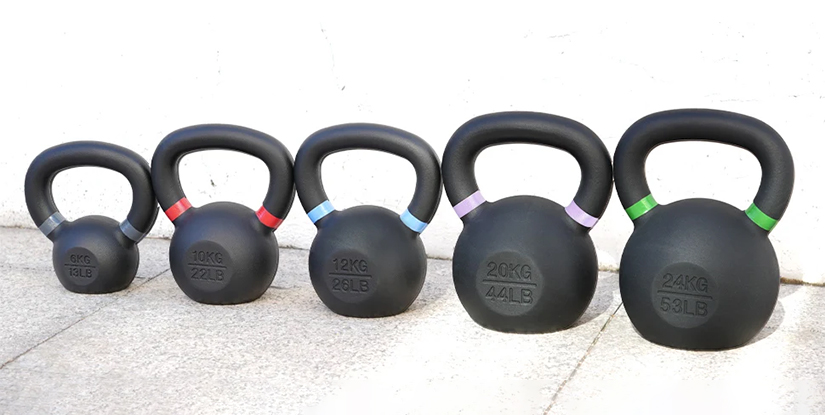
A successful cost-benefit analysis should weigh the immediate savings of spot purchases against the long-term stability of a contract. For high-turnover items, establishing a lead time buffer through forward-looking agreements is essential. This strategy mitigates the risk of stockouts and ensures that your MOQ (Minimum Order Quantity) requirements are met well in advance of seasonal demand spikes, ultimately protecting your margins from the volatility of the global market.
Optimizing Inventory Margins through Demand-Driven Stocking
Effective commercial gym inventory management requires moving beyond reactive purchasing toward a predictive model. Relying on a "just-in-time" approach for high-demand items like the Bells of Steel adjustable kettlebell can be hazardous; a single logistics delay can lead to immediate revenue loss and diminished client trust. To mitigate this, distributors should establish a calculated safety stock level that accounts for both manufacturing cycles and shipping variability.
It is critical to analyze seasonal demand patterns within your specific territory. For instance, many commercial facilities ramp up equipment upgrades during quarterly budget shifts or pre-season surges. By aligning your replenishment cycles with these predictable peaks, you ensure logistics reliability remains high when the market is most competitive. Instead of treating every order as an isolated event, treat your stock levels as a strategic buffer. Maintaining an optimized inventory level—one that balances the cost of holding stock against the risk of a stockout—is the most effective way to protect your long-term profitability in the wholesale market.
Quality Control Benchmarks for High-Precision Adjustment Mechanisms
Distributors must recognize that the value proposition of the Bells of Steel adjustable kettlebell lies in its sophisticated internal architecture. Unlike traditional cast iron models, these units rely on complex moving parts that demand rigorous oversight during the procurement phase. A single oversight in factory-level quality control can lead to significant mechanical wear, eventually compromising the user experience and increasing the total cost of ownership for your clients.
For professionals overseeing commercial gym inventory management, the primary concern is the longevity of the precision adjustment mechanism. High-frequency use in commercial environments can accelerate friction within the weight-selection tracks. Consequently, it is essential to verify that shipments meet strict lubrication requirements and that all moving components are treated with industrial-grade, non-corrosive lubricants. Without these specific benchmarks, the smooth transition between weight increments may degrade, leading to increased maintenance requests and diminished brand trust in your fitness equipment supply chain.
To mitigate the risk of mechanical failure, implement a standardized inspection protocol during the receiving process. Rather than performing a cursory visual check, technical buyers should focus on the mechanical tolerances of the locking pins and weight-selection tracks. A high-quality unit must exhibit seamless movement without binding; any resistance felt during weight transitions often indicates poor machining or suboptimal weight plate seating within the housing.
During your adjustable kettlebell wholesale audit, pay close attention to the friction points where the adjustment sleeves meet the main chassis. If the movement feels granular or inconsistent, it may signal a failure in the assembly-level tolerance standards. We recommend testing at least 5% of the incoming batch across the full weight spectrum to ensure that the structural integrity remains constant from the lightest to the heaviest setting. Verifying these technical nuances at the point of entry ensures that your inventory meets the durability standards expected by high-traffic commercial facilities.
Beyond initial quality inspection, long-term profitability for distributors depends on educating end-users regarding proper upkeep. A proactive maintenance schedule prevents the mechanical degradation often seen in lower-tier products, ensuring the Bells of Steel adjustable kettlebell remains a reliable asset within a high-traffic facility. By communicating a clear maintenance cadence, buyers can justify the premium price point through a lower Total Cost of Ownership (TCO) and extended equipment lifespan.
The following table outlines the recommended service intervals to maintain optimal mechanical function and protect the fitness equipment supply chain integrity:
| Frequency | Focus Area | Action Required |
|---|---|---|
| Daily | Surface & Grip | Wipe down handle and exterior with a dry or slightly damp cloth to remove sweat and debris. |
| Monthly | Mechanical Tracks | Inspect adjustment pins and weight-selection tracks for any debris or grit buildup. |
| Quarterly | Lubrication | Apply a thin layer of non-corrosive, industrial-grade lubricant to moving joints and friction points. |
Strict adherence to these protocols prevents the accumulation of micro-particles that can cause binding in the adjustment mechanism. For distributors, emphasizing these component cleaning and mechanical lubrication steps during the handover process minimizes future warranty claims and reinforces the professional standard of your inventory.
Strategic Stocking Levels for Commercial Gym Inventory Management
When scaling a fitness facility or distributing premium strength equipment, the financial architecture of your procurement strategy determines long-term profitability. For distributors, the decision to stock the Bells of Steel adjustable kettlebell involves a sophisticated calculation that extends far beyond the initial invoice price. Relying solely on low unit costs often leads to hidden deficits in the form of high maintenance cycles or premature replacement needs.
Effective procurement requires a transition from viewing equipment as a simple capital expenditure (CapEx) to analyzing the total cost of ownership (TCO). While high-volume procurement of adjustable units may seem like a significant upfront investment, the cost-efficiency is realized through the longevity of the mechanical adjustment components and the reduced need for multiple single-weight SKUs. By balancing the initial outlay against long-term operational expenditure (OpEx), gym owners and distributors can optimize their commercial gym inventory management, ensuring that capital is not tied up in depreciating assets that lack the durability required for high-traffic commercial environments.
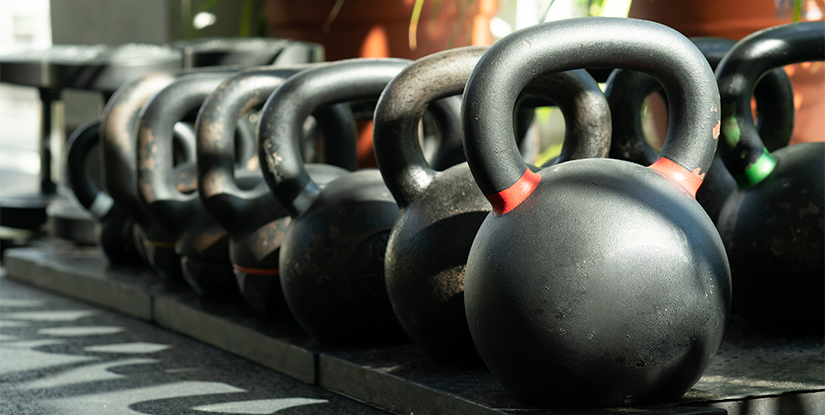
Optimizing your margins requires a nuanced understanding of how purchasing models influence your bottom line. When sourcing adjustable kettlebell wholesale, distributors must choose between aggressive bulk acquisition and a more agile, staggered replenishment cycle. While high-volume orders significantly lower the unit price through tiered volume discounts, they also demand higher capital reserves and more robust warehouse capacity.
To maximize inventory turnover without risking stockouts, we recommend a hybrid approach. Large-scale shipments can reduce the per-unit impact of shipping logistics and container costs, yet over-reliance on massive shipments can lead to stagnant stock. By negotiating a strategic MOQ (Minimum Order Quantity) that aligns with your projected seasonal demand, you can achieve freight optimization while maintaining a lean inventory. This balance ensures you are not over-leveraged in a single shipment, allowing for more frequent, smaller-batch updates that reflect current market trends and consumer preferences.
To assist in your financial modeling, the following comparison outlines how different procurement cadences affect your operational overhead. Choosing the correct frequency for your bells of steel adjustable kettlebell shipments depends heavily on your available warehouse square footage and your ability to forecast regional demand.
| Cost Driver | Small Batch / Low Frequency | Bulk / High Frequency |
|---|---|---|
| Unit Price Stability | Higher volatility due to market fluctuations. | Greater stability via long-term contract pricing. |
| Freight & Logistics | High per-unit shipping costs; less efficient container utilization. | Optimized ocean freight; lower landed cost per unit. |
| Storage Overhead | Minimal; ideal for lean, just-in-time distribution. | Significant; requires robust warehouse management. |
| Capital Liquidity | High; capital remains available for other assets. | Lower; capital is tied up in physical inventory. |
For many distributors, the goal is to find the "sweet spot" where the savings from adjustable kettlebell wholesale volume discounts outweigh the cost of carrying excess stock. If your fitness equipment supply chain is already optimized for heavy strength equipment, a bulk-centric model often yields the highest margin per shipment.
Evaluating Total Cost of Ownership for Modular Strength Equipment
When sourcing high-end modular equipment, procurement professionals must look beyond the initial unit price to account for the long-term lifecycle of the product. For a Bells of Steel adjustable kettlebell, the Total Cost of Ownership (TCO) is heavily influenced by how the mechanism handles repeated adjustments in a high-traffic commercial gym environment. Unlike traditional cast iron, modular systems introduce moving parts and locking interfaces that require specific scrutiny during the quality control phase.
Distributors should evaluate two primary risk factors: mechanical wear and weight plate integrity. In a professional setting, the frequent swapping of weight increments can lead to friction-induced degradation if the tolerances are not precise. If the adjustment mechanism lacks robust construction, the resulting service calls and replacement costs can quickly erode the profit margins of the initial sale. Ensuring that the structural components maintain their alignment over hundreds of cycles is essential for long-term durability. For the B2B buyer, a product that maintains its structural precision through heavy use is a much more valuable asset than a lower-cost alternative that requires premature replacement.
To mitigate these long-term risks, distributors should implement a standardized maintenance protocol. The longevity of your adjustable kettlebell wholesale inventory depends on proactive oversight of both the mechanical components and the surface coating. While the internal locking systems are built for durability, regular inspection ensures that debris or oxidation does not compromise the precision of the weight adjustments. A lack of scheduled oversight can lead to jammed mechanisms or cosmetic degradation, which diminishes the resale or secondary market value of the equipment.
The following maintenance schedule provides a framework for facility managers to maintain high standards of safety and functionality:
| Inspection Frequency | Focus Area | Action Required |
|---|---|---|
| Weekly | Surface Coating & Handle | Check for scuffs, rust, or grip degradation. |
| Monthly | Mechanical Components | Test weight increment transitions for smooth movement. |
| Quarterly | Locking Mechanisms | Verify structural integrity and alignment of plates. |
| Bi-Annually | Full System Audit | Deep clean internal tracks; check for component wear. |
By integrating these checks into your commercial gym inventory management, you protect your investment and ensure that the equipment remains a reliable asset for the end-user.
Beyond routine cleaning, the true operational advantage of high-quality modular systems lies in their component compatibility. Within a sophisticated fitness equipment supply chain, the ability to replace or upgrade individual parts without discarding the entire unit is a critical metric for success. When sourcing the Bells of Steel adjustable kettlebell, distributors should prioritize designs where the adjustment tracks and weight plates are engineered to a standardized tolerance. This modularity ensures that even after years of heavy usage, a single worn component does not necessitate a full SKU replacement.
From a logistical standpoint, high-precision engineering directly impacts replacement frequency. Low-quality modular alternatives often suffer from "tolerance creep," where slight deviations in part fitment lead to mechanical failure. By investing in equipment with superior component compatibility, facility owners can manage their commercial gym inventory management more effectively—stocking only the necessary replacement parts rather than entire new units. This approach drastically reduces the total cost of ownership by extending the functional lifespan of the equipment and minimizing the downtime associated with hardware failures in high-performance training environments.