Optimizing Inventory with Bell of Steel Adjustable
Vetting Manufacturers for High-Precision Adjustable Steel Kettlebells
For commercial gym operators managing high-traffic environments, the standard for equipment durability goes beyond simple surface coatings. In a busy strength training zone, a single piece of equipment faces constant physical impact and rapid weight transitions. While fixed-weight implements are straightforward, the bell of steel adjustable kettlebell introduces a layer of mechanical complexity that requires rigorous scrutiny during the procurement phase.
The primary concern for distributors and facility managers is not just the exterior shell, but the long-term structural durability of the internal components. Unlike static weights, adjustable models rely on precision-engineered locking mechanisms and sliding tracks that are susceptible to mechanical wear over time. In high-use commercial settings, even minor deviations in manufacturing tolerances can lead to instability or component failure. When sourcing these units, it is essential to evaluate how the manufacturer addresses the friction points and load-bearing integrity of the adjustment system to ensure the product survives the rigors of professional daily use.
To protect your long-term Total Cost of Ownership (TCO), your quality control checklist must move past visual aesthetics and focus on technical specifications. When sourcing adjustable steel kettlebell wholesale orders, demand transparency regarding the material grade and the mechanical tolerance of the internal weight-selection system. A premium unit should demonstrate high-level precision engineering, ensuring that the weight plates or pins seat perfectly without excessive play or rattling during movement.
During your inspection or pre-shipment audit, prioritize these three technical pillars:
- Locking Mechanism Stability: Test the engagement of the weight selection system under rapid movement. The locking mechanism stability must remain absolute to prevent accidental weight shifts during high-intensity training.
- Material Integrity: Verify the material grade of the internal chassis and the steel shell. High-carbon or heavy-duty steel is necessary to prevent deformation over years of commercial use.
- Coating Durability: Request documentation or perform a cross-cut test to verify powder coating thickness. A robust, uniform layer is critical to prevent oxidation and surface chipping in humid or high-traffic gym environments.
By focusing on these structural variables rather than just price-per-unit, commercial gym equipment supply partners can minimize replacement cycles and maintenance requests.
Distributors often encounter a wide variance in product quality when sourcing from different factory tiers. While lower-priced options may appear adequate upon initial receipt, they frequently fail to meet the rigorous standards required for professional strength facilities. To streamline your vetting process, we have outlined the critical benchmarks used to differentiate between entry-level manufacturing and high-performance commercial standards.
The following table provides a framework for evaluating the technical integrity of your incoming shipments. Use these metrics to verify that your bell of steel adjustable kettlebell inventory meets the long-term durability requirements of your clients.
| Quality Indicator | Standard Manufacturing | Premium Commercial Grade |
|---|---|---|
| Steel Density & Composition | Lightweight, thin-walled steel; prone to denting. | High-density, heavy-gauge steel; impact-resistant construction. |
| Weight Increment Precision | Variable increments (±0.5kg to 1kg deviations). | High-precision calibration (strictly controlled tolerances). |
| Rust Resistance & Finish | Basic powder coating; susceptible to chipping/oxidation. | Multi-layer industrial coating; high resistance to moisture and sweat. |
| Internal Mechanism | Basic friction-based sliding; potential for rattling. | Precision-engineered locking tracks; seamless weight transitions. |
Utilizing these benchmarks allows fitness distributor logistics teams to make data-driven decisions during the inspection phase. By prioritizing high-density steel and precise weight increments, you reduce the risk of returns and ensure your stock can withstand the high-frequency usage typical of North American commercial fitness centers.
Standardizing Quality Control Protocols for Bulk Steel Orders
In high-traffic commercial environments, the longevity of adjustable equipment is dictated by the precision of its moving parts. Unlike fixed-weight kettlebells, the bell of steel adjustable kettlebell relies on a complex interaction between internal locking mechanisms and external weight plates. If the mechanical integrity of these components is compromised during the manufacturing or shipping stages, the result is often costly on-site maintenance or premature unit replacement.
For distributors and gym owners, the primary concern is weight plate stability. Any deviation in the tolerance of the adjustment pins or the seating of the steel plates can lead to rattling or, in extreme cases, structural failure during high-intensity movements. When sourcing a commercial gym equipment supply, it is vital to verify that the factory implements rigorous stress testing on the adjustment tracks. Ensuring that every unit meets strict structural tolerances reduces the Total Cost of Ownership (TCO) and prevents the logistical headache of processing defective returns from large-scale facility installations.
Technical Verification Checklist for Component Durability
To mitigate the risks associated with high-volume imports, procurement teams should implement a specific inspection routine focused on mechanical and aesthetic resilience. When evaluating adjustable steel kettlebell wholesale orders, the scrutiny must move beyond visual aesthetics to functional longevity. A standardized inspection protocol ensures that the hardware can withstand the repetitive friction inherent in commercial weight transitions.
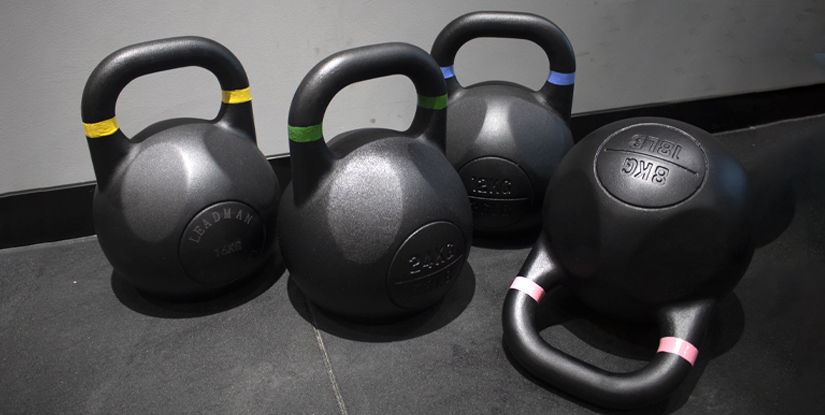
Distributors should prioritize the following three inspection criteria during pre-shipment or arrival audits:
- Locking Mechanism Precision: Test the engagement of the selector pins or dial systems across the full weight range. The mechanism must demonstrate smooth, consistent movement without catching, ensuring that the locking position is absolute and cannot slip under dynamic load.
- Surface Coating Durability: Inspect the surface coating durability by checking for uniform thickness and adhesion. High-quality steel should feature a resilient finish that resists chipping or peeling when subjected to standard impact or moisture, preventing premature oxidation in humid gym environments.
- Structural Tolerance Alignment: Verify that the weight plates seat flush against the internal chassis. Any uneven gaps can cause vibration, which eventually degrades the internal adjustment tracks.
Effective inventory management requires a proactive approach to asset preservation. For facility managers and fitness distributors, waiting for a mechanical failure before intervening is a costly mistake that disrupts training and increases replacement frequency. Implementing a structured maintenance schedule ensures that the bell of steel adjustable kettlebell remains a reliable asset throughout its lifecycle, rather than a liability in the weight room.
The following table outlines the recommended inspection intervals and standard actions necessary to maintain the mechanical integrity of high-grade adjustable steel inventory. By adhering to these protocols, operators can extend the functional lifespan of their bulk orders and minimize the need for emergency restocking.
| Maintenance Frequency | Inspection Item | Standard Action |
|---|---|---|
| Weekly | Weight Plate Stability | Ensure all plates are seated flush and check for excessive rattling during movement. |
| Monthly | Locking Mechanism & Pins | Verify the smooth engagement of the adjustment system and check for pin wear. |
| Quarterly | Surface & Coating Integrity | Inspect for oxidation or chipped finishes to prevent steel degradation. |
| Bi-Annually | Full Structural Audit | Perform a comprehensive check of the internal adjustment tracks and chassis alignment. |
Consistent oversight of these variables is essential for maintaining the high standards expected in premium commercial gym settings. Regular audits prevent minor mechanical deviations from escalating into full-scale equipment failures.
Managing Warranty Claims and Replacement Cycles in Commercial Settings
For facility managers and distributors, the true cost of equipment is rarely found in the initial purchase order. In high-traffic strength training zones, the frequency of replacement cycles can quickly erode profit margins if the hardware is not built for heavy-duty use. When sourcing a bell of steel adjustable kettlebell, the focus must shift from the unit price to the Total Cost of Ownership (TCO).
Cheaply manufactured adjustment mechanisms are often the primary failure point in commercial gym equipment supply chains. A malfunctioning weight selector or a stripped threading system does not just require a single replacement; it creates a ripple effect of downtime, labor costs for maintenance, and potential warranty claims that strain distributor relations. By prioritizing the durability of adjustment mechanisms—specifically looking for precision-engineered steel components that resist wear under repetitive use—buyers can significantly extend the lifecycle of their inventory. Investing in high-spec hardware reduces the long-term volatility of maintenance budgets and ensures that the equipment remains a reliable asset rather than a recurring liability.
To protect your margins, your procurement strategy must include a rigorous framework for quality control. When managing adjustable steel kettlebell wholesale orders, the most significant risks to ROI are not manufacturing defects, but rather transit-related damage and high replacement frequency. Effective fitness distributor logistics require a two-pronged approach: stringent pre-shipment inspections and robust packaging standards.
We recommend implementing specific QC inspection points that focus on the mechanical integrity of the adjustment pins and the seamlessness of the weight plates. Beyond the factory floor, shipping damage prevention is critical; ensure your supplier utilizes reinforced, heavy-duty corrugated boxes and moisture-resistant liners to prevent oxidation during long-haul sea freight. By validating these variables before the container leaves the port, you minimize the need for costly returns and ensure your stock arrives ready for immediate commercial deployment, effectively safeguarding your bottom line against the volatility of international shipping.
When evaluating long-term profitability, the choice between expanding a fixed-weight inventory or transitioning to more versatile modular systems is a critical decision for commercial buyers. While fixed kettlebells are often seen as the "safe" option due to their simplicity, they carry hidden costs in terms of footprint and stock diversity. To assist in your procurement modeling, we have outlined the primary differences in maintenance and lifecycle economics below.
Comparative Analysis: Fixed vs. Modular Steel Systems
| Feature Metric | Standard Fixed Steel Kettlebells | Bell of Steel Adjustable Models |
|---|---|---|
| Maintenance Profile | Minimal; focus on surface oxidation and handle grip integrity. | Moderate; requires periodic inspection of adjustment mechanisms and pins. |
| Equipment Lifespan | Extremely high; nearly indefinite if stored in climate-controlled areas. | High; dependent on the mechanical durability of the weight-selector components. |
| Replacement Factors | Driven by physical damage, denting, or extreme wear on the base. | Driven by mechanical wear or loss of precision in the weight-change system. |
| Inventory Efficiency | Low; requires multiple SKUs and significant floor space per weight increment. | High; a single unit covers a wide range of weight increments, reducing SKU count. |
From a logistics standpoint, the bell of steel adjustable kettlebell offers a distinct advantage for distributors managing warehouse space. By consolidating multiple weight increments into a single high-quality unit, you reduce the complexity of your inventory tracking and the physical volume of your inbound shipments. While the mechanical components require a higher standard of initial quality control, the reduction in SKU-related overhead often leads to a more resilient and scalable commercial supply chain.
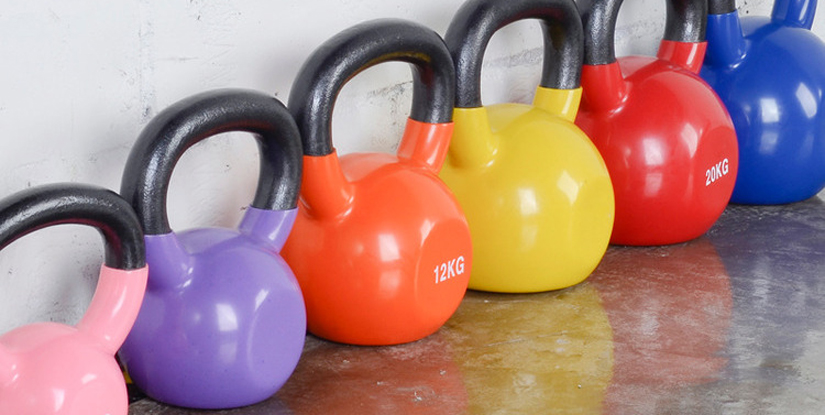
Optimizing Export Packaging for Heavy-Duty Weight Components
Managing high-density inventory requires more than just floor space; it requires a strategy to protect the structural integrity of precision-engineered tools. When importing a bell of steel adjustable kettlebell, distributors often face the challenge of high mass coupled with complex moving parts. Without specialized handling, the mechanical adjustment mechanisms are vulnerable to damage during long-haul transit.
The primary logistical threat is transit vibration and mechanical shock. Constant micro-vibrations during sea freight can loosen internal weight plates or misalign the adjustment track. Furthermore, high-density steel components are inherently susceptible to oxidation if the moisture protection protocols are insufficient. To mitigate these risks, we recommend a tiered approach to packaging based on your specific storage environment and shipping duration.
| Packaging Tier | Protection Level | Best Use Case | Storage Requirement |
|---|---|---|---|
| Standard Export Carton | Basic shock absorption | Short-haul domestic distribution | Dry, climate-controlled |
| Reinforced Double-Wall | High vibration resistance | International sea freight | Standard warehouse shelving |
| Industrial Crate + VCI | Maximum moisture protection | Long-term maritime transit | Humidity-monitored facility |
For distributors managing large-scale orders, prioritizing VCI (Volatile Corrosion Inhibitor) film and reinforced outer casing ensures that each bell of steel adjustable kettlebell arrives in factory-spec condition, reducing the cost of returns and local quality control disputes.
When scaling up your procurement, the relationship between volume and weight becomes a critical factor in your landed cost. For high-volume adjustable steel kettlebell wholesale orders, we recommend transitioning from individual carton shipments to full palletization. This shift significantly optimizes the volume-to-weight ratio, allowing you to maximize container utilization while reducing the risk of individual unit damage.
To ensure maximum stackability in transit, each palletized unit should utilize reinforced corrugated boxes that can withstand the vertical pressure of stacked layers without collapsing. In the commercial gym equipment supply sector, many buyers overlook the importance of pallet stability; however, a secure, shrink-wrapped pallet prevents shifting during maritime turbulence. By choosing standardized pallet dimensions, fitness distributor logistics teams can streamline both the unloading process and the long-term warehousing of heavy-duty steel inventory, ensuring that high-density stock remains organized and structurally sound from the factory floor to your distribution center.
Beyond the immediate logistics of transit, long-term warehouse management remains a critical concern for North American distributors. High-density steel products demand a specific approach to warehouse footprint optimization to prevent unnecessary overhead. Rather than utilizing traditional horizontal floor storage, which can lead to inefficient space usage, we recommend implementing vertical storage solutions. Utilizing heavy-duty industrial racking systems allows you to leverage the height of your facility, keeping the bell of steel adjustable kettlebell units organized and accessible without congesting your aisles.
Effective fitness distributor logistics also require a keen understanding of the shelf-life of coatings. While high-grade industrial finishes are designed for durability, prolonged storage in non-climate-controlled environments can impact the aesthetic and tactile quality of the steel. To maintain a high inventory turnover rate, distributors should adopt a First-In, First-Out (FIFO) rotation strategy. This ensures that stock does not sit idle for extended periods, minimizing the risk of surface oxidation and ensuring that your premium adjustable steel kettlebell inventory always meets the rigorous quality standards expected by commercial gym clients.
Calculating Landed Costs and Freight Efficiency for Heavy Steel Goods
For distributors and gym equipment suppliers, the purchase price of a bell of steel adjustable kettlebell is only one part of the financial equation. The true impact on your bottom line comes from the total landed cost, which is heavily dictated by the physical properties of high-density steel. Unlike lighter polymer equipment, steel products present a unique challenge in logistics due to their high density and weight-to-volume ratio.
When requesting shipping quotations, procurement professionals must account for the interplay between actual weight and volumetric weight. Because an adjustable steel kettlebell is inherently heavy, freight costs are typically driven by weight rather than the space it occupies. However, optimizing shipping density within a sea container or palletized shipment is critical to minimizing the cost per unit. Failing to account for these variables can lead to unexpected budget overruns, as the weight of the steel directly influences both ocean freight surcharges and local drayage fees upon arrival at your warehouse.
To make informed procurement decisions, you must evaluate how different logistics channels impact your unit margins. While air freight offers speed, the high density of steel makes it economically inefficient for large-scale commercial gym equipment supply. Conversely, sea freight remains the standard for high-volume orders, provided the packaging is optimized to maximize container utilization.
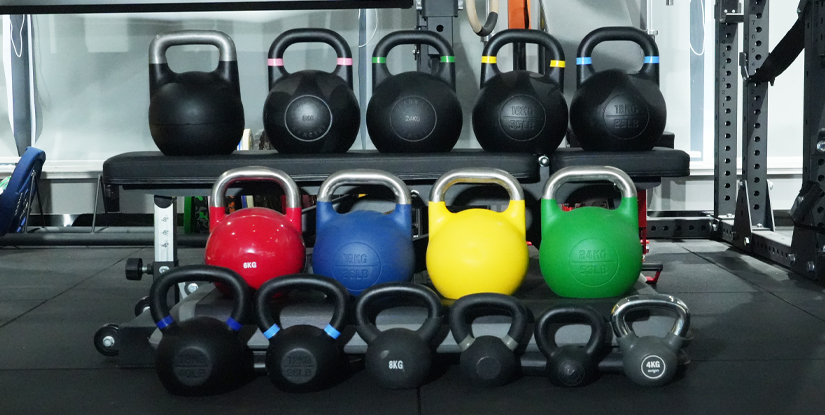
The following comparison illustrates how selecting the right shipping method and packaging configuration affects the final landed cost for your adjustable steel kettlebell wholesale orders. Use this as a benchmark when negotiating with your logistics partners or factory representatives.
| Shipping Method | Packaging Density | Freight Efficiency | Cost Impact |
|---|---|---|---|
| Air Freight | Low (Individual Boxes) | Minimal (High Weight/Cost Ratio) | Highest (Best for small, urgent restocks) |
| LCL (Less than Container Load) | Moderate (Palletized) | Medium (Subject to volumetric weight) | Moderate (Ideal for mid-sized test orders) |
| FCL (Full Container Load) | High (Optimized Stackability) | Maximum (Best Weight-to-Space Ratio) | Lowest (Best for bulk inventory management) |
Pro tip: When sourcing via FCL, request your supplier to utilize heavy-duty, reinforced export cartons that allow for stable, high-density stacking. This maximizes the weight capacity of the container without wasting valuable cubic volume, ensuring your bell of steel adjustable kettlebell shipments arrive with the lowest possible per-unit freight overhead.
Beyond the freight rates themselves, hidden costs often emerge from inadequate quality control and substandard packaging. For professional fitness distributor logistics, a single damaged unit or a discrepancy in weight specifications can trigger expensive returns, credit memos, and damaged client trust. To mitigate these risks, it is essential to establish rigorous export packaging standards that account for the high impact and heavy shifting inherent in steel shipments.
Effective lead time management requires more than just tracking production schedules; it demands oversight of the pre-shipment phase. We recommend mandating a strict QC inspection for weight accuracy before any container is sealed. Because an adjustable mechanism can vary slightly during assembly, verifying that every unit meets the exact weight tolerance is vital for maintaining professional standards. A single unit that is underweight or off-spec can compromise the integrity of a high-end commercial gym order. By ensuring that high-density steel products are housed in reinforced, moisture-resistant packaging and undergo thorough weight verification, you protect your margins from the friction of transit-related losses and specification errors.
Strategic Stocking Levels for Fitness Distributors and Gym Suppliers
Managing a warehouse for traditional iron weights is a predictable, albeit heavy, logistical exercise. However, transitioning to a product line that includes the bell of steel adjustable kettlebell introduces a different set of variables. Unlike fixed models, where one SKU equals one physical unit, adjustable systems consolidate multiple weight increments into a single, sophisticated mechanical housing. For distributors, this shift represents a significant opportunity for space optimization, yet it requires a more nuanced approach to inventory management.
When sourcing adjustable steel kettlebell wholesale orders, the primary challenge lies in balancing the high demand-to-volume ratio. While a single adjustable unit replaces a wide array of single-weight kettlebells, the mechanical complexity means you cannot simply rely on bulk volume to fill gaps in your catalog. Distributors must carefully calculate inventory turnover by analyzing how quickly these high-value, multi-functional units move compared to standard cast iron. Effective procurement involves forecasting not just the number of units, but ensuring your stock levels account for the precision of the adjustment mechanisms, ensuring that your clients receive a product that meets commercial-grade durability standards without the dead stock associated with oversized, single-weight sets.
To maintain a reliable commercial gym equipment supply, distributors must develop a procurement framework that accounts for both seasonal demand fluctuations and the intricacies of fitness distributor logistics. Unlike standard iron weights, high-end adjustable models often face longer lead times due to the precision required for their internal mechanisms. We recommend a dual-track ordering strategy: maintaining a baseline stock for immediate fulfillment while placing advanced orders ahead of peak fitness seasons, such as the pre-New Year surge.
When evaluating MOQ considerations, it is vital to look beyond the minimum unit count and consider the total landed cost. Because these units are high-value, the shipping lead times must include a buffer for both sea freight and local customs clearance to avoid stockouts during high-traffic quarters. Furthermore, because these products contain moving parts, export packaging stability is non-negotiable. Ensure your sourcing partner utilizes reinforced, heavy-duty corrugated boxing to prevent mechanical misalignment during transit. By aligning your reorder points with these logistical realities, you can optimize warehouse throughput without compromising the structural integrity of your premium inventory.
To assist procurement managers in visualizing the long-term benefits of high-density inventory, we have modeled the efficiency gains of transitioning from traditional setups to more versatile systems. The following data highlights how consolidating weight increments impacts your facility's operational footprint and SKU management.
Table: Stocking Efficiency Comparison (Adjustable vs. Fixed Sets)
| Metric Category | Traditional Fixed Kettlebell Sets | Bell of Steel Adjustable Model |
|---|---|---|
| SKU Count (per weight range) | High (Multiple individual units) | Low (Single versatile unit) |
| Storage Volume/Footprint | Large (Requires extensive racking) | Minimal (Compact footprint) |
| Versatility Factor | Low (Single weight per unit) | High (Multi-increment capability) |
| Logistical Complexity | High volume/Low value per unit | Low volume/High value per unit |
As the table demonstrates, the move toward adjustable technology significantly reduces the number of individual SKUs a distributor must track. This reduction simplifies warehouse management and lowers the risk of dead stock caused by over-ordering unpopular weight increments. For commercial suppliers, this means more efficient use of container space during sea freight and a more agile response to client requests for diverse training modalities.