Optimizing Facility Throughput with Barbell Competition
Establishing Rigorous Supplier Standards and Quality Audits
For high-traffic strength and conditioning facilities or large-scale commercial distributors, the cost of equipment failure extends far beyond the initial purchase price. A single batch of substandard barbell competition plates can lead to uneven weight distribution, causing uneven wear on barbell sleeves and increasing the risk of operational downtime. When sourcing at scale, procurement officers must look beyond the surface aesthetic to ensure the structural integrity of the equipment can withstand the rigors of high-volume commercial use.
Reliable professional weight plates require strict adherence to manufacturing tolerances to ensure precision in both weight and diameter. During the factory audit phase, it is essential to verify the material density and the consistency of the casting process. High-quality production ensures high-impact resistance, preventing the cracking or chipping that often occurs during heavy drops. By prioritizing suppliers with rigorous quality control protocols, buyers can mitigate the long-term costs associated with frequent equipment replacement and maintain a seamless training environment.
To streamline your strength training equipment procurement, we recommend implementing a standardized quality audit checklist during the vendor evaluation stage. Rather than relying on visual inspections alone, professional buyers should demand technical documentation that verifies manufacturing precision. A robust supplier should provide transparent data regarding their production capabilities and adherence to international B2B sourcing standards.
The following framework outlines the critical technical benchmarks required to ensure long-term durability and operational safety in commercial environments:
| Technical Specification | Standard Requirement | Procurement Importance |
|---|---|---|
| Weight Deviation Limits | ±1% or less | Ensures balanced loading and prevents barbell drift |
| Dimensional Precision | Strict diameter consistency | Optimizes fit on sleeves and prevents uneven wear |
| Coating Durability | High-grade polyurethane/rubber | Prevents oxidation and maintains aesthetic longevity |
| Impact Resistance | High-density casting | Reduces chipping and structural fatigue during heavy drops |
Utilizing these metrics allows facility managers to differentiate between entry-level products and true competition-grade equipment, effectively protecting the total cost of ownership (TCO) and reducing gym facility maintenance frequency.
The Economic Logic of High-Spec Sourcing
When evaluating the total cost of ownership (TCO), the initial price gap between entry-level rubber weights and high-spec barbell competition plates often obscures the long-term financial impact. For commercial operators, the true cost is measured through replacement cycles and the labor required for gym facility maintenance. Low-grade alternatives frequently suffer from dimensional drift or surface degradation under high-frequency usage, necessitating premature replacement and disrupting facility throughput.
Investing in equipment that meets professional-grade standards serves as a hedge against operational volatility. High-precision plates maintain their calibration and structural density over years of heavy dropping, significantly extending the interval between procurement phases. By selecting products engineered for long-term durability, distributors and gym owners transition from a reactive "break-fix" model to a proactive asset management strategy. This approach optimizes cost-efficiency by reducing the frequency of unscheduled maintenance and ensuring that capital is spent on expansion rather than constant replacement of worn-out inventory.
Precision Tolerance and Material Integrity in Professional Weight Plates
For high-traffic strength facilities, the hidden cost of procurement often lies in the secondary damage caused by substandard equipment. When sourcing barbell competition plates, procurement officers must look beyond the surface finish to the internal precision tolerance of the weight distribution. Inconsistent mass distribution or uneven thickness profiles can lead to significant mechanical imbalances during high-velocity lifts.
These imbalances do more than just affect athlete performance; they directly impact your maintenance cycles. Low-quality plates often feature irregular edges or inconsistent center holes, which create uneven pressure points on the barbell. This lack of precision accelerates sleeve wear on premium barbells, potentially damaging the bearings and bushings that are far more expensive to replace. Furthermore, constant vibration from off-center loads can compromise the structural integrity of your flooring systems over time. By prioritizing high-tolerance specifications during the initial sourcing phase, facility managers effectively lower their Total Cost of Ownership (TCO) by extending the lifespan of both the weight plates and the auxiliary strength training equipment.
To effectively evaluate the long-term value of your inventory, it is necessary to distinguish between standard rubberized plates designed for general use and high-spec professional weight plates intended for sanctioned competition. The primary differentiator lies in the material density and the resulting resistance to deformation under repetitive impact. While standard plates may suffice for basic training, they often lack the structural rigidity required for high-frequency heavy lifting, leading to faster degradation of the edge profile and increased maintenance requirements.
The following comparison provides a technical framework for your procurement checklist, helping you determine which specification aligns with your facility's throughput demands and budget for long-term replacement.
| Evaluation Metric | Standard Rubberized Plates | High-Precision Competition Plates |
|---|---|---|
| Material Density | Lower density; prone to compression over time | High-density vulcanized rubber or steel-core |
| Edge Durability | Moderate; susceptible to chipping or rounding | Superior; maintains strict diameter tolerances |
| Impact Resistance | Designed for moderate drop frequency | Engineered for high-velocity, heavy-load drops |
| Maintenance Profile | Requires frequent inspection for uneven wear | Minimal; optimized for long-term consistency |
When managing large-scale gym facility maintenance, investing in higher-density specifications during the initial wholesale order can significantly reduce the frequency of replacement cycles and protect your barbell inventory from premature wear.
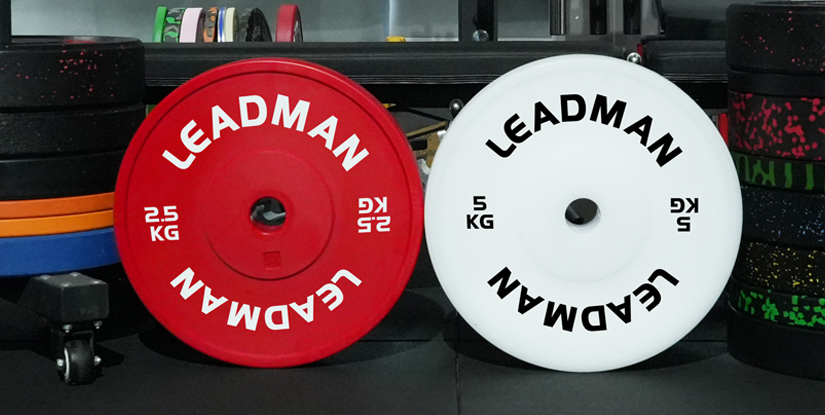
Beyond material density, the reliability of your inventory depends on the rigor of the manufacturer's manufacturing protocols. During the strength training equipment procurement process, savvy buyers must demand transparency regarding strict QC standards. A critical metric to verify is the allowable weight deviation; in professional settings, even a slight percentage of variance between plates in a single set can disrupt a lifter's equilibrium and compromise competitive integrity.
Furthermore, the longevity of the equipment is dictated by coating durability. High-grade competition plates require a robust, uniform coating—whether high-density vulcanized rubber or specialized polyurethane—to prevent chipping and color degradation under heavy use. When managing bulk ordering reliability, it is essential to ensure that the supplier maintains consistent thickness and finish across entire production runs. Sourcing from a factory that prioritizes these technical tolerances ensures that your facility maintains a high-performance standard without the logistical headache of frequent, unscheduled reorders due to material failure or weight inaccuracy.
Evaluating Warranty Terms and Claims Handling for High-Volume Facilities
For high-traffic strength facilities, the true cost of an asset is rarely found in the initial invoice, but in the frequency of replacement. When sourcing barbell competition plates, procurement professionals must look beyond the unit price to evaluate the long-term Total Cost of Ownership (TCO). In high-volume usage scenarios—such as competitive training centers or commercial strength hubs—lower-tier products often suffer from dimensional drift or coating degradation, leading to premature failure.
Choosing high-spec professional weight plates is a strategic move to mitigate operational downtime. A robust warranty should not be viewed merely as a safety net, but as a benchmark for structural integrity and manufacturing precision. When negotiating with wholesale suppliers, prioritize those who offer clear terms regarding material density and impact resistance. Investing in premium durability vs. initial cost ensures that your facility maintenance schedule remains predictable, preventing the logistical headaches and unbudgeted expenses associated with frequent equipment turnover.
To safeguard your investment, sophisticated strength training equipment procurement requires a rigorous vetting of a supplier’s quality control (QC) standards and claim protocols. A reliable manufacturer should provide a transparent definition of defects to avoid ambiguity during the inspection process. For instance, you must establish clear thresholds for dimensional tolerance—ensuring the center hole remains perfectly concentric—and specify unacceptable cosmetic or structural flaws, such as coating peeling or uneven edge beveling.
Beyond product specifications, a professional procurement framework must address the entire lifecycle of the shipment. Ensure your contract explicitly defines logistics damage coverage, protecting your facility against transit-related issues like hairline cracks or warped surfaces. We recommend implementing standardized inspection protocols upon delivery: verify the weight accuracy of each unit and conduct a visual audit against the agreed-upon QC checklist. By formalizing these criteria, distributors can mitigate the risk of receiving sub-standard batches, ensuring that every set of competition-grade equipment meets the exacting demands of a high-performance environment.
When evaluating long-term value, the distinction between standard commercial-grade goods and premium competition-grade equipment becomes most apparent through the lens of liability and replacement cycles. A low-cost procurement decision may offer immediate savings, but the lack of comprehensive coverage often results in higher long-term costs due to unexpected downtime and frequent re-ordering. To assist in your decision-making process, we have outlined the typical divergence in protection levels between these two tiers.
The following comparison illustrates why high-performance facilities often prioritize higher-spec coverage to protect their capital expenditure and ensure uninterrupted training sessions.
| Feature Category | Standard Commercial Grade | Professional Competition Grade |
|---|---|---|
| Warranty Duration | Limited (typically 1–2 years) | Extended (often 3–5+ years) |
| Coverage Scope | Manufacturing defects only | Structural integrity and high-impact wear resistance |
| Logistics & Support | Standard shipping protocols; limited claim window | Priority replacement and expedited logistics support |
For facility managers, selecting the latter is a proactive measure for gym facility maintenance. While the initial unit price for competition-grade equipment is higher, the stability of the warranty and the precision of the manufacturing ensure that your inventory remains consistent, reducing the frequency of emergency shipments and the logistical burden of managing multiple small-batch replacements.
Optimizing Storage Footprints and Inventory Management
In high-density training environments, floor space is often a facility's most expensive commodity. Standard weight plates frequently suffer from inconsistent thickness and manufacturing tolerances, leading to uneven stacks that lean or wobble. This lack of precision creates a disorganized storage footprint, making it difficult for facility managers to maintain clean training aisles and efficient weight trees. When sourcing for large-scale gym installations, the goal is to maximize vertical and horizontal density without compromising equipment accessibility.
By prioritizing barbell competition plates, procurement officers ensure that every kilogram of weight occupies the absolute minimum width required. These professional weight plates are engineered with a strict uniform thickness, allowing for perfectly flush stacking. This spatial efficiency reduces the lateral "creep" often seen in lower-grade equipment, ensuring that weight trees remain stable and organized even under heavy load. For distributors and gym owners, this precision translates to better floor plan management and reduced long-term maintenance clutter.
| Storage Factor | Standard Fractional Plates | Competition-Grade Plates |
|---|---|---|
| Thickness Consistency | Variable/Inconsistent | High-Precision Uniformity |
| Stacking Stability | Prone to leaning/tilting | Optimized for vertical alignment |
| Footprint Efficiency | Requires more lateral space | Maximizes density per rack |
| Ease of Retrieval | Difficult in crowded racks | Streamlined for high-traffic use |
When evaluating procurement optimization for large-scale facilities, the distinction between vertical and horizontal storage efficiency becomes a critical metric. Standard plates, often characterized by uneven edges, frequently require more lateral clearance to prevent tipping, which can obstruct movement in high-traffic zones. In contrast, the precision-engineered profile of competition-grade equipment allows for tighter, more stable stacking on weight trees. This increased storage density is essential for maintaining a clean aesthetic and ensuring long-term facility maintenance standards are met without constant reorganization.
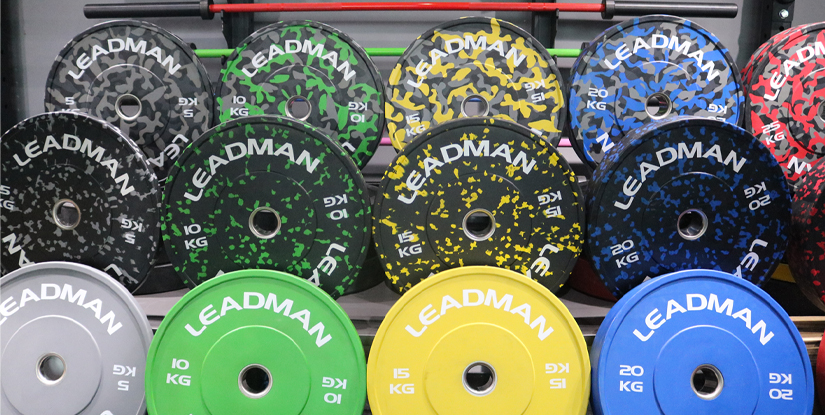
From a lifecycle perspective, investing in high-standard equipment minimizes the frequency of "equipment drift," where mismatched plate thicknesses force staff to constantly re-level or re-stack weight sets. For wholesalers and distributors, providing products that support streamlined organizational workflows is a key value proposition. High-density storage not only preserves the equipment lifecycle by reducing physical impact during retrieval but also optimizes the total usable square footage of the training floor, ultimately improving the return on facility investment.
Beyond physical footprint, the logistical success of a facility depends heavily on inventory management and the seamless integration of new stock. When sourcing for large-scale expansion or seasonal turnover, procurement teams must account for rack compatibility across their entire ecosystem. Discrepancies in center-hole diameters or outer-rim thickness—common in budget-grade options—can lead to catastrophic inefficiencies. If a new shipment of plates does not align perfectly with existing barbell sleeves or weight trees, it creates a bottleneck that halts training flow and complicates restocking procedures.
Adopting standardized dimensions is a strategic move for long-term strength training equipment procurement. High-precision competition plates ensure that every unit fits predictably within standard loading capacities, facilitating faster inventory turnover efficiency. This uniformity allows facility managers to rotate stock or add new weight increments without the fear of compatibility issues or uneven loading. By focusing on these technical specifications during the initial buy, distributors can mitigate the risk of dead stock and ensure that their facility remains a high-performance, scalable environment where every piece of equipment serves a predictable, optimized function.
Logistics Strategies for Reducing Landed Costs and Lead Times
When evaluating procurement budgets, many facility managers fall into the trap of focusing solely on the initial unit price. However, a sophisticated procurement strategy requires a shift toward understanding the Total Cost of Ownership (TCO). Selecting low-grade alternatives may offer immediate savings, but the hidden costs of frequent replacement and increased labor for gym facility maintenance can quickly erode your margins.
High-standard barbell competition plates are a long-term investment in your facility's operational stability. Professional weight plates manufactured with high-density materials and precision calibration exhibit superior durability, even under heavy high-volume usage. By prioritizing build quality during the sourcing stage, distributors and gym owners can significantly lower their replacement frequency. This reduction in turnover not only stabilizes your capital expenditure but also minimizes the logistical disruptions and administrative overhead associated with constant reordering and restocking cycles.
To optimize your procurement workflow, you must weigh the immediate availability of local stock against the long-term savings of direct manufacturing. While local distributors offer speed, direct sourcing often provides the necessary scale for large-scale facility expansions. The following comparison helps clarify how different sourcing models impact your final landed cost and inventory management.
| Procurement Factor | Direct Factory Sourcing | Local Distributor Model |
|---|---|---|
| Unit Price & MOQ | Lower per-unit cost; requires higher MOQ | Higher per-unit cost; flexible small orders |
| Lead Time | Extended (Production + International Transit) | Short (Local warehouse fulfillment) |
| Shipping Logistics | Complex; requires managing sea/air freight | Simplified; standard domestic freight |
| Landed Cost | Optimized for high-volume bulk shipments | Higher due to domestic markup and shipping |
| Factory Capability | Direct oversight of precision and quality | Dependent on distributor's quality control |
For projects requiring a massive volume of barbell competition plates, leveraging direct factory capability is often the most cost-effective route. By planning ahead to account for longer lead times, procurement officers can mitigate shipping volatility and secure a lower landed cost, ensuring the budget remains focused on quality rather than logistical overhead.
Beyond the unit price, the true risk in large-scale facility builds lies in the hidden costs of poor quality control. When managing bulk orders for professional weight plates, a single shipment containing out-of-spec or damaged items can derail an entire project timeline. Such discrepancies lead to costly returns, shipping delays, and the administrative burden of re-ordering, which often costs significantly more than the initial savings gained from a lower-tier supplier.
A disciplined approach to strength training equipment procurement must prioritize supply chain reliability over short-term discounts. Implementing rigorous inspection protocols during the manufacturing stage ensures that every piece meets the precise calibration required for competition-grade use. For distributors and large-scale gym operators, investing in a supplier with a proven track record of consistent output is a strategic move to protect landed cost optimization. By securing a reliable partner who manages the complexities of international freight and strict QC standards, you minimize the risk of mid-project shortages and ensure that your facility expansion remains on schedule and within budget.
Long-term Facility Maintenance and Component Longevity
Beyond the immediate technical requirements of a heavy lifting session, procurement specialists must evaluate the long-term operational impact of their equipment choices. While lower-tier options may satisfy initial budget constraints, they often result in a higher Total Cost of Ownership (TCO) due to rapid wear and tear. High-quality barbell competition plates are engineered to mitigate these hidden costs by maintaining structural integrity under high-frequency impact.
The durability of professional weight plates is fundamentally rooted in the precision of their manufacturing process. Precision casting ensures that each plate maintains a consistent density and uniform thickness, which prevents the structural imbalances that lead to premature cracking or edge chipping. When a facility invests in high-specification components, they are effectively investing in long-term facility maintenance efficiency. Precision-engineered equipment reduces the frequency of replacement cycles and minimizes the need for constant onsite adjustments. For distributors and gym owners, this translates to a significant reduction in replacement frequency and a more predictable maintenance schedule, allowing capital to be diverted from emergency repairs toward facility expansion and growth.
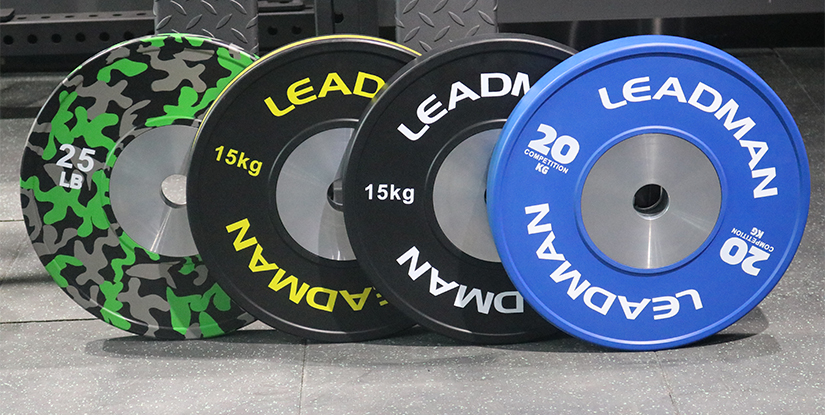
To assist in your strength training equipment procurement, it is essential to differentiate between standard utility products and high-performance competition-grade assets. The following comparison outlines how material resilience and coating durability influence the lifecycle of your inventory.
| Feature | Standard Rubber Bumper Plates | High-End Barbell Competition Plates |
|---|---|---|
| Material Resilience | High-density recycled rubber; prone to compression over time. | Premium virgin rubber or high-grade cast iron; maintains shape. |
| Edge Integrity | May show rounding or chipping under heavy drop frequency. | Precision-milled edges designed for consistent impact. |
| Coating Durability | Standard matte finish; susceptible to scuffs and discoloration. | Advanced UV-resistant or electroplated coatings for longevity. |
| Maintenance Window | Requires frequent inspection for surface degradation. | Low-maintenance; designed for extended continuous use. |
While standard bumpers serve general functional training, professional weight plates are engineered for the rigorous demands of organized lifting. For large-scale distributors, selecting competition-grade specifications minimizes the logistical burden of frequent re-ordering. By prioritizing high-precision components, facility managers can ensure that their equipment remains a reliable asset rather than a recurring operational expense.
Scaling a facility or upgrading a training center requires more than just selecting a high-performance product; it requires a robust procurement strategy centered on batch consistency and supply chain reliability. When ordering large volumes of barbell competition plates, the primary risk is not just the quality of a single unit, but the variance between production lots. Discrepancies in weight calibration or dimensional tolerances between batches can disrupt the balance of a barbell, creating safety risks and undermining the professional standards of a high-end training environment.
To mitigate these risks, procurement officers should verify that manufacturers employ rigorous QC standards for professional weight plates. This includes factory-level precision testing for density, center-hole diameter, and color uniformity. Furthermore, when managing logistics for heavy equipment, understanding the nuances of MOQ considerations is vital. High-volume orders often allow for customized packaging or specialized palletization, which is essential for protecting the integrity of precision-milled edges during long-distance transit. By securing suppliers who treat weight precision as a non-negotiable manufacturing constant, buyers can ensure that every shipment—regardless of the order size—integrates seamlessly into their existing facility inventory without the need for recalibration or replacement.
Implementation checklist for buyers
When evaluating procurement options, many facility managers fall into the trap of prioritizing low upfront costs over long-term operational stability. However, true value in high-traffic strength environments is found in the Total Cost of Ownership (TCO). Selecting substandard professional weight plates may save capital during the initial purchase, but the hidden costs of frequent replacement and uneven wear can quickly erode your margins.
High-quality barbell competition plates are engineered with high-precision tolerances to ensure consistent weight distribution and balance. Beyond simple weight accuracy, the material composition must offer superior impact resistance to withstand the rigors of heavy drops and high-frequency usage. From a procurement standpoint, investing in premium specifications reduces your maintenance frequency and extends the replacement cycle. By prioritizing durability and precision during the sourcing stage, distributors and gym owners secure a long-term ROI that protects both the facility's budget and its professional reputation.
To assist in your selection process, we have outlined a comparison between standard utility equipment and professional-grade competition gear. This differentiation is critical for determining whether your facility requires high-volume durability or high-precision performance.
| Feature Specification | Standard Rubber Bumper Plates | Professional Competition Plates |
|---|---|---|
| Material Density | High-density recycled rubber | Premium virgin rubber or polyurethane |
| Calibration Accuracy | ± 3% to 5% tolerance | ± 0.1% to 0.5% tolerance |
| Expected Lifespan | 2–4 years in high-traffic zones | 5–8+ years with proper care |
| Ideal Use Case | General fitness, CrossFit, commercial gyms | Strength competitions, elite training facilities |
When sourcing barbell competition plates, consider that the higher initial investment in precision often yields a lower cost-per-use. For distributors managing large-scale inventory, choosing high-spec plates minimizes the risk of uneven wear, which can otherwise disrupt the professional standard of a premium facility.
Final Verification and Logistics Readiness
Before finalizing a large-scale order, professional buyers must move beyond catalog specifications to establish strict quality control protocols. Effective strength training equipment procurement requires a multi-stage verification process to ensure that the shipment arriving at your warehouse matches the high-precision standards expected in competitive environments.
First, demand a detailed weight tolerance verification report. For barbell competition plates, any deviation beyond the specified ±0.1% to 0.5% can compromise training integrity and professional legitimacy. A reliable manufacturer should provide batch-specific calibration data. Furthermore, ensure your QC checklist includes visual inspections for edge uniformity and surface coating consistency to prevent premature chipping during heavy use.
Logistics optimization is equally critical for maintaining healthy margins. When negotiating MOQ (Minimum Order Quantity), coordinate with your supplier to optimize shipping volume. Because competition plates are high-density, even minor stacking inefficiencies can lead to excessive freight costs or damaged packaging. Work with your distributor to confirm palletization standards and ensure that the shipping configuration maximizes container utilization without compromising the structural integrity of the weight plates during transit.