barbell with weight plates set | Optimizing Inventory for
Establishing Procurement Standards for High-Volume Weight Sets
When sourcing a barbell with weight plates set for high-traffic facilities, procurement professionals must look beyond initial unit pricing to mitigate long-term operational risks. A sophisticated buyer evaluates three critical checkpoints: the potential for structural failure under load, the precision of technical specifications regarding sleeve diameter and knurling, and the logistical resilience of the supplier's shipping capabilities. Neglecting these variables often leads to premature equipment degradation, which disrupts gym operations and complicates inventory management.
In the realm of commercial strength equipment wholesale, durability is not a luxury but a baseline requirement for maintaining a healthy total cost of ownership (TCO). Commercial environments subject equipment to high-frequency usage, including constant plate transitions and heavy impact. If the structural integrity of the barbell or the density of the weight plates is substandard, the replacement cycle accelerates, driving up both procurement costs and labor for frequent swaps. Distributors should prioritize suppliers who utilize high-grade steel and reinforced casting to ensure that every barbell with weight plates set can withstand the rigors of a professional strength floor without losing calibration or physical form.
Quality control protocols must focus on the metallurgical composition and surface finishes that prevent premature wear. For the barbell itself, sourcing agents should verify the steel grade to ensure high tensile strength and elasticity, preventing permanent deformation under heavy loads. Precision in knurling is equally vital; a consistent, high-quality texture is necessary for grip security, yet it must be engineered to avoid excessive hand abrasion over time. Furthermore, the coating durability—whether utilizing hard chrome for corrosion resistance or specialized urethane for a premium feel—directly impacts the lifespan of the equipment in humid or high-use environments.
When evaluating barbell and plate bundles, the technical density of the plates is a key differentiator. High-density cast iron or high-grade rubberized coatings prevent uneven wear and ensure stable stacking, which is essential for long-term calibration. For those involved in gym equipment distribution, these technical nuances serve as the primary defense against high return rates and customer dissatisfaction. Relying on standardized, high-specification components ensures that your inventory remains a reliable asset rather than a recurring maintenance liability.
To streamline your selection process, we have developed a comparative framework. This allows distributors and facility managers to categorize different tiers of a barbell with weight plates set based on their specific operational demands and long-term durability profiles.
| Tier Classification | Material Composition | Expected Lifespan | Maintenance Profile | Ideal Facility Type |
|---|---|---|---|---|
| Standard Commercial | Steel bar with high-density rubber bumper plates | 3–5 Years (High-intensity) | Low: Occasional surface cleaning | Commercial Gyms & Fitness Studios |
| Premium Performance | Hard chrome/Cerakote steel with urethane-coated plates | 5–8 Years (High-intensity) | Moderate: Periodic sleeve lubrication | High-end Performance Centers & CrossFit Boxes |
| Professional/Elite | Precision-engineered alloy steel with calibrated iron/urethane | 8+ Years (Extreme-intensity) | Scheduled: Precision calibration checks | Strength & Conditioning Competition Venues |
When managing gym equipment distribution, selecting the appropriate tier is essential for balancing upfront capital expenditure with long-term reliability. A high-tier set may require a higher initial MOQ or unit cost, but the reduced frequency of replacement cycles significantly lowers the total cost of ownership. Conversely, for entry-level commercial settings, the Standard tier offers the best balance of turnover speed and functional durability.
Evaluating Material Integrity and Component Compatibility
In a high-traffic commercial gym, the durability of a barbell with weight plates set is measured by its ability to withstand relentless mechanical stress. For distributors and facility managers, the Total Cost of Ownership (TCO) is heavily dictated by how well the equipment resists material fatigue under high-frequency usage. When sourcing through commercial strength equipment wholesale channels, the focus must shift from initial unit price to long-term structural reliability.
Structural integrity is not merely about the thickness of the steel, but the precision of the manufacturing processes that prevent warping or bending over time. Furthermore, the surface coating durability—whether it be high-grade chrome, black oxide, or specialized powder coating—plays a critical role in preventing oxidation and wear. Ensuring that the barbell and the plate sleeves are perfectly compatible prevents premature loosening and uneven weight distribution, which can lead to costly replacements and diminished client satisfaction in professional training environments.
Distributors must differentiate between various technical specifications to ensure the barbell and plate bundles meet the specific operational demands of their clients. A mismatch between the sleeve diameter and the plate bore, or an inappropriate bearing system for the intended use, can lead to increased maintenance cycles and high turnover rates for the SKU.
The following comparison outlines the technical differences between common configurations to assist in your procurement planning:
| Component Feature | Standard Commercial (Bronze Bushing) | Premium Performance (High-Grade Bearing) |
|---|---|---|
| Steel Grade | Low-carbon or mild steel | High-tensile alloy steel |
| Plating Type | Zinc or basic Chrome | Hard Chrome or Cerakote |
| Rotation System | Bronze Bushings (Static/Slow) | Needle Bearings (Smooth/Fast) |
| Maintenance Needs | Low; occasional cleaning | Moderate; requires periodic lubrication |
When managing gym equipment distribution, it is essential to advise clients that while bearing systems offer superior rotation for Olympic lifting, they require more diligent upkeep. Conversely, bushing-based sets are often more cost-effective for general strength zones where high-speed rotation is less critical. Selecting the right combination ensures the longevity of the barbell with weight plates set and reduces the frequency of replacement orders.
Beyond material selection, the logistical success of a bulk order hinges on rigorous QC inspection protocols during the pre-shipment phase. A common failure point in gym equipment distribution occurs when components are manufactured to slightly different tolerances, resulting in a mismatch that renders a barbell with weight plates set unusable or unsafe for professional use. For instance, a discrepancy in sleeve diameter consistency can cause plates to rattle excessively or, conversely, become stuck, creating friction that damages the barbell's internal bearings.
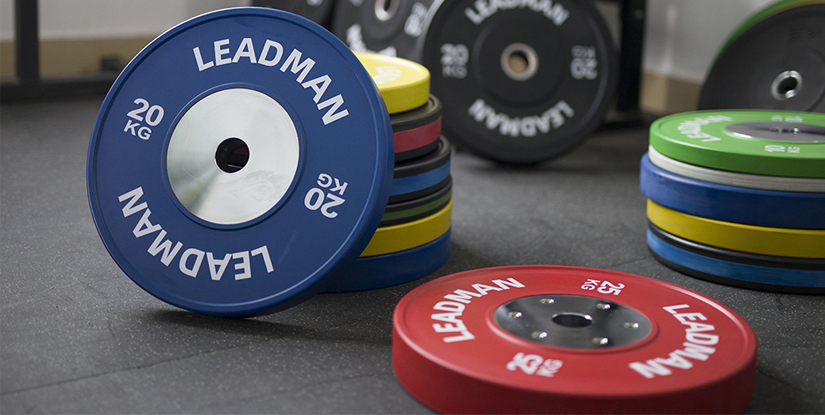
To mitigate these risks, distributors should demand strict bulk order verification that includes testing weight plate tolerance. In high-end commercial settings, even a minor deviation in mass between plates can disrupt a lifter's center of gravity. We recommend that buyers verify that the inner diameter of the plate bore aligns perfectly with the barbell sleeve specifications—typically a precision fit for 50mm Olympic standards. Implementing these technical checkpoints during the sourcing stage ensures that your barbell and plate bundles arrive as a cohesive, high-performance unit, preventing the logistical headache of SKU mismatches and costly returns.
Optimizing Warehouse Footprint for Bundled Inventory
Managing the logistics of a barbell with weight plates set requires more than just floor space; it requires a strategic approach to volumetric density. For distributors engaged in commercial strength equipment wholesale, the physical dimensions of bundled sets can quickly overwhelm standard warehouse layouts. Unlike single-unit SKUs, these sets occupy irregular shapes and varying weights, often leading to inefficient floor usage if not managed with precision.
To maintain high turnover rates and prevent bottlenecks during outbound shipping, distributors must prioritize vertical storage solutions. Moving away from horizontal stacking toward specialized racking systems allows for significant footprint reduction, ensuring that high-demand bundles remain accessible without obstructing warehouse traffic. Efficient verticality not only protects the integrity of the equipment coatings but also optimizes the cost per square foot of your distribution center.
| Storage Configuration | Footprint Impact | Accessibility Level | Best Use Case |
|---|---|---|---|
| Horizontal Floor Stacking | High (Large Area) | Low (Bottom SKUs Blocked) | Short-term receiving/staging |
| Heavy-Duty Vertical Racking | Low (Vertical Focus) | High (Individual SKU Access) | High-turnover commercial inventory |
| Specialized Barbell Trees | Medium | Very High (Quick Pick) | Showroom or rapid fulfillment |
When planning your facility layout, the decision between horizontal and vertical storage dictates your long-term operational efficiency. While horizontal stacking is common during initial receiving, it often creates a "buried SKU" problem, where lower-tier barbell and plate bundles become inaccessible without moving several tons of inventory. This is a critical bottleneck in gym equipment distribution, especially when fulfilling urgent orders for commercial gym launches.
For high-volume distributors, we recommend implementing advanced palletizing strategies that account for both weight and volume. If your facility utilizes heavy-duty racking, ensure you have verified the floor load capacity of your warehouse to support concentrated weight from dense plate sets. Vertical storage via specialized racks or tiered shelving minimizes the risk of barbell deformation and maintains the aesthetic quality of the equipment. By transitioning to a vertical-first model, you maximize your cubic volume, allowing for higher stock density and more streamlined inventory audits.
Beyond physical placement, the most significant lever for optimizing inventory turnover lies in the precision of your packaging dimensions and bundle configuration. For B2B buyers and distributors, the way a barbell with weight plates set is packed directly dictates bulk order logistics costs and shipping density. A poorly optimized bundle—such as a long barbell boxed with loose plates in a non-standard configuration—creates excessive "dead air" within a shipping container or pallet, driving up the volumetric weight and reducing the number of units per shipment.
To maximize SKU management efficiency, work closely with your manufacturer to standardize the dimensions of barbell and plate bundles. A streamlined packaging approach ensures that every cubic meter of a shipping container is utilized effectively, which is vital when managing high-volume commercial strength equipment wholesale orders. By aligning packaging geometry with standard pallet sizes, you reduce the frequency of damaged goods and ensure that your gym equipment distribution workflows remain predictable, cost-effective, and highly scalable.
Logistics and Packaging Strategies for Bulk Shipments
For distributors managing high-volume orders, the primary challenge lies in the disproportionate relationship between product weight and container volume. When sourcing a barbell with weight plates set, procurement teams must account for the fact that plates are dense and heavy, while barbells are long and relatively light. Without a cohesive packaging strategy, these disparate dimensions can lead to inefficient container utilization and inflated freight bills.
Optimizing your landed cost requires a focus on shipping volume optimization. Rather than shipping individual SKUs as separate line items, we recommend utilizing barbell and plate bundles designed for nested or palletized configurations. This approach directly addresses the issue of dimensional weight, ensuring that you are not paying for "empty air" inside a shipping container. By consolidating various weight increments into standardized, stackable units, distributors can achieve significant freight cost reduction. This level of commercial strength equipment wholesale efficiency ensures that your inventory arrives with a lower cost-per-unit, protecting your margins during large-scale gym deployments.
Selecting the right loading method is a critical decision that impacts both your initial landed cost and the speed of your local fulfillment. For distributors, the choice between palletized shipments and loose loading often comes down to a trade-off between labor efficiency and maximum container density. While palletized units offer faster unloading and easier warehouse management, loose loading—often referred to as floor loading—can significantly increase the number of barbell and plate bundles that fit within a single 40ft High Cube container.
The following comparison highlights how these configurations influence your logistics cost impact and operational workflows:
| Configuration Type | Container Utilization | Unloading Speed | Primary Advantage | Best Use Case |
|---|---|---|---|---|
| Palletized Loading | Moderate | High (Forklift/Pallet Jack) | Reduced handling damage and rapid inventory intake. | Frequent, smaller replenishments for retail-facing gyms. |
| Loose/Floor Loading | Maximum | Low (Manual Labor Intensive) | Lowest shipping cost per unit through high density. | Large-scale commercial gym deployments or bulk stock replenishment. |
When calculating your procurement budget, consider that while loose loading maximizes the volume of your barbell with weight plates set orders, it requires more extensive warehouse labor for de-consolidation. Conversely, palletized shipments provide a more streamlined workflow for high-turnover distribution centers where speed of movement is as vital as the freight savings themselves.
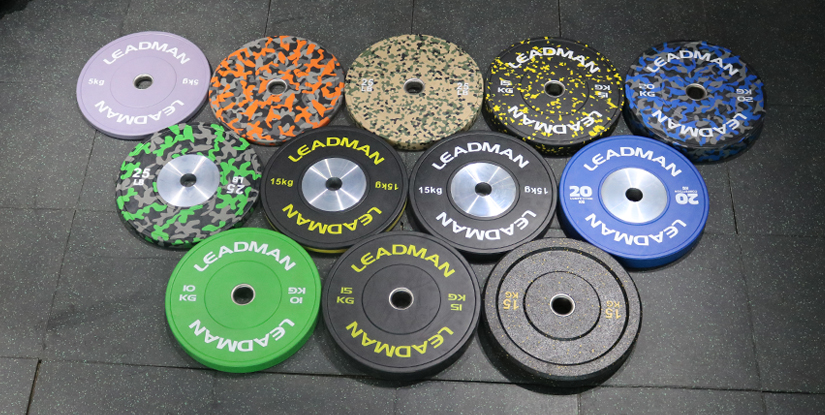
Beyond volume optimization, the structural integrity of your shipment depends on a rigorous quality control protocol focused on transit damage prevention. Because a barbell with weight plates set involves both high-density iron or rubberized steel and long, slender steel shafts, the risk of bending or surface abrasion is a constant variable in gym equipment distribution. A failure in packaging can lead to expensive returns or diminished brand reputation when the product reaches the end-user.
To protect your investment, ensure your factory partner utilizes industrial-grade protective packaging. This includes heavy-duty corrugated outer cartons for weight plates and reinforced, rigid tubing for barbells to prevent bowing under the weight of stacked items. For bulk shipment safety, we recommend requesting internal dividers or customized foam inserts that prevent metal-on-metal contact during high-seas transit. Implementing these strict standards ensures that the equipment arrives in showroom condition, minimizing the total cost of ownership and reducing the need for replacement stock due to preventable shipping wear.
Quality Control Benchmarks for Commercial Strength Equipment Wholesale
For distributors and facility operators, the total cost of ownership is dictated by how often a product must be replaced. When sourcing a barbell with weight plates set for high-traffic environments, the focus must shift from initial unit cost to long-term structural integrity. In a commercial setting, equipment is subjected to constant mechanical stress and accidental drops, making material specifications a critical procurement checkpoint.
Reliable commercial strength equipment wholesale partners prioritize the use of high-tensile steel to prevent permanent bending under heavy loads. Beyond the core shaft, distributors should verify the precision of the knurling durability; aggressive yet consistent patterns are essential for grip stability without premature wear. Furthermore, high-impact resistance in the weight plates ensures that the barbell with weight plates set can withstand the rigors of heavy lifting cycles without cracking or losing dimensional accuracy. Selecting components built to these industrial standards reduces the frequency of replacement cycles and minimizes maintenance-related downtime for your clients.
To effectively differentiate between budget-friendly options and premium commercial-grade inventory, procurement officers must analyze specific technical benchmarks. The variance in material science—specifically regarding coating longevity and mechanical rotation—is often where the true value of a barbell and plate bundles order is determined. A higher upfront investment in specialized bearings and high-density coatings typically yields a lower long-term replacement frequency for large-scale gym equipment distribution networks.
The following comparison outlines the typical technical divergence between standard and professional-grade specifications found in the market:
| Specification Detail | Standard Commercial Grade | Premium Performance Grade |
|---|---|---|
| Plate Coating Type | Standard Rubber/Neoprene | High-Density Urethane (PU) |
| Bearing System | Bronze Bushings | Sealed Needle Bearings |
| Barbell Load Capacity | Up to 300kg - 400kg | 500kg+ (High-Tensile Steel) |
| Maintenance Profile | Moderate (Periodic Inspection) | Low (Minimal Lubrication/Cleaning) |
When evaluating a barbell with weight plates set, note that urethane-coated plates offer superior resistance to oxidation and chemical wear compared to basic rubber. Additionally, needle bearing systems provide the fluid rotation necessary for high-velocity movements, reducing mechanical strain on the athlete and the barbell shaft itself. For distributors, prioritizing these high-spec components ensures a more stable product lifecycle and higher client satisfaction in demanding commercial environments.
Beyond material grades, the reliability of a shipment depends on the rigor of the factory's pre-shipment inspection protocols. For large-scale gym equipment distribution, a single batch of non-compliant units can compromise an entire inventory cycle. To mitigate this risk, procurement officers should demand verification of batch consistency, ensuring that every unit within a single order of barbell and plate bundles adheres to the same strict dimensional and aesthetic standards.
A critical, yet often overlooked, metric is the weight tolerance of the plates. In professional settings, even a slight deviation in mass between plates can disrupt a lifter's balance and lead to uneven wear on the barbell sleeves. High-tier manufacturers utilize precision calibration to maintain tight weight tolerances across all production runs. Furthermore, to ensure long-term durability against humidity and perspiration, verify if the manufacturer performs salt spray testing on metal components and coatings. This testing validates the resistance of the barbell shaft and plate collars to oxidation and corrosion, a vital safeguard for maintaining the aesthetic and structural integrity of the equipment in diverse climates.
Strategic Sourcing: Balancing MOQ and SKU Diversity
For distributors managing commercial strength equipment wholesale, the tension between unit cost and catalog depth is a constant challenge. On one hand, procurement teams naturally gravitate toward high Minimum Order Quantities (MOQ) to drive down the landed cost per unit. On the other hand, the modern commercial gym market demands a diverse range of configurations, from lightweight Olympic sets to heavy-duty training bundles.
If you over-invest in a single type of barbell with weight plates set to satisfy a high MOQ, you risk tying up significant liquidity in slow-moving inventory. Conversely, an overly fragmented catalog with too many low-volume SKUs can erode your margins through increased shipping complexities and higher administrative overhead. To optimize capital efficiency, savvy buyers focus on inventory turnover by selecting versatile barbell and plate bundles that serve multiple training tiers. The goal is to find the "sweet spot" where you achieve economies of scale without sacrificing the SKU diversity required to meet varied client demands.
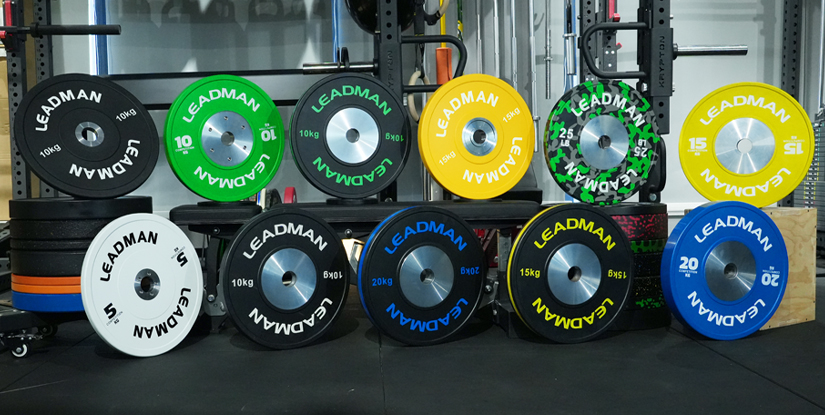
To effectively manage gym equipment distribution, procurement officers must evaluate the relationship between weight increments and logistical density. A well-structured inventory doesn't just provide variety; it optimizes the physical space in your warehouse and the shipping container. For instance, a bundle heavily weighted toward high-volume increments (like 10kg or 20kg plates) reduces the number of individual units to track, yet a complete absence of smaller denominations can lead to missed sales in specialized training segments.
The following framework assists in selecting configurations that maximize the utility of every cubic meter of freight and warehouse space. Use this comparison to determine which barbell and plate bundles best align with your target market's profile and your current storage capacity.
| Bundle Configuration Type | Primary Weight Increments | Storage Footprint | ROI Optimization Potential |
|---|---|---|---|
| Standard Commercial Set | High (10kg, 20kg, 25kg) | Moderate | High turnover for general fitness clubs |
| Specialized Strength Pack | Diverse (2.5kg to 25kg) | High | Premium margins for performance centers |
| Compact Training Bundle | Low/Medium (5kg to 15kg) | Low | Ideal for boutique studios and limited space |
Strategic selection ensures that your capital is deployed into high-velocity SKUs while maintaining a professional depth of catalog for high-value clients.
Protecting Margins through Quality Control and Logistics Efficiency
While diversifying your SKU profile is essential for market coverage, long-term profitability in the barbell with weight plates set market is dictated by the total cost of ownership (TCO). Sourcing high-volume orders without rigorous quality control (QC) protocols often leads to hidden costs that erode gross margins. Inconsistent plate tolerances or substandard barbell knurling can result in high replacement costs and frequent warranty claims, which damage your reputation with commercial gym owners.
Beyond product integrity, distributors must prioritize shipping volume optimization. Because weight plates are high-density, low-volume goods, the way they are nested or palletized directly impacts your landed cost. A failure to coordinate with a factory that understands shipping density can lead to "shipping air," where you pay for container space that isn't effectively utilized. To ensure supply chain reliability, source from manufacturers capable of providing standardized, stackable configurations. This level of logistical precision ensures that your investment in high-volume inventory translates into long-term durability and sustained ROI, rather than a cycle of constant re-ordering and maintenance.
Distributor FAQ: Navigating Global Supply Chains
Longevity and Maintenance Expectations
A primary concern for gym equipment distribution is the long-term Total Cost of Ownership (TCO) for the end-user. When sourcing a barbell with weight plates set, the durability of the components under high-frequency usage is the true measure of value. For commercial facilities, the degradation of surface finishes can lead to premature replacement cycles if quality control is overlooked during the manufacturing stage.
To ensure high-frequency usage durability, distributors should prioritize sets that feature robust coating integrity. Whether dealing with chrome, black oxide, or high-grade polyurethane, the coating must withstand constant friction and impact. Oxidation prevention is equally critical; even high-quality steel is susceptible to rust in humid gym environments if the protective layer is thin or inconsistent. We recommend verifying that the barbell and plate bundles undergo strict surface-tension testing to ensure the finish remains intact under heavy loading. By selecting products with well-defined maintenance cycles—such as periodic cleaning and light lubrication of the sleeves—distributors can offer clients a product that maintains its aesthetic and functional standards for years, reducing long-term replacement requests and enhancing brand reputation in the commercial strength equipment wholesale market.
When advising clients on inventory selection, it is essential to distinguish between material grades to manage expectations regarding upkeep and replacement cycles. The following technical comparison helps distributors categorize a barbell with weight plates set based on the operational environment of the end-user, from high-impact CrossFit boxes to traditional strength training halls.
| Material Type | Wear Resistance | Cleaning Requirements | Typical Commercial Lifespan |
|---|---|---|---|
| Cast Iron | High (Impact resistant) | Low (Wipe down dust/sweat) | Long-term (Decades if kept dry) |
| Rubberized/Bumper | Moderate (Surface abrasion) | Moderate (Check for cracks) | Mid-to-Long (Subject to UV/aging) |
| Polyurethane Coated | Very High (Scuff resistant) | Low (Non-porous surface) | High (Ideal for heavy use) |
Distributors should note that while cast iron offers the highest durability for traditional weightlifting, rubberized sets require more frequent visual inspections for material degradation. For high-traffic commercial strength equipment wholesale orders, suggesting polyurethane-coated options often provides the best balance of aesthetic longevity and low maintenance, justifying a higher initial unit price through reduced replacement frequency.
Quality Assurance and Logistics Management
Reliability in gym equipment distribution is often decided long before the product reaches the warehouse floor. For high-volume orders, the integrity of a barbell with weight plates set depends heavily on rigorous pre-shipment inspection protocols. A failure in quality control during the loading phase can result in costly returns and damaged client relationships. We advise distributors to mandate a bulk order verification process that includes weight tolerance checks for every plate and sleeve rotation testing for every barbell to ensure dimensional accuracy.
Beyond component specifications, shipping damage prevention must be a core pillar of your procurement strategy. Heavy barbell and plate bundles are subject to intense kinetic stress during maritime or long-haul transit. To mitigate these risks, ensure your suppliers utilize high-density packaging durability standards, such as reinforced corrugated outer cartons and protective corner guards. Furthermore, moisture control is non-negotiable; the use of desiccants and vacuum-sealed moisture barriers within the shipping containers is essential to prevent oxidation and rust on steel surfaces. By enforcing these strict logistical standards, distributors can ensure that their inventory arrives in optimal, showroom-ready condition, regardless of the transit distance.