Is the Bells of Steel Adjustable Kettlebell Worth It?
Verifying Manufacturing Standards for High-End Fitness Gear
For a boutique fitness studio or a high-end residential training facility, the cost of equipment failure extends far beyond the initial invoice; it involves downtime and diminished client trust. When evaluating this bells of steel adjustable kettlebell review, we must look past the surface aesthetics to the underlying engineering. In the world of premium Bells of Steel fitness gear, the distinction between a consumer-grade toy and professional-grade equipment lies in the precision of the internal mechanism and the resistance to mechanical fatigue.
True build quality is determined by the structural integrity of the weight-selection system. High-performance gear requires high-grade steel components that can withstand repetitive impact and rapid weight transitions without losing calibration. For distributors and facility owners, ensuring that the moving parts are manufactured to tight tolerances is essential to prevent the wear and tear common in lower-tier versatile home gym equipment. A robust manufacturing process ensures that the internal locking mechanisms remain secure, providing the reliability required for high-intensity functional training.
A critical factor in any bells of steel adjustable kettlebell review is the mechanical longevity of the weight-selection interface. Unlike static iron bells, adjustable models rely on a sophisticated internal architecture to manage shifting loads. We observed that the weight transition smoothness is directly tied to the precision of the locking pins and the tolerance levels of the internal plates. If the engineering is subpar, even slight misalignments during a change can lead to friction-induced degradation.
When weighing the adjustable kettlebell pros and cons, the primary concern for professional buyers is mechanical durability. High-tier Bells of Steel fitness gear utilizes reinforced contact points to ensure high wear resistance, even under the stress of high-volume training sessions. This level of precision engineering prevents the loosening of components that often plagues cheaper versatile home gym equipment. For those sourcing for high-traffic environments, this structural stability is a non-negotiable metric for long-term ROI and user safety.
To assist in your procurement decision, we have synthesized a comparison between traditional fixed models and this advanced modular option. While standard iron bells offer unmatched simplicity, the bells of steel adjustable kettlebell provides a specialized utility that changes how you view long-term asset management. Below, we evaluate how different models impact your maintenance requirements and overall lifespan expectations.
| Feature Metric | Standard Fixed Kettlebell | Bells of Steel Adjustable Model |
|---|---|---|
| Durability Profile | Extremely high; near-indestructible cast iron. | High; requires care of internal mechanisms. |
| Maintenance Requirements | Minimal; occasional rust prevention. | Moderate; periodic inspection of locking pins. |
| Lifespan Expectations | Decades of heavy-duty usage. | Long-term, provided mechanical parts are maintained. |
| Equipment Versatility | Limited to specific weight increments. | Highly versatile home gym equipment solution. |
Understanding these adjustable kettlebell pros and cons allows buyers to better predict the total cost of ownership. While a fixed bell is a "set and forget" asset, the Bells of Steel fitness gear offers a sophisticated, evolving tool that maximizes space efficiency without sacrificing the rigorous standards required for professional-grade training environments.
Evaluating the Precision of Weight Transition Mechanisms
For professional buyers and serious enthusiasts, the longevity of specialized gear depends entirely on the mechanical integrity of its moving parts. In our bells of steel adjustable kettlebell review, we found that the primary concern for long-term ownership is the internal locking system. Unlike static iron weights, adjustable units contain complex internal geometries that are subject to wear over hundreds of cycles.
To ensure smooth transitions during high-intensity training, a baseline level of maintenance is required. Users should periodically inspect the friction points where the weight plates slide against the internal rails. Accumulation of dust or microscopic debris can eventually impede the mechanism, potentially affecting the precision of the weight change. While the engineering is robust, ensuring the internal components remain free of grit is essential for preserving the seamless user experience. For those managing high-volume home gym inventories, prioritizing these small upkeep habits prevents premature mechanical degradation and ensures the equipment remains a reliable asset.
To maintain the long-term utility of this versatile home gym equipment, we recommend implementing a structured upkeep routine. A proactive approach prevents the minor mechanical drifts that can occur with repeated use. Following a consistent protocol ensures that the weight stability remains within professional tolerances, protecting your investment in Bells of Steel fitness gear.
Long-Term Maintenance Checklist
- Cleaning Protocols: Use a dry, lint-free cloth to remove sweat and dust from the handle and outer casing. Avoid harsh chemical solvents that could degrade the surface finish or affect the internal components.
- Lubrication: Occasionally apply a tiny amount of high-grade, non-residue lubricant to the internal sliding tracks. This prevents binding and keeps the weight transition fluid.
- Routine Inspection: Every few months, perform a visual inspection of the locking pins and rails. Check for any signs of misalignment or debris buildup that could compromise the mechanism.
- Storage Environment: Store the unit in a climate-controlled area to prevent moisture-induced oxidation of the internal metal parts.
When evaluating the total cost of ownership, it is essential to weigh the adjustable kettlebell pros and cons regarding long-term upkeep. While traditional cast iron is virtually indestructible, the mechanical complexity of an adjustable unit introduces specific variables in maintenance difficulty. To help you decide if this model fits your procurement strategy, we have outlined the core differences in upkeep frequency and longevity below.
Maintenance Comparison: Adjustable vs. Traditional
| Feature/Requirement | Bells of Steel Adjustable Model | Traditional Fixed Kettlebell |
|---|---|---|
| Maintenance Difficulty | Moderate (Requires periodic mechanical inspection) | Minimal (Surface cleaning only) |
| Upkeep Frequency | Seasonal/Quarterly (Lubrication and debris checks) | Rarely (Only when cleaning equipment) |
| Expected Longevity | High (Dependent on mechanism care) | Extreme (Virtually indefinite) |
| Primary Care Task | Internal rail and pin inspection | Rust prevention on exterior |
While the Bells of Steel fitness gear requires a slightly more disciplined approach to care, the trade-off is a significant reduction in physical footprint and a more dynamic training experience. For the discerning buyer, the slight increase in maintenance is a small price for the versatility offered by this versatile home gym equipment.
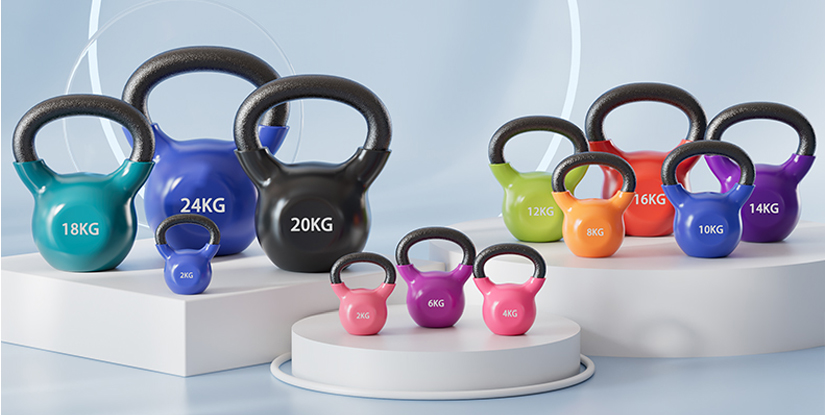
Assessing Build Quality and Material Longevity
When sourcing high-performance training tools, the primary concern for any serious athlete or gym owner is the lifespan of the mechanism. In this bells of steel adjustable kettlebell review, we focus heavily on the structural integrity that distinguishes premium gear from budget alternatives. The unit features a high-grade steel construction designed to withstand the high-impact nature of kettlebell swings and snatches. Unlike cheaper plastic-heavy models, this heavy-duty build quality ensures the internal components remain uncompromised under repetitive stress.
A critical factor in long-term reliability is the weight transition mechanism stability. A loose or rattling mechanism can lead to uneven weight distribution, which is a significant safety risk during high-velocity movements. The engineering behind this piece of Bells of Steel fitness gear prioritizes a tight, secure fit for each weight increment, ensuring the center of gravity remains consistent. For those looking for versatile home gym equipment that won't require frequent replacement, understanding these material compositions is vital.
| Durability Factor | Standard Adjustable Models | Bells of Steel Construction |
|---|---|---|
| Primary Material | Polymer or Thin Steel | High-grade steel construction |
| Mechanism Feel | Loose/Rattling | Stable/Precision-fit |
| Impact Resistance | Moderate | Heavy-duty build quality |
| Long-term Reliability | Variable | High consistency |
Beyond the internal mechanics, the external surface treatment dictates how the equipment ages in real-world training environments. When evaluating adjustable kettlebell pros and cons, the coating durability of the outer shell is often overlooked. A high-quality powder coating or specialized finish is essential to prevent oxidation and surface wear and tear caused by sweat, humidity, and repeated floor contact. For professionals managing a fleet of versatile home gym equipment, the ability to minimize maintenance difficulty translates directly to lower long-term operational costs.
Below, we compare how different material compositions affect the lifecycle of your training gear, helping you determine which investment offers the best value for your setup.
| Material Type | Estimated Longevity | Maintenance Level |
|---|---|---|
| Cast Iron (Uncoated) | Decades (with care) | Moderate (requires oiling to prevent rust) |
| Standard Polymer/Plastic | Short to Medium | Low (but prone to cracking/abrasion) |
| Bells of Steel Steel/Coated | High/Long-term | Minimal (resilient against moisture/impact) |
Ultimately, the true test of any premium fitness tool is its ability to endure rigorous, daily use without mechanical failure. When weighing the adjustable kettlebell pros and cons, the most significant advantage of this model is its structural reliability. While many adjustable options suffer from component fatigue, this piece of Bells of Steel fitness gear is engineered for a long-term investment strategy. This means users can progress through various strength levels without the anxiety of a malfunctioning mechanism or degrading weight accuracy. For those building a professional-grade setup, prioritizing this level of durability and build quality ensures that your versatile home gym equipment remains a functional asset for years, rather than a recurring expense.
Optimizing Space with Versatile Home Gym Equipment
For many modern fitness enthusiasts and boutique studio owners, the primary bottleneck to expanding a training regimen isn't motivation—it is square footage. Traditional kettlebell sets require significant floor real estate, often leading to cluttered environments that hinder movement. This is especially true for small apartment fitness setups where every inch of usable area is a premium commodity. Managing a diverse range of weights usually necessitates multiple storage racks, which complicates the logistical footprint of a home gym.
Our bells of steel adjustable kettlebell review aims to address this specific pain point by evaluating how high-density training tools can solve spatial limitations. By transitioning from a static collection of iron weights to a single, highly functional unit, users can achieve massive footprint reduction without sacrificing training variety. Investing in versatile home gym equipment like this allows for a professional-grade workout experience that fits seamlessly into even the most constrained residential or commercial environments.
When conducting a space-saving comparison, the mathematical difference between a traditional set and a single adjustable unit is striking. A standard progression of fixed kettlebells—ranging from 8kg to 32kg—requires a dedicated weight tree or several tiered racks, consuming several square feet of permanent floor space. In contrast, a single adjustable unit occupies a fraction of that footprint, consolidating multiple weight increments into one compact station. This makes it a standout piece of Bells of Steel fitness gear for those prioritizing a minimalist aesthetic.
Understanding the adjustable kettlebell pros and cons is essential for effective inventory or home gym planning. While a fixed kettlebell set vs adjustable unit debate often centers on durability, the real advantage of the adjustable model lies in its storage requirements. Instead of managing a sprawling collection of heavy iron, you manage one versatile tool. This efficiency is a hallmark of high-quality versatile home gym equipment, ensuring that your training area remains an open, functional space rather than a cluttered warehouse of static weights.
Ultimately, the value of high-quality Bells of Steel fitness gear extends beyond the weight increments themselves; it is about the freedom to maintain a compact workout setup. For the professional athlete or the dedicated home trainee, decluttering home gym environments is a prerequisite for consistent performance. By replacing a bulky rack of iron with a single, high-utility device, you reclaim the floor space necessary for lateral movements, lunges, and dynamic kettlebell swings.
For those navigating the constraints of urban living or limited studio footprints, we highly recommend prioritizing modularity. If your goal is to maximize functional output while minimizing visual and physical clutter, this adjustable solution serves as a premier investment. It bridges the gap between professional-grade strength training and the practical realities of modern, space-conscious lifestyles.
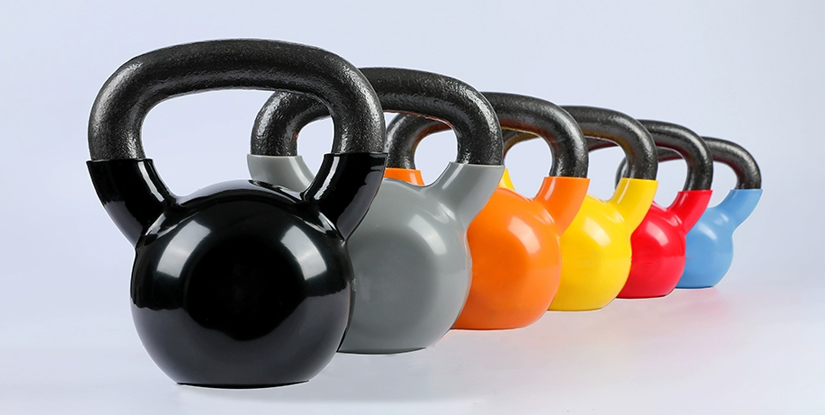
Analyzing the Long-Term Value of Adjustable Kettlebell Pros and Cons
When evaluating the long-term utility of your strength training inventory, the primary metric is the cost-per-use ratio. A standard collection of single-weight kettlebells requires significant upfront capital and constant expansion as an athlete progresses. In contrast, our bells of steel adjustable kettlebell review suggests that a single modular unit can effectively replace an entire rack of iron. This cost-efficiency over time is a decisive factor for both premium home gyms and boutique studios looking to maximize their square footage.
Beyond the initial investment, the space-saving benefits of an adjustable system cannot be overstated. Instead of managing a cluttered array of disparate weights, users gain access to a streamlined, versatile home gym equipment solution that evolves with their strength levels. While some might weigh the adjustable kettlebell pros and cons regarding mechanical complexity, the ability to transition weights in seconds offers a level of functional agility that traditional sets simply cannot match. For the discerning buyer, this represents a smarter, more scalable way to build a durable training foundation.
To determine if this investment aligns with your growth trajectory, we have synthesized the key differences between traditional sets and the Bells of Steel fitness gear model. This comparison highlights how modularity impacts your long-term budget and floor space management.
| Feature Comparison | Standard Single-Weight Sets | Bells of Steel Adjustable Model |
|---|---|---|
| Weight Range | Fixed increments (e.g., 16kg, 20kg, 24kg) | Broad, seamless transitions |
| Footprint/Dimensions | Large; requires multiple storage racks | Compact; single unit footprint |
| Long-Term Utility | Limited; requires new purchases to progress | High; evolves with the user's strength |
| Investment Level | Low initial / High cumulative cost | Moderate initial / Low long-term cost |
Ultimately, while a standard set offers simplicity, the bells of steel adjustable kettlebell review indicates that the modular approach provides superior ROI for those prioritizing a scalable, versatile home gym equipment setup. Choosing a single high-quality unit mitigates the need for frequent restocking and constant inventory expansion.
Prioritizing Build Quality and Durability
A common concern when moving away from traditional cast iron is whether a mechanical system can withstand high-volume training. However, a deep dive into the build quality of Bells of Steel fitness gear reveals a design engineered for rigorous use. Unlike cheaper, consumer-grade alternatives, this unit is constructed to ensure durability for long-term training, resisting the wear and tear typical of high-intensity functional movements. For the professional or serious enthusiast, this reliability is the cornerstone of a sound procurement decision.
The true value lies in the precision of the mechanism. A seamless weight transition smoothness is critical; any friction or instability during a change can disrupt a training flow or compromise safety. This model addresses those concerns by utilizing a robust locking system that maintains structural integrity across various weight increments. When you invest in such versatile home gym equipment, you are not just buying a tool, but a long-term asset that maintains its functional excellence through years of progressive overload. This level of engineering justifies the premium, ensuring your setup remains effective as your strength evolves.
Logistics and Global Shipping Considerations for Heavy Iron
When conducting a thorough bells of steel adjustable kettlebell review, savvy buyers must look beyond the initial sticker price. The true value proposition of high-density training gear is often dictated by the hidden variables of logistics. Because this equipment relies on dense, high-quality iron, the shipping weight vs. actual cost ratio is a critical factor that can significantly alter your landed cost.
For distributors and large-scale home gym installers, managing heavy iron logistics requires precise planning. Unlike lighter plastic-encased adjustable weights, the solid construction of Bells of Steel fitness gear means that freight costs are driven by sheer mass. If you are sourcing versatile home gym equipment for international transit or long-distance domestic shipping, you must account for the volumetric weight and the specialized handling required for dense metal components. Neglecting these overheads can quickly erode your margins, making it essential to calculate the total cost of ownership—including freight, duties, and potential surcharges—before finalizing your procurement strategy.
Budgeting for high-density gear requires a clear understanding of how transport methods impact your final landed cost. Depending on whether you are a single consumer or a professional setting up a multi-unit facility, the adjustable kettlebell pros and cons shift when you factor in transit logistics. For example, while individual parcel delivery offers speed, it often carries higher per-unit premiums compared to bulk freight solutions.
To help you plan your procurement, we have outlined the general differences in delivery logistics below. This is essential for anyone integrating versatile home gym equipment into a structured budget.
| Shipping Method | Typical Use Case | Delivery Timeframe | Cost Impact |
|---|---|---|---|
| Standard Parcel (Small Orders) | Individual Home Gyms | 5–10 Business Days | Higher per-unit cost due to weight-based surcharges |
| LTL Freight (Bulk/Professional) | Commercial/Large Setups | 7–14 Business Days | Lower per-unit cost; more efficient for heavy iron |
When evaluating the bells of steel adjustable kettlebell review through a financial lens, remember that the most cost-effective route often involves consolidating shipments to minimize the impact of heavy-duty freight handling fees.
Beyond the freight invoice, the physical reality of receiving heavy equipment requires localized preparation. Because Bells of Steel fitness gear is engineered for density and durability, the final delivery stage is often the most logistically demanding part of the home gym setup logistics. You are not merely receiving a standard parcel; you are managing the arrival of high-mass, high-density metal that requires a clear path and a stable landing zone.
To avoid common pitfalls during heavy iron delivery, we recommend auditing your receiving area before the shipment arrives. Ensure that the path from the driveway or curb to your designated training space is free of obstructions, such as narrow doorways, steep stairs, or soft landscaping that cannot support the weight of a pallet jack or heavy lifting. For those building a permanent versatile home gym equipment collection, having a reinforced floor area or a dedicated staging zone is a professional necessity. Proper preparation ensures that the high-quality iron arrives safely and is positioned efficiently, preventing any unnecessary damage to your property or the equipment itself.
Vendor due diligence and specification guardrails
When sourcing high-end strength equipment, the primary concern for any serious buyer or distributor is the long-term structural integrity of the mechanism. A bells of steel adjustable kettlebell review must look beyond simple weight increments and focus on the underlying engineering. We have found that the build quality of Bells of Steel fitness gear is rooted in high-level manufacturing standards that prioritize resistance to repetitive impact and mechanical fatigue.
The core of this unit utilizes industrial-grade steel, a critical specification for ensuring that the shell remains unmarred by oxidation and structural warping over time. More importantly, the weight transition mechanism durability is the most vital metric for a versatile home gym equipment piece. In high-use environments, the internal locking systems must remain precise to prevent shifting during ballistic movements. For procurement professionals, this level of material integrity translates to lower replacement rates and higher end-user satisfaction. When evaluating adjustable kettlebell pros and cons, the robustness of these moving parts often serves as the deciding factor between a temporary solution and a professional-grade investment.
To accurately assess the long-term value of this investment, buyers must evaluate the potential for wear and tear against the frequency of use. Unlike static cast iron, adjustable mechanisms involve moving components that require specific maintenance requirements to ensure longevity. In our experience, maintaining a clean, debris-free environment for the internal locking system is essential to prevent friction-related issues. While the bells of steel adjustable kettlebell review highlights its premium feel, the true test lies in how the hardware holds up under consistent ballistic training over several years.
The following table provides a technical comparison to help you determine if this equipment meets your durability benchmarks:
| Material/Component | Mechanism Type | Expected Lifespan | Best Use Case |
|---|---|---|---|
| Industrial-Grade Steel | Selector/Locking Pin | High (Long-term) | Daily Strength Training |
| Powder-Coated Shell | Fixed/Non-Moving | Moderate to High | Standard Home Gyms |
| Internal Weight Plates | Precision-Fit ModularHigh (With Care) | Versatile Home Gym Equipment |
Understanding these adjustable kettlebell pros and cons allows for a more informed procurement decision, ensuring your inventory or personal setup remains functional despite heavy training cycles.
To avoid low-quality imitations, procurement specialists must prioritize rigorous quality control standards during the vetting process. High-end adjustable gear is defined by its weight stability; even a slight imbalance during a swing can compromise user safety and equipment lifespan. When analyzing Bells of Steel fitness gear, look for evidence of precision-engineered internal tracks that prevent lateral shifting. A common pitfall with budget alternatives is the degradation of the locking mechanism under high-velocity impact, which leads to a loss of structural integrity.
Ultimately, the long-term value of your selection depends on the synergy between material density and mechanical precision. Cheaply manufactured adjustable units often suffer from rapid wear in the pivot points, whereas professional-grade equipment maintains consistent performance through thousands of cycles. By focusing on these technical guardrails, you ensure that your investment in versatile home gym equipment remains a reliable asset rather than a recurring maintenance liability.