Optimizing Lifecycle Costs of Olympic Weight Plates
Vetting Manufacturers for High-Volume Weight Plate Production
For a high-traffic commercial training facility or a large-scale gym franchise, the hidden cost of procurement is rarely the initial unit price, but rather the frequency of replacement. When sourcing barbell olympic weight plates, procurement managers often fall into the trap of prioritizing low-cost per unit over long-term reliability. However, in high-volume environments, even minor deviations in material consistency can lead to uneven wear or catastrophic structural failure under heavy use.
To safeguard your investment, your vetting process must look beyond basic specifications and focus on commercial weight plate durability. A reliable manufacturer must demonstrate rigorous high-volume production standards that ensure every plate in a shipment meets the same dimensional tolerance and density requirements. You should demand transparency regarding their quality control protocols, specifically focusing on the structural integrity of the casting or molding process. Ensuring material consistency across different production batches is the only way to prevent the premature degradation that drives up total cost of ownership in professional strength training environments.
A sophisticated procurement framework requires moving past visual inspections toward technical validation. When auditing a factory’s capability, prioritize suppliers that implement standardized QC protocols throughout the entire manufacturing lifecycle. This includes rigorous material testing to verify the density and elasticity of the rubber or urethane coating, as well as the metal core's structural stability. A high-tier facility should provide evidence of tight manufacturing tolerances, ensuring that weight variations remain within a negligible margin—typically less than 1%—to maintain balance across a full barbell set.
Furthermore, evaluate the manufacturer’s production capacity and their ability to maintain batch consistency. For distributors and large-scale gym operators, the risk of receiving a shipment that differs in diameter or texture from a previous order can disrupt inventory management and client satisfaction. Ask direct questions regarding their internal testing frequency and how they manage raw material sourcing. A manufacturer that demonstrates control over every stage of production, from the initial casting to the final coating, is far more likely to deliver products that withstand the rigors of a high-traffic commercial gym environment.
Distinguishing between high-performance equipment and budget-tier alternatives requires a granular understanding of manufacturing indicators. In many commercial settings, the difference between a durable asset and a recurring expense lies in the precision of the production process. Low-tier mass production often sacrifices edge refinement and coating uniformity to reduce costs, which eventually leads to chipping, uneven weight distribution, and increased maintenance frequency.
To assist in your vendor evaluation, use the following comparison to differentiate between standard mass-market production and high-durability commercial-grade manufacturing. This framework helps procurement officers quantify the qualitative differences in olympic plate maintenance and long-term utility.
| Manufacturing Indicator | Low-Tier Mass Production | High-Durability Commercial Grade |
|---|---|---|
| Coating Thickness | Thin, inconsistent application; prone to peeling | Uniform, high-density coating (Urethane/Rubber) |
| Edge Precision | Rough or uneven edges; high impact vibration | Precision-molded edges for smooth transitions |
| Weight Tolerance | Higher variance (often >2-3% deviation) | Strict precision (typically <1% deviation) |
| Long-Term Wear Resistance | Frequent surface cracking under heavy use | High elasticity and impact-resistant stability |
When negotiating MOQ or bulk shipments, utilize these technical benchmarks to validate a supplier's claims. A manufacturer capable of maintaining these tight tolerances across large-scale production runs is a superior partner for gym equipment lifecycle management, as they effectively lower your long-term replacement frequency.
Critical Quality Control Benchmarks for Bumper and Cast Iron Plates
To accurately project the total cost of ownership, procurement managers must distinguish between the specific degradation patterns of different plate materials. While high-quality barbell olympic weight plates are built for heavy use, their maintenance profiles diverge significantly based on construction. Rubber and urethane bumper plates primarily face surface wear, such as compression fatigue or coating abrasions, which can affect the dimensional integrity of the center hole over time.
In contrast, traditional cast iron plates are more susceptible to oxidation and surface rust if stored in high-humidity environments or near poorly ventilated fitness zones. For commercial gym operators, a structured inspection protocol is essential. We recommend a quarterly audit to check for material cracks in bumpers or surface corrosion on iron sets. Environmental factors, such as ambient moisture and temperature fluctuations, directly impact the long-term durability of your inventory, making material selection a critical decision for high-traffic facilities.
Effective gym equipment lifecycle management requires a bifurcated approach to upkeep. While bumper plates demand attention regarding surface integrity, cast iron sets require more focus on environmental protection. Implementing a standardized cleaning protocol—using non-corrosive, pH-neutral solutions—prevents the buildup of sweat and skin oils that can degrade coatings or accelerate oxidation. For high-traffic facilities, a proactive maintenance schedule is often more cost-effective than reactive replacement.
To assist in your procurement planning, the following table compares the standard maintenance requirements for the two most common plate types found in commercial settings:
| Plate Type | Primary Maintenance Task | Typical Service Interval | Critical Failure Sign |
|---|---|---|---|
| Bumper Plates | Surface cleaning and checking for compression fatigue | Quarterly or Bi-Annually | Cracking or permanent deformation of the center hole |
| Cast Iron Plates | Rust prevention and moisture control | Monthly or as needed | Surface oxidation or structural fissures |
By integrating these checkpoints into your facility's operational workflow, distributors and gym owners can extend the functional lifespan of their barbell olympic weight plates, ensuring a higher return on investment for every shipment ordered.
Beyond daily facility upkeep, the long-term quality of your inventory is heavily dictated by warehouse management and logistics protocols. For distributors and large-scale wholesalers, the preservation of barbell olympic weight plates begins long before they reach the gym floor. Improper storage during the transit or holding phase can lead to irreversible degradation that diminishes the perceived value of a shipment.
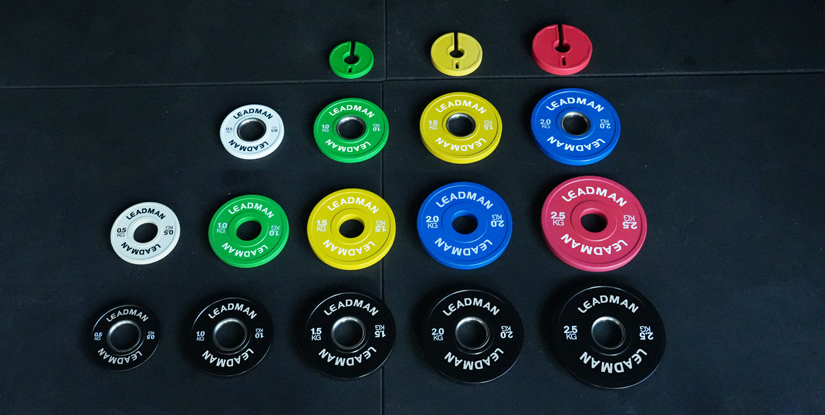
Temperature and humidity control are the two most critical variables in warehouse environments. High humidity levels are particularly hazardous for the rubber and urethane coatings used in premium bumper plates; extreme moisture can lead to delamination or the degradation of the adhesive bonds between the core and the outer shell. Similarly, metal-centric inventory must be kept in climate-controlled or well-ventilated zones to prevent the onset of oxidation. If metal surfaces are exposed to fluctuating temperatures and high moisture, the risk of surface rust increases, even on high-grade steel components. By implementing strict environmental controls and ensuring that shipments are stored in moisture-resistant packaging, distributors can significantly reduce long-term replacement costs and minimize the frequency of defective returns due to environmental damage.
Managing Warranty Claims and Material Consistency in Bulk Orders
For distributors and gym operators, the true cost of a procurement error often surfaces long after the initial shipment arrives. One of the most significant financial risks in large-scale sourcing is the lack of material consistency across different production runs. When sourcing barbell olympic weight plates in high volumes, even minor batch-to-batch variance in rubber density or steel core composition can lead to catastrophic results for your bottom line.
Inconsistent density often manifests as uneven wear or structural cracking under heavy use, which directly impacts commercial weight plate durability. From a procurement standpoint, these discrepancies do more than just degrade the user experience; they trigger expensive warranty claims and logistical headaches. If a manufacturer lacks rigorous manufacturing QC standards, you may find that one shipment performs flawlessly while the next suffers from premature degradation. For high-traffic facilities, failing to verify these quality control protocols during the initial RFQ stage can transform a cost-saving bulk order into a long-term liability.
To mitigate these risks, professional buyers must move beyond superficial product photos and demand a structured verification process. Effective gym equipment lifecycle management relies on your ability to audit a supplier's technical documentation before the first container is even loaded. Rather than relying on verbal assurances, procurement teams should request specific testing protocols and standardized QC checklists that prove the manufacturer maintains strict tolerances across all production batches.
A robust procurement verification strategy involves auditing the following critical checkpoints to ensure long-term reliability and consistent performance in high-volume environments:
| QC Checkpoint | Standard Commercial Requirement | Impact on Lifecycle |
|---|---|---|
| Weight Tolerance | ±1% or stricter per plate | Prevents uneven loading and barbell imbalance |
| Coating Thickness | Uniform micron specification | Reduces oxidation and surface chipping |
| Impact Resistance | High-density polymer/rubber test | Prevents cracking during heavy drops |
| Center Hole Precision | Consistent diameter (e.g., 50.8mm) | Ensures smooth rotation and sleeve fit |
By integrating these technical requirements into your RFQ and purchase orders, you establish a baseline for accountability. This proactive approach ensures that your barbell olympic weight plates meet the rigorous demands of commercial training, ultimately protecting your investment and reducing the frequency of replacement cycles.
Beyond initial quality control, a critical factor in total cost of ownership is the relationship between maintenance frequency and long-term replacement cycles. While high-grade equipment requires less frequent intervention, failing to implement a structured olympic plate maintenance protocol can accelerate depreciation. For large-scale distributors and facility managers, the goal is to minimize the frequency of full-set replacements by managing the small, recurring costs of preventative care.
In many commercial settings, the lack of a routine inspection schedule leads to unchecked surface oxidation or structural fatigue. When minor issues—such as surface debris buildup or slight sleeve misalignment—are ignored, they eventually escalate into structural failures that necessitate a complete overhaul of the weight set. This oversight significantly inflates commercial gym operational costs, as the price of emergency replacement far exceeds the cost of regular, scheduled upkeep.
To optimize your procurement strategy, treat maintenance as a tool for lifecycle extension rather than a reactive fix. By establishing a standard operating procedure for cleaning, inspecting, and storing equipment, you can extend the functional life of your inventory, ensuring that your initial bulk investment delivers maximum value over many years of high-intensity use.
Evaluating Material Resilience and Surface Coating Longevity
For facility managers and distributors, the true cost of barbell olympic weight plates is rarely found in the initial purchase order, but in the replacement frequency. High-traffic commercial environments subject equipment to extreme mechanical stress, making material resilience a critical factor in long-term procurement strategy. When selecting inventory, the distinction between low-grade cast iron and high-density urethane or premium rubberized coatings becomes a matter of protecting your bottom line against the impact of high-frequency use.
A failure in surface coating longevity does more than just diminish aesthetics; it exposes the core material to oxidation and structural degradation. To optimize your total cost of ownership, you must evaluate how different compositions handle constant drops and environmental exposure. The following comparison outlines how material choices influence commercial weight plate durability across different facility tiers.
| Material Composition | Primary Durability Factor | Typical Use Case | Maintenance Requirement |
|---|---|---|---|
| Standard Cast Iron | High structural density | Budget-conscious gyms | Periodic rust prevention |
| Rubber Encapsulated | Impact absorption | High-traffic CrossFit boxes | Low; surface cleaning |
| Premium Urethane | Maximum surface hardness | Elite training facilities | Minimal; high abrasion resistance |
Strategic sourcing requires prioritizing high-quality coatings that prevent chipping and peeling, as these defects often trigger premature replacement cycles in professional settings.
When evaluating the technical specifications of your inventory, the distinction between various surface treatments determines the long-term maintenance requirements of your facility. For instance, while painted steel offers a cost-effective entry point, its low paint durability often leads to chipping under heavy mechanical stress, requiring more frequent replacement. In contrast, vulcanized rubber provides superior impact absorption for high-intensity training environments, though it may remain susceptible to certain environmental contaminants over extended periods.
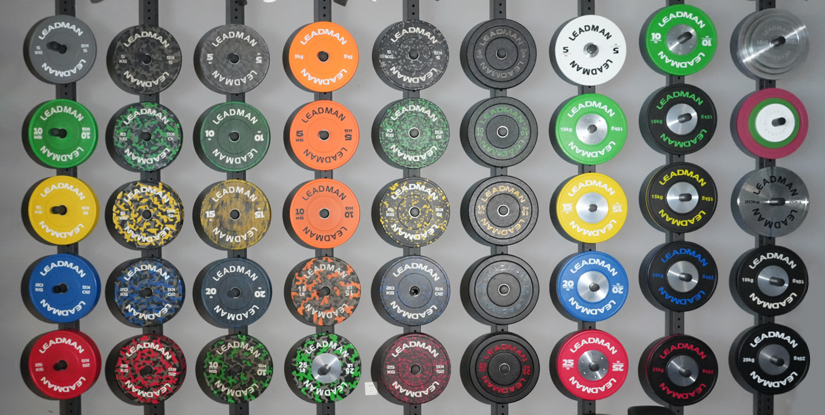
For distributors targeting premium commercial segments, urethane coating stands as the industry standard for longevity. This material offers exceptional abrasion resistance and maintains its structural integrity even under extreme usage cycles. While the initial procurement cost for urethane-based barbell olympic weight plates is higher, the reduction in replacement frequency significantly lowers the total cost of ownership. Choosing the correct coating is not merely an aesthetic decision; it is a calculated move to ensure the longevity of your equipment assets and minimize operational downtime.
Rigorous QC Inspection for Bulk Procurement
To safeguard your investment during large-scale orders, your procurement checklist must move beyond visual aesthetics to technical verification. Effective gym equipment lifecycle management begins with a strict QC inspection protocol focused on the physical vulnerabilities of the plates. One of the most frequent failure points in lower-tier manufacturing is poor coating adhesion, where the outer layer separates from the core due to inadequate bonding processes. This often manifests as peeling or bubbling, which significantly accelerates oxidation and decreases the lifespan of the unit.
During your pre-shipment inspection or factory audits, pay close attention to the perimeter of the plates. Inspect for signs of edge chipping or uneven thickness, as these structural weaknesses can lead to catastrophic failure during heavy drops. A bulk procurement tip for high-volume buyers is to request a cross-section sample or a high-resolution macro inspection of the rim. Ensuring the edge remains intact under stress is a fundamental component of olympic plate maintenance, as it prevents the gradual degradation that necessitates early replacement cycles in high-performance training environments.
Routine Maintenance Protocols to Extend Equipment Lifespan
In high-traffic commercial fitness environments, the longevity of your inventory depends heavily on proactive care rather than reactive replacement. For distributors and facility managers, understanding that barbell olympic weight plates are subject to constant physical stress is vital for effective gym equipment lifecycle management. High-frequency usage in strength training zones inevitably leads to microscopic wear, but the rate of degradation is often dictated by external variables beyond simple mechanical impact.
Environmental factors play a decisive role in long-term durability. Fluctuations in humidity and temperature can compromise the surface integrity of various materials, potentially leading to oxidation in metal-core plates or material degradation in polymer coatings. Without a structured maintenance protocol, the cumulative effect of heavy daily use and environmental exposure can accelerate the need for restocking. Maintaining a controlled climate and performing regular inspections ensures your investment remains functional and aesthetically professional for the long term.
To minimize total cost of ownership, procurement teams should implement a standardized inspection and cleaning schedule. For premium barbell olympic weight plates, maintenance is less about intensive repair and more about surface preservation and dimensional stability. For instance, rubber or urethane-coated plates require gentle cleaning with a damp, pH-neutral cloth to prevent coating brittleness or discoloration caused by chemical residues. Avoid harsh solvents that can degrade the polymer bond over time.
Beyond surface care, technical inspections must focus on the structural integrity of the center hole. Regular checks for tolerance deviations—ensuring the hole remains perfectly circular and free of debris—are essential to prevent bar slippage or uneven weight distribution. This prevents premature wear on both the plates and the barbell sleeves, protecting your entire strength equipment ecosystem.
The following table outlines the typical maintenance frequency required based on plate material to assist in long-term inventory planning:
| Plate Material Type | Primary Maintenance Focus | Recommended Inspection Interval |
|---|---|---|
| Rubber/Urethane Bumper Plates | Surface coating integrity and debris removal | Quarterly or Bi-Annually |
| Cast Iron/Steel Plates | Oxidation/Rust prevention and center hole clearance | Annually or during seasonal shifts |
Effective logistics and warehousing are just as critical to equipment longevity as on-floor usage. For international distributors and large-scale gym operators, the preservation of inventory begins long before the first drop on the lifting platform. Ensuring storage stability during transit and while in warehouse stock is a fundamental requirement for maintaining high-grade barbell olympic weight plates.
A common oversight in procurement is failing to account for the environmental vulnerabilities of different plate compositions during the shipping and storage phases. Metal-based components are particularly susceptible to moisture-induced degradation. Without consistent facility climate control, even high-quality coatings may fail to prevent oxidation in metal components, leading to rust or surface pitting that diminishes the professional appearance of the equipment. To mitigate these risks, ensure that all bulk shipments are stored in low-humidity environments and away from direct exposure to extreme temperature shifts. By prioritizing these logistical safeguards, buyers can ensure that their delivered stock arrives in peak condition, ready for immediate deployment without the need for premature refurbishing or replacement.
Optimizing Shipping Volumes and Landed Cost Structures
For high-volume distributors and gym equipment importers, the unit price of barbell olympic weight plates is only one variable in the total landed cost equation. A common oversight in the procurement process is failing to account for how physical dimensions and packaging configurations dictate container load efficiency. Because weight plates are high-density items, the transition from volumetric weight to actual gross weight happens quickly, making shipping volume optimization a critical lever for maintaining healthy margins.
Efficient palletization standards are essential to prevent "dead space" within a shipping container. When sourcing, buyers should evaluate how the thickness and diameter of the plates affect the stacking height and the overall dimensional weight of the shipment. A manufacturer capable of optimizing nested stacking or utilizing specialized crate configurations can significantly increase the number of units per 20ft or 40ft container. By maximizing container load efficiency, importers can effectively dilute the impact of fixed freight costs across a larger number of units, ultimately reducing the per-unit cost of the entire inventory shipment.
Beyond container volume, the specific packaging method directly influences the landed cost and the frequency of reordering. Procurement professionals must decide between retail-ready packaging—ideal for smaller distributors or boutique fitness studios—and bulk/industrial configuration, which is the standard for large-scale commercial facility builds. While retail packaging offers immediate shelf-readiness, it often introduces unnecessary material costs and increases the total volume per unit. Conversely, bulk shipping configurations prioritize high-density stacking, which maximizes the weight-to-volume ratio and lowers the freight cost per kilogram.
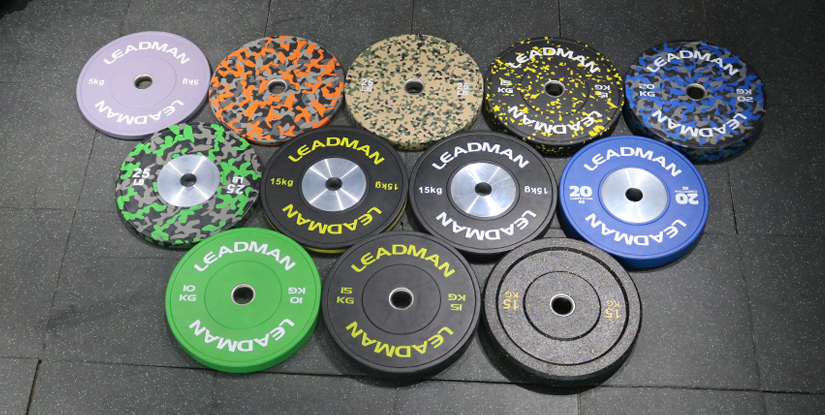
To assist in your decision-making, the following framework compares the two most common procurement models for barbell olympic weight plates:
| Configuration Type | Primary Advantage | Typical MOQ Impact | Best Use Case |
|---|---|---|---|
| Retail/Individual Packaging | High presentation value; ready for immediate sale. | Lower; suitable for smaller, frequent orders. | Boutique gyms and fitness retail distributors. |
| Bulk/Industrial Crating | Maximum freight cost reduction; high density. | Higher; requires larger volume per shipment. | Large-scale commercial gym chains and heavy-duty facilities. |
When evaluating long-term commercial weight plate durability, remember that bulk-shipped items often undergo less handling before reaching the facility. This reduction in transit-related friction can indirectly support the gym equipment lifecycle management strategy by ensuring the plates arrive in a more stable, factory-sealed state, reducing the risk of surface abrasions during the long-haul logistics process.
Mitigating Logistics Risks and Transit Damage
The integrity of your inventory is often decided long before the shipment reaches the warehouse. For professional buyers, logistics reliability extends beyond simple delivery timelines; it encompasses the preservation of the product's physical state. Even high-quality barbell olympic weight plates can suffer from superficial defects if the transit protocols are insufficient. For instance, improper stacking or lack of vibration dampening can lead to edge chipping or compromised protective coating integrity, which may appear as minor cosmetic issues but can eventually lead to oxidation or accelerated wear in a high-use commercial environment.
To safeguard long-term asset value, a robust gym equipment lifecycle management strategy must include strict QC inspection during loading. This involves verifying that the weight plates are secured within reinforced crates or heavy-duty pallets to facilitate transit damage prevention. We recommend that procurement teams demand documentation regarding the specific packaging reinforcement used for sea or long-haul freight. By ensuring that the manufacturer prioritizes structural stability during the shipping phase, you reduce the likelihood of receiving "damaged-on-arrival" units, thereby avoiding the hidden costs of returns, replacements, and disrupted facility launch timelines.
Strategic Stocking Levels for High-Turnover Commercial Gyms
In high-turnover environments, such as CrossFit boxes or heavy-lifting facilities, the financial impact of inventory mismanagement extends far beyond the initial invoice. Procurement officers often fall into the trap of focusing strictly on the unit price of barbell olympic weight plates, failing to account for the hidden costs of erratic replacement cycles. When stock levels are insufficient, facilities face unexpected operational disruptions; conversely, over-ordering low-quality inventory ties up liquid capital in depreciating assets.
Effective gym equipment lifecycle management requires a shift in perspective from simple purchasing to managing Total Cost of Ownership (TCO). A strategic approach balances capital expenditure (CapEx)—the upfront investment in premium, high-durability plates—against operational expenditure (OpEx), which includes the frequent shipping costs and labor required to replace substandard units. By optimizing stock levels based on projected wear and tear, distributors and gym owners can stabilize their long-term budgets.
| Procurement Strategy | Primary Focus | Financial Impact | Ideal For |
|---|---|---|---|
| Just-in-Time (JIT) | Low Inventory Holding | Minimizes CapEx | Boutique studios with low usage |
| Bulk Strategic Stocking | High commercial weight plate durability | Reduces long-term OpEx | High-traffic strength & conditioning gyms |
| Tiered Replacement | Phased Lifecycle Updates | Smoothed Cash Flow | Large-scale commercial gym chains |
Strategic foresight in procurement ensures that your facility remains functional without the constant friction of emergency reordering or premature equipment turnover.
To refine your procurement framework, you must categorize your facility by usage intensity. This differentiation determines your turnover frequency and dictates whether your maintenance windows are seasonal or constant. For instance, a boutique studio might only require periodic adjustments, whereas a high-traffic training center must account for immediate replacement triggers such as surface degradation or dimensional inconsistencies caused by heavy impact.
The following comparison outlines how different business models should approach olympic plate maintenance and inventory buffers to optimize their long-term budget stability:
| Metric | Low-Intensity Boutique | High-Intensity Commercial |
|---|---|---|
| Usage Pattern | Intermittent/Low impact | Constant/High-velocity impact |
| Maintenance Window | Quarterly/Bi-annual inspections | Monthly/Real-time monitoring |
| Stocking Strategy | Minimal; focus on aesthetics | High; buffer for rapid turnover |
| Primary Risk | Inventory obsolescence | Operational downtime |
By aligning your order volume and quality specifications with these specific operational profiles, you transition from reactive purchasing to proactive gym equipment lifecycle management, ultimately protecting your facility's bottom line.
Beyond usage intensity, successful wholesale procurement hinges on understanding the logistical constraints of the global supply chain. Relying on reactive ordering often leads to inflated shipping costs and operational gaps. To mitigate these risks, procurement managers must integrate factory lead times and Minimum Order Quantity (MOQ) requirements into their annual budget planning. Relying on a single, small-batch order may seem cost-effective initially, but it fails to account for the complexities of international freight and the potential for sudden shortages.
A robust logistics planning strategy involves maintaining a calculated buffer stock to insulate your facility against manufacturing delays or transit disruptions. When sourcing barbell olympic weight plates at scale, it is vital to verify the supplier's capacity for quality control (QC) consistency. A manufacturer that can maintain tight dimensional tolerances across large production runs is essential for ensuring that new batches integrate seamlessly with your existing inventory. By prioritizing suppliers with proven factory capability and clear communication regarding lead times, you can move from emergency procurement to a predictable, high-efficiency replenishment cycle.