barbell standard 1 inch grip weight plates | Optimizing
Strategic Procurement: Evaluating Small-Diameter Weight Systems
When navigating boutique fitness facility procurement, savvy buyers look beyond the initial invoice to evaluate the long-term financial impact of their equipment choices. A common oversight in the sourcing process is failing to weigh the immediate savings of low-cost options against the inevitable expenses of frequent replacements. To mitigate risk, procurement specialists must scrutinize three critical checkpoints: the precision of the technical specifications, the reliability of the global logistics chain, and the total cost of ownership regarding the equipment's lifecycle. Investing in high-quality barbell standard 1-inch grip weight plates ensures that the facility avoids the hidden costs associated with premature wear and tear.
From a budgetary standpoint, the transition to small diameter gym equipment offers a strategic advantage in high-density training environments. While the unit price of standard barbell weight plates may appear comparable to other scales, the true value lies in the long-term durability of the materials used. Premium 1-inch systems typically feature advanced coatings and reinforced centers that significantly reduce maintenance costs over several years of heavy use. By prioritizing structural integrity during the initial wholesale order, facility owners can avoid the disruptive cycle of frequent re-ordering and the logistical headaches of managing multiple small-scale shipments.
Determining the optimal material selection requires a nuanced understanding of the cost-per-use ratio. For high-traffic commercial environments, the choice between vinyl-coated plates and traditional cast iron is a matter of operational efficiency. While vinyl-coated options often command a higher upfront price, they provide superior protection for flooring and equipment, reducing long-term facility maintenance expenses. Conversely, cast iron remains a cost-effective solution for specialized training zones where durability is the primary metric.
When negotiating with manufacturers, procurement officers should leverage volume discounts to offset the higher unit costs of premium materials. Because 1-inch diameter systems are often ordered in large batches for boutique studio setups, understanding MOQ considerations is vital for optimizing shipping density and reducing landed costs. A well-structured wholesale order that balances varied weight increments can significantly lower the average cost per pound, ensuring that your inventory remains both versatile and budget-compliant throughout the equipment lifecycle.
Beyond unit pricing, professional buyers must optimize the logistics of their procurement strategy to ensure high shipping density. Unlike oversized equipment that consumes excessive volume, 1-inch barbell standard weight plates are highly efficient for container loading. When planning a large-scale facility rollout, sourcing these smaller-diameter components allows for a more compact storage footprint, enabling distributors to maximize palletization and reduce the volumetric weight costs often associated with international freight. This high level of logistics efficiency is a decisive factor when calculating the landed cost of a full studio setup.
Effective inventory management also depends on how these components are staged and shipped. For those managing wholesale procurement for multiple locations, the ability to stack and consolidate various weight increments into standardized shipping units is essential. By coordinating with a manufacturer that understands the spatial advantages of small-diameter gym equipment, buyers can streamline their supply chain, ensuring that the transition from factory to facility is both cost-effective and optimized for minimal warehouse overhead.
Optimizing Footprint in Boutique Fitness Facility Layouts
In the high-stakes environment of a boutique fitness facility, every square foot translates directly to revenue potential. Unlike expansive commercial gyms, boutique studios often operate within premium, compact urban real estate where spatial efficiency is a critical KPI. A common procurement oversight is over-specifying heavy, 2-inch Olympic-standard gear for areas that require high-density movement. When floor plans are tight, the bulkiness of standard equipment can obstruct client flow and limit the variety of classes offered.
Transitioning to small diameter gym equipment, specifically barbell standard 1-inch grip weight plates, offers a strategic solution for floor plan optimization. These plates allow for a more compact storage profile and a lighter footprint, making them ideal for specialized training zones or home-studio setups where movement unobstructed by massive iron plates is essential. For distributors and facility owners, selecting the right diameter is not just about weight—it is about maximizing the utility of the available square footage.
| Storage & Layout Factor | 2-Inch Olympic Standard | 1-Inch Standard Diameter |
|---|---|---|
| Spatial Footprint | High; requires wide racks | Compact; ideal for tight spaces |
| Storage Density | Lower; bulkier profile | Higher; easier to stack est |
| Heavy strength training | Boutique studios & limited zones |
When evaluating standard barbell weight plates for procurement, facility managers must look beyond individual unit costs and consider the total operational impact on the floor. A 1-inch system significantly alters the movement radius required for instructors and clients, allowing for more fluid transitions during high-intensity interval training or group sessions. For those managing boutique fitness facility procurement, the following comparison highlights how diameter selection influences long-term equipment compatibility and spatial utility.
| Evaluation Metric | 2-Inch Olympic System | 1-Inch Standard System |
|---|---|---|
| Storage Footprint | Expansive; requires heavy-duty wide racks | Minimal; optimized for compact shelving |
| Movement Radius | Large; requires more clearance for safety | Tight; ideal for high-density class layouts |
| Equipment Compatibility | Standard bars and heavy-duty accessories | Specialized bars and compact training gear |
| Spatial Utility | Optimized for large-scale strength rooms | Optimized for multi-use boutique studios |
Ultimately, the decision to source 1-inch diameter plates should be driven by your specific floor plan constraints. While 2-inch systems are the industry benchmark for heavy lifting, the 1-inch standard provides a distinct competitive advantage in urban settings where maximizing the number of training stations per square foot is the primary goal.
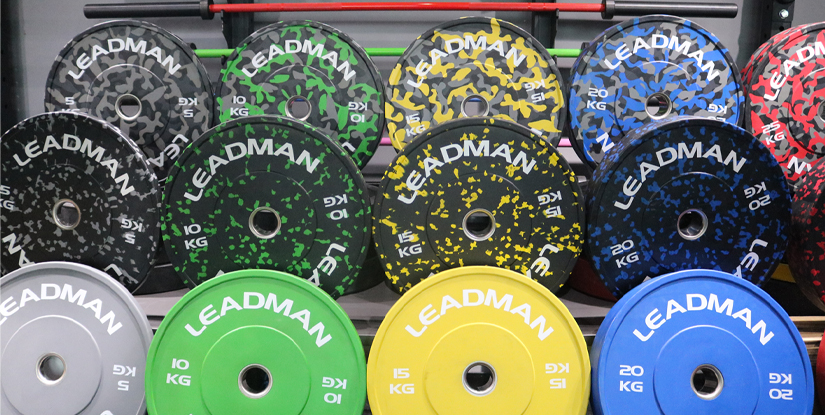
Navigating the logistics of high-density training environments requires a shift in how buyers view equipment density. In many modern studio designs, the goal is to maximize the number of participants without compromising the quality of client movement. Utilizing 1-inch diameter plates facilitates a more agile professional studio layout, as the reduced bulk allows for tighter station spacing and more efficient circulation paths. This is particularly vital during high-cadence classes where instructors must move freely between clients without the physical obstruction of oversized plates.
From a sourcing perspective, incorporating these smaller-profile components into your boutique fitness facility procurement strategy can significantly streamline your inventory management. Smaller diameter plates are often easier to stack and transport, reducing the complexity of restocking in facilities with limited storage footprints. When your business model relies on high-turnover group sessions, selecting gear that prioritizes a compact footprint ensures that your facility remains functional and safe, even when operating at peak capacity.
Material Integrity and Long-Term Durability Standards
In high-traffic boutique fitness environments, the longevity of equipment is directly tied to the Total Cost of Ownership (TCO). For procurement specialists, selecting barbell standard 1-inch grip weight plates requires looking beyond simple weight increments to the underlying material density. Because these smaller-diameter plates are often subjected to rapid transitions and frequent handling in circuit training or specialized strength classes, the structural integrity of the core is paramount.
A common oversight in boutique fitness facility procurement is neglecting the importance of surface coating integrity. High-frequency use scenarios—such as constant stacking, dropping, or even standard friction from movement—can quickly degrade inferior finishes, leading to oxidation or unsightly chipping. To ensure long-term value, sourcing teams should prioritize plates with high-grade, impact-resistant coatings that bond effectively with the dense core material. This level of manufacturing precision minimizes maintenance windows and prevents the premature replacement cycles that often plague facilities using low-quality, small-diameter gym equipment.
When evaluating technical specifications for a large-scale order, understanding the trade-offs between material types is essential for long-term budget management. While the diameter remains consistent for 1-inch compatibility, the internal composition dictates how the equipment handles the stresses of commercial use. For instance, the impact resistance of the plate determines whether it can withstand the occasional drop without cracking or losing its structural shape.
The following comparison helps procurement officers determine which material profile aligns with their facility's specific training intensity and maintenance capacity:
| Material Type | Durability Profile | Maintenance Requirements |
|---|---|---|
| Cast Iron | High structural density; prone to oxidation if coating fails | Low; periodic cleaning to prevent rust |
| Vinyl-Coated | Moderate; susceptible to punctures or tearing under heavy impact | Medium; requires monitoring for surface degradation |
| Rubber-Encapsulated | High; superior impact resistance and shock absorption | Very Low; highly resistant to environmental wear |
For facilities prioritizing high-intensity interval training (HIIT) or rapid circuit transitions, standard barbell weight plates with rubber encapsulation often provide the best long-term ROI. Although the initial unit cost may be higher, the reduction in noise and the enhanced durability of the surface coating significantly lower the long-term operational costs for the distributor or facility owner.
Beyond material composition, the logistical integrity of an order depends heavily on the manufacturing rigor applied during the production phase. For distributors and large-scale facility owners, the primary risk with small diameter gym equipment is not just surface wear, but the potential for structural inconsistency during bulk transit. If the central bore or the plate's thickness varies even slightly, it can lead to uneven weight distribution or improper seating on the barbell, creating safety risks for end-users.
To mitigate these risks, professional wholesale procurement standards must mandate strict QC inspection points. Quality control should focus on two critical areas: dimensional accuracy and structural uniformity. This includes verifying that the 1-inch center hole remains perfectly concentric and that the thickness remains consistent across the entire production batch. Furthermore, reliable suppliers implement specialized packaging protocols to ensure shipping stability. By utilizing reinforced, moisture-resistant shipping containers and optimized stacking patterns, manufacturers prevent the compression-related deformation that can occur during long-haul sea freight. For the procurement officer, verifying these logistical safeguards is just as vital as inspecting the weight itself to ensure a seamless arrival and immediate deployment in the facility.
Preserving Asset Longevity through Proactive Care
For boutique fitness operators, the total cost of ownership (TCO) is heavily influenced by how well small diameter gym equipment is maintained under daily use. Unlike heavy-duty powerlifting setups, barbell standard 1-inch grip weight plates often feature specialized coatings or specialized materials designed for high-frequency aesthetic appeal and precision. To prevent premature degradation, facility managers must prioritize the integrity of the surface coating. Scratches or chips in the finish can expose the core material to moisture, leading to rapid oxidation and structural weakening.
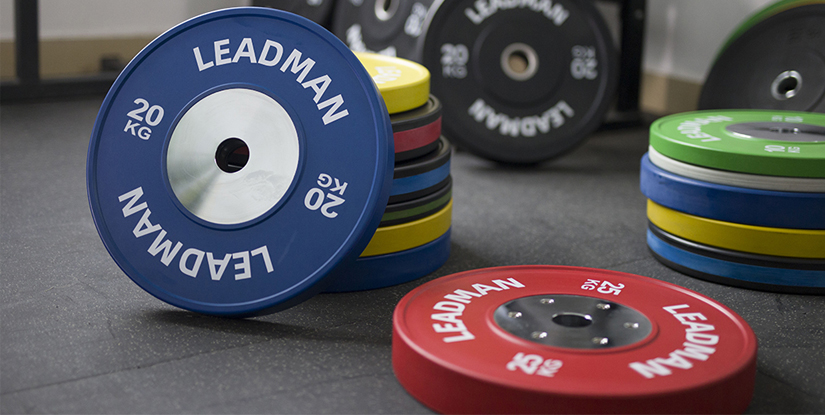
Implementing routine cleaning protocols is essential for long-term durability. We recommend using a damp, non-abrasive cloth to remove sweat and dust, ensuring that no corrosive cleaning agents come into contact with the plate surfaces. For distributors and wholesale buyers, emphasizing these maintenance standards during the handover process helps end-users protect their investment. By preventing oxidation and maintaining surface quality, facilities can ensure their specialized equipment remains a high-performing asset rather than a recurring replacement expense.
To streamline procurement decisions and operational oversight, we have developed a comparative framework for evaluating different plate compositions. Understanding the relationship between material durability and the storage environment is critical when managing high-turnover boutique spaces. The following checklist assists facility managers in determining the appropriate maintenance frequency based on the specific material of their standard barbell weight plates.
| Material Type | Primary Inspection Points | Storage Environment | Maintenance Frequency |
|---|---|---|---|
| Vinyl/Neoprene Coated | Surface tears, seam integrity, scent changes | Climate-controlled, low humidity | Weekly wipe-down |
| Rubber Encased | Cracking, edge deformation, oxidation | Indoor, standard ventilation | Monthly deep clean |
| Cast Iron (Standard) | Rust formation, paint chipping, weight accuracy | Dry, moisture-protected | Quarterly inspection |
Proactive oversight of these variables ensures that specialized inventory retains its premium appearance and functional precision. For wholesalers and large-scale distributors, providing these specific maintenance guidelines can differentiate your service offering and reduce long-term client turnover.
Optimizing Replacement Cycles and Inventory Management
Efficient boutique fitness facility procurement extends beyond the initial purchase; it requires a strategic approach to inventory management and replenishment. Because 1-inch diameter equipment is often part of specialized, high-density training sets, unexpected shortages can disrupt specialized programming. To avoid operational downtime, facility managers should implement a systematic wear-and-tear monitoring protocol that tracks the physical condition of plates against their expected service life.
Rather than reacting to broken or damaged units, we advise professional buyers to plan for scheduled replacement cycles. By analyzing usage frequency and material durability, you can predict when specific weight increments will require refreshing. For distributors looking to scale, bulk ordering remains the most effective way to mitigate rising shipping costs and ensure SKU consistency. Maintaining a small buffer of standardized weight increments allows for seamless transitions during peak seasons, ensuring that your facility's specialized equipment remains both functional and visually consistent without the logistical headaches of erratic, small-batch sourcing.
Sourcing and Quality Control for High-Volume Orders
For facility managers and distributors, the primary challenge in scaling inventory is balancing unit costs with long-term durability. When transitioning to smaller-diameter equipment, the complexity of the supply chain remains high. Relying on fragmented local distributors often leads to inconsistent weight tolerances and higher per-unit costs. To maintain healthy margins, successful boutique fitness facility procurement strategies typically shift toward direct-from-factory models.
Sourcing barbell standard 1-inch grip weight plates in bulk allows buyers to leverage significant economies of scale. By bypassing multiple middle-tier distributors, procurement officers can access wholesale pricing advantages that are essential for maintaining competitive studio rates. However, high-volume orders demand rigorous oversight; working directly with a manufacturer ensures that your specific requirements for coating thickness, diameter precision, and grip integrity are met during the production run. This direct approach not only optimizes the initial capital expenditure but also provides greater control over shipping logistics and standardized quality across every shipment.
Beyond the initial purchase price, hidden costs often emerge from poor manufacturing standards. For example, inconsistent weight accuracy can lead to uneven barbell loading, while poor dimensional tolerance on 1-inch center holes may cause equipment mismatch or premature wear on your barbell sleeves. To protect your long-term investment, every shipment of standard barbell weight plates must undergo a rigorous QC inspection checklist before leaving the factory.
B2B buyers should demand specific technical documentation regarding coating consistency to ensure the finish is uniform and resistant to chipping. In the realm of small diameter gym equipment, even slight deviations in the diameter or thickness can impact the stability of a weight stack. Verifying that the manufacturer provides precise weight-per-unit measurements and strict tolerances is the most effective way to avoid the logistical headache of replacement cycles and the high cost of shipping defective units back to the source.
Deciding between a direct factory model and a local distributor is a pivotal decision that dictates your total cost of ownership and inventory agility. While local distributors offer speed for immediate needs, they often lack the customization flexibility required for specialized studio setups. Conversely, direct sourcing provides the most aggressive pricing structures but requires more sophisticated logistical planning and higher minimum order quantities.
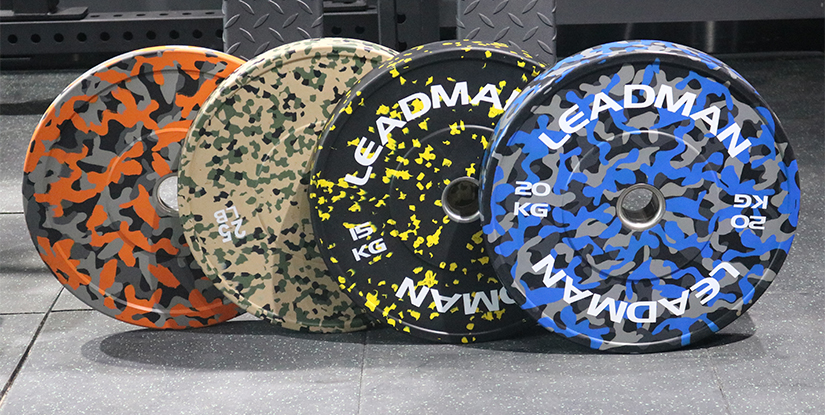
The following comparison helps procurement managers evaluate which sourcing path aligns with their current facility expansion or replenishment cycle:
| Sourcing Model | Unit Cost | Typical MOQ | Lead Time | Quality Control Control |
|---|---|---|---|---|
| Direct Factory | Lowest (Wholesale) | High (Volume-based) | Extended (Production + Sea Freight) | High (Direct oversight of specs) |
| Local Distributor | Moderate to High | Low (Per-unit/Small set) | Short (Domestic shipping) | Variable (Relies on distributor's vetting) |
For most commercial projects, a hybrid approach is most effective: utilizing direct factory sourcing for the primary equipment build-out to maximize budget efficiency, while maintaining a relationship with a local distributor for rapid, small-scale replenishment of essential items.
Global Shipping and Inventory Management for Specialized SKUs
Managing a diverse inventory of small-diameter gym equipment presents a unique logistical challenge for boutique fitness facility procurement. Unlike standard 2-inch Olympic plates, barbell standard 1-inch grip weight plates are often treated as specialized SKUs that require precise volume-to-weight ratio calculations during international transit. Because these plates are designed for specific training modalities, stockouts can disrupt specialized class schedules and impact member retention.
For distributors and studio owners, the complexity lies in balancing inventory turnover against extended manufacturing lead times. Relying on ad-hoc reordering for niche equipment often results in high shipping costs or delayed facility openings. To maintain operational continuity, procurement professionals must implement rigorous inventory forecasting. Rather than viewing these plates as secondary accessories, treat them as essential components of your specialized equipment ecosystem. Effective planning involves coordinating with manufacturers to ensure that shipping schedules align with your expansion cycles, minimizing the risk of carrying excessive dead stock while preventing the downtime associated with depleted specialized inventory.
While logistics ensure the arrival of your shipment, long-term Total Cost of Ownership (TCO) is dictated by how well your team manages the equipment post-delivery. For high-traffic boutique studios, the durability of standard barbell weight plates depends on a proactive maintenance culture rather than reactive repairs. Neglecting basic oversight can lead to premature degradation, forcing unnecessary replacement cycles and increasing long-term capital expenditure.
We recommend implementing a structured inspection checklist to be executed during a quarterly maintenance window. During these sessions, facility managers should focus on two critical technical aspects: surface coating integrity and diameter consistency. Inspect the plates for any chipping, oxidation, or peeling of the protective layer, as compromised coatings can lead to material corrosion or uneven weight distribution. Additionally, verify that the 1-inch center holes remain free of debris or deformation to ensure seamless compatibility with standard bars. By documenting these checks, procurement specialists can predict the replacement lifecycle of their small-diameter gym equipment, allowing for more accurate budget forecasting and smoother transitions during facility upgrades.
Optimizing the procurement of small-diameter equipment requires a data-driven approach to logistics. Because 1-inch plates often have a high weight-to-volume ratio compared to larger diameter counterparts, your choice of shipping method and palletization strategy directly impacts your landed cost and warehouse efficiency. A mismatch in volume planning can lead to excessive "dead air" in containers or, conversely, overlooked shipping fees due to weight limits.
The following table serves as a decision-making framework for procurement officers to evaluate the most cost-effective transit methods based on their specific order volume and facility requirements.
| Order Scale / Volume | Recommended Shipping Method | Logistics & Palletization Strategy | Primary Procurement Driver |
|---|---|---|---|
| Low Volume (Sample/Boutique) | Air Freight / Express | Individual carton tracking; minimal palletization to reduce volumetric weight. | Speed and immediate facility testing. |
| Medium Volume (Standard Restock) | LCL (Less than Container Load) | Standardized palletizing to protect 1-inch diameter precision and surface coating. | Balancing lead time with shipping cost. |
| High Volume (Distributor/Large Scale) | FCL (Full Container Load) | Optimized stacking based on weight-to-volume ratio to maximize container density. | Minimizing TCO and maximizing unit margins. |
When negotiating with manufacturers, always clarify the MOQ (Minimum Order Quantity) requirements for specialized 1-inch configurations. High-volume orders typically benefit from optimized palletization, which reduces the risk of structural deformation during sea freight transit. For large-scale facility builds, prioritizing sea freight is the standard industry practice to keep the total cost of ownership low, provided your inventory forecasting accounts for the longer transit windows.