bells of steel adjustable competition kettlebell Guide
Optimizing SKU Breadth and Inventory Turnover for Distributors
Many facility managers make the mistake of over-investing in massive sets of fixed-weight kettlebells, which quickly leads to bloated inventory and dead capital. While purchasing dozens of individual SKUs might seem like a way to provide variety, it often results in mismatched weight distributions and wasted floor space. A more sophisticated procurement strategy involves transitioning to a single bells of steel adjustable competition kettlebell system. This approach allows you to offer a full range of resistance through a compact footprint, effectively solving the problem of stagnant inventory.
From a logistics and management perspective, prioritizing adjustable units significantly enhances facility equipment ROI. Instead of managing the turnover and wear of twenty different iron bells, your staff manages a single, high-durability mechanism. This shift optimizes commercial strength equipment density, allowing you to reclaim valuable square footage in high-traffic training zones. For distributors and gym owners, this means lower shipping costs per unit of weight, reduced storage requirements, and a much higher utility-to-space ratio across your entire strength training department.
The financial advantage of transitioning to adjustable systems becomes most apparent when evaluating the long-term cost-per-use and the reduction of logistical overhead. When managing a large-scale procurement, the complexity of tracking dozens of different weight increments can lead to hidden administrative costs and slower inventory turnover. By consolidating your weight offerings, you simplify the supply chain and maximize the utility of every square foot of warehouse or showroom space.
The following comparison illustrates how a strategic shift in adjustable kettlebell procurement impacts both the initial investment and the operational lifecycle compared to traditional fixed-weight models.
| Metric for Evaluation | Traditional Fixed-Weight Sets | Bells of Steel Adjustable System |
|---|---|---|
| SKU Breadth | High (Requires 10-15+ unique items) | Low (Single SKU covers multiple weights) |
| Inventory Turnover | Slow (Risk of dead stock in niche weights) | Rapid (High versatility drives constant use) |
| Storage Footprint | Extensive (Requires large racks/floor space) | Minimal (Compact, high-density storage) |
| Long-term Cost-per-use | Moderate (High replacement/scaling cost) | Superior (Scalable resistance, high durability) |
For distributors, this consolidation means a more predictable ordering cycle and reduced shipping volumes per weight-range delivered. For facility owners, it translates to a future-proofed strength zone that can adapt to client progression without the need for constant, costly re-orders of new equipment.
Beyond the immediate floor-space benefits, a streamlined procurement strategy directly impacts your bottom line through enhanced logistics efficiency. When sourcing heavy strength equipment, the volume-to-weight ratio is a critical variable in freight calculations. Relying on a single versatile model rather than a diverse array of fixed weights allows for a much more efficient warehouse footprint. Instead of allocating vast amounts of pallet space to accommodate multiple distinct weight increments, importers and distributors can leverage high-density storage solutions that maximize every cubic meter of a shipping container or warehouse rack.
This level of optimization is essential for maintaining lean operations. By focusing on a high-performance adjustable system, you mitigate the risks associated with fragmented inventory management. A consolidated procurement strategy reduces the complexity of customs documentation, simplifies quality control inspections for a single mechanism type, and lowers the total landed cost per unit of resistance provided. Ultimately, this move from quantity-based SKU expansion to quality-based versatility ensures that your capital is tied up in high-utility assets rather than stagnant, single-weight inventory.
Maximizing Training Zone Density with Modular Weight Systems
In high-traffic commercial environments, floor space is often the most expensive asset a facility manager possesses. Traditional kettlebell setups require massive footprints, as each weight increment necessitates its own dedicated storage rack or floor space. This reliance on fixed-weight sets creates "dead zones" and complicates floor layouts, often hindering the natural flow of movement during peak hours. By transitioning to a modular system like the bells of steel adjustable competition kettlebell, operators can fundamentally alter their facility's spatial efficiency.
Implementing an adjustable solution significantly boosts commercial strength equipment density by consolidating multiple weight increments into a single, compact unit. This footprint reduction allows for more versatile training zones, enabling a single area to serve both strength and metabolic conditioning without the clutter of dozens of individual bells. Ultimately, this optimization increases training zone throughput, as members spend less time searching for specific weights and more time engaged in active training.
| Storage Configuration | Space Requirement | Inventory Complexity | Operational Impact |
|---|---|---|---|
| Fixed Kettlebell Sets | High (Extensive Racking) | High (Many SKUs) | Reduced floor mobility |
| Modular Adjustable Systems | Low (Single Compact Unit) | Minimal (One Base Unit) | Optimized training flow |
When evaluating the long-term facility equipment ROI, the comparison between static and modular systems extends far beyond mere storage. A standard fixed-weight set requires a linear or tiered rack that consumes significant square footage, whereas the bells of steel adjustable competition kettlebell offers a vastly superior space-to-weight ratio. For distributors and large-scale gym developers, this means the ability to offer a full spectrum of resistance within a fraction of the traditional storage footprint.
From a adjustable kettlebell procurement standpoint, the decision to move away from fixed sets is a strategic move toward spatial versatility. Instead of dedicating several meters of wall or floor space to a bulky rack, a single compact station can facilitate rapid weight transitions. This efficiency is critical for boutique studios or urban training centers where every square meter must generate revenue. By consolidating diverse weight increments into a single, high-quality unit, you minimize clutter and maximize the functional utility of your high-traffic zones.
Beyond the immediate spatial advantages, the transition to modularity drives significant operational efficiency through inventory streamlining. For procurement specialists and facility owners, managing a diverse catalog of fixed-weight kettlebells often leads to high overhead costs related to inventory tracking, replacement of lost or damaged individual units, and the logistical headache of maintaining extensive stock levels. When sourcing the bells of steel adjustable competition kettlebell, the complexity of your inventory shifts from managing dozens of individual items to overseeing a highly controlled, single-unit system.
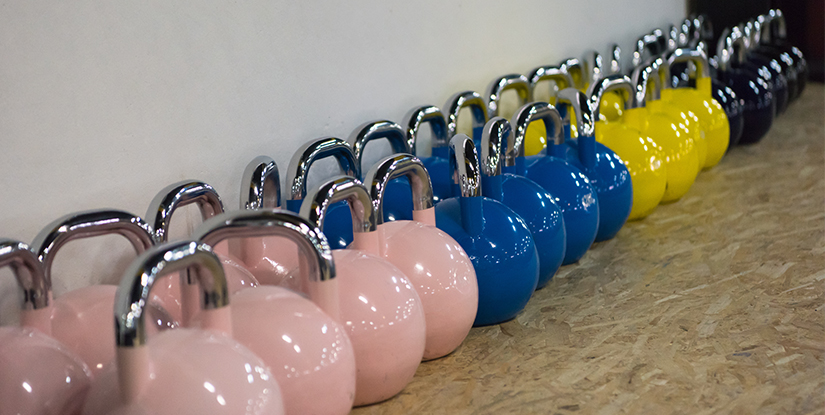
This reduction in SKU complexity simplifies the entire lifecycle of the equipment, from initial shipping logistics to long-term maintenance. Instead of accounting for a vast array of separate components, buyers can focus on a singular, robust hardware standard that remains consistent across high-traffic commercial training zones. For distributors and large-scale gym developers, this means lower shipping volumes per unit of weight and a more predictable replenishment cycle, effectively reducing the total cost of ownership while maintaining a premium training experience for the end user.
Mechanical Integrity and Longevity in High-Traffic Environments
In high-performance training facilities, the transition between weight increments must be seamless to maintain athlete flow. However, for distributors and gym owners, the primary concern is not just the speed of adjustment, but the long-term reliability of the internal mechanisms. Standard adjustable models often succumb to mechanical wear when subjected to the rigors of constant weight shifts and physical impact common in commercial settings.
The Bells of Steel adjustable competition kettlebell is engineered to mitigate these specific failure points. By utilizing high-spec locking systems designed for high-frequency use, this equipment minimizes the risk of unexpected downtime caused by jammed components or stripped threads. For procurement specialists, prioritizing such robust construction is essential for maintaining high commercial strength equipment density. Investing in hardware that resists the friction and structural fatigue of heavy daily turnover ensures that your facility's throughput remains high without the constant need for replacement or intensive maintenance cycles.
Evaluating the total cost of ownership (TCO) requires a deeper look at material science beyond the initial purchase price. A critical factor in adjustable kettlebell procurement is the durability of the external coating and the internal weight plate stability. Low-grade powder coatings often chip under repetitive impact, exposing the substrate to oxidation and reducing the aesthetic lifespan of the unit. In contrast, high-tier competition models utilize reinforced coatings that withstand the friction of high-volume training zones.
Furthermore, the precision of the weight plate seat is paramount. If the internal plates lack absolute stability, the resulting micro-vibrations during ballistic movements can lead to premature wear of the adjustment mechanism. From a sourcing perspective, verifying the tolerances of these moving parts is vital for long-term facility equipment ROI. By selecting equipment with optimized maintenance cycles and high-grade structural integrity, operators can avoid the hidden costs of frequent part replacement and ensure the longevity of their strength training inventory.
Beyond individual unit durability, large-scale facility deployments demand rigorous scrutiny of the entire supply chain, particularly regarding bulk procurement logistics. When ordering high volumes of adjustable competition kettlebells, the risk of transit-related damage or inconsistencies in manufacturing batches increases significantly. For international distributors and gym developers, a single faulty shipment can disrupt an entire launch or facility opening.
To mitigate these risks, sourcing strategies must prioritize suppliers with established quality control (QC) protocols that extend from the factory floor to the final container load. This includes verifying the structural integrity of each unit through standardized stress tests and ensuring that the weight-adjustment components are consistent across every SKU in the order. Furthermore, shipping stability is a non-negotiable factor; high-density equipment requires specialized packaging and reinforced crating to prevent internal plate shifting or surface abrasions during long-haul ocean freight. By demanding documented QC reports and robust shipping standards, procurement professionals can ensure a successful long-term deployment, securing a reliable inventory that arrives ready for immediate, high-intensity commercial use.
Total Cost of Ownership: Maintenance and Replacement Cycles
For high-traffic training zones, the true cost of equipment is measured by its lifecycle, not just the initial invoice. While fixed kettlebell sets are standard, they often lead to cluttered floor plans and fragmented weight increments. Integrating the bells of steel adjustable competition kettlebell into your inventory optimizes commercial strength equipment density by consolidating multiple weight stations into a single footprint. This transition is a critical component of a sophisticated long-term procurement strategy, as it reduces the logistical burden of managing dozens of individual SKUs.
The primary driver of facility equipment ROI in adjustable systems is the durability of mechanical adjustment components. High-grade industrial mechanisms are engineered to withstand the repetitive impact and high-frequency use typical of commercial environments, significantly extending the replacement interval compared to lower-tier consumer alternatives. Choosing precision-engineered adjustable units minimizes downtime and prevents the rapid depreciation often seen with budget-grade adjustable hardware.
| Procurement Factor | Standard Fixed Sets | Adjustable Competition Models |
|---|---|---|
| Floor Space Utility | Low (Requires large footprint) | High (Consolidated footprint) |
| Replacement Frequency | Moderate (Due to wear/loss) | Low (High-durability components) |
| Inventory Management | Complex (Many individual SKUs) | Streamlined (Single versatile unit) |
| Long-term TCO | Higher (Frequent replenishment) | Optimized (Extended lifecycle) |
When conducting adjustable kettlebell procurement, facility managers must look beyond the initial purchase price to account for long-term operational expenses. A critical variable in this calculation is the maintenance interval required to keep mechanical components functioning at peak performance. Unlike static cast iron, adjustable models require periodic inspections of the locking mechanisms to ensure weight plates remain securely seated during high-velocity movements. Neglecting these checks can lead to premature wear and tear on locking mechanisms, potentially compromising user safety and increasing replacement costs.
Furthermore, the coating integrity of the outer shell is a decisive factor in equipment longevity. High-quality competition models utilize advanced powder coating or specialized finishes to resist chipping and oxidation from sweat and environmental exposure. A robust coating protects the internal weight plates and the structural chassis from corrosion, ensuring the unit retains its professional aesthetic and functional reliability over several years of heavy use. By prioritizing high-spec finishes during the sourcing phase, distributors can effectively mitigate the risk of early-stage depreciation and ensure a more stable return on investment.
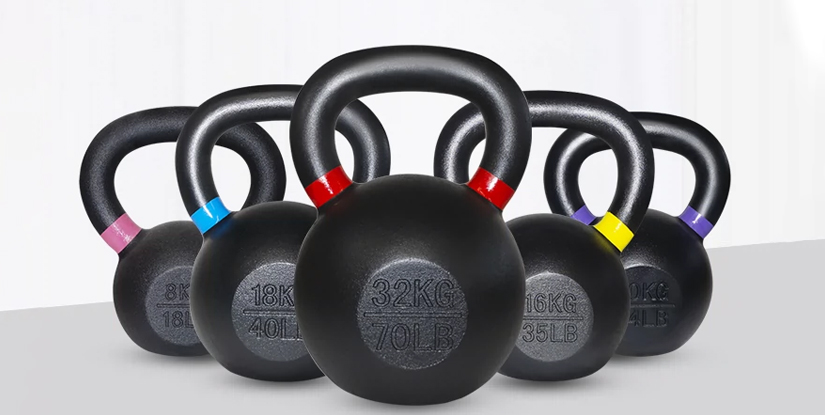
Beyond component durability, the strategic advantage of these units lies in their ability to facilitate scaling training zones without the need for structural facility expansions. In urban commercial hubs where square footage is at a premium, space optimization is a non-negotiable metric for profitability. By replacing sprawling, single-weight stations with a versatile, high-density adjustable system, operators can effectively increase maximizing throughput per square meter. This allows for a higher density of athletes utilizing the same floor area without the visual or physical clutter of traditional weight racks.
From a logistical standpoint, this density-driven approach enhances operational efficiency by simplifying the user workflow and floor management. Instead of managing the movement and organization of multiple fixed-weight sets, facility staff can focus on maintaining a streamlined, high-performance environment. For distributors and large-scale gym developers, this capability to expand service capacity through smarter equipment selection—rather than larger real estate—represents a sophisticated method of scaling training zones while maintaining a lean, high-yield operational model.
Sourcing Specifications for Precision Adjustment Mechanisms
In high-traffic training zones, the failure of a single adjustment component can lead to immediate downtime and diminished user trust. For facility owners, the bells of steel adjustable competition kettlebell represents more than just a versatile training tool; it is a mechanical investment that must withstand constant weight transitions. When sourcing adjustable strength equipment, the focus must shift from simple weight increments to the structural integrity of the internal locking mechanisms. A poorly engineered adjustment system fails under the rigors of heavy use, leading to high maintenance costs and premature replacement cycles.
Optimizing commercial strength equipment density requires a strategic balance between versatility and mechanical durability. By implementing high-quality adjustable units, distributors and gym operators can provide a wide range of resistance within a compact footprint without sacrificing the reliability of traditional fixed bells. Ensuring that the adjustment tracks and locking pins are engineered for precision is vital for maximizing long-term facility ROI, as it reduces the frequency of hardware failures in high-utilization environments.
To mitigate the risks associated with mechanical wear, procurement officers should prioritize technical data over marketing claims. Evaluating the internal architecture of the weight-selection system is a critical step in professional adjustable kettlebell procurement. Unlike consumer-grade models that often utilize plastic bushings or thin steel pins, professional-grade competition bells must adhere to strict manufacturing tolerances to ensure seamless weight transitions and long-term safety.
The following specification table outlines the standard mechanical benchmarks required for high-performance facility environments. This data allows buyers to differentiate between standard fitness gear and professional-grade competition equipment.
| Technical Attribute | Commercial Standard Requirement | Procurement Focus |
|---|---|---|
| Material Grade | High-density cast iron or reinforced steel alloy | Resistance to impact and oxidation |
| Adjustment Mechanism | Precision-machined locking pins/selector plates | Smooth transition & mechanical stability |
| Tolerance Standards | Strict +/- 1% weight deviation limit | Consistency across weight increments |
| Maintenance Cycles | Annual inspection of locking components | Long-term TCO and operational uptime |
When auditing potential suppliers, verify that the precision adjustment mechanisms are tested for repetitive load cycles. A robust build quality ensures that the material specifications meet the demands of both strength athletes and general commercial users, ultimately protecting your facility's equipment lifecycle.
Rigorous quality control (QC) protocols are non-negotiable during large-scale bulk procurement. For distributors and large-scale facility managers, the primary concern is not just the initial unit cost, but the long-term lifecycle of the product under heavy usage. A single failure in the weight-shifting components can compromise the mechanical stability of the entire unit, leading to safety liabilities and increased labor for maintenance. Consequently, professional-grade sourcing requires a deep dive into the manufacturer's testing capabilities regarding repetitive impact and weight-loading cycles.
To maximize facility equipment ROI, procurement teams should demand documentation regarding stress tests on the internal locking architecture. High-quality manufacturing ensures that the movement of internal weights does not cause friction-based wear or structural fatigue. By prioritizing vendors that implement strict QC on every batch, buyers can avoid the hidden costs of frequent replacements and ensure that their investment maintains its value throughout its intended service life, regardless of the training intensity in the facility.
Optimizing Capital Expenditure through Equipment Density
For facility managers and distributors, the traditional approach of purchasing dozens of individual fixed-weight kettlebells often results in significant dead capital and wasted floor space. In high-traffic training zones, the sheer volume of iron required to accommodate a diverse clientele can lead to cluttered layouts and inefficient member movement. Transitioning to the bells of steel adjustable competition kettlebell model offers a strategic pivot toward smarter inventory management and superior space optimization.
By replacing multiple static SKUs with a single adjustable unit, procurement officers can drastically increase commercial strength equipment density. This shift allows a facility to offer a full spectrum of weight increments within a much smaller physical footprint. From a long-term fiscal perspective, the facility equipment ROI is driven by the reduction in total unit count and the extended utility of the equipment across various training levels. Instead of managing the lifecycle and replacement of twenty different fixed bells, a single procurement order of high-quality adjustable systems streamlines both the initial capital outlay and the long-term maintenance overhead.
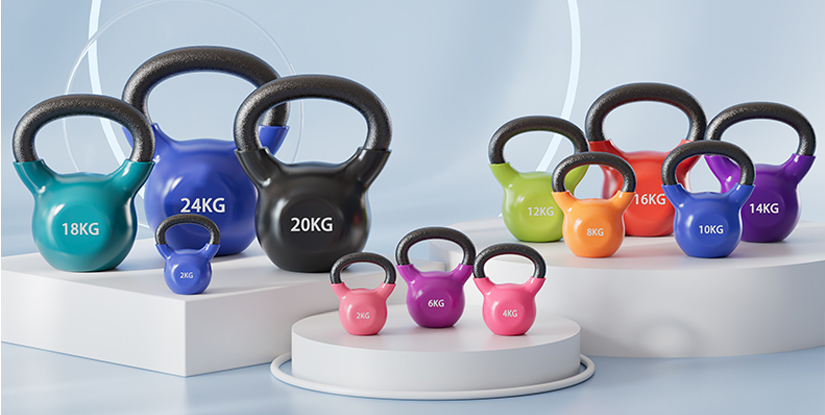
Evaluating Total Cost of Ownership: Fixed vs. Adjustable Models
When conducting an adjustable kettlebell procurement analysis, professional buyers must look beyond the initial invoice to understand the long-term economic impact. While traditional cast iron bells present a lower upfront cost, they often carry hidden expenses related to frequent replacement cycles and high storage overhead. In contrast, a robust adjustable system is engineered for high-frequency usage, necessitating a rigorous cost-per-use analysis to justify the initial investment.
A critical component of this evaluation is the assessment of maintenance cycles and mechanical durability. High-quality competition-grade adjustable models are designed to withstand the rigorous demands of commercial environments, reducing the replacement frequency that often plagues cheaper, static equipment. By investing in precision-engineered weight mechanisms, facilities can mitigate the risk of rapid depreciation. Ultimately, the goal for any distributor or gym owner is to select equipment that balances structural integrity with a predictable lifecycle, ensuring that the equipment remains a functional asset rather than a recurring liability.
Navigating Bulk Logistics and Global Fulfillment
Scaling a facility rollout requires more than just selecting a high-performance SKU; it demands a sophisticated approach to bulk procurement and international shipping logistics. Because adjustable systems often involve more complex mechanical components than solid cast iron, the global fulfillment process must account for specialized packaging to prevent internal mechanism shifting during transit. For large-scale distributors, optimizing shipping weight and volume is essential to maintaining a competitive edge in landed cost calculations.
To mitigate the risks associated with large-scale imports, procurement teams should prioritize suppliers that implement rigorous quality control (QC) standards at the factory level. This includes verifying the precision of weight increments and the structural integrity of the adjustment collars before the goods leave the warehouse. Effective inventory management during a rollout depends on this level of oversight; ensuring that every unit in a multi-container shipment meets identical specifications prevents the costly delays and localized replacements that often disrupt facility opening timelines.
Evaluating Vendor Quality Control for Competition-Grade Standards
In high-traffic commercial training zones, the distinction between standard adjustable equipment and competition-grade hardware lies in the precision of the internal mechanics. For procurement managers, the primary concern is not just the initial cost, but the long-term mechanical tolerances of the weight-selection system. A poorly engineered adjustment mechanism can lead to inconsistent weight increments or structural failure under heavy use, directly undermining your facility equipment ROI.
The Bells of Steel adjustable competition kettlebell is engineered to mitigate these specific operational risks. Unlike budget-tier alternatives, this model utilizes high-grade components designed for superior wear-and-tear resistance. When sourcing for large-scale distribution or multi-facility rollouts, it is critical to verify that the internal locking mechanisms can withstand thousands of adjustment cycles without losing calibration. Maintaining high commercial strength equipment density requires gear that stays functional despite constant user interaction. Investing in equipment that prioritizes manufacturing precision ensures that your high-traffic zones remain productive, reducing the frequency of replacement cycles and minimizing maintenance-related downtime.
To ensure long-term reliability during the adjustable kettlebell procurement process, technical buyers must move beyond aesthetic inspections and implement rigorous inspection protocols. A critical failure point in adjustable designs is the interface between the internal weight-plate assembly and the outer shell. You should demand documentation or physical samples that verify weight-plate stability under high-impact scenarios. If the plates shift or rattle during movement, the precision engineering of the unit is insufficient for professional competition standards, posing both a durability risk and a liability concern for your facility.
Furthermore, the longevity of the hardware is heavily dependent on coating adhesion. In a commercial setting, constant friction and contact with flooring or metal surfaces can cause cheap powder coatings to chip or peel. When evaluating a vendor, verify that the finishing process involves a high-durability coating capable of resisting oxidation and impact. A robust finish does more than maintain the visual integrity of the equipment; it protects the structural integrity of the steel, ensuring that your investment remains a high-performing asset in your training zones for years to come.
Beyond individual unit durability, the logistics of large-scale procurement demand a focus on shipping stability and batch consistency. When ordering high-density metal equipment, the risk of transit-induced damage or internal component displacement is a constant variable. A professional-grade supplier must demonstrate a sophisticated approach to bulk order inspection, ensuring that every unit in a shipment adheres to the same strict weight tolerances and mechanical specifications before leaving the factory floor. This rigor prevents the "hidden costs" of receiving damaged or miscalibrated units that can stall a facility launch or disrupt a distributor's inventory schedule.
From a strategic standpoint, evaluating the total cost of ownership (TCO) requires looking far beyond the initial invoice. High-quality adjustable systems are designed to optimize long-term maintenance cycles, allowing facility managers to allocate labor toward growth rather than constant repairs. By selecting equipment that maintains its structural and functional integrity through heavy usage, you secure a much higher facility equipment ROI. Ultimately, the goal of professional procurement is to minimize the frequency of replacement and maximize the uptime of your training zones through superior engineering and reliable supply chain standards.