bells of steel competition adjustable kettlebells Guide
Critical Selection Criteria for High-Traffic Kettlebell Procurement
Many facility managers fall into the trap of prioritizing low initial unit costs, only to face escalating expenses through frequent replacement cycles and mechanical failures. A more sophisticated sourcing strategy shifts the focus toward the Total Cost of Ownership (TCO). By investing in bells of steel competition adjustable kettlebells, procurement professionals move away from the volatile cycle of buying cheap, single-weight iron and toward a model of long-term capital stability.
Evaluating Long-Term Operational Value
When scaling a strength training program, the true cost is found in the labor and downtime required to maintain equipment. High-density strength training gear must withstand the rigors of heavy daily use without requiring constant calibration or part replacement. Selecting premium adjustable systems offers significant commercial adjustable kettlebell benefits, such as maintenance-free operation and a reduced need for inventory expansion. Instead of managing dozens of individual SKUs and dedicated storage racks, a single set of high-quality adjustable units optimizes your footprint and stabilizes your long-term operational budget.
From a procurement standpoint, the decision between fixed and adjustable systems is a choice between high-volume CapEx and optimized long-term OpEx. While fixed sets appear cheaper on an initial invoice, they demand more floor space and more frequent replenishment as your clientele's strength levels progress. Utilizing gym space optimization equipment like adjustable systems allows you to consolidate multiple weight increments into a single, manageable footprint, effectively increasing the revenue-generating potential of every square foot in your facility.
Comparative Financial Breakdown: Fixed vs. Adjustable Systems
The following table illustrates why professional distributors and facility owners often favor adjustable configurations for high-traffic environments. This comparison highlights the efficiency gains inherent in high-density strength training gear.
| Metric | Traditional Fixed Kettlebell Sets | Bells of Steel Adjustable Systems |
|---|---|---|
| Footprint | Large; requires extensive rack space | Minimal; high density per square foot |
| Unit Cost per Weight Increment | Low per unit, but high for full range | Higher initial cost, lower per-kg increment |
| Storage Volume | High; scales linearly with weight variety | Low; constant volume regardless of range |
| Replacement Frequency | Moderate; driven by inventory expansion | Low; single system covers multiple levels |
For buyers managing tight budgets, the primary advantage of the adjustable model is the reduction in capital expenditure (CapEx) over time. Rather than placing recurring orders for new weight increments, a single procurement cycle provides a versatile solution that evolves with your members' needs.
Logistical Complexity and Scaling Efficiency
Scaling a professional training facility involves more than just selecting the right hardware; it requires a deep understanding of bulk order logistics and the hidden costs of freight. When procuring bells of steel competition adjustable kettlebells, buyers must account for the specific shipping weight considerations inherent in high-density gear. Unlike lightweight plastic-coated alternatives, premium adjustable systems carry significant mass, which directly impacts landed costs and shipping volumes. For distributors and large-scale gym operators, managing these freight variables is essential for maintaining healthy margins.
Effective inventory management becomes significantly simpler when transitioning to adjustable models. Instead of tracking dozens of individual SKUs and managing the complex turnover of fixed-weight iron, procurement teams can focus on a streamlined selection of versatile units. This shift enhances procurement efficiency by reducing the frequency of restocking orders and simplifying warehouse footprints. As you focus on scaling strength training facilities, the ability to consolidate a wide range of weight increments into a single, highly-portable system ensures that your growth is supported by a predictable, manageable supply chain rather than an ever-expanding catalog of disparate equipment.
Maximizing Facility Throughput via Modular Weight Systems
In high-traffic commercial environments, floor real estate is often the most expensive asset a facility manager possesses. Traditional fixed kettlebell sets, while durable, create significant logistical bottlenecks; they require extensive rack footprints and force athletes to navigate around static weight stations. This clutter limits movement and reduces the overall density of training zones. For operators looking to implement gym space optimization equipment, transitioning from static iron to modularity is a strategic necessity.
The implementation of bells of steel competition adjustable kettlebells allows a single station to serve multiple programming needs without the physical footprint of a full weight set. By utilizing high-density strength training gear that adjusts via internal weight increments, facilities can reclaim valuable square footage previously occupied by bulky storage racks. This shift optimizes floor flow and increases the capacity of high-intensity interval training (HIIT) zones.
| Storage Configuration | Footprint Requirement | Inventory Complexity | Ideal Use Case |
|---|---|---|---|
| Traditional Fixed Sets | High (Multi-tier Racks) | High (Many SKUs) | Standard Strength Rooms |
| Modular Adjustable Systems | Low (Single Station) | Low (Unified System) | High-Traffic/Small Footprint Zones |
From a procurement standpoint, investing in adjustable systems reduces long-term replenishment costs and simplifies inventory management for distributors and large-scale gym franchises.
When evaluating the utility of a weight system, the most critical metric for a facility manager is the storage-to-utility ratio. Traditional sets require a linear expansion of floor space as weight increments increase, whereas adjustable systems maintain a constant footprint regardless of the total weight range available. This footprint reduction is essential for maintaining high facility throughput in boutique studios or crowded functional training zones where every square meter impacts member capacity.
The primary commercial adjustable kettlebell benefits extend beyond mere space savings; they also streamline the user experience. Instead of members hunting through various racks for specific weights—which often causes congestion and slows down session turnover—they can rapidly transition between loads at a single station. For wholesale buyers and gym developers, sourcing modular systems represents a move toward more efficient, scalable, and organized training environments that maximize revenue-generating floor space.
Beyond the physical footprint, the transition to modularity directly impacts operational efficiency and staff overhead. In a traditional setting, maintaining organized weight stations requires constant oversight; misplaced kettlebells or disorganized racks can lead to safety hazards and disrupted training flows. By consolidating a vast range of weight increments into a single, streamlined unit, facility managers can significantly reduce the time staff spends on equipment organization and floor management.
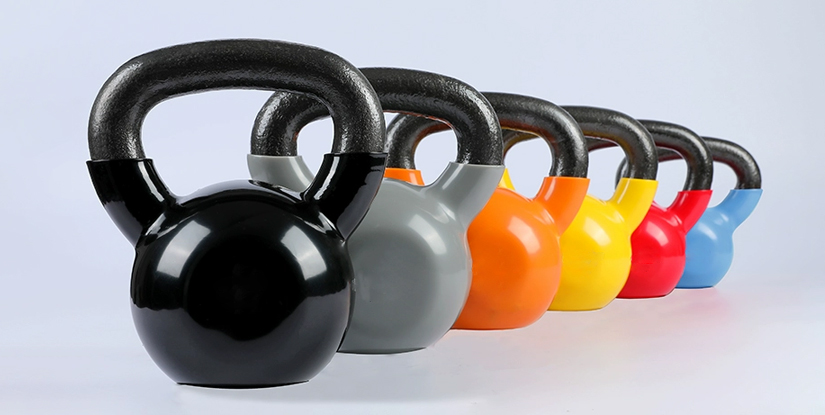
For distributors and high-volume buyers, the decision to source bells of steel competition adjustable kettlebells is a decision to prioritize facility throughput. When equipment is intuitive and easy to adjust, the "dead time" between training sets is minimized. This efficiency allows more members to cycle through functional training zones without the friction of searching for specific loads. Ultimately, replacing cluttered, static inventory with high-performance, adjustable gear ensures that the facility remains a high-velocity environment, capable of handling peak-hour surges without compromising the quality of the member experience or the cleanliness of the training floor.
Engineering Standards for Competition-Grade Adjustable Mechanisms
In high-traffic commercial facilities, the primary failure point for adjustable equipment is rarely the external casing, but rather the internal adjustment mechanism. When sourcing bells of steel competition adjustable kettlebells, procurement managers must look beyond aesthetic appeal to evaluate the mechanical wear resistance of the weight-switching system. Standard consumer-grade adjustment tracks often succumb to friction-induced degradation or misalignment under heavy use, leading to increased maintenance downtime and diminished user confidence.
To maintain long-term load-bearing integrity, these units utilize precision-engineered components designed to withstand thousands of cycles. High-quality high-density strength training gear requires a robust locking interface that prevents lateral shifting during high-velocity movements. For distributors and gym owners, prioritizing equipment with reinforced internal ratchets and high-tolerance tolerances is a strategic decision to lower the total cost of ownership (TCO) and ensure the equipment remains operational in demanding, high-volume training environments.
Evaluating the metallurgical composition is essential for long-term durability. Premium units typically utilize a high-grade steel grade designed to resist oxidation and structural fatigue. This focus on material integrity ensures that the internal weight plates and the outer shell maintain their shape even after rigorous daily use. Unlike lower-tier alternatives, professional-grade gear relies on strict tolerance levels to ensure that every weight increment locks into place with absolute stability, preventing the rattling or mechanical play often found in budget-friendly models.
From a facility management perspective, the commercial adjustable kettlebell benefits extend to the predictability of the maintenance cycles. When the internal mechanisms are built with precision engineering, the frequency of required technical inspections drops significantly. For wholesale buyers and facility operators, investing in equipment with superior mechanical tolerances means fewer replacement requests and a more streamlined operational workflow. By prioritizing these technical specifications during the sourcing phase, distributors can offer clients a product that survives the high-impact reality of professional strength training without frequent mechanical failure.
Beyond mechanical precision, the structural longevity of the outer shell is a critical factor in determining long-term replacement frequency. In high-intensity training zones, equipment is subject to constant impact resistance challenges, from accidental drops to high-velocity swings. Sourcing high-quality gym space optimization equipment requires a focus on impact-resistant coatings and reinforced housing that can withstand the rigors of a commercial floor without developing cracks or surface degradation.
For facility managers, the goal is to maximize facility throughput by minimizing the time equipment spends in repair or out of rotation. A durable, high-spec build ensures that the adjustable mechanism remains protected from environmental wear and physical impact, preventing the common issues of weight-plate rattling or casing deformation. By selecting gear with superior metallurgical standards, distributors and gym owners can significantly reduce the total cost of ownership, ensuring that their investment remains a reliable asset rather than a recurring maintenance liability.
Optimizing Inventory Turnover with Versatile Weight Increments
For facility managers and gym distributors, the traditional approach to kettlebell procurement often results in a fragmented inventory of fixed-weight steel units. This model necessitates significant floor space and creates a heavy burden on capital expenditure (CapEx) as you attempt to provide a full progression spectrum for clients. By transitioning to bells of steel competition adjustable kettlebells, buyers can consolidate multiple SKUs into a single, high-performance unit. This shift fundamentally improves the footprint-to-value ratio of your strength training zones.
The economic logic is straightforward: one adjustable unit can replace a dozen individual kettlebells, drastically reducing the physical volume required for storage and display. Investing in high-density strength training gear that offers rapid weight transitions allows for higher facility throughput, as members spend less time searching for the next increment and more time training. These commercial adjustable kettlebell benefits extend beyond mere space savings; they provide a scalable solution that optimizes your square footage while maintaining a professional, competition-grade aesthetic that meets the demands of high-traffic environments.
Evaluating the true value of your equipment requires looking beyond the initial purchase price. A comprehensive total cost of ownership (TCO) analysis reveals that while adjustable units may carry a higher upfront cost per unit, their long-term impact on operational budgets is significantly more favorable than purchasing dozens of individual fixed weights. This is especially true when accounting for gym space optimization equipment requirements in premium facilities.
The following comparison highlights how high-quality adjustable systems mitigate the hidden costs associated with traditional inventory management:
| Metric | Traditional Fixed Sets | Adjustable Competition Units |
|---|---|---|
| Initial Inventory Volume | High (Requires full set of individual weights) | Low (Single unit covers multiple increments) |
| Replacement Frequency | Moderate (Individual units often lost or damaged) | Low (Robust, modular component design) |
| Maintenance Cycles | Low (Simple steel construction) | Periodic (Standard mechanical inspection) |
| Inventory Turnover | Slow (Large physical footprint for small increments) | Rapid (Compact storage and high versatility) |
By choosing modular systems, distributors and facility owners can reduce the logistical complexity of restocking and the physical footprint of their weight rooms. This strategic procurement approach ensures that your facility remains agile, capable of meeting diverse client needs without the constant need for expanding floor space or increasing storage capacity.
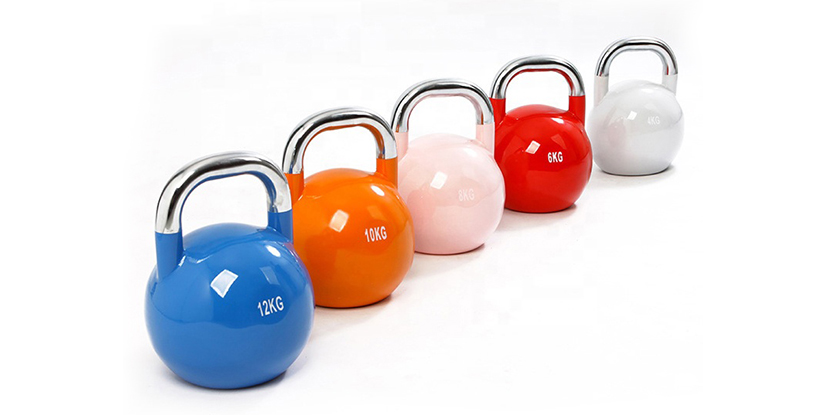
Beyond inventory volume, the primary concern for B2B buyers is the long-term reliability of the internal mechanism. In high-traffic commercial settings, the mechanical longevity of the weight-adjustment system determines the actual procurement lifecycle of the asset. Low-grade adjustable gear often suffers from rapid wear, leading to imprecise weight changes or mechanical failure under heavy use. In contrast, professional-grade competition models prioritize weight increment precision, ensuring that every adjustment remains consistent and accurate over thousands of cycles.
When sourcing for a large-scale facility or distribution network, the focus must remain on commercial-grade durability. This means evaluating not just the exterior casing, but the internal engineering that manages the shifting mass. High-quality construction minimizes the need for frequent part replacements or specialized maintenance, effectively lowering the total cost of ownership. For procurement officers, selecting equipment with a robust mechanical design is a strategic move to prevent premature depreciation and ensure that the investment provides a reliable, high-performance training experience for the entire duration of its service life.
Optimizing Long-Term Value Through Mechanical Maintenance
For facility managers and distributors, the true value of a premium asset is measured by its lifecycle, not just the initial purchase price. When deploying bells of steel competition adjustable kettlebells in high-traffic commercial environments, the primary concern shifts from aesthetic appeal to the mechanical integrity of the internal adjustment mechanism. Unlike fixed-weight iron, these modular systems are subject to constant kinetic stress and repetitive mechanical cycles.
To protect your Total Cost of Ownership (TCO), implementing a routine preventative maintenance schedule is essential. High-frequency usage in strength conditioning zones can lead to gradual wear and tear on adjustment components if environmental debris or oxidation is left unchecked. We recommend regular inspections of the locking pins and weight-selector tracks to ensure smooth transitions. By prioritizing these minor technical checks, operators can mitigate the risk of mechanical failure, ensuring that the equipment remains a reliable, high-performance asset for the duration of its service life.
To streamline operational workflows and maintain commercial gym standards, facility managers should integrate a systematic inspection routine into their standard operating procedures (SOPs). A structured approach to checking the internal components ensures that the weight plate stability remains consistent and that the adjustment mechanism functions without friction. For distributors and large-scale gym owners, this proactive oversight minimizes downtime and prevents the premature replacement of high-density strength training gear.
Standardized Maintenance and Inspection Protocol
The following table outlines the recommended inspection intervals and critical technical checkpoints required to maintain peak performance for your inventory.
| Inspection Point | Critical Component | Frequency | Operational Action |
|---|---|---|---|
| Adjustment Mechanism | Locking pins & selector tracks | Monthly | Verify smooth movement; check for debris. |
| Weight Stability | Internal plate seating | Quarterly | Ensure zero rattling or shifting during movement. |
| Coating Integrity | External finish & grip surface | Bi-Annually | Inspect for oxidation or surface abrasions. |
| Lubrication | Moving mechanical interfaces | Annually | Apply specialized, non-residue lubricant if required. |
Regular adherence to these guidelines ensures that the commercial adjustable kettlebell benefits—specifically space optimization and equipment longevity—are fully realized across your facility's lifecycle.
Global Distribution and Transit Integrity
When managing bulk procurement for international markets, the complexity of the supply chain introduces risks that standard fitness equipment rarely faces. Because these units contain precision-engineered internal components, the primary concern during bulk orders is preventing transit-induced calibration issues. Even slight shifts in orientation during sea or air freight can lead to internal misalignment, compromising the smooth operation of the weight selection system upon arrival.
To mitigate these risks, we emphasize rigorous shipping durability standards. High-quality bells of steel competition adjustable kettlebells must be secured within specialized protective casing or reinforced individual packaging designed to absorb kinetic shocks. For distributors and large-scale gym developers, ensuring that the manufacturer utilizes high-density, shock-absorbent materials is a non-negotiable requirement for global distribution safety. By prioritizing robust packaging protocols, you protect the mechanical precision of your high-density strength training gear, ensuring that every unit arrives ready for immediate deployment without the need for costly recalibration or technical returns.
Evaluating Long-Term TCO in Commercial Strength Training Environments
For facility managers and distributors, the initial purchase price is often a deceptive metric. In high-traffic commercial environments, the true cost of equipment is dictated by its lifecycle and maintenance frequency. Standard adjustable options often suffer from mechanical fatigue when subjected to constant weight transitions and heavy use. This degradation of the internal locking systems can lead to premature replacement cycles, driving up the Total Cost of Ownership (TCO) and disrupting gym floor availability.
Investing in Bells of Steel competition adjustable kettlebells shifts the focus from low-entry costs to long-term mechanical durability. These units are engineered to withstand the rigorous demands of professional strength training, specifically targeting the wear and tear resistance required for heavy-duty commercial applications. By prioritizing a robust weight-selection mechanism, buyers can mitigate the risks of mechanical failure and ensure a consistent user experience over several years of operation.
| Procurement Factor | Standard Adjustable Models | Bells of Steel Competition Series |
|---|---|---|
| Mechanical Integrity | Plastic-heavy components | High-grade metal construction |
| Maintenance Interval | Frequent recalibration | Low-frequency intervention |
| Long-term TCO | Higher due to replacement | Lower through extended lifecycle |
| Commercial Suitability | Limited/Home use | High-traffic optimized |
When sourcing for large-scale facilities, evaluating the structural stability of the adjustment mechanism is critical. A superior build quality ensures that the equipment remains a reliable asset rather than a recurring maintenance liability.
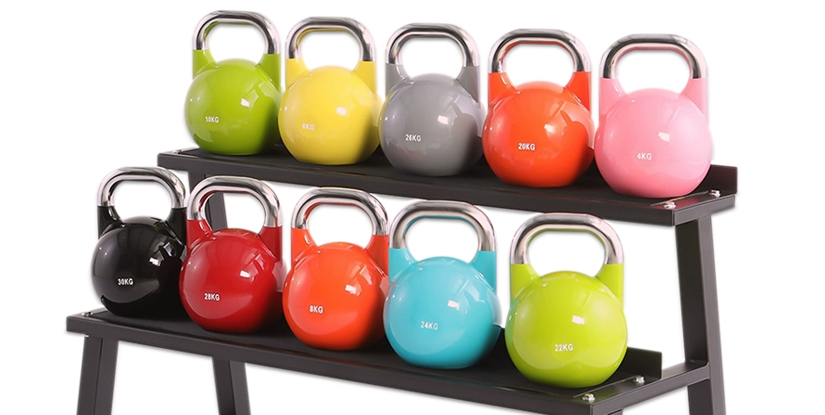
Beyond mechanical longevity, procurement officers must consider the logistical impact of inventory volume. Traditional cast iron kettlebell sets require extensive floor real estate to accommodate a full progression of weights, often leading to cluttered training zones and inefficient foot traffic. This lack of gym space optimization equipment can limit a facility's ability to scale classes or accommodate high-density training sessions.
The commercial adjustable kettlebell benefits extend directly into spatial efficiency. By replacing a dozen individual cast iron units with a single high-performance adjustable model, distributors can achieve significant space optimization without sacrificing training variety. This transition allows for more versatile floor plans and higher throughput in premium training environments. For wholesale buyers, this means a higher utility-to-footprint ratio, ensuring that the investment in high-density strength training gear maximizes both usable square footage and long-term client satisfaction.
From a procurement standpoint, the shift toward modularity serves as a strategic lever for optimizing inventory management. Managing a vast catalog of individual weight increments creates significant logistical friction, from increased shipping volumes to complex SKU tracking. When a distributor or facility owner relies on a diverse range of single-weight implements, they are inherently increasing their exposure to inventory management errors and higher warehousing overhead.
Utilizing high-density strength training gear like the Bells of Steel competition series allows for a drastic reduction in total SKU counts. Instead of sourcing, tracking, and storing twenty different individual kettlebells, a buyer can manage a single, highly versatile unit. This streamlined approach drives procurement efficiency by simplifying the supply chain and reducing the frequency of reordering. Furthermore, by consolidating weight requirements into fewer, more robust units, facilities can enhance facility throughput, allowing athletes to transition between intensities rapidly without the logistical bottleneck of searching for specific weights across a crowded gym floor.
Quality Control Protocols for High-Density Strength Training Gear
In high-traffic commercial environments, the longevity of your investment is directly tied to the rigor of your facility's upkeep. While the bells of steel competition adjustable kettlebells are engineered for heavy use, the mechanical complexity of adjustable systems requires a proactive approach to maintenance. For distributors and gym owners, failing to implement a routine inspection schedule can lead to increased replacement costs, effectively undermining the long-term commercial adjustable kettlebell benefits regarding TCO (Total Cost of Ownership).
The primary focus of any maintenance protocol should be the mechanical integrity of the adjustment mechanism. High-density strength training gear is subject to constant vibration and impact; therefore, staff must regularly verify weight plate seating to ensure no components have shifted or become unseated during high-intensity training. A simple monthly check of the locking pins and the smoothness of the weight transitions can prevent minor wear from evolving into a critical failure, ensuring the equipment remains a reliable asset rather than a liability in a busy training circuit.
To streamline facility management, we recommend a standardized inspection framework. This prevents the degradation of surface coatings and ensures the internal weight-selection components remain responsive. Maintaining these units is not merely about cleanliness; it is about verifying the structural precision required for competition-grade movement.
Routine Maintenance & Inspection Schedule
Effective oversight involves monitoring lubrication points—specifically the internal sliding tracks—and checking the surface coating integrity to prevent oxidation or chipping. Below is a technical baseline for facility managers to manage their inventory lifecycle.
| Inspection Component | Frequency | Action Required |
|---|---|---|
| Weight Plate Alignment | Weekly | Verify plates are seated correctly within the housing. |
| Locking Mechanism/Pins | Monthly | Check for smooth engagement and structural wear. |
| Internal Track Lubrication | Quarterly | Apply light, non-residue lubricant to sliding parts. |
| Surface Coating & Grip | Bi-Annually | Inspect for chips or oxidation to maintain hygiene. |
By adhering to this structured approach, distributors can ensure that the gym space optimization equipment they supply maintains its premium standard of performance, protecting both the user experience and the long-term value of the procurement.
Environmental Management and Strategic Storage
Beyond mechanical upkeep, the longevity of precision-engineered gear is heavily influenced by environmental factors. For distributors managing large-scale shipments or facility owners with expansive warehouse footprints, uncontrolled humidity and temperature fluctuations can compromise the structural integrity of adjustable components. To ensure long-term durability, avoid storing units in damp or unventilated zones where oxidation risks increase. Implementing strict storage protocols—such as keeping equipment on elevated, dry pallets rather than direct concrete floors—is a critical step in wear and tear mitigation.
When managing inventory, treat these units as precision instruments rather than static weights. For wholesalers and large-scale buyers, optimizing the footprint of your stock through organized, climate-controlled shelving is a form of gym space optimization equipment management in itself. By controlling the storage environment and preventing unnecessary contact with corrosive elements, you protect the high-grade finishes and internal tolerances of the product. This proactive stance ensures that when the equipment reaches the end-user, it performs with the exact mechanical fluidity expected of competition-grade strength gear.