Heavy Adjustable Kettlebell Procurement Checklist Guide
Evaluating Long-Term Value and Lifecycle Costs
For a high-traffic boutique studio or a multi-location fitness franchise, the procurement decision extends far beyond the initial invoice. While a budget-friendly heavy adjustable kettlebell may lower the immediate entry barrier, the true cost is realized through frequent replacements and downtime. Professional buyers must look past the sticker price to understand the long-term operational impact of their selection.
Understanding Total Cost of Ownership (TCO)
When sourcing a commercial adjustable kettlebell, the weight selection mechanism is the most critical variable in your TCO calculation. A low-cost mechanism might save capital during the initial procurement phase, but if the internal components lack durability, the resulting maintenance costs and the need for premature replacement will quickly erode your ROI. High-quality engineering ensures that the mechanism remains smooth and reliable under heavy daily use, reducing the frequency of technician visits or unit swaps.
| Procurement Factor | Entry-Level Option | Premium Commercial Grade |
|---|---|---|
| Initial Investment | Lower upfront cost | Higher initial capital outlay |
| Mechanism Durability | Basic spring or pin systems | Reinforced, high-cycle components |
| Maintenance Frequency | Higher; prone to jamming | Minimal; designed for heavy use |
| Long-Term TCO | Higher due to replacement cycles | Lower via extended product lifespan |
Effective gym equipment procurement requires balancing these trade-offs. A robust investment in a high-tier heavy adjustable kettlebell may require a larger initial budget, but it protects your facility from the hidden expenses of constant mechanical failure and inventory turnover.
Tiered Comparison for Volume Sourcing
To better visualize how different specifications impact your inventory planning, the following table categorizes heavy adjustable kettlebell models by their intended environment. Distinguishing between these tiers prevents the common mistake of over-specifying for home-use products in a professional setting or over-investing in high-end gear for low-volume boutique studios.
| Tier Classification | Typical Use Case | Mechanism Complexity | Expected Lifespan |
|---|---|---|---|
| Tier 1: Budget/Home | Residential & Personal Use | Simple manual pins/slides | 1–3 Years |
| Tier 2: Boutique/Studio | Small Gyms & PT Studios | Standardized dial/plate systems | 3–5 Years |
| Tier 3: High-Traffic Commercial | Large Scale Gyms & Training Centers | Advanced precision-engineered locking | 5+ Years (Heavy Use) |
Distributors and facility managers should prioritize Tier 3 models when the equipment is subject to constant, high-intensity turnover. While the unit price is higher, the ability to withstand rigorous daily programming significantly lowers the frequency of reordering and shipping costs over a multi-year period.
Logistics Optimization and Bulk Procurement Strategy
Beyond product durability, professional gym equipment procurement must account for the hidden variables of international transit. Because a heavy adjustable kettlebell possesses high weight density, shipping costs are driven more by actual mass than by volumetric dimensions. Unlike lightweight cardio machines, the primary expense here is the sheer weight per unit, which directly dictates your container utilization efficiency.
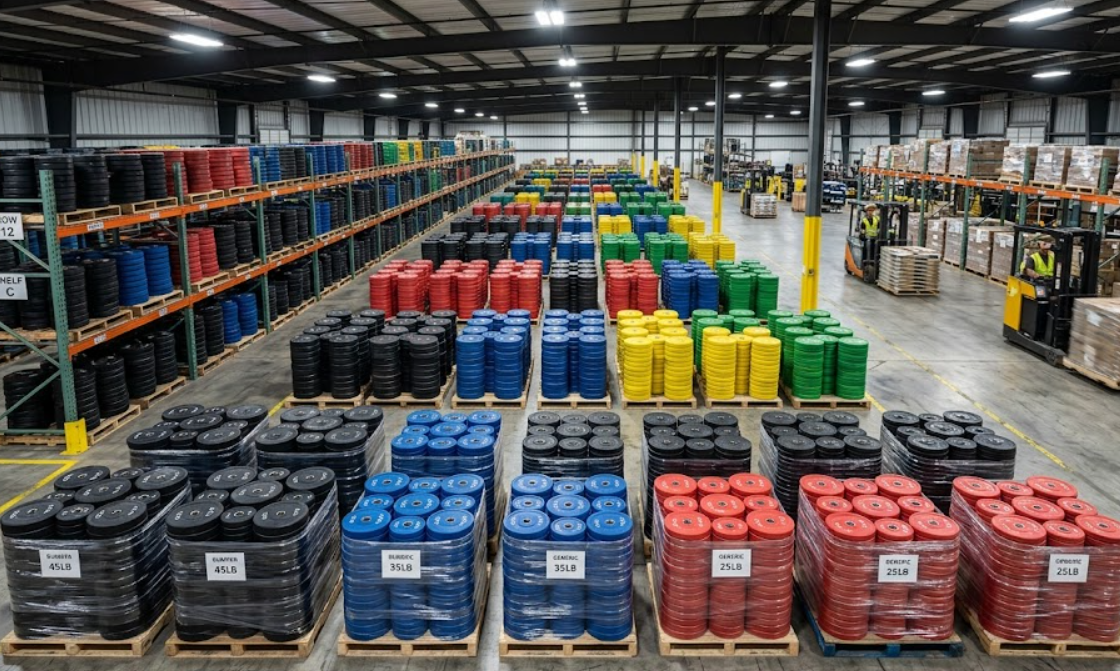
For distributors looking to maximize distributor margins, understanding the relationship between MOQ and shipping volume is vital. High-density products can hit weight limits in a standard container long before the physical space is filled. To achieve true logistics optimization, work with manufacturers who offer optimized packaging configurations that minimize "dead air" within the shipping cartons. Strategic bulk ordering not only lowers the per-unit landed cost but also allows for more efficient palletization, ensuring that your freight expenses do not unexpectedly erode your projected profit margins during large-scale inventory replenishment.
Critical Inspection of the Weight Selection Mechanism
The longevity of a commercial adjustable kettlebell is determined by the precision and resilience of its internal components. In high-traffic strength facilities, the weight selection mechanism undergoes constant physical stress, making it the most frequent point of failure if not engineered for professional use.
When sourcing a heavy adjustable kettlebell for wholesale or gym distribution, procurement managers must look beyond basic weight ranges. You must evaluate the structural integrity of the locking pins and the durability of the sliding tracks. Under high-frequency usage, inferior materials often succumb to mechanical wear, leading to weight shifts or catastrophic failure during movement. A reliable mechanism must maintain exact tolerances to ensure user safety and minimize long-term maintenance liabilities for the facility owner.
Mechanism Comparison for Commercial Durability
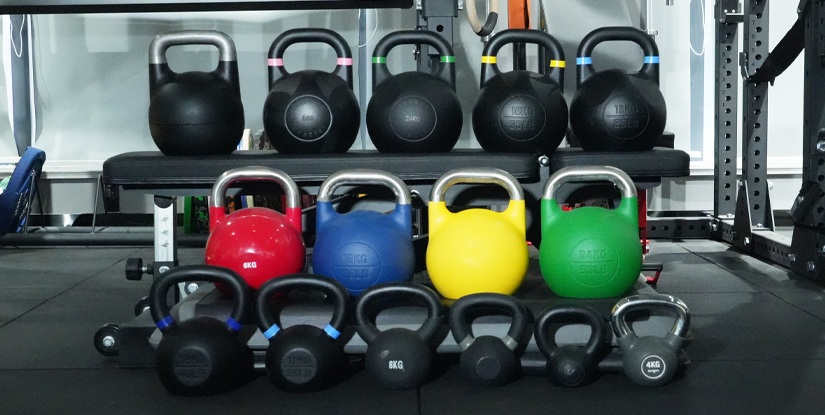
Selecting the right technology depends on the intended training environment. For example, a boutique studio prioritizing quick transitions may favor different mechanisms than a high-volume strength facility requiring maximum stability. Understanding these trade-offs helps in managing the total cost of ownership and minimizing downtime caused by mechanical failures.
| Mechanism Type | Durability Level | Maintenance Frequency | Best Use Case |
|---|---|---|---|
| Pin-lock Systems | High | Low | Heavy lifting & high-impact training |
| Dial-based Adjustment | Moderate | Medium | Boutique studios & rapid transitions |
| Plate-sliding Mechanisms | Moderate | High | Lightweight home-use or specialized drills |
In many commercial gym settings, pin-lock systems are preferred due to their inherent mechanical simplicity and resistance to vibration-induced loosening. While dial-based adjustment offers speed, it often requires more frequent inspection of the internal gears. For large-scale distributors and facility owners, prioritizing robust, pin-driven designs reduces the long-term risk of mechanical wear and ensures the equipment can withstand the rigorous demands of professional strength training.
QC Inspection and Stress Testing Protocols
During the pre-shipment QC inspection phase, testing must extend beyond static weight verification. A rigorous procurement checklist should mandate a minimum of 500 rapid-cycle transitions to evaluate friction resistance and ensure a smooth transition between increments. If the movement becomes jerky or resistant during these cycles, the internal components are likely undersized for professional use.
Furthermore, verify the load-bearing capacity by testing the mechanism under dynamic tension. A high-quality heavy adjustable kettlebell must demonstrate absolute weight stability even when subjected to lateral forces or slight impacts. For distributors and large-scale buyers, investing in units with high-grade steel pins and reinforced tracks is essential to securing a strong long-term ROI, as it prevents the high replacement costs associated with mechanical fatigue in high-volume training environments.
Structural Integrity and Material Standards for Commercial Use
In high-traffic training environments, the durability of a heavy adjustable kettlebell is determined by its ability to withstand constant impact and repetitive adjustments. Unlike residential models, a commercial adjustable kettlebell must maintain rigorous structural integrity to ensure user safety during intense, high-volume workouts.
The Critical Role of the Weight Selection Mechanism
The most frequent failure point in adjustable fitness hardware is the weight selection mechanism. In a commercial setting, the constant cycling through weight increments subjects internal components to significant mechanical wear. If the locking pins, plates, or dial systems are not engineered for high-volume usage, the device may suffer from loosening or catastrophic failure. Procurement managers should prioritize units that utilize reinforced steel housing and high-grade polymer interfaces to mitigate the risks of component fatigue and ensure long-term reliability across multiple shifts.
Evaluating Adjustment Mechanisms and Maintenance Cycles
When sourcing for a facility or stocking a distribution inventory, selecting the right mechanism involves a trade-off between speed of adjustment and long-term mechanical stability. Different systems offer varying levels of resistance to impact and wear, which directly affects the total cost of ownership (TCO) and the frequency of technical support requests.
| Mechanism Type | Primary Benefit | Commercial Gym Durability | Maintenance Frequency |
|---|---|---|---|
| Pin-Lock Systems | High impact resistance | Excellent for high-intensity training | Low; periodic visual inspection |
| Dial-Based Mechanisms | Rapid weight changes | Moderate; sensitive to debris | Medium; requires regular cleaning |
| Plate-Loading Stability | Maximum structural rigidity | Highest; most robust for heavy use | Minimal; standard hardware checks |
For high-volume strength and conditioning centers, pin-lock systems often provide the most reliable performance under heavy load. While dial-based systems offer efficiency, they can be prone to jamming if fine dust or sweat enters the internal gearing. When evaluating gym equipment procurement options, always verify if the manufacturer provides modular replacement parts for the internal mechanisms, as this significantly lowers long-term maintenance costs for distributors and facility owners.
Material Composition and Impact Resistance Standards
Beyond the internal mechanics, the external build quality dictates the lifespan of the unit. For wholesale procurement, a baseline requirement should be the use of heavy-duty steel rather than lightweight alloys or thin-walled plastics. High-quality commercial models rely on high-density steel to provide the necessary mass and to ensure the unit survives accidental drops or high-velocity impacts common in strength training. A robust exterior prevents denting and structural warping, which is essential for maintaining a long-term ROI in professional settings.
Surface treatment is equally vital for preventing oxidation and maintaining grip integrity. A high-grade powder coating is non-negotiable; it provides a resilient barrier against sweat, moisture, and friction. This finish not only protects the underlying metal from corrosion but also ensures the texture remains consistent over years of use. When auditing a manufacturer's factory capability, ask for specific details regarding their coating thickness and adherence to impact resistance testing. This level of manufacturing QC ensures that your inventory remains aesthetically premium and functionally reliable, even in rigorous commercial environments.
Optimizing Floor Space and Inventory Management
When designing a high-traffic training zone, the spatial impact of your equipment selection is a critical variable. A single heavy adjustable kettlebell can replace an entire rack of fixed-weight implements, fundamentally altering the facility layout. While these units offer significant space-saving benefits, procurement managers must balance the versatility of a commercial adjustable kettlebell against the specific footprint required for safe movement and organized storage.
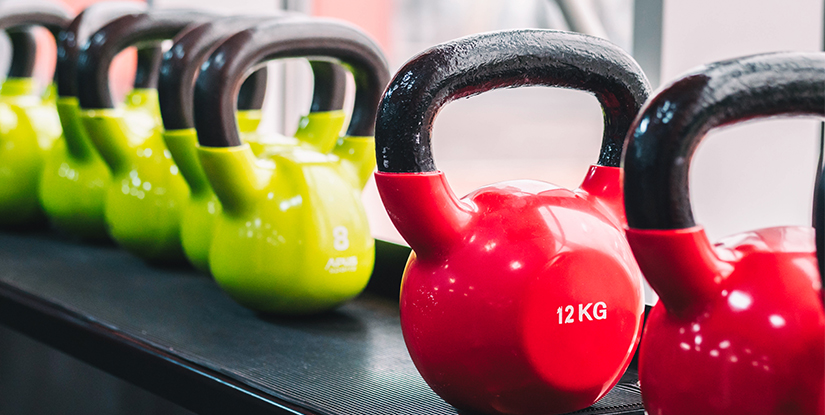
Effective inventory management in a commercial setting relies on how efficiently these units transition from active use to a dedicated station. Below is a comparison of common storage configurations to assist in your procurement planning:
| Storage Method | Footprint Impact | Accessibility | Best Use Case |
|---|---|---|---|
| Vertical Tiered Racks | Minimal/Compact | Moderate | Boutique studios with limited square footage |
| Horizontal Floor Rails | Large/Extended | High | High-volume strength and conditioning zones |
| Modular Wall Mounts | Zero Floor Space | Low | Specialized training corners or niche areas |
Beyond physical dimensions, the durability of the weight selection mechanism is inextricably linked to how the units are stored. In high-frequency environments, improper storage can lead to mechanical debris or misalignment. For instance, if units are stored in open floor configurations without protective dividers, the risk of impact-related damage to the internal locking components increases. When conducting gym equipment procurement, prioritize units that feature reinforced housing or specialized cradles to protect the precision engineering during downtime.
For distributors and large-scale facility owners, the choice between a vertical rack or an open layout often comes down to footprint efficiency versus ease of maintenance. While vertical systems maximize available square footage, they may require more frequent inspections to ensure the weight plates are correctly seated within the mechanism. Conversely, open floor storage offers superior accessibility for rapid-fire training sessions but demands a larger dedicated area to prevent tripping hazards and maintain a professional aesthetic.
For wholesalers and international distributors, the logistics of shipping and receiving heavy adjustable kettlebell orders require a strategic view of the weight-to-volume ratio. Unlike fixed-weight models, the internal mechanisms of adjustable units add complexity to the shipping volume and overall density of each carton. This means that while you may be shipping fewer total pieces, the physical dimensions and specialized packaging required to protect the weight selection mechanism can significantly impact your landed cost and container utilization.
When planning bulk ordering considerations, factor in the following logistical variables to ensure efficient inventory management:
- Shipping Volume vs. Density: Adjustable models often occupy more volumetric space per unit than traditional kettlebells due to their specialized housing and protective packaging.
- Weight Distribution: Ensure that shipping cartons are designed for stable weight distribution to prevent internal component shifting during transit.
- Durability of Storage Components: Verify that any included or recommended storage racks are built with heavy-duty materials capable of handling the concentrated load of high-mass adjustable units.
- MOQ and Lead Times: Large-scale procurement should account for the specialized manufacturing processes of adjustable mechanisms, which may influence minimum order quantities and factory lead times.
A common oversight in large-scale procurement is failing to account for the long-term maintenance of the storage environment. A robust inventory strategy involves not just the acquisition of the product, but the procurement of high-grade, durable storage solutions that prevent mechanical wear during periods of inactivity. By prioritizing high-density packaging and reinforced storage structures, distributors can mitigate the risks of transit damage and ensure a longer lifecycle for the equipment in the field.
Operational Longevity and Maintenance Standards
High-traffic fitness facilities demand equipment that survives constant mechanical shifts. When sourcing a commercial adjustable kettlebell, the primary concern shifts from simple weight increments to the long-term integrity of the internal components under high-frequency use.
Evaluating Mechanism Durability
The weight selection mechanism is the most common failure point in budget-tier models. In a commercial setting, the rapid switching between weights can cause friction-based wear or spring fatigue. We recommend verifying that the locking system utilizes high-grade steel or reinforced polymers to ensure durability over thousands of cycles. A robust mechanism prevents weight slippage, which is a critical safety liability for gym operators.
Standard Maintenance Cycles
Unlike fixed kettlebells, adjustable models require a structured maintenance cycle to remain operational. Distributors should advise clients to perform quarterly inspections of the adjustment tracks and lubrication points. Regular checks help identify early signs of component fatigue, ensuring the equipment remains a reliable asset rather than a recurring replacement cost.
TCO Comparison: OEM vs. Standard Wholesale Models
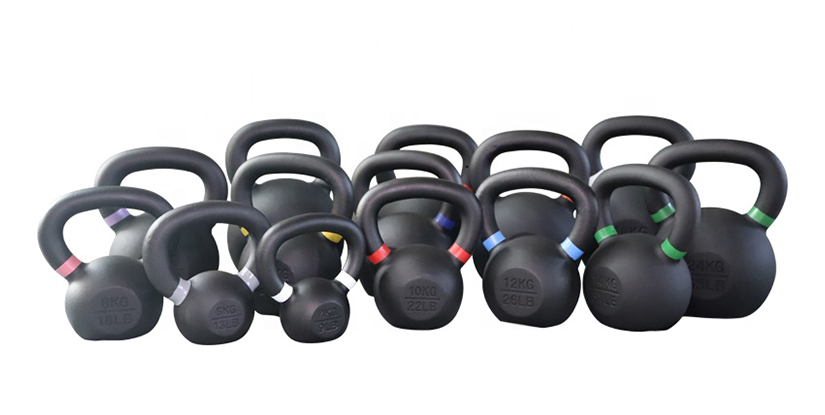
Procurement managers must look beyond the initial unit price to calculate the true Total Cost of Ownership (TCO). Choosing between a standard off-the-shelf product and a custom OEM specification significantly alters your long-term maintenance profile and logistical support requirements.
| Metric | Standard Wholesale Model | Custom OEM Specification |
|---|---|---|
| Maintenance Frequency | Routine (Quarterly/Bi-annually) | Predictable (Based on custom specs) |
| Component Replacement | Standardized/Generic parts | High-durability/Customized parts |
| Long-term Cost (TCO) | Lower upfront; higher repair risk | Higher upfront; lower lifecycle cost |
| Logistics & Support | Ready-to-ship; limited customization | Lead-time intensive; tailored support |
While standard wholesale options offer lower entry costs and faster shipping for small-scale distributors, OEM pathways allow for a more controlled maintenance schedule. By specifying reinforced materials for the weight selection mechanism during the manufacturing stage, facility owners can often extend the interval between required service interventions, ultimately protecting their capital investment.
Implementing Rigorous Quality Control Protocols
For large-scale bulk procurement, relying solely on factory-provided spec sheets is a significant risk. To prevent widespread mechanical wear across a single shipment, buyers should mandate strict quality control standards during the production phase. We suggest implementing multi-stage inspection protocols that go beyond basic aesthetics to test the functional physics of each heavy adjustable kettlebell.
A professional inspection protocol for a high-volume order should include a stress test of the weight adjustment tracks and a cycle-count test on the locking pins. For instance, a random sample from the batch should undergo at least 500 rapid weight transitions to simulate heavy commercial use. This prevents a scenario where a single faulty design flaw leads to a massive product recall or high return rates for a distributor. By ensuring the heavy adjustable kettlebell can withstand high-frequency mechanical shifts before it leaves the factory, you secure both your reputation and your long-term profit margins.
Mitigating Common Procurement Risks in International Shipping
When sourcing a heavy adjustable kettlebell from overseas, the primary risk involves the structural integrity of the internal components during long-haul transit. Vibration and impact during sea freight can compromise the weight selection mechanism if the unit is not engineered to withstand constant kinetic stress.
Mechanical Reliability and TCO Impact
For distributors and gym owners, the Total Cost of Ownership (TCO) is dictated by how often a commercial adjustable kettlebell requires technical intervention. A failure in the weight selection mechanism—often caused by inferior precision engineering or low-grade locking pins—leads to rapid mechanical wear and eventual product obsolescence. If the internal movement becomes jammed or loose due to transit shock, the replacement cost and labor far outweigh the initial savings of a lower-priced unit. Prioritize manufacturers that utilize high-tolerance components to ensure long-term durability and minimize the frequency of onsite repairs.
Mechanism Comparison for High-Traffic Environments
Selecting the right mechanism type is a critical decision for long-term facility management. Different designs offer varying levels of resistance to user error and environmental wear. Use the following comparison to align your procurement choice with your specific gym model and maintenance capacity.
| Mechanism Type | Typical Maintenance Frequency | Common Failure Points | Commercial Suitability |
|---|---|---|---|
| Pin-Lock Systems | Low (Bi-annual inspection) | Pin misalignment; spring tension loss | High (Best for heavy-use strength gyms) |
| Dial-Based Systems | Moderate (Quarterly cleaning) | Internal gear friction; debris ingress | Medium (Ideal for boutique studios) |
| Slide-and-Lock | Moderate (Regular lubrication) | Track jamming; surface abrasion | Low to Medium (Requires strict user care) |
While dial-based systems offer smoother transitions, they are more susceptible to damage from dust and sweat in high-intensity environments. For large-scale gym equipment procurement where durability is the priority, pin-lock mechanisms generally provide the most reliable ROI due to their simplified, robust architecture.
Optimizing Quality Control and Supplier Audits
To protect your margins, you must move beyond basic visual inspections and demand rigorous factory capability documentation. A reliable supplier should demonstrate a structured QC process that accounts for both the mechanical precision of the product and the rigors of international logistics. Before finalizing an order, verify that the manufacturer performs functional testing on the weight selection mechanism to ensure consistent smoothness across all weight increments.
Beyond mechanical movement, environmental durability is a non-negotiable factor for high-end commercial settings. Request evidence of a salt spray test for the exterior coating to ensure the finish resists corrosion in humid gym environments. Furthermore, since heavy adjustable kettlebell shipments are subject to significant kinetic energy during ocean freight, confirm that the packaging is designed for high shipping vibration resistance. High-quality suppliers will also provide clear MOQ considerations and documentation regarding their ability to maintain tolerances during mass production, ensuring that the first unit off the line performs identically to the thousandth.