Best Kettlebell Adjustable | Sourcing Adjustable Guide
Optimizing High-Traffic Floor Layouts with Adjustable Weight Systems
Distributors and facility managers must evaluate how the best kettlebell adjustable models integrate into a functional commercial gym layout to mitigate operational risks. Beyond simple weight increments, procurement decisions should focus on mechanical stability, the precision of weight transitions, and the logistical efficiency of shipping compact, high-density equipment to end-users.
Maximizing Footprint Reduction in Boutique and Commercial Settings
In premium fitness studios or high-density training centers, floor real estate is often the most expensive asset. Traditional fixed-weight kettlebell sets require extensive rack systems and significant square footage, which can clutter high-traffic zones and impede member movement. By sourcing a versatile adjustable system, buyers achieve significant footprint reduction, replacing dozens of individual SKUs with a single, streamlined station. This transition not only optimizes the available training area but also reduces the long-term inventory burden for distributors, as a single high-quality adjustable unit can serve a wider range of client programming requirements than a standard fixed-weight set.
Selecting the right mechanism involves a trade-off between speed of use and long-term mechanical durability. Depending on whether your client base prioritizes rapid circuit training or heavy strength protocols, the internal architecture of the device will dictate the maintenance cycle and the overall footprint of the training station.
| System Type | Mechanical Stability | Footprint Efficiency | Durability Profile |
|---|---|---|---|
| Plate-Loaded | High (Fixed Center) | Moderate | Extreme (High Wear Resistance) |
| Selectorized (Pin-Based) | Medium | High | Moderate (Moving Parts) |
| Dial-Based (Internal) | Variable | Very High | Sensitive (Precision Required) |
When reviewing commercial adjustable kettlebell specifications, procurement professionals should prioritize the thickness of the outer shell and the grade of the internal locking mechanisms. A high-quality unit must maintain structural integrity through thousands of weight transitions to prevent mechanical failure in high-traffic environments. For distributors, choosing a system with a robust, non-complex internal structure often results in lower warranty claims and higher end-user satisfaction during wholesale fitness equipment inspection.
Durability Standards and Surface Protection
High-traffic environments demand more than just mechanical precision; they require extreme resilience against impact and friction. During wholesale fitness equipment inspection, buyers should verify the coating durability of the outer shell. A high-grade urethane or powder-coated finish is essential to prevent chipping, which can lead to rust or structural degradation over time. Furthermore, ensure the base design incorporates high-density rubber or specialized floor protection to mitigate impact noise and surface damage in premium facilities. Verifying these kettlebell manufacturing quality standards ensures a longer maintenance cycle, ultimately lowering the total cost of ownership for your clients.
Evaluating Mechanical Stability and Weight Transition Precision
In high-traffic environments, the best kettlebell adjustable models must prioritize structural integrity over simple weight increments. Unlike fixed cast iron, adjustable mechanisms introduce moving parts that can compromise safety if the internal locking systems are not engineered for rigorous, repetitive use.
For commercial gym safety, the primary risk involves weight-shifting during high-intensity ballistic movements. If the internal plates lack precise weight transition precision, the center of gravity can shift mid-swing, leading to dangerous oscillations. This instability is a frequent point of failure in low-quality imports, where loose tolerances allow internal components to rattle or slide, potentially causing injury or premature wear of the adjustment track.
Mechanical Comparison of Adjustment Systems
When vetting factory capability, distributors must understand how different mechanisms impact long-term durability and maintenance frequency. The choice between mechanical locking and manual plate loading significantly affects the total cost of ownership (TCO) and the frequency of required upkeep in a commercial setting.
| Mechanism Type | Mechanical Stability | Maintenance Frequency | Primary Use Case |
|---|---|---|---|
| Pin-Lock System | High (Fixed Position) | Low (Annual Check) | High-Intensity Training |
| Dial-Based System | Moderate (Precision) | Medium (Lubrication) | Boutique/Studio Settings |
| Plate-Loading System | Variable (Manual) | High (Component Wear) | Standard Strength Gyms |
To ensure high-quality sourcing, verify that the manufacturer provides clear commercial adjustable kettlebell specifications regarding tolerance levels. A superior build will feature non-slip internal tracks and high-grade steel pins to prevent the weight-shifting issues common in cheaper, unbranded alternatives.
Prioritizing Coating Durability and Surface Integrity
Beyond internal mechanics, the external finish determines the long-term aesthetic and functional lifespan of the unit. A rigorous wholesale fitness equipment inspection must evaluate how the outer layer withstands constant friction and impact. Low-grade powder coating or thin rubber skins often fail under heavy wear and tear, leading to peeling or oxidation that degrades the user experience and reduces resale value.
When building your procurement checklist, demand evidence of high-grade kettlebell manufacturing quality standards regarding coating durability. Premium suppliers utilize UV-resistant, high-density coatings that resist chipping during floor drops and sweat-induced corrosion. Verifying these specifications ensures your inventory maintains a professional appearance, protecting your ROI by reducing replacement cycles in demanding commercial facilities.
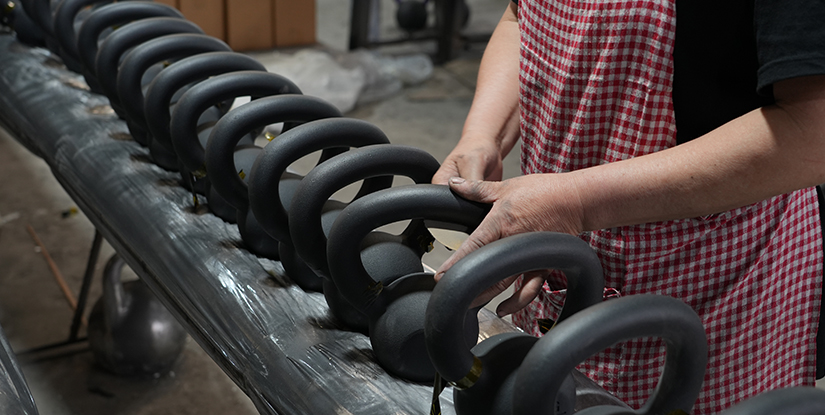
Commercial Adjustable Kettlebell Specifications for Diverse Programming
Maintaining high-performance equipment in high-traffic environments requires a strict focus on the mechanical stability of the weight-selection mechanism. For distributors, understanding the long-term durability of these components is essential to minimize replacement costs and ensure client satisfaction during heavy usage cycles.
Mechanical Longevity and Maintenance Cycles
When evaluating commercial adjustable kettlebell specifications, the primary concern is the friction and wear within the internal locking system. In high-traffic environments, such as CrossFit boxes or commercial training centers, the weight-selection mechanism undergoes constant stress. If the internal components lack precision, the mechanism may jam or lose calibration, leading to increased maintenance frequency. We recommend implementing quarterly inspections to check for smooth weight transitions and to ensure the structural integrity of the moving parts remains intact.
| Mechanism Type | Maintenance Level | Durability Profile | TCO (Total Cost of Ownership) |
|---|---|---|---|
| Dial-Based Selection | Moderate | High mechanical precision | Medium (Higher initial cost) |
| Pin-Lock System | Low | Robust, heavy-duty | Low (Longer lifespan) |
| Selector Plate | High | Sensitive to debris | Variable (Requires regular cleaning) |
For wholesale buyers, prioritizing units with reinforced steel locking points can significantly reduce the frequency of warranty claims and service calls. Ensuring that the manufacturer adheres to rigorous wholesale fitness equipment inspection standards will guarantee that the mechanical stability holds up even under rigorous programming schedules.
Evaluating Coating Durability and Surface Resilience
Beyond the internal mechanism, the exterior coating determines the product's aesthetic longevity and resistance to oxidation. For distributors managing inventory in humid or high-use environments, the choice between powder coating and urethane impacts both the visual appeal and the long-term maintenance requirements of the unit.
| Coating Type | Durability Rating | Maintenance Frequency | Typical Use Case |
|---|---|---|---|
| Powder Coating | Medium | Low (Occasional wipe-down) | Standard commercial gyms |
| Urethane/Rubberized | High | Very Low (Highly resistant) | High-intensity/CrossFit facilities |
| Painted Steel | Low | High (Prone to chipping) | Budget-conscious boutique studios |
When sourcing, consider that while powder coating offers a cost-effective solution for general fitness settings, premium urethane coatings provide superior protection against impact and chemical cleaners. Selecting the appropriate finish is a critical step in calculating the total cost of ownership for your clients, as it directly affects the product's resale value and replacement cycle.
Pre-Shipment Inspection Protocols for Distributors
Before authorizing a bulk shipment, distributors must implement a rigorous wholesale fitness equipment inspection to mitigate the risk of receiving defective inventory. A critical component of distributor QC involves verifying both coating integrity and mechanical smoothness under load. We recommend a manual stress test on a randomized sample from each production lot to identify potential flaws. This should include a crack testing procedure on the outer shell and a full cycle of weight transitions to ensure no friction-induced resistance exists. Verifying these technical benchmarks prior to departure prevents costly returns and protects your brand reputation in the North American market.
Surface Coating Integrity and Long-Term Wear Resistance
When sourcing the best kettlebell adjustable models for high-traffic facilities, the focus must shift from simple weight increments to the long-term durability of the exterior. In a commercial setting, constant handling and potential impact can quickly compromise the surface coating integrity, leading to unsightly wear or rust exposure.
Standard commercial adjustable kettlebell specifications should prioritize high chipping resistance to withstand high-frequency use. For distributors and gym owners, selecting a product with a premium powder coating or high-grade urethane finish is critical to reducing maintenance cycles and ensuring the equipment maintains a professional appearance despite rigorous daily deployment.
To calculate the true Total Cost of Ownership (TCO), procurement managers must evaluate the trade-offs between initial unit costs and the longevity of the exterior finish. Different manufacturing processes offer varying levels of protection against abrasion and chemical cleaners used in facility maintenance.
| Coating Type | Durability & Impact Resistance | Maintenance Frequency | Typical Application |
|---|---|---|---|
| Powder Coating | High (Excellent chipping resistance) | Low | Standard commercial gyms |
| Urethane | Moderate (High impact absorption) | Medium | Boutique studios & high-end clubs |
| Silicone/Rubber | High (Best for floor protection) | Low to Medium | CrossFit & functional training zones |
During wholesale fitness equipment inspection, we recommend testing the adhesion of these coatings through basic scratch resistance checks. While rubberized finishes offer superior floor protection, powder-coated adjustable units often provide the most reliable balance of cost-efficiency and long-term aesthetic stability for large-scale distributors.
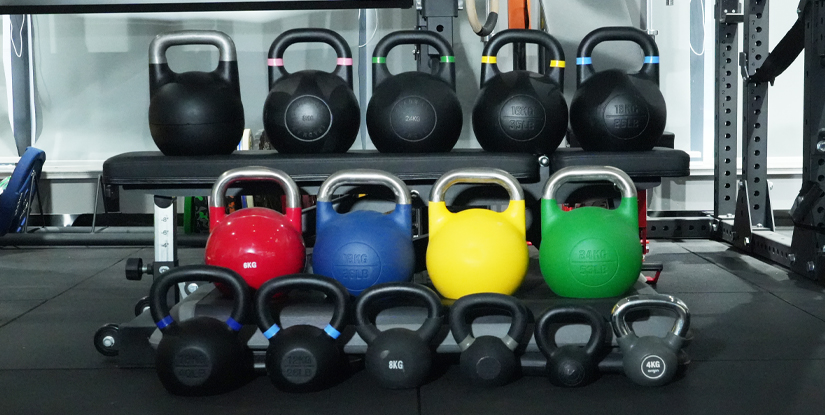
To ensure your bulk procurement meets professional standards, incorporate specific technical verification steps into your factory audits. A reliable manufacturer will demonstrate strict quality control (QC) protocols regarding surface adhesion. We suggest requesting an adhesion test report or performing a cross-cut test on a sample unit to confirm the coating will not flake under heavy usage.
High-quality kettlebell manufacturing quality standards require that the finish remains intact even after repetitive impact. When conducting wholesale fitness equipment inspection, check for uniform thickness and the absence of microscopic bubbles or uneven textures, as these defects often lead to premature peeling and reduced product lifespan in commercial environments.
Wholesale Inspection Protocols for Precision Moving Parts
To minimize post-delivery return rates, distributors must prioritize the mechanical stability of every unit. When sourcing the best kettlebell adjustable models, the focus shifts from simple weight increments to the integrity of the internal locking mechanisms and the durability of the transition components.
High-quality commercial adjustable kettlebell specifications demand rigorous testing of the precision moving parts. In a high-traffic gym environment, even minor deviations in component alignment can lead to accelerated wear and tear, potentially compromising user safety. We recommend that procurement managers implement a strict wholesale fitness equipment inspection protocol that includes repetitive load-cycling tests. This ensures that the weight-selection dial or pin system maintains structural rigidity under constant friction, preventing the mechanical failures that often plague lower-tier, non-commercial grade adjustable equipment.
A systematic inspection approach allows distributors to verify that the factory meets international kettlebell manufacturing quality standards before the shipment leaves the warehouse. Rather than a cursory visual check, technical audits should focus on the interplay between weight plates and the structural chassis to identify potential friction points or coating vulnerabilities.
| Inspection Point | Critical Parameter | Commercial Standard Requirement |
|---|---|---|
| Mechanism | Locking Stability | Zero lateral play during weight transitions |
| Coating | Adhesion & Thickness | High-impact resistance; no chipping under stress |
| Handle | Ergonomic Integrity | Uniform texture; no burrs or sharp edges |
| Weight Plates | Alignment Accuracy | Consistent center of gravity across all increments |
When evaluating commercial adjustable kettlebell specifications, ensure the vendor provides documentation for load-bearing tests. A robust inspection protocol reduces long-term maintenance costs and protects your brand reputation by ensuring that every adjustable component functions reliably throughout its expected lifecycle in a professional facility.
Optimizing Total Cost of Ownership Through Preventive Care
Long-term profitability for distributors depends on minimizing field failures. In demanding commercial gym settings, the mechanical complexity of adjustable units requires a structured maintenance cycle to prevent premature depreciation. High-use environments accelerate the degradation of moving parts, making proactive care essential for maintaining a low Total Cost of Ownership (TCO).
A primary concern for facility managers is coating durability. Constant weight transitions and environmental exposure can cause surface chipping, which exposes the internal chassis to oxidation. We suggest implementing a quarterly inspection to check for surface integrity and applying specialized lubrication to the adjustment dials or pin-insertion points. This prevents the "seizing" effect often seen in low-grade imports. By integrating these routine checks into standard facility protocols, distributors can extend the functional lifespan of the inventory and reduce the frequency of warranty-related replacement requests.
Export Packaging Standards to Prevent Component Displacement
When sourcing the best kettlebell adjustable units for international distribution, the total cost of ownership is often dictated by the integrity of the export packaging. For distributors, the primary risk is not just broken shells, but internal component displacement caused by vibration and impact during long-haul sea freight.
Failure to meet strict commercial adjustable kettlebell specifications regarding internal bracing can lead to catastrophic transit damage. If the weight plates or adjustment mechanisms shift within the housing, it can cause structural deformation or misalignment. This necessitates higher shipping costs due to larger protective volumes and, more critically, increases the rate of expensive replacement claims and returns for the importer.
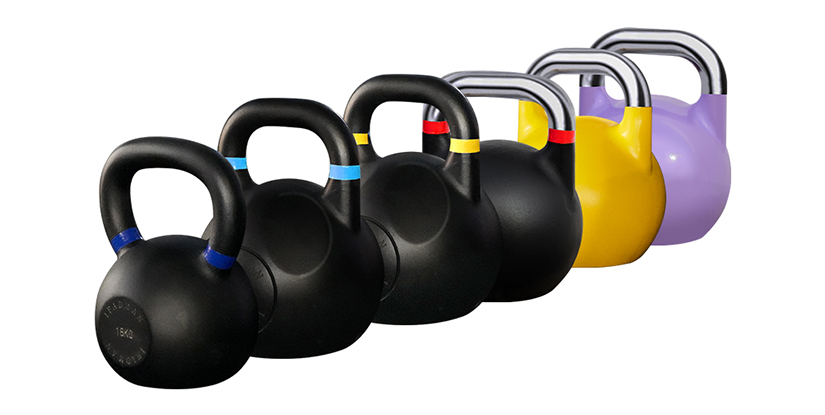
To mitigate these risks, procurement managers must evaluate the trade-off between protective layering and shipping volume. A robust wholesale fitness equipment inspection should verify that the packaging scheme aligns with the specific fragility of the adjustment hardware. High-density foam inserts and custom-molded pulp trays are essential for preventing movement, though they may increase the cubic volume per unit compared to standard bulk shipping methods.
| Packaging Type | Protection Level | Volume/Cost Impact | Ideal Use Case |
|---|---|---|---|
| Standard Corrugated Box | Low (Basic Shell Protection) | Minimal / High cost-efficiency | Domestic/Short-haul distribution |
| Reinforced Foam Inlay | High (Prevents Component Shift) | Moderate Volume Increase | International Sea Freight/Retail |
| Custom Molded EPS/EPE | Maximum (Precision Fit) | Highest Volume/Shipping Cost | High-end Commercial/Fragile Mechanisms |
Selecting the right configuration ensures that the best kettlebell adjustable units arrive in a factory-ready state, reducing the need for secondary unboxing or onsite reassembly by the end-user.
Arrival Inspection and Quality Control Protocols
Upon arrival at your warehouse, a systematic inspection checklist is vital to safeguard your margins. Even with superior packaging, the physical stress of global logistics can cause subtle defects that are not immediately visible. A rigorous wholesale fitness equipment inspection should prioritize the mechanical integrity of the weight-selection system and the surface finish of the handle.
Distributors must specifically look for arrival damage such as hairline cracks in the outer shell or loose adjustment pins. If kettlebell manufacturing quality standards were not strictly adhered to during production, these minor flaws can escalate into mechanical failures during high-frequency commercial use. Neglecting this stage leads to high restocking costs and damaged reputation when faulty units reach your end-clients. Always verify that the weight increments remain precise and that the coating shows no signs of chipping or oxidation before clearing the shipment for local distribution.
Inventory Management and ROI for Fitness Distributors
For distributors, the decision to stock the best kettlebell adjustable models depends on more than just initial unit costs. Long-term profitability is dictated by the product's ability to withstand high-frequency usage in commercial environments without triggering excessive replacement costs or customer service claims.
The Cost of Mechanical Failure
When sourcing for high-traffic gyms, adhering to strict commercial adjustable kettlebell specifications is vital for maintaining a healthy bottom line. Substandard mechanical stability in the weight-selection mechanism can lead to catastrophic failure during high-intensity swings or snatches. For a distributor, these failures translate into expensive return logistics, diminished brand trust, and high replacement costs. Investing in units with reinforced locking systems ensures that the durability of the coating and internal components meets the expectations of professional facility managers, ultimately protecting your long-term ROI through reduced warranty claims.
To optimize your procurement strategy, evaluate how different mechanical configurations impact the Total Cost of Ownership (TCO). While premium models require higher initial capital, their extended lifecycle and reduced maintenance frequency often yield a superior return on investment compared to lower-tier alternatives.
Technical Standards and Durability Comparison
| Mechanism Type | Coating Durability | Maintenance Profile | Typical Application |
|---|---|---|---|
| Selector Pin/Dial | High (Powder Coat) | Low; minimal parts | Boutique Studios |
| Plate-Loading System | Moderate (Rubber/PU) | Medium; weight checks | High-Traffic Gyms |
| Dial-Based Weight Shift | Variable (Precision) | High; internal calibration | Home/Semi-Commercial |
A rigorous wholesale fitness equipment inspection protocol should prioritize checking the resilience of the outer casing against impact. Ensuring that the kettlebell manufacturing quality standards include salt spray testing or impact-resistance certification will mitigate the risk of premature inventory turnover due to surface degradation or mechanical loosening.
Logistics Optimization and Quality Assurance Protocols
Efficient bulk procurement requires balancing MOQ considerations with shipping volume optimization to protect margins. Because adjustable units often feature complex mechanical housings, they are more susceptible to transit damage than solid cast iron. We recommend negotiating packaging standards that include reinforced corner protection and nested stacking configurations to maximize container utilization without compromising structural integrity.
To mitigate the risk of receiving defective stock, implement a multi-stage quality control (QC) strategy. Rather than relying solely on factory certificates, a professional wholesale fitness equipment inspection should include random sampling of the weight-adjustment mechanism under load. Verifying that the internal components align with kettlebell manufacturing quality standards before the shipment leaves the port prevents the logistical nightmare of cross-border returns and ensures your inventory is retail-ready upon arrival.