Kettlebell with Adjustable Weights | Evaluating the Long
Optimizing Inventory Breadth with Modular Weight Systems
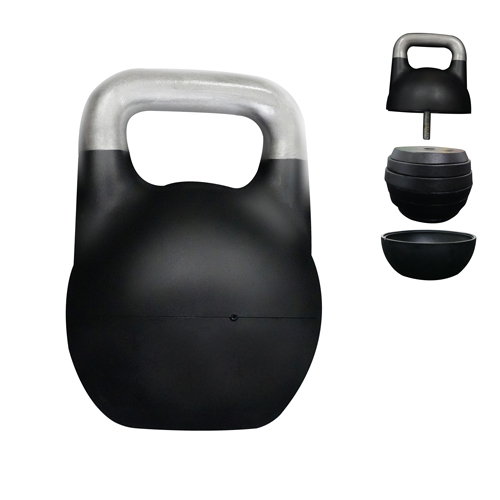
When sourcing for high-traffic fitness centers, procurement managers must balance equipment variety against the physical constraints of the facility. A strategic assessment of a kettlebell with adjustable weights involves evaluating the risk of mechanical failure in the locking mechanism, the precision of weight increments, and the logistical efficiency of shipping modular components versus fully cast iron units. Selecting the right configuration ensures that your inventory supports diverse training needs without requiring massive storage footprints.
Strategic Space Optimization for High-Density Training Areas
For boutique studios and urban commercial gyms where square footage is at a premium, modular weight systems offer a significant competitive advantage. Traditional kettlebell sets require expansive racks to accommodate incremental weight jumps, often consuming valuable real estate in high-density training areas. By transitioning to a single kettlebell with adjustable weights per user, operators can drastically reduce the facility footprint. This space optimization allows for more versatile floor layouts, enabling the same area to transition seamlessly from heavy strength training to functional movement classes without the clutter of multiple static bells.
The decision between fixed and adjustable units often hinges on the long-term total cost of ownership. While individual cast iron bells have a lower upfront unit price, the cumulative cost of purchasing a full range of weights—plus the rack infrastructure and the floor space they occupy—can diminish the overall commercial fitness equipment ROI. For distributors and facility owners, the primary trade-off involves the precision of weight increments versus the durability of the adjustment mechanism.
Comparative Analysis: Fixed vs. Adjustable Systems
| Metric | Traditional Fixed Kettlebells | Adjustable Weight Systems |
|---|---|---|
| Storage Footprint | High (Requires multi-tier racks) | Low (Single unit per station) |
| Inventory Breadth | Limited by physical rack space | High (Broad range in one unit) |
| Maintenance Needs | Minimal (Surface inspection) | Moderate (Mechanism/Lock check) |
| Deployment Speed | Fast (Grab and go) | Slower (Requires adjustment time) |
| Long-term ROI | Lower (High volume/space cost) | Higher (Scalable/Space-efficient) |
From a procurement standpoint, adjustable strength training gear provides a scalable solution for expanding facilities. Instead of increasing order volumes and shipping costs for dozens of static SKUs, a single modular system can cover a wide spectrum of resistance. This efficiency simplifies logistics and reduces the complexity of long-term inventory management for global distributors.
Assessing Mechanical Integrity and Maintenance Cycles
For commercial operators, the primary risk with adjustable strength training gear is the long-term reliability of moving parts under heavy use. Unlike static iron, modular units introduce potential points of failure such as mechanical wear in the locking collars or selector pins. When vetting suppliers, it is critical to verify commercial-grade construction standards, specifically regarding weight plate stability during high-velocity movements. A poorly engineered system may suffer from shifting internal components, which compromises user safety and increases liability.
Effective procurement durability planning requires an understanding of maintenance cycles. While fixed bells require almost zero upkeep, adjustable models necessitate periodic inspections of the adjustment interfaces to ensure precision remains intact. High-quality manufacturers utilize reinforced housing and high-tensile steel to mitigate the effects of repetitive friction. For B2B buyers, prioritizing units with robust, easy-to-service mechanisms ensures that the equipment remains a reliable asset rather than a recurring maintenance headache in high-traffic environments.
Evaluating the Total Cost of Ownership for Commercial Facilities
For procurement managers, the true cost of a kettlebell with adjustable weights extends far beyond the initial unit price or freight costs. Total Cost of Ownership (TCO) encompasses the long-term impact on facility layout, the frequency of replacement due to mechanical wear, and the labor required for maintenance. Evaluating these variables early ensures a higher return on investment for distributors and gym owners alike.
Space Optimization and Footprint Reduction
In high-rent urban environments or boutique studios, space optimization is a critical procurement metric. Utilizing modular weight systems allows a facility to consolidate dozens of individual kettlebell SKUs into a single, versatile unit. This footprint reduction simplifies the facility layout, freeing up valuable square footage for other high-margin training zones or specialized equipment. By choosing high-quality adjustable strength training gear, buyers mitigate the risk of cluttered floor plans and inefficient equipment storage.
| Procurement Factor | Fixed Single-Weight Bells | Adjustable Weight Systems |
|---|---|---|
| Floor Space Requirement | High (Multiple SKUs) | Low (Consolidated Footprint) |
| Inventory Management | Complex (Large SKU Count) | Streamlined (Single Unit Type) |
| Long-term ROI | Linear Depreciation | Higher (Multi-use Versatility) |
| Maintenance Focus | Surface/Coating Wear | Mechanical/Adjustment Integrity |
Durability and Maintenance Cycles
When calculating commercial fitness equipment ROI, buyers must weigh the durability of the internal mechanism against the longevity of traditional cast iron. While fixed bells are nearly indestructible, they lack the versatility required for evolving programming. Conversely, an adjustable system introduces a mechanical component that necessitates a specific maintenance schedule to ensure structural integrity and smooth weight transitions.
A high-quality kettlebell with adjustable weights is designed for high-traffic environments, yet the replacement frequency of modular components can vary based on the quality of the locking mechanism and the grade of the steel. Professional buyers should prioritize units with robust, high-tolerance parts to minimize downtime. Unlike fixed bells, which primarily suffer from exterior coating wear, adjustable systems require periodic inspections of the adjustment pins and weight plates to prevent mechanical failure during intense training sessions. Selecting a manufacturer with strict quality control protocols ensures that the maintenance cycles remain infrequent and the equipment remains a long-term asset rather than a recurring liability.
Assessing Structural Integrity and Coating Longevity
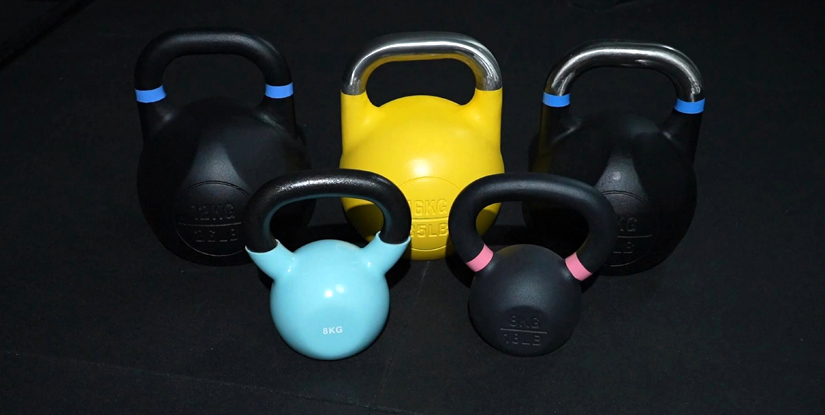
A critical aspect of a lifecycle assessment for any adjustable strength training gear is the resistance to mechanical fatigue. In high-volume commercial settings, the constant movement of internal weight plates can lead to accelerated wear and tear on the internal tracks and locking mechanisms. Procurement teams should verify that the manufacturer employs high-grade, corrosion-resistant materials for all moving parts to prevent seized components or unexpected failure.
Furthermore, the integrity of the exterior coating is a vital indicator of long-term value. While standard cast iron may only face surface oxidation, adjustable models often feature complex composite or powder-coated finishes that must withstand repeated impact and friction. If the coating integrity fails prematurely, it can expose the internal mechanisms to moisture and debris, significantly shortening the equipment's operational life. When sourcing from overseas manufacturers, prioritize those who demonstrate rigorous testing on coating adhesion and mechanical tolerances to ensure the product survives the rigors of a professional gym environment.
Structural Integrity and Mechanical Reliability in High-Traffic Environments
When outfitting high-volume facilities, procurement managers must look beyond the initial unit price of a kettlebell with adjustable weights. In demanding commercial gym settings, the primary concern shifts from simple weight increments to the mechanical reliability of the locking mechanisms and the long-term integrity of the modular weight systems.
A failure in the adjustment component does more than just disrupt a workout; it creates a liability and increases maintenance overhead. Evaluating the durability vs. initial cost is essential for calculating the true Total Cost of Ownership (TCO). A lower-cost unit that requires frequent part replacements or becomes unusable due to worn-out pins will ultimately yield a much lower ROI than a premium, robustly engineered system that maintains its structural stability over years of heavy use.
Comparing Adjustment Mechanisms for Commercial Longevity
Distributors and facility owners should evaluate the specific engineering behind each adjustment method to predict long-term maintenance cycles. While selectorized models offer the highest speed of use, modular plate systems often provide superior durability in high-impact environments due to their simpler mechanical profiles.
| Mechanism Type | Space Efficiency | Maintenance Frequency | Typical Commercial Use Case |
|---|---|---|---|
| Weight Plate Locking | High | Low | Heavy-duty strength training zones |
| Pin-Selection Systems | Moderate | Moderate | Boutique studios and HIIT classes |
| Selectorized/Dial Models | Very High | High | Limited-space hotel or residential gyms |
For high-traffic strength floors, weight plate locking systems are often the preferred choice for distributors because they minimize the number of moving parts susceptible to wear. Conversely, while selectorized gear maximizes space efficiency, the complexity of the internal dial or pin mechanism may necessitate a more rigorous inspection schedule to ensure long-term operational safety.
Surface Resilience and Component Lifecycles
Beyond the internal mechanism, the external durability of adjustable strength training gear dictates its longevity in a professional setting. Procurement decision-making should prioritize the quality of the exterior coating and the resilience of the handle housing. High-impact environments accelerate wear and tear, specifically through friction and oxidation, which can degrade the aesthetic and functional value of the equipment.
When vetting factory specifications, request data regarding coating durability and impact resistance. A high-grade powder coating or heavy-duty polyurethane shell is essential to prevent chipping and rust, especially in facilities with high humidity or intensive cleaning protocols. A robust exterior extends the replacement cycles of the equipment, ensuring that the modular components remain securely seated and aesthetically acceptable for a longer period. For large-scale distributors, selecting gear with superior surface integrity reduces the frequency of customer returns and protects the long-term reputation of the product line.
Footprint Optimization and Facility Layout Efficiency
Maximizing usable square footage is a critical variable for facility managers balancing high-density training zones with premium user experiences. Utilizing a kettlebell with adjustable weights allows operators to consolidate multiple traditional iron bell sets into a single, compact station, significantly increasing floor space efficiency.
Strategic Advantages of Modular Weight Systems
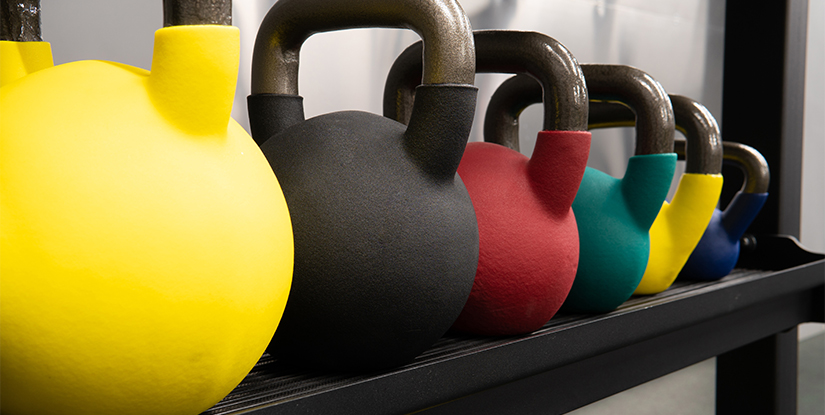
In boutique studios or high-end hotel gyms where real estate costs are at a premium, traditional fixed-weight racks often create dead zones. Integrating modular weight systems transforms the strength training area by replacing bulky, linear shelving with versatile, multi-weight units. This transition optimizes the commercial gym layout, allowing for more fluid movement patterns and a more open, high-end aesthetic. For distributors and wholesalers, offering these space-saving solutions addresses a direct pain point for clients facing limited facility footprints.
When evaluating the long-term commercial fitness equipment ROI, procurement specialists must weigh the immediate unit cost against the long-term benefits of equipment density. While fixed sets are standard, they often require expansive footprint management and frequent inventory expansion as client demographics shift.
Durability and Long-Term Maintenance Cycles
For commercial facility owners, the primary concern with adjustable strength training gear is the degradation of internal locking mechanisms or weight-selection components. While traditional cast iron is virtually maintenance-free, a premium kettlebell with adjustable weights relies on precision engineering to withstand repetitive high-impact movements. High-quality manufacturing—specifically focusing on the integrity of the weight-plate interface and the robustness of the handle assembly—is essential to prevent mechanical failure during heavy swings or snatches.
From a distributor perspective, sourcing units with reinforced structural components can significantly reduce warranty claims and post-sale support requests. When assessing commercial fitness equipment ROI, the goal is to find the equilibrium between the versatility of a modular system and the ruggedness required for heavy-use commercial settings. Investing in high-grade materials ensures that the equipment remains a functional asset rather than a maintenance liability over several years of operation.
Maximizing Floor Space and Asset Longevity
Transitioning from traditional fixed-weight sets to a kettlebell with adjustable weights allows facility managers to significantly optimize their floor area. By replacing dozens of individual SKUs with high-quality modular weight systems, operators can reclaim valuable square footage for functional training zones or high-traffic movement paths, directly improving the overall facility layout.
From a procurement standpoint, the shift toward adjustable strength training gear is a strategic move to enhance commercial fitness equipment ROI. Instead of managing the logistics and replacement cycles of multiple single-weight bells, a single modular unit covers a broad resistance spectrum. This reduction in inventory complexity lowers long-term storage requirements and streamlines the restocking process for distributors and gym owners alike.
| Inventory Model | Space Requirement | Maintenance Complexity | Asset Lifecycle Value |
|---|---|---|---|
| Traditional Fixed Sets | High (Large footprint) | Moderate (Multiple units) | Standard |
| Modular Weight Systems | Low (Compact storage) | Low (Centralized parts) | High (Versatile utility) |
Technical Risk Assessment: Mechanical Components and Wear Patterns
When sourcing adjustable strength training gear, procurement managers must evaluate the mechanical integrity of the weight-selection mechanism. Unlike static iron bells, modular units rely on internal locking pins, selector pins, or threaded collars that are subject to constant kinetic stress. A failure in these mechanical components can lead to weight shifts during high-velocity swings, posing a significant liability for commercial facilities.
To ensure long-term reliability, assess the durability standards regarding impact resistance and friction. High-use environments typically experience accelerated wear and tear on moving parts. Establishing a preventative maintenance schedule is essential to mitigate the risk of mechanical fatigue. We recommend evaluating the following maintenance cycles based on typical commercial usage patterns:
| Configuration Type | Primary Wear Point | Typical Maintenance Cycle | Risk Level |
|---|---|---|---|
| Pin-Selector Systems | Spring-loaded pins/housing | Quarterly visual inspection | Low to Moderate |
| Dial-Adjustment Systems | Internal gear/dial friction | Bi-annual lubrication check | Moderate |
| Manual Plate-Loading | Handle/Collar interface | Per-use inspection | Minimal |
For distributors and large-scale buyers, selecting units with reinforced housing and high-grade coatings will extend the asset's functional life and reduce the frequency of replacement orders.
Supply Chain Integrity and Bulk Procurement Standards
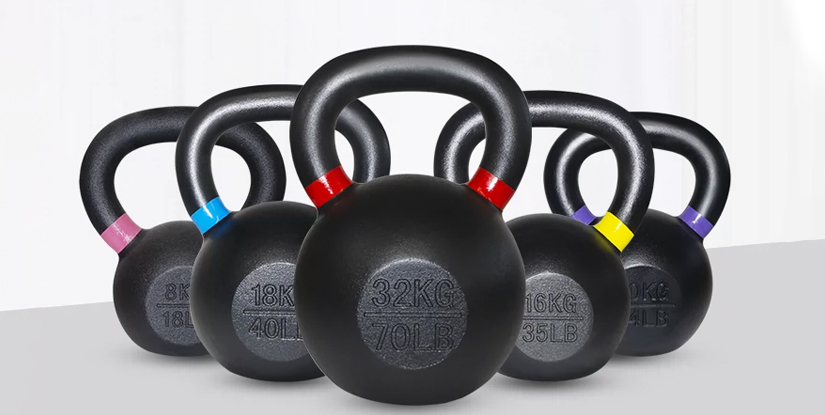
When managing high-volume orders for a kettlebell with adjustable weights, the complexity of the product architecture requires a rigorous approach to quality control (QC). Because these units consist of multiple moving parts rather than a single cast iron shell, the risk of shipping damage or manufacturing defects is higher during bulk transit. Distributors should mandate a multi-stage inspection process that goes beyond aesthetic checks to verify component integrity and mechanical precision.
Effective procurement strategies must also account for the long-term availability of replacement parts. A common pitfall in sourcing modular weight systems is the inability to source individual pins, collars, or weight plates after the initial order. To protect your investment and ensure uninterrupted service for end-users, confirm that the manufacturer maintains a consistent production line for spare components. A robust supply chain partnership includes a clear protocol for part replacement, ensuring that a single worn component does not render the entire unit obsolete.
Finally, consider the logistics of weight distribution during shipping. High-density modular components can lead to uneven load distribution in freight containers if not packaged correctly. Request detailed packing specifications to ensure that high-value adjustable strength training gear arrives without structural deformation, preserving the long-term durability of the internal locking mechanisms.
Sourcing and Quality Control for Global Wholesale Orders
When procuring a kettlebell with adjustable weights for large-scale distribution or facility outfitting, the focus must shift from individual user experience to structural reliability. For B2B buyers, the primary risk lies in the mechanical integrity of the weight-locking mechanisms during high-frequency commercial use.
Mitigating Risks in Modular Weight Systems
Reliable modular weight systems require strict adherence to manufacturing tolerances to prevent weight shifting or component failure. In a commercial gym setting, even a minor deviation in the fit of the internal plates can lead to catastrophic mechanical failure. This is why vetting factory capability regarding safety standards is non-negotiable. High-quality adjustable strength training gear must undergo rigorous stress testing to ensure that the locking pins or threaded collars can withstand repetitive impact and heavy swings without losing structural stability. Neglecting these technical specifications during the sourcing phase directly compromises your commercial fitness equipment ROI through increased replacement costs and potential liability issues.
Comparative Sourcing Models for Commercial Facilities
Procurement managers must weigh the immediate savings of traditional hardware against the long-term versatility of modular setups. The following comparison highlights the trade-offs between standard fixed inventory and advanced adjustable configurations to assist in calculating total cost of ownership.
| Sourcing Model | Durability Profile | Maintenance Needs | Long-term ROI Potential |
|---|---|---|---|
| Standard Cast Iron | High (Single-piece construction) | Minimal (Surface inspection only) | Moderate (Low initial cost; high footprint) |
| Basic Modular Systems | Moderate (Moving parts/pins) | Periodic (Bolt tightening/lubrication) | High (Saves floor space/inventory) |
| High-End Adjustable Systems | High (Precision-engineered locking) | Low (Standard mechanical check) | Very High (Maximum versatility per sq. ft.) |
While fixed bells offer unmatched structural simplicity, investing in high-grade adjustable strength training gear often yields superior returns in boutique studios or multi-functional training zones. By reducing the sheer volume of SKUs required, distributors can optimize shipping density and minimize the footprint required for high-density training environments.
Vetting Factory Protocols and Logistics Stability
Successful large-scale procurement depends on more than just a low unit price; it requires a rigorous audit of the manufacturer’s operational standards. Before committing to a high-volume order, distributors should verify the factory’s MOQ flexibility and their specific QC protocols regarding component compatibility. It is critical to ensure that replacement plates or locking mechanisms are standardized across production runs to prevent mismatched parts during long-term maintenance cycles.
Furthermore, factory inspection should prioritize the testing of shipping stability. Because modular units often arrive in high-density configurations, the packaging must be engineered to prevent vibration-induced wear on precision threads during transit. Requesting a pre-shipment inspection that includes a stress test of the locking hardware can mitigate the risk of receiving defective units that would otherwise erode your commercial fitness equipment ROI. A transparent partnership with a manufacturer that provides documented tolerance reports ensures that your inventory remains reliable from the warehouse to the gym floor.