Are Adjustable Kettlebells Worth It | Evaluating the ROI Of
Establishing Your Procurement Criteria for Adjustable Weight Systems
For boutique studio owners or high-end hotel gym managers, the decision to transition from fixed sets to modular systems depends on more than just the initial invoice. While a single unit price may look attractive, determining if are adjustable kettlebells worth it requires a shift in perspective toward TCO (Total Cost of Ownership) and long-term facility layout efficiency.
In a high-traffic commercial gym setting, the true value of an adjustable system lies in its ability to provide footprint optimization. Instead of dedicating massive square footage to multiple heavy kettlebell racks, a single compact station can offer a full range of resistance. When calculating ROI, procurement specialists must weigh the higher upfront acquisition cost against the savings gained from reduced floor space requirements and the elimination of the need to replace multiple individual weight increments over time.
Evaluating Configuration Trade-Offs: Fixed vs. Modular Systems
To make an informed purchasing decision, buyers must differentiate between various weight delivery architectures. Each configuration offers distinct advantages regarding maintenance cycles and equipment density. For distributors or facility managers, understanding these trade-offs is essential to identifying the most effective gym space optimization equipment for their specific client needs.
The following table compares the primary configurations encountered in the wholesale market to assist in your technical evaluation:
| Configuration Type | Space Efficiency | Maintenance Requirement | Primary Use Case |
|---|---|---|---|
| Standard Fixed Kettlebells | Low (Requires extensive rack space) | Minimal (Durable cast iron/rubber) | Traditional strength training/High-volume gyms |
| Selectorized/Dial Systems | High (Compact single-unit footprint) | Moderate (Precision mechanism care) | Boutique studios/Limited-space boutique gyms |
| Plate-Loaded Adjustable | Medium (Requires plate storage) | Low to Moderate (Mechanical simplicity) | Performance centers/Hybrid training facilities |
While fixed sets are incredibly rugged, they lack the agility of versatile strength training tools like selectorized models. However, when sourcing commercial adjustable kettlebell benefits, procurement teams should note that modular systems often require more stringent quality control to ensure the long-term reliability of moving parts and weight-locking mechanisms.
Technical QC and Logistics Specifications
When sourcing at scale, technical oversight must extend beyond aesthetics to the structural integrity of the internal locking mechanisms. A failure in weight increment precision can lead to uneven loading, which compromises user safety and accelerates the maintenance cycle. Buyers should demand factory specifications that detail the metallurgical grade of the adjustment pins and the tolerance levels of the weight-selection components.
From a supply chain perspective, shipping logistics for adjustable units are often more complex than fixed cast iron due to the high shipping weight density of precision-engineered internal parts. When negotiating MOQ considerations with overseas manufacturers, ensure that the packaging is reinforced to protect delicate adjustment dials from impact during transit. High-quality durability in these systems is not just about the outer shell, but the resilience of the internal movement under heavy, repetitive use.
Analyzing the Footprint Advantage for Boutique and High-Density Facilities
For facility managers operating boutique studios or high-density training environments, square footage is the most expensive commodity. When deciding are adjustable kettlebells worth it, the primary calculation shifts from unit cost to the value of floor plan optimization. Traditional kettlebell sets require expansive, dedicated racks that consume significant floor area.
By integrating gym space optimization equipment, such as modular adjustable units, distributors and gym owners can achieve massive footprint reduction. This allows for more versatile training zones without the clutter of dozens of individual cast-iron weights. For premium studios where client flow and aesthetic openness are vital, a single compact station often replaces a massive, cumbersome weight tree.
| Storage Configuration | Footprint Impact | Setup Complexity | Ideal For |
|---|---|---|---|
| Traditional Fixed Sets | High (Large footprint) | Low | Large-scale commercial gyms |
| Tiered Fixed Racks | Moderate | Moderate | Standard strength zones |
| Adjustable Systems | Minimal (Optimized) | Low to Moderate | Boutique studios & high-density areas |
Effective layout planning requires a granular look at linear feet and rack footprint. A standard 12-piece fixed kettlebell set often necessitates a multi-tier rack spanning 4 to 6 linear feet to ensure accessibility and safety. In contrast, utilizing versatile strength training tools like adjustable models allows a facility to consolidate that same weight range into a single, compact station. This reduction in physical inventory volume directly translates to more usable training square footage for clients.
From a procurement standpoint, the commercial adjustable kettlebell benefits extend beyond just saving space; they allow for more dynamic floor layouts. Instead of a permanent, bulky weight station that dictates movement patterns, a single adjustable unit can be easily repositioned or integrated into a mobile functional training zone. For distributors and gym owners looking to maximize the ROI of small-format facilities, this ability to trade heavy, static inventory for compact, high-utility equipment is a decisive advantage.
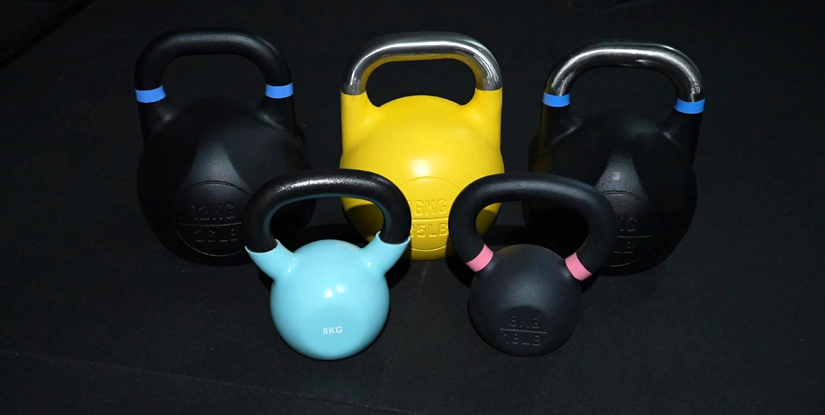
Scaling weight ranges without expanding your physical footprint is a critical factor in long-term inventory management. When procurement teams evaluate the capacity for growth, they must consider how much floor space is required to add the next tier of weight increments. Traditional fixed-weight progression often leads to a "clutter creep" where each new weight addition necessitates more rack space and larger storage footprints.
For distributors and wholesalers, the strategic advantage lies in the ability to offer highly scalable weight increments within a single SKU footprint. This high storage density is essential when designing facility layouts for urban gyms or hotel fitness centers where every square meter carries a high overhead. By choosing adjustable systems, buyers can effectively manage the trade-off between weight variety and physical volume, ensuring that the facility remains optimized for client movement even as the training intensity and weight requirements scale upward.
Mechanical Integrity and Load-Bearing Standards
When determining if adjustable kettlebells are worth the investment, the primary differentiator is the structural engineering of the weight selection mechanism. In high-traffic commercial gym settings, the device must withstand constant kinetic impact and rapid reconfiguration without compromising its mechanical integrity.
A professional-grade unit must feature a robust load-bearing capacity that exceeds the maximum weight setting to account for centrifugal forces during swings. Procurement managers should look for high-tensile steel components and precision-engineered locking systems that prevent accidental weight shifts. Low-quality alternatives often suffer from premature wear and tear in the adjustment pins or housing, leading to high replacement costs and diminished ROI for distributors and facility owners.
Mechanism Type and Maintenance Profiles
The longevity of your inventory depends heavily on the complexity of the adjustment interface. While sophisticated systems offer speed, they often introduce more points of failure. For distributors and gym owners, selecting the right mechanism is a trade-off between user convenience and long-term reliability.
Standard pin-lock systems and selector pins are favored in rugged commercial environments due to their simplicity. These mechanisms are inherently more durable because they rely on physical obstruction rather than complex internal gearing. In contrast, dial-based adjustments offer a more premium user experience but may require more frequent inspections to ensure internal components remain calibrated under heavy usage.
| Mechanism Type | Relative Durability | Maintenance Frequency |
|---|---|---|
| Pin-Lock Systems | High | Low (Annual Inspection) |
| Selector Pins | Very High | Minimal (Visual Checks) |
| Dial-Based Adjustments | Moderate | Periodic (Calibration) |
Understanding these commercial adjustable kettlebell benefits allows procurement specialists to predict the Total Cost of Ownership (TCO). For high-volume studios, prioritizing heavy-duty pin-based systems often yields a better long-term ROI by reducing technical downtime and replacement frequency.
Material Coating and Surface Integrity
Beyond the internal mechanics, the external composition dictates how long the equipment remains aesthetically and functionally viable. In high-use environments, the material coating durability is a critical metric for B2B buyers. Cheap powder coatings often chip or flake under the repetitive impact of floor drops or aggressive handling, exposing the underlying steel to oxidation and rust.
For facility owners, sourcing units with high-grade urethane or heavy-duty, impact-resistant coatings is essential to extend the replacement cycles of your inventory. These versatile strength training tools are often subjected to sweat, cleaning chemicals, and physical abrasion. Investing in superior surface finishes reduces the frequency of equipment turnover and ensures the gear maintains its professional appearance, protecting the long-term value of your facility's assets.
Comparing Total Cost of Ownership: Fixed vs. Adjustable Configurations
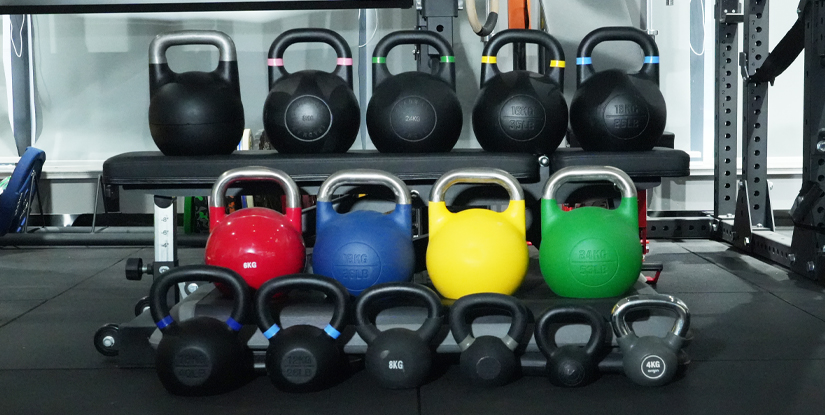
When determining if adjustable kettlebells are worth it, procurement managers must look beyond the initial CAPEX. A low unit price often masks high long-term OPEX caused by excessive storage needs or frequent replacement cycles. True value is found by calculating the total footprint and the versatility provided to the end-user.
| Procurement Factor | Traditional Fixed Sets | Commercial Adjustable Models |
|---|---|---|
| Initial CAPEX | Lower per-unit cost | Higher per-unit investment |
| Space Efficiency | High footprint requirement | Significant footprint reduction |
| Maintenance/Replacement | High volume of SKUs to track | Single mechanism to monitor |
| Long-term ROI | Diminishing as space becomes premium | High via gym space optimization equipment |
For distributors and facility owners, the commercial adjustable kettlebell benefits extend to logistics and floor planning. While a fixed set requires extensive racking and more square footage, an adjustable system offers versatile strength training tools within a compact profile. This optimization allows you to increase member capacity without expanding your physical facility footprint.
From a sourcing perspective, the decision between these two models often hinges on the scale of the facility and the expected turnover of equipment. Small boutique studios or high-end hotel gyms often prioritize high-quality, compact solutions, whereas large-scale commercial clubs may prioritize the durability of high-volume fixed sets. However, as urban real estate costs rise, the utility of gym space optimization equipment becomes a primary driver for procurement logic.
Scalability and Inventory Management
When evaluating the long-term utility of versatile strength training tools, buyers must consider how easily a facility can adapt to changing member demographics. A fixed set creates a rigid inventory where adding new weight increments requires purchasing entirely new units and dedicating additional floor space. In contrast, adjustable configurations allow a facility to scale its weight ranges upward or downward without the logistical burden of managing dozens of individual SKUs or expanded storage racks.
| Configuration Type | Space Requirement | Replacement Frequency | Scalability |
|---|---|---|---|
| Standard Fixed Sets | Extensive (Racks/Shelving) | Moderate (High volume wear) | Low (Requires new SKUs) |
| Commercial Adjustable | Minimal (Single footprint) | Low (Mechanism-dependent) | High (Weight range expansion) |
For distributors, the ability to offer high-performance adjustable systems can differentiate a catalog from basic, low-margin fixed steel weights. While the initial price per unit is higher, the reduction in shipping volume and the ability to provide a multi-weight solution in a single package often results in a more favorable long-term cost-to-utility ratio for the end-user.
Mechanical Durability and Maintenance Cycles
A critical variable in the procurement lifecycle is the distinction between replacing individual weight plates versus managing a single mechanical unit. While fixed kettlebells are nearly indestructible, they necessitate a high volume of SKU tracking. Adjustable models, however, introduce a central mechanism that requires a different maintenance mindset. Buyers must evaluate the mechanical wear potential of the adjustment locking systems to ensure they meet commercial grade standards.
High-quality commercial adjustable kettlebells are engineered for longevity, but distributors should verify the maintenance cycles of the internal components. A robust design minimizes the need for frequent adjustments, ensuring the device remains a reliable asset rather than a liability. When assessing procurement longevity, prioritize models where the weight-selection mechanism is protected from debris and heavy impact, as this prevents the rapid depreciation often seen in lower-tier, consumer-grade adjustable gear.
Sourcing Logistics and Bulk Ordering Considerations for Distributors
Procuring adjustable weight systems requires a sophisticated understanding of the relationship between product density and freight economics. For distributors, the logistical complexity extends beyond simple unit counts to the management of volumetric weight and specialized packaging requirements for high-value strength training tools.
Managing Shipping Volume vs. Weight
A critical factor in the procurement of adjustable kettlebells is the density consideration regarding the weight-to-volume ratio. Unlike traditional cast iron kettlebells, adjustable models often incorporate complex mechanical components or modular plates that increase the package volume. This creates a tension between shipping volume vs. weight; while the actual weight drives ocean freight costs, the bulky nature of the specialized housing can significantly increase air freight or LCL (Less than Container Load) expenses due to dimensional weight calculations.
A smart distributor procurement strategy involves balancing these variables to optimize container utilization. While commercial adjustable kettlebell benefits include high utility per square foot of gym space, the initial import stage requires precise coordination. Buyers must evaluate whether the higher density of certain modular designs justifies the increased freight spend or if a more compact, modular assembly approach offers a better landed cost for large-scale facility deployments.
Evaluating Sourcing Models: OEM vs. Ready-to-Ship
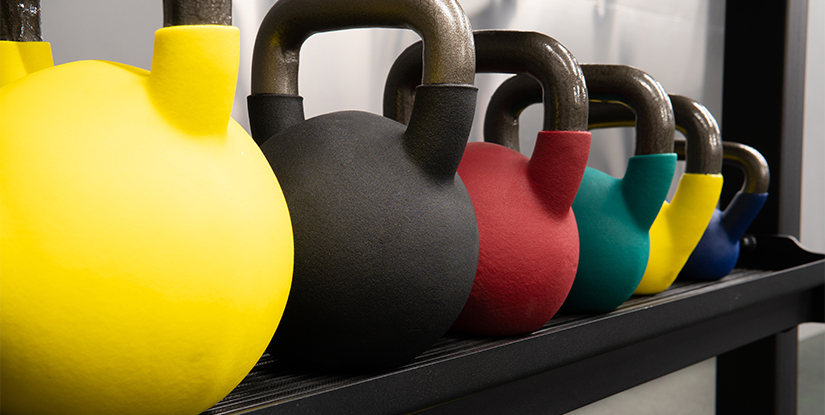
Distributors must decide between customizing a product line via Original Equipment Manufacturing (OEM) or maintaining agility through wholesale ready-to-ship inventory. This decision directly impacts your capital allocation, inventory turnover, and the ability to meet specific commercial gym branding requirements.
| Sourcing Model | Typical MOQ | Lead Time | Logistics Complexity |
|---|---|---|---|
| OEM Manufacturing | High (Customized Specs) | 45–75+ Days | High (Custom packaging & branding) |
| Wholesale/Ready-to-Ship | Low to Moderate | 7–14 Days | Low (Standardized palletized shipping) |
Choosing the OEM route allows for specialized mechanical configurations or unique weight increments, which can differentiate your catalog in a crowded market. However, this requires significant upfront investment and longer planning horizons. Conversely, purchasing ready-to-ship stock is ideal for rapid response to sudden facility demands or testing new markets with minimal risk. For distributors focusing on gym space optimization equipment, the ability to quickly pivot between different modular designs is often more valuable than long-term custom manufacturing cycles.
Rigorous Quality Control for Mechanical Precision
When sourcing adjustable strength equipment, the primary risk to long-term ROI is mechanical failure of the adjustment mechanism. Unlike static iron, these tools rely on moving parts that must withstand repetitive stress. To minimize return rates and protect your brand reputation, ensure your manufacturing partners implement strict quality control (QC) protocols specifically for the internal locking systems and plate engagement mechanisms.
A professional inspection checklist for high-end adjustable kettlebells should include:
- Durability Testing: Stress testing the selection dial or sliding mechanism to ensure smooth operation under full load.
- Locking System Verification: Rigorous inspection of the weight plates and pin engagement to prevent accidental weight shifts during high-intensity training.
- Tolerance Checks: Verifying that modular plates fit precisely within the housing to prevent rattling or uneven weight distribution.
- Material Integrity: Testing the resistance of the exterior casing to impact and high-frequency usage in commercial environments.
For distributors, investing in these detailed inspection requirements during the factory stage is significantly more cost-effective than managing high return rates or processing warranty claims for faulty mechanical components after the product has reached the end-user facility.
Mitigating Common Procurement Errors in Variable Weight Equipment
When evaluating the total cost of ownership, procurement managers must look beyond the initial purchase price to the long-term reliability of the internal components. A primary concern in high-traffic facilities is the inherent mechanical complexity found in many adjustable models, which can lead to unexpected downtime if not properly vetted.
The Risk of Mechanical Failure
The core of the debate regarding whether are adjustable kettlebells worth it often centers on the durability of the weight selection mechanism. Unlike traditional cast iron, these units rely on moving parts, pins, or sliding plates to transition between increments. In a commercial environment, constant use introduces significant wear and tear on these internal systems. If a distributor sources low-grade components, the mechanism may jam or fail under heavy use, rendering the unit unusable. To ensure true commercial durability, buyers should prioritize units with reinforced locking systems and high-grade steel components to mitigate the risk of mechanical breakdown during high-intensity training sessions.
Mechanism Comparison and Maintenance Profiles
Selecting the right mechanism involves a trade-off between speed of transition and mechanical longevity. For facility owners, understanding the maintenance frequency of different systems is essential for calculating the long-term TCO. While dial-based systems offer the highest speed, they often require more precise quality control during the manufacturing phase to prevent jamming.
| Mechanism Type | Maintenance Frequency | Failure Risk Profile |
|---|---|---|
| Plate-Loading (Manual) | Low | Minimal (Static components) |
| Selector Pin System | Moderate | Low (Spring/Pin wear) |
| Dial-Based (Internal) | High | Moderate (Mechanical jamming) |
From a procurement standpoint, plate-loading systems offer the highest reliability for heavy-use environments, whereas dial-based systems provide superior efficiency for boutique studios. When sourcing, request detailed specifications regarding the grade of steel used in the internal tracks to ensure the equipment remains a functional asset rather than a liability.
Essential QC Inspection and Upkeep Protocols
To protect your investment in these versatile strength training tools, implement a rigorous inspection schedule. For commercial gym settings, the longevity of the equipment depends on proactive oversight of structural integrity and moving parts. During initial receiving and quarterly audits, focus on these critical QC inspection points:
- Structural Integrity: Inspect the outer shell and handle attachment points for micro-cracks or deformation that could indicate material fatigue.
- Weight Stability: Verify that all internal weight plates remain seated and secure during rapid movement to prevent shifting.
- Lubrication Requirements: Check if the manufacturer specifies a dry lubricant for sliding mechanisms; applying improper oils can attract grit and cause premature failure in the weight selection track.
A disciplined maintenance approach ensures that your gym space optimization equipment continues to deliver value without the high cost of frequent replacements or sudden mechanical failures.