Adjustable Kettlebell vs Standard | Adjustable vs Standard
Analyzing Lifecycle Costs and Long-Term Value Proportions
When evaluating the financial impact of an adjustable kettlebell vs standard models, procurement managers must look beyond the initial invoice. A strategic assessment requires checking three critical checkpoints: the risk of mechanical failure in adjustment mechanisms, the technical specification compatibility with existing programming, and the long-term logistics of restocking heavy individual units. Understanding these variables prevents unexpected capital expenditure (CapEx) spikes during facility expansion or equipment upgrades.
In a high-traffic commercial gym setting, the decision often hinges on the trade-off between upfront investment and equipment density. While standard kettlebells offer a lower entry price, they require significant floor space and frequent replacement cycles as client demographics shift toward heavier loads. Conversely, adjustable units optimize square footage but demand higher quality control during the sourcing phase to ensure mechanism durability.
| Procurement Factor | Standard Kettlebell Set | Adjustable Kettlebell System |
|---|---|---|
| Initial CapEx | Low per unit cost | Higher per unit investment |
| Replacement Frequency | High (as weight ranges evolve) | Low (versatile weight increments) |
| Equipment Density | Low (requires large storage racks) | High (compact footprint) |
| Maintenance Profile | Minimal (solid cast iron/steel) | Moderate (moving parts/locking pins) |
For distributors and boutique studio owners, the total cost of ownership is rarely about the price of a single SKU. It is a calculation of how many individual pieces must be shipped, stored, and replaced over a five-year lifecycle. Choosing the right configuration ensures that your inventory remains relevant to user progression without constant reordering costs.
From a logistics standpoint, the footprint of your inventory directly impacts your shipping and warehousing overhead. While standard kettlebells are heavy, single-material units, they are predictable in terms of volume and stacking. Adjustable systems, however, offer a superior ratio of weight-to-volume, allowing for more efficient shipping density and reduced storage requirements in high-rent boutique environments.
When sourcing for a large-scale facility, consider the maintenance-to-versatility ratio. A standard cast iron set is virtually indestructible, making it ideal for high-impact, rugged training environments where mechanical failure is not an option. In contrast, an adjustable model requires a higher standard of quality control regarding the locking mechanisms and weight-plate stability to ensure long-term reliability and user safety during rapid transitions.
Optimizing Inventory Velocity and Logistics Efficiency
For wholesalers and large-scale distributors, the adjustable kettlebell vs standard debate extends into the warehouse. Managing a diverse range of standard iron weights requires high SKU counts and expansive storage, which can slow down inventory turnover. In contrast, a streamlined selection of adjustable units improves group fitness gear density by consolidating multiple weight increments into a single product line.
This consolidation significantly optimizes shipping volume and reduces the complexity of international freight. Rather than managing dozens of heavy, single-weight SKUs, procurement teams can focus on a more agile inventory model. When evaluating MOQ considerations, distributors should note that while adjustable systems may have higher minimums due to technical complexity, the reduction in total units required to cover a full weight spectrum often leads to a more efficient supply chain and lower long-term warehousing overhead.
Optimizing Studio Equipment Versatility Through Weight Range Selection
When evaluating adjustable kettlebell vs standard configurations, the primary differentiator for facility managers is the physical footprint. In high-density training environments, the choice between fixed weights and adjustable systems directly dictates your boutique studio layout efficiency and long-term floor space optimization.
Standard kettlebell sets require extensive rack systems or expansive floor areas to accommodate a full progression of weights. Conversely, utilizing adjustable models enhances studio equipment versatility by consolidating multiple weight increments into a single station. This reduction in equipment volume allows distributors and studio owners to maximize usable square footage, facilitating higher class capacities without increasing the facility's physical dimensions.
| Spatial Metric | Standard Kettlebell Set | Adjustable Kettlebell System |
|---|---|---|
| Storage Footprint | High (Requires multi-tier racks) | Low (Single station/compact base) |
| Floor Space Utility | Fixed zones per weight class | Dynamic/Multipurpose zones |
| Mobility/Setup | Labor-intensive movement | Rapid weight transitions |
For procurement specialists, the decision hinges on the trade-off between weight range coverage and equipment density. While a standard set provides a predictable, fixed weight for every user, it demands a larger inventory footprint. An adjustable system optimizes the ratio of weight options to physical volume, which is a critical factor in commercial kettlebell selection for boutique settings where square footage is at a premium.
| Feature Requirement | Standard Kettlebell Configuration | Adjustable Kettlebell Configuration |
|---|---|---|
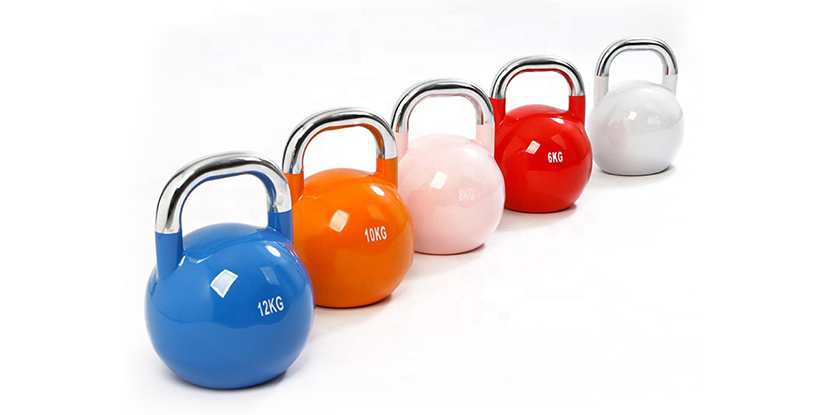
| Weight Range Coverage | Linear increments (e.g., 4kg to 32kg) | Variable increments within a single unit |
| Equipment Density | Low (High SKU count per m²) | High (Consolidated weight profiles) |
| Storage Footprint | Extensive (Tiered racks/floor space) | Minimal (Single base or compact station) |
| Inventory Management | Complex (Multiple SKUs/weight classes) | Streamlined (Single SKU/adjustable range) |
When sourcing for a high-traffic studio, consider that while adjustable units reduce the total number of items to track, the complexity of the mechanism requires strict quality control. For distributors, offering a system that delivers high weight range coverage within a small storage footprint can be a significant competitive advantage when selling to urban fitness facilities with limited square footage.
Strategic Procurement: Balancing ROI and Scalability
The final procurement decision should weigh the immediate capital expenditure against long-term group fitness gear density. While standard kettlebells offer a lower initial unit cost and extreme durability, they create a rigid facility layout optimization challenge as your client base grows. Scaling a traditional set requires adding more racks and more floor real estate, which can stifle expansion in premium urban markets.
In contrast, investing in adjustable systems provides superior space-saving benefits and rapid scalability. For a boutique studio, the ability to transition from a strength-focused class to a high-rep metabolic conditioning session without rearranging heavy racks maximizes revenue per square foot. When negotiating with manufacturers, focus on the mechanism's reliability; a high-quality adjustable unit serves as a high-yield asset that optimizes the space-to-utility ratio, ensuring your inventory remains lean, versatile, and highly functional.
Evaluating Group Fitness Gear Density and Floor Plan Efficiency
Optimizing the layout of a boutique studio requires a strategic balance between equipment variety and available square footage. When deciding between an adjustable kettlebell vs standard configurations, procurement managers must weigh the immediate footprint of individual units against the long-term necessity of diverse weight increments for class programming.
Standard kettlebells offer a predictable, fixed footprint, but a full range of weights demands significant storage density and expansive rack systems. In contrast, adjustable models enhance studio equipment versatility by condensing multiple weight increments into a single unit. While this improves floor plan efficiency, buyers should evaluate how the specialized storage requirements of adjustable systems might impact the overall movement flow within high-traffic training zones.
For distributors and facility owners, the decision often hinges on the trade-off between the high-density storage of adjustable systems and the rugged, low-maintenance reliability of fixed sets. The following comparison assists in calculating the necessary footprint for various facility models.
| Metric | Standard Kettlebell Sets | Adjustable Kettlebell Systems |
|---|---|---|
| Storage Footprint | High; requires multi-tier racks for full weight ranges. | Low; single unit replaces multiple fixed SKUs. |
| Weight Range Coverage | Fixed increments; limited by physical rack capacity. | Broad spectrum; multiple increments in one unit. |
| Space Optimization | Requires dedicated, expansive floor zones. | Ideal for compact studios and mobile training. |
| Deployment Speed | Rapid; no mechanical adjustment required. | Slower; requires time for weight transitions. |
When sourcing for high-density environments, such as hotel gyms or small boutique studios, the ability to consolidate weight increments can significantly reduce shipping volumes and storage costs per square meter. However, procurement teams must ensure that the chosen adjustable mechanism meets commercial durability standards to avoid downtime during high-intensity sessions.
For large-scale distributors and facility managers, the commercial kettlebell selection process must account for long-term scalability and vertical space utilization. While standard sets rely heavily on horizontal rack depth, adjustable systems allow for a more streamlined profile, often freeing up vertical space for other functional training tools or specialized flooring. This makes them a superior option for urban facilities where square footage carries a high premium.
A critical procurement decision involves calculating group fitness gear density against the expected class turnover. If your programming involves rapid-fire weight changes, the density of a standard rack might be more efficient for throughput. However, if the goal is to maximize the number of usable training stations in a limited footprint, investing in high-quality, high-density storage solutions for adjustable models provides a much higher ROI by reducing the total equipment volume required to serve a diverse client base.
Mechanical Durability and Maintenance Requirements for Adjustable Systems
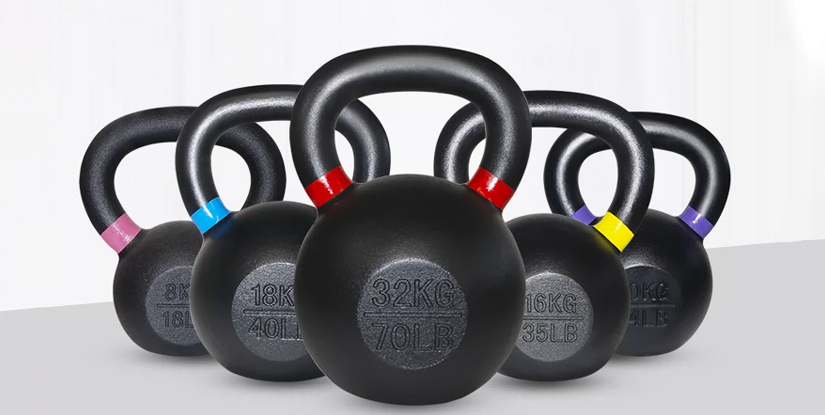
When evaluating the long-term lifecycle of studio inventory, the primary distinction lies in mechanical complexity. Standard kettlebells are typically composed of solid cast iron or steel, offering a monolithic structure that is virtually indestructible under standard commercial use. Conversely, adjustable models introduce various moving parts, such as selector pins, weight plates, and locking mechanisms, which introduce new variables into your maintenance schedule.
For high-traffic boutique studios, the trade-off involves balancing space-saving benefits against potential wear and tear. While a solid cast iron bell requires zero upkeep beyond surface cleaning, an adjustable mechanism requires rigorous quality control to ensure the internal components remain functional after repeated adjustments. For distributors, this means assessing the commercial durability of the adjustment tracks and the resilience of the housing against impact-induced fatigue.
To assist procurement managers in calculating total cost of ownership (TCO), the following comparison outlines the structural differences and expected upkeep between these two equipment types. This technical breakdown focuses on the durability of the internal mechanics versus the simplicity of traditional casting.
| Structure Type | Maintenance Frequency | Common Failure Points | Lifespan Expectancy |
|---|---|---|---|
| Standard (Cast Iron/Steel) | Minimal (Surface cleaning) | Handle oxidation or coating chips | High (Decades of use) |
| Adjustable (Selector/Plate System) | Periodic (Mechanism inspection) | Selector pins, locking tracks, or internal rails | Moderate (Dependent on mechanical cycles) |
When sourcing for high-intensity functional training zones, buyers must account for the mechanical fatigue inherent in adjustable systems. While standard bells offer extreme durability for high-impact environments, adjustable models provide superior equipment density for studios with limited square footage, provided the manufacturer implements high-grade steel reinforcement in the adjustment mechanisms.
From a procurement standpoint, calculating the long-term ROI requires looking beyond the initial unit price. While standard kettlebells present a lower entry cost and nearly zero maintenance cycles, the inventory density gained from adjustable systems can significantly reduce a facility's footprint. However, distributors and studio owners must factor in the potential cost of replacement parts, such as specialized pins or plates, which are not a concern with monolithic cast iron. To maximize studio equipment versatility without compromising the budget, we recommend prioritizing manufacturers that offer modular components. This ensures that a single mechanical failure does not render the entire unit obsolete, maintaining a high level of functional utility throughout the equipment's lifecycle.
Sourcing Strategies for High-Volume Wholesale Distribution
When managing large-scale procurement, the decision between an adjustable kettlebell vs standard configurations hinges on the balance between specialized programming and logistical efficiency. For distributors and facility owners, this choice directly dictates long-term inventory footprint and the complexity of the supply chain.
Optimizing Inventory Density and Logistics
Standard kettlebells offer high durability and predictable shipping volume, but they require significantly more floor space and rack infrastructure. In contrast, adjustable models enhance studio equipment versatility by providing multiple weight increments within a single unit, effectively increasing group fitness gear density. While adjustable units reduce the total number of SKUs required to cover a weight range, they often involve more complex mechanical components that require strict quality control during factory inspections.
| Metric | Standard Kettlebell Sets | Adjustable Kettlebell Systems |
|---|---|---|
| Inventory Footprint | High (Requires extensive racking) | Low (Compact storage) |
| Shipping Volume | Large (Bulky, high weight-to-size ratio) | Optimized (Higher density per pallet) |
| SKU Complexity | High (Individual weights per SKU) | Low (Single unit covers multiple weights) |
| Maintenance Needs | Minimal (Solid cast iron/steel) | Moderate (Moving parts/locking mechanisms) |
For high-volume wholesale orders, procurement managers must weigh the lower unit cost of standard iron against the space-saving advantages of adjustable technology. Selecting the right mix ensures that the facility can scale its offerings without exponentially increasing its physical storage requirements.
Evaluating the Total Cost of Ownership (TCO) requires looking beyond the initial purchase order. While standard units present a lower entry price per kilogram, the hidden costs of expanded storage footprints and multi-SKU management can impact a distributor's bottom line. Conversely, the higher upfront cost of adjustable systems is often offset by reduced shipping overhead and increased versatility for boutique studio clients.
TCO and Procurement Efficiency Comparison
| Economic Variable | Standard Iron/Cast Models | Adjustable Modular Systems |
|---|---|---|
| Unit Cost | Low (Cost-effective for bulk) | Higher (Premium per unit) |
| Storage Density | Low (Requires large footprint) | High (Maximizes floor space) |
| Maintenance | Near Zero (Solid construction) | Periodic (Mechanism checks) |
| SKU Management | Complex (Multiple weight units) | Streamlined (Single SKU range) |
A strategic commercial kettlebell selection should prioritize the end-user's programming. For heavy-duty strength facilities, standard weights offer unmatched durability. For boutique studios where space is a premium, the versatility of adjustable models provides a competitive edge in equipment density and client turnover efficiency.
Prioritizing Mechanical Integrity and Quality Control
When sourcing adjustable models, the primary risk shifts from material thickness to the reliability of mechanical components. Unlike static cast iron, adjustable systems rely on precision-engineered locking mechanisms and internal weight-shifting tracks. To mitigate the risk of mechanical failure in high-traffic commercial settings, buyers should demand rigorous durability testing documentation from the manufacturer.
During the procurement process, verify the following technical specifications to ensure long-term ROI:
- Weight Increment Precision: Ensure the mechanism provides consistent, calibrated transitions without manual error or weight drift.
- Mechanical Component Tolerance: Confirm that moving parts are constructed from high-grade, wear-resistant alloys capable of thousands of cycles.
- Strict Quality Control (QC): Request batch testing reports that specifically address the stability of the handle and the security of the weight housing under impact.
For wholesale distributors, negotiating a reasonable MOQ is often a lever to secure more customized QC protocols. High-volume orders should include a requirement for randomized stress testing of the adjustment interfaces to prevent high return rates caused by faulty mechanisms. Prioritizing these technical standards ensures that the versatility of the equipment does not compromise the safety of the end-user.
Programming Compatibility and User Experience Standards
When evaluating adjustable kettlebell vs standard configurations, facility managers must weigh the trade-offs between rapid weight transitions and long-term mechanical reliability. The choice directly influences studio equipment versatility and the long-term operational overhead required to keep a high-traffic floor functional.
Operational Impact: Density vs. Maintenance
Standard cast iron kettlebells offer high group fitness gear density because they are virtually indestructible, requiring almost zero maintenance cycles beyond basic cleaning. However, a full set of fixed weights consumes significant square footage, limiting space optimization in boutique environments. Conversely, adjustable models maximize studio equipment versatility by providing multiple weight increments within a single footprint, yet they introduce mechanical variables—such as selector pins or dial mechanisms—that require periodic inspection to ensure safety and smooth transitions during high-intensity interval training (HIIT) or strength sessions.
| Feature Metric | Standard Fixed Kettlebells | Adjustable Kettlebell Systems |
|---|---|---|
| Maintenance Frequency | Minimal (Surface Cleaning) | Moderate (Mechanical Inspection) |
| Footprint Efficiency | Low (Requires Large Racks) | High (Compact Storage) |
| Durability Profile | High (Impact Resistant) | Variable (Mechanism Dependent) |
| Class Flow Speed | Slower (Weight Swapping) | Faster (Rapid Adjustments) |
Technical Durability and TCO Analysis
A critical component of commercial kettlebell selection is the assessment of structural integrity over a multi-year lifecycle. Standard models consist of a single-piece cast iron or steel body, making them highly resistant to the wear and tear typical of heavy floor drops and high-volume usage. For distributors and gym owners, this translates to a predictable, low-cost replacement frequency, as there are virtually no moving parts to fail.
In contrast, adjustable systems rely on mechanical parts—such as locking pins, weight plates, or internal tracks—to function. While these systems offer superior space-saving benefits, they introduce a higher degree of technical complexity. Procurement managers must account for the potential degradation of adjustment mechanisms under rigorous use. When calculating Total Cost of Ownership (TCO), the initial lower footprint cost of adjustable models should be balanced against the necessity for more frequent technical audits to ensure the mechanism remains secure and the weight distribution stays balanced during dynamic movements.
Strategic Procurement Recommendation
Final selection depends entirely on your facility's specific programming model and square footage constraints. For high-traffic environments like traditional strength gyms or heavy-duty CrossFit boxes, sourcing standard cast iron sets remains the safest bet for long-term ROI due to their extreme impact resistance and negligible maintenance needs.
However, for boutique studios or hospitality fitness centers where floor space is a premium, investing in high-quality adjustable systems is highly recommended. While these require a more diligent B2B sourcing approach to ensure mechanical durability, the gains in studio equipment versatility and footprint efficiency often outweigh the increased inspection frequency. When ordering at scale, prioritize manufacturers that offer robust, tested locking mechanisms to mitigate wear in fast-paced class environments.