
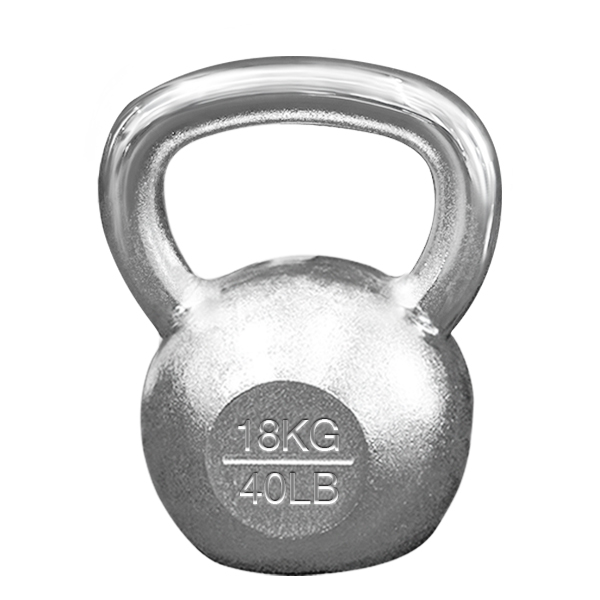
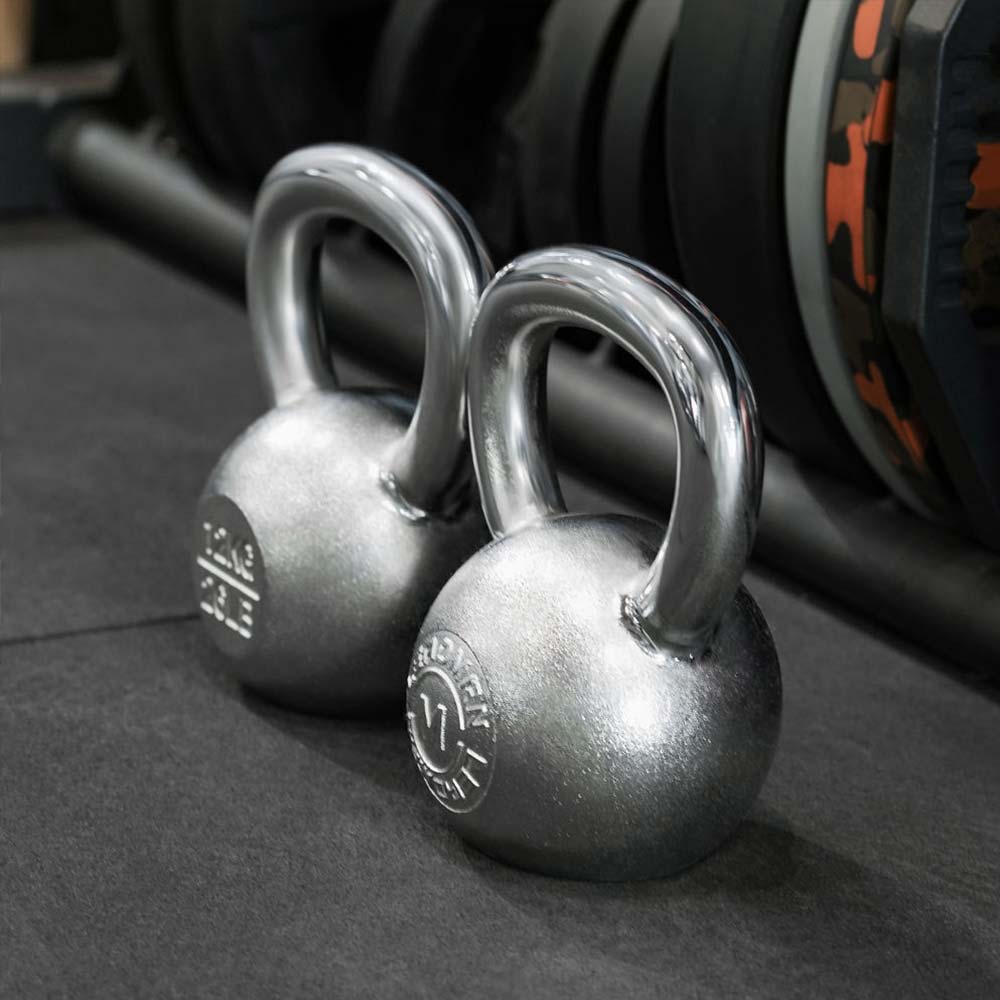
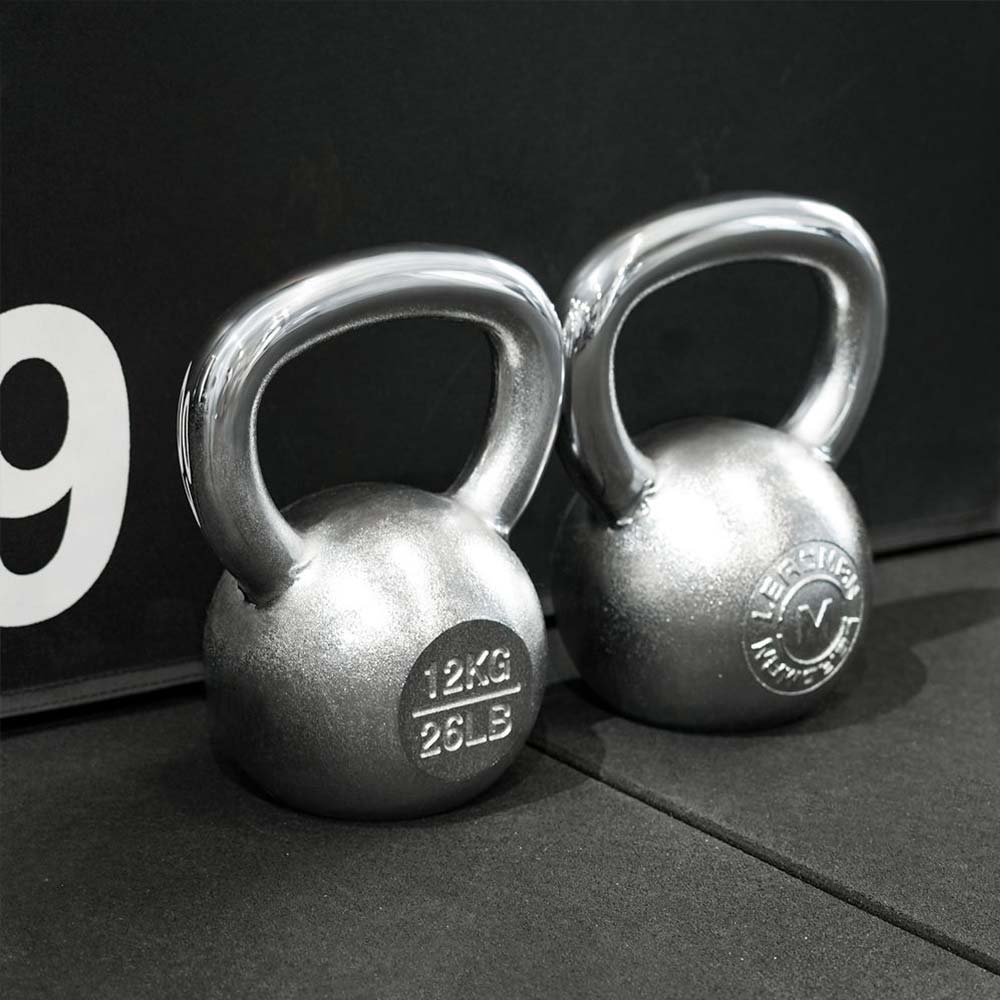
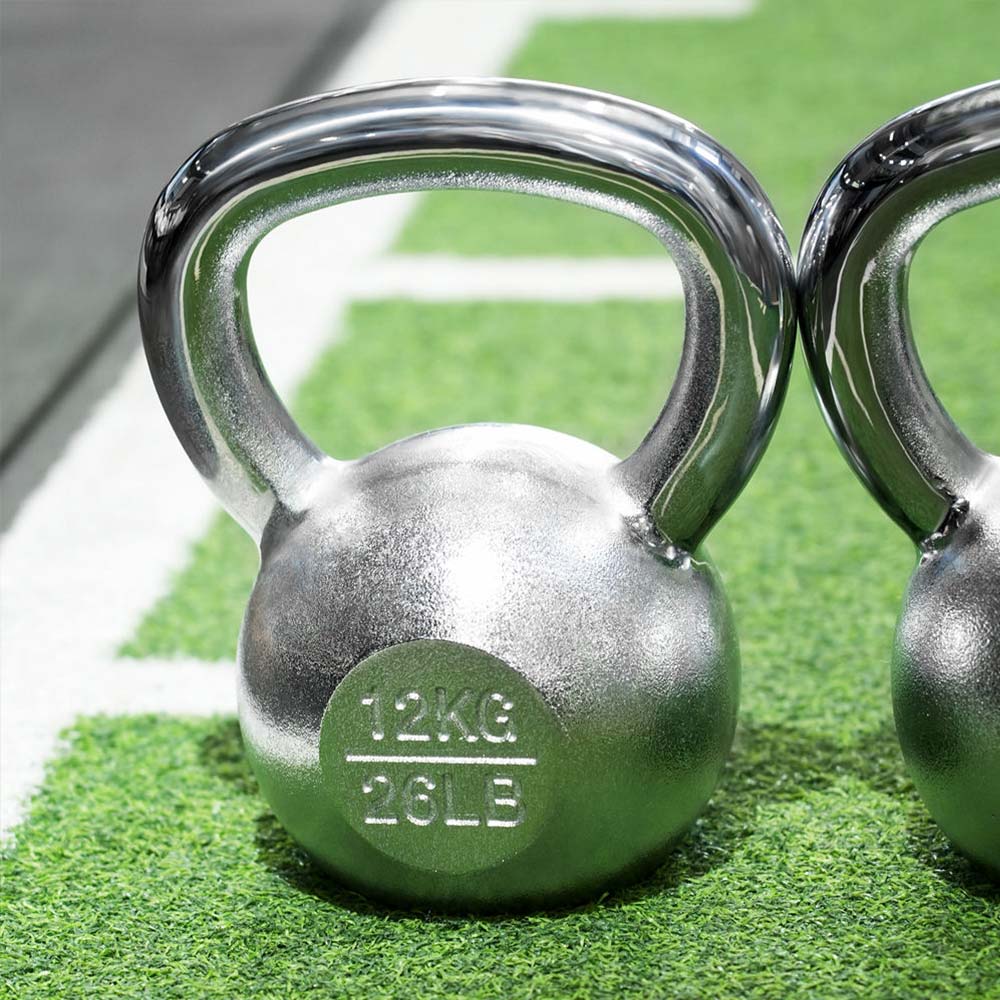
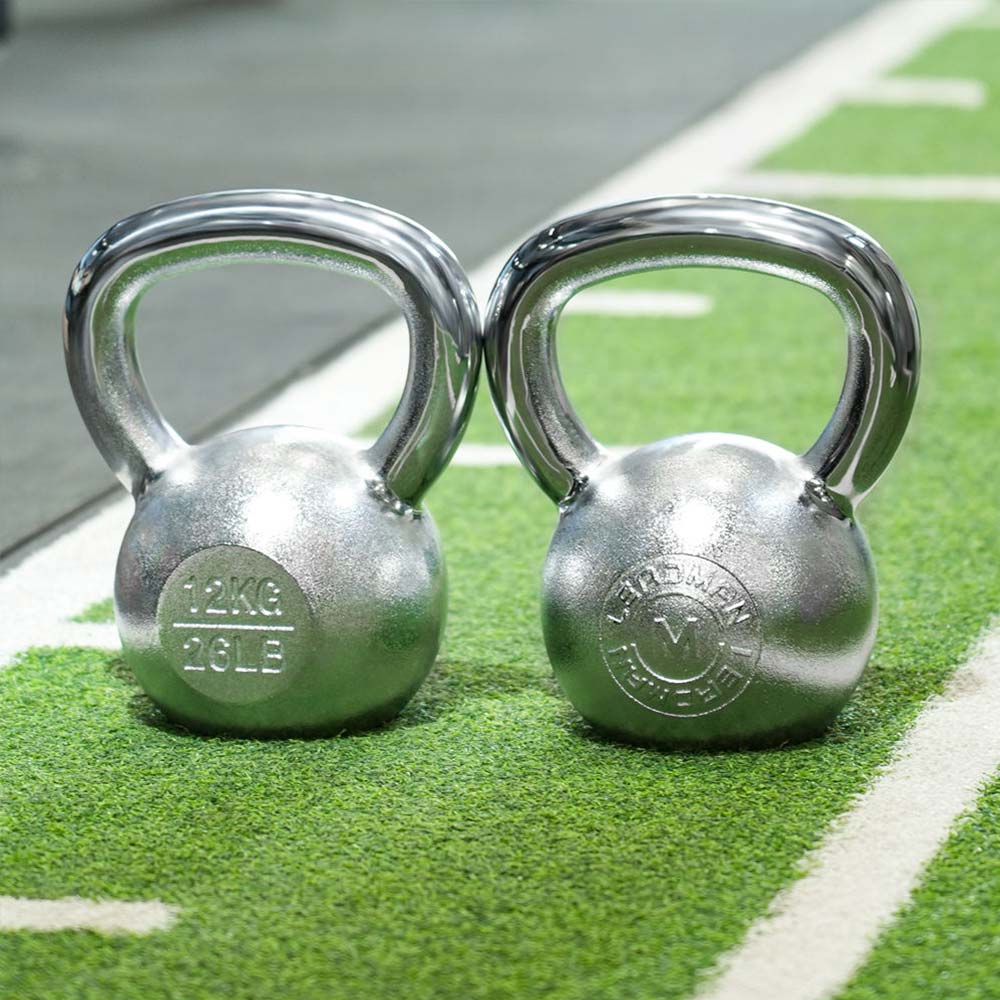
The 18kg steel kettlebell is engineered to serve as a foundational tool for athletes transitioning from foundational skill acquisition to more rigorous strength development. Constructed from high-density steel, this implement provides the necessary mass and structural integrity required for high-frequency movements such as swings, snatches, and Turkish get-ups. The weight is distributed with precision to ensure that the center of gravity remains consistent, facilitating predictable movement patterns during complex ballistic exercises.
Unlike lighter training implements, the 18kg density offers a significant resistance threshold that challenges both muscular endurance and grip strength. This makes it a versatile addition to a professional training environment, suitable for:
The material selection prioritizes longevity. The steel core is treated to withstand the mechanical stress of repetitive impact and high-volume usage. This durability ensures that the implement maintains its shape and weight accuracy over years of intensive service, providing a reliable standard for lifters who demand consistency in their equipment. For those looking to expand their arsenal, our full steel kettlebell weight selection offers a continuous spectrum of resistance to support long-term athletic progression.
To ensure professional-grade training and predictable performance, every 18kg steel kettlebell is manufactured to meet strict dimensional and weight standards. Precision in these parameters is critical for athletes who rely on standardized equipment for competition preparation or progressive strength loading. The following table outlines the core technical attributes of this specific implement, detailing the material composition and physical characteristics that define its high-performance utility.
| Attribute Category | Technical Detail | Standard Specification |
|---|---|---|
| Nominal Weight | Net Mass | 18kg (Standardized) |
| Primary Material | Core Composition | High-Density Industrial Steel |
| Surface Finish | Texture Type | Textured/Matte Steel Grip |
| Handle Diameter | Grip Clearance | Optimized for Variable Grip Styles |
| Body Shape | Geometric Form | Ergonomic Spherical Design |
| Durability Rating | Usage Intensity | High-Volume Commercial Grade |
The construction process focuses on minimizing weight deviations. By utilizing high-density steel, the manufacturer ensures that the volume-to-weight ratio remains consistent across the entire production batch. This level of accuracy is essential when transitioning between different training modalities, such as moving from a 16kg kettlebell to this 18kg model, where incremental resistance must be precisely felt. The handle is engineered to provide sufficient clearance for various hand sizes, allowing for comfortable swings and snatches even under fatigue. The robust steel construction prevents structural deformation, even when subjected to the high-impact forces common in professional strength and conditioning facilities.
The production of the 18kg steel kettlebell follows a rigorous metallurgical and mechanical process designed to eliminate structural weaknesses and weight inconsistencies. Each unit begins with high-grade industrial steel, which undergoes advanced casting or machining processes to ensure the density is uniform throughout the entire body. This uniformity is critical; any internal void or uneven distribution of mass would compromise the rotational stability required for high-velocity ballistic movements like the kettlebell snatch or clean.
Our manufacturing facility employs precision-controlled thermal environments during the casting phase to prevent micro-fractures. Once the basic form is established, the steel surface undergoes a specialized texturing process. This is not merely a cosmetic finish but a functional requirement. The matte, textured surface is engineered to maintain high friction levels between the lifter's hand and the handle, even when moisture from perspiration is present. This controlled surface topography ensures that grip reliability remains high during high-repetition training sets.
To uphold the integrity of the 18kg designation, every single piece is subjected to a multi-stage verification cycle. We do not rely on batch-averaging; instead, each individual kettlebell is weighed on high-precision industrial scales to ensure it adheres to the strict tolerance levels required for professional training. This commitment to accuracy ensures that athletes can track their strength progression with confidence, knowing that the resistance they experience is exactly as specified. This level of scrutiny is a hallmark of our production line, ensuring that whether you are using a lighter 12kg steel kettlebell or this 18kg model, the weight increments remain predictable and standardized.
Beyond weight accuracy, the mechanical strength of the handle-to-body junction is tested to withstand the dynamic forces of heavy ballistic swings. The seamless integration of the handle into the spherical body prevents the common failure points found in lower-quality implements. This focus on structural durability means the 18kg steel kettlebell is capable of enduring the high-impact environment of a busy commercial gym or a demanding home training setup without compromising its geometric form or functional utility.
The 18kg steel kettlebell serves as a versatile implement capable of supporting a wide spectrum of physical conditioning. Due to its specific weight profile, it occupies a critical middle ground in strength progression, making it ideal for athletes who have mastered foundational movements and are now seeking to increase metabolic demand and absolute strength. The density and balanced center of gravity allow for seamless integration into various training protocols, from high-intensity interval training (HIIT) to structured strength sessions.
This implement is specifically optimized for several key movement patterns that demand both stability and explosive power:
While the 18kg model is a staple for intermediate lifters, its utility extends across different demographics. It is frequently used by:
• Functional Fitness Athletes: Seeking a reliable, standardized weight for varied daily training routines.
• Strength Coaches: Utilizing the predictable weight for standardized testing and client progression.
• Home Gym Enthusiasts: Requiring a durable, long-lasting implement that can withstand diverse environmental conditions.
To ensure optimal performance and personal safety, users should adhere to specific handling protocols. Before beginning a session, verify that the handle is free of any unexpected debris that might affect the grip. When performing ballistic movements like the swing or snatch, ensure a clear perimeter around the training area to account for the kettlebell's rotational arc. For those transitioning from lighter weights, such as a 10kg steel kettlebell, we recommend a gradual increase in volume to allow the grip and stabilizer muscles to adapt to the 18kg load. Always maintain a neutral spine and engage the core to manage the shifting center of mass during dynamic exercises.
To preserve the structural integrity and surface quality of your 18kg steel kettlebell, consistent maintenance is essential. While the high-density steel is inherently durable, exposure to environmental factors such as humidity and perspiration can lead to surface oxidation if the implement is neglected. Maintaining a clean, dry equipment set not only extends the functional lifespan of the tool but also ensures that the textured grip remains effective for high-performance training sessions.
After completing a training session, particularly those involving high-intensity metabolic conditioning, the kettlebell may accumulate moisture from sweat or environmental humidity. We recommend the following steps to maintain the surface finish:
The longevity of steel training implements is heavily influenced by their storage conditions. For both commercial gym owners and home gym enthusiasts, the following guidelines are recommended to protect the investment:
Avoid storing the 18kg steel kettlebell directly on damp concrete floors or in unventilated, high-humidity environments. If your training space is a garage or an outdoor-adjacent facility, consider using a dedicated equipment rack or a raised platform. A raised storage solution prevents direct contact with ground moisture and promotes better air circulation around the steel body. If you are managing a diverse collection—ranging from lightweight 6kg precision kettlebells to much heavier models—ensuring a dry, climate-controlled area will maintain the standardized quality of your entire inventory.
Selecting the appropriate resistance for a long-term training regimen requires an understanding of both immediate needs and future progression. When sourcing the 18kg steel kettlebell, buyers should look beyond simple weight numbers and evaluate the long-term utility of the implement within their specific training ecosystem. Whether you are a retail distributor, a professional gym owner, or an individual building a high-performance home gym, the following considerations will assist in making an informed procurement decision.
Before finalizing a purchase, assess how the 18kg weight aligns with your current physical capabilities and your upcoming strength milestones. A common mistake in equipment acquisition is purchasing a weight that is either too heavy to maintain proper form or too light to provide sufficient stimulus for growth. Consider the following:
For commercial facilities and large-scale distributors, sourcing standardized equipment in volume requires a partner capable of maintaining strict quality control across entire shipments. Our manufacturing process is designed to support professional scaling needs. When ordering multiple units, you can rely on the consistency of our weight calibration and surface texturing protocols. This ensures that every 18kg unit in your facility performs identically, which is essential for maintaining standardized training protocols across different classes or coaching sessions.
A high-quality steel kettlebell is a lifetime investment rather than a consumable item. When evaluating the total cost of ownership, prioritize implements that feature robust handle-to-body integration and high-density material composition. Low-cost alternatives often suffer from weight drift or surface degradation, which can undermine training accuracy. By choosing a precision-engineered 18kg steel kettlebell, you are investing in a tool that maintains its structural and functional integrity through years of rigorous use, providing a reliable constant in your evolving strength and conditioning journey.
The 18kg steel kettlebell serves as a high-density resistance tool designed for athletes who demand precision and structural endurance. By prioritizing standardized weight calibration and a reliable grip surface, this implement supports consistent progression in both functional strength and metabolic conditioning environments. To ensure the highest level of utility from your equipment, consider these operational standards:
Whether integrated into a professional commercial facility or a dedicated home training setup, the 18kg model provides the reliable resistance necessary for advanced skill refinement and high-volume endurance training. The focus on high-density material and ergonomic design ensures that this tool remains a constant, dependable component of your long-term athletic development.
| Attributes | Values |
|---|---|
| Weight | 4KG,6kg,8kg,10kg,12kg,14kg,16kg,18kg,20kg,22kg,24kg,26kg,28kg,32kg,36kg,40kg,44kg,48kg,50kg,52kg,56kg,68kg,72kg,80kg,92kg,108kg |
| Logo | Customizable |
| Specification | Customizable,MOQ |
| Color | Customizable |
Sarah Henry
Minimize impact damage and enhance grip stability with this 18kg PU kettlebell. Engineered with a shock-absorbing shell for intensive studio-based ballistic training and functional strength sessions....
Verified Buyer
The Adjustable Kettlebell MDKB11-18KG/40LB, a creation of Leadman Fitness, epito...
James R.
Ensure training accuracy with this 18kg cast iron kettlebell. Engineered for high-density ballistic movements and long-term durability in commercial or home gym settings....