
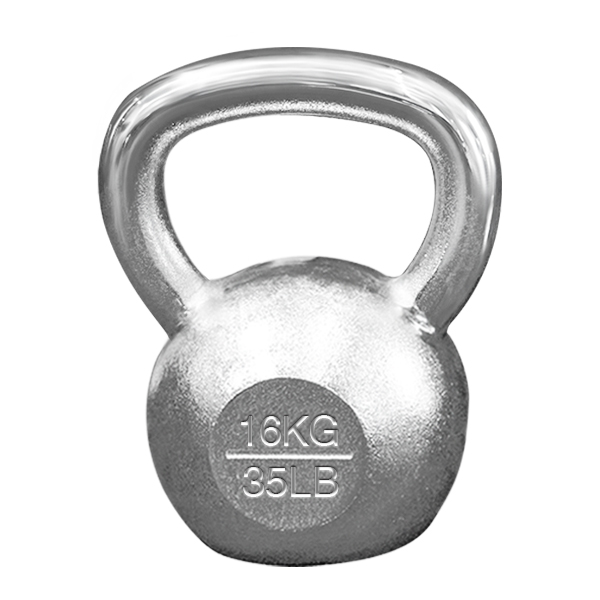
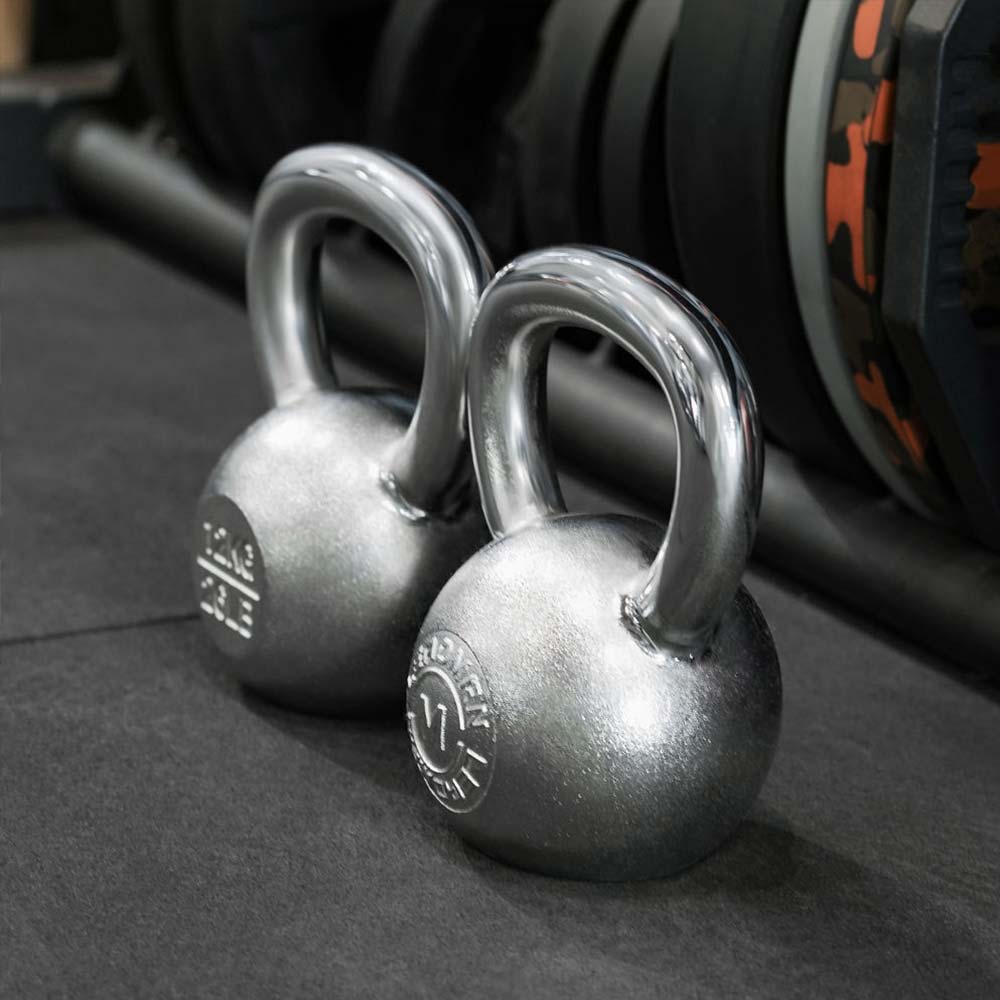
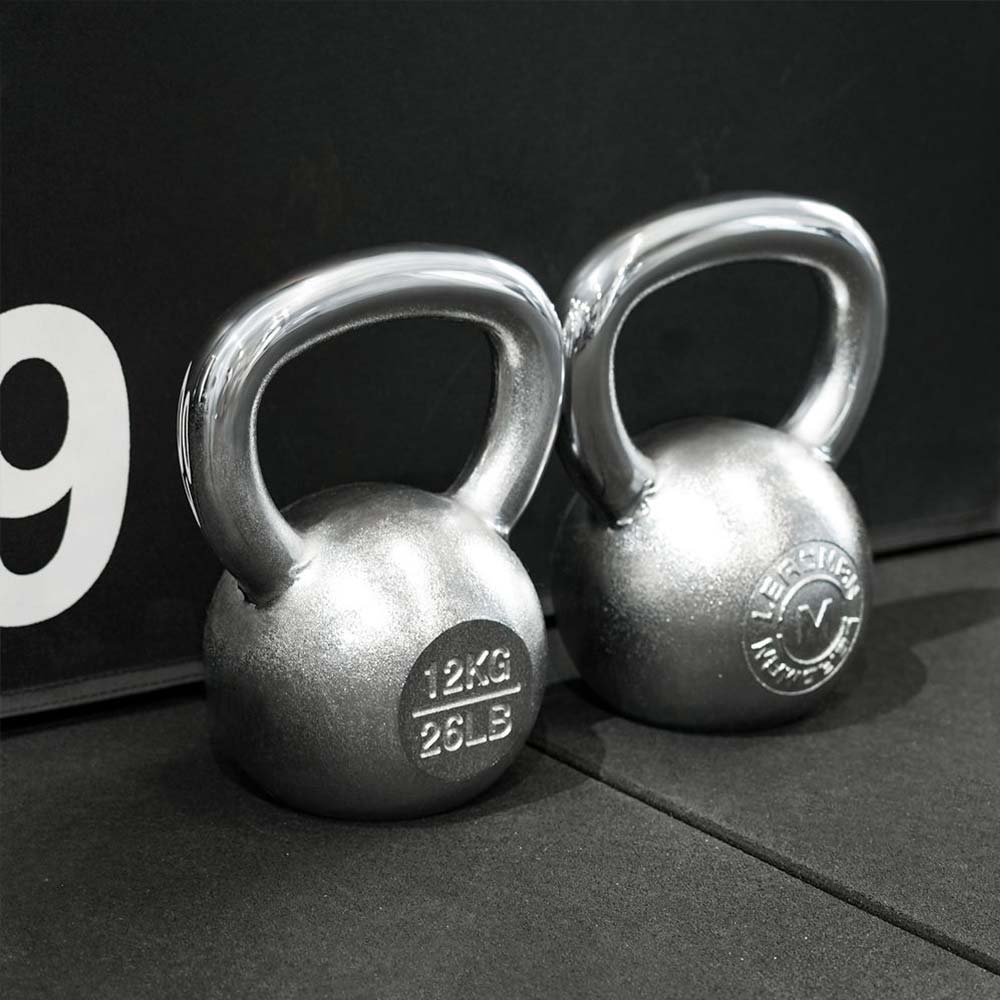
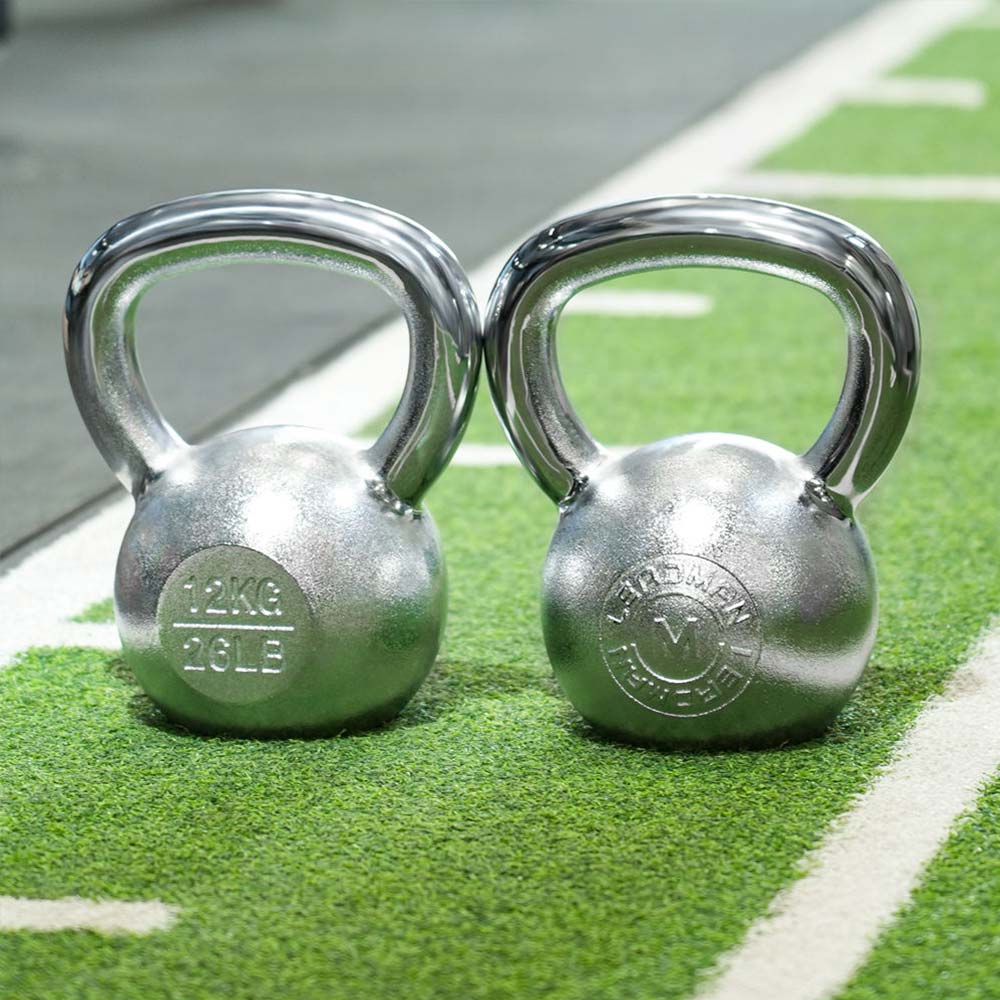
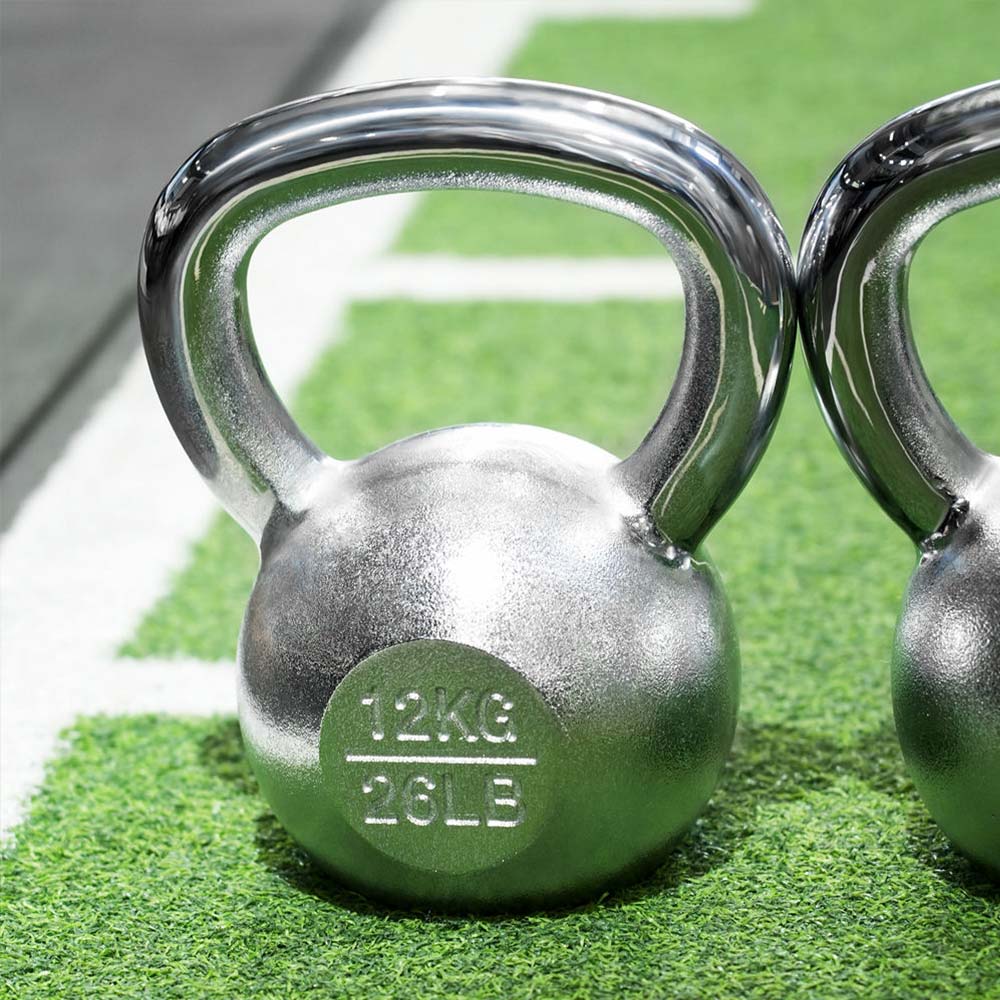
The 16kg steel kettlebell serves as a foundational tool for athletes transitioning from foundational skill acquisition to more demanding metabolic conditioning. Unlike lighter implements used solely for mobility, this specific weight provides the necessary resistance to drive hypertrophy and systemic strength gains. It is engineered for high-frequency use, making it a staple in both commercial fitness centers and specialized strength and conditioning studios.
In a professional training environment, the 16kg model is frequently utilized for complex movements that require a balance of stability and momentum. Common applications include:
Choosing a high-density steel construction ensures that the center of mass remains predictable during rapid directional changes. This predictability is a significant advantage over lower-grade alternatives, providing users with the confidence needed to push through high-volume sets without fear of unexpected weight shifts. For those looking to expand their toolkit, the steel kettlebell full range offers a seamless path for progressive overload as training intensity increases.
Precision in weight distribution is critical for high-performance training. The 16kg steel kettlebell is manufactured to ensure that the physical dimensions and the center of gravity are consistent with professional standards. This level of accuracy prevents the erratic movement patterns often found in lower-quality cast or hollow-core alternatives, allowing for seamless transitions between ballistic and grind-based exercises.
The following table outlines the specific physical characteristics and material composition of this unit. These parameters are essential for coaches and gym owners to ensure the implement meets the rigorous demands of competitive and functional strength training environments.
| Parameter Category | Specification Detail | Standard/Value |
|---|---|---|
| Primary Material | High-Density Industrial Steel | Solid Construction |
| Nominal Weight | Target Mass | 16 kg |
| Surface Finish | Smooth Powder-Coated or Polished Steel | Anti-Corrosive |
| Handle Diameter | Ergonomic Grip Width | Standardized for High-Repetition Use |
| Shape Profile | Bell Body Geometry | Uniform Spherical/Conical Base |
| Weight Tolerance | Manufacturing Deviation |
The structural integrity of the steel body is designed to withstand high-impact scenarios, such as floor drops during heavy swings or complex kettlebell flows. By maintaining a standardized handle-to-bell ratio, the implement supports a wide variety of grip styles, from the standard two-handed grip to the more advanced tactical grips required for advanced unilateral work. This dimensional consistency is a key differentiator for those sourcing competition grade steel kettlebells for professional use.
The production of the 16kg steel kettlebell involves a rigorous multi-stage manufacturing workflow designed to eliminate structural defects and weight inconsistencies. Unlike mass-produced consumer-grade weights, our steel implements undergo specific industrial treatments to ensure both physical durability and tactile reliability during high-intensity training sessions.
Each kettlebell begins with high-grade industrial steel, selected for its uniform density and structural resilience. The casting process is strictly controlled to prevent air pockets or internal voids that could compromise the center of gravity. This precision in the initial molding stage is vital for maintaining the predictable ballistic arc required in advanced kettlebell movements like the snatch or clean and jerk.
Once the basic shape is finalized, the surface undergoes a refined finishing process. The handle area is specifically engineered to provide a balanced grip experience. We focus on the following technical aspects of the surface finish:
To guarantee that every 16kg unit meets the exact weight requirement, each piece undergoes a final calibration check. This involves high-precision electronic weighing and center-of-mass verification. This level of scrutiny ensures that the implement behaves identically to others in the same weight class, which is indispensable for athletes following standardized training programs or preparing for functional fitness competitions.
The 16kg steel kettlebell is a highly versatile implement, making it suitable for a wide demographic of users. While it serves as an ideal weight for intermediate athletes looking to solidify their strength foundations, it also provides a significant challenge for advanced practitioners utilizing it for high-volume endurance or complex metabolic conditioning circuits. Its balanced geometry makes it particularly effective for both strength-focused training and dynamic, movement-based drills.
Depending on the training objective, this implement is frequently utilized by:
To maximize the utility of the 16kg steel model, consider the following training contexts:
While the steel construction is highly durable, certain safety practices are essential to protect both the user and the training environment:
To preserve the structural integrity and surface finish of your 16kg steel kettlebell, consistent maintenance is required. Although the high-density steel and specialized coating are engineered for durability, regular care prevents environmental degradation and ensures the implement remains a reliable tool for years of high-frequency training.
The primary concern for steel implements is oxidation. Even with a high-quality finish, moisture exposure can lead to surface rust, which may eventually compromise the tactile quality of the handle. To mitigate this, always wipe the bell and handle with a clean, dry microfiber cloth after every training session. This step is particularly crucial if the equipment is used in high-humidity environments or during intense metabolic conditioning sessions where perspiration is abundant.
Effective storage practices further extend the lifespan of your equipment. Avoid leaving the kettlebell directly on damp or unventilated floors, as prolonged contact with moisture is a leading cause of surface corrosion. Ideally, store the implement in a cool, dry, and well-ventilated area. If your training facility utilizes a communal storage rack, ensure the area is kept clear of spills or standing water.
For gym owners managing a large inventory, we recommend the following routine maintenance checklist:
By adhering to these professional maintenance standards, you ensure that the 16kg steel kettlebell continues to perform with the precision and stability required for advanced strength and conditioning protocols.
Acquiring high-quality strength implements requires a focus on long-term utility rather than immediate cost savings. When sourcing the 16kg steel kettlebell for a commercial gym, specialized training studio, or a high-end home fitness setup, procurement professionals should evaluate several critical factors to ensure the investment meets the rigorous demands of daily usage.
To ensure you are receiving equipment that aligns with international competition and functional training standards, prioritize the following attributes during your selection process:
For facility managers looking to outfit a complete strength area, purchasing in volume can streamline the setup of a comprehensive weight spectrum. A well-structured procurement plan often includes a diverse range of implements to support different stages of athlete development. For instance, a complete training kit might integrate a variety of sizes, ranging from the lighter 6kg precision models for skill work to much heavier units for advanced strength sessions. By sourcing from a single reliable manufacturer, you can ensure that the technical specifications, such as handle geometry and material finish, remain consistent across your entire inventory.
If you require specific customization or have inquiries regarding large-scale shipments for commercial distribution, we suggest reaching out via our contact page. Our team can provide detailed technical documentation and support your requirements for high-standard strength and conditioning equipment.
The integration of the 16kg steel kettlebell into a professional training regimen provides a reliable constant for athletes pursuing progressive strength development. By prioritizing high-density material construction and standardized dimensional accuracy, users can focus entirely on movement mechanics and physiological output without the interference of equipment inconsistency.
To maintain the high performance standards expected of professional-grade implements, observe the following operational benchmarks:
The durability of the steel body and the precision of the weight calibration make this implement a long-term asset for both individual conditioning and large-scale gym operations. Whether used for high-volume ballistic swings or technical unilateral stability drills, the 16kg model remains a stable, predictable, and essential component of a high-performance functional fitness environment.
| Attributes | Values |
|---|---|
| Weight | 4KG,6kg,8kg,10kg,12kg,14kg,16kg,18kg,20kg,22kg,24kg,26kg,28kg,32kg,36kg,40kg,44kg,48kg,50kg,52kg,56kg,68kg,72kg,80kg,92kg,108kg |
| Logo | Customizable |
| Specification | Customizable,MOQ |
| Color | Customizable |
Sarah Henry
High-density 10kg steel construction provides the consistent weight accuracy required for progressive conditioning. This durable implement supports high-frequency swings, snatches, and complex movement patterns in gym settings....
Verified Buyer
PU Kettlebells, a product by Leadman Fitness, a prominent fitness equipment manu...
James R.
Expand your resistance options with our durable cast iron weight plates. Designed for long-term reliability in commercial gyms and home strength facilities, these plates provide stable, high-density loading for various barbell exercises....