Bells of Steel Adjustable Kettlebell Quality Inspection
Mechanical Integrity and Durability Standards
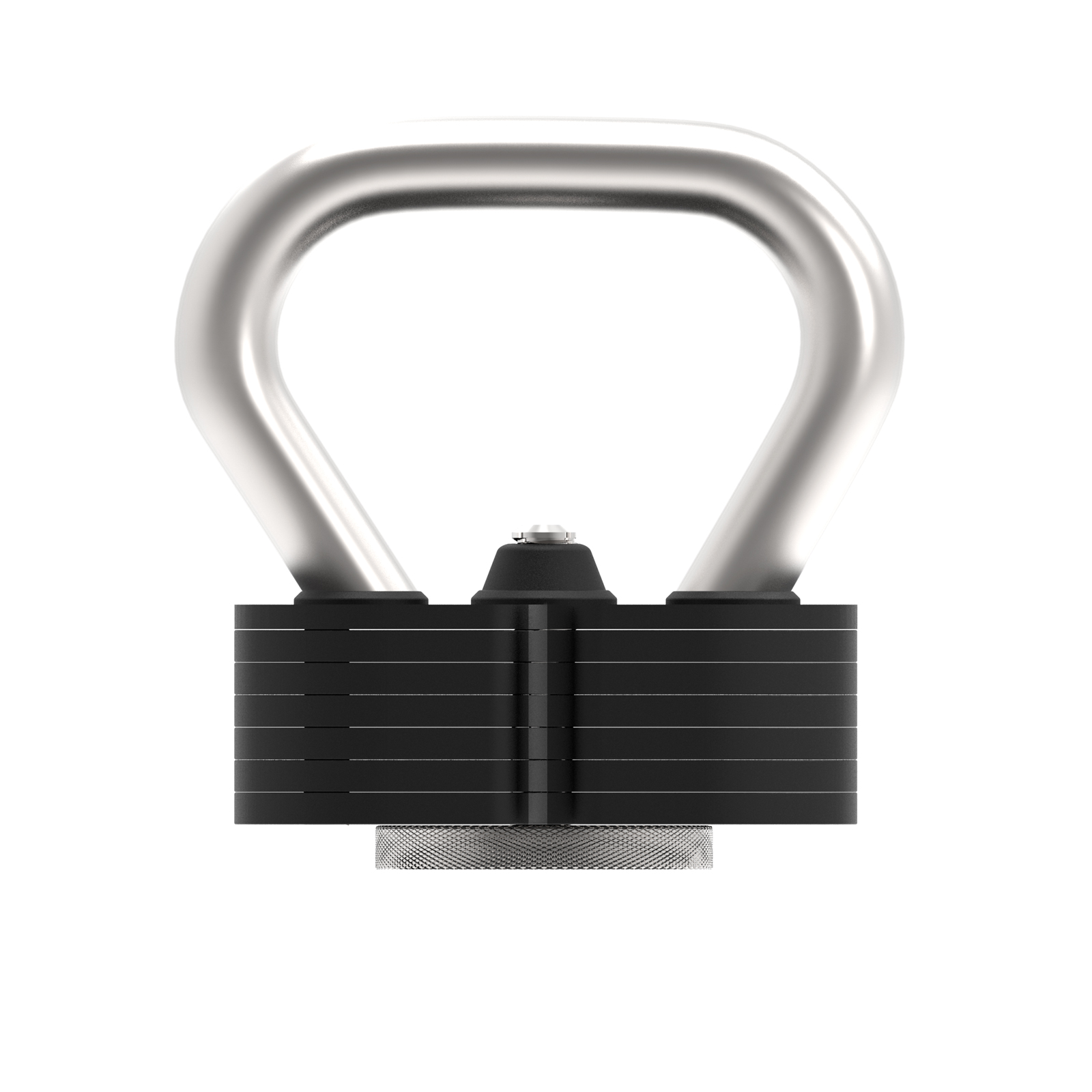
High-end adjustable kettlebells serve as versatile strength tools designed to replace multiple single-weight implements, optimizing floor space for boutique studios and commercial gyms. For B2B buyers, selecting these units requires verifying that the mechanical components can withstand the rigors of high-frequency usage without compromising safety or weight precision.
When evaluating a bells of steel adjustable kettlebell review, distributors must look beyond aesthetics to assess the fundamental weight plate mechanism stability. In high-traffic fitness environments, the transition between weight increments involves repetitive mechanical stress. If the internal locking systems or plate tracks are not engineered for heavy-duty cycles, the risk of component fatigue increases significantly.
Rigorous commercial fitness equipment QC protocols are essential to ensure long-term durability. A reliable supplier will demonstrate that their adjustment mechanisms remain smooth and secure even after thousands of shifts. For wholesalers and gym owners, this structural reliability translates directly to lower maintenance costs and higher equipment uptime, making the initial investment in high-precision manufacturing a critical factor in total cost of ownership.
Technical Comparison of Adjustment Mechanisms
To maximize ROI and reduce long-term service calls, procurement managers should categorize adjustable kettlebells by their internal mechanical architecture. Different mechanism types offer varying degrees of adjustable kettlebell durability and operational speed, which directly impacts the suitability for specific commercial settings.
Home-use or low-frequency retail environments| Mechanism Type | Durability Level | Maintenance Requirement | Typical Commercial Use Case |
|---|---|---|---|
| Pin-Lock Plate System | High | Low (Periodic visual check) | High-traffic commercial strength gyms |
| Dial/Selector Dial | Moderate | Medium (Requires cleaning/lubrication) | Boutique studios and hotel fitness centers |
| Slide-and-Lock Rail | High | Low (Check for debris) | Strength & Conditioning facilities |
| Magnetic/Spring-Loaded | Standard | High (Spring tension monitoring) |
When sourcing for large-scale distribution, prioritize mechanisms with minimal moving parts or those using reinforced steel tracks. A robust design reduces the frequency of mechanical failure, ensuring that the equipment remains a dependable asset rather than a maintenance liability for the end-user.
Essential Procurement Checklist for Quality Assurance
Successful supplier vetting requires a transition from general product inquiries to granular technical specifications. When sourcing high-performance implements, procurement teams should demand specific data points regarding material density and finishing processes to ensure the product meets commercial-grade standards. A lack of transparency during this phase often indicates a lower tier of manufacturing capability.
To mitigate the risk of receiving substandard shipments, incorporate these specific checkpoints into your procurement checklist:
- Coating Thickness and Adhesion: Verify the micron level of the powder coating or plating. High-quality finishes must resist chipping during high-impact drops to prevent premature oxidation.
- Weight Transition Smoothness: Request video evidence of the mechanism in operation. The transition between increments must be fluid and consistent, without catching or excessive friction.
- Component Tolerance: Confirm the precision of the internal locking interfaces to ensure the adjustable kettlebell durability remains intact under rapid-use scenarios.
- Material Certification: Ensure the steel used in the handle and plate tracks meets recognized strength standards to prevent structural deformation over time.
By focusing on these technical nuances, distributors can avoid the common pitfalls of importing low-quality adjustable gear. Establishing these rigorous standards during the initial RFQ process protects your brand reputation and ensures a higher return on investment for your clients.
Critical Inspection Points for Weight Plate Mechanism Stability
Reliability in high-traffic environments hinges on the structural integrity of moving parts. For distributors and gym operators, a high-quality bells of steel adjustable kettlebell review must prioritize the precision of the internal locking system to ensure long-term mechanical reliability and prevent component fatigue during heavy use.
Effective commercial fitness equipment QC protocols demand a rigorous assessment of weight plate mechanism stability. Rather than simple static weight testing, inspectors must verify smooth weight transitions under varying load conditions. This ensures that plates do not shift or rattle during movement, a critical factor in maintaining user safety and reducing the total cost of ownership for facility managers.
When sourcing adjustable weight systems for commercial inventory, understanding the mechanical trade-offs between different locking types is essential for managing long-term maintenance expectations. Different mechanisms offer varying levels of durability and frequency of upkeep, which directly impacts the product's lifecycle in a professional setting.
| Mechanism Type | Operational Stability | Typical Maintenance | Commercial Suitability |
|---|---|---|---|
| Pin-Lock Systems | High; fixed physical stops | Low; occasional debris removal | Ideal for high-intensity training |
| Dial-Adjustment | Moderate; precision-dependent | Medium; requires lubrication | Best for boutique/retail studios |
| Selector Pin | Variable; prone to vibration | High; regular part inspection | Limited to light commercial use |
For distributors focusing on adjustable kettlebell durability, we recommend prioritizing pin-lock or heavy-duty mechanical systems. While dial-adjustment models offer smoother transitions, they often require more frequent technical oversight to prevent mechanical drift. Choosing a robust mechanism reduces the frequency of warranty claims and ensures the product survives the rigorous demands of diverse client programming.
Field Inspection and TCO Optimization
To protect your margins and ensure a predictable operational lifespan, facility managers should implement a standardized inspection checklist. Rather than waiting for mechanical failure, proactive oversight allows you to manage the maintenance cycle effectively, preventing the premature replacement of expensive inventory.
A professional maintenance cycle for adjustable kettlebells typically includes quarterly inspections of the handle grip integrity and monthly checks of the weight-locking components. For distributors, providing clients with these specific guidelines is a strategic way to improve the perceived value of your shipment and reduce the volume of return requests. When making a procurement decision, always weigh the initial unit cost against the expected long-term upkeep requirements. A slightly higher upfront investment in a more robust mechanism often leads to a much lower Total Cost of Ownership (TCO) by minimizing downtime and labor costs associated with frequent repairs in a commercial setting.
Evaluating Component Longevity and Adjustable Kettlebell Durability
For distributors and facility managers, the primary risk with variable-weight equipment is the mechanical failure of moving parts under high-frequency use. A high-quality bells of steel adjustable kettlebell review must look beyond surface aesthetics to assess how the internal components withstand the kinetic energy of repetitive swings and snatches in a high-traffic commercial gym environment.
Ensuring long-term adjustable kettlebell durability requires a rigorous commercial fitness equipment QC process that focuses on the structural integrity of the weight-switching interface. Without precise weight plate mechanism stability, even premium models can suffer from plate shifting or selector pin wear, leading to increased maintenance costs and potential liability for the gym owner.
| Mechanism Type | Durability Profile | Maintenance Frequency | Best Use Case |
|---|---|---|---|
| Fixed Plate Pin | High/Industrial | Low | High-intensity training centers |
| Dial-Adjust System | Moderate | Medium | Boutique studios & retail |
| Slide-to-Lock | Standard | Medium/High | Personal training environments |
When sourcing for wholesale or large-scale distribution, prioritize models where the locking mechanism is protected from direct impact and debris. This reduces the total cost of ownership (TCO) and ensures the equipment remains a reliable asset rather than a recurring replacement expense.
Technical Benchmarking for Component Reliability
From a procurement standpoint, evaluating the wear resistance of external coatings and the structural integrity of the internal housing is vital for calculating long-term ROI. A failure in the surface finish can lead to oxidation or handle degradation, which diminishes the resale value and professional appearance of a facility's equipment lineup.
| Feature | High-Durability Standard | Bells of Steel Specification |
|---|---|---|
| Weight Plate Mechanism Stability | Zero lateral shift during ballistic movements | Reinforced internal locking tracks |
| Surface Wear Resistance | Anti-corrosive, heavy-duty powder coating | High-density impact-resistant finish |
| Selector Component Strength | Hardened steel or high-grade polymer | Precision-engineered selector interface |
| Handle Grip Integrity | Abrasion-resistant, non-slip texture | Industrial-grade textured coating |
Distributors should verify that the weight adjustment interface is shielded from dust and sweat accumulation, as these factors often accelerate mechanical fatigue. Selecting equipment that meets these rigorous stability benchmarks ensures that the product can withstand the rigorous demands of commercial-grade training cycles without requiring frequent parts replacement.
B2B Sourcing and Batch Inspection Checklist
To minimize return rates and ensure high consumer satisfaction, distributors should implement a standardized inspection checklist during the receiving stage. When conducting B2B sourcing for adjustable weight systems, a random sampling of the shipment must test the mechanical reliability of the weight transition under load. This prevents the distribution of defective units that could lead to high warranty claims.
A professional maintenance cycle for these units in commercial gym settings typically involves a quarterly check of the selector pins and the lubrication of moving tracks. We recommend that buyers request batch-specific testing reports from the factory to confirm that weight plate mechanism stability remains consistent across different production runs, ensuring that every unit delivered to the end-user performs with industrial-grade precision.
Standardizing Commercial Fitness Equipment QC Protocols
For distributors and facility managers, a thorough bells of steel adjustable kettlebell review must extend beyond aesthetic appeal to examine long-term operational reliability. In high-traffic environments, the cost of downtime far outweighs the initial procurement savings, making rigorous commercial fitness equipment QC a non-negotiable requirement for any professional inventory.

Evaluating Mechanical Longevity and Maintenance
Reliability in adjustable resistance training tools depends heavily on weight plate mechanism stability. Unlike fixed kettlebells, adjustable models involve moving parts that are subject to wear from constant weight transitions. A professional evaluation focuses on how the internal locking system handles repetitive stress and whether the adjustment tracks remain smooth over time.
A disciplined maintenance cycle is essential to prevent mechanical failure and ensure user safety. Buyers should assess whether the product design allows for easy inspection of the internal components without specialized tools. High-quality builds typically feature modular parts that can be cleaned or tightened easily, reducing the total cost of ownership for gym operators and wholesale distributors.
When calculating the Total Cost of Ownership (TCO), procurement managers must account for the differing maintenance profiles of fixed versus adjustable inventory. While fixed bells are essentially indestructible, adjustable models require more proactive oversight to maintain adjustable kettlebell durability within commercial gym settings.
| Maintenance Factor | Fixed Kettlebells | Adjustable Kettlebell Models |
|---|---|---|
| Primary Care | Surface cleaning/rust prevention | Mechanism lubrication & track inspection |
| Inspection Frequency | Annual or semi-annual | Quarterly or monthly (high-traffic) |
| Mechanical Risk | Negligible (solid cast/iron) | Moderate (moving weight plates/locks) |
| Long-term TCO | Low; minimal replacement needs | Variable; depends on mechanism upkeep |
From a sourcing perspective, selecting a model with a high degree of weight plate mechanism stability significantly reduces the maintenance frequency. For distributors, prioritizing units with closed-loop or reinforced adjustment tracks can minimize warranty claims and after-sales support requests, ultimately protecting your brand reputation in the North American market.
Implementing strict inspection protocols during bulk receiving is the final safeguard for B2B procurement. Before a shipment is fully accepted into inventory, warehouse staff should perform a random sampling test to verify that the adjustment mechanism operates without friction or lateral play. This stage is critical for identifying potential manufacturing defects in the locking pins or plate alignment that could compromise long-term reliability in a commercial facility.
Bulk Receiving and Verification Steps
For distributors managing high-volume shipments, a standardized verification process ensures that the product quality aligns with the original purchase order specifications. Rather than relying solely on factory certificates, onsite testing provides the necessary empirical data to confirm that the mechanical integrity of the adjustable units has survived transit and handling.
- Stress Test: Rapidly cycle through weight increments to ensure the mechanism engages smoothly without sticking.
- Alignment Check: Verify that weight plates sit level and centered to prevent uneven weight distribution during use.
- Locking Security: Confirm that the locking mechanism is fully engaged at maximum weight capacity to ensure user safety.
- Visual Integrity: Inspect the housing for any hairline fractures or structural weaknesses in the adjustment tracks.
By establishing these rigorous standards, procurement managers can mitigate the risks associated with faulty mechanical components. This proactive approach to quality control not only protects the end-user but also reduces the overhead costs associated with returns, restocking fees, and complex logistics for defective adjustable equipment.
Managing Warranty Claims and Replacement Logistics for B2B Orders
Understanding the distinction between manufacturing defects and standard usage patterns is vital for maintaining healthy margins. A thorough bells of steel adjustable kettlebell review must account for how mechanical failure is categorized versus expected wear and tear to prevent unnecessary shipping costs and disputes.
Defining Mechanical Failure vs. Wear and Tear
For distributors, clear boundaries regarding weight plate mechanism stability are essential for managing distributor liability. We define mechanical failure as a structural defect in the internal locking system or a failure of the weight adjustment components under intended use. Conversely, wear and tear refers to cosmetic surface abrasions, minor paint chipping, or superficial scuffing resulting from regular commercial floor activity. High-standard commercial fitness equipment QC protocols ensure that internal mechanisms remain robust, while surface aging is treated as a standard lifecycle event rather than a compensable defect.
| Issue Category | Description | Warranty Status |
|---|---|---|
| Structural Defect | Faulty weight plate mechanism or internal lock failure | Covered (Mechanical Failure) |
| Cosmetic Aging | Surface scratches, paint wear, or handle discoloration | Not Covered (Wear and Tear) |
| Misuse Damage | Drops from heights exceeding rated specifications | Not Covered (User Error) |
Tiered Service Structures for Replacement Logistics
Procurement managers must evaluate how different order volumes affect the total cost of ownership (TCO) regarding defective unit management. While smaller test orders may incur higher per-unit logistical overhead, bulk procurement typically offers more streamlined replacement protocols to ensure facility downtime is minimized.

| Service Tier | Typical MOQ | Replacement Lead Time | Defective Unit Return Policy | Shipping Cost Responsibility |
|---|---|---|---|---|
| Standard Wholesale | 50–100 units | 15–25 Business Days | Buyer returns defective unit via local courier | Buyer covers return/re-shipment |
| Premium/Bulk Distributor | 500+ units | 7–12 Business Days | Factory credit or direct replacement | Supplier covers logistics for QC failures |
When assessing adjustable kettlebell durability for high-traffic environments, we recommend the Premium tier for large-scale gym rollouts. This structure mitigates the financial risk of weight plate mechanism stability issues by shifting the burden of replacement logistics and shipping costs back to the supplier in the event of documented manufacturing discrepancies.
Optimizing TCO Through Inspection and Maintenance
Minimizing the total cost of ownership requires a shift from reactive repairs to proactive oversight. To ensure long-term adjustable kettlebell durability, procurement teams should implement standardized inspection protocols during both initial receipt and quarterly facility audits. By identifying minor friction in the adjustment track early, operators can perform routine maintenance before a component reaches total failure, avoiding the high costs associated with cost-effective replacement of entire units.
For high-volume importers, optimizing bulk order logistics is the most effective way to lower per-unit expenses. We advise integrating a localized inspection step immediately upon arrival to verify commercial fitness equipment QC standards against the original packing list. Resolving discrepancies at the port or warehouse level—rather than after the product reaches a final retail destination—prevents the cascading costs of international return shipping and preserves your profit margins during large-scale distribution.
Optimizing Export Packaging to Reduce Landed Cost and Damage
For international distributors, the total landed cost of a shipment is determined by more than just the unit price; it is heavily influenced by the efficiency of the packaging and the prevention of transit-related returns. A professional bells of steel adjustable kettlebell review must account for how structural integrity survives long-haul sea or air freight.
Protecting Mechanism Integrity Through Layered Defense
The complexity of adjustable weight systems introduces specific vulnerabilities. High-standard commercial fitness equipment QC protocols must prioritize the protection of the internal sliding components. Without specialized protective layering, vibrations during ocean transit can compromise the weight plate mechanism stability, leading to misalignment or jammed increments upon arrival.
B2B buyers should evaluate whether the supplier utilizes reinforced corrugated outer cartons and custom foam inserts. Proper transit damage prevention ensures that the precision-engineered parts arrive in factory-spec condition, effectively reducing the overhead costs associated with faulty replacements and damaged inventory claims.
Packaging Configuration Comparison for Global Logistics
Procurement managers must decide between baseline economy and high-durability protection based on the specific transit route and expected volume. Choosing the correct configuration directly impacts the long-term landed cost by minimizing the risk of mechanical failure during long-distance sea freight.
| Packaging Tier | Primary Construction | Protection Level | Typical Use Case |
|---|---|---|---|
| Standard Export | Single-wall corrugated box | Moderate; suitable for domestic or short-haul | Local distribution; small sample orders |
| Reinforced Commercial | Double-wall heavy-duty carton + EVA foam | High; secures weight plate mechanism stability | International sea freight; long-distance B2B |
| Premium Bulk Freight | Reinforced palletized crate + custom inserts | Maximum; prevents impact on adjustable components | High-volume distributor shipments; global export |
While reinforced options may slightly increase initial freight weight, they often yield a lower total cost of ownership by preventing the expensive logistics of returning defective adjustable kettlebell units. For large-scale gym fit-outs, we recommend the reinforced tier to ensure high-precision components remain intact throughout the ocean transit phase.
Verifying Factory-Level Logistics Readiness
Before finalizing any purchase order, distributors must verify that the manufacturer's outbound protocols meet stringent drop test standards. Even high-quality adjustable kettlebells can suffer internal misalignment if the packaging lacks the structural density required to withstand the rigors of containerized shipping. A thorough inspection should confirm that every unit features adequate moisture protection, such as vacuum-sealed bags or silica desiccant, to prevent oxidation of the metal components during transoceanic transit.
Furthermore, successful scaling depends on understanding MOQ considerations regarding specialized palletization. We suggest requesting a detailed packing list that specifies palletization requirements, such as corner protectors and shrink-wrap thickness. Robust palletization not only maximizes container utilization but is critical for long-term adjustable kettlebell durability, ensuring that the first unit unboxed at your facility is just as functional and precise as the last.