Quick Lock Adjustable Kettlebell Handle Quality Standards
Lifecycle Economics of Rapid-Adjustment Kettlebell Systems
Distributors and facility managers must evaluate the total cost of ownership by balancing low initial procurement costs against the long-term operational risks of mechanical failure. A successful purchase requires checking the precision of the locking mechanism, the durability of the weight-release components, and the logistical reliability of the supplier’s quality control processes. Failing to account for these variables often leads to higher expenses through frequent replacement cycles and increased labor costs for maintenance.
Initial Investment vs. Replacement Frequency
While budget-friendly options may lower the upfront cost per unit, high-volume commercial settings often experience faster degradation in cheaper models. Authentic quick lock adjustable kettlebell handle reviews frequently highlight how premium alloys and reinforced locking pins extend the lifespan of the equipment. Investing in higher-grade materials reduces the frequency of replacement and minimizes the downtime caused by broken components. A rigorous commercial kettlebell mechanism inspection during the sourcing stage ensures that the initial investment protects against the high costs of constant re-ordering and shipping logistics.
| Procurement Tier | Primary Cost Driver | Typical Maintenance Cycle | Long-Term ROI Potential |
|---|---|---|---|
| Economy Grade | Low Unit Price | High/Frequent | Low (High Replacement Rate) |
| Standard Commercial | Balanced MSRP | Moderate | Medium (Stable Performance) |
| Premium Industrial | Higher Initial Outlay | Low/Minimal | High (Maximum Durability) |
Mechanical Integrity and Long-Term Value
When evaluating wholesale fitness equipment quality control, the complexity of the locking mechanism directly dictates the adjustable kettlebell handle durability. Simpler, single-action locking systems often provide a higher return on investment for high-traffic studios because they lack the delicate moving parts found in multi-stage adjustment designs. While complex mechanisms may offer more weight increments, they also introduce more failure points that can escalate maintenance expenses over a three-to-five-year lifecycle.
| Mechanism Type | Durability Profile | Maintenance Requirement | Cost Impact |
|---|---|---|---|
| Manual Pin-Lock | High/Robust | Low (Visual Inspection) | Lower TCO |
| Spring-Loaded Dial | Moderate | Medium (Lubrication/Cleaning) | Moderate TCO |
| Electronic/Servo-Driven | Variable/Sensitive | High (Technical Oversight) | Higher TCO |
For distributors, selecting a mechanism that balances ease of use with mechanical simplicity is a strategic decision. A mechanism that requires minimal intervention ensures that the product remains a reliable asset rather than a recurring liability for the end-user, ultimately protecting the reputation of your brand and the stability of your replacement-order margins.
Optimizing Procurement Through MOQ and Logistics Strategy
Strategic buyers must look beyond the unit price to understand how Minimum Order Quantities (MOQ) and shipping volumes impact the final landed cost. While lower MOQs offer flexibility for boutique studios, large-scale distributors often find better value in higher-volume orders that leverage economies of scale. However, bulk purchasing risks arise when specialized components, such as the quick lock mechanism, are not subjected to rigorous inspection protocols before leaving the factory. To avoid hidden costs associated with defective batches, implement a strict wholesale fitness equipment quality control checklist that includes weight-drop testing and repetitive cycle stress tests. Furthermore, consider logistics considerations like volumetric weight; since adjustable handles often involve non-standard packaging, optimizing container utilization can significantly reduce the freight-per-unit ratio, ensuring that the durability of the product is matched by the efficiency of the supply chain.
Evaluating Mechanical Integrity in Quick Lock Mechanisms
In high-traffic commercial environments, the longevity of adjustable equipment depends entirely on the precision of its moving parts. When sourcing, professional buyers must look beyond basic weight increments to verify the structural stability of the locking interface. A failure in the mechanism does not just mean a broken tool; it represents a significant liability and a high total cost of ownership (TCO) for gym operators.
Reliable quick lock adjustable kettlebell handle reviews often highlight how mechanical fatigue impacts long-term utility. During a rigorous commercial kettlebell mechanism inspection, procurement specialists should prioritize load-bearing reliability and the seamless engagement of the locking pins. Common failure points in lower-tier wholesale batches include pin misalignment, spring tension degradation, and housing friction, all of which compromise the adjustable kettlebell handle durability required for heavy-duty facility use.
To differentiate between high-performance manufacturing standards and budget-tier alternatives, distributors must understand the fundamental mechanical architecture used in different locking systems. The choice between spring-loaded pins and friction-based locks often determines the replacement frequency and long-term maintenance cycles for a fitness facility.
| Mechanism Type | Wear Resistance | Typical Use Case |
|---|---|---|
| Spring-Loaded Pins | High | High-volume commercial gyms and strength training centers |
| Friction-Based Locks | Moderate | Boutique studios and low-frequency home office setups |
| Manual Threaded Collars | Very High | Traditional strength training with minimal adjustment needs |
While friction-based locks offer a streamlined aesthetic, they often suffer from rapid degradation under heavy, repetitive use. For distributors managing high-volume orders, prioritizing spring-loaded pin configurations typically yields better results in terms of adjustable kettlebell handle durability and reduced warranty claims, as these mechanisms provide a more positive, tactile engagement that withstands heavy-duty commercial cycles.
Verification Protocols for High-Volume Procurement
To mitigate the risk of mass-market defects, distributors should demand specific data regarding a factory's testing protocols. Effective wholesale fitness equipment quality control goes beyond visual inspections; it requires verifying that the manufacturer utilizes standardized stress testing to simulate extreme load shifts and impact resistance. A robust manufacturing partner will provide evidence of cycle testing, demonstrating that the locking mechanism can withstand thousands of continuous adjustments without losing tension or structural alignment.
When negotiating MOQ considerations, buyers should inquire if the factory performs batch-level testing on the internal spring components and pin tolerances. Relying on a manufacturer that documents these maintenance cycles and mechanical failure points allows for better inventory planning and more accurate service interval recommendations for end-users. Establishing these benchmarks during the initial sourcing phase ensures that the distributed products meet the rigorous demands of professional strength training facilities.
Sourcing Strategies for High-Volume Commercial Inventory
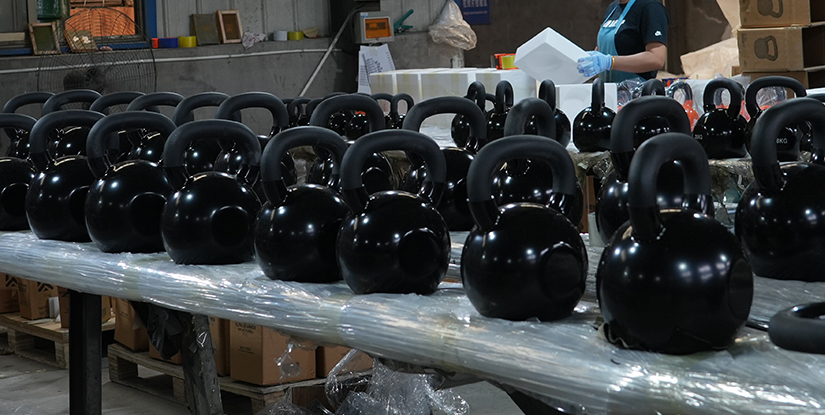
For distributors and facility managers, the procurement scope extends beyond simple unit counts to include long-term mechanical reliability. When analyzing quick lock adjustable kettlebell handle reviews, professional buyers must prioritize the mechanical integrity of the locking interface to ensure safety during high-frequency use in commercial gym environments.
Effective wholesale procurement requires a distinction between consumer-grade adjustable models and those built for rigorous commercial gym requirements. High-volume orders necessitate a strict verification process to confirm that the adjustment mechanism can withstand repetitive stress without losing precision or structural stability.
| Procurement Model | Ideal Use Case | Inventory Focus | Risk Level |
|---|---|---|---|
| Standard Retail Sets | Boutique Studios | Low MOQ / Fast Turnover | Moderate (Mechanical Wear) |
| Commercial Grade Bulk | Large Scale Gyms | High Volume / Full SKU Sets | Low (High Durability) |
| Customized Distributor Packs | Regional Wholesalers | Optimized Shipping/Packaging | Minimal (Strict QC) |
Establishing a rigorous inspection protocol for the locking mechanism during the sampling phase is essential. This prevents costly returns and protects your brand reputation when supplying high-traffic fitness facilities that demand uncompromising safety standards.
Optimizing Supply Chain Logistics and Quality Oversight
Navigating different procurement channels requires a clear understanding of how each model impacts your technical oversight. A robust wholesale fitness equipment quality control strategy depends heavily on whether you are managing the inspection process directly at the source or relying on a third-party intermediary.
The following comparison outlines the trade-offs between sourcing models, specifically regarding the depth of commercial kettlebell mechanism inspection and the logistical flexibility required for large-scale distribution.
| Sourcing Model | QC Control Level | Lead Time & MOQ |
|---|---|---|
| Direct Factory Sourcing | Maximum (Direct Oversight) | Longer Lead Times / High MOQ |
| Trading Company | Moderate (Third-party Managed) | Flexible Lead Times / Medium MOQ |
| Local Distributor | Standardized (Pre-vetted) | Immediate Availability / Low MOQ |
While direct factory sourcing offers the highest degree of adjustable kettlebell handle durability verification, it demands more internal expertise in technical auditing. Conversely, working through established distributors reduces the immediate burden of inspection but may limit your ability to customize specific mechanical tolerances for high-end commercial clients.
Factory Audit Checklist for Mechanical Integrity
To mitigate the risk of high return rates, B2B buyers should implement a specialized factory audit checklist that focuses on the kinetic components of the handle. Relying on static weight tests is insufficient for adjustable gear; you must verify the longevity of the locking interface under repetitive motion. A professional commercial kettlebell mechanism inspection should include a dedicated stress testing phase, where the locking pins or levers are cycled thousands of times to simulate years of commercial use.
Beyond single-unit performance, ensuring batch consistency is the most critical step in B2B buyer risk mitigation. Even high-quality manufacturers can experience variance in spring tension or locking tolerances across different production runs. We recommend requesting a standardized testing report for each batch to confirm that every handle meets the same structural specifications. This proactive oversight ensures that the adjustable kettlebell handle durability remains uniform, protecting your reputation as a reliable supplier for high-traffic fitness facilities.
Critical Inspection Points for Adjustable Handle Components
Maintaining high-performance standards requires a rigorous commercial kettlebell mechanism inspection protocol. Buyers must look beyond surface aesthetics to evaluate the long-term mechanical integrity of the locking system. A failure to audit these moving parts can lead to premature replacement cycles and increased total cost of ownership for distributors and gym owners.
Evaluating Load-Bearing Stability and Wear
When analyzing quick lock adjustable kettlebell handle reviews, professional procurement managers should prioritize the stability of the weight-bearing interface. The mechanism must demonstrate consistent load-bearing stability across all weight increments without wobbling or structural shifting. Over time, constant friction from weight adjustments can lead to standard wear and tear on the locking pins and internal tracks.
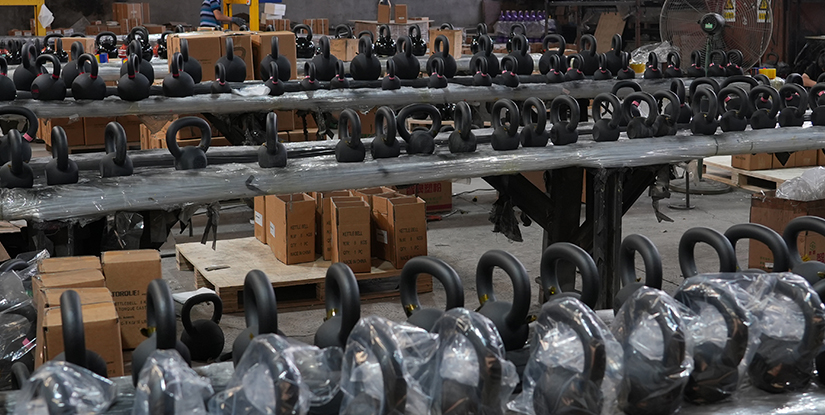
To ensure longevity in high-traffic commercial settings, inspect the following mechanical aspects during your quality control phase:
- Pin Engagement: Ensure the quick-lock mechanism seats deeply and securely within the housing.
- Track Smoothness: The adjustment paths should remain free of debris or burrs that could impede movement.
- Material Resilience: Check that the handle components show no signs of deformation under maximum load capacity.
Mechanical Architecture Comparison
Selecting the right mechanism type directly impacts your long-term maintenance budget and the speed of client transitions. Different locking systems offer varying trade-offs between speed of adjustment and structural durability. Use the following comparison to align your procurement choice with your facility's specific usage intensity and maintenance staffing capabilities.
| Mechanism Type | Primary Durability Profile | Maintenance Frequency | Common Failure Points | Commercial Suitability |
|---|---|---|---|---|
| Pin-Lock | High (Solid steel engagement) | Low (Occasional lubrication) | Pin misalignment or spring fatigue | High-traffic strength gyms |
| Screw-Lock | Extreme (Manual compression) | Moderate (Thread tension checks) | Thread stripping or cross-threading | Boutique studios / Low-volume use |
| Spring-Loaded | Moderate (Dynamic tension) | High (Regular tension audits) | Spring tension loss or debris interference | Rapid-transition HIIT classes |
When evaluating adjustable kettlebell handle durability, consider that while spring-loaded systems offer the fastest transitions, they often require more frequent quality control inspections. For distributors focusing on heavy-duty gym builds, the pin-lock system remains the industry standard for balancing speed with long-term mechanical reliability.
Optimizing Inventory Longevity and Maintenance Protocols
To protect your investment, facility managers should implement a structured maintenance schedule that addresses both mechanical and environmental factors. Effective wholesale fitness equipment quality control does not end at the point of delivery; it continues through the product lifecycle via proactive care. Neglecting basic upkeep can significantly inflate the total cost of ownership (TCO) by forcing premature replacement of the internal locking components.
A standard monthly visual inspection checklist should be integrated into your staff's routine to catch subtle signs of degradation before they become safety hazards. Focus on these three critical areas:
- Lubrication Requirements: Periodically apply a dry, silicone-based lubricant to the adjustment tracks. Avoid heavy grease, which attracts dust and grit that can jam the quick-lock mechanism.
- Structural Integrity: Scan the handle and weight-locking interfaces for hairline fractures or signs of metal fatigue, especially in high-volume training environments.
- Debris Management: Ensure the internal locking paths are free from sweat-induced corrosion or dust buildup, which can impede smooth transitions.
By prioritizing these routine checks, distributors can ensure that the adjustable kettlebell units maintain their premium feel and operational speed, maximizing the ROI for end-users and reducing long-term warranty claims.
Mitigating Transit Risks to Structural Integrity
Professional procurement managers often overlook how long-distance freight affects precision-engineered components. High-quality quick lock adjustable kettlebell handle reviews frequently highlight issues that stem not from manufacturing defects, but from improper transit protection. Without specialized packaging, the subtle mechanical alignment required for smooth weight transitions can be compromised by constant movement.
A rigorous commercial kettlebell mechanism inspection must extend to the logistics chain. To maintain the structural integrity of the locking pins and internal rails, manufacturers must implement high-density foam inserts and reinforced corrugated layering. This level of transit vibration protection ensures that the precision-calibrated parts arrive at your facility in perfect working order, preventing the costly downtime and high return rates typically associated with substandard wholesale fitness equipment quality control.
Packaging Configuration Comparison for Global Logistics
Selecting the appropriate shipping standard is a critical decision for distributors managing inventory overhead and transit-related damage risks. While standard packaging may suffice for domestic regional distribution, long-haul maritime freight requires a higher tier of structural reinforcement to protect the internal locking mechanisms from heavy stacking and vibration.
| Feature | Standard Domestic Grade | Export Grade (Sea/Air Freight) |
|---|---|---|
| Protective Layers | Single-layer bubble wrap | High-density EPE foam & custom molds |
| Box Strength | Single-wall corrugated | Double-wall reinforced heavy-duty carton |
| Primary Use Case | Local distributor restocking | International wholesale & sea freight |
| Transit Risk Level | Moderate vibration/stacking | High-intensity movement & moisture |
For large-scale facility fit-outs or international dealership orders, we recommend the Export Grade configuration. This ensures that the adjustable kettlebell handle durability is not compromised by the rigors of containerized shipping, protecting your long-term ROI and reducing the need for post-delivery technical adjustments.
Optimizing Moisture Protection and MOQ Logistics
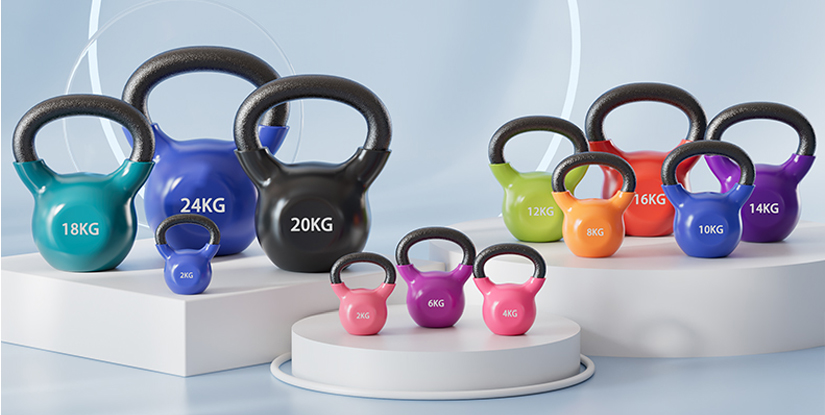
Beyond physical shock absorption, long-term adjustable kettlebell handle durability depends heavily on environmental control during transit. For overseas shipments, moisture protection is non-negotiable. High-humidity maritime environments can lead to oxidation on internal metal pins or friction points if the packaging lacks adequate vapor barriers. We recommend ensuring that all wholesale orders include desiccants and airtight poly-bagging to preserve the mechanical calibration of the quick lock system.
When negotiating wholesale fitness equipment quality control, buyers should also clarify how MOQ considerations impact packaging density. While higher volumes often allow for more efficient palletization, the priority must remain on structural stability rather than just maximizing container space. A well-organized loading plan that accounts for both weight distribution and component protection ensures that your shipment arrives ready for immediate commercial deployment without the need for extensive onsite re-calibration.
Mitigating Risk in OEM/ODM Manufacturing Specifications
For distributors, the difference between a high-margin product and a costly liability lies in the precision of the mechanical components. When sourcing adjustable weight systems, relying solely on superficial quick lock adjustable kettlebell handle reviews is insufficient for long-term profitability. True distributor risk mitigation requires a deep dive into the technical tolerances of the locking mechanism itself.
A failure in the mechanical integrity of a handle does more than cause a single defective unit; it triggers high return rates and damages brand reputation within the commercial sector. Implementing a rigorous commercial kettlebell mechanism inspection during the factory QC stage ensures that every adjustment cycle remains smooth and secure. By prioritizing strict engineering specifications over lower initial unit costs, importers protect their long-term ROI and ensure the product survives the high-frequency usage typical of professional strength facilities.
To standardize your procurement process, you must move beyond qualitative feedback and demand quantitative benchmarks. Establishing a clear distinction between entry-level and professional-grade manufacturing is essential for effective wholesale fitness equipment quality control. High-volume buyers should utilize a specific metric-based framework to evaluate potential suppliers during the sampling phase.
The following table provides a baseline for evaluating adjustable kettlebell handle durability and the engineering standards required for commercial-grade distribution.
| Technical Metric | Standard/Budget Grade | Commercial/High-Durability Grade |
|---|---|---|
| Material Grade | Standard Carbon Steel | Reinforced Alloy or High-Grade Stainless Steel |
| Tolerance Levels | ± 1.5mm variance | < ± 0.5mm precision fit |
| Locking Mechanism Reliability | Spring-loaded friction lock | Dual-stage mechanical engagement |
| Cycle Test Rating | Basic repetitive use | High-frequency adjustment tested |
When negotiating with OEM/ODM partners, explicitly request documentation regarding tolerance levels and the specific metal alloys used in the internal locking pins. A manufacturer capable of maintaining tight tolerances across large MOQs is a significantly more reliable partner for scaling your fitness equipment inventory.
Optimizing Total Cost of Ownership Through Strategic Sourcing
A sophisticated procurement strategy extends beyond the initial purchase price. To maximize ROI, buyers must consider the Total Cost of Ownership (TCO), which includes long-term maintenance cycles and potential downtime. High-volume orders should be structured around a calculated MOQ that balances inventory carrying costs against the benefits of bulk shipping and manufacturing efficiencies. When scaling, ensure your quality control protocols include a verification of the internal component longevity to prevent premature replacement cycles.
Furthermore, facility layout optimization depends on the reliability of your equipment. If a mechanism fails, it disrupts the training flow and necessitates immediate staff intervention. By integrating rigorous testing requirements into your initial sourcing, you reduce the frequency of unscheduled maintenance. Investing in higher-spec handles during the initial procurement phase minimizes the long-term operational drag, ensuring that your facility remains a high-performance environment with minimal equipment-related disruptions.