Adjustable Weight Kettlebell Reviews for Bulk Procurement
Defining Procurement Standards for Adjustable Weight Kettlebell Selections
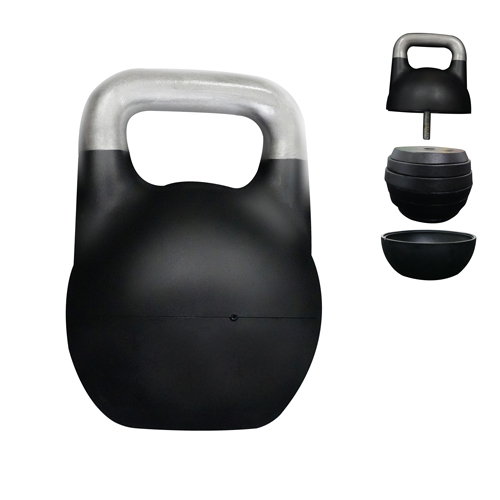
Adjustable weight kettlebells are versatile strength training tools featuring modular weight components that allow users to switch resistance levels within a single unit. B2B buyers prioritize these systems to optimize floor space and reduce SKU complexity while offering diverse training stimulus to diverse client bases.
Prioritizing Mechanical Integrity and Longevity
When analyzing adjustable weight kettlebell reviews, distributors must look beyond user experience to evaluate the fundamental structural integrity of the unit. In high-traffic environments, the primary risk involves mechanical wear caused by frequent weight transitions and repetitive impact. High-quality commercial fitness equipment distribution requires ensuring that weight plate locking mechanisms are engineered for hundreds of cycles without loosening. If the locking system fails or shows signs of fatigue, the resulting replacement rates will quickly erode your profit margins and damage your reputation with gym operators.
The choice between different shell materials and internal mechanisms directly dictates the long-term Total Cost of Ownership (TCO) for your clients. A distributor's decision should be based on whether the target facility is a high-impact CrossFit box or a controlled boutique studio, as the impact resistance requirements vary significantly.
Material and Mechanism Comparison for Bulk Sourcing
| Construction Type | Impact Resistance | Weight Transition Smoothness | Maintenance Frequency |
|---|---|---|---|
| Cast Iron Shell | High (Excellent for floor drops) | Moderate (Manual plate swapping) | Low (Standard cleaning) |
| Steel Shell (Precision) | Medium (Best for studio use) | High (Rapid dial/pin adjustment) | Moderate (Check locking pins) |
| Polymer-Coated | Low/Medium (Protects flooring) | Very High (Seamless adjustment) | Low (Surface wipe-down) |
For effective bulk kettlebell inventory planning, consider that steel-shell models with dial-based adjustments offer superior speed but may require more rigorous quality control regarding mechanism precision. Conversely, cast iron options offer the most rugged durability for heavy-duty commercial use, though they lack the rapid transition capabilities favored in high-tempo group classes.
Rigorous Quality Control Checkpoints for High-Volume Orders
Successful wholesale adjustable kettlebell sourcing requires moving beyond sample testing to implement strict factory-level protocols. During bulk kettlebell inventory planning, procurement managers should mandate specific stress tests to mitigate the risk of high return rates. At a minimum, ensure the manufacturer performs standard drop testing to verify shell stability under impact. Furthermore, verify coating adhesion through cross-hatch testing to prevent premature chipping in humid gym environments. Finally, inspect hinge durability and locking pin tolerances to ensure the mechanism remains fluid after repeated cycles, protecting your long-term margins.
Analyzing Mechanical Integrity and Weight Transition Reliability
In high-traffic environments, the durability of moving parts determines the long-term viability of your inventory. When evaluating adjustable weight kettlebell reviews, professional buyers must look beyond aesthetic finishes to scrutinize the internal locking mechanisms. Failure in weight transition reliability—such as plates shifting during high-velocity swings—poses significant liability risks for facility owners and undermines the reputation of commercial fitness equipment distribution partners.
Reliable units must withstand rigorous maintenance cycles without losing precision in their weight increments. For distributors, sourcing products with high mechanical integrity ensures lower return rates and higher client satisfaction, as these components are subject to constant friction and impact during standard commercial use.
Distributors should differentiate between mechanical systems based on how they handle friction and load stability. The choice between pin-lock and dial-based mechanisms often dictates the total cost of ownership (TCO) for the end-user and the frequency of after-sales support required by the supplier.
| Mechanism Type | Durability Profile | Maintenance Frequency | Commercial Suitability |
|---|---|---|---|
| Pin-Lock System | High; resistant to heavy impact | Low; occasional lubrication | Best for high-intensity strength facilities |
| Dial-Based System | Moderate; precision-dependent | Medium; requires debris clearing | Ideal for boutique studios and light use |
Pin-lock systems offer superior structural rigidity for heavy swings, making them a safer bet for bulk kettlebell inventory planning in full-scale gyms. Conversely, while dial-based systems allow for faster transitions, they are more susceptible to wear and tear from dust or sweat ingress, which can eventually impede the adjustment mechanism. Selecting the appropriate mechanism is critical for maintaining margin stability by reducing the volume of defective unit claims.
Mitigating Risk Through Rigorous QC and Inventory Planning
Effective wholesale adjustable kettlebell sourcing requires a proactive approach to quality control that extends beyond the initial order. To protect distributor margin stability, buyers must implement a strict QC inspection protocol targeting common failure points, such as hairline fractures in the handle or imprecise weight plate alignment. Unchecked defects lead to high return rates that quickly erode profitability.
Strategic bulk kettlebell inventory planning should also account for packaging integrity during long-distance transit. Ensuring that heavy, adjustable components are secured in reinforced, moisture-resistant shipping containers prevents transit-related damage. By prioritizing structural testing and robust logistics, distributors can minimize the overhead costs associated with faulty replacements and maintain a reliable supply chain for their commercial clients.
Evaluating Material Coating and Surface Longevity for High-Traffic Use
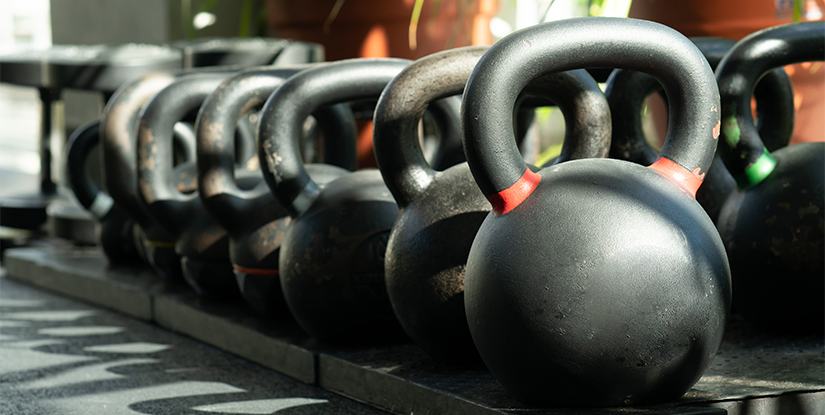
In high-traffic environments, the physical integrity of the exterior finish determines the long-term replacement cycle of your inventory. Reliable adjustable weight kettlebell reviews frequently highlight that surface wear is not merely an aesthetic issue but a functional one, as compromised coatings can lead to oxidation or mechanical interference in the weight-selection components.
Coating Durability and Mechanical Reliability
For distributors specializing in commercial fitness equipment distribution, understanding the trade-offs between finish types is essential for maintaining margin stability. High-frequency use in commercial settings subjects both the handle and the adjustment tracks to constant friction and impact. While powder coating vs. rubberized finishes both offer protection, they serve different procurement goals. Powder coating provides a rigid, scratch-resistant shield ideal for heavy-duty stability, whereas rubberized finishes offer superior grip and impact absorption, though they may be more susceptible to tearing under extreme mechanical stress.
When planning bulk kettlebell inventory, the selection of a coating material directly influences the total cost of ownership (TCO) for the end-user and the return rate for the distributor. A failure in surface integrity can lead to premature oxidation of the internal mechanisms or grip degradation, which complicates long-term maintenance. The following comparison assists in evaluating which finish aligns best with your target market's intensity levels.
| Coating Type | Durability & Impact Resistance | Maintenance Frequency | Cost-Benefit Ratio |
|---|---|---|---|
| Powder Coating | High (Scratch-resistant) | Low | Excellent for high-volume B2B |
| Silicone/Rubber | Moderate (High impact absorption) | Medium (Check for tears) | Premium tier for boutique studios |
| Cast Iron Finish | Low (Susceptible to rust) | High (Requires oiling/cleaning) | Budget-friendly/Entry-level |
For large-scale wholesale adjustable kettlebell sourcing, powder-coated options typically offer the most stable margin. They provide the necessary structural defense against the mechanical friction inherent in weight-switching movements while maintaining a professional aesthetic that withstands rigorous commercial scrutiny without constant upkeep.
Quality Control Checkpoints for Bulk Shipments
Effective bulk procurement risk mitigation requires moving beyond surface aesthetics to validate structural resilience. Before finalizing wholesale adjustable kettlebell sourcing contracts, ensure manufacturers perform standardized abrasion testing to simulate years of grip friction. Furthermore, verifying moisture resistance through salt spray or humidity chamber tests is critical for preventing oxidation during long-haul sea freight. Prioritizing high packaging integrity—specifically reinforced corrugated dividers and moisture-absorbent desiccant packs—protects the product during transit. These rigorous QC steps safeguard your inventory turnover by reducing the rate of damaged-on-arrival returns and ensuring high client satisfaction.
Optimizing Inventory Turnover via Weight Range Versatility
Distributors must evaluate how weight range versatility impacts long-term ROI. A single unit capable of spanning multiple increments reduces the number of individual SKUs required in a warehouse, directly improving space efficiency and reducing the capital tied up in stagnant stock.
When analyzing adjustable weight kettlebell reviews, procurement managers should look beyond basic durability to how a product's range serves diverse client needs. In commercial fitness equipment distribution, high-turnover items are those that replace multiple traditional kettlebells, offering a higher value-to-volume ratio for the end-user and better movement for the distributor's inventory.
| Stocking Configuration | SKU Complexity | Storage Footprint | Turnover Potential |
|---|---|---|---|
| Standard Fixed Sets | High | Large | Moderate |
| Multi-Increment Adjustable | Low | Compact | High |
| Hybrid Modular Systems | Medium | Medium | High |
To maximize profit margins, buyers should align their procurement with specific market segments. The following comparison assists in deciding which configuration offers the best return on investment based on the intended end-user environment.
| Configuration Model | Weight Increments | Total Weight Range | Target User Segment | Storage Footprint |
|---|---|---|---|---|
| Rapid-Change Dial | Small (1-2kg) | 4kg – 16kg | Beginner / Home Gym | Minimal |
| Plate-Loaded Modular | Medium (2-4kg) | 8kg – 32kg | Advanced / Commercial | Moderate |
| Precision Weight System | Very Small (<1kg) | 4kg – 24kg | Specialized / PT Studios | Low |
Choosing a model with a broader weight range and higher density typically yields better bulk kettlebell inventory planning results. While high-precision systems cater to boutique studios, heavy-duty modular systems often provide the highest wholesale adjustable kettlebell sourcing volume for large-scale commercial distributors.
Effective bulk kettlebell inventory planning requires a strategic balance between variety and volume. Relying on too many specialized SKUs can lead to dead stock, particularly if specific weight increments do not align with regional market demand. To mitigate this risk, procurement specialists should prioritize versatile systems that satisfy multiple training levels with a single product line.
Balancing MOQ and Market Fluidity
When engaging in wholesale adjustable kettlebell sourcing, the MOQ considerations often dictate the initial capital outlay. While higher minimum orders may lower the per-unit cost, they also increase the risk of holding stagnant inventory if the weight distribution is too niche. Successful distributors focus on high-velocity weight ranges that appeal to both functional fitness enthusiasts and professional strength athletes. By selecting products that offer a wide, seamless transition between weights, you ensure higher stock turnover and a more resilient supply chain that can react quickly to shifting consumer trends without the burden of excessive warehouse aging.
Impact of Packaging on Total Landed Cost
When evaluating adjustable weight kettlebell reviews, professional buyers must look beyond the product itself to the structural integrity of the shipping units. In commercial fitness equipment distribution, the cost of a single damaged unit often exceeds the profit margin of the entire shipment. High-density weight components are prone to internal shifting or exterior scuffing if the packaging lacks sufficient reinforcement.
Inadequate packaging durability directly increases shipping damage risks, leading to expensive reverse logistics and diminished inventory turnover. For distributors, a robust, reinforced carton specification is not an optional luxury; it is a critical factor in stabilizing the total landed cost and ensuring that the product arrives in showroom-ready condition for the end-user.
Packaging Configuration Comparison for Strategic Sourcing
Effective bulk kettlebell inventory planning requires a granular understanding of how different packaging tiers impact both volume efficiency and protection levels. Choosing the right configuration allows distributors to balance shipping density against the risk of transit-related defects.
| Packaging Type | Volume Efficiency | Protection Level | Best Use Case |
|---|---|---|---|
| Standard Export Carton | High (Optimized for palletization) | Moderate (Standard retail/gym use) | Direct-to-consumer or low-risk regional shipping |
| Reinforced Double-Wall | Medium (Slightly larger footprint) | High (Impact and compression resistant) | Long-haul international sea freight |
| Custom Crating/Palletized | Low (Increased dimensional weight) | Maximum (Zero-shift stability) | Bulk wholesale orders for large-scale facilities |
Selecting the reinforced option is often the most cost-effective decision for wholesale adjustable kettlebell sourcing, as it significantly reduces the frequency of replacement claims and maintains higher inventory reliability during complex global transit cycles.
Optimizing Container Loading and MOQ for Margin Stability
Successful wholesale adjustable kettlebell sourcing depends heavily on container loading optimization. Because adjustable components can be heavy and irregular in shape, distributors must ensure that the manufacturer utilizes precise palletization patterns to prevent internal shifting. A well-optimized load maximizes cubic capacity while reducing the risk of crushed bottom layers, which is essential for damage-free delivery across oceans.
When negotiating MOQ, do not simply focus on the lowest unit price. A lower MOQ might save initial capital, but if the shipping configuration is inefficient, the increased freight cost per unit can erode your margin stability. Prioritize suppliers who offer scalable packaging solutions that align with full container load (FCL) or high-density LCL requirements to ensure your landed costs remain predictable and competitive.
Strategic Sourcing: Balancing MOQ and Margin Stability
When evaluating adjustable weight kettlebell reviews, distributors must look beyond the initial unit price to assess the long-term impact on margin stability. Low-cost options often hide hidden expenses in the form of high return rates or frequent replacement cycles due to mechanical failure.
Total Cost of Ownership (TCO) vs. Unit Price
In commercial fitness equipment distribution, the true cost is defined by the total cost of ownership (TCO). A premium adjustable kettlebell with high-grade locking mechanisms may require a higher initial investment, but it significantly reduces the frequency of warranty claims and customer dissatisfaction. For distributors, sourcing products that maintain structural integrity under heavy use ensures that profit margins are not eroded by the logistical costs of processing defective returns or managing low-quality inventory complaints.
Choosing between direct factory procurement and local wholesale models involves a calculated trade-off between unit cost and logistical risk. For effective bulk kettlebell inventory planning, buyers must weigh the benefits of high-volume savings against the potential for increased shipping damage risks.

Direct Factory Sourcing vs. Local Wholesale Distribution
Direct sourcing offers the most competitive pricing and the highest wholesale adjustable kettlebell sourcing potential, yet it requires managing high MOQ requirements and complex international logistics. Conversely, local wholesale options provide faster replenishment and lower packaging integrity risks, though at a reduced margin. The table below outlines the primary considerations for procurement managers:
| Sourcing Model | Typical MOQ | Primary Risk Factor | Margin Potential |
|---|---|---|---|
| Direct Factory | High | Shipping damage & customs | Maximum |
| Local Wholesale | Low to Medium | Higher unit cost | Moderate |
When opting for direct factory orders, prioritize suppliers with proven packaging integrity standards. Heavy adjustable components are susceptible to impact damage during long-haul transit; therefore, ensuring reinforced, multi-layer boxing is essential to protect your investment and maintain your service standards.
Mitigating Turnover Risk via Qualitative Data
To optimize inventory turnover, procurement specialists should analyze qualitative feedback regarding mechanical reliability and durability. In high-traffic environments, a single failure in the weight-locking system can lead to rapid product obsolescence. Prioritize products where reviews confirm consistent performance under commercial gym requirements. Selecting gear with robust, tested adjustment mechanisms prevents the "dead stock" scenario caused by frequent mechanical breakdowns, ensuring your inventory remains a high-velocity asset rather than a liability.
Long-Term Mechanical Reliability and Durability
When analyzing adjustable weight kettlebell reviews from a procurement standpoint, the focus must shift from user experience to long-term mechanical integrity. In high-traffic commercial gym settings, the constant switching of weight increments places significant stress on the internal locking mechanisms. Failure to account for mechanical wear during the sourcing phase can lead to increased replacement costs and diminished client trust.
Distributors should prioritize units that demonstrate high weight plate stability to prevent internal shifting during high-intensity movements. A robust design ensures that the adjustment components remain functional throughout extended maintenance cycles. Without strict quality control on the moving parts and housing durability, the total cost of ownership rises as equipment becomes unreliable under heavy daily use.
Evaluating Mechanism Durability and Maintenance Profiles
Selecting the right adjustment technology is critical for long-term inventory turnover and reducing after-sales support. Different locking systems present distinct trade-offs regarding mechanical longevity and potential failure points. Use the following comparison to align your product assortment with the specific needs of your target facility types.
| Mechanism Type | Durability Profile | Maintenance Frequency | Common Failure Points |
|---|---|---|---|
| Selector Pin | High (Heavy Duty) | Low | Pin misalignment or spring fatigue |
| Screw-on / Dial | Moderate | Medium | Thread stripping or cross-threading |
| Magnetic Locking | Variable | High | Magnetic degradation or debris interference |
For large-scale commercial fitness equipment distribution, selector pin systems often provide the best ROI due to their resilience in high-volume environments. While magnetic or screw-based systems may offer faster transitions, they often require more frequent inspection to prevent mechanical drift, which can impact your long-term margin stability.
Optimizing Quality Control for Moving Parts
Effective wholesale adjustable kettlebell sourcing requires rigorous quality control (QC) protocols specifically targeting internal friction. High-frequency adjustments can cause component friction within the weight tracks, leading to premature wear or jamming. During factory audits, verify if manufacturers specify lubricant requirements for the sliding mechanisms to ensure smooth transitions over thousands of cycles.
Ignoring these microscopic details during the inspection phase risks distributor margin protection. If internal parts seize or degrade due to poor tolerances, the resulting high return rates and warranty claims will quickly erode your profits. Prioritize suppliers who provide documented testing on component tolerances and material hardness to ensure your inventory remains a reliable asset for commercial clients.