Evaluating Adjustable Competition Kettlebell Program Fit
Optimizing Floor Layouts with Adjustable Competition Kettlebells
Facility managers evaluating an adjustable competition kettlebell review must look beyond simple weight increments to assess how these units impact long-term floor space optimization. A strategic procurement decision hinges on balancing the risk of cluttered training zones, the technical specifications of the weight adjustment mechanism, and the logistical footprint of storing multiple sets during high-traffic transitions.
Maximizing Density in High-Density Training Environments
In high-density training environments, such as boutique studios or specialized strength zones, the sheer volume of fixed-weight kettlebells can quickly overwhelm a facility's layout. Utilizing adjustable options provides significant commercial class equipment versatility by replacing dozens of individual SKUs with a single, streamlined footprint. This transition allows distributors and gym owners to reclaim valuable square footage that would otherwise be occupied by expansive kettlebell racks. By consolidating weight ranges into a compact, multi-use kettlebell training system, operators can increase the number of participants per session without expanding their physical footprint, effectively increasing the revenue potential per square foot.
When calculating the total cost of ownership and facility utility, the physical footprint of your strength equipment is as critical as the initial purchase price. A comprehensive adjustable competition kettlebell review must quantify how much space is reclaimed when moving from traditional sets to modular systems. Below is a comparison designed to assist procurement managers in evaluating the spatial and economic trade-offs between fixed and adjustable configurations.
| Evaluation Metric | Traditional Fixed Kettlebell Sets | Adjustable Competition Models |
|---|---|---|
| Storage Footprint | High; requires expansive tiered racks for full weight ranges. | Low; compact footprint suitable for single-station storage. |
| Equipment Versatility | Limited to specific, pre-set weight increments. | High; covers multiple weight increments in one unit. |
| Floor Layout Impact | Significant; creates permanent, large-scale zones. | Minimal; ideal for mobile or small-scale training setups. |
| Procurement ROI | High upfront cost for large volume; higher shipping/storage fees. | Optimized; lower shipping volume and higher utility per unit. |
For distributors and wholesalers, the primary advantage of the adjustable model lies in the reduction of SKU complexity. Instead of managing and shipping multiple heavy, individual units to satisfy a full strength program, a single high-quality adjustable system can fulfill a wide spectrum of client needs. This efficiency not only streamlines inventory management but also provides a superior return on investment by maximizing the utility of limited square footage in premium commercial settings.
Streamlining Logistics and Inventory Management
For wholesale buyers and distributors, the transition to adjustable kettlebell programming offers a distinct advantage in supply chain efficiency. Traditional fixed-weight sets require complex inventory management, as every weight increment necessitates a unique SKU, increasing the volume of incoming shipments and the complexity of warehouse organization. By contrast, sourcing high-quality adjustable units allows for a more lean approach to distributor sourcing. One shipment of modular systems can effectively replace an entire catalog of individual kettlebells, significantly reducing the total shipping volume and the cubic meter requirements per order. This reduction in logistical overhead is particularly beneficial when scaling distribution to boutique studio layouts where storage space is at a premium and rapid equipment turnover is a standard requirement.
Evaluating Versatility for High-Traffic Group Class Programming
In high-density training environments, the longevity of your inventory depends on how well equipment handles constant transitions. An effective adjustable competition kettlebell review must look beyond simple weight increments to evaluate how the hardware survives the rigors of high-frequency usage typical in boutique studios and commercial franchises.
Mechanical Integrity and Wear Resistance
When sourcing for group settings, the primary concern shifts from aesthetic finish to structural endurance. Commercial class equipment versatility is often limited by the failure of moving parts under heavy turnover. For distributors and facility managers, assessing the mechanical integrity of the internal chassis is vital to preventing premature replacement cycles.
A critical failure point in many modular systems is the weight plate locking mechanisms. In a fast-paced class, instructors and clients frequently adjust weights mid-session; if the locking system lacks precision or durability, it creates both a safety risk and a maintenance burden. High-quality adjustable units must feature robust, intuitive fastening components that can withstand thousands of cycles without loosening or losing calibration, ensuring the equipment remains a reliable asset rather than a recurring expense.
Structural Durability and Configuration Comparison
Procurement officers must distinguish between different weight-loading architectures to project long-term reliability. While selectorized systems offer speed, plate-loading configurations often provide the ruggedness required for high-impact ballistic movements. The following comparison outlines the trade-offs between these two primary configurations to assist in calculating the total cost of ownership (TCO) for large-scale facility deployments.
| Feature | Plate-Loading Systems | Selectorized (Pin/Dial) Systems |
|---|---|---|
| Impact Resistance | High; ideal for heavy swings/snatches | Moderate; sensitive to hard drops |
| Coating Durability | Thick rubber or urethane preferred | Precision powder coating required |
| Maintenance Frequency | Low; minimal moving parts | Moderate; requires mechanism checks |
| Transition Speed | Slower; requires manual loading | Rapid; optimized for group flow |
| TCO Profile | Lower; longer replacement cycles | Higher; specialized parts may be needed |
For distributors managing multi-use kettlebell training environments, the choice depends on the specific programming. If the facility prioritizes high-intensity interval training (HIIT) where equipment might be dropped, the higher impact resistance of plate-loading models often yields a better return on investment despite the slower transition time.
Standardizing Quality Control and Bulk Procurement
Reliable sourcing requires moving beyond basic specifications to establish rigorous quality control (QC) checkpoints. For professional buyers, a single defective unit can disrupt an entire class flow, making it essential to audit factory-level tolerances before large-scale shipments arrive. When evaluating an adjustable competition kettlebell review from a technical standpoint, focus on the physical touchpoints that define long-term user satisfaction and safety.
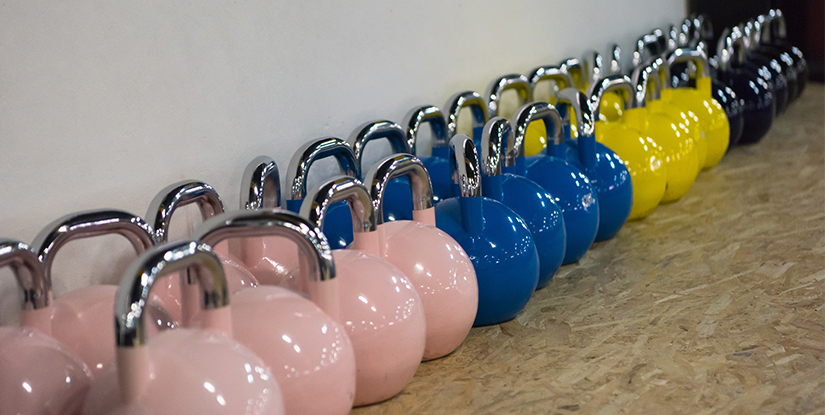
First, inspect the handle ergonomics; the grip must remain consistent regardless of the current weight configuration to ensure seamless multi-use kettlebell training. Second, verify the coating thickness via ultrasonic or manual gauge testing to ensure the finish can withstand abrasive floor contact and sweat-induced corrosion. Finally, when managing bulk procurement considerations, always clarify the Minimum Order Quantity (MOQ) and shipping logistics with your supplier. High-quality manufacturers should provide detailed tolerance reports and standardized packaging to minimize transit damage, ensuring that your investment arrives ready for immediate deployment in high-traffic commercial environments.
Comparing Weight Transition Speed and User Experience
The operational efficiency of a high-traffic facility relies heavily on the speed of weight adjustments. In an adjustable competition kettlebell review, one must prioritize how quickly users can switch loads without disrupting the class flow. Slow transition times often lead to lost momentum in high-intensity interval training (HIIT) or specialized strength sessions, potentially decreasing the perceived value of your equipment investment.
While adjustable kettlebell programming offers immense commercial class equipment versatility, it introduces a variable maintenance frequency. Mechanical locking systems and plate-loading mechanisms require different levels of oversight to ensure long-term reliability and safety in a commercial setting.
| System Type | Transition Speed | Maintenance Requirement | Procurement TCO Profile |
|---|---|---|---|
| Selectorized/Dial | Rapid | Low (Visual Check) | Higher Initial/Lower Labor |
| Plate-Loading | Moderate | Medium (Hardware Check) | Lower Initial/Higher Labor |
| Pin-Lock System | Slow | High (Pin Integrity) | Balanced/Standard |
For distributors focusing on boutique studios, rapid-transition models often yield a better return on investment by maximizing class throughput. Conversely, for heavy-duty strength facilities, more robust, slower-adjusting systems may offer better durability and lower long-term replacement costs despite the increased time between sets.
Technical Durability and Mechanical Integrity
When assessing multi-use kettlebell training equipment for high-volume environments, the long-term cost of ownership is dictated by the precision of the internal locking mechanism. Mechanical wear is the primary variable that distinguishes high-grade commercial inventory from consumer-grade alternatives. Friction-heavy systems or those utilizing cheap plastic components often suffer from weight increment instability, which creates significant liability in a professional gym setting.
Distributors and procurement managers should evaluate the specific lubrication needs and structural tolerances of each mechanism. A well-engineered system should maintain consistent weight stability even after thousands of adjustment cycles. If a mechanism requires frequent manual lubrication or shows signs of loosening under vibration, it will likely increase the total cost of ownership (TCO) through higher labor costs and eventual replacement needs.
| Mechanism Type | Wear & Tear Risk | Lubrication Needs | Stability Profile | Commercial Durability |
|---|---|---|---|---|
| Dial-Based Selector | Low (Internal Gears) | Minimal (Sealed) | High Precision | Excellent for Boutique |
| Pin-and-Collar | Moderate (Metal Friction) | Occasional | Very High | High-Traffic Standard |
| Manual Plate Slide | High (Physical Contact) | Periodic | Variable | Rugged/Basic |
Selecting the right hardware depends on the intended programming intensity. For facilities prioritizing rapid-fire HIIT, a sealed dial system reduces maintenance downtime. However, for heavy strength training where impact is common, a pin-lock system often provides the necessary structural resilience to withstand heavy-use cycles without losing calibration.
Optimizing Facility Layout and Total Cost of Ownership
Beyond mechanical specs, procurement success depends on how equipment integrates into your facility layout. Adjustable units offer a significant footprint advantage, allowing high-density training zones that would otherwise require massive racks of fixed-weight kettlebells. This spatial efficiency is a key driver for ROI in premium boutique studios or urban fitness centers where square footage is at a premium.
From a sourcing perspective, the maintenance cycle must be weighed against high-volume training demands. While rapid-adjustment models streamline class transitions, they may require more specialized technical oversight. For large-scale distributors, the goal is to balance initial unit costs with long-term durability vs. speed. A robust, slower-adjusting system might offer a lower TCO in rugged strength gyms, whereas high-end selectorized models maximize throughput in high-traffic, premium class environments.
Integration with Specialized Strength and Conditioning Modalities
High-performance environments like CrossFit boxes and boutique strength studios demand equipment that survives rigorous, repetitive loading cycles. A professional-grade adjustable competition kettlebell review must prioritize structural integrity to withstand the violent movements typical of high-intensity interval training (HIIT) and heavy ballistic work.
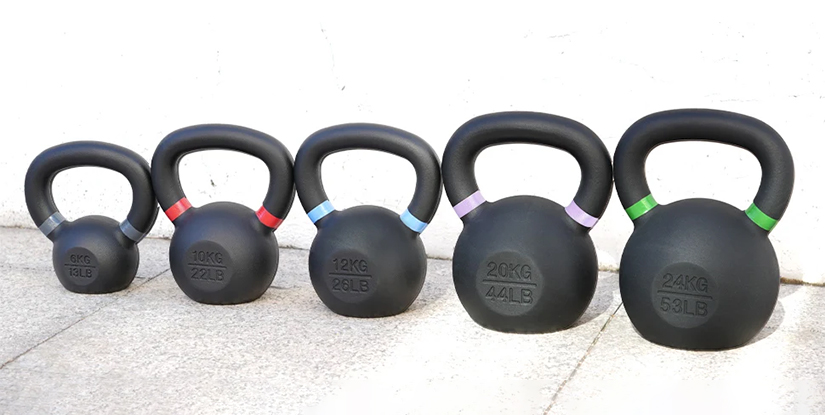
Durability Standards for High-Traffic Facilities
In specialized training settings, the mechanical components of adjustable weight systems face constant stress. Unlike standard home-use models, commercial class equipment versatility depends on the ability to maintain precise weight increments despite frequent adjustments and heavy impact. If the internal locking mechanisms or plate housings lack sufficient density, the unit will succumb to rapid wear and tear, leading to increased maintenance costs and decreased user confidence.
For distributors and facility owners, sourcing units with reinforced shells is critical. High-traffic environments necessitate a build quality that prevents mechanical failure during explosive movements. Investing in high-durability adjustable competition kettlebells ensures that the equipment remains a reliable asset rather than a recurring liability in high-intensity programming.
Technical Comparison: Standard vs. Competition-Grade Build
Procurement officers must distinguish between consumer-grade adjustable sets and true competition-grade models to avoid high replacement rates. While standard adjustable models often utilize lightweight plastics or thin-walled steel, competition-grade units are engineered for high-impact ballistic training and long-term mechanical stability.
| Feature/Specification | Standard Adjustable Models | Competition-Grade Models |
|---|---|---|
| Material Durability | Lightweight composite or thin steel | High-density cast iron or reinforced steel |
| Mechanism Stability | Manual pin or friction-based | Precision-engineered locking systems |
| Powder Coating | Basic paint finish | High-grade, impact-resistant coating |
| Weight Plate Locking | Basic collar or screw-on | Secure, high-tension locking mechanisms |
| Impact Resistance | Low (not suitable for ground drops) | High (built for heavy ballistic work) |
| Maintenance Frequency | Moderate to High | Low (optimized for commercial use) |
When evaluating multi-use kettlebell training options, the total cost of ownership (TCO) is heavily influenced by these durability profiles. Sourcing competition-grade hardware may require higher initial MOQs or upfront investment, but the increased resistance to wear ensures a longer lifecycle in professional strength and conditioning environments.
Optimizing Long-Term ROI and Procurement Logistics
Effective procurement for large-scale facilities requires looking beyond the initial unit price to the total cost of ownership (TCO). When integrating multi-use kettlebell training into a permanent class schedule, the replacement cycles of your equipment become a primary driver of long-term profitability. Low-quality adjustable systems often fail within 12 to 18 months of heavy ballistic use, necessitating frequent reordering and disrupting programming stability.
To mitigate these risks, facility managers should prioritize manufacturers with rigorous quality control (QC) expectations and proven factory capability. When managing the logistics of bulk ordering, ensure your supplier provides detailed technical specifications regarding internal locking tolerances and shell density. Selecting a partner capable of handling high-volume shipments with consistent manufacturing standards reduces the overhead associated with defective units and ensures that your specialized training programs remain uninterrupted by equipment downtime.
Sourcing Considerations for Multi-Unit Facility Deployment
When planning procurement for high-traffic studios or boutique fitness hubs, an adjustable competition kettlebell review must look beyond individual unit durability to focus on inventory efficiency. For facility managers, the primary objective is maximizing the utility of every square foot through strategic space optimization.
Integrating these units into your inventory offers significant commercial class equipment versatility. Instead of stocking dozens of fixed-weight kettlebells that occupy vast amounts of floor space and rack real estate, a streamlined set of adjustable models supports a wide range of intensities. This approach is essential for multi-use kettlebell training, allowing a single station to transition seamlessly from low-impact functional movements to high-intensity strength sessions without the logistical bottleneck of constant weight swapping.
Optimizing your facility layout requires a balance between equipment variety and footprint management. By choosing high-quality adjustable options, distributors and gym owners can reduce the total number of SKUs required on-site, effectively increasing the density of training possibilities within a limited area.
Selecting the right procurement model depends on your scale of operation and the specific demands of your programming. Whether you are a boutique studio owner or a large-scale distributor, understanding the trade-offs between unit cost and logistical complexity is vital for maintaining a healthy bottom line.
| Sourcing Model | Typical MOQ | Logistics & Shipping | Lead Time | Cost-per-Unit Efficiency |
|---|---|---|---|---|
| Single-Unit Retail | 1+ Unit | Parcel/Express Delivery | Immediate to 7 Days | Lowest (High Unit Cost) |
| Wholesale (Standard) | 50–200 Units | LTL/Sea Freight | 30–45 Days | High (Volume Discounts) |
| Custom OEM | 500+ Units | Full Container Load (FCL) | 60–90 Days | Maximum (Scalable ROI) |
For B2B buyers, the decision often hinges on the balance between lead time and long-term value. While retail purchasing serves immediate needs, wholesale procurement offers the necessary cost-per-unit efficiency required for professional deployment. For distributors seeking to establish a proprietary brand, investing in the Custom OEM model provides the highest level of control over specifications and branding, despite the increased logistical lead times and higher minimum order requirements.
Prioritizing Build Quality and Maintenance Cycles
For high-volume environments, the long-term ROI of an adjustable kettlebell depends on its ability to withstand rigorous daily use. A professional-grade assessment must prioritize durability standards that prevent mechanical failure during heavy-use adjustable kettlebell programming. Buyers should demand a commercial-grade build featuring reinforced locking mechanisms and high-grade steel or cast iron components to ensure the internal weight-adjustment systems remain precise over time.
Beyond structural integrity, wear resistance on the handle coating and outer shell is a critical metric. In a commercial setting, frequent handling and potential impact with flooring can degrade lower-quality finishes, leading to premature aesthetic or functional failure. Rigorous quality inspection protocols during the manufacturing phase—specifically focusing on the tolerance of moving parts—will minimize maintenance cycles and prevent the need for frequent replacements. When sourcing at scale, verifying that the manufacturer adheres to strict tolerance testing ensures that your investment supports consistent, high-density training without the downtime associated with faulty equipment.
Long-Term Asset Value and Replacement Cycles
An adjustable competition kettlebell review must prioritize the long-term return on investment regarding floor space and inventory management. For facility owners, the primary value lies in the high space-to-weight ratio provided by these units, which allows a single station to replace multiple fixed-weight kettlebells. This density optimizes high-traffic areas and reduces the footprint required for heavy strength zones.
Beyond spatial gains, the programming flexibility of these systems supports diverse revenue streams. From high-intensity interval training (HIIT) to specialized strength sessions, multi-use kettlebell training ensures equipment remains relevant across various class formats. This commercial class equipment versatility minimizes the need for frequent hardware upgrades, as the adjustable mechanism accommodates evolving user demographics and strength requirements over several years of heavy use.
When calculating the total cost of ownership (TCO), procurement managers must weigh the higher initial unit cost of adjustable models against the long-term savings of reduced inventory. While fixed kettlebells are durable, they necessitate a wide range of individual SKUs to satisfy diverse training needs. In contrast, a single adjustable set provides a scalable weight range, effectively lowering the replacement frequency for expanding facilities.
| Evaluation Metric | Fixed Kettlebell Sets | Adjustable Competition Models |
|---|---|---|
| Floor Footprint | High (Requires extensive rack space) | Low (Compact storage profile) |
| Inventory Complexity | High (Many individual SKUs needed) | Minimal (Single system, multiple weights) |
| Replacement Cycle | Long (Simple structure, low tech) | Moderate (Mechanism-dependent) |
| Maintenance Needs | Low (Visual inspection only) | Standard (Periodic mechanism checks) |
| Scaling Capability | Requires new purchases for higher weights | Easily expandable with additional plates |
For distributors and large-scale gym operators, the decision often hinges on the balance between maintenance and versatility. While fixed weights offer a simpler maintenance profile, the ability of adjustable systems to adapt to different programming demands provides a superior hedge against equipment obsolescence. Selecting high-quality, reinforced adjustable mechanisms ensures that the initial capital expenditure translates into a multi-year asset capable of supporting both beginner and advanced training cohorts.
Mechanical Integrity and Durability Standards
A critical failure point in any adjustable kettlebell programming model is the mechanical wear of the adjustment components. In high-traffic environments, the constant shifting of weight plates and the repetitive engagement of locking pins subject the hardware to significant stress. Procurement teams must look beyond basic weight ranges and scrutinize the metallurgy of the adjustment tracks and the tolerance of the locking mechanisms.
To protect the procurement lifecycle, sourcing specifications should mandate rigorous durability standards. This includes testing for impact resistance during heavy swings and ensuring the adjustment mechanism remains smooth even after thousands of cycles. For wholesalers, prioritizing units with reinforced steel housing and precision-engineered load-bearing points reduces the risk of premature failure and the high costs associated with warranty claims or field replacements in commercial settings.