Best Adjustable Kettlebell Review for Group Class Guide
Optimizing Inventory Margins Through Adjustable Kettlebell Selection
When conducting a best adjustable kettlebell review for wholesale procurement, buyers must prioritize three critical checkpoints: mitigating technical failure risks through mechanical inspection, verifying weight increment specifications against class requirements, and streamlining international shipping logistics. Successful procurement relies on balancing initial capital expenditure (CapEx) against the long-term operational utility of the equipment. High-quality adjustable units reduce the need for massive, fixed-weight inventories, effectively increasing the space-to-value ratio within boutique studios and high-traffic commercial gyms.
A strategic investment in premium adjustable gear extends the equipment lifespan and lowers the total cost of ownership. Rather than replacing worn-out single-weight sets frequently, facilities benefit from the commercial adjustable kettlebell utility of versatile weight increments. This adaptability ensures that even as programming evolves, the core inventory remains relevant, protecting the facility's long-term ROI and reducing the frequency of new stock orders.
Comparing Procurement Models and Total Cost of Ownership
Selecting the right weight configuration requires a calculated look at the trade-offs between upfront costs and operational longevity. For distributors and facility managers, the decision often hinges on the replacement cycles and the maintenance burden associated with different mechanical designs. While single-weight models offer simplicity, the group fitness equipment versatility provided by adjustable systems often results in higher long-term margins by minimizing the total number of SKUs required in stock.
| Model Type | Initial Investment | Versatility | Maintenance Frequency |
|---|---|---|---|
| Single-Weight Fixed | Low | Low | Minimal |
| Standard Adjustable | Moderate | High | Occasional (Pin/Dial Check) |
| High-End Modular | High | Extreme | Periodic (Mechanical Service) |
A high-end modular approach provides superior kettlebell programming efficiency for specialized strength training, yet it requires more rigorous quality control during the sourcing phase. For high-volume distributors, balancing these investment tiers is essential to ensure that the equipment can withstand heavy-duty use without necessitating constant replacement or frequent technical adjustments during active class sessions.
Mitigating Hidden Costs in Bulk Procurement
To protect profit margins, procurement managers must look beyond the unit price and account for the logistical complexities of heavy equipment. When negotiating MOQ considerations, factor in the relationship between product density and shipping weight optimization. High-density modular systems may offer better space efficiency, but excessive weight per unit can significantly inflate landed costs if shipping volumes are not optimized for container loading.
Furthermore, technical failures in the adjustment mechanism represent a major hidden cost in high-traffic environments. Implementing a strict quality inspection (QC) protocol for all mechanical adjustment components—such as locking pins, dials, or weight-plate-retention systems—is mandatory. In high-frequency settings, even minor mechanical fatigue can disrupt kettlebell programming efficiency, leading to increased downtime and labor costs for facility staff. Prioritize suppliers who demonstrate high durability in high-frequency settings to ensure your investment supports, rather than hinders, daily group class transitions.
Evaluating Commercial Adjustable Kettlebell Utility in High-Traffic Classes
In high-traffic group fitness environments, the durability of equipment is directly linked to the frequency of weight adjustments. For distributors and facility managers, selecting gear that survives high-frequency usage is a baseline requirement for long-term ROI and minimizing replacement cycles.
The commercial adjustable kettlebell utility is often tested by the sheer volume of manual transitions occurring during a single class session. Rapid weight transition speed is a desirable feature for programming efficiency, yet every mechanical adjustment introduces potential mechanical wear. If the locking mechanisms or plate tracks are not engineered to meet strict durability standards, the constant friction from changing weights will degrade the unit's structural integrity, leading to premature failure in a commercial setting.
Mechanism Comparison: Durability and Maintenance Trade-Offs
When sourcing for multi-user studios, the choice of adjustment mechanism dictates both the operational tempo and the total cost of ownership. Different designs offer varying levels of resilience against the physical rigors of a high-volume commercial gym setting.
| Mechanism Type | Primary Advantage | Durability Profile | Maintenance Frequency |
|---|---|---|---|
| Pin-Lock Systems | High stability | Excellent for heavy swings | Low; periodic visual checks |
| Dial/Selector Systems | Fastest transitions | Moderate; sensitive to debris | Medium; requires regular cleaning |
| Manual Plate Loading | Maximum robustness | Highest; minimal moving parts | Very low; standard inspections |
While dial-based systems optimize kettlebell programming efficiency through speed, they often require more stringent quality control during the procurement stage to ensure the internal gears can withstand dust and sweat. In contrast, pin-lock or traditional plate-based configurations provide superior structural longevity, making them the safer bet for distributors looking to supply high-impact strength conditioning zones where equipment abuse is expected.
Prioritizing Structural Integrity and Surface Resilience
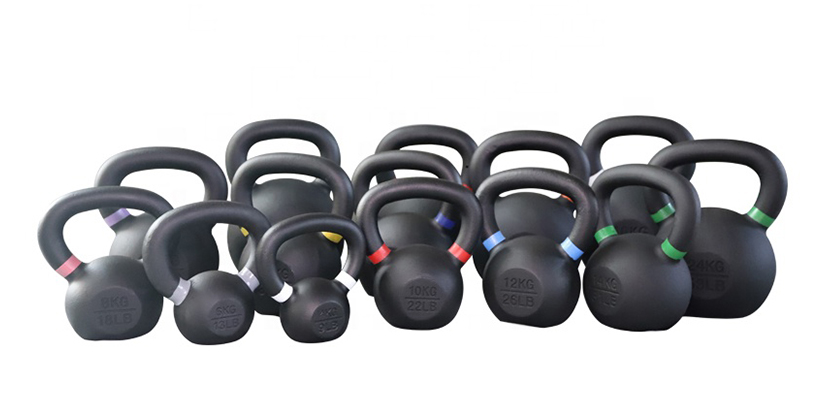
A critical component of any best adjustable kettlebell review involves assessing how the hardware withstands physical impact and environmental exposure. In a commercial setting, the exterior finish is not just an aesthetic choice; it is a functional necessity. Procurement managers must evaluate coating integrity to ensure that high-density urethane or powder coating does not chip or peel during heavy swings or when dropped on rubber flooring. A failure in the surface coating can lead to oxidation of the internal weight plates or localized corrosion, significantly reducing the product's lifespan.
Beyond the surface, structural stability remains the most vital metric for safety. High-impact group classes demand equipment that maintains its center of gravity under dynamic movement. When vetting suppliers, look for manufacturers that provide rigorous testing data regarding impact resistance and load-bearing consistency. A wholesale procurement tip for bulk orders is to request samples specifically to test the tension of the weight-locking components; any slight play or wobbling in the mechanism can indicate a design flaw that will lead to high return rates and client dissatisfaction once the gear is deployed in a professional studio.
Weight Transition Speed and Programming Efficiency Standards
In high-frequency group fitness settings, the time lost during weight adjustments directly dictates the quality of the workout. For facility owners, commercial adjustable kettlebell utility is measured by how seamlessly an instructor can guide a class through varied resistance levels without breaking the metabolic momentum of the session.
When transition time impact on class flow is high, programming efficiency drops, often leading to diminished user engagement. In high-frequency usage scenarios—such as HIIT or circuit training classes—even a 30-second delay per person can derail a structured 45-minute block. Sourcing equipment with rapid, intuitive adjustment mechanisms is essential to maintaining the professional standard of a commercial studio.
| Adjustment Type | Transition Speed | Maintenance Profile | Procurement ROI |
|---|---|---|---|
| Manual Pin/Plate | Slow | Low (Few moving parts) | High (Low initial cost) |
| Dial/Selector System | Moderate | Medium (Mechanical wear) | Balanced |
| Rapid Lock Mechanism | Fast | High (Requires inspection) | Premium (High throughput) |
From a procurement standpoint, the longevity of these mechanisms is just as critical as the speed of the adjustment. While rapid-lock systems excel in high-traffic circuit training, they often involve complex internal components that require more frequent inspection. Conversely, plate-loading systems offer maximum durability for heavy-use environments but demand more labor-intensive setup time, which can limit group fitness equipment versatility during rapid-fire intervals.
Technical Durability and Long-Term Operational Reliability
Distributors and facility managers must evaluate the mechanical complexity of each system against their specific turnover rates. A dial-based system provides a streamlined user experience but may face mechanical fatigue if the internal gears are not engineered for heavy commercial use. When sourcing, verify that the adjustment interface is designed to withstand constant contact and varied grip pressures typical in high-intensity functional training. For large-scale deployments, prioritizing systems with simplified, robust locking components can significantly reduce long-term maintenance overhead and total cost of ownership.
Optimizing Total Cost of Ownership and Facility Throughput
Evaluating the best adjustable kettlebell review requires looking beyond the initial purchase price to the long-term operational impact. For boutique studios, the primary goal is often maximizing floor space through high-density equipment, whereas large-scale commercial gyms must prioritize minimizing downtime across hundreds of daily sessions. A single broken selector mechanism can render an entire set unusable, creating a bottleneck that disrupts scheduled programming and reduces the perceived value of a membership.
When calculating the total cost of ownership (TCO), procurement managers should weigh the reliability of the locking mechanism against the expected replacement cycle. High-quality, factory-tested components may require a higher upfront investment, but they significantly lower the frequency of repairs and the logistical burden of sourcing individual replacement parts. For distributors managing high-volume orders, prioritizing equipment with standardized, modular parts ensures that maintenance remains a routine task rather than a disruptive event that halts facility throughput.
Optimizing Facility Layout with High-Density Training Solutions
In high-density training environments, such as boutique studios or multi-purpose HIIT zones, floor space is a premium asset. A thorough best adjustable kettlebell review must account for how weight versatility impacts the physical footprint of a gym. Traditional fixed-weight sets require extensive rack systems that consume significant square footage, whereas adjustable options allow for a condensed, high-efficiency storage profile.
The commercial adjustable kettlebell utility extends beyond simple weight transitions; it directly influences your facility layout by enabling more participants per square foot. By substituting dozens of individual kettlebells with a streamlined set of adjustable units, operators achieve substantial footprint reduction. This optimization allows distributors and gym owners to maximize revenue-generating space without sacrificing the variety required for diverse programming.
Evaluating Storage Configurations and Rack Compatibility
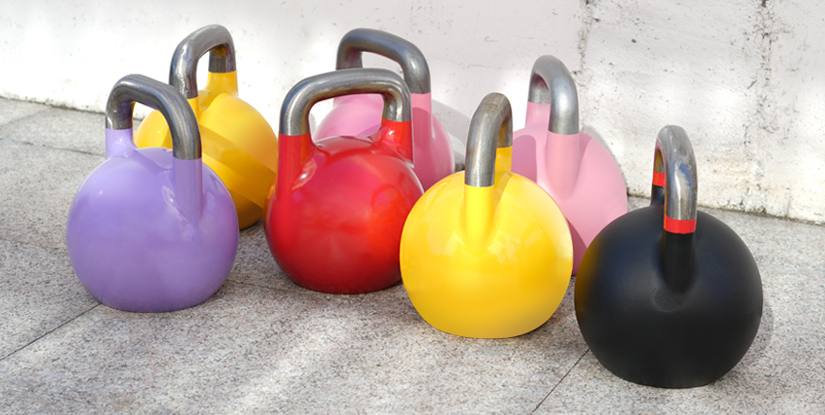
When procuring for large-scale facilities, the distinction between specialized storage and standard shelving can dictate your operational throughput. Efficient storage solutions are critical for maintaining a professional appearance and ensuring rapid weight transition speed during high-intensity interval training (HIIT) or circuit-based sessions. For distributors, selecting models with standardized footprints ensures they can be integrated into existing gym layouts without requiring custom-built furniture.
The following table compares common storage configurations to assist in your procurement decision-making, focusing on how different setups impact group fitness equipment versatility and floor space optimization:
| Configuration Type | Space Efficiency | Transition Speed | Ideal Use Case |
|---|---|---|---|
| Vertical Modular Racks | High (Minimal Footprint) | Moderate | Boutique studios with limited square footage |
| Horizontal Tiered Shelving | Moderate | Fast | Large commercial gyms and HIIT zones |
| Integrated Modular Kits | Extreme (Compact) | High | Functional training areas with high turnover |
For buyers focusing on long-term ROI, prioritizing models with universal rack compatibility ensures that as your facility expands or undergoes redesigns, your initial equipment investment remains functional and easy to organize.
A critical factor in assessing kettlebell programming efficiency is the elimination of downtime between intervals. In a fast-paced commercial setting, every second lost to manual plate changes or searching for specific weights disrupts the class flow and reduces the overall quality of the training experience. Selecting high-tier adjustable models allows instructors to implement complex, multi-weight circuits without the logistical friction inherent in traditional sets.
To ensure seamless movement, prioritize units designed for rapid weight adjustment. Models that utilize intuitive locking mechanisms or quick-change systems allow participants to transition between resistance levels in seconds rather than minutes. Furthermore, sourcing units designed for maintenance-free storage—such as those with durable, non-slip coatings and integrated compact footprints—ensures that your facility remains organized even during high-turnover periods, protecting your long-term asset value.
Sourcing Structural Integrity and Mechanism Reliability
In high-traffic studio environments, the distinction between premium and budget hardware lies in the endurance of the internal adjustment mechanisms. For distributors and facility managers, assessing commercial adjustable kettlebell utility requires looking beyond the exterior finish to the internal locking systems that withstand repetitive load changes.
High-frequency usage in group fitness settings places extreme stress on moving parts. If the internal components lack sufficient structural integrity, the risk of mechanical failure risks—such as plate slippage or selector jamming—increases significantly. While residential-grade models focus on aesthetics, commercial-grade sourcing must prioritize heavy-duty alloys and reinforced pivot points to ensure safety and longevity during intense, back-to-back class rotations.
When evaluating the long-term total cost of ownership (TCO), the method used to change weights dictates both the daily throughput of a class and the long-term maintenance schedule. Different mechanical architectures offer varying trade-offs between speed and ruggedness, a critical factor for inventory planning and facility maintenance budgets.
Mechanism Comparison: Speed vs. Durability
Selecting the right system depends on whether your clientele prioritizes rapid transitions during interval training or if the equipment will undergo heavy, high-impact functional movements. Most commercial procurement decisions revolve around these three primary configurations:
| Mechanism Type | Transition Speed | Durability Profile | Typical Maintenance |
|---|---|---|---|
| Plate-Loading | Slow | Extremely High | Minimal / Periodic Cleaning |
| Dial-Based | Fast | Moderate | Occasional Internal Inspection |
| Pin-Selection | Medium | High | Regular Pin Lubrication |
Plate-loading systems offer the highest reliability for high-impact training due to their simple, robust construction, though they lack the group fitness equipment versatility required for lightning-fast circuit changes. Dial-based systems maximize kettlebell programming efficiency by allowing near-instant weight shifts, yet they require stricter quality control during the sourcing process to prevent internal gear wear. Pin-selection models offer a balanced middle ground, suitable for general commercial use where consistent, predictable transitions are required without the fragility of complex dial systems.
Implementing Quality Control and Long-Term Assessment
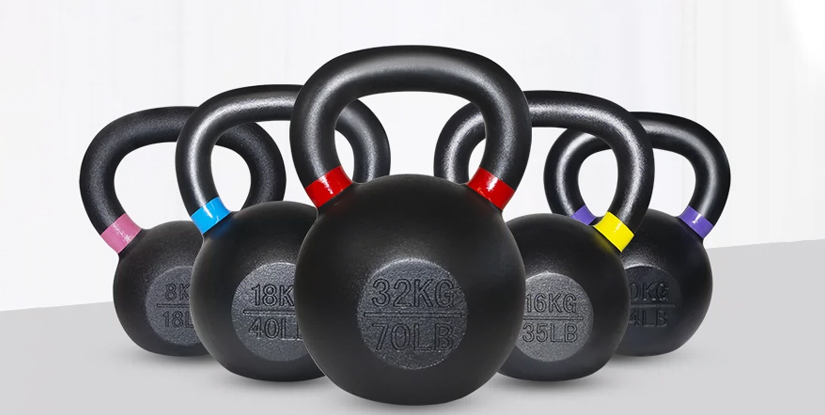
To protect your margins, procurement specialists must establish strict QC standards that go beyond basic weight accuracy. A reliable wear-and-tear assessment during the initial sampling phase should include stress testing the adjustment pins and checking for surface degradation on high-friction contact points. For distributors, sourcing from manufacturers with proven factory capability in high-tolerance machining is essential to prevent premature replacement cycles.
Ultimately, the total cost of ownership (TCO) is heavily influenced by the replacement frequency of the internal mechanisms. While low-cost, single-unit orders might seem attractive, investing in hardware that maintains its structural alignment under heavy use ensures better long-term ROI. Prioritize suppliers who provide detailed material specifications, as this documentation is vital for justifying the premium price point to end-users and facility owners who demand equipment that survives rigorous commercial cycles.
Logistics and Scalability for Multi-Unit Facility Deployment
When sourcing for high-density studios, the best adjustable kettlebell review must look beyond individual unit durability to consider the operational throughput of the entire facility. In group fitness environments, the ability to pivot between strength and conditioning protocols determines the value of your inventory.
Optimizing Through Throughput and Programming Efficiency
For facility managers, the primary metric for success is weight transition speed. In a fast-paced class setting, even a thirty-second delay per student to adjust resistance can disrupt seamless programming transitions and lower the perceived quality of the workout. High-quality adjustable systems allow instructors to move from heavy swings to lighter, high-repetition movements without the logistical bottleneck of swapping out traditional iron kettlebells.
Investing in group fitness equipment versatility reduces the total footprint required for large-scale weight inventories. By stocking a single range of high-performance adjustable units, distributors and gym owners can maximize floor space while maintaining kettlebell programming efficiency across diverse class formats, from HIIT to functional strength training.
Deployment Model Comparison: Individual vs. Station-Based Scaling
Deciding on the scale of your order depends on your specific floor plan and user-to-equipment ratios. While individual unit ownership offers maximum flexibility, station-based or bulk deployment often provides better long-term cost control for high-traffic commercial facilities. The following comparison outlines the trade-offs between these two primary procurement strategies.
| Metric | Individual Unit Deployment | Bulk/Station-Based Deployment |
|---|---|---|
| Space Optimization | High; requires individual storage racks | Superior; utilizes centralized weight stations |
| Cost-per-User | Higher; individual ownership models | Lower; optimized for group density |
| Maintenance Overhead | Moderate; tracking multiple disparate units | Streamlined; standardized parts and servicing |
| Commercial Utility | Best for boutique, premium studio settings | Best for large-scale HIIT/CrossFit gyms |
From a procurement standpoint, bulk sourcing via a single manufacturer model simplifies logistics and quality control. When evaluating the commercial adjustable kettlebell utility, consider that station-based setups reduce the total SKU count, making inventory management more predictable for distributors and large-scale facility operators.
Global Sourcing: MOQ and Shipping Logistics
Scaling a facility rollout requires a clear understanding of factory-level constraints. When managing bulk procurement, buyers must negotiate the MOQ (Minimum Order Quantity) early to ensure the production run aligns with both budget and warehouse capacity. High-density orders for adjustable resistance systems often involve significant weight-to-volume ratios, making shipping logistics a critical variable in the total landed cost. Efficient freight planning—whether using LCL or FCL containers—is essential to avoid unexpected overhead during large-scale equipment deployment.
To mitigate risk during high-volume imports, implementing strict quality control (QC) standards at the factory level is non-negotiable. For distributors, verifying structural integrity and mechanism reliability before departure ensures that the durability for commercial settings meets the high-frequency demands of group classes. A robust inventory management strategy, supported by standardized components, allows for easier replacement parts sourcing and long-term maintenance across multiple locations.