Adjustable Weight Kettlebell | Selecting Adjustable Weight
Evaluating Long-Term Value and Lifecycle Costs of Variable Weight Systems
Smart procurement for high-traffic facilities requires looking beyond the unit price to evaluate three critical checkpoints: mechanical reliability under heavy use, the frequency of required maintenance, and the long-term replacement cycle. A lower initial investment in an adjustable weight kettlebell may seem attractive for a boutique studio, but if the internal locking mechanisms fail or the weight plates degrade, the resulting downtime and replacement costs will quickly erode your ROI. Commercial buyers must prioritize equipment that offers a predictable lifecycle to ensure stable operational budgets.
| Procurement Factor | Standard Fixed Kettlebells | Entry-Level Adjustable Systems | Premium Commercial Adjustable Models |
|---|---|---|---|
| Initial Capital Outlay | Low | Moderate | High |
| Maintenance Requirement | Minimal | Moderate (Regular Inspection) | Low (Robust Engineering) |
| Durability/Lifespan | Very High | Medium (High Wear Risk) | High (Designed for High Volume) |
| Long-Term TCO | Lowest | Variable/Unpredictable | Optimized for Longevity |
When sourcing commercial fitness equipment, the total cost of ownership is heavily dictated by the durability of the adjustment components. While a variable weight kettlebell offers unmatched versatility for diverse programming, the mechanical complexity introduces more potential failure points than a single-piece cast iron bell. We recommend distributors and facility managers select models with reinforced locking pins and high-grade coatings to minimize the need for frequent repairs and to extend the effective service life of the inventory.
For distributors managing inventory for large-scale fitness centers, the choice between plate-loaded and selectorized mechanisms is a decision between operational simplicity and user speed. A variable weight kettlebell utilizing a plate-loading system generally offers superior mechanism durability because it relies on gravity and physical friction rather than intricate internal gears. Conversely, dial-based or selectorized systems provide faster transitions for high-intensity interval training (HIIT) classes but often demand more rigorous quality control during the sourcing process to prevent mechanical seizing.
| Adjustment Mechanism | Primary Benefit | Typical Replacement Cycle | Maintenance Level |
|---|---|---|---|
| Plate-Loaded (Manual) | High mechanical stability | 5–8+ Years | Low (Visual checks) |
| Dial/Selectorized (Internal) | Rapid weight transitions | 3–5 Years | Moderate (Lubrication/Cleaning) |
| Pin-Locking Systems | High precision/security | 4–6 Years | Moderate (Pin inspection) |
From a procurement standpoint, the replacement cycle is often a function of the environment. In high-volume commercial settings, the lack of moving internal parts in certain adjustable models can significantly lower the frequency of technical failures. When evaluating factory capability, ensure the supplier provides clear documentation on the materials used for load-bearing components to mitigate the risk of premature wear.
Optimizing facility layout and maximizing square footage is a core component of a sophisticated procurement strategy. In high-traffic environments where floor space is a premium, replacing dozens of individual fixed-weight kettlebells with a streamlined selection of adjustable resistance training tools can significantly increase usable training area. This transition allows managers to host more diverse programming—such as HIIT, strength, and functional training—within the same footprint, directly impacting the revenue-per-square-foot metric.
To achieve the highest ROI, procurement managers should treat space as a fixed asset and equipment as a flexible variable. By investing in high-quality, versatile systems, facilities can accommodate a wider range of user skill levels and training objectives without expanding their physical footprint. When vetting manufacturers, prioritize those who demonstrate high-level quality control for both the weight-adjustment mechanisms and the outer casing durability, as these factors determine whether your space remains functional or becomes a maintenance bottleneck.
Optimizing Floor Space with High-Density Adjustable Resistance Training
For boutique studios and high-end hotel gyms, maximizing square footage is a critical ROI driver. Integrating an adjustable weight kettlebell into your inventory allows a single station to replace multiple fixed-weight units, significantly streamlining your facility layout without sacrificing programming variety.
This shift toward high-density training enables operators to offer diverse strength and metabolic conditioning sessions within a smaller footprint. Instead of dedicating large zones to sprawling kettlebell racks, distributors and gym owners can utilize versatile, multi-weight solutions to facilitate more efficient movement patterns and rapid transitions between exercises.
When evaluating procurement options, facility managers must weigh the trade-off between the durability of traditional iron and the space-saving benefits of a variable weight kettlebell. While fixed sets offer simplicity, they often lead to cluttered floor plans and increased long-term storage requirements as client demographics shift.
Footprint and Inventory Comparison
The following table compares common weight management solutions to assist in determining the most efficient configuration for your facility or retail distribution model. Selecting the right density of equipment directly impacts your storage efficiency and the ability to scale programming without expanding your physical square footage.
| Metric | Fixed-Weight Sets | Variable Weight Kettlebell |
|---|---|---|
| Footprint | High (Requires large racks/zones) | Low (Single station per user) |
| Storage Efficiency | Low (Multiple units per weight) | High (Consolidated inventory) |
| Programming Versatility | Limited to specific increments | High (Smooth transitions) |
| Logistics/Shipping | Complex (Multiple SKUs/volumes) | Simplified (Fewer, versatile SKUs) |
For distributors managing high-volume orders, opting for adjustable resistance training solutions often reduces shipping overhead and simplifies inventory tracking. By consolidating several weight increments into a single high-quality unit, you optimize the footprint available for other premium commercial fitness equipment.
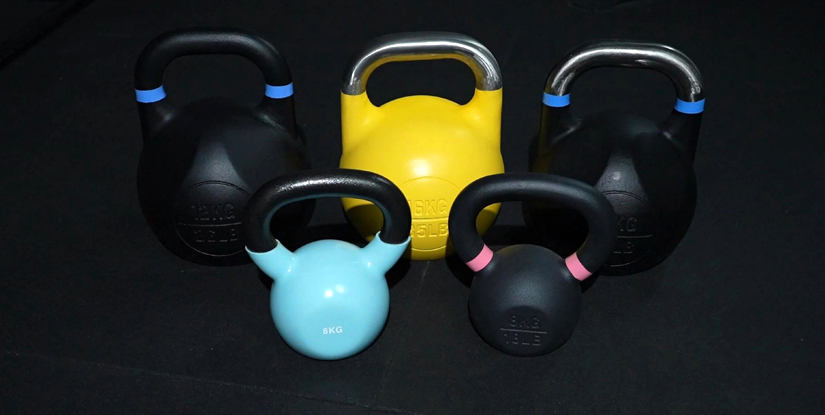
A smart procurement strategy focuses on maximizing the utility of every square meter. For wholesalers, moving toward modularity can significantly improve inventory turnover by reducing the sheer number of individual SKUs that need to be tracked, stored, and shipped. Instead of managing a massive catalog of single-weight items, stocking versatile models allows for a more agile response to changing market demands and client programming needs.
Effective space optimization extends beyond the gym floor to the warehouse. By prioritizing high-density equipment, distributors can lower per-unit shipping costs and reduce the logistical complexity typically associated with heavy, bulky fixed-weight sets. This approach ensures that your adjustable resistance training offerings remain both high-performing for the end-user and highly efficient for your supply chain operations.
Programming Versatility for Boutique Studios and High-Intensity Classes
Boutique fitness environments and high-intensity intervals (HIIT) sessions demand equipment that can withstand relentless usage cycles. Unlike standard gym settings, these high-traffic zones subject an adjustable weight kettlebell to constant friction and heavy handling, making structural integrity a non-negotiable procurement requirement.
Mitigating Mechanical Wear in High-Traffic Zones
In professional class-based settings, trainers often transition between resistance levels mid-workout to match specific programming shifts. These rapid weight changes place significant stress on the internal locking mechanisms and weight plates. If the internal components are not engineered for frequent manipulation, the resulting mechanical wear can lead to premature failure or even safety hazards during high-velocity movements.
For distributors and facility owners, sourcing commercial fitness equipment with reinforced adjustment tracks is essential to lower the total cost of ownership. A high-quality variable weight kettlebell must maintain its precision and weight accuracy even after hundreds of adjustments, ensuring that the equipment remains a reliable asset rather than a recurring maintenance liability in high-intensity environments.
Evaluating Construction Types for Long-Term Durability
When selecting a variable weight kettlebell, procurement managers must distinguish between construction types to align with specific studio programming. The choice between plate-based systems and integrated selector pins determines both the impact resistance and the long-term mechanism stability of the unit.
For strength-focused facilities, heavy-duty steel plate systems offer superior durability for slow, controlled movements. However, for HIIT-centric studios, the focus shifts toward impact resistance and the speed of adjustable resistance training transitions. A robust design prevents weight shifting during ballistic exercises, which is critical for maintaining safety and reducing liability in group classes.
| Construction Type | Primary Strength | Ideal Programming | Durability Profile |
|---|---|---|---|
| Selector Pin / Dial | Speed of adjustment | HIIT & Circuit Training | High mechanical complexity; requires regular inspection |
| Slide-on Plate | High impact resistance | Strength & Power Training | Simplified mechanism; high longevity in rugged settings |
| Integrated Weight Core | Compact footprint | Boutique & Personal Training | Balanced; optimized for smooth, rapid transitions |
From a sourcing perspective, evaluating the tolerance of these moving parts is vital. High-quality manufacturing ensures that the weight distribution remains centered, preventing uneven wear on the handle and internal tracks during intensive training cycles.
Optimizing Maintenance Cycles and Total Cost of Ownership
For distributors and large-scale facility owners, the true value of an adjustable weight kettlebell is found in its long-term maintenance cycles rather than the initial unit price. High-performance commercial fitness equipment requires a strategic look at component quality to prevent frequent downtime. Cheaply manufactured adjustment mechanisms often suffer from debris buildup or mechanical fatigue, which increases the frequency of required inspections and technician visits.
To ensure investment longevity, prioritize sourcing units with high-grade, corrosion-resistant finishes and reinforced load-bearing components. In high-traffic commercial settings, a design that minimizes moving parts or utilizes sealed mechanisms can significantly lower the total cost of ownership. By selecting products that withstand rigorous daily use without losing calibration, buyers can avoid the hidden costs of rapid replacement cycles and maintain a consistent, professional standard for their end-users.
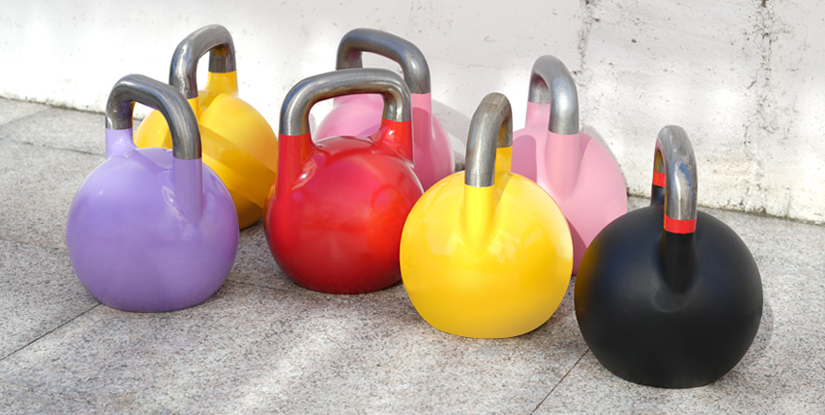
Mechanical Integrity and Component Durability in Commercial Settings
Distinguishing between consumer-grade fitness tools and professional commercial fitness equipment requires a deep dive into the structural longevity of the device. In high-traffic environments, the internal mechanisms of an adjustable weight kettlebell must withstand constant reconfiguration and heavy impact without losing precision or safety.
For distributors and facility managers, the primary concern is mechanical integrity. Unlike home-use models, commercial units face high-frequency use where the locking pins, weight plates, and adjustment dials are subject to extreme wear and tear. Selecting a high-quality adjustable weight kettlebell means prioritizing components that maintain tight tolerances even after thousands of weight transitions, ensuring the unit remains safe for diverse programming needs.
Evaluating the long-term total cost of ownership (TCO) requires a technical comparison of how different weight-shifting technologies function under stress. A variable weight kettlebell utilizing a selector pin offers high speed for HIIT classes but may require more frequent inspections of the pin housing. Conversely, a dial system provides smoother transitions for strength training but presents more complex internal moving parts. For high-volume facilities, understanding these durability trade-offs is essential to prevent unexpected downtime.
| Mechanism Type | Primary Advantage | Potential Failure Point | Maintenance Frequency |
|---|---|---|---|
| Selector Pin | Rapid weight changes | Pin or housing deformation | Moderate/Seasonal |
| Dial System | Precision adjustments | Internal gear/thread wear | Low/Annual |
| Sliding Weight | Simple, rugged design | Track or rail friction | High/Routine |
When sourcing for large-scale distribution, we recommend prioritizing models with enclosed mechanisms to minimize dust and debris ingress. This proactive approach to adjustable resistance training equipment selection ensures that the internal components remain protected, extending the lifecycle of the product in diverse gym environments.
Material Selection and Quality Control Standards
Beyond the internal mechanics, the external shell and weight-shifting surfaces must be scrutinized for material fatigue and coating durability. In a commercial setting, constant friction from hands and floor impacts can cause cheap powder coatings to chip or rubberized surfaces to degrade. This degradation not only affects aesthetics but can lead to structural vulnerabilities. When vetting factory capability, ensure the manufacturer utilizes high-grade, impact-resistant polymers or reinforced steel with industrial-grade finishes that resist oxidation and UV exposure.
For wholesale procurement, rigorous QC standards are the most effective way to secure long-term ROI. A single batch of sub-par components can lead to high return rates and damaged brand reputation among your clients. We suggest requesting detailed material specifications and testing reports regarding stress-strain limits and coating adhesion. By prioritizing products that demonstrate high resistance to material fatigue, distributors can offer a more reliable solution for high-intensity environments, ultimately reducing the frequency of replacement cycles and lowering the total cost of ownership for the end-user.
Sourcing Strategies for Global Distributors and OEM Requirements
Distributors looking to maximize profitability must evaluate the long-term economic impact of the equipment they stock. An adjustable weight kettlebell offers a distinct advantage over fixed-weight sets by optimizing both warehouse logistics and end-user facility layouts through superior space efficiency.
Maximizing ROI Through Inventory Optimization
For commercial fitness equipment suppliers, the primary driver for transitioning to a variable weight kettlebell model is the improvement in inventory turnover. Instead of managing dozens of individual SKUs for every weight increment, a single adjustable unit covers a broad spectrum of resistance levels. This consolidation reduces the capital tied up in stagnant stock and simplifies the shipping and warehousing processes for high-volume orders. By offering versatile solutions, distributors can meet the diverse programming needs of boutique studios and large-scale gyms without the logistical burden of massive, single-weight inventories.
When deciding between purchasing off-the-shelf units or developing a proprietary line, procurement managers must weigh the trade-offs between speed-to-market and brand equity. Selecting the right sourcing model depends on your current capital liquidity, existing warehouse capacity, and the level of market differentiation required for your specific region.
Sourcing Model Comparison for Professional Distributors
| Sourcing Model | Customization Depth | Typical MOQ | Lead Time | Primary Advantage |
|---|---|---|---|---|
| Ready-to-Ship | Minimal (Standard Colors/Logo) | Low (Per Unit/Small Batch) | Short (7–15 Days) | Rapid Market Entry |
| White Label | Moderate (Branding/Packaging) | Medium (Standardized Batch) | Moderate (30–45 Days) | Brand Recognition |
| Full OEM | High (Mechanism/Material/Color) | High (Volume-Based) | Long (60–90+ Days) | Product Differentiation |
For distributors focused on high-frequency turnover, the Ready-to-Ship model minimizes risk during seasonal fluctuations. However, for established players seeking to build long-term value through adjustable resistance training solutions, the OEM route allows for engineering specific weight increments or ergonomic grips that align with local market preferences and professional programming standards.
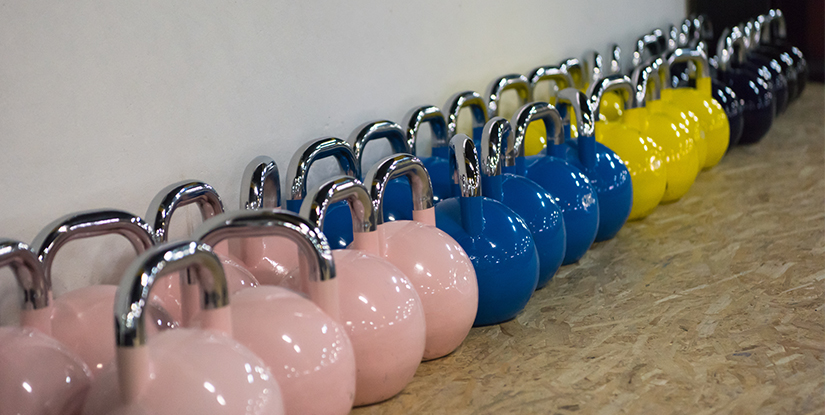
Critical QC and Logistics Protocols for High-Volume Procurement
Maintaining a high standard of quality control (QC) is non-negotiable when sourcing an adjustable weight kettlebell at scale. Buyers must verify that the manufacturer implements rigorous testing for weight precision, ensuring that each incremental change aligns strictly with the advertised resistance levels. Discrepancies in weight accuracy can lead to user frustration and high return rates in commercial settings. Furthermore, the mechanism durability must be stress-tested; the locking and switching components are the most common failure points in high-traffic gyms. A robust mechanism ensures that the device can withstand the repetitive, heavy-impact nature of professional training without losing structural integrity.
From a logistics standpoint, procurement efficiency depends on shipping volume optimization. Because adjustable units often feature complex geometries compared to traditional cast iron, distributors should demand optimized packaging designs that maximize container utilization. Effective palletization and protective structural packaging are essential to prevent transit damage, which can compromise the internal weight-adjustment components. By prioritizing these technical specifications during the sourcing phase, distributors can mitigate the risks of damaged goods and ensure a seamless supply chain for their regional clients.
Logistics and Quality Control Standards for Bulk Imports
For distributors and facility managers, the value of an adjustable weight kettlebell is determined by its long-term mechanical integrity. High-volume procurement requires a rigorous focus on quality control (QC) to ensure that every unit arriving at a commercial site meets strict safety and durability benchmarks.
Ensuring Weight Mechanism Stability
The most critical failure point in variable resistance training equipment is the internal selection system. A high-quality adjustable weight kettlebell must feature a precision-engineered weight mechanism stability design to prevent shifting or jamming during high-intensity movement. During the manufacturing stage, factory-level testing should verify that the locking pins or dial systems can withstand repeated transitions without losing calibration. For B2B buyers, requesting documentation on component tolerances is a standard way to mitigate the risk of mechanical failure in high-traffic commercial fitness equipment environments.
Shipping Durability and Bulk Packaging
Because these products contain moving parts and concentrated mass, shipping durability is a non-negotiable factor in the supply chain. Standard export packaging often fails to protect the precision mechanisms of an adjustable weight kettlebell from impact damage during sea or air freight. We recommend sourcing from manufacturers who utilize reinforced, multi-layered corrugated boxes and custom-fit internal bracing. This level of protection ensures that the internal components remain aligned, reducing the rate of defective returns and maintaining a high ROI for your inventory.
To streamline the procurement process, we have categorized the common logistics and inspection protocols used in international trade. Choosing the appropriate tier depends on your specific business model, whether you are stocking a local retail showroom or supplying a large-scale fitness facility.
| Feature/Standard | Standard Export Tier | Premium Commercial Tier |
|---|---|---|
| Packaging Type | Single corrugated carton | Reinforced double-wall box with custom foam inserts |
| Inspection Focus | Visual exterior check & weight verification | Full mechanical cycle testing & precision alignment check |
| Palletization | Loose cartons or basic shrink wrap | Heat-treated ISPM 15 pallets with edge protectors |
| Shipping Suitability | LCL (Less than Container Load) | FCL (Full Container Load) or high-value air freight |
| Ideal For | Small boutique studio orders | Global distributors & large-scale gym chains |
When negotiating MOQs, always clarify if the price includes specialized internal bracing. For high-density adjustable resistance training gear, the cost of a single damaged mechanism often outweighs the savings from cheaper, standard packaging. Selecting the premium tier minimizes the risk of transit-related defects and ensures a seamless unboxing experience for your end users.
Maintenance Oversight and Inventory Strategy
Long-term reliability in a commercial setting depends on how well a variable weight kettlebell can withstand daily wear and tear. For procurement managers, the goal is to minimize total cost of ownership by selecting products with high component longevity. This involves auditing the manufacturer's ability to provide high-grade, corrosion-resistant materials and robust locking mechanisms that do not degrade under heavy use.
Effective inventory management also requires balancing MOQ requirements with factory inspection protocols. Rather than focusing solely on unit price, professional buyers should verify if the supplier allows third-party inspections to check for structural integrity and smooth weight transitions before shipment. A proactive approach to quality control ensures that your stock remains a reliable asset for high-traffic facilities, reducing the need for frequent replacements or costly on-site repairs.